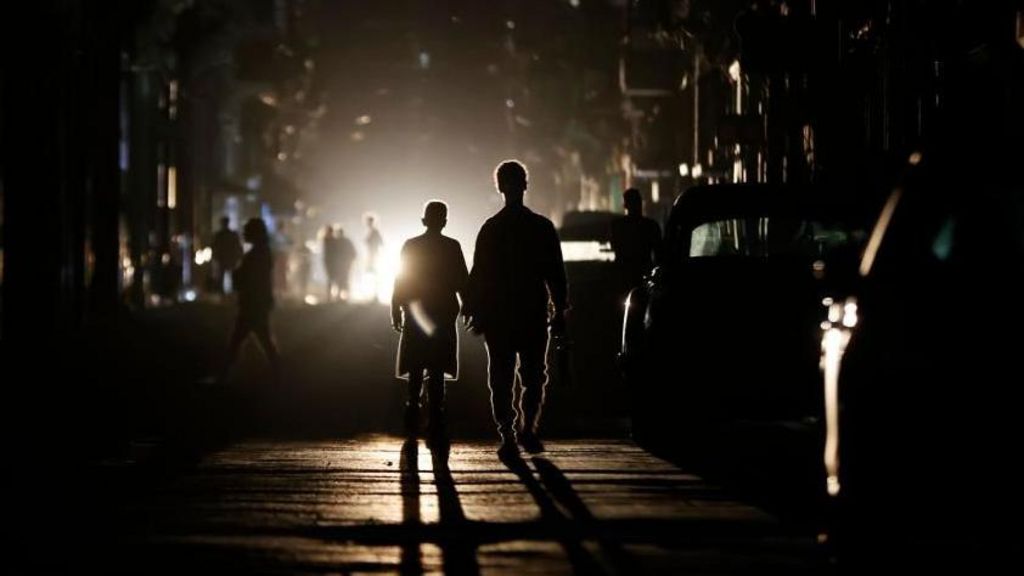
Cuba is confronting a severe nationwide energy crisis following the complete collapse of its national electrical grid. The catastrophic failure has left more than 10 million residents across the island nation grappling with extensive power outages, creating one of the most significant blackouts in recent history.
The grid’s breakdown has plunged major cities and rural communities into darkness, severely disrupting daily life, business operations, and essential services. This incident represents the latest and most severe manifestation of Cuba’s ongoing struggle with its aging energy infrastructure, which has suffered from chronic underinvestment and maintenance challenges exacerbated by economic constraints.
International observers, including BBC News correspondents on the ground, are documenting the widespread impact of the power failure as authorities work to implement emergency response measures. The blackout highlights the vulnerability of Cuba’s energy systems at a time when the nation is already facing considerable economic pressures and resource limitations.
The recurrence of such massive power failures signals systemic issues within Cuba’s energy sector that extend beyond temporary technical malfunctions. The current crisis underscores the urgent need for substantial infrastructure modernization to prevent similar collapses in the future, as citizens continue to endure the practical challenges and safety concerns associated with prolonged electricity shortages.