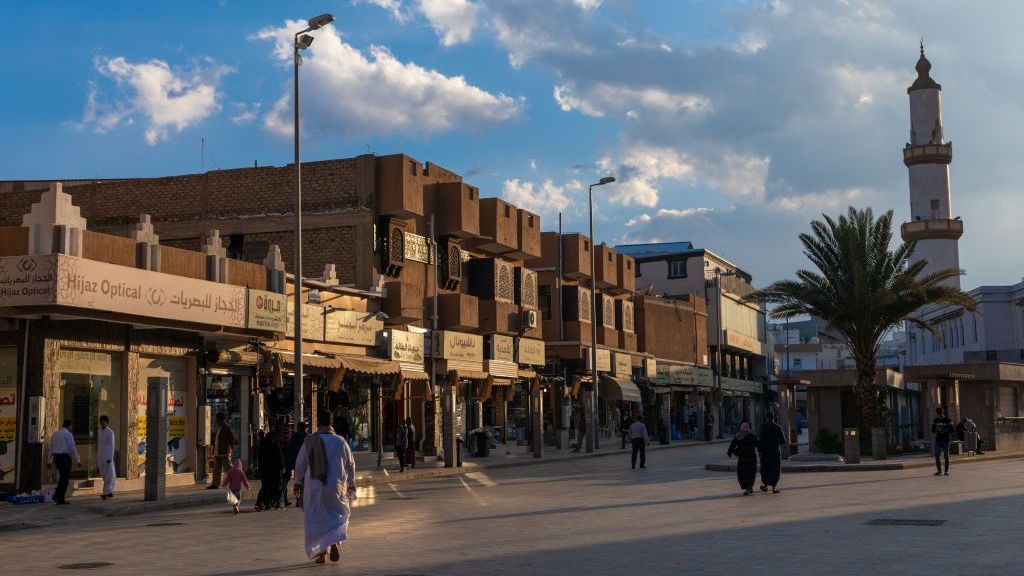
In a case that has stirred public anxiety in Bangladesh and sparked a diplomatic inquiry between Dhaka and Riyadh, two Bangladeshi citizens — a man and a woman — have been put to death in Saudi Arabia’s holy city of Mecca following a conviction for an “indecent act” committed inside a local mosque, Saudi interior officials have confirmed.
The execution was carried out last Wednesday, but Bangladeshi authorities only received word of the punishment after it was completed, local Bangladeshi media outlets have reported. Notably, Saudi officials have not released any specific details about what the “indecent act” entailed, leaving critical gaps in the public record of the case.
Bangladesh’s junior foreign minister, Shama Obaed Islam, confirmed that the South Asian nation has formally contacted the Saudi government to request full clarity on the circumstances of the offense and the legal process that led to the death sentences. Dhaka will outline its next steps — including arrangements to repatriate the remains of the two executed citizens — once it receives the requested information, Islam added, emphasizing that the Bangladeshi government remains dedicated to protecting the rights and well-being of all its citizens living and working overseas.
According to reporting from Bangladesh’s *Daily Star*, the two nationals were included on a list of detainees shared by Saudi authorities with Bangladesh, which was compiled following a request from Bangladesh’s Jeddah-based Consulate General. However, the list made no mention that the pair had already been sentenced to death.
Under Saudi law, the death penalty was handed down under the principle of tazir, a provision in Islamic jurisprudence that grants judges discretionary power to issue punishments for offenses. Saudi officials justified the extreme sentence by pointing to what they called the severe nature of the violation and the harm it caused to the sanctity of the mosque, a site of profound spiritual significance for Muslims around the globe.
The two countries have long maintained close bilateral ties, bound by shared religious identity and deep economic connections. More than 3 million Bangladeshi migrants currently reside and work in Saudi Arabia, most employed in low-wage sectors, so news of the secretive execution has triggered widespread public concern across Bangladesh over the legal protections afforded to Bangladeshi workers in the kingdom.
This case is far from an isolated incident: Saudi Arabia has a well-documented track record of carrying out capital punishment against foreign citizens. Data from global human rights organization Amnesty International shows that the kingdom has executed roughly 100 people since the start of 2024, with a large share of those put to death being foreign nationals convicted primarily of drug-related offenses. In 2011, eight Bangladeshi men were publicly executed in Riyadh after being convicted of murdering an Egyptian national. Just earlier this month, Riyadh reversed a death sentence handed to a Sri Lankan man convicted of blasphemy over a Facebook comment — a reversal that came only after widespread public outcry in Sri Lanka and intensive diplomatic efforts to secure clemency.