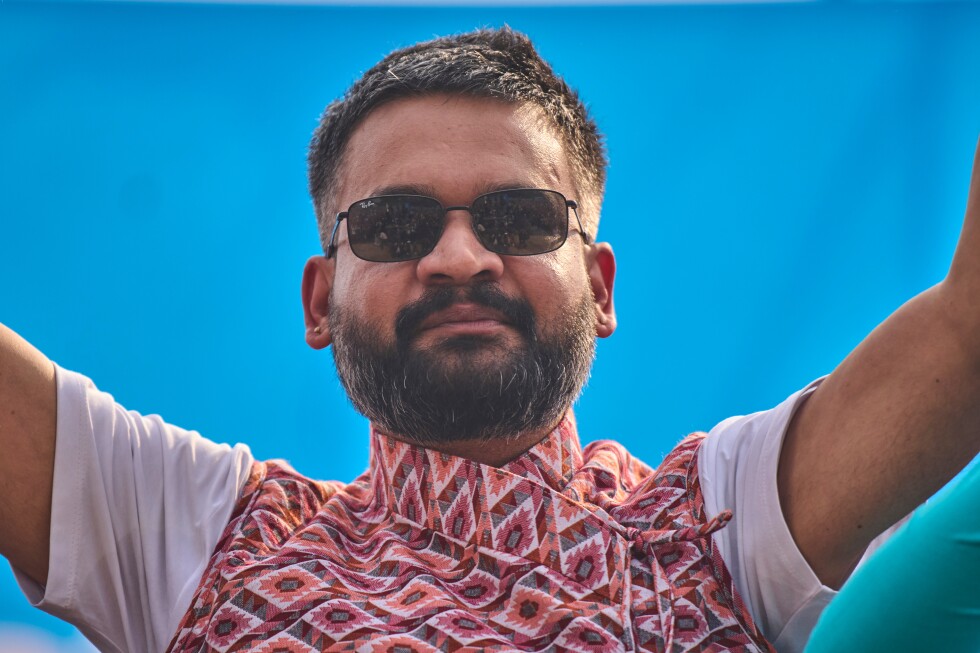
Nepal stands at a historic political crossroads as Balendra Shah, the 35-year-old structural engineer turned rap artist turned mayor of Kathmandu, prepares to assume the role of prime minister following his party’s landslide electoral victory. Shah’s Rastriya Swatantra Party (RSP) achieved an unprecedented political mandate, securing approximately two-thirds of the 275 seats in the House of Representatives, the powerful lower chamber of Nepal’s bicameral parliament.
This remarkable electoral sweep marks the first time in decades that a single party has gained such overwhelming parliamentary dominance. The elected members of RSP formally designated Shah as their leader on Thursday, clearing the path for his appointment by the president and subsequent swearing-in ceremony scheduled for Friday.
Shah’s ascent represents a fundamental shift in Nepal’s political dynamics, fueled by widespread public disillusionment with established parties accused of systemic corruption and chronic instability. His victory signals a decisive rejection of the traditional political establishment and reflects the growing influence of youth-driven movements that toppled the previous government during last year’s bloody uprising.
As Kathmandu’s mayor, Shah earned public acclaim for addressing the capital’s garbage management crisis, removing illegal street vendors, and initiating road expansion projects. However, his administration also faced criticism for allegedly demolishing homes and businesses without sufficient planning or notification.
Before entering politics, Shah gained modest recognition as a rap artist whose music frequently critiqued corruption and social injustice. His tracks “Nepal Smiling” and “Sacrifice” circulated widely on social media platforms, establishing his reputation as a voice against governmental malfeasance.
Political analysts note that while Shah’s limited national governance experience presents challenges, his substantial parliamentary majority could facilitate legislative progress and reform implementation. His campaign emphasized economic reforms and expanded access to education and healthcare for Nepal’s impoverished communities.
The new prime minister faces the complex task of managing heightened public expectations while addressing deep-rooted institutional challenges. Supporters view his leadership as a breakthrough from Nepal’s entrenched political order, though questions remain about his ability to translate popularity into effective governance at the national level.