
Australia’s second-largest grocery retailer Coles will not learn the full legal consequences of its deceptive discounting practices for several more months, after a recent Federal Court hearing laid out the timeline for the ongoing case brought by the country’s top consumer regulator. Last month, Justice Michael O’Bryan of the Federal Court issued a landmark ruling finding Coles had misled Australian consumers through false discount claims on hundreds of everyday household products sold as part of its high-profile ‘Down Down’ national promotional campaign. The Australian Competition and Consumer Commission (ACCC), Australia’s independent consumer protection and competition watchdog, first initiated legal proceedings against the supermarket giant over questionable pricing practices across 245 products between February 2022 and May 2023. The ACCC has alleged that Coles deliberately manipulated prices during a period of soaring nationwide inflation, temporarily inflating baseline prices before marketing a subsequent ‘now’ price as a discount to consumers. These false discount claims were prominently displayed on large red in-store stickers that clearly showed a higher ‘was’ price alongside the advertised ‘now’ discounted price. The case returned to the Federal Court on Wednesday morning to lock in procedural next steps for both the ACCC’s enforcement action and a separate class action lawsuit filed on behalf of thousands of consumers who were impacted by the misleading pricing. Justice O’Bryan has ordered all involved parties to collaborate to draft a joint agreed statement of facts covering the majority of the 245 products at the center of the case, aligned with his earlier liability ruling. To streamline the initial trial process earlier this year, legal teams selected 14 representative products to test the arguments, and the remaining 231 products are scheduled to be finalized in advance of an August case management hearing. A two-day penalty hearing has been tentatively scheduled for December 16, where the ACCC and Coles will present legal submissions on what financial and legal penalties are appropriate for Coles’ violation of Australian consumer law. The court confirmed the ACCC is seeking both a significant financial penalty and declaratory relief that formally confirms Coles broke the law. The separate consumer class action, which has proceeded alongside the ACCC’s case to date, may be heard alongside the penalty hearing or split into a separate proceeding at a later date, depending on the court’s final decision. During the main liability trial, the court heard evidence that Coles had previously maintained an internal 12-week policy requiring products to be sold at a new baseline price for three months before the retailer could advertise it as a discount, a rule designed specifically to avoid misleading consumers about the authenticity of price cuts. However, amid intense price competition that witnesses described as a “race to the bottom” between Coles and its primary rival Woolworths, paired with widespread supplier price increases during the inflationary period, Coles cut this required waiting period from 12 weeks to just four weeks. Justice O’Bryan’s ruling confirmed that if Coles had retained the original 12-week waiting policy, ordinary consumers would have viewed the resulting price changes as genuine discounts. Notably, the judge also found that the underlying price increases implemented by Coles reflected actual supplier cost increases rather than artificially inflated baseline prices, a key point of distinction in the ruling. Coles has defended its conduct throughout the case, arguing that all price adjustments were legitimate responses to widespread inflation, and that the ‘Down Down’ campaign was intended to signal to consumers the retailer was working to keep grocery costs low. Following the liability ruling, ACCC Chair Gina Cass-Gottlieb confirmed the watchdog would push for a harsh penalty to act as a deterrent for similar misleading conduct across the retail sector. “While the level of penalty is a matter for the court to determine, the ACCC will be seeking a significant deterrent for such conduct,” Cass-Gottlieb said. “We will certainly make strong submissions on the level of penalty.” Justice O’Bryan has also issued suppression orders for certain commercial figures included in his ruling, to protect Coles’ commercially sensitive information including supplier costs, supplier funding support, and the retailer’s gross margin calculations. The case will next return to court for a case management hearing in August, with the final penalty decision not expected until early 2025 at the earliest.
作者: admin
-

Pope to bless Barcelona’s Sagrada Familia, world’s tallest church
One hundred years to the day after the death of legendary Catalan architect Antoni Gaudí, Pope Leo XIV will travel to Barcelona this Wednesday to bestow a papal blessing on the newly completed central tower of the iconic Sagrada Familia Basilica, now officially recognized as the tallest church on Earth.
The visit to Barcelona marks the third major stop of the pontiff’s week-long apostolic journey across Spain, which launched Saturday when he landed in the Spanish capital Madrid. During his opening days in Madrid, Pope Leo made history as he became the first pope to address the Spanish parliament, drawing a crowd of 1.5 million worshippers for an open-air Mass held in the city’s central public space.
For the global Catholic community, the papal trip carries layered symbolic weight: it aligns exactly with the 100th anniversary of Gaudí’s 1926 death, a milestone that arrives as the architect’s sainthood cause moves forward through Vatican processes. A deeply devout Catholic, Gaudí died after being struck by a city tram while traveling to a prayer service in 1926.
Throughout his time in Spain so far, Pope Leo, the first American-born leader of the world’s 1.4 billion Catholics, has focused his addresses on pressing global and domestic issues. He has repeatedly denounced rising political polarization across societies, called for “patient dialogue” as an alternative to armed conflict and global rearmament, and pushed to revitalize Catholic participation in what was once one of the Church’s strongest traditional strongholds. Religious observance in Spain has fallen sharply over recent decades, a shift the Vatican is working to reverse. The pontiff has also reaffirmed the Church’s commitment to addressing what he has called the “scourge” of clergy sexual violence, promising expanded action to hold abusive clergy accountable and support survivors.
Before Wednesday’s blessing and Mass inside Sagrada Familia, the Pope will schedule two additional stops in the Barcelona region: a visit to a local prison and a meeting with religious leaders at an ancient abbey tucked in the Montserrat mountain range that overlooks the city. After wrapping up his time in Catalonia, he will travel to the Canary Islands for two days of engagements focused exclusively on the global migration crisis. The Atlantic archipelago is one of the most common entry points for irregular migrants seeking to reach European Union territory.
The Sagrada Familia, Gaudí’s unfinished magnum opus, welcomed nearly 5 million visitors in 2025, drawing pilgrims and architecture enthusiasts from across the globe. Its soaring central tower, dedicated to Jesus Christ, was only completed in February of this year, pushing the basilica to its full planned height of 172.5 meters (566 feet). In a deliberate choice designed to honor Gaudí’s deeply held religious beliefs, the tower’s peak was built 4.5 meters lower than nearby Montjuïc Hill – a decision the architect insisted on, arguing that the hill was a creation of God that should not be surpassed by any human-made structure.
Construction on Sagrada Familia first began in 1882, and for decades, organizers targeted 2026 – the centenary of Gaudí’s death – as the project’s completion date. But the global COVID-19 pandemic upended those plans: when international tourism collapsed, the basilica lost its primary source of funding, which comes from entry ticket sales to visitors. While tourism has rebounded strongly in recent years, with international travelers returning in large numbers to refill the project’s coffers alongside ongoing private donations, the project’s governing board, a private canonical foundation, has declined to set a new firm completion date for the remaining work.
Unfinished elements include the controversial Glory Façade and its four accompanying bell towers. The board’s current plans for the entrance of the basilica include building a large public square and sweeping set of stairs in front of the main entrance, a project that would require demolishing two full city blocks of existing residential homes. Local residents have organized a years-long campaign to block the plan, creating a persistent point of tension around the iconic landmark’s final construction phase. Full completion is now estimated to take roughly another 10 years, if current work timelines hold.
-
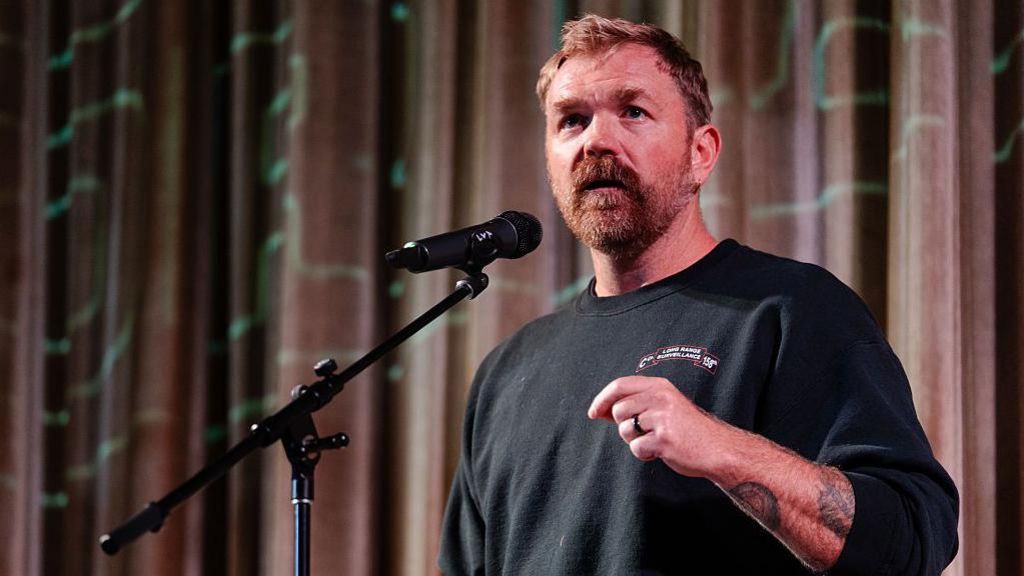
Platner wins Maine primary to challenge Collins
A series of high-stakes U.S. Senate and congressional primary elections across four states have wrapped up, reshaping the battlefield for November’s critical midterm contests that will ultimately decide partisan control of Congress for the final stretch of Donald Trump’s presidential term. In the most closely watched upset, political novice Graham Platner – an oyster farmer and retired combat Marine who has never held public office – secured the Democratic Party’s Senate nomination in Maine, overcoming a string of damaging scandals to set up a generational showdown against long-serving Republican incumbent Susan Collins this fall.
Endorsed by high-profile independent Senator Bernie Sanders, Platner’s path to the nomination was far from smooth. His campaign was nearly derailed early on when reports emerged of a tattoo bearing a striking resemblance to a Nazi symbol. Platner quickly issued a public apology, claiming he had no knowledge of the symbol’s hateful origins, but the controversy still sparked widespread accusations of antisemitism, even from his own former political director. Later, additional scandals emerged: old online comments dismissing sexual assault were unearthed by media outlets, and reports detailed allegations of marital infidelity. Despite these headwinds, Platner’s campaign received a pivotal boost when popular Democratic Governor Janet Mills opted to exit the primary race, clearing a path for the non-traditional candidate to consolidate support from progressive and working-class voters. Platner’s candid, down-to-earth messaging – which centered on his lived experience with post-traumatic stress disorder from his military service and the economic challenges facing small business owners – resonated with a Democratic electorate increasingly open to backing outsiders over establishment politicians.
Come November, Platner will face off against Collins, who has represented Maine in the U.S. Senate for nearly 30 years. Collins has carved out a reputation as a moderate Republican over her career, drawing the ire of Trump’s conservative base in 2021 when she voted to convict Trump during his second impeachment trial. In recent years, however, she has shifted closer to the former president, playing a key role in advancing his judicial and executive nominee confirmations.
Meanwhile, in South Carolina’s Republican Senate primary, veteran incumbent Lindsey Graham fended off a hardline primary challenge from wealthy businessman Mark Lynch, who self-funded his campaign and attacked Graham for insufficient loyalty to Trump’s policy agenda. Lynch leaned on old 2016 footage of Graham praising President Joe Biden and criticizing Trump to bolster his case, and received backing from former Trump ally Marjorie Taylor Greene, the ex-Georgia congresswoman who split with Trump over the Jeffrey Epstein investigation and disputes over his commitment to the America First movement. Graham’s longstanding hawkish stance on Iran – a position that has seen him call for U.S. military intervention in the country for years – also made him a target of anti-interventionist America First critics, as tensions between the U.S. and Iran remain heightened. Still, Graham held onto his nomination, extending his decades-long career in Washington.
In Nevada, Republicans are locked in a competitive primary race for an open congressional seat that has not been vacant in 15 years, following the retirement of the district’s long-serving incumbent. The contest has come down to two candidates: a political novice endorsed by Trump, and former state senator James Settelmeyer, with both candidates spending months competing to prove their unwavering loyalty to Trump’s policy agenda. Primary contests also concluded in North Dakota, where voters finalized their respective party nominees for November’s general election. Across all four states, the outcomes have set the stage for a fiercely contested midterm cycle, with control of the U.S. Senate and House of Representatives hanging in the balance, and the balance of power during Trump’s remaining term in office on the line for voters.
-

Iran shot down ‘highly sophisticated’ attack helicopter, Trump says
On Tuesday, U.S. President Donald Trump confirmed via social media that Iranian air defense forces shot down a cutting-edge U.S. Apache attack helicopter conducting patrol operations over the Strait of Hormuz, a revelation that directly undermines his earlier public statements declaring Iran’s air defense capabilities fully eliminated.
In his public post on the social platform, Trump noted that two pilots were aboard the downed aircraft, and both escaped the incident without injury. Despite no casualties being reported, the president stressed that the United States has no choice but to launch a response to the attack.
This incident comes at a moment of fragile détente between Washington and Tehran, just days after Trump intervened to de-escalate cross-border fighting between Israel and Iran. Just hours before he shared news of the helicopter downing on social media, Trump once again claimed that a comprehensive deal to end the ongoing regional conflict could be finalized within just two to three days — a repeated promise he has made dozens of times over recent months that has yet to produce any tangible progress.
The downing of the Apache is not an isolated event, and it is the latest in a string of military confrontations that have completely discredited Trump’s repeated assertions that Iran’s entire military infrastructure has been decimated. Back in April, Trump publicly claimed that the Islamic Republic’s navy and air force had both been completely destroyed, and that the vast majority of Iran’s missile stockpiles had either been expended or neutralized by coalition strikes. He went even further, stating that Iran no longer retained any functional anti-aircraft equipment, and that all of its radar systems had been 100 percent destroyed.
Recent Iranian military actions have directly contradicted these sweeping claims. Earlier this week, Tehran launched a wave of missile strikes targeting northern Israel, carried out as retaliation for Israeli airstrikes that hit Beirut, the capital of Lebanon. Just last week, Iran responded to U.S. military strikes by launching a coordinated attack of drones and missiles against targets in Kuwait and Bahrain, which host major U.S. military bases.
While it remains true that the United States holds overwhelming conventional military superiority over Iran, allowing U.S. forces to strike most targets in the region at will using a combination of air, sea, and ground-launched weapons systems, Iran has repeatedly demonstrated that it retains the capacity to disrupt U.S. military operations in its airspace. This latest helicopter downing adds to a growing list of successful Iranian strikes on U.S. military aircraft: in April, Iran downed a U.S. F-15E Strike Eagle fighter jet, forcing U.S. forces to launch a large-scale urgent search and rescue operation to prevent Iranian forces from capturing one of the downed airmen. To date, Iran has also shot down approximately 30 U.S. MQ-9 Reaper surveillance and combat drones.
This report is part of independent coverage from Middle East Eye, which provides unrivaled on-the-ground reporting and analysis of developments across the Middle East, North Africa, and surrounding regions.
-
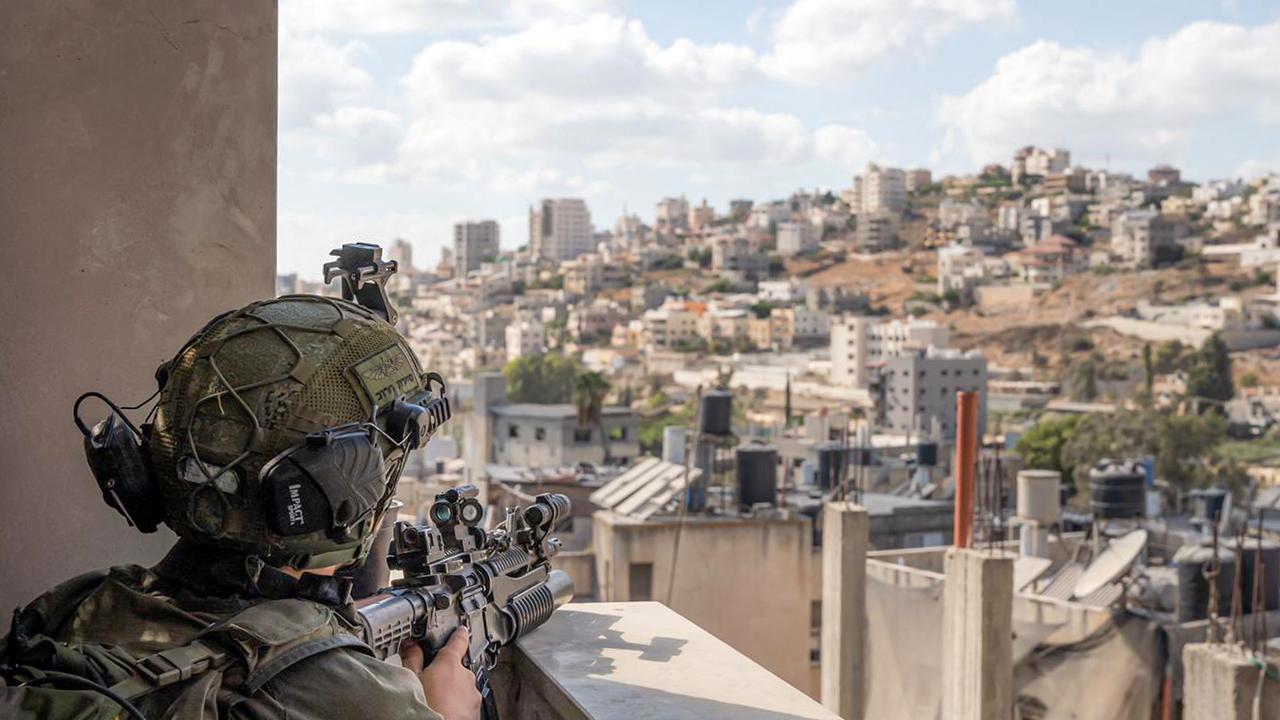
Australia, UK and allies move to sanction Israeli settlers as Palestine violence surges
A sharp escalation of settler violence against Palestinian civilians in the Israeli-occupied West Bank has spurred a coalition of Western nations, including Australia, the United Kingdom, Canada, France and Norway, to announce coordinated action — including targeted sanctions — to hold extremist perpetrators accountable, after a new United Nations report documented a dramatic surge in bloodshed and human rights abuses over the past year.
-

AFL stars’ drinks company Barry races to raise $5m from investors
A cult-favorite Australian ready-to-drink (RTD) alcoholic beverage brand founded by four star Australian Football League (AFL) players is making waves with a groundbreaking crowdfunding campaign that has already pulled in more than $2.2 million, on track to hit its $5 million target by this Wednesday.
Launched in 2023 by AFL standouts Bailey Smith, Nick Daicos, Josh Daicos and Charlie Curnow, Barry carved out a niche in the competitive RTD space with its line of low-sugar, low-carb spirit-based seltzers. The brand has already posted impressive early results, posting $3.68 million in revenue in the last financial year, achieving profitability early, and building a loyal customer base that has driven consistent, massive demand for its products.
Unlike most early-stage beverage brands that turn to traditional private equity for expansion capital, Barry made a deliberate choice to open up investment opportunities to everyday Australian consumers, allowing members of its loyal customer community to become direct stakeholders in the business. The campaign is hosted by Australian investment platform OnMarket, with a minimum investment threshold of just $250. Investors who participate will receive ordinary shares in the company, granting them formal shareholder status.
As of the latest update, Barry’s fundraising drive has already crossed the $2.2 million mark, and is set to close at 11:59 pm Wednesday. Company CEO Chris Pang noted that early response to the campaign has been far more promising than the team anticipated, crediting the brand’s tight-knit community for the groundswell of support. “The groundswell of support has been phenomenal and it’s clear that people can recognise the potential of the business,” Pang said, highlighting the brand’s early profitability and strong market traction. He added that the choice to pursue crowdfunding over private equity was rooted in the brand’s origins: “Our community has built Barry from day one and it’s important to us that they get to share its future.”
The Australian RTD market, which currently has a total valuation of $5 billion, is one of the fastest-growing segments in the domestic alcohol industry, expanding 15% year-on-year driven primarily by shifting consumer preferences among Gen Z drinkers who prioritize lower-sugar, lower-calorie ready-to-drink options. Barry is positioning itself to capture a larger share of this growing market with the capital raised through the campaign, with plans to allocate the new funding toward expanding national distribution and deepening partnerships with commercial stakeholders.
OnMarket Managing Director Tim Eisenhauer called the early response to Barry’s campaign exceptional and record-breaking, noting that the brand set a new platform record for the most single-day expression of interest sign-ups in the platform’s history.
Even amid the enthusiastic response, industry guidelines remind potential investors that crowdfunded investments in early-stage startups carry inherent high risk. Early-stage companies are far less established than mature public or private businesses, and carry a significantly higher failure rate than more traditional investment options. If the company were to collapse, investors would stand to lose their entire contributed capital.
The campaign marks a rare example of a consumer brand leaning into its community for growth capital rather than turning to institutional investors, giving casual consumers and loyal customers a rare opportunity to own a stake in a popular emerging business that aligns with their consumer preferences.
-
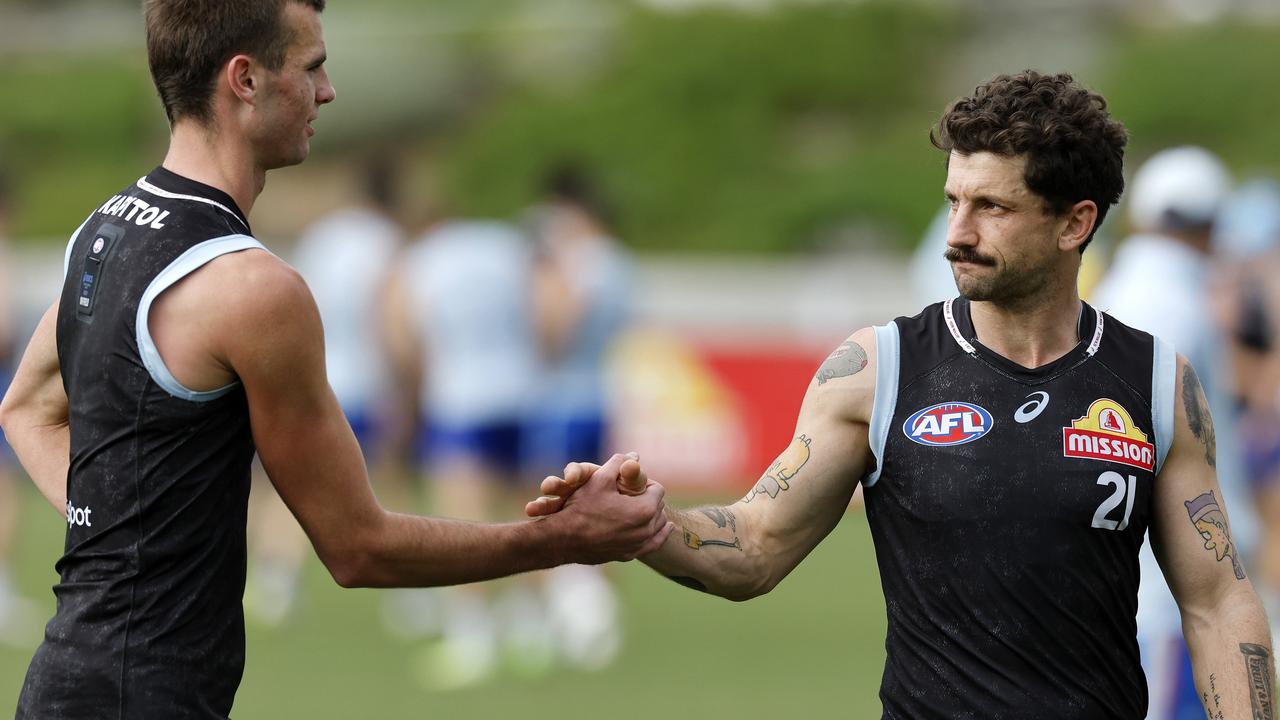
AFL 2026: Coach Luke Beveridge reveals timeline for Tom Liberatore’s Bulldogs return
The Western Bulldogs are gearing up to welcome back one of their most influential midfielders in the coming weeks, with head coach Luke Beveridge confirming that star on-baller Tom Liberatore is on track for a round 15 comeback after a lengthy injury layoff.
Liberatore has not featured at the top level since the club’s round 6 clash this season, after suffering a fresh knee issue and a concussion that forced the club’s coaching and medical staff to take an ultra-cautious approach to his rehabilitation. For much of his recovery, the hard-nosed inside midfielder was separated from the main senior training group, only re-integrating with the full squad in recent days.
Speaking to media ahead of the Bulldogs’ Thursday night clash against Adelaide at Marvel Stadium, Beveridge laid out a clear timeline for Liberatore’s return, confirming the fan favourite will not be considered for selection this week. Instead, the 31-year-old will complete a full main training session this Saturday, before stepping into a full week of senior training with the entire group. The Bulldogs have an eight-day break between their round 14 match against Adelaide and their round 15 fixture, giving Liberatore the perfect window to prove his fitness ahead of a potential recall.
“Now we’re just including him in all the main drills with the whole group, which gives him the chance to get used to playing with bodies around him again and read the flow of game-style training,” Beveridge explained. “Our approach has always been rooted in duty of care and due diligence, we just want to make sure he feels completely comfortable and gets through next week’s training block unscathed. Right now, all signs point to him being available for selection in round 15.”
Beyond the positive injury update on Liberatore, the Bulldogs remain the overwhelming favourite to lure Port Adelaide star midfielder Zak Butters to the Melbourne-based club when his current contract expires. Speculation has swirled in recent weeks that Beveridge held a secret meeting with Butters during Port Adelaide’s recent bye, but the veteran coach declined to confirm or deny the meeting when pressed by reporters.
Beveridge did, however, share his perspective on the growing trend of players publicly announcing their future intentions years in advance – a common practice in the National Rugby League that has yet to take hold in the AFL. The Bulldogs coach argued that this sort of pre-emptive public declaration creates unnecessary tension for clubs, noting that it is impossible for current teammates and staff not to react emotionally when a star player confirms they will leave at the end of their contract.
“I think we can only get ourselves into trouble as coaches if we talk too much about the acquisition overtures, whether it’s Zak or anyone else,” Beveridge said. “I can’t really talk about that in any detail, confirm or deny anything – I’d rather stay out of it. I don’t want to go down the NRL track. I think it’s a really difficult thing club-wise when one of your own players says publicly they’re leaving. Ultimately, they’ll be treated a bit differently once everyone knows they’re moving on at the end of the year, you can’t help but be emotional about it.”
Beveridge and his side will take on Adelaide on Thursday night, aiming to close a two-win gap on the Crows in the AFL ladder after a hard-fought win over Hawthorn in round 13.
-

Fuel tax cut to end despite Middle East conflict, minister warns
As resurgent military clashes between Iran and Israel roil global energy markets once again, the Australian government has laid out its clearest signal yet that a three-month temporary fuel tax cut, scheduled to expire on June 30, will not be extended.
The policy, which halved the national fuel excise starting April 1, was rolled out as an emergency relief measure to shield Australian households and businesses from skyrocketing fuel prices. It cuts fuel costs by 26.3 cents per liter, at a total projected cost of $2.9 billion to Australia’s federal budget.
The tax cut was originally crafted in response to a major global energy shock sparked by conflict that led to Tehran’s effective closure of the Strait of Hormuz, the critical maritime chokepoint through which roughly one-fifth of the world’s global oil supply passes. Its closure triggered a full-scale global energy crisis earlier this year, and while an April ceasefire paused open hostilities, tensions have erupted violently once more in recent days, with direct cross-border fire exchanges between Iranian and Israeli forces. Overnight, the United States launched strikes on Iranian port facilities along the Strait of Hormuz, in retaliation for the downing of an American Apache helicopter off the coast of Oman.
Speaking to the Australian Broadcasting Corporation on Wednesday, Transport Minister Catherine King acknowledged the ongoing instability but urged Australian residents to prepare for the tax cut’s expiration. “Obviously, we are doing everything we can to shield Australians from this conflict in the Middle East, but people should, at this stage, expect that it’s coming off at the end of June,” King said, while also calling for a diplomatic resolution to the escalating regional conflict.
Prime Minister Anthony Albanese offered a slightly more ambiguous stance shortly after, noting that no final formal decision on an extension has been finalized. “We’ll make the assessment … This is a volatile global environment,” Albanese told the same public broadcaster.
Despite the ongoing unrest, the Prime Minister defended the government’s handling of the energy crisis, arguing the administration has outperformed early expectations. He pointed to the government’s underwriting scheme for fuel imports administered through Export Finance Australia, which has carried a heavy price tag but proven effective at stabilizing domestic fuel supplies.
Albanese confirmed that domestic fuel stockpiles are currently higher than they were on February 28, before the full outbreak of the current crisis, crediting diplomatic partnerships and the government’s emergency policy structures for the improvement. “We have more fuel in Australia today than we had on February 28 and that’s a direct result of the relationships that we’ve built but also the structures that we’ve put in place as well,” he said.
The Prime Minister added that the import underwriting program, which supports spot market fuel purchases, has been critical to keeping key sectors of the Australian economy operating. “That’s been very effective in making sure our farmers can continue to plant with confidence and making sure that people can go around and diesel can be used to deliver groceries on the supermarket shelves,” he said.
-
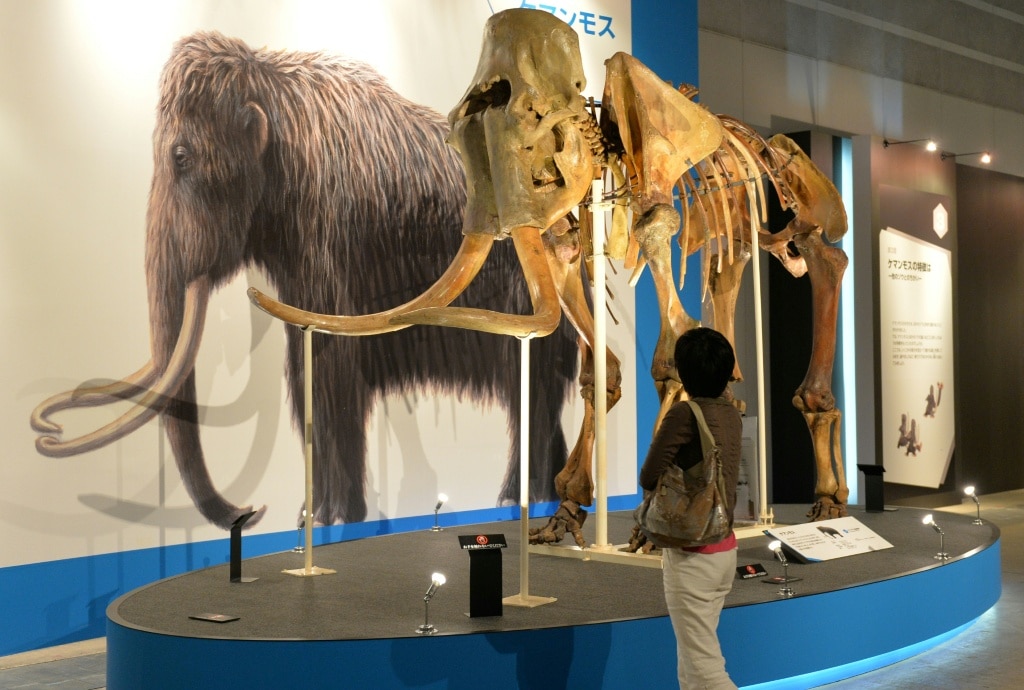
Woolly mammoth among trove of ancient DNA found in squirrel poo
A remarkable scientific discovery has emerged from the frozen permafrost of Canada’s remote Yukon Territory, where researchers have recovered an unprecedented collection of ancient DNA—including genetic material from the extinct woolly mammoth—trapped within thousands of years of frozen arctic ground squirrel feces.
Lead study author Tyler Murchie, a paleogenomics researcher at Canada’s McMaster University, notes that while sifting through fossilized squirrel excrement may seem far less glamorous than unearthing a full mammoth tusk, the wealth of genetic data recovered from these sealed burrows offers an extraordinary, underappreciated window into Earth’s ancient ecosystems. The recovered DNA ranges in age from 3,000 to 700,000 years old, providing a continuous timeline of environmental change stretching back hundreds of millennia.
Beyond woolly mammoth DNA, the team uncovered genetic material from a wide range of ancient species, including gray wolves, ancient bison, prehistoric horses, a now-extinct North American cheetah, and hundreds of distinct plant species. The discovery came as a surprise: researchers initially set out only to study the arctic ground squirrel’s modern microbiome, instead stumbling upon a stunningly diverse cache of ancient organisms.
Arctic ground squirrels have unintentionally acted as natural archivists for hundreds of thousands of years, Murchie explained. The species hibernates for roughly eight months out of every year, so during their short active period, they forage aggressively, gathering and stashing every kind of organic material—from seeds, nuts and leaves to small bones and fragments of fur—within deep underground burrows. Over millennia, shifting permafrost levels permanently sealed off many of these abandoned burrows in Yukon, creating ideal, sub-zero natural time capsules that preserved genetic material far better than many other fossil sources. In one burrow, researchers even found a perfectly preserved frozen squirrel that entered hibernation thousands of years ago and never woke, Murchie described.
Using advanced genomic sequencing, the research team successfully reconstructed 18 full mitochondrial genomes from the recovered DNA fragments, including six from woolly mammoths that lived during distinct geological eras. The process of assembling these fragmented ancient sequences works like putting together a jigsaw puzzle, Murchie noted, with computational tools matching overlapping fragments to build complete genetic blueprints.
The find comes as Dallas-based biotech firm Colossal Biosciences has garnered global attention for its stated goal of “de-extincting” the woolly mammoth, which disappeared from the Earth roughly 4,000 years ago. Many independent experts have expressed skepticism about the project, arguing that any resulting animal would be little more than a genetically modified Asian elephant with superficial mammoth traits, not a true resurrected mammoth. Murchie, who has no affiliation with Colossal, confirmed that all genetic data from the new study will be released publicly for any researcher or project to use, though he added the existing cache of already-sequenced mammoth genomes means the new data will likely be a small addition to existing resources.
Published in the peer-reviewed journal Nature Communications, the study opens up an entirely new avenue for recovering ancient DNA from permafrost regions. The research team is already working on a follow-up study that will detail what the new genetic material reveals about woolly mammoth evolution and adaptation to changing Arctic climates, though Murchie would not share details ahead of publication, only calling the preliminary findings “super cool.” Reflecting on the discovery, Murchie emphasized that the extraordinary insights gained from what began as fossilized squirrel feces highlight how unexpected sources can rewrite our understanding of prehistoric life.
-

Somalia backs referee after he is denied entry to US
A historic milestone for Somali football has been abruptly derailed, after award-winning referee Omar Artan was barred from entering the United States ahead of the 2026 FIFA World Cup co-hosted by the U.S., Canada and Mexico. The Somali government has issued unwavering public support for Artan, whose selection to the World Cup officiating roster marked the first time a Somali official had ever qualified for the global football finals, drawing widespread national pride.
The 2025 CAF Men’s Referee of the Year arrived at Miami International Airport on Saturday to process his entry, only to be turned away by U.S. border authorities. Following an 11-hour interview and additional hours of detainment in a holding cell, Artan was placed on a return flight to Istanbul, where he currently resides. Both Artan and a senior Somali government advisor confirmed that he held all valid documentation, including a legally obtained U.S. visa, for the trip.
FIFA later confirmed that Artan would be removed from the 52-person officiating roster for the quadrennial tournament, which kicks off Thursday. A spokesperson for U.S. Customs and Border Protection only described the denial as the outcome of a routine inspection, offering no further detail. Somalia remains on the U.S. travel restriction list first implemented during the Trump administration as part of a sweeping immigration crackdown, a policy that has remained in place through successive presidential terms.
In an official statement released Tuesday, Somalia’s Ministry of Sports expressed deep regret over the outcome, noting that even with diplomatic engagement with both U.S. authorities and FIFA, officials were unable to reverse the entry denial. The ministry reaffirmed the country’s full confidence in Artan’s integrity, professionalism, and contributions to football both domestically and across the globe, calling him a shining example of Somali athletic talent. “Artan represents the very best of Somali talent,” the statement read.
Long before the incident, Artan’s appointment to the World Cup roster was celebrated as a landmark moment across Somalia. In April, Somali President Hassan Sheikh Mohamud called Artan “a symbol of inspiration for the new generation of Somalis”, a sentiment that has been echoed by senior political figures in the wake of the entry denial.
Former Somali Prime Minister Hassan Ali Khaire took to social media platform X to voice his deep disappointment, telling Artan that “Africa and the world stand with you.” Khaire emphasized that Artan represents the aspirations of millions of young Africans who believe excellence, regardless of nationality, deserves global recognition.
Former Somali government minister Abdirashid Hashi went further, calling the entry ban a politically motivated decision that contradicts football’s core mission of uniting people around the world. “He should be judged by his merit and professionalism — not by the passport he carries,” Hashi said, urging FIFA to intervene on Artan’s behalf. He also floated a potential workaround, noting that the World Cup is co-hosted by three North American nations, and calling on Canada and Mexico to issue Artan visas so he can still officiate matches held in their territories. “There is no reason a referee denied entry to one host country cannot still contribute to a World Cup being hosted across three countries,” Hashi added.
The Confederation of African Football (CAF) has also expressed regret over the decision, confirming that the continental governing body has no authority to override U.S. immigration rulings. For Artan, the rejection has cost him the opportunity to fulfill a lifelong goal. In an interview with *The New York Times* from Istanbul, the referee described the experience as having the “biggest dream of my life” ripped away.
“I am very, very disappointed,” Artan said. “I’m just simply a referee who’s trying to live his dream, the biggest dream of my life, to come to the World Cup.”
The news has sparked widespread public outrage across Somalia, with many citizens and officials echoing the view that the entry denial is unfair and discriminatory. As the World Cup prepares to kick off, calls for FIFA and the other host nations to find a path for Artan to participate continue to grow across the African football community.