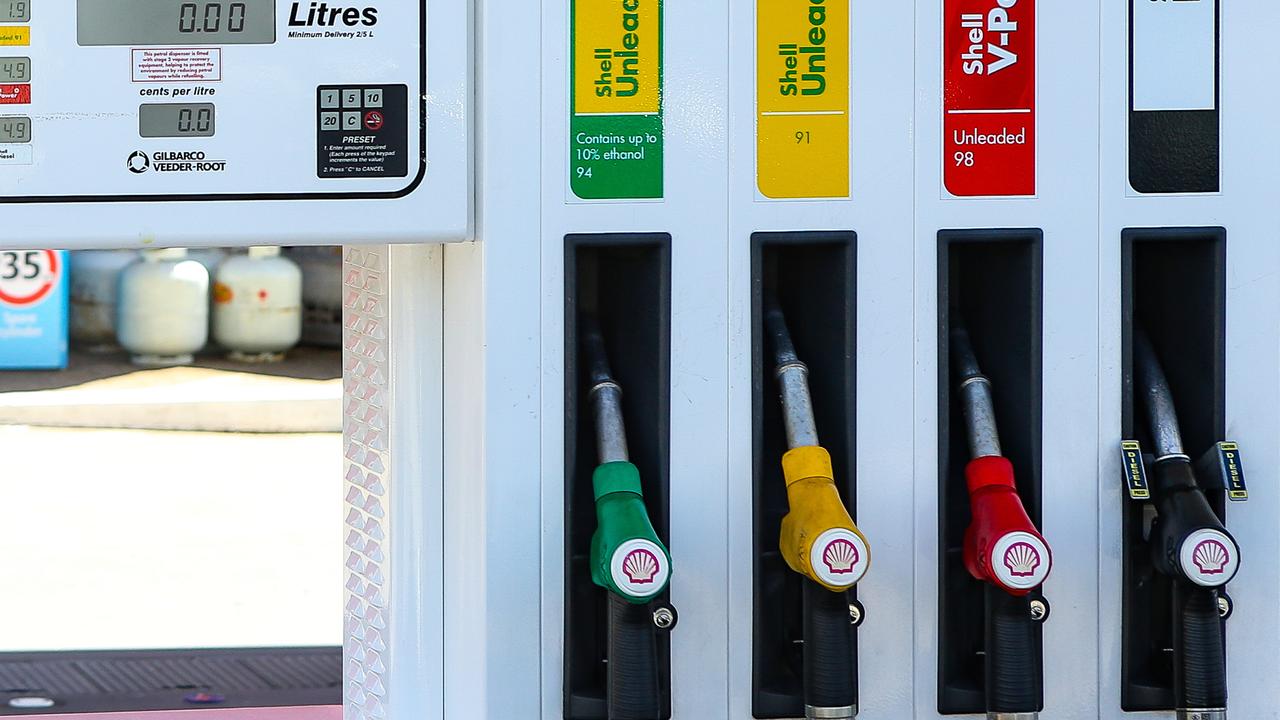
As resurgent military clashes between Iran and Israel roil global energy markets once again, the Australian government has laid out its clearest signal yet that a three-month temporary fuel tax cut, scheduled to expire on June 30, will not be extended.
The policy, which halved the national fuel excise starting April 1, was rolled out as an emergency relief measure to shield Australian households and businesses from skyrocketing fuel prices. It cuts fuel costs by 26.3 cents per liter, at a total projected cost of $2.9 billion to Australia’s federal budget.
The tax cut was originally crafted in response to a major global energy shock sparked by conflict that led to Tehran’s effective closure of the Strait of Hormuz, the critical maritime chokepoint through which roughly one-fifth of the world’s global oil supply passes. Its closure triggered a full-scale global energy crisis earlier this year, and while an April ceasefire paused open hostilities, tensions have erupted violently once more in recent days, with direct cross-border fire exchanges between Iranian and Israeli forces. Overnight, the United States launched strikes on Iranian port facilities along the Strait of Hormuz, in retaliation for the downing of an American Apache helicopter off the coast of Oman.
Speaking to the Australian Broadcasting Corporation on Wednesday, Transport Minister Catherine King acknowledged the ongoing instability but urged Australian residents to prepare for the tax cut’s expiration. “Obviously, we are doing everything we can to shield Australians from this conflict in the Middle East, but people should, at this stage, expect that it’s coming off at the end of June,” King said, while also calling for a diplomatic resolution to the escalating regional conflict.
Prime Minister Anthony Albanese offered a slightly more ambiguous stance shortly after, noting that no final formal decision on an extension has been finalized. “We’ll make the assessment … This is a volatile global environment,” Albanese told the same public broadcaster.
Despite the ongoing unrest, the Prime Minister defended the government’s handling of the energy crisis, arguing the administration has outperformed early expectations. He pointed to the government’s underwriting scheme for fuel imports administered through Export Finance Australia, which has carried a heavy price tag but proven effective at stabilizing domestic fuel supplies.
Albanese confirmed that domestic fuel stockpiles are currently higher than they were on February 28, before the full outbreak of the current crisis, crediting diplomatic partnerships and the government’s emergency policy structures for the improvement. “We have more fuel in Australia today than we had on February 28 and that’s a direct result of the relationships that we’ve built but also the structures that we’ve put in place as well,” he said.
The Prime Minister added that the import underwriting program, which supports spot market fuel purchases, has been critical to keeping key sectors of the Australian economy operating. “That’s been very effective in making sure our farmers can continue to plant with confidence and making sure that people can go around and diesel can be used to deliver groceries on the supermarket shelves,” he said.