作者: admin

  • Germany detains 5 men accused of illegally exporting goods to Russian defense companies

    Germany detains 5 men accused of illegally exporting goods to Russian defense companies

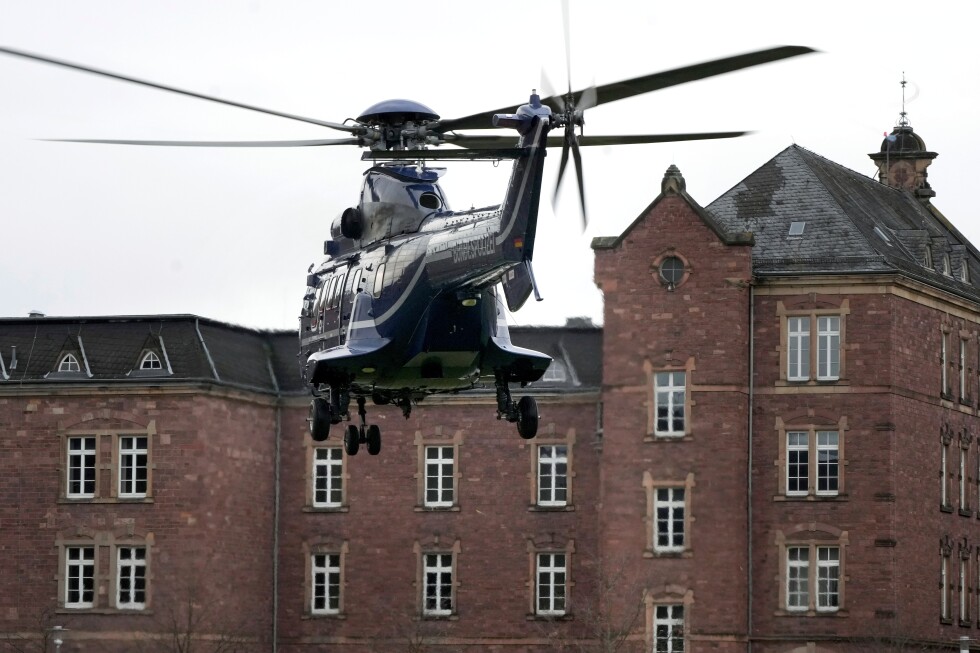
    German federal prosecutors have executed a major operation against an illicit procurement network allegedly supplying Russian defense companies, resulting in five arrests across northern Germany. The operation targeted individuals accused of systematically violating EU sanctions imposed following Russia’s full-scale invasion of Ukraine in 2022.

    The detained suspects, all German nationals with two holding dual Russian citizenship and one additional Ukrainian citizenship, face charges of criminal organization membership and breaching Germany’s Foreign Trade and Payments Act. Law enforcement conducted simultaneous raids in Lübeck and Lauenburg district, with additional searches executed at multiple properties nationwide. Five additional suspects remain at large according to official statements.

    At the center of the investigation is Nikita S. (identified under German privacy conventions), a German-Russian dual national who operates a trading company based in Lübeck. Prosecutors allege this enterprise served as the primary vehicle for procuring and exporting goods to Russian defense industries. The sophisticated operation employed fabricated companies within Lübeck and established fictitious clients both inside and outside the EU to conceal transactions and circumvent sanctions.

    Evidence indicates Russian state agencies orchestrated the network, which supplied at least 24 Russian defense contractors. The scale of operations involved approximately 16,000 separate shipments to Russia with an estimated value exceeding €30 million ($35.5 million). While prosecutors have not disclosed the specific nature of the exported goods, the investigation highlights ongoing challenges in enforcing sanctions against Russia’s military-industrial complex.

  • From charity to connectivity: China remaking global public health

    From charity to connectivity: China remaking global public health

    The United States’ scheduled withdrawal from the World Health Organization in January 2026 has initiated a fundamental transformation in global health governance that extends far beyond immediate financial concerns. While the $260 million funding gap and reduced management capacity present immediate operational challenges, the more significant evolution is structural and ideological in nature.

    China is strategically capitalizing on this power vacuum through its Health Silk Road initiative, fundamentally altering the paradigm of international health assistance. Rather than merely assuming America’s vacant position, Beijing is architecting an entirely new operational framework that prioritizes infrastructure development over traditional aid models. This represents a historic transition from charity-based donor-recipient relationships to investment-driven partnerships focused on building sustainable local capacity.

    The Western approach, historically led by the United States and European Union, operated primarily through multilateral organizations and NGOs delivering essential health commodities—vaccines, antiretroviral drugs, and preventive materials—to developing nations. In contrast, China’s model emphasizes constructing the physical infrastructure that enables countries to manufacture their own medical solutions, as demonstrated by recent agreements establishing insulin production facilities in Nigeria and antimalarial factories throughout West Africa.

    This strategic shift resonates powerfully with developing nations seeking to overcome the perceived paternalism often associated with Western aid conditionality. China frames its engagement as ‘South-South cooperation’ grounded in mutual respect and commercial partnership rather than donor dependency.

    The complexity of this transition manifests in what analysts term a ‘bifurcated system’—a financially constrained WHO continues setting global health standards while China’s bilateral engine builds the physical architecture of healthcare delivery. This fragmentation risks creating incompatible technical standards for digital health, AI diagnostics, and vaccine production that could undermine global pandemic preparedness.

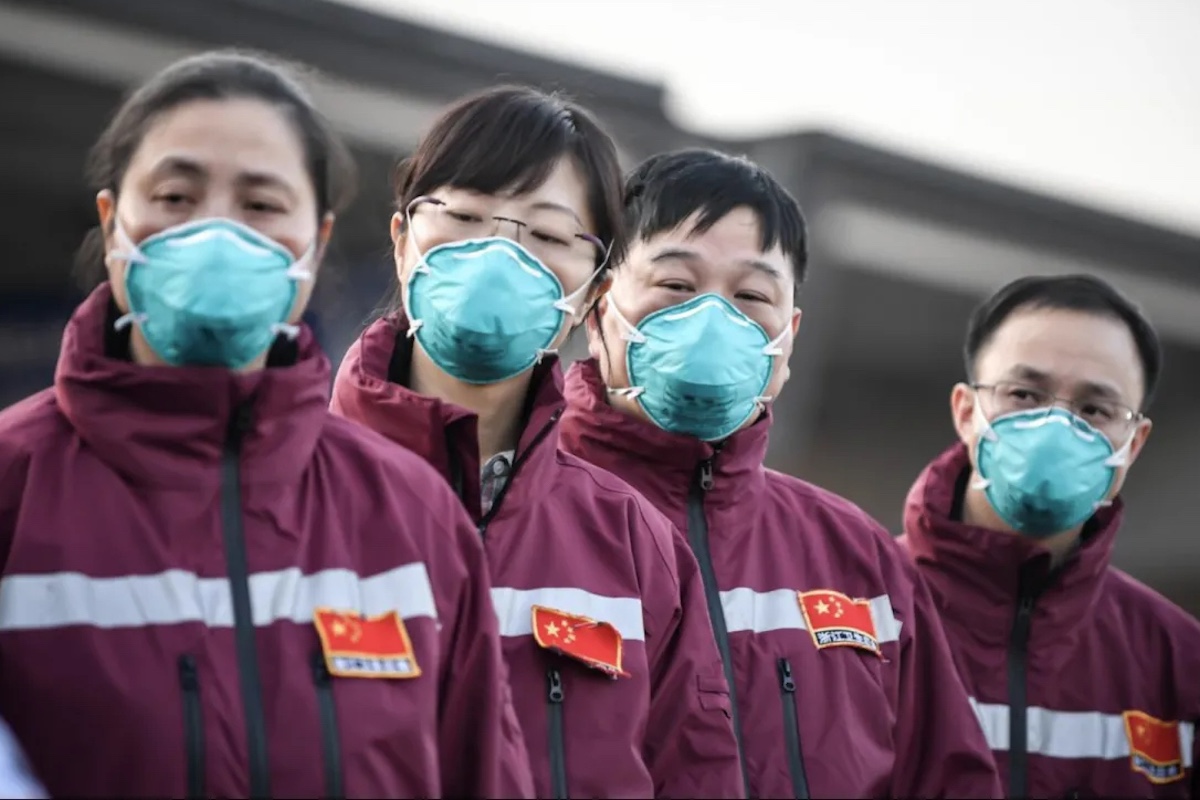
    America’s withdrawal represents not merely a financial shortfall but an ideological abdication, allowing China to redefine ‘global public goods’ according to its state-centric governance philosophy. Through dispatching medical teams to 77 countries and embedding experts within institutions like the Africa CDC, China is executing health policy as foreign policy with unprecedented efficiency.

    The emerging global health landscape will likely evolve as a hybrid system where nations adopt Western standards when available but increasingly rely on Chinese infrastructure. This new pragmatism necessitates that Western powers compete not through increased charity but through smarter investments in local capacity building. As Beijing paves this new road in global health governance, the absence of American leadership ensures it becomes the primary pathway forward.

  • Grammys 2026 red carpet: Who wore what; from ‘ICE out’ to classic black and white

    Grammys 2026 red carpet: Who wore what; from ‘ICE out’ to classic black and white

    The 68th Grammy Awards red carpet at Los Angeles’ Crypto.com Arena transformed into a spectacular showcase of sartorial excellence and subtle activism on Sunday evening. Music’s elite converged, presenting a visual narrative that oscillated between timeless elegance and contemporary daring.

    Monochromatic sophistication dominated the event, echoing Truman Capote’s legendary 1966 Black and White Ball. Puerto Rican sensation Bad Bunny, who secured two awards that night, made a striking impression in a Schiaparelli velvet tuxedo featuring a tailored jacket and distinctive white lapel flower. Lady Gaga embraced dramatic artistry with a high-necked black feather gown from Matieres Fecales, complemented by her platinum-bleached hair and eyebrows. British newcomer Olivia Dean, celebrating her Best New Artist victory, radiated elegance in a Chanel creation combining a sequined black bodice with a voluminous white skirt.

    The sheer trend that has permeated this awards season maintained its prominence. Sabrina Carpenter, nominated for six awards, selected an ethereal Valentino gown adorned with floral appliques and delicate ruffles. K-pop phenomenon Rose redefined structural elegance in a Saint Laurent ensemble that layered a black mini dress beneath an expansive cream fabric overskirt. Colombian superstar Karol G captivated observers in a sea foam green sheer dress that accentuated her silhouette, while the members of girl group Katseye coordinated in revealing white lace gowns by Ludovic de Saint Sernin.

    Beyond fashion, the red carpet served as a platform for political expression. Numerous artists, including music icon Joni Mitchell, Justin Bieber, and Hailey Bieber, displayed ‘ICE OUT’ pins protesting President Donald Trump’s immigration enforcement policies. This silent demonstration mirrored similar activism seen at recent awards ceremonies, blending fashion with social consciousness.

    The evening ultimately presented a multifaceted portrait of the music industry—celebrating artistic achievement while acknowledging contemporary societal concerns through the powerful language of style and symbolism.

  • EU’s foreign policy chief says a Europe-wide army could be ‘extremely dangerous’

    EU’s foreign policy chief says a Europe-wide army could be ‘extremely dangerous’

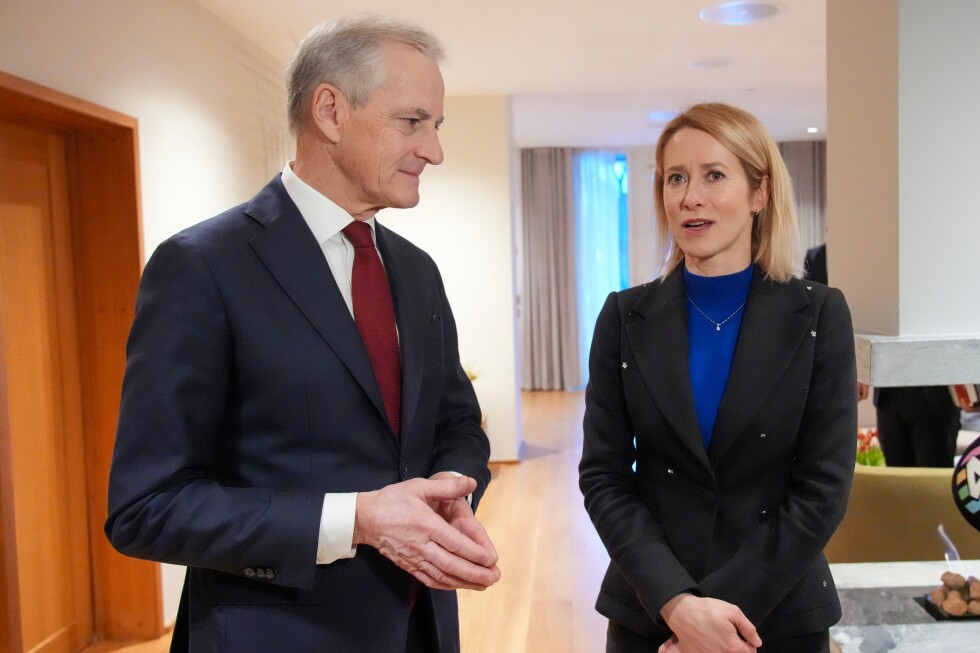
    BRUSSELS — European Union Foreign Policy Chief Kaja Kallas has issued a stark warning against proposals for a European army, characterizing the concept as “extremely dangerous” during a security conference in Norway on Monday. Her remarks come amid intensified discussions about European security autonomy following shifting U.S. geopolitical priorities.

    Kallas systematically dismantled the European army proposition, emphasizing practical military command structures as her primary concern. “Those advocating for a European army may not have thoroughly considered the practical implications,” she stated. “When already integrated within NATO, establishing a separate military force becomes fundamentally unworkable.”

    The Estonian diplomat highlighted the critical importance of clear command hierarchies during security crises. “The paramount military asset in any emergency situation remains the chain of command—establishing unequivocally who issues orders to whom,” Kallas explained. “Creating parallel structures between a European army and NATO would result in catastrophic coordination failures, with critical decisions falling between institutional gaps.”

    Norwegian Prime Minister Jonas Gahr Støre echoed Kallas’ position despite Norway’s non-EU membership status. “NATO maintains an established decision-making process among allies that, while complex, undergoes continuous operational training,” Støre noted, unequivocally rejecting European army proposals as “not a road we should travel.”

    The debate resurged following recent NATO tensions triggered by former President Donald Trump’s controversial suggestions regarding Greenland’s status. Adding strategic perspective, NATO Secretary-General Mark Rutte recently asserted that European self-defense without U.S. support remains currently unachievable. Rutte told EU lawmakers that Europe would need to more than double existing military spending targets to approach autonomous defense capabilities, bluntly stating that those believing otherwise should “keep on dreaming.”

  • France’s budget set to clear the way for Macron’s military spending boost

    France’s budget set to clear the way for Macron’s military spending boost

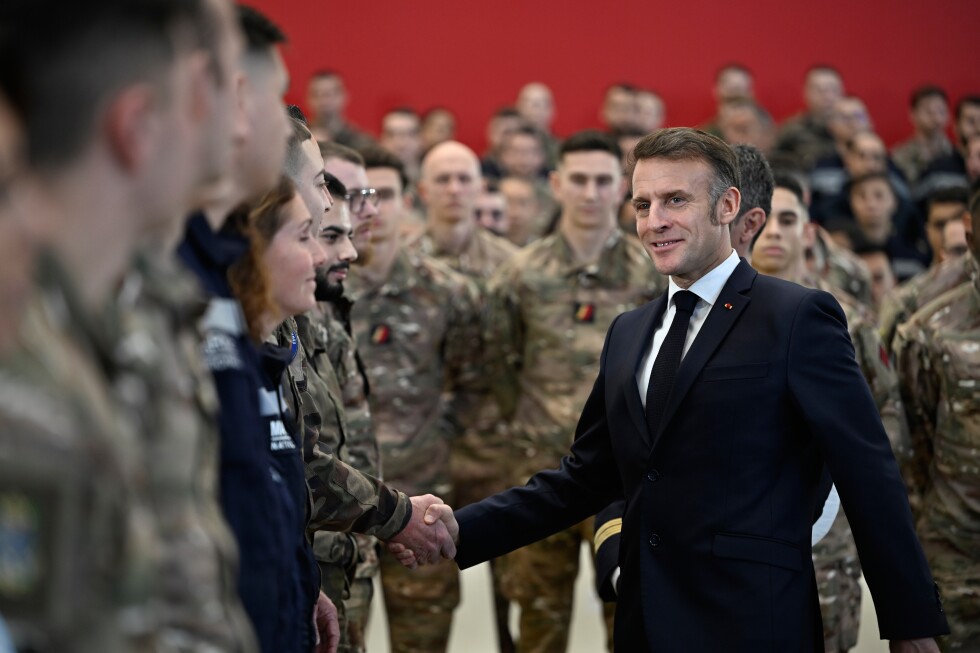
    PARIS — After months of political discord, France’s delayed annual budget is poised for final approval on Monday, paving the way for substantial increases in defense expenditure as pledged by President Emmanuel Macron. The budgetary process, characterized by parliamentary fragmentation and governmental instability, ultimately required Prime Minister Sébastien Lecornu to invoke special constitutional powers to bypass legislative gridlock and enact the legislation without a formal vote.

    The defense allocation represents a significant departure from broader austerity measures, with the military sector receiving an exceptional €6.7 billion ($7.9 billion) augmentation compared to 2025 levels. This financial injection will facilitate the acquisition of advanced military assets including a nuclear-powered attack submarine, 362 armored vehicles for army modernization, and new Aster surface-to-air missile systems. Concurrently, France is launching an expanded voluntary military service program targeting thousands of young citizens aged 18-19.

    Macron’s administration is pursuing deficit reduction targets aiming to decrease the budget deficit from 5.4% to 5% of GDP, while implementing spending cuts across most government departments. This fiscal consolidation occurs amid pressure from European Union institutions and credit rating agencies concerned about France’s debt sustainability within the Eurozone’s second-largest economy.

    The budgetary process revealed the government’s precarious parliamentary position, forcing concessions including the suspension of Macron’s controversial pension reforms that would have raised the retirement age. Corporate taxation will see increases, with an additional levy on large companies projected to generate €7.3 billion ($8.7 billion) in revenue.

    As Macron approaches the final year of his presidency, his attention has increasingly shifted toward international affairs and defense strategy. Recent diplomatic initiatives include advocating for security guarantees for Ukraine, demonstrating European solidarity with Greenland, and supporting the designation of Iran’s Revolutionary Guard as a terrorist organization by the EU. The president’s foreign policy stance gained particular attention during the Davos summit, where his remarks expressing preference for ‘respect over bullies’ were widely interpreted as a rebuke to former President Donald Trump’s tariff threats.

  • Balloons from Belarus cross into Polish airspace for a third night

    Balloons from Belarus cross into Polish airspace for a third night

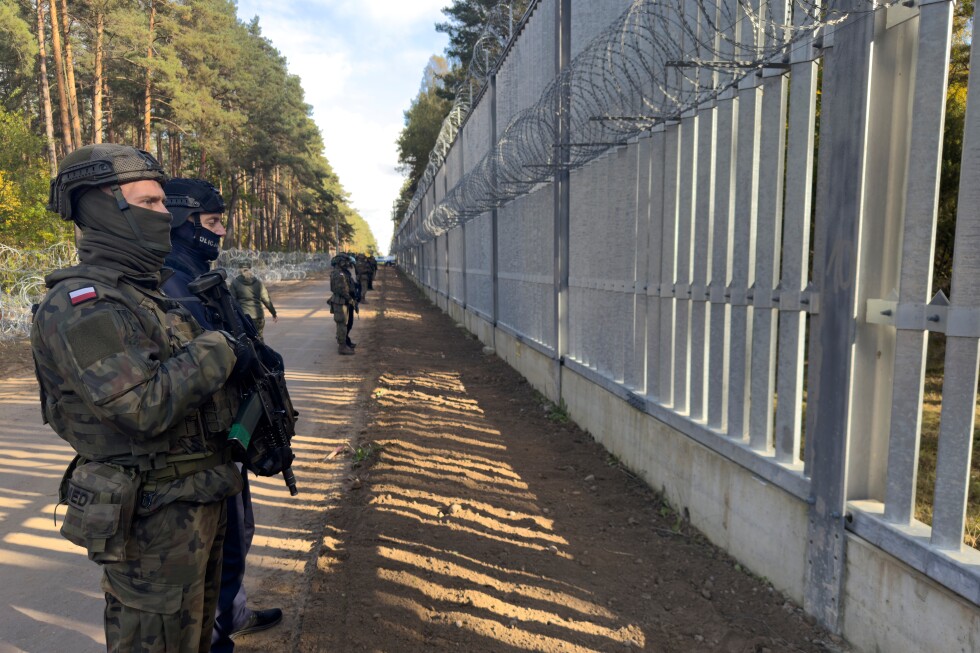
    WARSAW, Poland — For the third consecutive night, Polish authorities have documented unauthorized balloon incursions originating from Belarus, marking a significant escalation in hybrid operations along the EU’s eastern frontier. The Polish Armed Forces Operational Command characterized these events as deliberate attempts by Minsk to test Warsaw’s aerial defense readiness and reconnaissance capabilities.

    Military spokesperson Jacek Goryszewski revealed that balloon-related incidents have surged dramatically in early 2026 compared to the same period last year. While the exact motivation remains unclear, officials suggest the increase could stem from either political directives within the Belarusian government or sophisticated adaptation by criminal smuggling networks evading enhanced border security measures.

    Although the Polish military maintains these aerial violations pose no direct threat to national airspace security, temporary flight restrictions have been imposed over the Podlaskie region bordering Belarus as a precautionary measure. The Belarusian embassy in Warsaw has not responded to requests for commentary regarding these allegations.

    This development occurs within the broader context of what NATO members Poland and Lithuania describe as coordinated hybrid warfare tactics employed by Belarus and its ally Russia. These tactics previously included manufacturing migration crises, alleged sabotage operations, and systematic espionage activities targeting Western nations.

    The balloon incidents follow earlier security breaches including Russian drone penetrations of Polish airspace in September and a November explosion on passenger rail infrastructure that Warsaw attributes to Moscow. Lithuanian authorities faced similar aerial provocations in December when meteorological balloons from Belarus forced repeated shutdowns of Vilnius International Airport, creating massive travel disruptions that officials labeled as deliberate hybrid attacks.

  • Why the UAE is pulling ahead in the EV transition

    Why the UAE is pulling ahead in the EV transition

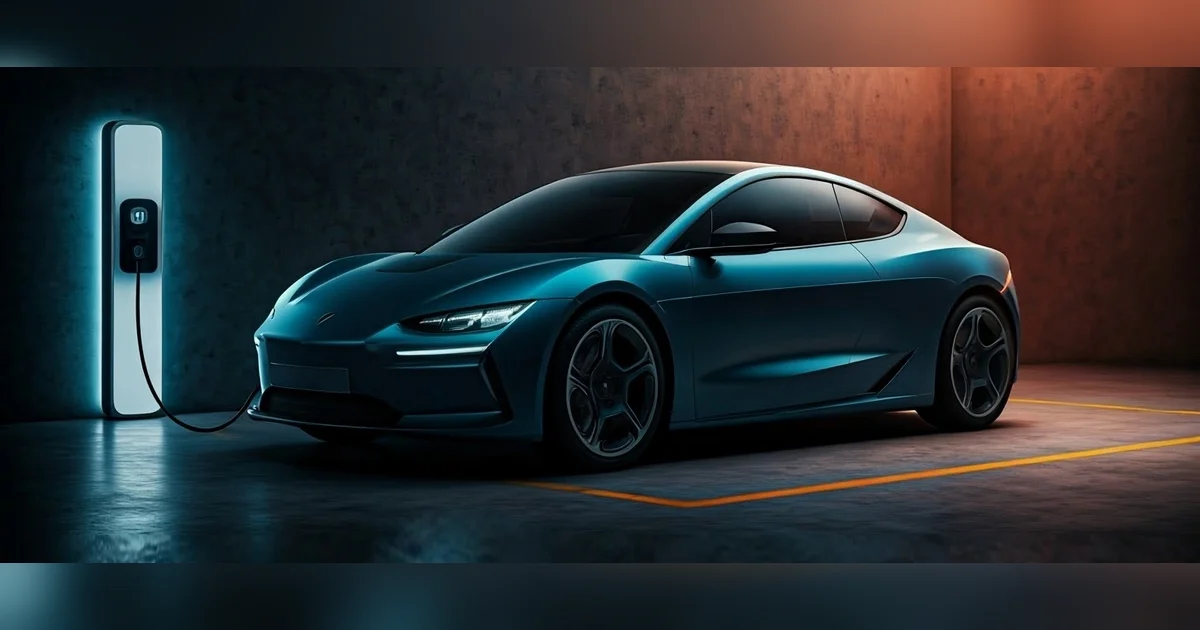
    The United Arab Emirates has quietly positioned itself at the forefront of the global electric vehicle revolution, creating a unique market paradigm that transcends conventional EV adoption narratives. While many nations still approach electric mobility through the lens of environmental responsibility and cost savings, the UAE has engineered a comprehensive ecosystem where government policy, infrastructure development, and consumer aspirations converge to accelerate adoption.

    Market projections reveal remarkable growth trajectories, with battery electric vehicle sales expected to expand at a 19% compound annual growth rate between 2024 and 2029. This momentum stems from unprecedented public-private alignment, including Dubai’s transformation of approximately 70% of its taxi fleet to battery electric and hybrid models—a clear indicator of systemic change rather than niche adoption.

    The charging infrastructure network continues to scale strategically, initially emphasizing slow chargers but rapidly expanding fast-charging capabilities as utilization increases. For ride-hailing operators, the economic model proves increasingly compelling, with earnings between 15-22% achievable under battery replacement frameworks.

    Luxury Redefined: From Performance to Experience

    In a region historically synonymous with V12 engines and dramatic arrivals, the very definition of automotive luxury is undergoing profound transformation. Industry leaders note that premium EV adoption in the UAE represents a paradigm shift where technology, digital integration, and seamless experiences have become the new benchmarks of luxury.

    Karim-Christian Haririan, Managing Director of BMW Group Middle East, emphasizes that success stems from ‘the power of choice, enabled by technological openness.’ The forthcoming BMW Intelligent Personal Assistant, built on Amazon’s Alexa+ AI architecture, exemplifies this evolution—transforming vehicles from mechanical marvels into intuitive digital companions.

    Ricky Mullins, Executive Vice-President of Exeed UAE, observes that luxury now reflects ‘intelligence, effortlessness, and emotional ease’ rather than overt status symbols. This recalibration is particularly significant in a market where refinement is measured by how quietly, smoothly, and intuitively vehicles perform.

    Roberto Colucci, Director of EVs at AW Rostamani Group, describes the transition as fundamental: ‘The absence of engine noise isn’t a loss, it’s a gain. It creates a refined cabin environment that allows for an entirely new level of comfort and conversation.’

    Beyond Sustainability: The Experience Economy

    While sustainability initiates consumer consideration, it no longer dominates purchase decisions. Comprehensive research indicates that 52% of UAE buyers prioritize lower operating costs, while 47% cite environmental concerns—but the ultimate decision hinges on overall experience, design, and lifestyle alignment.

    This psychological shift from duty-based to desire-driven adoption explains why 94% of UAE EV owners intend to purchase another electric vehicle. The market has matured beyond compromise, offering vehicles that deliver superior driving experiences while addressing environmental considerations.

    Digital-First Ownership Models

    The UAE’s advanced digital landscape has reshaped EV ownership expectations, with smartphones becoming the new control centers for vehicle management. From checking charge levels and preconditioning cabins to scheduling maintenance and locating chargers, integrated apps have transformed the ownership experience.

    Flexible subscription models through platforms like Shift Rent a Car and Subscribe Me further lower adoption barriers, particularly valuable in a market characterized by mobility and transient residency patterns. These digital-native approaches align with broader regional trends in banking, retail, and service consumption.

    Securing Global Leadership

    Maintaining the UAE’s competitive advantage requires transitioning from rapid adoption to comprehensive system building. Industry leaders emphasize the necessity of sustained infrastructure investment, supportive regulatory frameworks, and innovative public-private partnerships.

    The next phase demands full ecosystem integration, including charging interoperability across networks, smart grid capabilities enabling vehicle-to-grid technologies, and developing circular economy solutions for battery repair, reuse, and recycling. With premium vehicles above $80,000 currently dominating the market, expanding mid-range options will be crucial for mass adoption.

    As the UAE continues to refine its EV ecosystem, the nation demonstrates how strategic alignment across government, industry, and consumer preferences can accelerate sustainable transportation transitions while creating market leadership in the emerging electric mobility economy.
  • UAE creators race to complete advertiser permits before January 31 deadline

    UAE creators race to complete advertiser permits before January 31 deadline

    The United Arab Emirates has ushered in a new era of digital content regulation as its mandatory advertiser permit system took full effect on January 31, 2026. The groundbreaking policy, initially announced in July and subsequently extended through October, represents a significant shift in how the Gulf nation oversees its burgeoning creator economy.

    Content producers across the Emirates shared predominantly positive experiences despite a weekend registration surge preceding the deadline. The permit system mandates that all individuals publishing promotional material online—whether compensated or not—obtain official authorization or face potential penalties reaching AED 500,000 (approximately $136,000).

    Dubai-based creator Yasmin M. reported an efficient application process completed within thirty minutes at an Amer Lounge service center. “The procedure was remarkably smooth,” she noted. “After presenting identification and a brief wait, officials processed my application despite my lack of prior trade licensing.”

    The regulatory framework requires applicants to be at least 18 years old, with provisions for minors to apply under guardian supervision. All permit holders must maintain valid electronic media trade licenses, renewable annually with a 30-day grace period following expiration. International visitors may participate through UAE-based licensed agencies.

    While most creators reported straightforward experiences, some encountered unexpected hurdles. Amina (pseudonym), whose application faced rejection without detailed explanation, has initiated an appeals process seeking clarification. “The system operated professionally,” she acknowledged, “but transparency regarding content standards would be beneficial.”

    The implementation has sparked diverse reactions across social platforms. Mariam Salih, a casual TikTok user with modest followership, pursued compliance as a precautionary measure. “I primarily create content for enjoyment,” she explained, “but regulatory compliance outweighs potential risks.”

    This regulatory development coincides with increased institutional support for UAE creators, including a recently announced Dh5-million fund for family-oriented content producers and Amazon’s Creators Foundry initiative. The simultaneous introduction of support mechanisms and compliance requirements signals the government’s dual approach to nurturing and regulating the digital content sector.

    As enforcement commences, the UAE joins global discussions about balancing creative expression, commercial opportunity, and regulatory oversight in rapidly evolving digital economies.

  • A Kremlin official confirms that U.S.-brokered Russia-Ukraine talks are resuming this week

    A Kremlin official confirms that U.S.-brokered Russia-Ukraine talks are resuming this week

    ABU DHABI, United Arab Emirates – Diplomatic efforts to resolve the Russia-Ukraine conflict will resume this week with trilateral negotiations scheduled in Abu Dhabi on Wednesday and Thursday, according to Kremlin officials. The talks, mediated by the United States, follow a brief postponement attributed to scheduling conflicts despite ongoing frontline hostilities and devastating long-range attacks on civilian infrastructure.

    Kremlin spokesman Dmitry Peskov characterized the discussions as “very complex,” noting that while progress has been achieved on certain issues, significant divisions remain on others. The negotiations occur as the fourth anniversary of Russia’s full-scale invasion approaches, with key sticking points including Moscow’s demand to retain occupied Ukrainian territories, particularly in Ukraine’s eastern industrial regions.

    The diplomatic push continues against a backdrop of intensified violence. Recent Russian drone and missile bombardments have resulted in substantial civilian casualties, including twelve miners killed in a single attack on Sunday. These assaults have severely damaged Ukraine’s power infrastructure, leaving populations without heating, electricity, or running water during harsh winter conditions.

    In a parallel technological development, Ukrainian Defense Minister Mykhailo Fedorov announced measures to prevent Russian forces from exploiting SpaceX’s Starlink satellite services for drone navigation. Ukraine has implemented a mandatory registration system for Starlink terminals, disabling unapproved devices within its territory. SpaceX CEO Elon Musk acknowledged the effectiveness of these countermeasures, offering further cooperation if needed.

    The talks follow discreet weekend meetings between Russian envoy Kirill Dmitriev and American officials in Miami, though details remain undisclosed. Despite sustained diplomatic engagement from the Trump administration, fundamental disagreements continue to impede breakthrough possibilities as the conflict approaches its fourth year.

  • UAE schools expand FS2, Grade 1 capacity to meet rising demand amid new age cut-offs

    UAE schools expand FS2, Grade 1 capacity to meet rising demand amid new age cut-offs

    United Arab Emirates educational institutions are significantly increasing capacity for Foundation Stage 2 and Grade 1 classes to address substantial enrollment demand following recent adjustments to national school entry regulations. The capacity expansion comes as Dubai’s private education sector implements revised age eligibility guidelines issued by the Knowledge and Human Development Authority (KHDA).

    In December, the Ministry of Education extended the enrollment cutoff date from August 31 to December 31 for Foundation Stage One admissions within the British curriculum system. This regulatory change has subsequently influenced placement decisions for FS2, Year 1, and Year 2 admissions across the country.

    The implementation has created logistical challenges for both families and educational institutions. Numerous parents have reported limited availability at preferred schools, necessitating alternative placement arrangements. Concerns have emerged regarding developmental readiness as some children are being placed in older age groups earlier than originally anticipated.

    Marah Kadoura, Principal of Woodlem American School in Ajman, indicated that schools are strategically planning enrollment while prioritizing early applicants. “Although some classes such as KG2 and Grade 1 are approaching capacity, institutions are implementing measures to increase seating availability where feasible,” Kadoura noted, while acknowledging physical infrastructure and class size limitations.

    The KHDA has clarified that children born between September 1 and December 31, 2021, who were previously ineligible for the 2025-2026 academic year, may now register for FS2 or Year 1 for the 2026-2027 session. Final enrollment decisions remain subject to individual assessments of developmental readiness and seat availability.

    Education experts emphasize the critical importance of transparent communication during this transition. Neil Hopkin, Director of Education at Fortes Education, highlighted their comprehensive outreach to affected families: “We have engaged closely with parents to explain how the updated KHDA guidance functions and its implications for individual placements.”

    Developmental considerations remain paramount amidst the regulatory changes. Vandana Gandhi, CEO of British Orchard Nursery, emphasized that “not all children meeting the new age criteria may be developmentally prepared for FS2.” Her organization has implemented an Enhanced Readiness Programme specifically designed to support children requiring additional preparation before transitioning to more formal educational environments.

    As the academic community adapts to these regulatory modifications, maintaining educational quality while accommodating increased demand represents the primary challenge facing UAE educational institutions.