作者: admin

  • India’s outsourcing industry is worth $300bn. Can it survive AI?

    India’s outsourcing industry is worth $300bn. Can it survive AI?

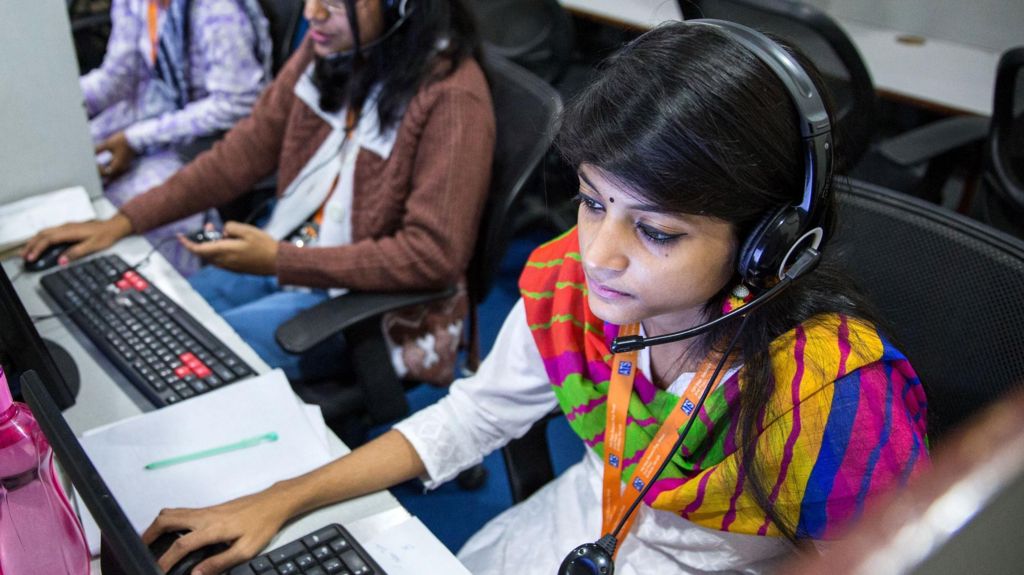
    India’s monumental $300 billion IT outsourcing industry is confronting its most significant technological challenge in decades as artificial intelligence triggers massive market volatility and existential concerns. The Nifty IT index, tracking the nation’s top software firms, has plummeted approximately 20% this year, erasing tens of billions in market valuation amid fears that AI could fundamentally dismantle the labor-intensive outsourcing model that propelled India’s economic transformation.

    The crisis emerged in February when Anthropic’s Claude agent unveiled automation tools capable of handling legal, compliance, and data processes—core services underpinning India’s IT exports. Subsequent warnings from industry founders predicting the potential disappearance of traditional IT services by 2030, with AI potentially eliminating 50% of entry-level white-collar positions, intensified market panic.

    This technological upheaval strikes at the heart of an industry that created millions of middle-class jobs over 35 years, fueling urban development and consumer economies in cities like Bengaluru, Hyderabad, and Gurugram. The sector represents approximately 80% of India’s total services exports, making its stability crucial to the national economy.

    Despite the alarm, industry leaders and analysts present divergent perspectives. Indian IT giants have attempted to calm markets, asserting that AI will generate new opportunities despite undoubtedly transforming traditional operations. Global investment bank Jefferies warned that client engagements will structurally shift toward advisory services, with application managed services (representing 22-45% of revenues) facing substantial deflation.

    JPMorgan Chase characterizes IT firms as ‘the plumbers of the tech world,’ arguing against simplistic assumptions that AI can match the customization capabilities of established software companies. Instead, they foresee collaborative partnerships between AI tool developers and IT service providers creating novel work domains.

    Infosys CEO Salil Parekh supports this optimistic narrative, suggesting AI expands opportunities for firms equipped to modernize legacy systems. According to Infosys projections, while generative AI might displace 92 million positions like front-end developers, it could create approximately 170 million new roles in data annotation, AI engineering, and leadership.

    HSBC’s recent report ‘Software Will Eat AI’ contends that IT services companies will actually drive AI adoption across global enterprises, arguing that large-scale AI systems remain ‘inherently flawed’ for replacing mission-critical enterprise software developed over decades with unparalleled reliability.

    The industry’s transition is already underway. Nasscom, India’s software industry body, confirms 2025 marked a pivotal shift from AI experimentation to deployment, though AI projects currently generate merely $10 billion of the sector’s $315 billion total revenue. Overall sector growth is projected at a modest 6% this year—a dramatic decline from historical double-digit expansion—with hiring expected to increase by just 2.3% in 2026.

    Compounding technological challenges, visa restrictions in the United States—the largest market for Indian IT services—threaten to increase operating expenses by $100-250 million for top firms, approximately 1% of revenues according to Moody’s Analytics.

    Analysts from Nuvama Institutional Equities predict short-term revenue reduction with AI benefits materializing only medium-term, ensuring unavoidable transitional pain for an industry facing its most profound transformation since its inception.

  • Columbia University protester released after one year in immigration custody

    Columbia University protester released after one year in immigration custody

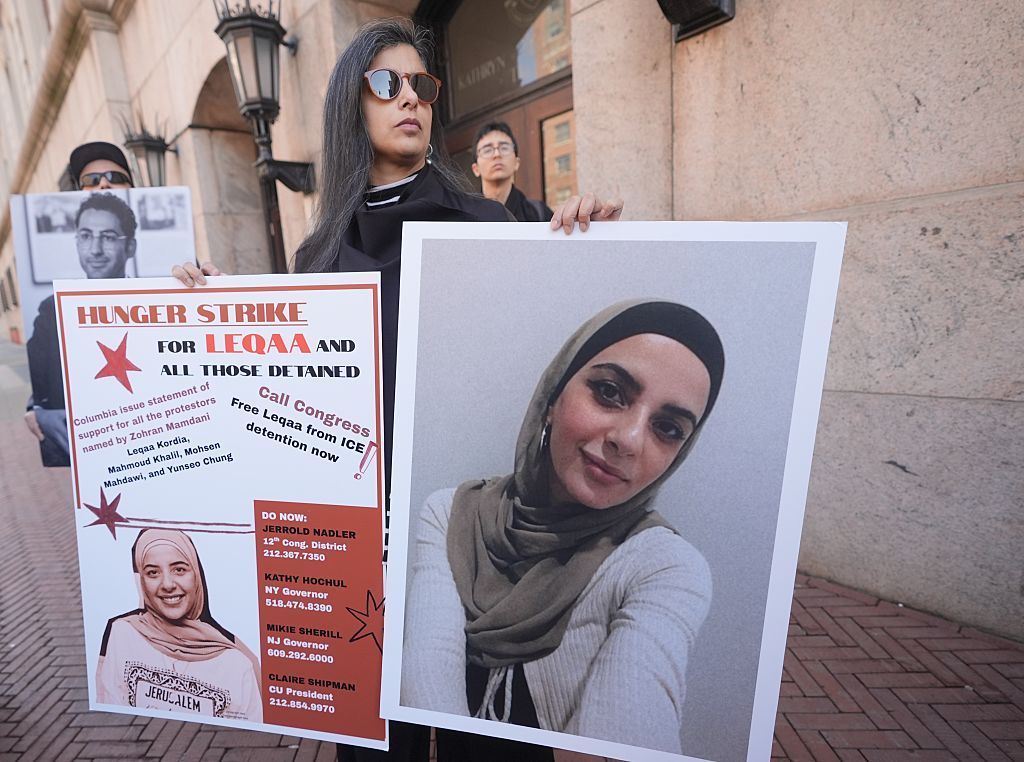
    After enduring twelve months in immigration detention, Palestinian advocate Leqaa Kordia has been released from a Texas facility, marking a significant development in a case that has drawn attention to U.S. immigration enforcement practices. The 33-year-old, initially detained during Gaza war protests at Columbia University in April 2024, faced subsequent arrest in March 2025 during a routine immigration check-in.

    The Department of Homeland Security maintained that Kordia had violated her student visa status, terminated in 2022 due to attendance issues, and alleged she provided financial support to individuals in nations hostile to U.S. interests. These claims were vigorously contested by her legal team from Boston University School of Law’s Immigrants’ Rights Clinic, who argued she was being targeted for her Palestinian rights advocacy.

    In a striking judicial rebuke, an immigration judge characterized the government’s arguments as ‘disingenuous’ during Kordia’s third bail hearing last Friday. The court ordered her release on $100,000 bond despite DHS objections, noting ‘overwhelming evidence’ supporting her account that transferred funds were intended for family support rather than nefarious purposes.

    Kordia’s detention period was marked by concerning health episodes, including a seizure that required three days of hospitalization and reports of being chained to a bed under allegedly unsanitary conditions at the Alvarado facility. Her case has become emblematic of broader debates surrounding free speech, immigration enforcement, and the treatment of activists under the current administration.

    The release allows Kordia to return to her New Jersey residence while her immigration proceedings continue, though DHS maintains its position regarding her immigration status. The case occurs against the backdrop of increased scrutiny on international student protesters and ongoing tensions surrounding Gaza conflict demonstrations at American universities.

  • Utah bereavement author found guilty of fatally poisoning her husband

    Utah bereavement author found guilty of fatally poisoning her husband

    In a shocking case that blends tragedy with calculated deception, a Utah woman has been found guilty of murdering her husband through fentanyl poisoning just one year after publishing a children’s book about processing grief. Kouri Richins, 35, was convicted by a jury that deliberated for merely three hours following an extensive trial that revealed her massive debt, extramarital affair, and multiple life insurance policies taken out on her spouse.

    The March 2022 death of Eric Richins was initially presented as a tragic loss, with Kouri Richins positioning herself as a grieving widow who authored the picture book ‘Are You With Me?’ to help her three children and others cope with loss. The book was dedicated to her ‘amazing husband and wonderful father’ – the same man prosecutors proved she systematically poisoned to death.

    Evidence presented during trial revealed a pattern of attempted murders dating back one year before the fatal incident. Prosecutors demonstrated that Richins had initially poisoned her husband’s sandwich in a failed attempt that nearly killed him. She subsequently increased the dosage until successfully administering a lethal fentanyl-laced drink in March 2022.

    The prosecution called over 40 witnesses, including the drug supplier who provided the fatal substances. In a surprising legal strategy, Richins’ defense team declined to call any witnesses and rested their case without having her testify in her own defense.

    Beyond the murder conviction, Richins faced additional charges including attempted murder, two counts of insurance fraud, and one count of forgery related to alleged attempts to profit from her husband’s death. Her arrest in March 2023 came just two months after her book publication and media appearances where she presented herself as a compassionate widow helping others through grief.

  • Aussie shoppers keep splashing cash as rate hike looms

    Aussie shoppers keep splashing cash as rate hike looms

    In a development that poses significant challenges for monetary policymakers, Australian household expenditure has demonstrated remarkable resilience by continuing its upward trajectory despite mounting cost-of-living pressures. The latest data from National Australia Bank reveals consumer spending increased by 0.4% in February, maintaining a robust annual growth rate of 6.7%.

    The persistent spending patterns emerge at a critical juncture, with the Reserve Bank of Australia preparing to announce its interest rate decision. This sustained consumer activity complicates the central bank’s ongoing campaign against inflation, particularly as spending growth spans both services and goods categories. Service expenditures rose 0.5% monthly, led by cafes and restaurants, while goods spending increased 0.4%, primarily driven by a 0.9% surge in food costs.

    NAB economist Gareth Spence noted that despite economic pressures, household balance sheets have shown improvement. “Real incomes have grown approximately 3.8% over the past year, representing a significant contrast to previous inflation cycles,” Spence observed. He added that households appear relatively well-positioned to navigate potential economic challenges, though acknowledging varying degrees of financial pressure across different demographic groups.

    Paradoxically, while spending remains strong, new data from ANZ and Roy Morgan indicates consumer confidence has plummeted to pandemic-era lows, registering just 68.5 on their index. This confidence measure sits well below the 100-point threshold that separates optimism from pessimism, suggesting consumers are spending despite growing economic concerns rather than because of positive expectations.

    The Australian Bureau of Statistics reports the household saving-to-income ratio has climbed to 6.9% – the highest level since September 2022 and above pre-pandemic averages. This indicates that despite increased spending, disposable income growth of 1.8% has outpaced nominal spending growth of 1.1%, providing some buffer against economic headwinds.

    Economists warn that sustained oil prices above $100 per barrel could directly add approximately 1% to living costs, potentially forcing the RBA to maintain a more hawkish stance on interest rates than previously anticipated.

  • Fierce blizzard buries US midwest in more than 2ft (60cm) of snow

    Fierce blizzard buries US midwest in more than 2ft (60cm) of snow

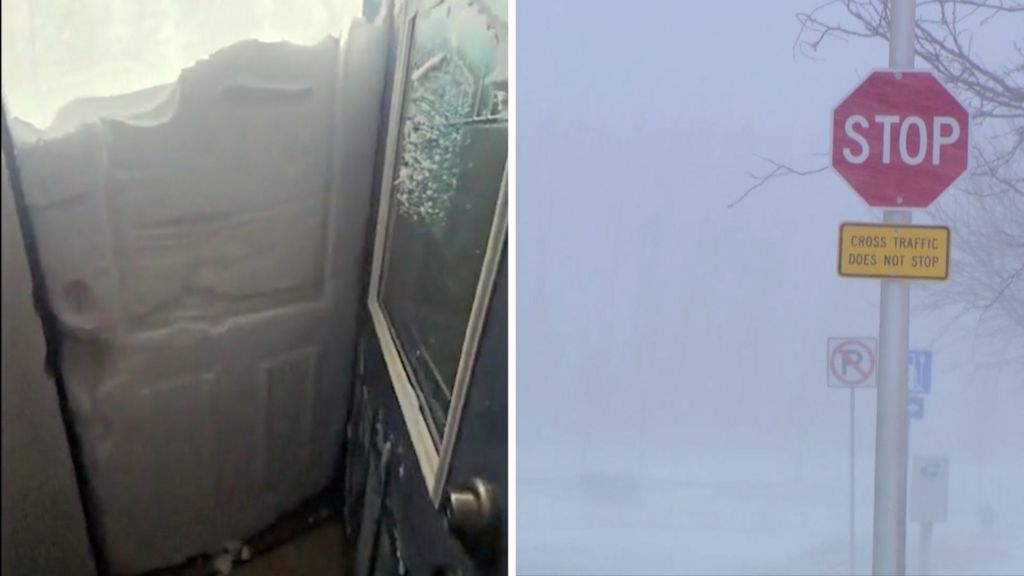
    A catastrophic winter storm has unleashed its fury upon the US Midwest, transforming the region into a frozen landscape with snow accumulations exceeding two feet (60 centimeters). The severe weather event has triggered widespread disruption, with Michigan emerging as one of the hardest-hit states.

    Visual evidence of the storm’s intensity has surfaced on social media, where a resident documented the alarming scene of snowdrifts nearly completely barricading the entrance to their home. This stark imagery underscores the life-threatening conditions and the monumental challenges faced by residents attempting to venture outdoors.

    The blizzard’s impact extends far beyond transportation paralysis. A critical infrastructure crisis is unfolding, with utility providers reporting that over 129,000 customers across Michigan are currently suffering from power outages. The loss of electricity amid such frigid temperatures presents a severe public health risk, elevating concerns about hypothermia and forcing emergency services into high gear.

    Meteorologists attribute the powerful system to a clash of Arctic air with moisture-rich systems, creating ideal conditions for a historic snowfall. Local authorities have issued urgent advisories, imploring citizens to avoid all non-essential travel to allow emergency crews and utility workers to perform critical restoration and rescue operations safely. The regional economic impact, from halted commerce to damaged property, is expected to be significant as communities begin the arduous process of digging out.

  • Surge in US gas prices deepens political peril for Trump over Iran

    Surge in US gas prices deepens political peril for Trump over Iran

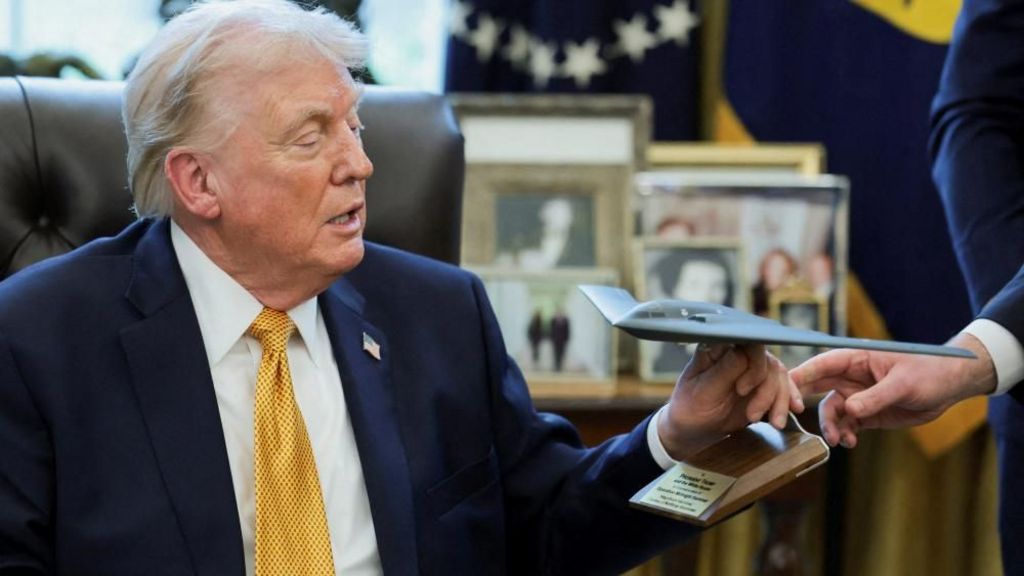
    As the U.S.-Israeli military campaign against Iran enters its third week, President Donald Trump confronts defining decisions that could determine the trajectory of his presidency. Despite the gravity of the situation, the commander-in-chief continues to display his characteristic diversionary style, discussing topics ranging from Kennedy Center renovations to World Cup tournaments during recent White House remarks.

    The administration now faces mounting evidence that Operation Epic Fury—the military designation for the Iran conflict—may extend for weeks or longer, contradicting Trump’s earlier claims of a “very complete” victory. This reality has forced the postponement of a planned presidential trip to China and prompted efforts to assemble an international coalition to secure the Strait of Hormuz, a critical waterway where Iranian attacks threaten global oil shipments.

    However, the coalition-building initiative has met with limited success. Key allies including Japan, Australia, and European powers have expressed reluctance to participate, with UK Prime Minister Keir Starmer explicitly stating his nation “will not be drawn into the wider war.” This leaves Trump with the unenviable choice of either committing more U.S. naval resources to secure the strait or declaring victory and withdrawing, each option carrying significant risks.

    The strategic dilemma is compounded by domestic economic concerns. Energy prices have surged dramatically, with gasoline averaging $3.72 per gallon—a sharp increase from $2.94 just one month ago. According to Clifford Young of Ipsos, sustained high energy costs could severely damage Trump’s political standing, particularly among centrist Republican and independent voters who cite cost of living as their primary concern.

    Meanwhile, the administration reportedly ordered the deployment of a Marine amphibious unit comprising 5,000 personnel from Japan to the Middle East, signaling potential escalation. Any introduction of ground forces would represent a dramatic shift in the conflict and risk triggering public backlash against another prolonged military engagement.

    With seven months until midterm elections, Trump faces competing pressures: securing a strategic victory without triggering economic fallout at home or becoming mired in an extended conflict that contradicts his campaign promises to avoid foreign entanglements. The president’s assertion that “We’re the strongest nation in the world” underscores his confidence, but the complex reality suggests no risk-free options remain available.

  • Trump seeks to delay China summit due to Iran war

    Trump seeks to delay China summit due to Iran war

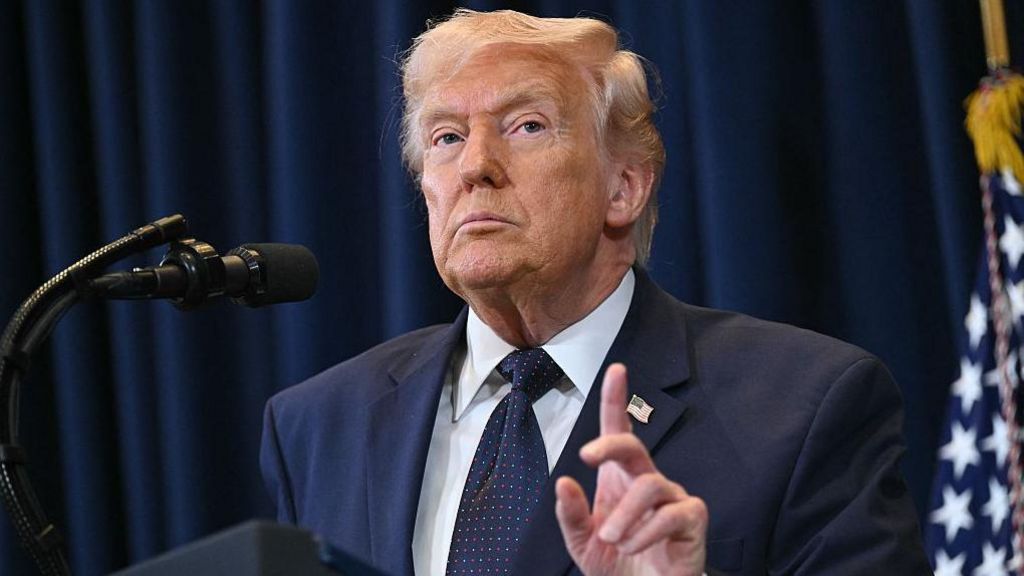
    President Donald Trump announced on Monday a significant postponement of his scheduled diplomatic visit to China, citing operational demands related to the ongoing Iran conflict as the primary reason. The high-profile meeting with Chinese President Xi Jinping, originally planned for March 31 to April 2, will now be delayed approximately one month according to White House statements.

    Addressing journalists at the White House, Trump emphasized that the decision stemmed from strategic necessity rather than diplomatic tensions. “We’ve requested that we delay it a month or so,” the president stated, underscoring his perceived responsibility to remain physically present in Washington to oversee military operations. The escalating Middle Eastern conflict has increasingly dominated presidential attention, creating substantial demands on executive availability.

    The Iran war situation has unexpectedly reshaped American foreign policy priorities, creating complex challenges including global oil supply disruptions and potential economic repercussions. These developments have forced the administration to recalibrate its diplomatic calendar, particularly regarding crucial bilateral engagements.

    This scheduling shift follows Trump’s recent remarks to the Financial Times suggesting potential postponement unless China provided assistance in securing the Strait of Hormuz—a vital maritime corridor for global energy transportation. The president has concurrently appealed to multiple nations to ensure safe passage through these strategically critical waters.

    Despite the delay, Trump characterized U.S.-China relations as positively constructive, noting: “I’m looking forward to being with him. We have a very good relationship.” He further dismissed suggestions of hidden motivations behind the rescheduling, stating plainly: “There’s no tricks to it either. It’s very simple. We’ve got a war going on. I think it’s important that I be here.”

    Simultaneously, diplomatic channels remain active with recent negotiations between American and Chinese representatives in Paris addressing ongoing trade considerations, including investment protocols, tariff structures, and economic sanctions. The Chinese Embassy in Washington has not yet issued an official response to the postponement announcement.

  • Paul Fridman: Property developer accused of extortion through mysterious figure Mr International

    Paul Fridman: Property developer accused of extortion through mysterious figure Mr International

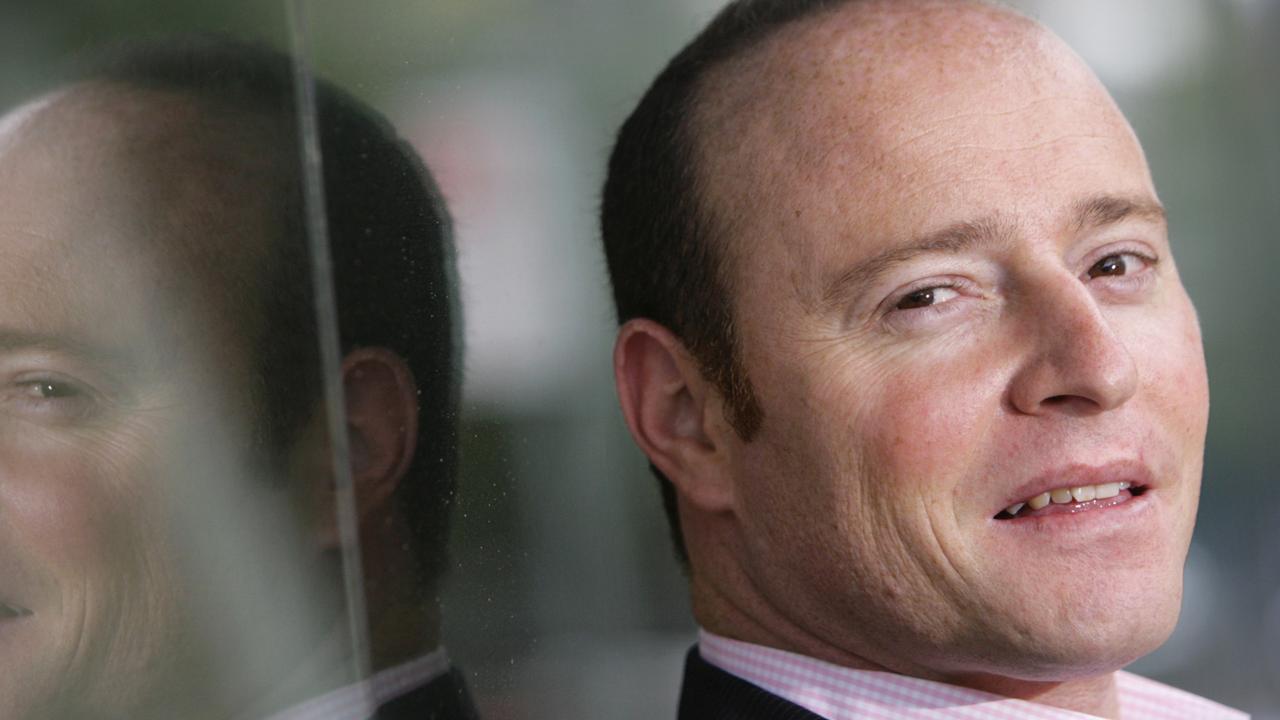
    A Melbourne property developer experienced an emotional breakdown in court on Monday after being remanded into custody for his alleged involvement in a serious extortion scheme. Paul Fridman, 50, faced the Melbourne Magistrates’ Court following a police raid on his family residence earlier that day.

    The court heard allegations that Fridman, a bankrupt former director of development firm Fridcorp, enlisted the services of a mysterious intermediary known only as ‘Mr International’ to recover purported debts from former business associates Ashley Boyd and Nigel Givoni. According to Detective Senior Constable Andrew Lauder, Fridman allegedly believed he was owed significant sums from previous business dealings and arranged for Mr International to pursue collection in exchange for a 10% commission.

    The situation escalated dramatically when Mr Boyd’s home and his neighbor’s property were allegedly firebombed with Molotov cocktails on March 14. The court was presented with threatening messages allegedly sent by Mr International, including one that stated: ‘Your lives aren’t worth a bit of money’ and another warning that ‘houses get burnt and people get kidnapped over things like this.’

    Fridman’s defense lawyer, Ms. Brown, argued that while her client had engaged Mr International, there was no direct evidence connecting him to the violent acts or proving he had knowledge of the extreme measures that would be employed. The defense highlighted that police had discovered ChatGPT queries on Fridman’s devices asking about the legality of third-party debt collection in Australia and potential consequences if violence occurred.

    Magistrate Gerard Lethbridge remanded Fridman into custody overnight amid complications regarding a proposed $500,000 bail guarantee. The case has been adjourned and is scheduled to resume Tuesday afternoon for further proceedings.

  • ‘Fire came from the sky and burned them’ – life on the brink of civil war in South Sudan

    ‘Fire came from the sky and burned them’ – life on the brink of civil war in South Sudan

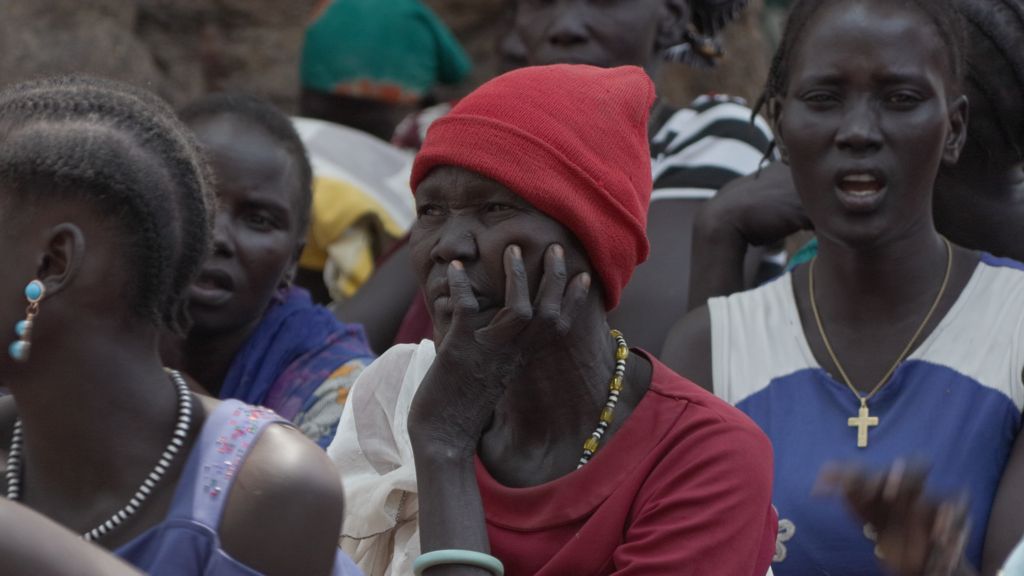
    South Sudan, the world’s youngest nation, faces a catastrophic return to full-scale civil war as intensified military operations in Jonglei state trigger mass displacement and civilian casualties. The conflict between government forces loyal to President Salva Kiir and opposition factions aligned with suspended First Vice-President Riek Machar has created a devastating humanitarian crisis.

    Recent fighting has displaced over 280,000 people, including Nyawan Koang, a 30-year-old mother of five who endured a two-day trek to reach the relative safety of Duk village after losing both parents in an airstrike. ‘Fire came from the sky and burned them,’ she recounted, describing how her family became trapped between warring factions.

    The current violence stems from the collapse of a fragile 2018 peace agreement that ended a civil war claiming nearly 400,000 lives. The situation deteriorated dramatically when President Kiir suspended Machar—who now faces charges of murder, treason, and crimes against humanity—and dismissed several senior government figures, including Machar’s wife, Interior Minister Angelina Teny.

    Military operations have intensified as government forces attempt to reclaim territory from the Sudan People’s Liberation Army in Opposition (SPLA-IO), which has been bolstered by White Army militants. Both sides stand accused of committing atrocities against civilians, with the UN documenting 189 civilian deaths in January alone from indiscriminate attacks, aerial bombardments, and targeted killings.

    Despite government claims of responsible conduct, evidence suggests deliberate targeting of non-combatants. In one admitted incident, government soldiers executed more than 20 civilians at close range in Ayod county during late February. Army spokesman Maj Gen Lul Ruai Koang confirmed soldiers and commanders involved have been detained and face court-martial proceedings.

    The conflict exacerbates an already dire humanitarian situation. According to the World Food Programme, 60% of Jonglei’s two million residents face acute hunger, while nationwide, 10 million South Sudanese require food assistance. Relief efforts face monumental challenges due to insecurity, inadequate infrastructure, and seasonal flooding that renders 80% of the country inaccessible during extended rainy periods.

    With peace agreements crumbling and regional instability spilling across borders—over one million refugees have fled from Sudan’s civil war—observers fear South Sudan’s fragile stability may completely collapse, dashing hopes for lasting peace in the war-weary nation.

  • Reza Pahlavi’s supporters in Iran are turning against him

    Reza Pahlavi’s supporters in Iran are turning against him

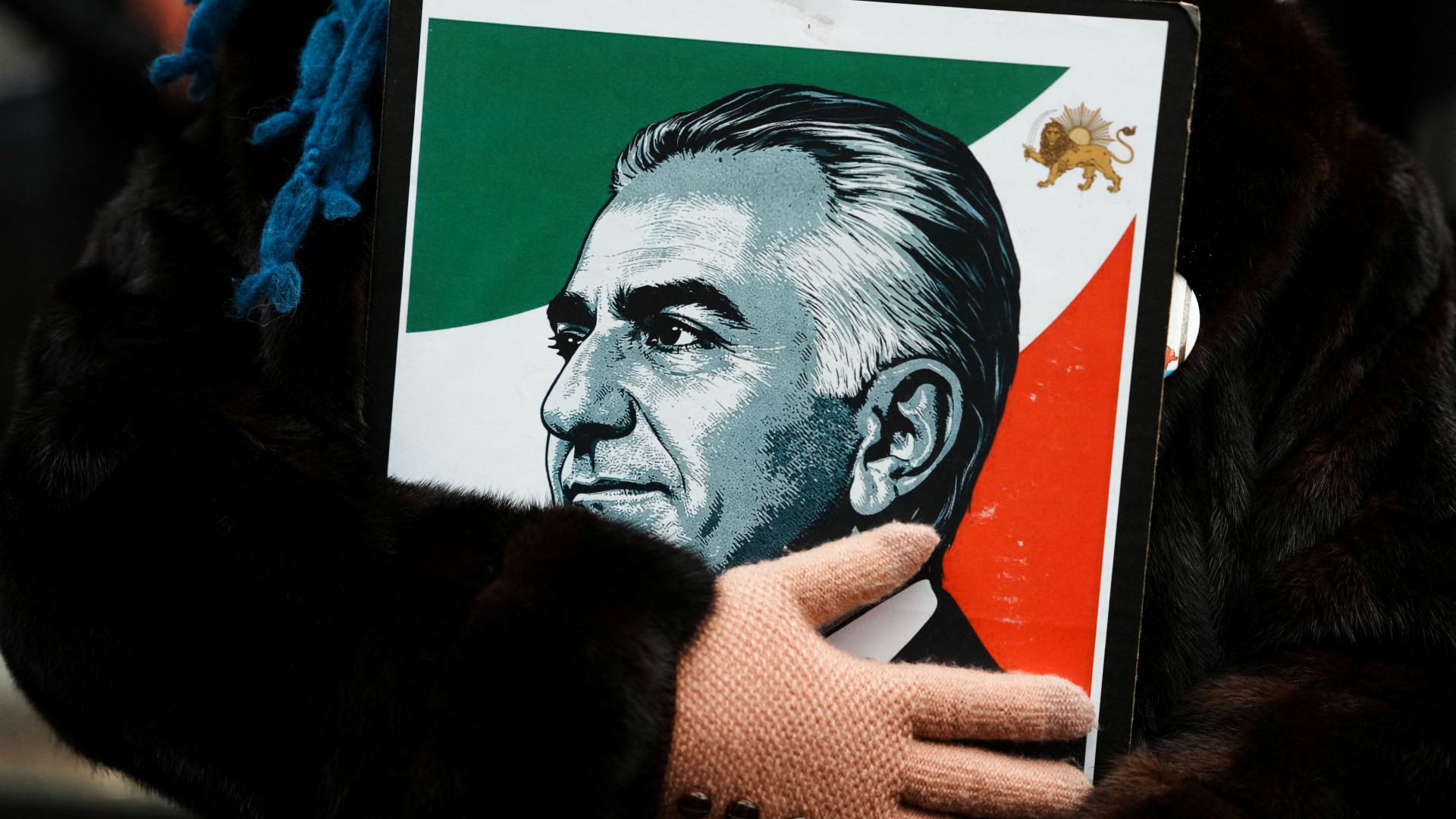
    Amidst the ongoing military engagement between the United States, Israel, and Iran, a significant shift in sentiment is emerging among segments of the Iranian populace. Reza Pahlavi, the exiled son of Iran’s last monarch, once viewed by many as a potential unifying figure for the fragmented opposition, is now facing growing disillusionment and criticism from his former supporters.

    The catalyst for this erosion of trust varies. For some, the turning point occurred prior to the outbreak of open conflict, when Pahlavi persistently called for public uprisings against the Islamic Republic—a move many saw as dangerously irresponsible given the regime’s history of brutal crackdowns. For others, his recent encouragement of public demonstrations during the traditional Persian festival of Chaharshanbe Suri, while major cities are under constant aerial bombardment, has been perceived as profoundly out of touch with the grim realities of daily life.

    Interviews conducted with Iranians, who are identified by pseudonyms for their security, reveal a deep sense of betrayal. Dina, a 39-year-old from Tehran, once held hope that Pahlavi could channel the widespread discontent into a coherent movement. Now, she laments his apparent lack of political acumen, stating, ‘I wish he had even a fraction of his father’s political judgment… he would know how to use the enormous energy among people.’ Her sentiment is echoed by Majid, a 21-year-old student who witnessed a friend killed by security forces during earlier protests. He questions the call for celebration while citizens live in fear of airstrikes, asking, ‘Does he even know what life is like here?’

    The criticism extends to Pahlavi’s perceived alignment with foreign powers. His communications, particularly on social media platform X, have drawn controversy for offering condolences for fallen American soldiers while remaining conspicuously silent on the deaths of hundreds of Iranian civilians, including children, in coalition strikes. This disparity has led many to question his priorities and his claim to represent the Iranian people.

    Furthermore, his political consistency is under scrutiny. Analysts and critics like Amir, 40, from northern Iran, point to Pahlavi’s fluctuating rhetoric—at times pleading for U.S. support and at other times insisting on its irrelevance—as a sign of strategic uncertainty and an attempt to align with the perceived whims of international players like former U.S. President Donald Trump.

    The atmosphere within Iran is increasingly tense. Iranian authorities, represented by national police commander Ahmad Reza Radan, have issued explicit threats, warning that security forces are ‘ready to pull the trigger’ on anyone protesting at the ‘enemy’s request.’ This has rendered the prospect of public demonstrations even more perilous.

    While Pahlavi retains a base of support among those who still see him as a viable figure for a potential transitional government, the opposition landscape is now markedly divided. The emerging trends indicate a growing cohort of the disillusioned who feel misled by unmet promises of support and a coherent plan, while those who were always skeptical now feel empowered to voice their criticisms openly. The overarching sentiment is one of being trapped—caught between a repressive regime and an opposition leadership that many believe has failed its people.