作者: admin

  • More than a dozen horses killed in New York barn fire

    More than a dozen horses killed in New York barn fire

    A devastating overnight barn fire at a harness racing facility in Saratoga Springs, New York — a city globally renowned as the heart of American thoroughbred and harness racing — has claimed the lives of at least 17 horses, local emergency officials confirmed this week.

    The inferno broke out at approximately 2:30 a.m. local time on Tuesday at the Saratoga Casino Hotel’s harness racing track, according to Saratoga fire department representatives. The single barn, which was completely leveled by the flames, housed 18 horses at the time of the incident. Miraculously, one animal managed to flee the burning structure, and only sustained minor injuries. No personnel on or near the property were hurt during the blaze, but investigators have not yet determined what sparked the fire, and the probe into the cause remains active.

    Witnesses from the horseracing community shared that staff were just arriving for their morning shifts — to feed the horses and muck out stalls — when they first spotted smoke and flames. The fundraising page organizers noted that the fire spread with alarming speed, outpacing any attempts to evacuate all the horses trapped inside.

    In a statement released after the tragedy, the Saratoga Harness Horseperson’s Association called the incident a devastating loss for the entire regional racing community, saying, “This is a sobering day in our industry, a horseperson’s worst nightmare.”

    Community support has poured in rapidly for the horsemen and women affected by the fire, who lost their animals, training equipment, and in many cases, core parts of their livelihoods. By Tuesday afternoon, a community fundraising effort had already pulled in more than $30,000 (approximately £22,000) in donations to support impacted families and operations.

    In response to the tragedy, track management canceled all scheduled harness races for the remainder of Tuesday, and announced plans to hold a public memorial service to honor the horses that died. Full details of the memorial will be released in the coming days as planning is finalized.

    Saratoga Casino Hotel is one of the area’s most prominent racing venues, hosting live harness racing on its historic half-mile track, where spectators can gather to watch events and place wagers. Saratoga Springs itself has been closely tied to professional horse racing since the 1840s, and today stands as one of the most prestigious racing destinations in the United States.

  • Brazil’s top court convicts son of former President Bolsonaro for coercion

    Brazil’s top court convicts son of former President Bolsonaro for coercion

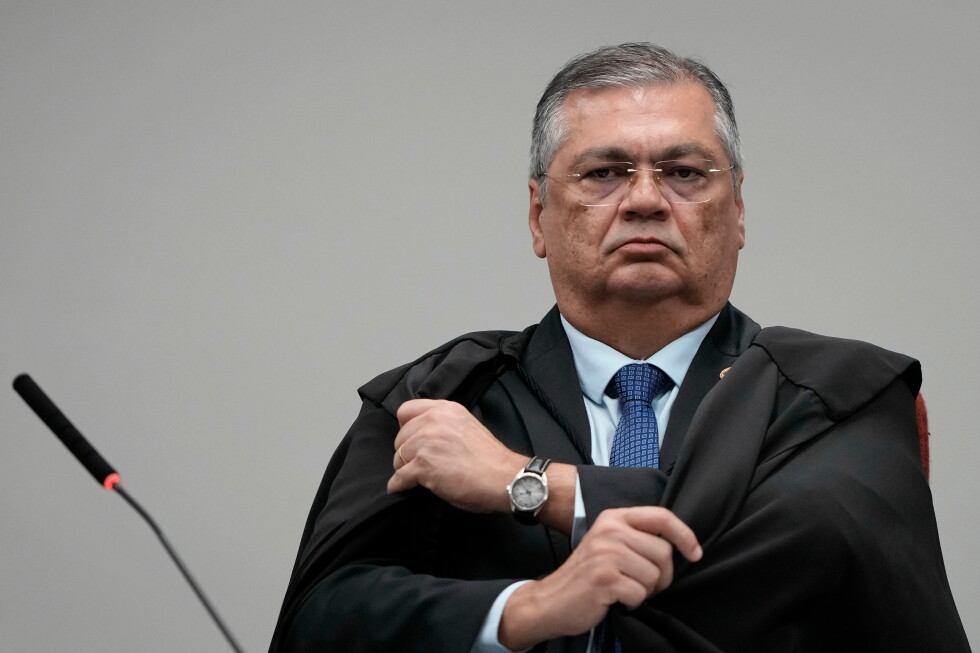
    SAO PAULO – In a landmark ruling that deepens Brazil’s ongoing political upheaval stemming from the 2022 presidential election crisis, Brazil’s Supreme Federal Court has found former federal lawmaker Eduardo Bolsonaro, son of ex-president Jair Bolsonaro, guilty of criminal coercion linked to the high-profile 2024 coup attempt trial that ended with his father receiving a 27-year prison sentence. On Tuesday, the court handed down a sentence of four years and two months of imprisonment to the younger Bolsonaro, with all five justices on the ruling panel unanimously agreeing that he engaged in illegal interference by lobbying the U.S. government to pressure Brazilian judicial officials into halting the trial against his father.

    Justice Alexandre de Moraes, the same magistrate who led the previous coup case against the former president, emphasized in his ruling that Eduardo Bolsonaro’s position as a sitting federal legislator “is not to lobby overseas against his own country.” This ruling comes against a backdrop of pre-existing tensions: de Moraes and his spouse were targeted with U.S. government sanctions back in July 2024.

    Legal representatives for Eduardo Bolsonaro have rejected the guilty verdict outright, arguing that prosecution failed to present sufficient evidence to support the conviction. Notably, the former lawmaker has resided in Texas, United States, since February 2025, and has not issued any public statement regarding the Supreme Court’s decision.

    Beyond the domestic political fallout, this conviction intersects with shifting trade and diplomatic dynamics between Brazil and the U.S. under current U.S. President Donald Trump. Last year, Trump imposed a steep 50% tariff on Brazilian goods in direct response to the prosecution of Jair Bolsonaro, who was convicted of orchestrating a coup to overturn his 2022 electoral loss to current Brazilian President Luiz Inácio Lula da Silva.

    Diplomatic relations appeared to thaw briefly in early May 2025, when Lula traveled to Washington for a White House meeting with Trump, and the Brazilian leader told reporters he shared official documentation during the visit proving the U.S. actually maintains a trade surplus with Brazil. That detente proved short-lived, however: in June 2025, the U.S. administration unveiled a new proposal for 25% tariffs on Brazilian imports, repeating unsubstantiated claims that Brazil, the world’s 10th largest economy, engages in unfair trade practices.

    The legal ruling also lands ahead of Brazil’s upcoming October general election, where Jair Bolsonaro’s elder son, Sen. Flávio Bolsonaro, is positioned as the leading opposition challenger to incumbent Lula. Eduardo Bolsonaro is currently campaigning on behalf of his brother’s candidacy, which has recently been rocked by a corruption scandal tied to an improper payment to a disgraced former banker. Just weeks before the conviction, Eduardo and Flávio Bolsonaro traveled to Washington to meet with senior U.S. officials, including former president and current incumbent Trump.

  • Kylian Mbappé sparks France with two goals in 3-1 win over Senegal at the World Cup

    Kylian Mbappé sparks France with two goals in 3-1 win over Senegal at the World Cup

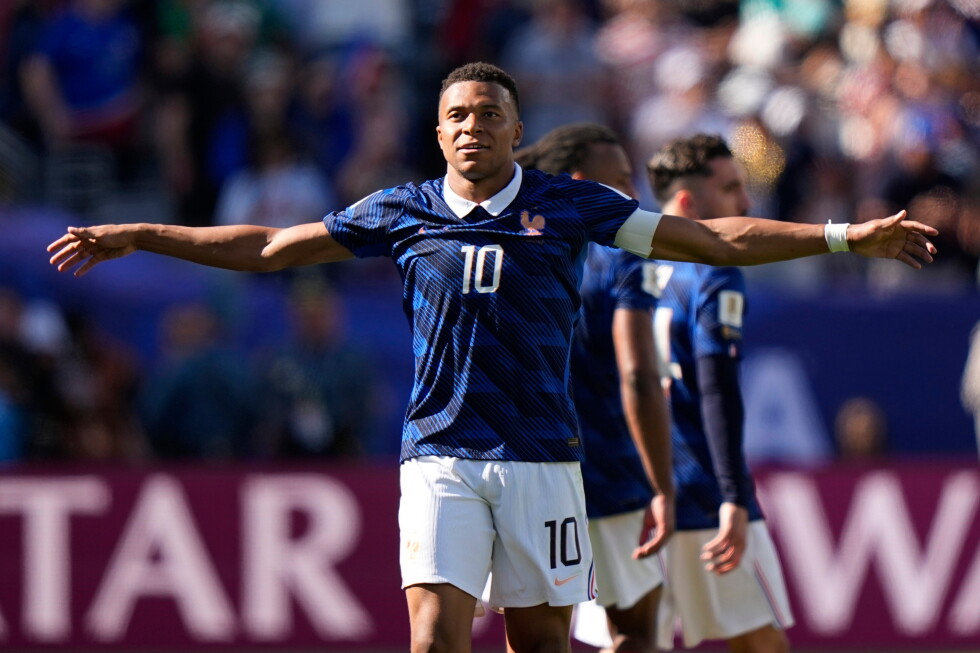
    On a sun-drenched 25-degree Celsius afternoon at New Jersey’s MetLife Stadium, defending World Cup finalist France pulled off a dramatic second-half comeback to defeat Senegal 3-1 in its Group I opening match, powered by a two-goal masterclass from global superstar Kylian Mbappé that cemented his place among World Cup’s all-time greats.

    The match got off to a shockingly slow and lopsided start, with France looking uncharacteristically tentative. Les Bleus managed just one shot to Senegal’s five in the first 45 minutes, a performance defender William Saliba openly admitted was underwhelming. “In the first half, we weren’t good, they were better than us,” Saliba said. Mbappé, the team’s attacking linchpin, recorded only 14 touches — fewer than any other player on the pitch — and the half ended goalless, with Senegal’s Nicolas Jackson coming inches from opening the scoring when his 25th-minute effort struck the post, bounced off France goalkeeper Mike Maignan’s heel and rolled out of play.

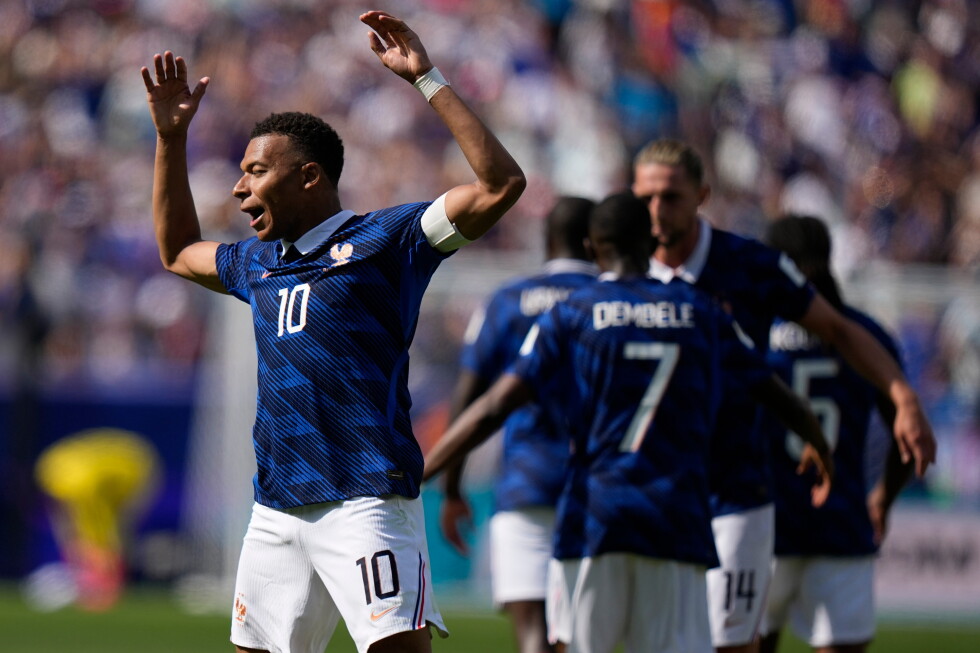
    Whatever France coach Didier Deschamps said at halftime sparked an immediate turnaround. The 2018 and 2022 World Cup finalists took full control after the break, outshooting Senegal 10-1, and broke the deadlock in the 66th minute through Mbappé’s trademark clinical finishing. The forward burst past Senegal captain Kalidou Koulibaly, collected a diagonal pass from Michael Olise, and slotted the ball past goalkeeper Édouard Mendy from just outside the six-yard box to put France ahead.

    Substitute Bradley Barcola doubled the advantage just two minutes after entering the pitch in the 80th minute, latching onto a perfectly weighted through ball from Adrien Rabiot and lifting a cool finish over Mendy to net his fourth international goal. Senegal pulled one back five minutes into stoppage time when forward Ibrahim Mbaye converted an angled shot, but Mbappé answered immediately a minute later with a stunning long-range strike that sailed over Mendy’s outstretched arm and nestled just under the crossbar to seal the 3-1 result.

    The two goals pushed Mbappé’s career World Cup tally to 14, moving him past Brazilian legend Pelé, Argentina’s Lionel Messi and French icon Just Fontaine into a tie for third place with Germany’s Gerd Müller on the all-time World Cup scoring list. Only Germany’s Miroslav Klose (16) and Brazil’s Ronaldo (15) now sit ahead of the 25-year-old. He also set a new French national team record with 58 international goals, passing former striker Olivier Giroud by one.

    Off the pitch, the match faced unusual disruptions: the U.S. government denied visas for hundreds of Senegal supporters, leaving the Lions of Teranga’s fanbase restricted to just a few small sections in the stadium’s southwest corner, even as the overall crowd of 80,545 came just short of a sellout. Ticket prices dropped dramatically in the hours before kickoff, falling as low as $69 on FIFA’s official resale platform, down from the original $220 to $620 price point when tickets first went on sale in December.

    Looking ahead to Group I play, France will next face Iraq in Philadelphia on Monday, before wrapping up its first-round schedule against Norway on June 26 in Foxborough, Massachusetts. Senegal will take on Norway at MetLife Stadium on Monday, before closing out group play against Iraq in Toronto. Deschamps acknowledged the team’s rocky start but celebrated the valuable opening three points. “It’s relief. We did have some apprehension,” Deschamps said through a translator. “It’s always great to start with a win. It’s not decisive, but it’s good to start in that way.” The result keeps France on track to pursue its historic bid for a third consecutive World Cup final appearance.

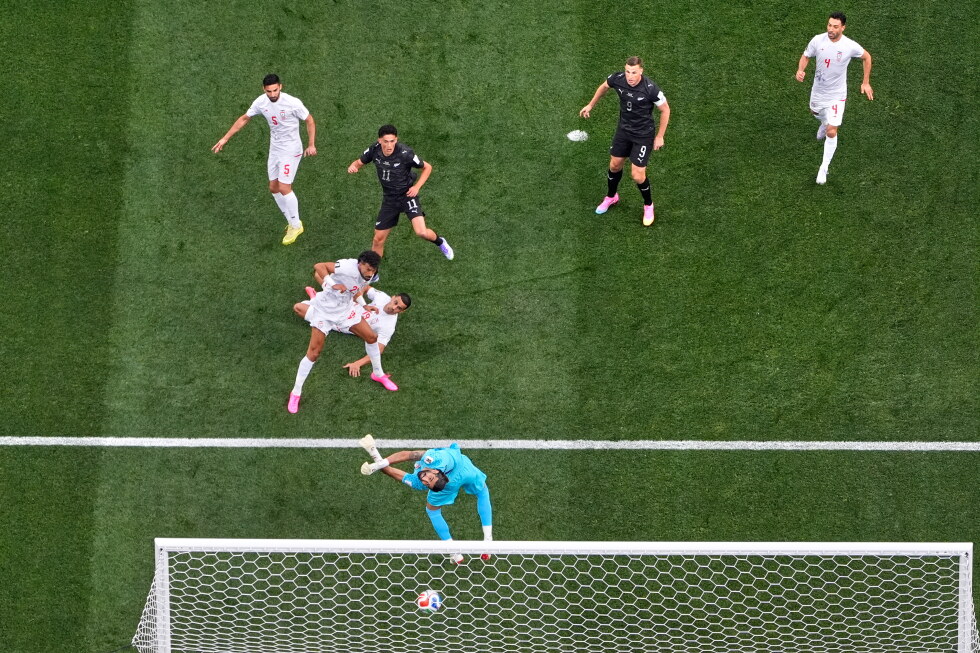
  • One Extraordinary Photo: An overhead look at New Zealand’s Elijah Just scoring against Iran

    One Extraordinary Photo: An overhead look at New Zealand’s Elijah Just scoring against Iran

    For four decades, Mark J. Terrill has built a legendary career capturing some of sports’ most unforgettable moments, and his work at the 2022 FIFA World Cup offered another example of how innovative camera work can redefine sports photography.

    Terrill’s journey in photojournalism began unexpectedly early: at just 16 years old, 44 years ago, he started out as a freelance contributor primarily for the Associated Press. While studying photojournalism in college, he began experimenting with sports photography and remote-triggered camera setups, and quickly developed a lifelong passion for the craft. He went on to join AP as a full-time staff photographer in 1997.

    In a breakdown of one of his standout World Cup shots — capturing New Zealand forward Elijah Just scoring against Iran — Terrill explained the creative logic behind the image that sets it apart from typical match photography.

    “One of the primary goals (no pun intended) of a photographer is to make a different photograph,” Terrill explained. “Different in the sense that your competition doesn’t have it and that the audience hasn’t seen it before. One of the ways to do this is with remotely triggered cameras. They not only allow you to be in more than one place at a time but it also allows you to be in positions where you can’t physically be.”

    The unique vantage point of this shot, which gives viewers a one-of-a-kind overhead look at the goal-mouth action, would have been impossible for Terrill to capture in person from his spot on the pitch sideline. To pull off the shot, he installed a total of four remote cameras along the overhead catwalk of Los Angeles Stadium (now SoFi Stadium), where the match was held: one positioned behind each goal, and another angled toward each goal from the side. Two additional remote cameras were placed behind the goal where Just scored, all synced to radio transceivers that let Terrill trigger the shutters himself from his on-pitch press position.

    Terrill noted that the finished image checks every box for a standout soccer photograph. It clearly captures all the key narrative elements of a goal: Just in the act of scoring, the Iran goalkeeper failing to make the save, and defending players reacting to the play in the background. It also benefits from a clean, uncluttered backdrop that keeps the focus firmly on the high-stakes action, rather than distracting from the moment.

    This behind-the-scenes look at Terrill’s process offers a rare glimpse into the technical skill and creative planning that goes into capturing iconic sports imagery on the world’s biggest stage.

  • Tim Payne, New Zealand’s viral World Cup star, to join Paraguay club Olimpia, source says

    Tim Payne, New Zealand’s viral World Cup star, to join Paraguay club Olimpia, source says

    DALLAS (AP) — An unlikely rise to global fame has earned a little-known New Zealand soccer defender a once-in-a-lifetime career move: 38-year-old Tim Payne, who went from relative obscurity to international social media celebrity in the span of weeks, is set to leave his current club Wellington Phoenix to join Olimpia, the defending Paraguayan top-flight champion and one of South America’s most storied soccer institutions.

    The details of the impending transfer were confirmed to The Associated Press on Tuesday by an insider close to the negotiation process, who spoke on condition of anonymity because Olimpia has not yet scheduled an official public announcement of the signing. The source also declined to disclose the financial terms of Payne’s upcoming contract with the club.

    Payne’s explosive leap into the global spotlight traces back to a viral social media campaign launched by Argentine influencer El Scarso. The content creator set out to find the most low-profile player at this year’s FIFA World Cup, settling on Payne due to his tiny pre-tournament social media following. El Scarso called on his own followers to band together to turn the little-known New Zealander into a household name, and the campaign quickly caught fire across platforms.

    In the weeks following the campaign’s launch, Payne’s Instagram follower count skyrocketed from just under 5,000 to more than 5.8 million, a more than 1,000-fold increase that captured the attention of clubs across the globe. The outpouring of support for Payne has even spawned an original fan song in Spanish, whose chorus declares devotion to the defender: “I’ve got his back. I cheer him on. I’ve been rooting for him from the beginning. Tim Payne, from cradle to grave. You’re a crack. I cheer you on, every step.” The track also leans into a playful pun on Payne’s name, closing with the line “no Payne, no gain.”

    Payne got the chance to show his on-pitch skills to his new global fan base earlier this week, starting in New Zealand’s opening Group G match against Iran that ended in a 2-2 draw on Monday. The All Whites, New Zealand’s men’s national soccer team, are still chasing their first ever World Cup win across three tournament appearances.

  • France striker Kylian Mbappé scores his 13th World Cup goal, breaking a tie with Pelé

    France striker Kylian Mbappé scores his 13th World Cup goal, breaking a tie with Pelé

    EAST RUTHERFORD, N.J. – In a landmark moment for men’s World Cup soccer history, Kylian Mbappé notched his 13th career tournament goal on Tuesday, surpassing Brazilian legend Pelé to pull level for fourth place on the competition’s all-time scoring list. The strike, which came in the 66th minute of France’s 2026 World Cup opening fixture against Senegal, marked the 27-year-old’s 57th goal for the French men’s national team, tying him with veteran striker Olivier Giroud for the country’s all-time senior team scoring record.

    Playing in his third consecutive World Cup, Mbappé now matches the career World Cup goal tallies of Argentina’s Lionel Messi and French legend Just Fontaine. He sits just one goal behind Germany’s iconic forward Gerd Müller in the all-time rankings, and two goals back of Brazil’s Ronaldo, who holds third place with 15 goals. The all-time World Cup scoring record is currently held by Germany’s Miroslav Klose, who sits atop the list with 16 goals over his tournament career.

    Mbappé’s path to the historic goal included multiple early near-misses, after the Real Madrid star repeatedly found open space between Senegal’s defensive line in the opening 14 minutes of the match. Senegalese starting goalkeeper Édouard Mendy denied several of Mbappé’s early attempts, including a close-range chance in the opening half, where Mbappé struggled with uncharacteristically sloppy ball control for much of the period before the French attack began to click as the half drew to a close.

    A proven winner on the global stage, Mbappé helped lead France to World Cup glory in 2018, and guided the side to the 2022 tournament final, where he earned the Silver Ball award as the competition’s second-best player after a memorable individual performance. Entering the 2026 World Cup, France enters as co-tournament favorites alongside Spain, with Mbappé leading a dynamic attacking unit that also includes young talent Désiré Doué and reigning Ballon d’Or winner Ousmane Dembélé. Off the club front, Mbappé carried a red-hot scoring form into the international break, having netted 25 times for Real Madrid in the 2024-2025 domestic season.

  • ‘From outlier to trailblazer’: How Oman offers a glimpse into the post-war Gulf

    ‘From outlier to trailblazer’: How Oman offers a glimpse into the post-war Gulf

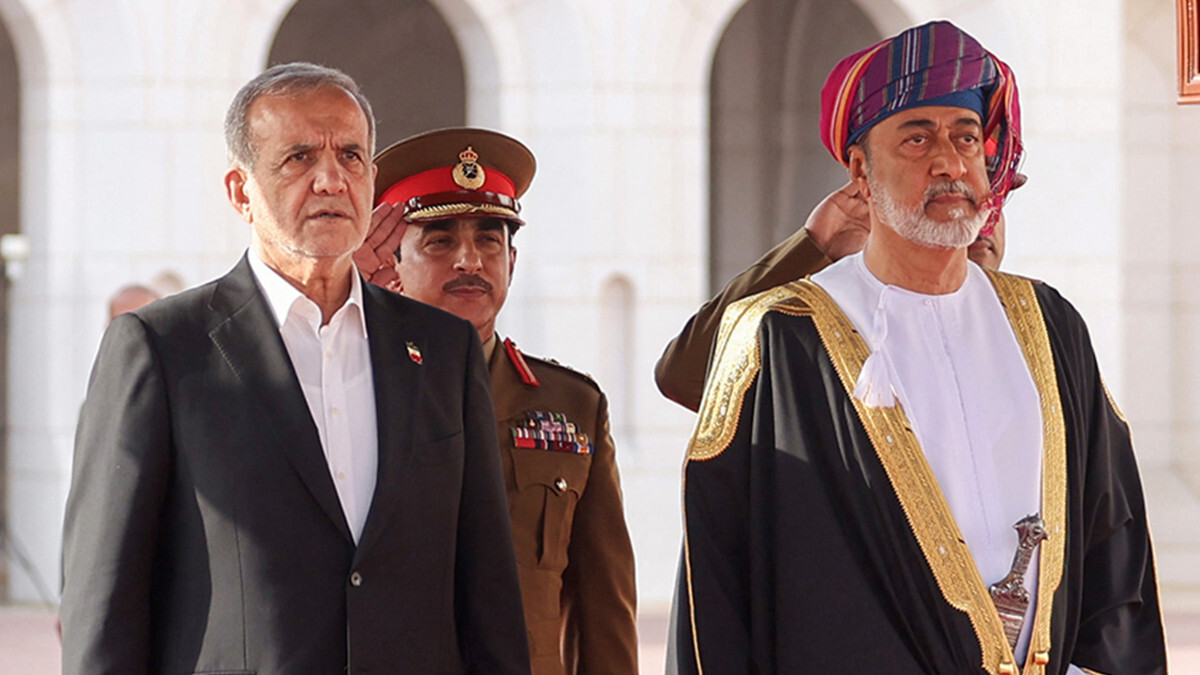
    When former U.S. President Donald Trump threatened military action against Oman over its refusal to side with Washington’s war on Iran, few could have predicted that this small Gulf sultanate would emerge as the primary beneficiary of the new regional order being negotiated between the U.S. and the Islamic Republic. This surprising turn of events, which may seem counterintuitive at first glance, is reshaping regional power dynamics, with Western, Arab, and even U.S. diplomatic sources acknowledging that Oman stands to gain the most from the shifting landscape.

  • Paying homage to Socceroos great Tim Cahill has become a World Cup tradition for Australia

    Paying homage to Socceroos great Tim Cahill has become a World Cup tradition for Australia

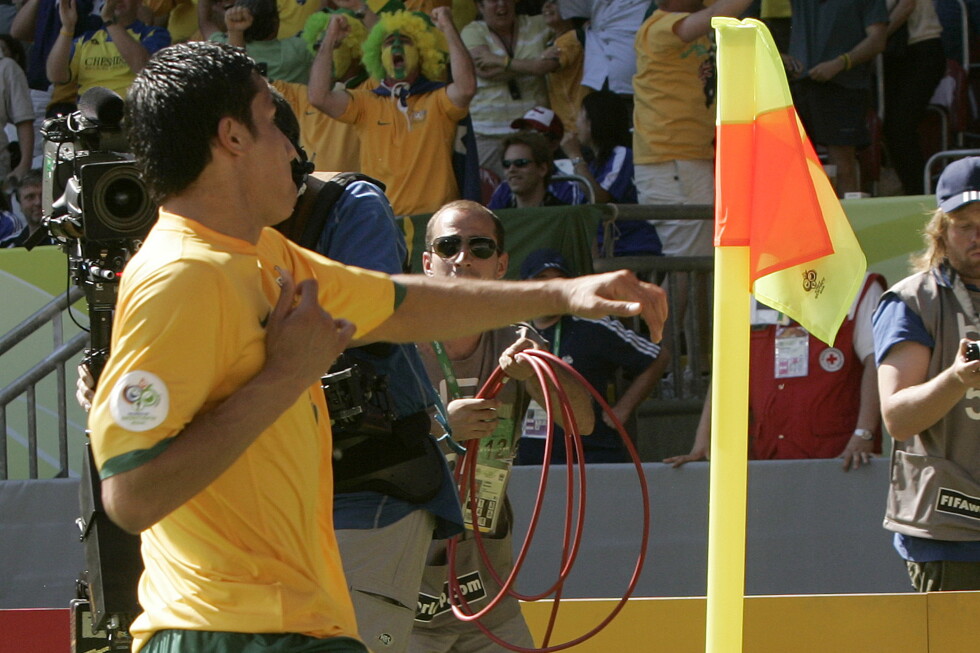
    Two decades have passed since Tim Cahill etched one of the most recognizable celebrations in Australian soccer history into global memory. During the opening match of the 2006 FIFA World Cup against Japan, Cahill scored a dramatic late equalizer to turn the tide of the game, which ultimately ended in a 3-1 Australian victory. Immediately after the ball hit the back of the net, the forward sprinted to the corner of the pitch and launched into a playful shadow boxing routine against the corner flag. What began as an impulsive moment of joy has grown into a beloved generational tradition for Australian soccer at the World Cup.

    Months after Cahill hung up his boots in 2019, another Australian star carried the tradition onto one of the sport’s biggest stages. At the 2019 Women’s World Cup in France, during a critical group stage match against Italy, Sam Kerr — then a rising talent making her mark on international soccer — recreated Cahill’s iconic shadow boxing routine to celebrate one of her goals. The moment paid homage to Cahill’s legacy while signaling the continuity of the tradition across Australia’s men’s and women’s national programs.

    Kerr would go on to rewrite the Australian soccer record books: in 2022, she surpassed Cahill to become the country’s all-time leading international goalscorer, and she led the national women’s side, the Matildas, to a historic semifinal finish at the 2023 Women’s World Cup co-hosted by Australia and New Zealand. Now, the tradition has passed to a new generation of Australian talent, with 20-year-old Nestory Irankunda adding his own name to the lineage.

    On Saturday night, Irankunda made history for Australia’s men’s national team, the Socceroos, during their 2-0 upset win over Turkey. The young winger became the youngest goalscorer in Australian World Cup history, and he marked the milestone by paying direct tribute to the man who inspired his soccer journey from childhood. Just like Cahill 20 years earlier, Irankunda sprinted straight to the nearest corner flag after his goal, throwing a rapid series of punches in a perfect recreation of the iconic celebration that first made the routine famous.

    Unlike his predecessors, Irankunda has already cultivated his own unique set of trademark goal celebrations, from acrobatic backflips to playful Michael Jackson-inspired dance moves that have become a defining part of his on-pitch persona. Even so, the young star made clear that Cahill has been the biggest influence on his career to date.

    “Tim Cahill was my biggest inspiration in Australian football, and I look up to him,” Irankunda told reporters after the match when asked about his decision to replicate the celebration. “I look up to him and I want to be like him one day and I’m really really proud of myself to get the goal.”

    Like many young Australian soccer talents, Irankunda launched his professional career domestically, spending three seasons competing in the A-League with Adelaide United before earning a move to European soccer. In 2025, he completed a permanent transfer to English Championship club Watford, where he is continuing to develop his game ahead of future international and club competitions.

  • AP Exclusive: Nvidia’s Jensen Huang says society needs ‘new social norms’ in the age of AI

    AP Exclusive: Nvidia’s Jensen Huang says society needs ‘new social norms’ in the age of AI

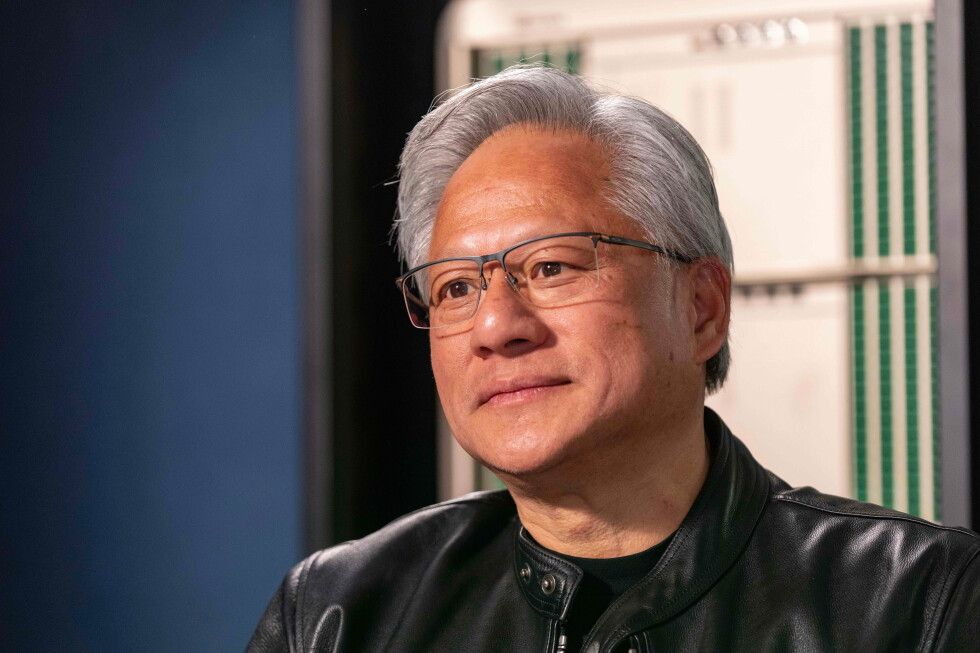
    SHERMAN, Texas — As the leader of the firm that ignited the global artificial intelligence boom, Nvidia Chief Executive Jensen Huang laid out a comprehensive vision for AI’s integration into modern life Tuesday during an exclusive interview with the Associated Press, arguing that widespread embrace of the transformative technology will deliver broad societal benefits while calling for deliberate adaptation to new norms and targeted regulation.

    Huang, whose company’s explosive growth fueled by AI demand has pushed its market capitalization past $5 trillion to make it the world’s most valuable publicly traded company, has long voiced unbridled optimism about AI’s ability to reshape economies and accelerate scientific discovery. But as public anxiety grows over the technology’s potential harms — from mass layoffs to existential safety risks — the industry’s most prominent executive has stepped forward to address critics, pushing back against fears while acknowledging the need for proactive change.

    “We need to create new social norms,” Huang said during the interview. “I would advocate that everybody use AI. Just go engage it.”

    His remarks come at a moment when AI has become a contentious political flashpoint across the United States. Communities have pushed back against plans to build new AI-focused data centers over environmental and infrastructure concerns, while workers across sectors worry that rapid adoption will leave millions jobless without adequate social safety nets. These growing concerns have eroded public support for the technology even as the U.S. faces intensifying AI competition with China — a race Huang says the U.S. can only win by maintaining an open, globally engaged approach to AI development.

    Huang pushed back against narratives that AI will leave non-technical workers behind, noting that the technology has already narrowed the digital divide by enabling people without coding or software development skills to complete complex tasks ranging from website design and dense document analysis to cutting-edge scientific research and home renovation planning.

    Drawing a historical parallel to the introduction of automobiles, Huang argued society will adapt to AI just as it adjusted to the new technology of a century ago. “Cars were once portrayed as killing children, but the world changed its norms by having sidewalks and crosswalks and stopping kids from playing in the streets,” he explained, framing current anxiety as a natural part of integrating a transformative new technology.

    On the topic of regulation, Huang acknowledged that targeted government oversight and baseline safety standards are necessary, stressing that national security must remain a top priority for a technology that has been a key driver of recent U.S. stock market gains and economic growth.

    He voiced skepticism over a recent cross-ideology proposal that would have the U.S. government take equity stakes in AI companies to ensure the public broadly shares in the sector’s windfall profits, an idea floated by former and current President Donald Trump, independent Sen. Bernie Sanders, and even OpenAI CEO Sam Altman. Huang noted that American companies already deliver broad benefits to the public through multiple channels: “Their success benefits the stock price, of which many Americans are investors in. It generates taxes, which helps many Americans. It creates a lot of jobs.” He added that growth in the AI sector also lifts profits for connected industries including energy, construction and hardware manufacturing, meaning Americans already hold a natural stake in AI firms’ success across the economy.

    Huang addressed the Trump administration’s recent shift toward stricter AI regulation, including new export controls on Anthropic’s latest AI models that forced the company to suspend public access to the tools, and a new executive order requiring voluntary government screening of high-impact AI models before release. He agreed that national security must be the top priority for all emerging technologies, but called for clear, targeted policy: “you have to be very specific about the risk that you’re concerned about, before setting up policies for export controls.”

    This is not Huang’s first run-in with AI export controls: during the Biden administration, Nvidia pushed back against restrictions on chip sales to China, rejecting the argument that a ban would protect U.S. AI advantages. Huang warned at the time that broad restrictions would undermine the development of a global U.S.-led AI ecosystem, as China would respond by accelerating development of its own advanced chips.

    Huang also identified energy supply as one of the most critical vulnerabilities for U.S. AI development, noting that AI training and inference data centers require massive amounts of electricity that risks straining the national power grid and raising household utility costs. “The United States is woefully behind in energy production,” he said. “We just suffocated energy production for too long.” Without expanded energy output, he warned, the U.S. will struggle to capitalize on its leading position in AI chips, models and infrastructure. Huang complimented Trump’s policy of expanding domestic fossil fuel production, declining to comment on Trump’s rejection of large-scale solar and wind energy development.

    The interview took place during a visit to Sherman, Texas, for the expansion of a Coherent factory building new laser systems that transmit data between chips, a technology that could cut AI power consumption by as much as 50%.

    Huang’s close public friendship with Trump has drawn criticism from Democrats, and Huang shed new light on how the relationship began. The pair first connected last year, when Huang was in South Florida to accept the Edison Achievement Award for his work on AI, and Trump invited him and his wife Lori to dinner at his Mar-a-Lago private club. “He was incredibly engaging, incredibly charismatic, conversational, asked a lot of questions,” Huang recalled of the meeting. “From the moment that I met him, the only thing that he’s ever talked to me about is creating more jobs, reindustrializing the United States, protecting national security, winning.” Huang added that Trump often calls him unexpectedly to discuss policy around these priorities, and arranged for Huang to be picked up by Air Force One in Alaska during Trump’s recent state visit to China.

    Sen. Elizabeth Warren was among the Democratic critics who attacked Huang for declining to testify before a Senate panel while attending the high-profile Mar-a-Lago dinner, which reportedly had a $1 million per person admission price. Huang pushed back on the political criticism, noting that he supports presidential success regardless of party affiliation: “We could differ with politics, but we should want him to succeed. Because when President Trump succeeds, our country succeeds.”

    Huang also reaffirmed that AI’s long-term impact will be overwhelmingly positive, arguing that full engagement with the technology rather than fear-driven restriction will position the U.S. to lead the world in delivering shared growth and progress.

  • Is China sleepwalking down Japan’s zombie economy path?

    Is China sleepwalking down Japan’s zombie economy path?

    Decades after Japan’s 1990 asset bubble collapse left a legacy of unprofitable “zombie” firms propped up by cheap bank lending, mounting economic data suggests China could be walking down a very similar path after its 2021 real estate slowdown. While broad comparisons between 1990s Japan and 2020s China often overlook critical structural differences between the two economies, experts say the pattern of debt evergreening that dragged Japan into decades of stagnation is now visible in China’s financial system.

    The case of Japan’s Daiei, once the nation’s top retail giant, illustrates how the zombie company cycle plays out. After the bubble burst, Daiei slipped into sustained unprofitability, but Japanese major banks including UFJ kept the firm afloat with repeated below-market-rate loans. This practice, dubbed “evergreening”, let banks avoid classifying outstanding debt as non-performing (NPL), hiding bad assets from regulators and the public to meet capital requirements and avoid public backlash. Eventually acquired by rival Aeon, Daiei’s brand is set to be fully phased out in the coming years, decades after it first became insolvent.

    A landmark 2008 paper by economists Caballero, Hoshi, and Kashyap found that this widespread evergreening dragged down Japan’s entire economy for decades. When the bubble burst, hundreds of profitable firms across construction, retail, and trade became unprofitable. Rather than force these firms into bankruptcy and accept their own losses, banks extended new cheap loans to let unprofitable firms pay off old debt, reclassifying bad debt as performing. This locked up scarce capital, labor, and other resources in unproductive firms, blocking healthy new companies from accessing the resources they needed to grow. Even with government backing to keep lending alive, the misallocation of resources left Japan stuck in long-term productivity stagnation.

    Japanese policymakers chose this path for clear sociopolitical reasons: at the time, the country had a strong norm of lifetime job security, and widespread corporate failures would have thrown millions out of work, raising the risk of social unrest. Bank bailouts were also deeply unpopular, so regulators chose regulatory forbearance and capital injections for banks rather than forcing them to clean up their balance sheets by cutting off zombie borrowers.

    Today, China faces a similar post-bubble moment. After the 2021 correction in its overheated real estate sector, the country has seen a broad economic slowdown that is deeper than official figures indicate, and a sharp rise in the share of loss-making firms across real estate-linked sectors. Multiple independent analyses show signs of widespread debt evergreening that mirror 1990s Japan.

    Data from the Rhodium Group shows that despite a rising share of unprofitable firms since 2021, the official share of non-performing loans has actually fallen. A 2025 audit from China’s National Audit Office found that 16 out of 43 audited Chinese banks had actual non-performing loan levels double their officially reported figures. Loan rollovers to avoid NPL classification are pervasive, with the Chinese financial system acting as a shock absorber to keep unprofitable firms afloat and prevent widespread defaults. Rhodium Group data also shows the share of bank loans issued below benchmark interest rates has risen sharply since 2021, even as benchmark rates have fallen, and analysis from the Federal Reserve Bank of Dallas confirms that a growing share of Chinese firms, particularly in real estate, do not earn enough to cover their loan interest payments.

    Critics argue that unlike market-based Japan, China’s state-directed banking system can avoid the downsides of zombie lending, since bad debt is effectively backed by the central government, which can order banks to keep lending indefinitely. But analysts point out this does not solve the core resource misallocation problem that hurt Japan, and China’s own government already took similar actions to Japan’s in the wake of the bust: supporting banks and encouraging them to keep lending to unprofitable firms to avoid unrest.

    Even if the government can avoid a financial crisis, zombie firms still lock up critical resources that healthy firms could use. They compete for skilled labor, raw materials, land, and energy, driving up costs and crowding out innovative new entrants. For example, 1990s Japan’s Daiei was able to underprice new competitors thanks to cheap bank loans, blocking retail sector innovation for decades. In China today, this dynamic may be driving widespread industrial involution: after the real estate slowdown, the Chinese government directed banks to increase lending to manufacturing and green tech sectors as part of its industrial policy strategy. While many of these firms are efficient and globally competitive, as much as 30% of listed firms in high-priority sectors including electric vehicles, solar panels, and batteries are zombies that cannot service their debt, kept alive by loan rollovers and local government subsidies to preserve jobs and tax revenue. These unprofitable firms cut prices to below production cost to hold market share, crushing profit margins across the entire sector for even the most efficient competitors.

    While this flood of cheap exports has helped China gain global market share in key industrial sectors, it comes at a long-term cost to domestic productivity growth. Over time, persistent resource misallocation could erode China’s long-term competitiveness, rather than strengthen it. The practice may also be adding to fiscal risks: just as Japan’s zombie lending left the country with unsustainable government debt that is now causing currency weakness and inflation, China’s evergreening practice pushes the cost of unproductive firms onto taxpayers and domestic bondholders, creating long-term fiscal pressures that the government will eventually have to address.

    In an update addressing reader questions about geopolitical differences between Japan and China, author Noah Smith notes that China’s government shares Japan’s core motivation for zombie lending: fear of social unrest from widespread unemployment, which has remained a top policy priority in China after the end of rapid growth. While China’s goal of reshaping global supply chains means it will continue to support unprofitable firms in strategic sectors, this will only deepen the productivity trap over time. Ultimately, while many structural differences separate the two economies, the parallel of zombie lending and debt evergreening is clear — and so far, China’s government appears to be stepping into the same long-term trap that stunted Japan’s growth for decades.