作者: admin

  • ICE officers pull woman from car in Minneapolis as operation continues

    ICE officers pull woman from car in Minneapolis as operation continues

    A tense confrontation erupted on the streets of Minneapolis as federal immigration enforcement operations faced direct public resistance. U.S. Immigration and Customs Enforcement (ICE) officers were observed physically extracting a woman from a vehicle during what appears to be an ongoing enforcement action in the area.

    The incident quickly drew crowds of local protesters who actively confronted the federal agents, chanting demands for them to leave the community. Witnesses reported scenes of activists pursuing ICE vehicles while voicing strong opposition to the enforcement tactics. This clash represents the latest flashpoint in the ongoing national debate surrounding immigration enforcement methods and their community impact.

    Minneapolis has previously witnessed similar tensions between federal authorities and immigrant communities, creating an environment where such operations frequently trigger organized responses from advocacy groups. The operation appears to be part of broader ICE efforts that have continued despite varying administrative directives.

    Law enforcement analysts note these field operations typically target individuals with existing deportation orders or criminal histories, though specific details regarding this particular case remain undisclosed by authorities. Community organizations have mobilized legal support and rapid response networks in anticipation of continued enforcement actions.

  • UAE, the Philippines sign CEPA during Marcos visit; what this means for both nations

    UAE, the Philippines sign CEPA during Marcos visit; what this means for both nations

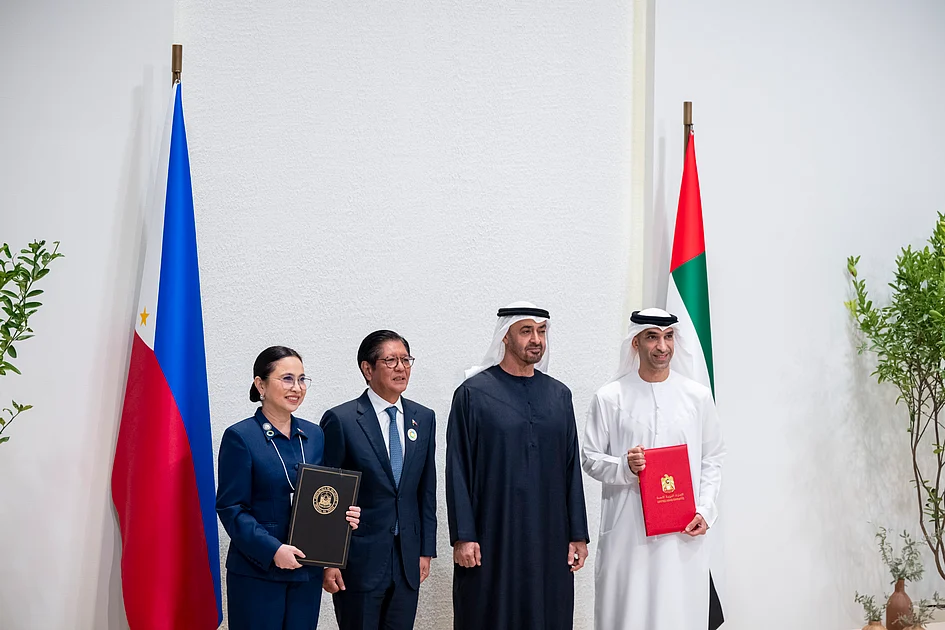
    In a significant diplomatic ceremony witnessed by UAE President Sheikh Mohamed bin Zayed Al Nahyan and Philippine President Ferdinand R. Marcos Jr., the two nations solidified a groundbreaking Comprehensive Economic Partnership Agreement (CEPA) in Abu Dhabi on January 13, 2026. This landmark trade deal marks President Marcos’ first international visit of the year and coincides with his participation in Abu Dhabi Sustainability Week.

    The newly ratified agreement establishes a comprehensive framework for enhanced economic collaboration, representing a strategic evolution in bilateral relations between the Gulf nation and the Southeast Asian archipelago. Sheikh Mohamed characterized the partnership as reflecting a shared vision to broaden cooperation that serves mutual interests, expressing confidence that the CEPA would significantly advance both countries’ development objectives.

    From the UAE perspective, this agreement constitutes a pivotal component of the nation’s ambitious foreign trade strategy targeting $1.1 trillion in non-oil foreign trade by 2031. Current trade metrics demonstrate robust growth, with bilateral non-oil trade reaching $940 million in 2024 and showing a remarkable 22.4% year-on-year increase during the first three quarters of 2025. Economic projections indicate the partnership could boost UAE GDP by approximately $2.4 billion by 2032.

    For the Philippines, this historic agreement represents their first free trade pact with a Middle Eastern nation, providing unprecedented market access to the region. The CEPA is designed to eliminate tariffs, reduce trade barriers, and stimulate investment flows across key sectors including electrical equipment, financial services, agriculture, and precious metals. The agreement additionally facilitates private-sector collaboration, strengthens supply chain resilience, promotes knowledge transfer, and empowers small and medium enterprises to expand globally.

    The UAE-Philippines CEPA joins 31 other agreements under the UAE’s comprehensive trade program, which has already contributed to record non-oil trade figures of $810 billion in 2024, marking a 14% annual increase. Fourteen of these agreements are currently operational, reflecting the UAE’s commitment to rules-based trade as a mechanism for economic diversification and global business expansion.

  • Exam season begins in UAE: CBSE schools conduct board practicals, prelims

    Exam season begins in UAE: CBSE schools conduct board practicals, prelims

    Educational institutions across the United Arab Emirates affiliated with the Central Board of Secondary Education (CBSE) have commenced the critical examination period for Grades 10 and 12. The current phase, running through February 14, 2026, encompasses practical assessments, internal evaluations, and preliminary examinations that carry substantial weight in final academic results.

    The CBSE board has emphasized the significance of these assessments, urging all educational stakeholders to approach them with maximum seriousness. This examination window represents a pivotal academic milestone for thousands of students throughout the UAE, characterized by intensive laboratory sessions, extended revision periods, and the challenging balance between academic preparation and emotional health.

    Educational leaders have implemented comprehensive strategies to ensure both academic readiness and psychological support. Woodlem Park School in Ajman initiated structured orientations for parents, students, and faculty, complemented by mock practical examinations to familiarize candidates with assessment protocols. Principal Bhanu Sharma highlighted the institution’s dual focus on academic excellence and emotional welfare, incorporating specialized sessions on stress management, nutritional guidance, and healthy study routines conducted by certified professionals.

    In Abu Dhabi, Shining Star International School has nearly completed its practical examination schedule. Principal Abhilasha Singh reported that preparation began prior to the winter break, with students participating in mock tests and additional classes throughout the holiday period. The school has maintained teacher availability for continuous support, with plans for targeted revision sessions following the preliminary examinations scheduled for January 19.

    JSS Private School in Dubai has implemented sophisticated logistical planning to accommodate students undertaking multiple assessments, including those preparing for competitive entrance examinations. The school has established specialized support systems including a tele-counselling helpline titled ‘YOU Matter – Help Is Just a Call Away,’ daily meditation practices, and emotional monitoring through the Upstrive application to track student wellbeing indicators.

    This coordinated approach across UAE educational institutions demonstrates a evolving paradigm in examination management that prioritizes both academic achievement and student mental health during high-pressure assessment periods.

  • UAE experts warn couples not to ignore travel risks during pregnancy

    UAE experts warn couples not to ignore travel risks during pregnancy

    Medical professionals in the United Arab Emirates are issuing urgent warnings to expectant couples regarding travel risks during advanced pregnancy stages. This advisory follows a concerning clinical case in Dubai that demonstrates how seemingly minor incidents can trigger delayed serious complications.

    A 36-week pregnant woman experienced a sudden vehicle braking incident without direct abdominal impact or immediate discomfort. Despite no apparent injury, she developed lightheadedness and weakness approximately one week later at 37 weeks gestation. Medical examination revealed abnormally low blood pressure, leading to diagnostic imaging that confirmed placental abruption—a partial separation of the placenta from uterine walls that compromises fetal oxygen supply and maternal health.

    Dr. Meera T. Anto, Specialist Obstetrician and Gynecologist at International Modern Hospital, Dubai, emphasizes that weeks 39-40 represent particularly critical periods. “The baby’s head becomes deeply engaged, the cervix softens in preparation for delivery, and labor can commence without warning,” she explains. “A woman can transition from normalcy to active labor or medical distress within minutes.”

    Medical authorities note that internal stress from sudden movements or jerks can affect placental integrity without visible external indicators. Extended travel additionally poses risks including dehydration, blood pressure fluctuations, reduced uterine blood flow, and increased contraction frequency. Complications may manifest hours or days after the initiating event, creating dangerous diagnostic delays.

    Healthcare providers recommend immediate medical consultation for pregnancy-related dizziness, faintness, reduced fetal movement, uterine tightening, back pain, vaginal bleeding, or subjective feelings of abnormality. Doctors emphasize that maternal intuition often detects subtle changes before monitoring equipment registers abnormalities.

    The successful resolution of the Dubai case through careful monitoring and normal delivery represents optimal outcomes, but specialists caution that results could easily have been tragic. Experts advise limiting routine commuting after 38 weeks even in low-risk pregnancies and maintaining proximity to medical facilities during late gestation periods.

  • Noble Legacy Masters target back-to-back titles in Ultimate Golf Challenge Season 3

    Noble Legacy Masters target back-to-back titles in Ultimate Golf Challenge Season 3

    The Ultimate Golf Challenge (UGC) Season 3 prepares to launch with reigning champions Noble Legacy Masters positioning themselves for a historic title defense. Fresh off their dramatic Season 2 victory at Emirates Golf Club in February 2025, the team enters the new campaign with reinforced confidence and strategic roster enhancements.

    Co-owner Achal Ghai emphasized the league’s maturation, noting significant improvements in organizational structure. “The player auction demonstrated remarkable evolution in its third season,” Ghai stated. “The process felt exceptionally fair, well-structured, and balanced for all franchise owners, indicating positive directional movement for the competition.”

    The champions have implemented calculated squad development strategies focusing on quality, diversity, and adaptability—essential attributes for a tournament spanning multiple courses across four intensive competition days. Their roster now features increased low-handicap talent and improved overall balance, providing competitive advantages across varying course conditions.

    Beyond technical prowess, team chemistry remains paramount. Ghai highlighted lessons from their previous triumph: “Team-building proves absolutely crucial. Last season demonstrated how profoundly chemistry and collective belief impact performance. We’ve deliberately reinforced these elements while maintaining our competitive hunger.”

    The UGC continues revolutionizing amateur golf in the UAE through its franchise model, drawing comparisons to cricket’s Indian Premier League. With 10 corporate teams, 160 athletes, and over 350 scheduled rounds, the league has established itself as a transformative force in regional golf.

    As the February 5th season commencement approaches, Noble Legacy Masters project unwavering determination to achieve consecutive championships in a league that continues redefining corporate competitive golf standards in the United Arab Emirates.

  • UAE, Philippines share vision for resilient, open economies: Minister of Foreign Trade

    UAE, Philippines share vision for resilient, open economies: Minister of Foreign Trade

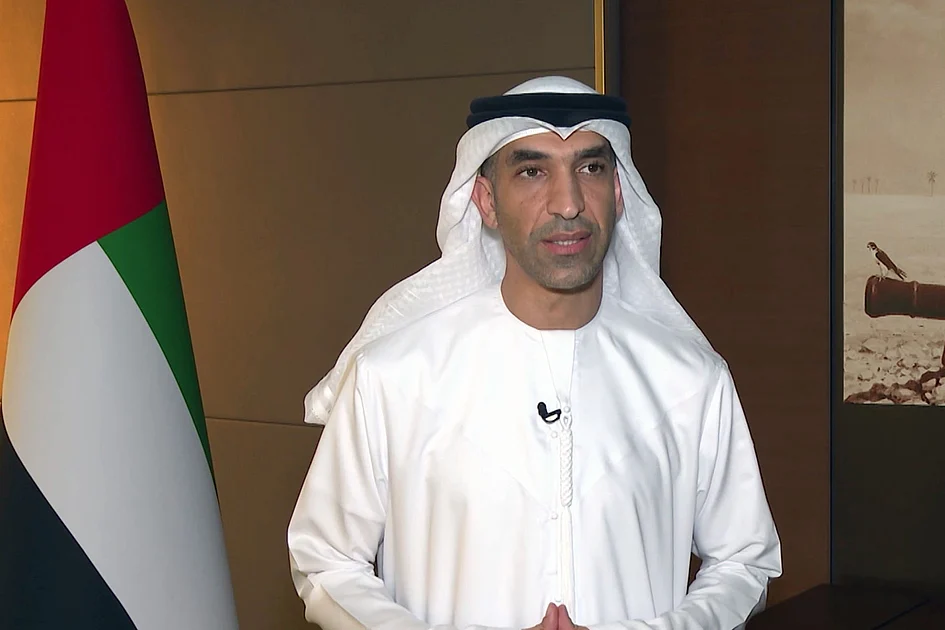
    The United Arab Emirates and Philippines have solidified a transformative economic alliance through a Comprehensive Economic Partnership Agreement (CEPA) that establishes a framework for sustained bilateral growth. Announced by Dr. Thani bin Ahmed Al Zeyoudi, UAE Minister of Foreign Trade, this agreement represents the fourth such partnership between the UAE and ASEAN nations, following similar pacts with Cambodia, Indonesia, and Vietnam.

    The agreement emerges from robust existing economic relations, with non-oil trade reaching approximately $940 million in 2024 and showing a remarkable 22.4% annual growth rate during the first three quarters of 2025. The Philippines, recognized as ASEAN’s second-fastest growing economy with 5.6% growth in 2024 and a nominal GDP of $471.8 billion, presents strategic advantages as a major logistics hub and member of the Regional Comprehensive Economic Partnership.

    Economic projections indicate the CEPA will contribute $2.4 billion to the UAE’s GDP by 2032 while boosting UAE exports to the Philippines to $7.62 billion within the same timeframe. The partnership eliminates or reduces customs duties on over 83% of tariff lines, covering key exports including polyethylene, petrochemicals, fertilizers, mechanical equipment, ceramics, glass, and metals.

    The agreement facilitates enhanced market access in services—a sector constituting 62% of the Philippine economy—while establishing regulatory frameworks for digital trade and effective dispute resolution mechanisms. Significant existing investments include DP World’s developments in Philippine ports and logistics infrastructure, alongside Masdar’s landmark $15 billion agreement for renewable energy projects targeting one gigawatt of clean energy capacity by 2030.

    With over 700,000 Filipinos residing in the UAE—the second-largest Filipino community in the Gulf—the agreement strengthens people-to-people connections while positioning the UAE as a central hub connecting Arab, European, Asian, and African supply chains. Both nations share aligned visions for building resilient, open economies committed to free trade principles and sustainable long-term growth.

  • UAE, Nigeria forge stronger ties with signing of Comprehensive Economic Partnership Agreement

    UAE, Nigeria forge stronger ties with signing of Comprehensive Economic Partnership Agreement

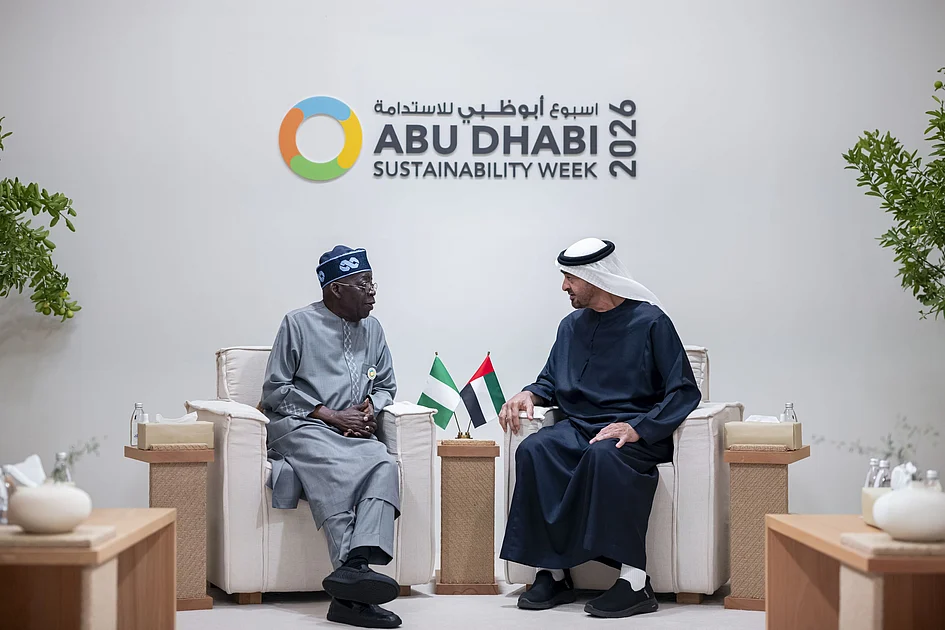
    In a significant diplomatic ceremony held in Abu Dhabi on Tuesday, the United Arab Emirates and Nigeria solidified their economic relationship through the signing of a Comprehensive Economic Partnership Agreement (CEPA). President Sheikh Mohamed bin Zayed Al Nahyan of the UAE and Nigerian President Bola Ahmed Tinubu presided over the signing event, which marks a pivotal advancement in bilateral relations between the two nations.

    The agreement, signed by UAE Minister of Foreign Trade Dr. Thani bin Ahmed Al Zeyoudi and Nigeria’s Minister of Industry, Trade and Investment Dr. Jumoke Oduwole, establishes a framework for substantially enhanced economic cooperation. The pact will systematically reduce tariffs and eliminate trade barriers, thereby facilitating increased investment flows across multiple strategic sectors including technology, agriculture, precious metals, and energy.

    President Sheikh Mohamed characterized the agreement as a landmark development that reflects the UAE’s ongoing commitment to strengthening global trade partnerships. He emphasized that this strategic alignment aims to unlock new pathways for mutual economic progress and broader developmental objectives.

    President Tinubu echoed these sentiments, highlighting the agreement’s potential to generate substantial opportunities for expanded economic and trade collaboration. He reaffirmed Nigeria’s dedication to achieving its national economic goals while simultaneously advancing the shared development priorities of both countries.

    The economic context underscores the agreement’s significance: bilateral non-oil trade reached $4.3 billion in 2024, representing a remarkable 55.3% year-on-year increase compared to 2023. This growth trajectory continued through the first three quarters of 2025, with trade volumes already reaching approximately $3.1 billion.

    The UAE-Nigeria CEPA constitutes a vital component of the UAE’s ambitious foreign trade strategy, which aims to boost non-oil foreign trade to $1.1 trillion by 2031. The CEPA program has already contributed to a record non-oil trade figure of $810 billion in 2024, marking a 14% annual increase. With 32 agreements finalized and 14 currently in force, the program demonstrates the UAE’s commitment to rules-based international trade as a mechanism for driving economic diversification and creating new opportunities for businesses in high-growth markets worldwide.

  • Saudi Arabia prohibits use of God’s name on packaging items

    Saudi Arabia prohibits use of God’s name on packaging items

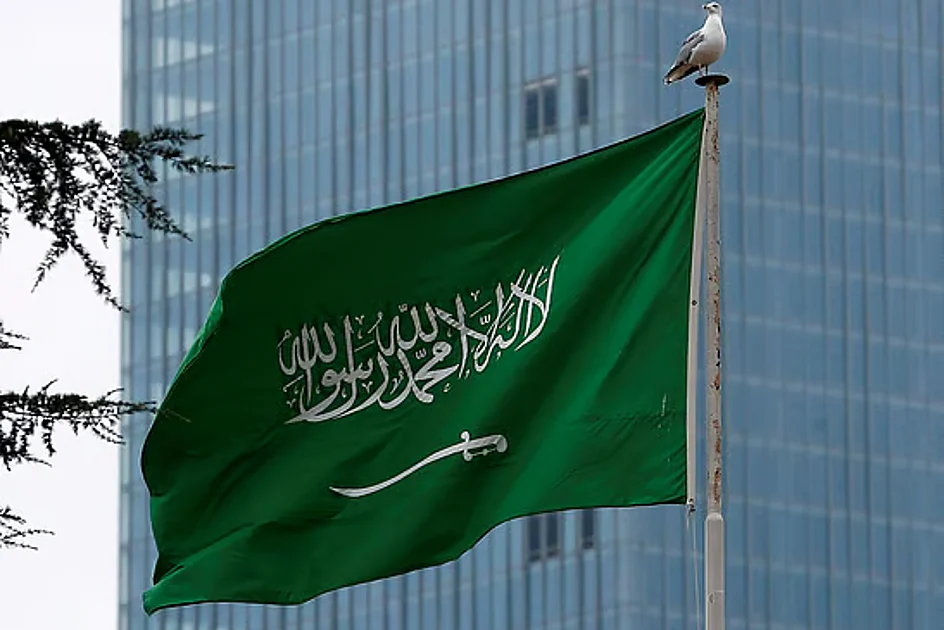
    Saudi Arabia’s Ministry of Commerce has implemented a significant prohibition against the commercial use of divine names on consumer packaging and bags. The new regulation, announced by ministry spokesman Abdulrahman Al Hussain on Monday, specifically targets the printing of ‘The Most Beautiful Names of Allah’ on items that could potentially lead to disrespect or inappropriate handling.

    The policy stems from concerns that disposable or utilitarian items like shopping bags and product packaging may be subjected to improper treatment after use, thereby desecrating the sacred names. Al Hussain emphasized that the ban applies specifically to commercial establishments and aims to ensure proper reverence for divine attributes.

    In an official statement released on social media platform X, the ministry clarified: ‘Out of respect for glorifying and safeguarding the Most Beautiful Names of Allah, commercial establishments are prohibited from printing these names or the Divine Name on anything that may subject them to disrespect.’ The announcement specifically identified bags and packaging materials as primary concerns due to their transient nature and potential for improper disposal or usage.

    The regulatory move reflects Saudi Arabia’s ongoing efforts to maintain religious sanctity in commercial practices and public life. The ministry did not specify penalties for violations but indicated the policy would be enforced through existing commercial compliance mechanisms. This decision aligns with the kingdom’s broader cultural and religious policies aimed at preserving Islamic values in all aspects of society, including commercial activities.

  • Turkey hunts for new security alliances as regional tensions rise

    Turkey hunts for new security alliances as regional tensions rise

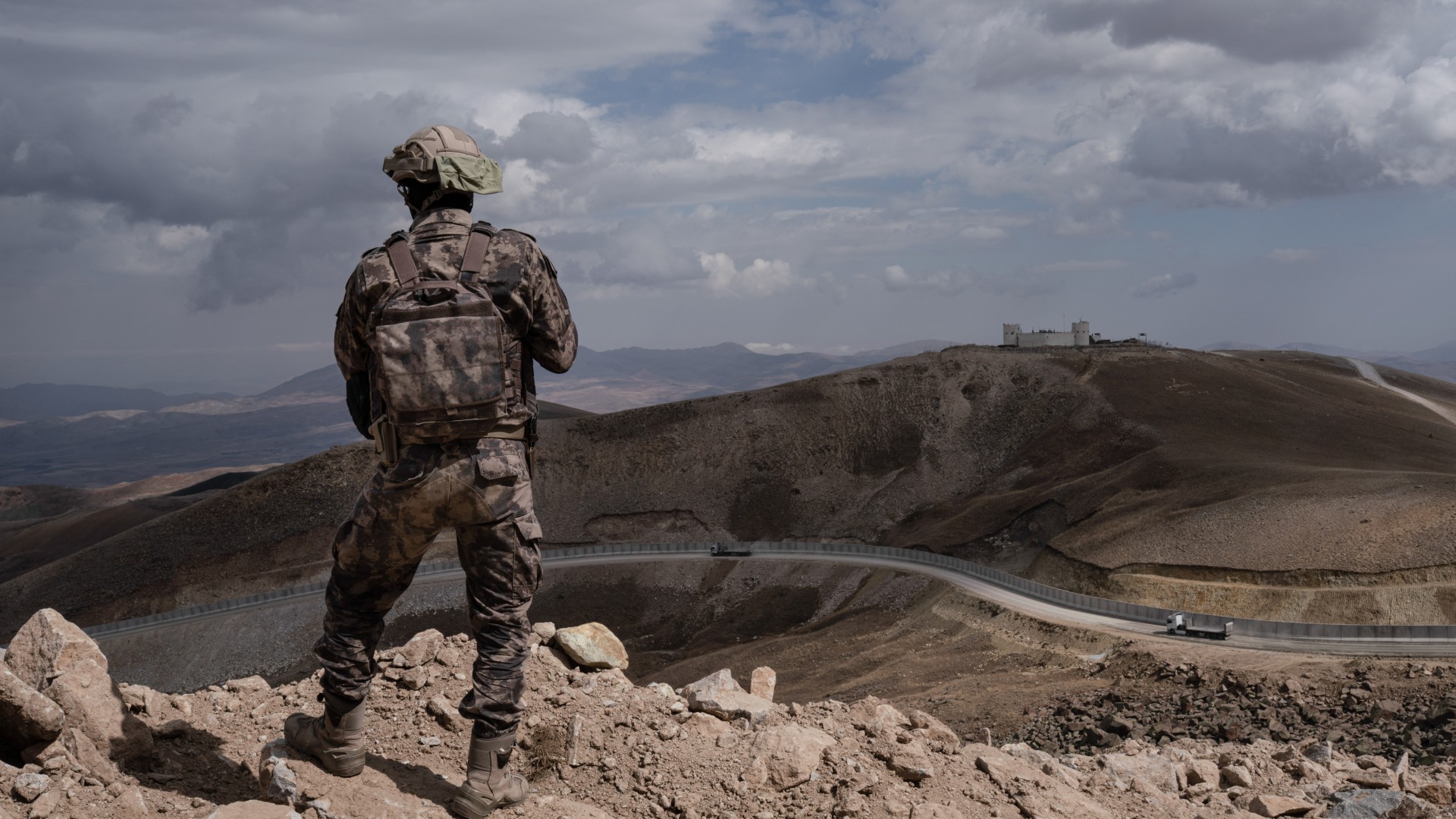
    Turkey is actively pursuing a strategic realignment of regional security dynamics through enhanced military cooperation with Saudi Arabia and Pakistan, according to sources and analysts familiar with the matter. This initiative represents Ankara’s broader ambition to establish a multilateral security framework independent of traditional Western alliances.

    Recent diplomatic movements indicate Turkey’s interest in joining the bilateral security pact established between Riyadh and Islamabad in September 2025. This agreement, which treats any aggression against one nation as aggression against both, encompasses comprehensive military cooperation—including potential access to Pakistan’s nuclear capabilities.

    Multiple Turkish sources confirm that security relations with Saudi Arabia have significantly deepened in recent years, though they emphasize that a NATO-style alliance remains premature. Instead, Ankara envisions a defensive cooperation mechanism that would initially include Pakistan and Saudi Arabia while potentially expanding to other regional actors.

    President Recep Tayyip Erdoğan is scheduled to visit Gulf nations, including Saudi Arabia and the United Arab Emirates, in March 2026. During these meetings, security cooperation with Crown Prince Mohammed bin Salman is expected to feature prominently on the agenda.

    Analysts suggest this emerging partnership would leverage Saudi Arabia’s financial resources, Pakistan’s military experience, and Turkey’s defense infrastructure. Dr. Cinzia Bianco of the European Council on Foreign Relations notes that Riyadh would likely serve as a conduit facilitating Pakistani-Turkish cooperation across intelligence sharing, defense industry collaboration, and operational interoperability throughout MENA and Red Sea theaters.

    Regional security experts, including Murat Yeşiltaş of the SETA Foundation, indicate that these developments align with Turkey’s broader strategy to create regional stabilization mechanisms following potential political changes in Syria. Such cooperation could simultaneously counter Iranian proxy networks while addressing Israeli security concerns through multilateral frameworks rather than confrontation.

    This initiative follows several failed regional security proposals, including Egypt’s NATO-modeled Arab defense force—blocked by Gulf nations in September—and Turkey’s earlier effort to establish an anti-ISIS coalition with Iraq, Syria, Jordan, and Lebanon.

    Kadir Temiz of the Center for Middle Eastern Studies observes that medium-sized regional powers are increasingly assuming security responsibilities, potentially aligning with Washington’s interest in reducing direct military engagement in the Middle East. This emerging security architecture represents a fundamental shift toward regional solutions for regional challenges, potentially creating a new balance of power independent of both Western and Iranian influence.

  • Dubai: Scammers using AI to forge official documents, police warn

    Dubai: Scammers using AI to forge official documents, police warn

    Dubai authorities have issued a critical security alert regarding sophisticated fraud schemes utilizing artificial intelligence to create convincing forged documents. The Anti-Fraud Centre at Dubai Police’s General Department of Criminal Investigation revealed that scammers are increasingly employing advanced AI tools to fabricate both official and unofficial documents that appear professionally authentic.

    These fraudulent documents are primarily distributed through email communications and social media platforms, often forming part of elaborate financial fraud operations or attempts to circumvent legal requirements. The police emphasized that these AI-generated forgeries have reached such sophistication that they can easily deceive unsuspecting individuals and organizations.

    However, security experts note several telltale signs of forged documentation, including inconsistent information, deviations from approved official templates, and the presence of counterfeit signatures or stamps. The #BewareofFraud awareness campaign recommends thorough verification procedures, including examining digital file metadata and confirming reference numbers through authorized channels.

    United Arab Emirates legislation imposes severe penalties for document forgery offenses. Under Federal Decree Law No. 31 of 2021, forging official documents carries temporary imprisonment sentences of up to 10 years, while unofficial document forgery also warrants prison terms. Specifically for electronic documents, Federal Decree Law No. 34 of 2021 stipulates fines ranging from Dh150,000 to Dh750,000 and imprisonment up to one year for government document forgery.

    Dubai Police urge immediate reporting of suspected fraud through their smart application, emergency line 901, or the dedicated eCrime platform for cyber offenses. Authorities stress that vigilance and verification remain the most effective defenses against these technologically advanced fraud attempts.