作者: admin

  • Netanyahu says India’s Modi to visit Israel next week

    Netanyahu says India’s Modi to visit Israel next week

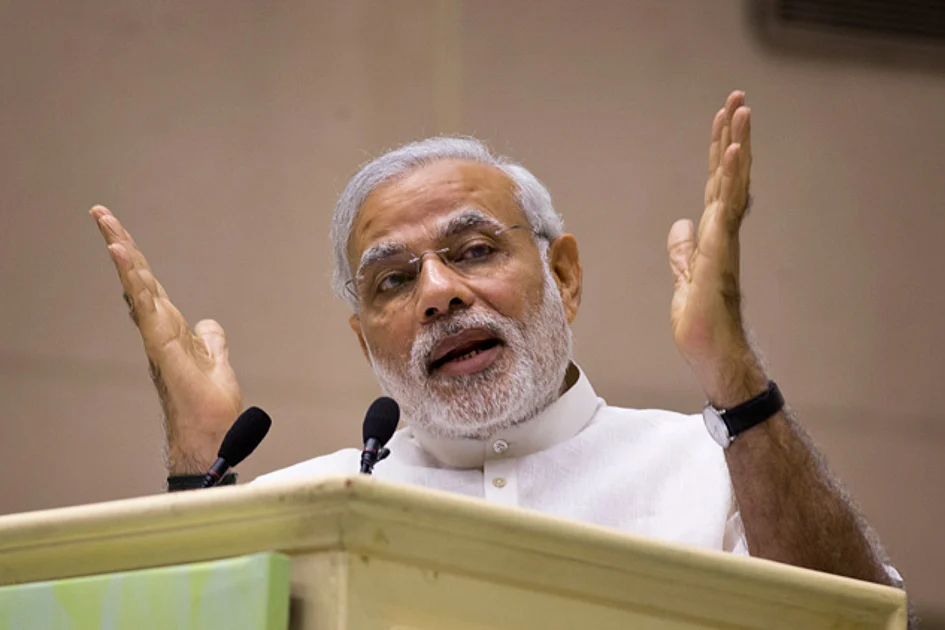
    Israeli Prime Minister Benjamin Netanyahu has officially confirmed that Indian Prime Minister Narendra Modi will undertake a significant diplomatic visit to Israel next week. The announcement came during Netanyahu’s televised address at a military ceremony on Thursday, where he emphasized the strategic importance of strengthening international alliances.

    Netanyahu referred to Modi as his ‘close friend’ and highlighted India’s status as a ‘huge global power’ in his remarks. This upcoming visit marks the second official trip by Modi to Israel since his historic 2017 visit, which was the first by an Indian prime minister to the country. That previous visit established a new chapter in bilateral relations, with Netanyahu reciprocating with an official visit to India the following year.

    Under Prime Minister Modi’s leadership, the relationship between India and Israel has experienced substantial deepening across multiple sectors. The two nations have significantly expanded their cooperation in technology exchange, agricultural innovation, and security collaboration. This growing partnership represents a strategic alignment between two democratic nations with shared security concerns and complementary economic interests.

    The timing of this visit is particularly significant given current global geopolitical dynamics and both countries’ positions on the world stage. The visit is expected to include high-level discussions on regional security challenges, economic partnerships, and technological cooperation initiatives that benefit both nations.

  • Austrian climber found guilty after girlfriend froze to death on mountain

    Austrian climber found guilty after girlfriend froze to death on mountain

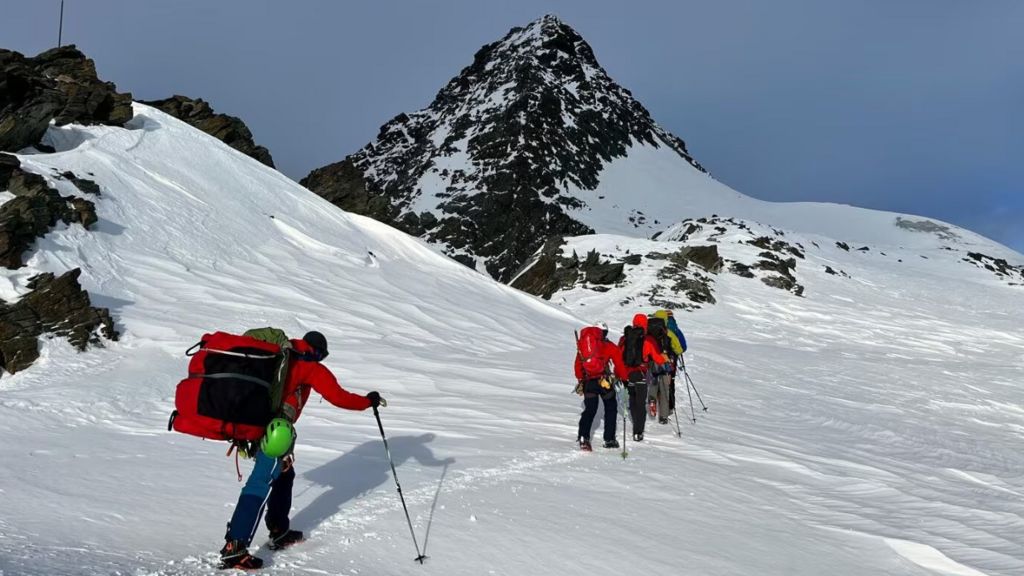
    An Austrian court has delivered a groundbreaking verdict in a high-altitude manslaughter case that has captivated mountaineering communities worldwide. Thomas P., identified under Austrian privacy protocols, received a five-month suspended sentence and a €9,600 fine for gross negligent manslaughter following the tragic death of his partner Kerstin G. during a January 2025 winter ascent of Austria’s highest peak, the Grossglockner.

    The judicial proceedings revealed disturbing details about the fateful expedition conducted under extreme conditions. Court evidence indicated temperatures plummeted to -8°C with wind chill reaching -20°C, accompanied by violent gusts exceeding 70 km/h. Presiding Judge Norbert Hofer, himself an experienced alpinist working with Tyrolean rescue teams, emphasized the dramatic skill disparity between the couple, noting Thomas P. was ‘light-years ahead’ in technical ability.

    Critical testimony emerged from multiple sources during the trial. Mountain rescuers described discovering Kerstin’s body suspended inverted from a rock face, still wearing her backpack but without gloves, with her boots unfastened and eyes wide open. Prosecutors established that Thomas P., as the expedition’s de facto guide, failed to initiate retreat despite clear signs of distress or summon timely assistance when police helicopters circled overhead at approximately 22:30.

    Compounding the prosecution’s case, former partner Andrea B. provided devastating testimony regarding Thomas P.’s prior behavior on the same mountain in 2023. She recounted being abandoned during critical stages of their climb while experiencing dizziness and equipment failure, leaving her ‘crying and screaming’ in isolation.

    The defense maintained that Kerstin was an willing participant who understood the risks, with attorney Kurt Jelinik characterizing the situation as unexpectedly severe. Thomas P. expressed profound remorse while maintaining his innocence, insisting they had mutually planned the ascent and that Kerstin had ultimately urged him to continue alone for help.

    This precedent-setting case has ignited intense international debate regarding criminal liability in extreme sports, particularly concerning the ethical responsibilities of experienced climbers toward less-capable partners. The verdict remains subject to appeal amidst ongoing discussions about risk assessment and accountability in mountaineering culture.

  • Hard work pays off for Pegula as American reaches Dubai semis

    Hard work pays off for Pegula as American reaches Dubai semis

    American tennis star Jessica Pegula extended her remarkable run of form on Thursday, securing her seventh consecutive tournament semifinal appearance with a hard-fought three-set victory over Denmark’s Clara Tauson at the Dubai Duty Free Tennis Championships. The world number five battled through a 6-3, 2-6, 6-4 quarterfinal clash against last year’s finalist, demonstrating the consistent excellence that has defined her recent performances.

    Pegula’s current semifinal streak dates back to August 2025, when she last failed to reach the final four at the Cincinnati Masters. Since that time, the 31-year-old has maintained exceptional consistency across all competitions, including deep runs at both the Australian Open and US Open, where she finished as runner-up in the latter.

    The daughter of billionaire Terry Pegula attributed her sustained success to dedicated technical and physical improvements implemented since last summer. ‘My coaches and I worked extensively on refining my strengths and addressing areas needing development,’ Pegula revealed in post-match comments. ‘I’ve significantly improved my serving performance, enhanced my movement on court, and overall elevated my physical conditioning.’

    Pegula now prepares for an all-American semifinal showdown against Amanda Anisimova, setting the stage for what promises to be a compelling encounter. ‘We’ve had numerous competitive matches in the past, including recently in Australia,’ Pegula noted regarding her upcoming opponent. ‘Our contests have typically been closely contested, making this next match particularly intriguing.’

    The Dubai championship continues to showcase top-tier women’s tennis talent, with Pegula’s consistent performance establishing her as one of the tour’s most reliable competitors heading into the critical semifinal stage.

  • Trump tells first meeting of Board of Peace that $7 billion raised for Gaza

    Trump tells first meeting of Board of Peace that $7 billion raised for Gaza

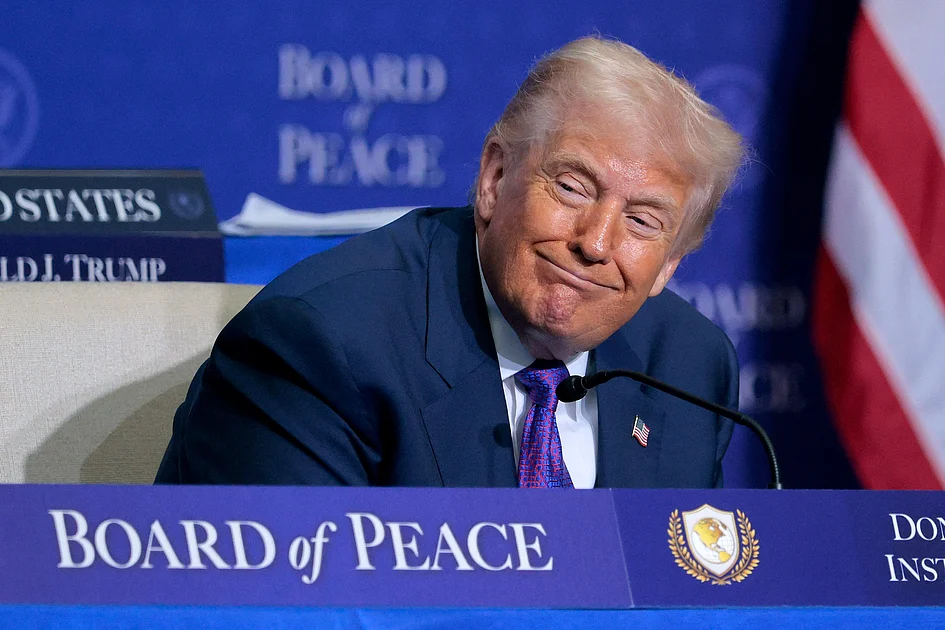
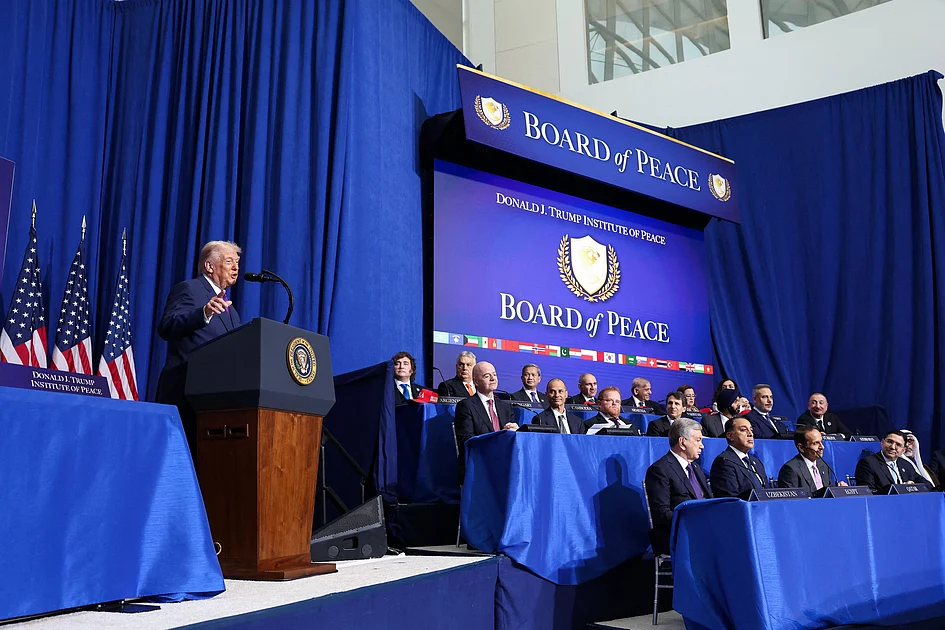
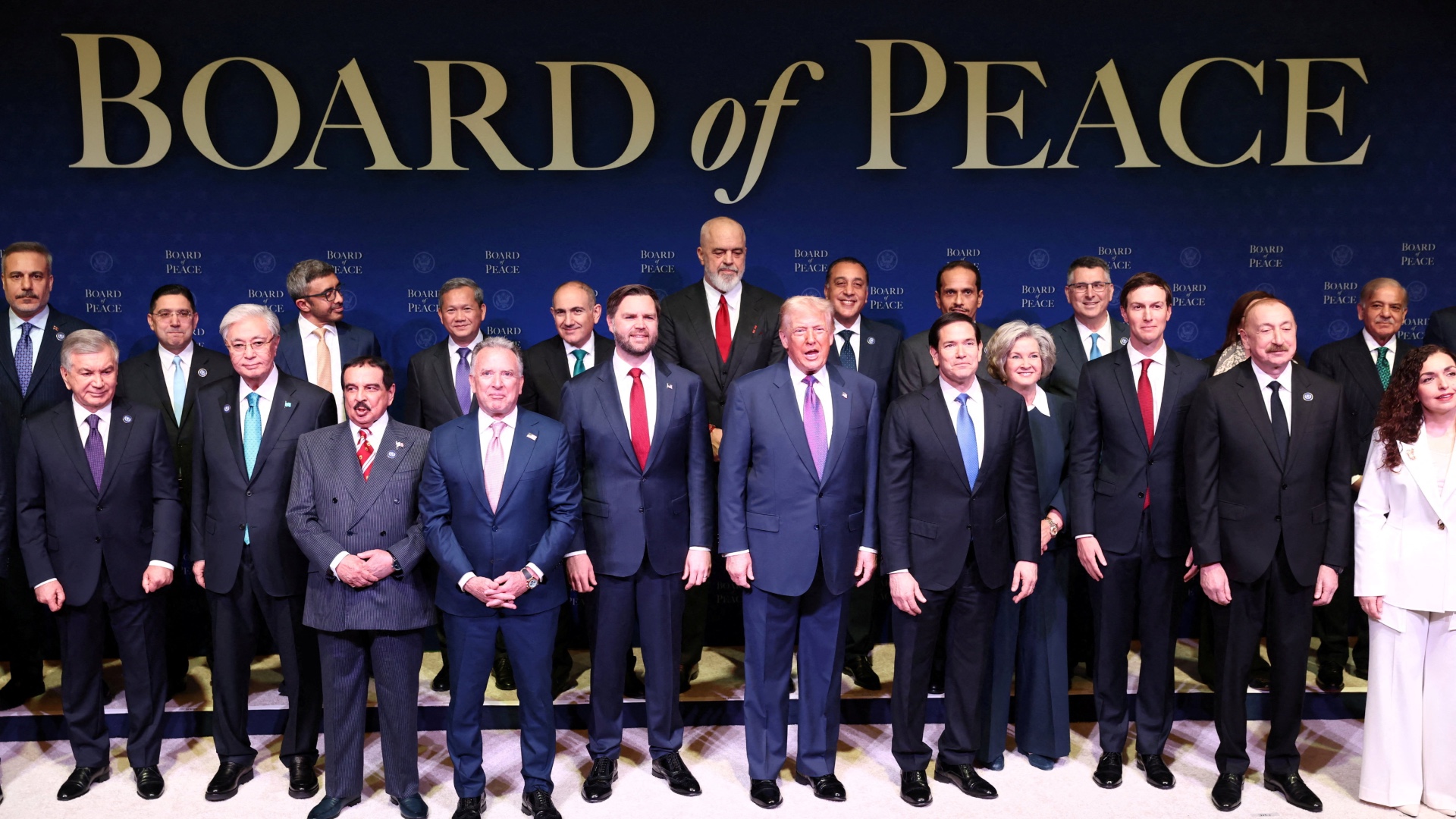
    In a landmark event marked by ambitious financial commitments and geopolitical tensions, former U.S. President Donald Trump convened the inaugural session of his proposed Board of Peace on Thursday. The gathering concluded with a significant announcement: a collective $7 billion has been secured as an initial fund dedicated to the reconstruction of the Gaza Strip, contingent upon the complete disarmament of Hamas militants.

    The newly established board, which includes Israeli representation but notably excludes Palestinian delegates, faces immediate and formidable challenges. Key among these are ensuring Hamas relinquishes its weapons, facilitating the subsequent withdrawal of Israeli Defense Forces, and effectively channeling humanitarian aid to Gaza’s war-ravaged population. These objectives form the core of Trump’s 20-point peace plan, which previously brokered a fragile ceasefire in October, ending a devastating two-year conflict.

    Concluding a lengthy address, Trump declared a substantial U.S. contribution of $10 billion to the board’s efforts. He further detailed additional international support, including a FIFA pledge of $75 million for soccer-related projects in the region and a $2 billion commitment from the United Nations for humanitarian assistance.

    The board’s creation has sparked international concern regarding its potential to undermine the United Nations’ traditional role in global diplomacy. Trump sought to assuage these fears, stating, ‘We’re going to strengthen the United Nations. It’s really very important.’

    The meeting’s backdrop was dominated by escalating tensions with Iran. Trump issued a stark ultimatum, threatening military action and initiating a substantial military buildup in the region should Tehran refuse to abandon its nuclear program. He indicated that the prospects for a diplomatic resolution would be clear within a ten-day window, emphasizing the necessity for a ‘meaningful deal.’

    On the ground, a stark disconnect persists. While Hamas has expressed a conditional willingness to discuss disarmament, it insists any international force must primarily prevent further Israeli aggression. The group also claims Israel is blocking a U.S.-backed committee of Palestinian technocrats, led by Ali Shaath, from assuming administrative control in Gaza—an allegation Israel has not yet addressed. Israeli Prime Minister Benjamin Netanyahu remained resolute, asserting that Hamas would be disarmed ‘peacefully or forcefully.’

    Senior U.S. officials indicated that plans are advancing for an International Stabilization Force, with several nations prepared to deploy thousands of troops to maintain peace in Gaza upon its eventual deployment. The event itself, infused with the atmosphere of a campaign rally complete with music and signature red hats, underscored Trump’s unique approach to statesmanship and conflict resolution.

  • UAE to donate $1.2 billion to support Gaza through Board of Peace

    UAE to donate $1.2 billion to support Gaza through Board of Peace

    The United Arab Emirates has announced a substantial $1.2 billion humanitarian contribution to support Gaza reconstruction efforts through the newly established Board of Peace. The commitment was formally declared by the UAE’s Deputy Prime Minister during the coalition’s inaugural meeting on Thursday, February 19, 2026.

    This significant financial pledge forms part of a broader regional support initiative, with neighboring Gulf states including Saudi Arabia, Qatar, and Kuwait each committing $1 billion toward Gaza’s recovery. The collective regional assistance now totals approximately $4.2 billion in pledged reconstruction funding.

    Concurrent with these announcements, US President Donald Trump revealed that $7 billion has been allocated to a dedicated Gaza reconstruction fund, contingent upon Hamas disarming. President Trump further committed an additional $10 billion American contribution to the Board of Peace initiative, significantly amplifying international support for the region’s rebuilding efforts.

    The Board of Peace represents a multinational coordination mechanism designed to oversee and implement humanitarian and reconstruction projects in Gaza. The UAE’s leadership in this initiative demonstrates its growing role in regional stability and humanitarian assistance, while the substantial financial commitments from multiple nations indicate a concerted international effort to address the ongoing humanitarian situation in Gaza.

  • South African farmers fear devastation as foot-and-mouth takes hold

    South African farmers fear devastation as foot-and-mouth takes hold

    South Africa’s agricultural sector faces an unprecedented crisis as foot-and-mouth disease has been declared a national disaster, with the viral outbreak now affecting eight of the country’s nine provinces. The highly contagious pathogen has triggered widespread devastation across animal herds, forcing mass culling operations and crippling the nation’s vital livestock exports.

    In the pastoral landscapes of KwaZulu-Natal province—the epicenter of the outbreak and heartland of South Africa’s dairy industry—heightened biosecurity measures have proven insufficient against the relentless spread. The virus, transmitted through direct animal contact or contaminated materials, causes debilitating blisters in mouths and under hooves, leading to lameness, feeding difficulties, and catastrophic milk production declines.

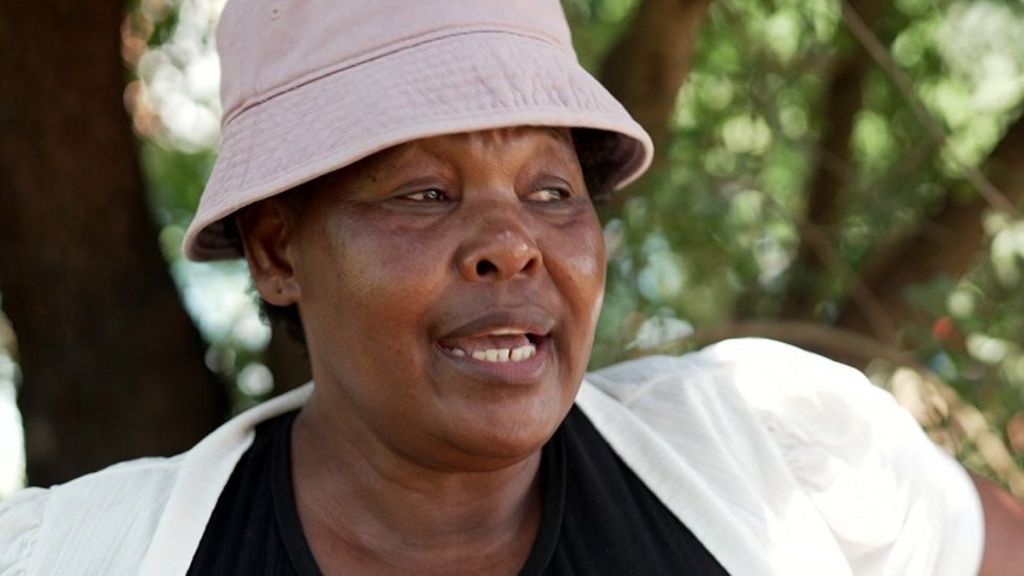
    Carol Houston, a commercial dairy farmer with 35 years of experience, witnessed her daily milk output plummet from 14,000 to 9,000 liters within days of infection. “We invested approximately $380 per cow in treatments and preventive measures,” Houston revealed, “yet the virus breached our defenses regardless.”

    The economic repercussions extend beyond large commercial operations. Small-scale farmers like Nompumelelo Ndlovu, who maintains approximately 20 cattle for trading, face existential threats to their livelihoods. “If vaccines don’t arrive promptly,” Ndlovu expressed, “my entire herd could be compromised, ending my business.”

    Agricultural Minister John Steenhuisen has announced a comprehensive 10-year eradication strategy, prioritizing mass vaccination in severely affected regions before expanding to cover South Africa’s estimated 14-million-strong national herd. However, implementation delays have fueled frustration among farming communities. Vaccine shipments, initially promised for January then February, have repeatedly been postponed.

    President Cyril Ramaphosa’s disaster declaration enables accelerated funding allocation and international vaccine procurement. South Africa, having lost domestic vaccine production capabilities over two decades ago, currently relies on imports—with an initial shipment of one million doses expected from Argentina. Nevertheless, this quantity remains insufficient for nationwide coverage.

    Industry experts like Livestock Wealth’s Ntuthuko Shezi emphasize the urgency: “If we successfully managed COVID-19 vaccinations, we should demonstrate similar efficacy against this outbreak.” The agricultural sector, while representing a modest portion of GDP, serves as a critical employer in rural regions and traditionally generates essential foreign exchange through meat and livestock exports.

  • The Russian village that lost its men to war

    The Russian village that lost its men to war

    In the isolated Kamchatka village of Sedanka, where winter temperatures plummet to -10°C (14°F), life has always been challenging. Most homes lack running water, indoor toilets, and central heating. Accessible only by river boat during summer months and snowmobile or helicopter in winter, this remote community survives primarily through fishing and subsistence farming.

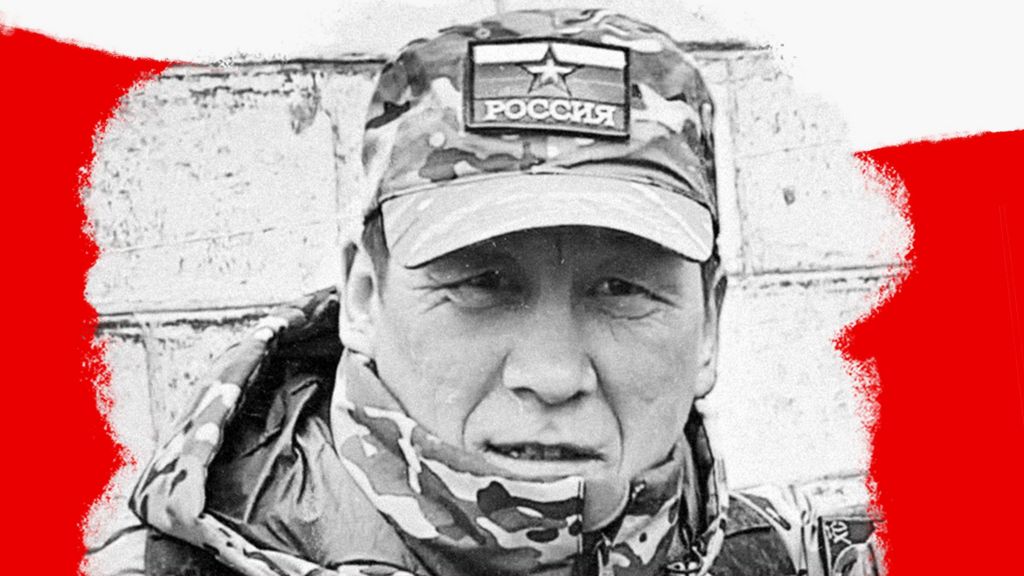
    Now, Sedanka faces an unprecedented crisis: nearly all men aged 18 to 55 have joined Russia’s war in Ukraine. From a population of just 258 people, 39 men signed military contracts. Twelve have been confirmed killed, with seven others missing.

    “It’s heartbreaking – so many of our people have been killed,” says Natalia (name changed for security), whose brother-in-law and cousins are currently at the front. “In almost every family, someone is fighting.”

    The BBC, in collaboration with Russian outlet Medizona and volunteer researchers, has verified 40,201 Russian soldier deaths in 2025 alone. Projections indicate this number could reach 80,000 by year’s end, making 2025 the deadliest period for Russian forces since the full-scale invasion began in February 2022. Total confirmed Russian military deaths now stand at 186,102, though military experts estimate the actual toll could range between 286,000 and 413,500.

    Analysis reveals striking demographic disparities: 67% of casualties come from rural areas and small towns (populations under 100,000), despite these regions containing only 48% of Russia’s population. Indigenous communities like the Koryaks and Itelmens of Sedanka suffer disproportionately high losses, despite wartime rules theoretically exempting them from mobilization.

    Anti-war activist Maria Vyushkova explains how state media promotes stereotypes of indigenous peoples as “born warriors” to encourage recruitment. “The Kremlin uses this pride to recruit for war,” she states.

    The economic divide is stark: Moscow’s per capita death rate stands at 0.05%, while poorer regions like Buryatia and Tuva experience rates 27-33 times higher. Demographer Alexey Raksha attributes this gap to differences in economic development, pay, and education opportunities.

    Despite promises of support, Sedanka has received little assistance. Only four soldiers’ homes received roof repairs after media attention, while one-fifth of Soviet-era houses remain officially classified as unsafe. The village’s sole school risks structural collapse.

    As another demographer notes: “For many, the driver is not only poverty but a lack of prospects – the feeling that there is nothing to lose.”

  • Lion DNA helps convict poachers for first time

    Lion DNA helps convict poachers for first time

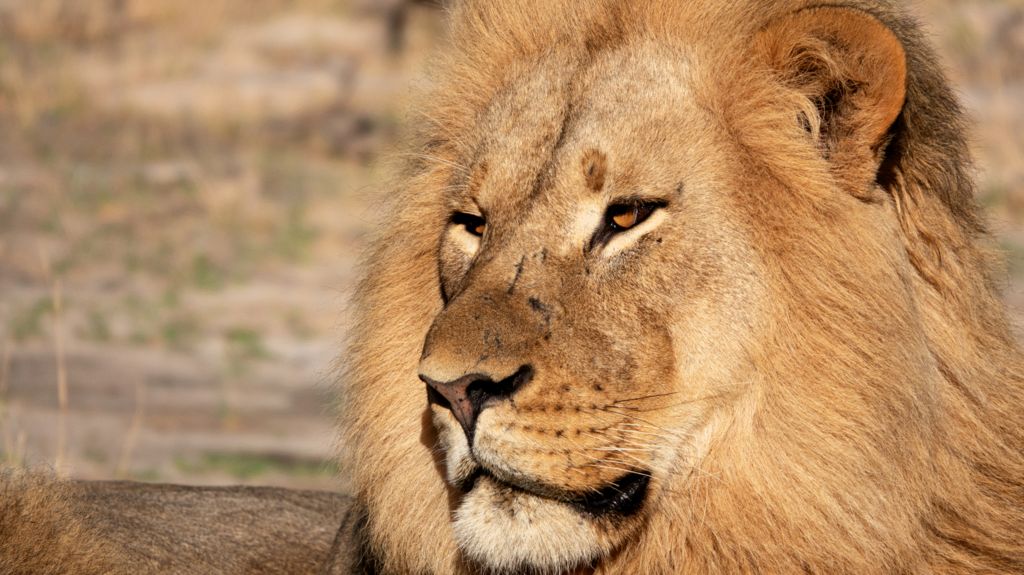
    In an unprecedented legal breakthrough, Zimbabwean authorities have successfully utilized lion DNA evidence to convict poachers for the first time in global wildlife crime history. The landmark case, recently disclosed by wildlife conservation NGO Traffic, demonstrates a revolutionary application of forensic science in combating illegal wildlife trade.

    The groundbreaking prosecution stemmed from a May 2024 incident in Hwange National Park, where wildlife authorities grew suspicious when a radio-collared male lion’s tracking device ceased functioning. Investigators tracing the final signal location discovered a snare containing lion fur, triggering an intensive investigation that led authorities to a nearby village.

    During searches, police uncovered substantial evidence including three sacks of meat, sixteen lion claws, and four teeth in the possession of two suspects. Traditionally, such possession might have been dismissed as inherited traditional ornaments or remains from naturally deceased animals, creating persistent legal hurdles in previous prosecution attempts.

    However, Zimbabwe’s sophisticated lion DNA database—developed over eight years through £250,000 funding from the UK’s People’s Postcode Lottery to the Victoria Falls Wildlife Trust—provided the critical breakthrough. Forensic specialists compared DNA profiles from the seized body parts against the database, achieving perfect matches with the blood sample previously collected from the radio-collared lion.

    Within ten days of the killing, prosecutors presented the irrefutable DNA evidence in court, resulting in both suspects pleading guilty. The convicted poachers received 24-month prison sentences, with the court acknowledging the lion’s value at approximately $20,000.

    Professor Rob Ogden, co-founder of TRACE organization promoting forensic science in wildlife enforcement, hailed the conviction as delivering “a message of hope” demonstrating how integrated training, research, and forensic casework can combat wildlife crime. The anonymous lead scientist involved emphasized the technological leap: “Before this technology, we could only do species identification, which sometimes wasn’t enough. Now we can match specific products to individual lions.”

    The breakthrough arrives amid concerning trends in lion poaching, with recent figures indicating rising demand for body parts used as cultural artifacts in Africa and ingredients in traditional Chinese medicine. Organized crime networks previously focused on rhino horn and ivory trafficking are suspected of diversifying into lion part trades, evidenced by significant seizures including 17 lion skulls intercepted in Lusaka (2021) and over 300kg of lion parts confiscated in Maputo (2023).

    This forensic methodology establishes a powerful new deterrent against wildlife crime, providing law enforcement worldwide with scientifically robust evidence to secure convictions previously impossible to obtain.

  • ‘Board of Peace’ members commit $7bn to Gaza relief, US pledges further $10bn

    ‘Board of Peace’ members commit $7bn to Gaza relief, US pledges further $10bn

    WASHINGTON, DC – In a significant development for Middle Eastern diplomacy, nine member nations of former President Donald Trump’s newly established “Board of Peace” have collectively pledged $7 billion toward humanitarian relief and reconstruction efforts in Gaza. President Trump announced the commitments during the board’s inaugural meeting held at the Donald J Trump Institute for Peace on Thursday.

    The contributing nations include Kazakhstan, Azerbaijan, the United Arab Emirates, Morocco, Bahrain, Qatar, Saudi Arabia, Uzbekistan, and Kuwait. While a detailed breakdown of individual contributions was not immediately disclosed, Trump indicated that “many more are contributing to the numbers.” The United States is separately investing an additional $10 billion, though this allocation is understood to support the board’s overall operations rather than being exclusively designated for Gaza.

    Beyond member contributions, the international community is mobilizing substantial support. The United Nations Office for the Coordination of Humanitarian Affairs will raise $2 billion, while FIFA, the global football governing body, has committed $75 million for sports-related projects in the enclave. FIFA President Gianni Infantino, a recipient of the first-ever FIFA Peace Prize from Trump last year, attended the meeting and sits on the board. Furthermore, Japan has committed to hosting an aid fundraiser with participation expected from regional nations including South Korea, the Philippines, and Singapore, with potential involvement from China and Russia.

    World Bank President Ajay Banga, serving on the board’s executive committee, outlined the institution’s role as a “limited trustee.” The Bank will manage and disperse the pledged funds for reconstruction and development projects in Gaza, leveraging its AAA rating to attract private investment and de-risk the funding process.

    However, the initiative faces significant challenges. The security situation remains precarious. U.S. Major General Jasper Jeffers, appointed to oversee the accompanying International Stabilization Force (ISF), revealed that Indonesia, Morocco, Kazakhstan, Kosovo, and Albania will contribute troops to the force, which will be trained by Egypt and Jordan. The ISF’s mandate includes protecting civilians, training local forces, and assisting in the disarmament of factions—a point that has caused hesitation among some potential contributors. Indonesia will assume deputy command of the ISF, and deployment will begin in the Rafah sector, though no precise timeline was provided. The Trump administration confirmed no U.S. troops would be deployed on the ground.

    On the ground governance falls to the National Committee for the Administration of Gaza (NCAG), led by Palestinian technocrat Ali Shaath. He described operating in “extremely difficult conditions” with large areas “destroyed” and humanitarian needs “acute.” Bulgarian diplomat Nickolay Mladenov, appointed to oversee Gaza’s demilitarization, announced the creation of the Office of the High Representative for Gaza to guide the NCAG. A key priority is establishing security through a new 5,000-strong professional civilian police force, for which recruitment is already underway with 2,000 applicants so far. These officers will be trained in Egypt as part of a broader 20-point plan to consolidate all weapons under a single civilian authority.

    Despite the focus on Gaza, the board’s official charter notably makes no mention of either “Gaza” or “Palestinian,” reflecting the Trump administration’s break from the long-standing U.S. policy goal of a two-state solution. The board has also faced international skepticism. Spain and most European nations have refused to join, with some EU representatives attending only as “observers.” The Vatican declined its invitation, and Canada’s was rescinded. At a recent security conference, EU foreign affairs chief Kaja Kallas criticized the board for its omissions. Trump, however, positioned the board as a supplement to the UN, stating it would be “looking over the United Nations and making sure it runs properly,” while pledging to work closely with the international body.
  • North Korea opens major party congress with Kim emphasizing economy

    North Korea opens major party congress with Kim emphasizing economy

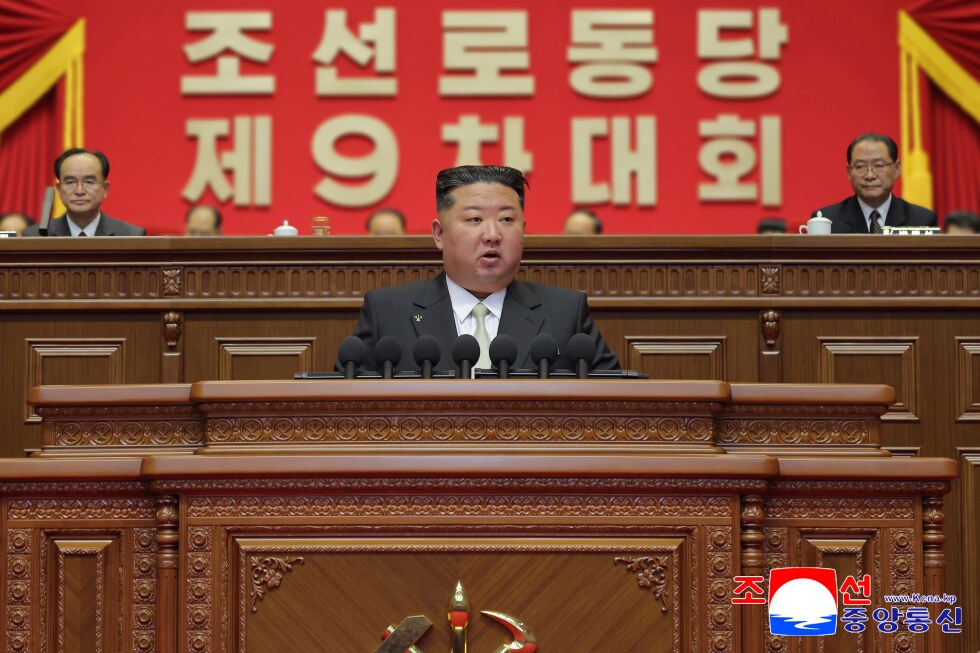
    SEOUL, South Korea — North Korea has commenced its most significant political gathering, the Workers’ Party Congress, where Supreme Leader Kim Jong Un is anticipated to outline his strategic vision for the nation’s next five-year development cycle. The event, which began Thursday in Pyongyang, marks a pivotal moment for cementing the Kim dynasty’s authoritarian governance while addressing critical domestic and international challenges.

    In his opening address, Kim emphasized economic achievements and national resilience since the previous congress in 2021, which coincided with the COVID-19 pandemic’s peak. He proclaimed substantial progress in economic development and regional positioning, characterizing these advances as an ‘irreversible’ enhancement of North Korea’s global standing. ‘This created favorable conditions and circumstances for giving a greater spur to our socialist construction,’ Kim stated, acknowledging the ‘heavy and urgent historic tasks’ of boosting economic construction and improving living standards.

    Notably absent from initial state media coverage were direct references to Kim’s nuclear weapons program or ongoing standoffs with the United States and South Korea. However, geopolitical analysts anticipate the congress will address these issues as Kim continues to leverage global tensions to advance his strategic objectives.

    Recent geopolitical maneuvers have seen North Korea deepen alliances with Russia and China. Kim has capitalized on Russia’s war in Ukraine to accelerate his nuclear and missile capabilities while providing substantial military support to Moscow—potentially in exchange for economic assistance and technological transfers. Simultaneously, he has strengthened ties with China, North Korea’s traditional ally and economic lifeline, through diplomatic visits and summits.

    While North Korea’s information blockade obscures accurate economic assessment, external experts suggest a gradual recovery fueled by post-pandemic trade resumption with China and weapons exports to Russia. The congress follows weeks of military demonstrations and inspections of industrial and housing projects, showcasing alleged achievements under Kim’s leadership.

    Approximately 5,000 delegates, including 224 central leadership members, are participating in the event expected to span several days. Experts predict Kim will outline ambitious economic targets and plans to expand his nuclear-armed military, which already possesses systems targeting U.S. allies in Asia and long-range missile capabilities potentially reaching the U.S. mainland.

    South Korea’s intelligence agency is monitoring potential signals regarding Kim’s teenage daughter, Kim Ju Ae (approximately 13), being positioned as a potential successor—a move that would formalize the regime’s fourth-generation dynastic succession.

    Diplomatic relations remain frozen since the 2019 collapse of talks between Kim and former U.S. President Donald Trump. North Korea has consistently rejected dialogue offers, demanding the U.S. abandon its denuclearization requirements as a precondition for negotiations. Relations with South Korea have similarly deteriorated, with Kim abandoning peaceful reunification rhetoric in favor of a hostile ‘two-state’ doctrine for the Korean Peninsula—a stance potentially to be institutionalized in the Workers’ Party constitution during this congress.