作者: admin

  • Multiple Americans detained in Venezuela have been released, Trump administration says

    Multiple Americans detained in Venezuela have been released, Trump administration says

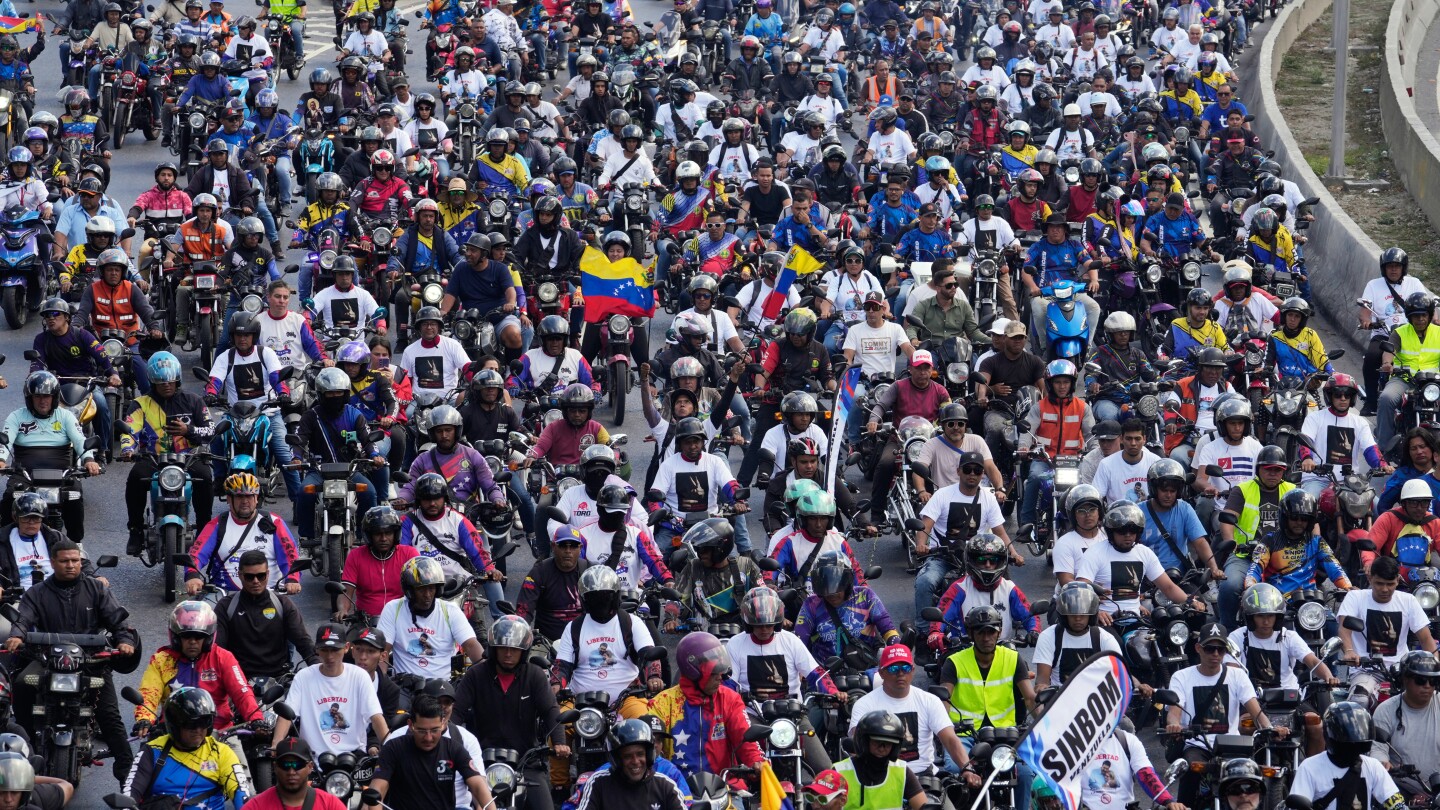
    In a significant diplomatic development, multiple American detainees have been released from Venezuelan custody following recent political upheaval in the South American nation. The Trump administration confirmed the releases Tuesday, with the State Department characterizing the action as “an important step in the right direction” by Venezuela’s interim authorities.

    According to sources familiar with the matter, four Americans were released as a group on Tuesday, with an additional detainee quietly freed the previous day. The releases occurred against the backdrop of dramatic political changes in Venezuela, where U.S. forces captured President Nicolás Maduro in a nighttime raid earlier this month.

    The prisoner releases appear to be part of broader conciliatory gestures by Venezuela’s new leadership. Jorge Rodríguez, head of Venezuela’s national assembly, announced last week that a “significant number” of both Venezuelan and foreign prisoners would be freed as a peace-seeking measure following Maduro’s deposition.

    Independent verification of the releases remains challenging due to limited transparency from Venezuelan authorities. The human rights organization Foro Penal confirmed 56 political prisoners had been freed as of Tuesday evening, while the Venezuelan government claimed approximately 400 releases without providing substantiating evidence or identifying those freed.

    This episode continues a pattern of prisoner exchanges between the two nations despite their historically strained relations. In July, Venezuela released 10 jailed U.S. citizens and permanent residents in exchange for the repatriation of migrants deported by the United States to El Salvador.

  • How the concept of wellness is reshaping Dubai real estate

    How the concept of wellness is reshaping Dubai real estate

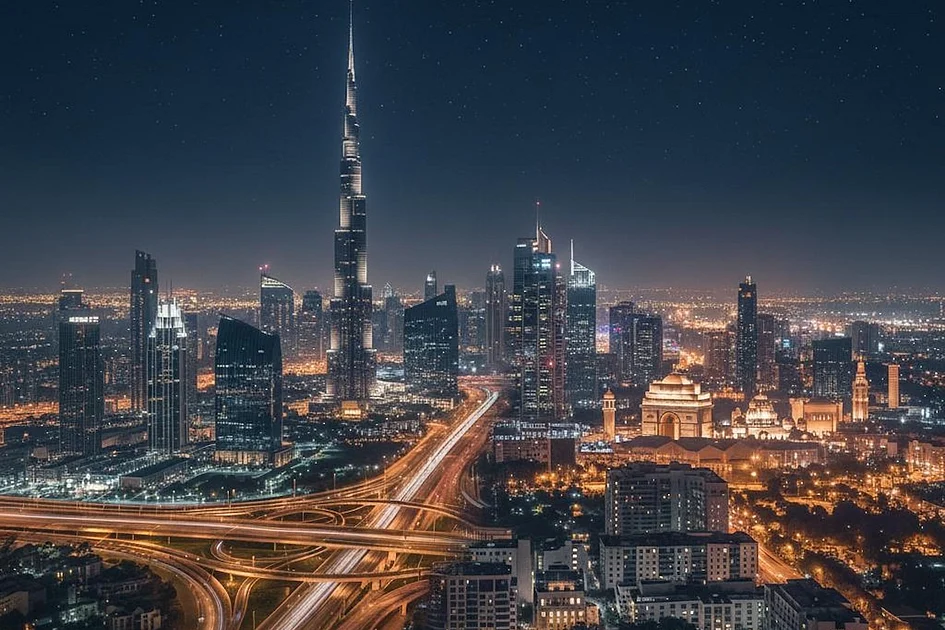
    Dubai’s real estate sector is undergoing a fundamental transformation, with wellness, sustainability, and quality of life emerging as primary factors influencing purchasing decisions alongside traditional considerations of prestige and financial returns. This strategic shift comes as over 61,800 residential units remain under construction throughout the emirate in 2025, signaling a clear market evolution toward holistic living environments.

    Market data from the Dubai Land Department reveals robust investor confidence, with approximately 94,700 investors completing more than 91,000 residential transactions valued at Dh262.1 billion during the first half of 2025. This represents a substantial 26 percent increase in investor participation and a 36.4 percent year-on-year surge in transaction value, demonstrating strong belief in Dubai’s property market trajectory.

    Analysis by Emirati developer Amaal identifies five distinct districts leading this wellness-oriented revolution. Meydan in Nad Al Sheba has evolved into a lifestyle destination characterized by landscaped parks, open green corridors, and pedestrian-friendly streets. The area’s apartment prices reached approximately Dh1,543 per square foot in Q3 2025, with off-plan transactions constituting over 70 percent of residential sales.

    Mohammed Bin Rashid City successfully blends urban accessibility with family-oriented green living, featuring central parks and pedestrian-friendly streets integrated with luxury villas and townhouses. Similarly, Dubai Hills Estate has established itself as a suburban wellness benchmark, boasting an 86.5 percent rental occupancy rate in H1 2025 due to its comprehensive integration of recreational spaces, schools, and retail within a walkable environment.

    Even established luxury destinations are embracing this paradigm shift. Palm Jumeirah, traditionally valued for exclusivity, now attracts buyers seeking active waterfront lifestyles with promenades and private beaches. The community led Dubai’s ultra-luxury segment in Q2 2025 with the highest number of homes sold above $10 million. Emirates Hills maintained its position as the emirate’s most exclusive villa enclave, achieving prices around Dh4,929 per square foot in H1 2025 through its low-density layout and emphasis on tranquility.

    Property analysts conclude that developments prioritizing green infrastructure, walkability, and holistic living are positioned to outperform in Dubai’s evolving market landscape, marking a significant departure from the city’s previous emphasis on spectacle and scale.

  • Former Victoria Police Chief Commissioner Shane Patton subpoenaed in CFMEU organiser’s threats case

    Former Victoria Police Chief Commissioner Shane Patton subpoenaed in CFMEU organiser’s threats case

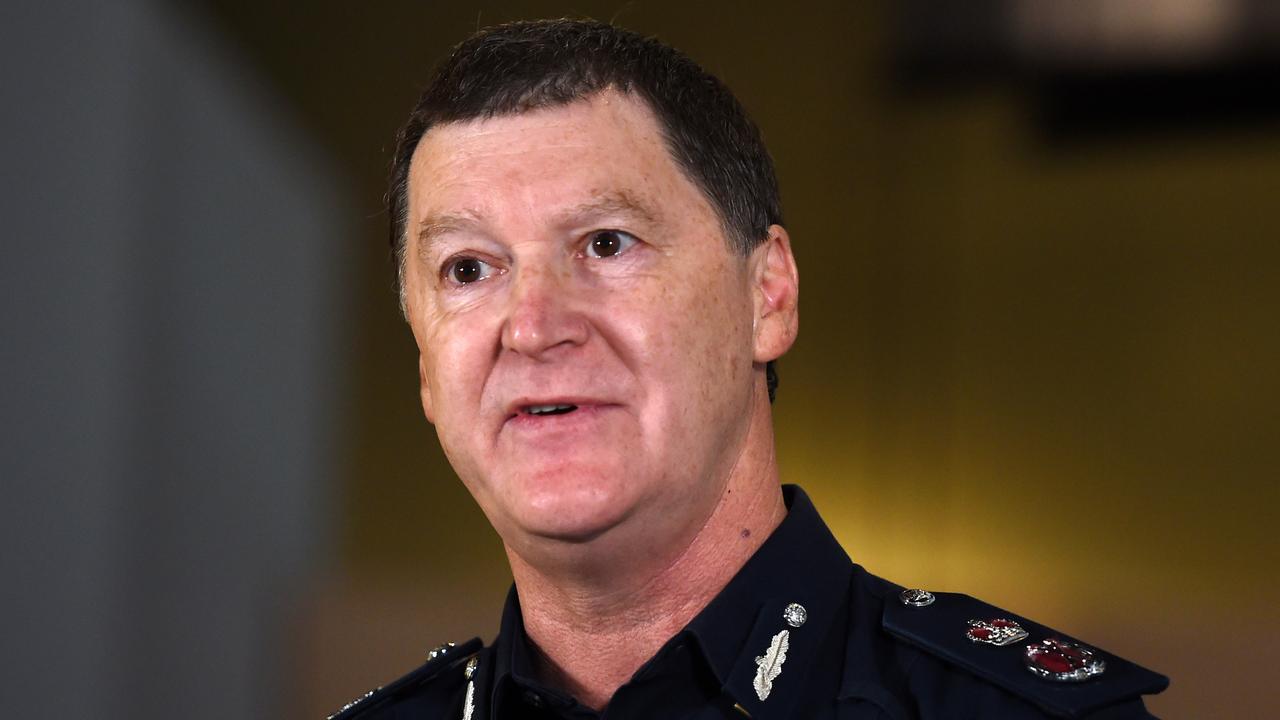
    Melbourne Magistrates Court has become the stage for a significant legal confrontation involving former Victoria Police Chief Commissioner Shane Patton. The proceedings center on Joel Shackleton, a 42-year-old Indigenous organizer for the Construction, Forestry, Maritime, Mining and Energy Union (CFMEU), who is vigorously contesting allegations of making death threats against an Indigenous builder in March 2022.

    During Wednesday’s special mention hearing, defense lawyer David Waters revealed that subpoenas had been issued to several Victoria Police members, including the former chief commissioner. The defense team seeks Mr. Patton’s testimony regarding “certain materials that have come to light in disclosure” and suggestions that he “gave certain directions to police members involved” in the case.

    Prosecutor Melissa Mahady acknowledged that Victoria Police had formally refused service of the subpoena directed at Mr. Patton, citing his departure from the organization last February after nearly five years as chief commissioner. However, she indicated that behind-the-scenes efforts were underway to facilitate proper legal service.

    The case has been adjourned until January 27, with Magistrate John O’Callaghan presiding. Mr. Shackleton is scheduled to undergo a two-day contested hearing beginning January 29, where he will formally challenge the charges of making threats to kill and seriously injure.

  • Global central bankers defend Fed’s Powell after Trump threat

    Global central bankers defend Fed’s Powell after Trump threat

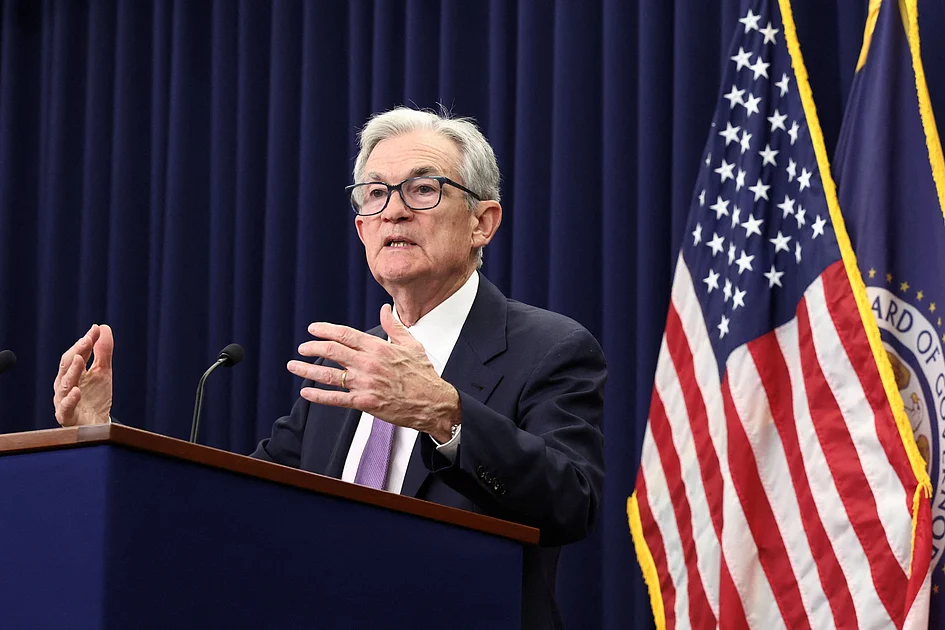
    In an extraordinary display of institutional unity, central bank governors from across the globe issued a rare joint statement on Tuesday expressing unwavering support for Federal Reserve Chair Jerome Powell following threats of criminal indictment from the Trump administration. The unprecedented collective action came as political pressure on the world’s most powerful financial institution reached critical levels.

    The controversy stems from Powell’s congressional testimony last summer regarding renovations to the Federal Reserve’s headquarters, which the chair characterized as a ‘pretext’ for gaining presidential influence over interest rate decisions. This confrontation represents the most significant challenge to central bank independence in modern history, with President Trump having repeatedly demanded lower rates and applied pressure on individual policymakers.

    Leading the coordinated response were the European Central Bank, Bank of England, and Bank of Canada, joined by eight other major institutions including those of Sweden, Denmark, Switzerland, Australia, South Korea, Brazil, and France. The coalition emphasized that central bank independence serves as the fundamental cornerstone of price stability, financial security, and economic predictability that benefits all citizens.

    According to sources familiar with the diplomatic effort, ECB President Christine Lagarde played a pivotal role in orchestrating the response, while Bank for International Settlements General Manager Pablo Hernandez de Cos facilitated coordination among individual governors. Notably absent from the initial signatories was the Bank of Japan, though sources indicated the institution had expressed preliminary support and might still join the statement.

    Financial experts warn that political interference with the Fed’s autonomy could severely undermine market confidence in its inflation management commitments, potentially triggering higher inflation rates and increased global financial volatility. Given the dominant position of the U.S. economy, such instability would likely propagate through international markets, complicating other central banks’ efforts to maintain price stability.

    The statement concluded with a powerful reaffirmation: ‘It is therefore critical to preserve that independence, with full respect for the rule of law and democratic accountability.’ This remarkable show of solidarity transcends typical international financial cooperation, representing a defensive stance against what many perceive as an existential threat to the global economic architecture.

  • WHO says sugary drinks, alcohol getting cheaper, should be taxed more

    WHO says sugary drinks, alcohol getting cheaper, should be taxed more

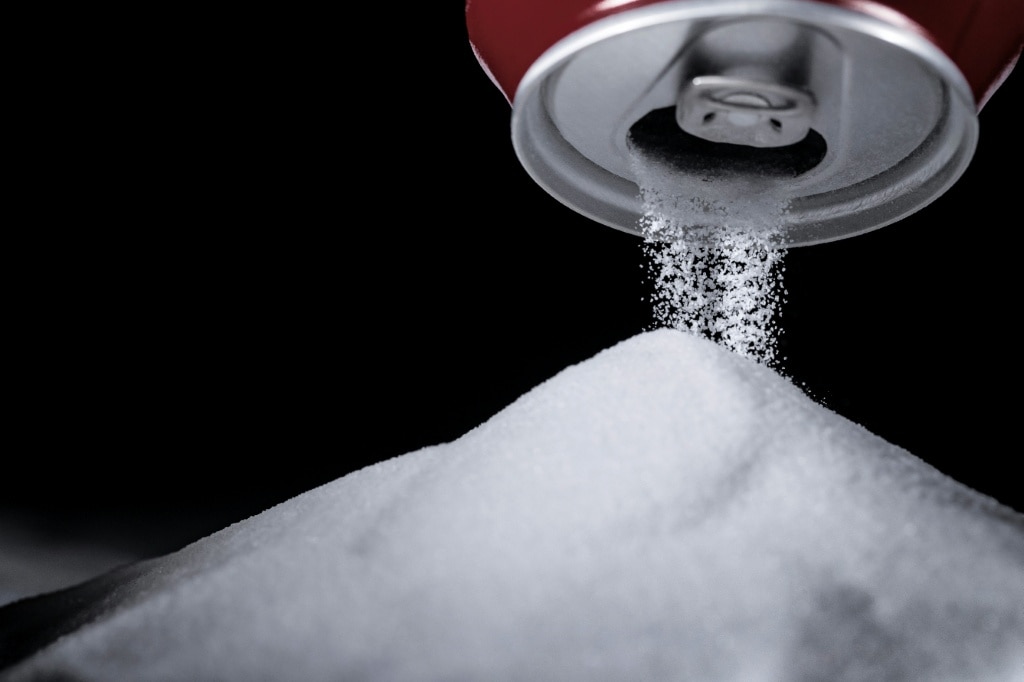
    The World Health Organization issued a compelling call to action on Tuesday, advocating for significant tax increases on sugary beverages and alcoholic products worldwide. According to the UN health agency, these products have become increasingly affordable relative to other goods, contributing to rising global health challenges.

    The WHO’s comprehensive analysis reveals that inadequate taxation systems are permitting harmful products to maintain artificially low prices while healthcare systems struggle under the financial burden of preventable non-communicable diseases. The organization emphasized that obesity, diabetes, cardiovascular conditions, and various cancers are being fueled by consistently low tax rates on these products across most nations.

    WHO Director-General Tedros Adhanom Ghebreyesus characterized health taxes as among the most effective instruments available for disease prevention and health promotion. ‘By implementing higher taxes on tobacco, sugar-sweetened beverages, and alcohol, governments can simultaneously reduce harmful consumption patterns and generate essential funding for critical healthcare services,’ he stated during a press briefing.

    The organization released parallel global reports examining taxation policies for both alcohol and sugar-sweetened beverages. The findings indicate that while 116 countries currently impose taxes on sugary drinks like sodas, numerous high-sugar products—including 100% fruit juices, sweetened milk beverages, and ready-to-drink coffee and tea formulations—frequently escape taxation entirely.

    Regarding alcoholic beverages, the report documented that beer has become more affordable in 56 countries between 2022 and 2024, while wine receives excise tax exemptions in at least 25 nations, particularly within European markets. The WHO asserts that all alcoholic beverages should be subject to excise taxes without exception.

    Dr. Jeremy Farrar, WHO Assistant Director-General for Health Promotion, Disease Prevention and Care, drew parallels between sugary drink taxation and the proven effectiveness of tobacco taxes in reducing consumption. ‘This approach utilizes taxation as a behavioral modification tool while strengthening prevention capabilities in countries grappling with escalating non-communicable disease rates,’ he explained.

    The implementation pathway faces significant challenges, as Tedros acknowledged. Health taxes frequently encounter political resistance and vigorous opposition from well-funded industry groups with substantial financial interests at stake. However, the WHO points to successful examples in the Philippines, Britain, and Lithuania as evidence that properly designed tax policies can serve as powerful health protection mechanisms.

    As part of its ‘3 by 35’ initiative, the WHO encourages nations to redesign and elevate taxes targeting tobacco, alcohol, and sugary drinks, aiming to substantially increase prices by 2035. This strategy is particularly relevant for lower-income countries facing reduced aid funding, as it could facilitate transition toward sustainable self-reliance in healthcare financing.

    Etienne Krug, head of the WHO’s Health Determinants, Promotion and Prevention Department, highlighted the societal implications: ‘Increased alcohol affordability drives violence, injuries and disease. While industry profits accumulate, the public bears the health consequences and society absorbs the economic costs.’
  • Russia strikes power plant, kills four in Ukraine barrage

    Russia strikes power plant, kills four in Ukraine barrage

    In a relentless escalation of hostilities, Russian forces unleashed a massive barrage against Ukrainian infrastructure early Tuesday, killing four civilians and critically damaging energy facilities. The assault involved 25 missiles and 293 drones, marking another chapter in Moscow’s systematic campaign to cripple Ukraine’s power grid during winter’s peak.

    The eastern Kharkiv region bore the brunt of the attack, where rescue workers operated in freezing temperatures to extract survivors from rubble. Andriy Pidnebesny, a manager at a postal facility struck in the offensive, described being thrown by blast waves while attempting to free trapped colleagues. Simultaneously, Ukraine’s largest energy provider DTEK reported its eighth power plant attack since October, with Russian forces having targeted their facilities over 220 times since the invasion began.

    President Volodymyr Zelensky reported ‘several hundred thousand’ households near Kyiv lost electricity, urgently appealing for enhanced air defense systems from Western allies. ‘The world can respond to this Russian terror with new assistance packages,’ Zelensky stated on social media, emphasizing that ‘cold will not help Russia win the war.’

    In a parallel maritime development, two Greek-owned oil tankers—the Maltese-flagged Matilda and Liberian-flagged Delta Harmony—sustained attacks in the Black Sea. The Matilda, en route to load Kazakh oil at Russia’s Caspian Pipeline Consortium terminal near Novorossiysk, maintained seaworthiness despite the assault according to Kazakh energy officials. The incident represents the latest in a series of strikes targeting the crucial CPC terminal, through which Kazakhstan transports 80% of its oil exports.

    Ukraine’s military, while not claiming responsibility for the tanker incidents, has consistently targeted Russian energy infrastructure to diminish Moscow’s war-funding capabilities. The strategic strikes have drawn concern from Kazakhstan, whose economic interests are increasingly entangled in the conflict’s ripple effects.

  • Italian Olympians ‘insulted’ by torch relay snub

    Italian Olympians ‘insulted’ by torch relay snub

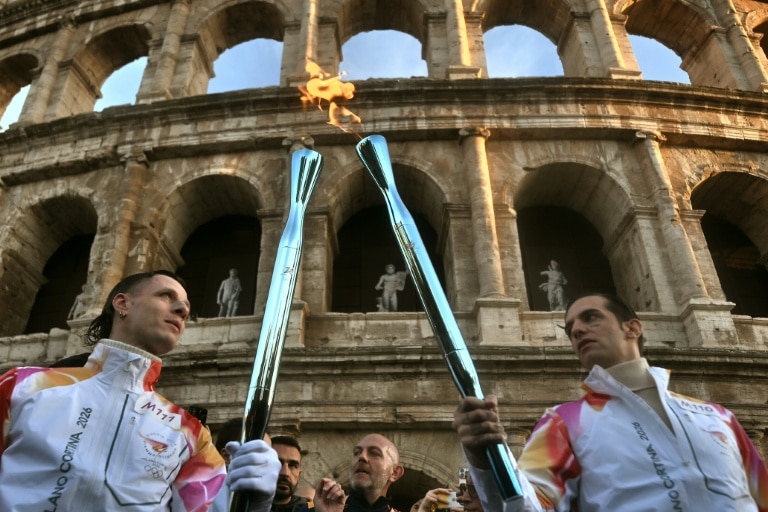
    A brewing controversy has engulfed the Milan-Cortina 2026 Winter Olympics torch relay, with decorated Italian Olympians expressing profound outrage over their exclusion from the ceremonial event. The dispute reached political dimensions as government officials demanded explanations from organizers.

    Five-time Olympic cross-country skiing medalist Silvio Fauner spearheaded the criticism, characterizing the selection of entertainment personalities over athletes as “an incredible insult.” Fauner, who secured relay gold at the 1994 Lillehammer Games, revealed that multiple Olympic champions including Marco Albarello, Giorgio Di Centa, Cristian Zorzi and Pietro Piller Cottrer shared his indignation at being completely excluded from Games-related activities.

    Organizers defended their selection process, noting that Fauner’s current political role as a town councillor in Sappada automatically disqualifies him from participation. The Milan-Cortina committee emphasized that numerous Italian athletic champions had already carried the torch during its initial 36 stages, representing various winter sports disciplines and generations.

    The controversy attracted immediate political attention. Deputy Prime Minister Matteo Salvini’s far-right League party issued a statement condemning the “incomprehensible and disconcerting” torchbearer selections. Sports Minister Andrea Abodi formally requested clarification from organizing bodies regarding selection criteria, acknowledging his own surprise at the exclusion of sports legends.

    The Olympic flame continues its two-month journey across Italy, covering 12,000 kilometers with 10,001 bearers before reaching Milan’s San Siro stadium for the February 6 opening ceremony, now shadowed by this escalating dispute between athletic achievement and celebrity recognition.

  • Man Utd appoint Carrick as manager to end of the season

    Man Utd appoint Carrick as manager to end of the season

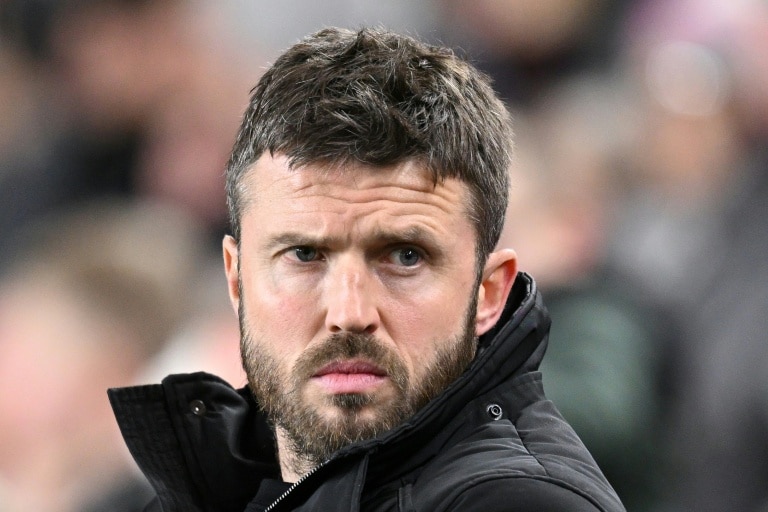
    Manchester United has officially designated former midfield stalwart Michael Carrick as interim manager to guide the team through the remainder of the current season. The 44-year-old club legend, who secured an impressive 12 major trophies during his 12-year playing tenure at Old Trafford, steps into the role following the dismissal of Ruben Amorim last week after a disappointing 14-month period.

    Carrick, who previously held an unbeaten record during a brief three-match caretaker stint in 2021, faces the immediate challenge of preparing the squad for Sunday’s crucial Premier League derby against Manchester City. His appointment comes at a critical juncture as United currently sit seventh in the table, positioned just three points behind fourth-placed Liverpool and one point behind Brentford in fifth.

    The club’s hierarchy views Carrick as a ‘safe pair of hands’ due to his extensive experience both as a player and coach within the organization. Director of Football Jason Wilcox emphasized Carrick’s qualifications, stating: ‘Michael is an excellent coach who knows exactly what it takes to win at Manchester United. He is ready to lead our talented and determined group of players as we build toward regular and sustained success.’

    Carrick’s most recent managerial experience came at Championship side Middlesbrough, where he was dismissed in June after failing to achieve promotion despite having one of the division’s largest budgets. However, his previous interim performance at United—which included impressive results against Chelsea, Arsenal, and Villarreal—convinced management of his capability to stabilize the team.

    The new interim manager expressed honor at his appointment, declaring: ‘I know what it takes to succeed here. My focus is now on helping the players reach the standards we expect at this incredible club. There is still much to fight for this season, and we are ready to pull everyone together to deliver the performances our loyal supporters deserve.’

    With United eliminated from both domestic cups and European competition, the team faces its shortest season since 1914/15, playing only 40 matches. Carrick’s primary objective will be securing Champions League qualification, with a top-five finish likely sufficient due to English clubs’ strong European performance.

  • Davos braces for Trump’s ‘America First’ onslaught

    Davos braces for Trump’s ‘America First’ onslaught

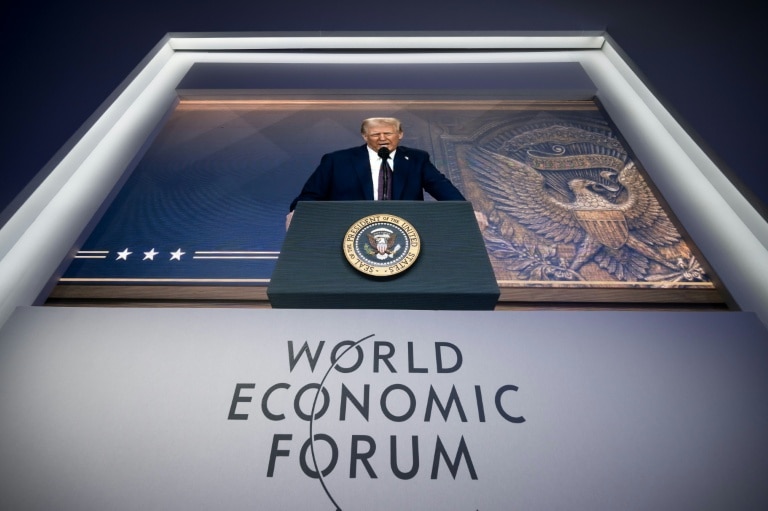
    The alpine resort of Davos prepares for a seismic political confrontation as former President Donald Trump returns to the World Economic Forum with an unprecedented U.S. delegation. Scheduled to deliver a keynote address on Wednesday, Trump’s appearance marks his first in-person participation since his initial term, setting the stage for a dramatic clash between his ‘America First’ agenda and the forum’s traditional advocacy for open markets and multilateral cooperation.

    Forum President Borge Brende confirmed the historic nature of Trump’s delegation while acknowledging the meeting occurs against ‘the most complex geopolitical backdrop since 1945.’ The delegation includes Secretary of State Marco Rubio, Treasury Secretary Scott Bessent, and Middle East/Ukraine envoy Steve Witkoff, indicating planned discussions on multiple global flashpoints including Ukraine, Gaza, Venezuela, and Iran.

    Trump’s agenda includes detailed housing policy announcements aimed at American voters, delivered before international elites as midterm elections approach. This comes amid widespread domestic concern over living costs, positioning the Davos appearance as both diplomatic mission and political theater.

    The return follows Trump’s virtual address last year, where he threatened punishing tariffs for nations refusing to relocate manufacturing to the U.S. His administration has since withdrawn from 66 international organizations, including nearly half of its UN-affiliated bodies, fundamentally restructuring America’s global engagement.

    Economic analysts recognize 2025 as potentially marking the end of neoliberal globalization. Bain & Company economist Karen Harris notes: ‘This represents a paradigm shift where the U.S. prioritizes national security and weaponizes economic policy—a approach historically associated with Chinese economic philosophy.’

    European and Asian leaders including EU Commission Chief Ursula von der Leyen, Ukrainian President Zelensky, and Chinese Vice Premier He Lifeng will attend, with six G7 leaders represented. Their presence underscores the global effort to navigate what Standard Chartered’s Philippe Dauba-Pantanacce describes as ‘a broad rejection of multilateral institutions.’

    While former WTO Director Pascal Lamy acknowledges Trump’s trade policies have created significant noise with limited economic impact thus far, the geopolitical consequences continue unfolding. Evidence emerges in the EU’s accelerated Mercosur trade agreement with South America and China’s strategic export diversification away from American markets.

    The gathering of 850 corporate leaders including Nvidia’s Jensen Huang and Microsoft’s Satya Nadella will witness firsthand the crystallization of a new global order—one potentially progressing without traditional American leadership.

  • Zoho Corporation opens its first data centres in UAE

    Zoho Corporation opens its first data centres in UAE

    In a strategic expansion of its Middle Eastern operations, Zoho Corporation has officially inaugurated its first United Arab Emirates data centers in Dubai and Abu Dhabi. This infrastructure deployment represents a significant portion of the company’s previously announced Dh100 million ($27 million) investment commitment to the UAE market made in 2023.

    The twin facilities will host over 100 cloud-based solutions from both Zoho’s core business platform and its enterprise IT management division, ManageEngine. The launch strengthens Zoho’s physical presence in what company leadership identifies as one of their largest regional markets.

    Shailesh Davey, Co-founder and CEO of Zoho Corporation, emphasized the strategic importance of this development: ‘Our new data centers enable local businesses to maintain data sovereignty while supporting the National Cybersecurity Agenda. This infrastructure will empower organizations of all scales—from small enterprises to government entities—to accelerate their digital transformation initiatives, directly contributing to Dubai’s Vision 2030 economic diversification goals.’

    The facilities have obtained critical security certifications, including the CSP Security Standard Certificate from Dubai Electronic Security Center (DESC). This accreditation qualifies Zoho to provide services to government and semi-government entities. The centers maintain compliance with multiple international standards: ISO 27001, ISO 22301, ISO 27017, and CSA STAR Level 2 certification.

    Zoho’s growth metrics in the UAE demonstrate remarkable momentum, with a 38.7% revenue increase in 2025 and a 29% expansion of its partner network. The company has simultaneously increased its local workforce by 35% to support growing client demands. Key drivers of this growth include Zoho’s Customer Experience platform (featuring CRM and Desk solutions), VAT-compliant accounting software Zoho Books, low-code development platform Creator, and the comprehensive Zoho One suite.

    Concurrently, ManageEngine has achieved 20% growth in the UAE enterprise sector, with particular strength in unified endpoint management and cloud observability solutions. The banking, financial services, insurance (BFSI), government, and manufacturing sectors have demonstrated especially strong adoption rates, with cloud solutions growing at approximately 35% annually.

    Hyther Nizam, President of Zoho MEA, confirmed upcoming workforce expansion: ‘Following our 30% staff increase last year, we will now ramp up our data center operations team, including Network Operations Center personnel, to meet both operational needs and compliance requirements.’

    Over the past five years, Zoho has invested Dh80 million in digital transformation partnerships with entities including Dubai Economy and Tourism (DET) and Dubai Culture, supporting over 7,000 businesses in their technological evolution.