作者: admin

  • Arteta urges Arsenal to learn from League Cup pain ahead of Chelsea semi

    Arteta urges Arsenal to learn from League Cup pain ahead of Chelsea semi

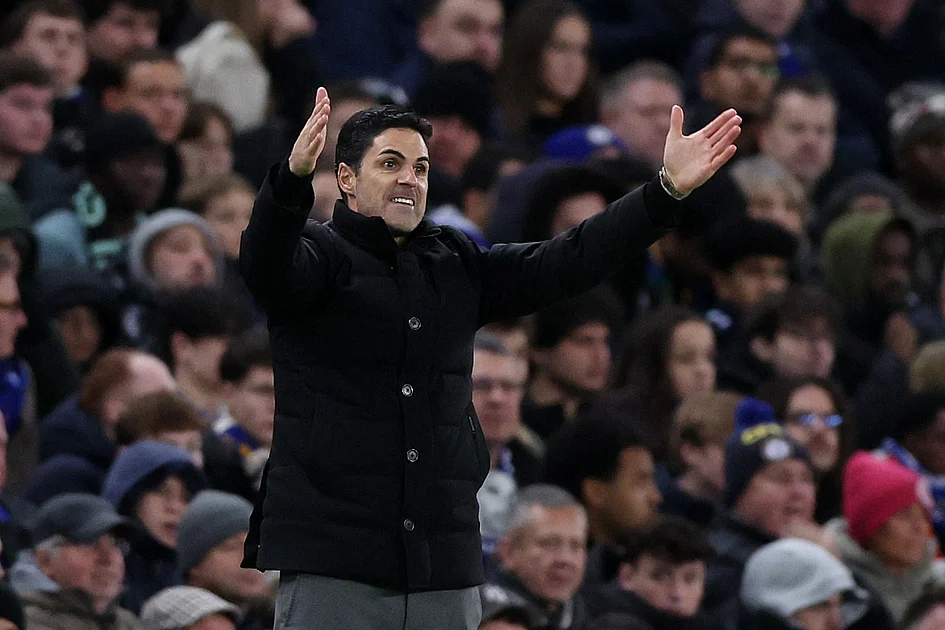
    Arsenal manager Mikel Arteta has issued a rallying cry to his squad, emphasizing the critical need to harness the painful lessons from last season’s League Cup collapse as they prepare for a high-stakes semi-final confrontation with London rivals Chelsea.

    The Premier League table-toppers suffered a devastating 4-0 aggregate defeat to Newcastle United in the 2024-25 semi-finals, a result that extended the club’s trophy drought to a fifth consecutive season. That crushing disappointment serves as the backdrop for this year’s campaign, which continues with a first-leg encounter at Stamford Bridge on Wednesday.

    Addressing journalists at his pre-match press conference on Tuesday, Arteta underscored the importance of converting experience into performance. “We’ve demonstrated strong consistency in this competition once again,” he stated. “Our objective is clear: we must overcome another elite opponent to reach the final. We must internalize the lessons from last year’s heartache—particularly the frustration of creating numerous opportunities yet failing to advance. This time, we aim to exhibit greater precision and clinical efficiency.”

    Reflecting on his tenure as Pep Guardiola’s assistant at Manchester City, where League Cup triumphs frequently catalyzed broader success, Arteta highlighted the psychological significance of securing silverware. When questioned whether ending Arsenal’s trophy drought—dating back to the 2020 FA Cup—would alleviate seasonal pressures, he offered a nuanced perspective: “Advancing to the final and achieving victory generates tremendous momentum, collective belief, and reinforces every individual’s contribution to the project. Football remembers champions—not runners-up. When you reach that stage, you must complete the mission.”

    This semi-final pits Arteta against newly appointed Chelsea manager Liam Rosenior, creating a fascinating subplot. The two managers previously faced one another as players in the 2014 FA Cup final, where Arteta captained Arsenal to a dramatic comeback victory over Rosenior’s Hull City. Arteta acknowledged the symmetry, noting: “I’ve encountered some nostalgic imagery from that day. It exemplifies football’s beautiful narrative—two distinctly different career pathways now intersecting on the touchline.”

    Meanwhile, defending champions Newcastle United are set to battle Manchester City in the other semi-final fixture, setting the stage for a potentially explosive finale at Wembley.
  • Pakistani expat arrested for harassing minor in Saudi Arabia

    Pakistani expat arrested for harassing minor in Saudi Arabia

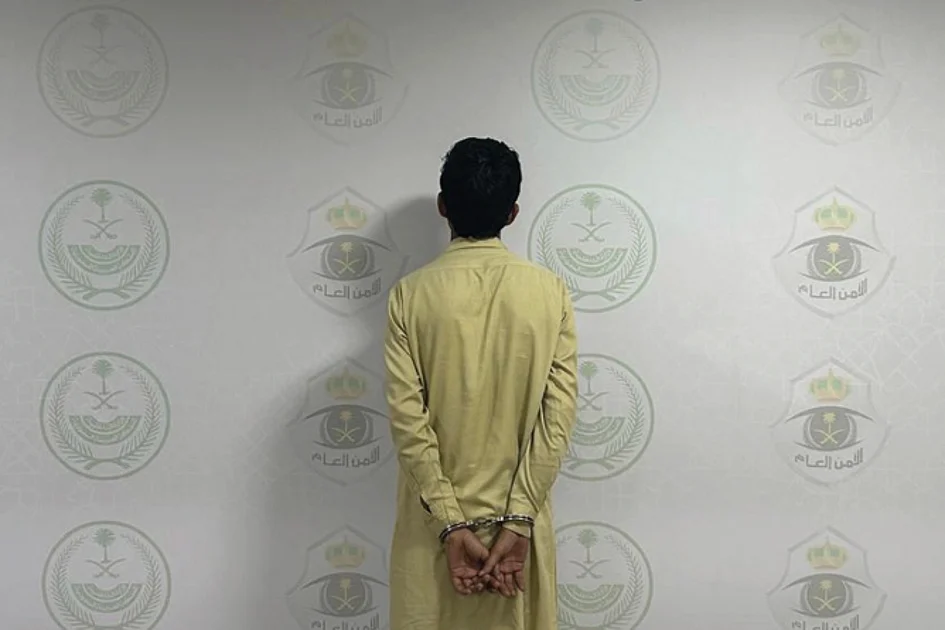
    Saudi Arabian authorities have apprehended a Pakistani expatriate on serious charges involving the harassment of a minor, marking another enforcement of the Kingdom’s stringent anti-harassment legislation. The arrest of Khursheed Muhammad Nazir was executed through a coordinated operation between Najran Region Police and the General Directorate of Community Security and Combating Human Trafficking.

    The Ministry of Interior confirmed that formal legal proceedings have been initiated against the suspect, who has been formally transferred to the Public Prosecution for further judicial processing. This case highlights Saudi Arabia’s rigorous application of its 2018 Anti-Harassment Law (Royal Decree No. M/96), which mandates severe punishments for such offenses.

    Under Saudi jurisprudence, standard harassment violations carry penalties of up to two years imprisonment and/or fines reaching 100,000 riyals. However, the legal framework imposes significantly heightened sanctions when the victim is a child, with potential sentences extending to five years incarceration and financial penalties up to 300,000 riyals.

    The enhanced penalty structure also applies under multiple aggravating circumstances, including cases involving repeat offenses, victims with special needs, perpetrators in positions of authority, incidents occurring in educational or workplace environments, same-sex harassment, crimes committed against unconscious victims, and offenses during times of crisis or disaster.

  • US designates Muslim Brotherhood branches in Egypt, Jordan and Lebanon as ‘terror’ groups

    US designates Muslim Brotherhood branches in Egypt, Jordan and Lebanon as ‘terror’ groups

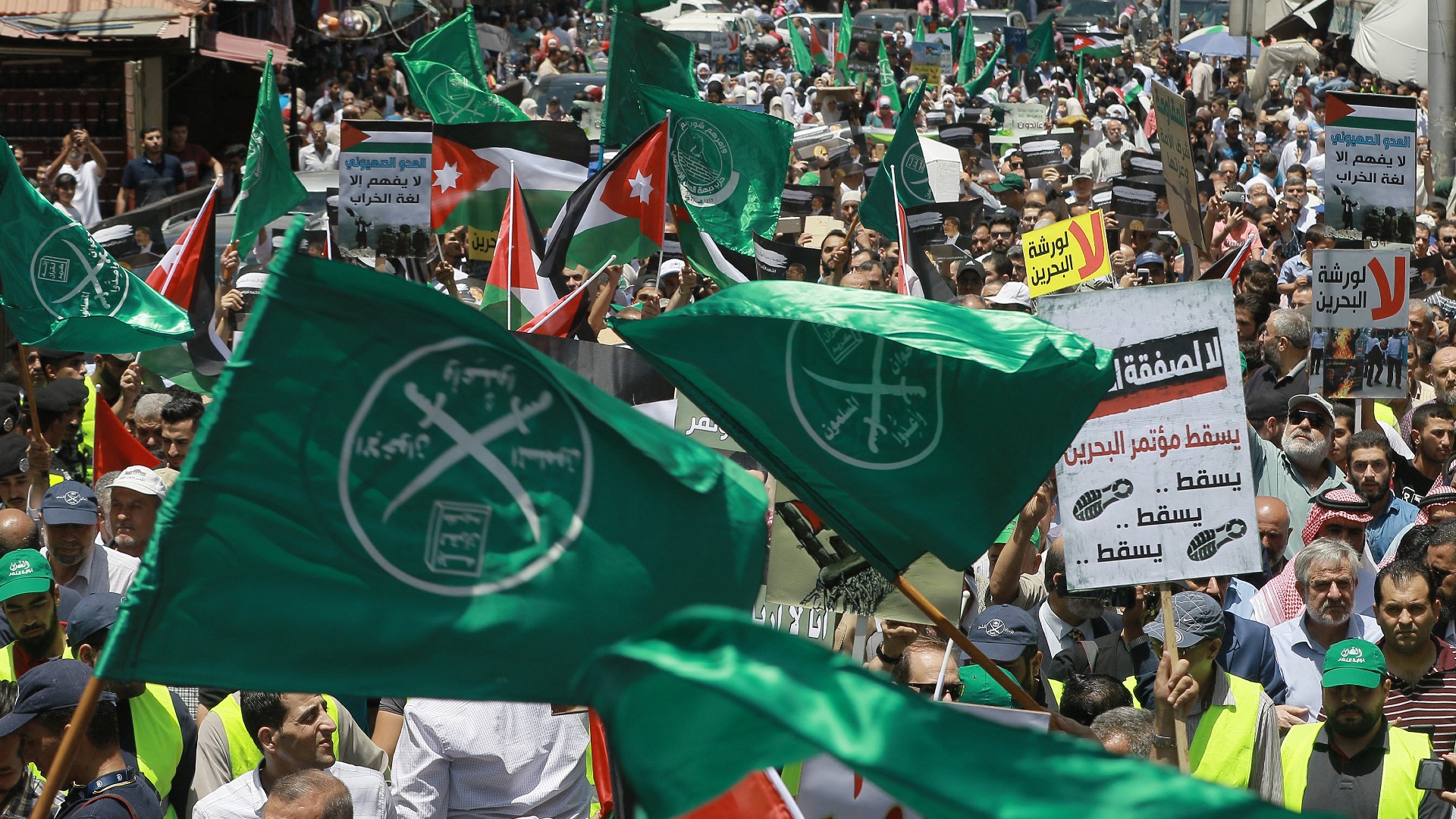
    In a significant foreign policy decision, the United States government has formally designated three Middle Eastern branches of the Muslim Brotherhood as terrorist organizations. The Tuesday announcement from both the Treasury and State Departments imposes severe sanctions on the Egyptian, Jordanian, and Lebanese chapters of the controversial Islamic movement.

    The State Department classified the Lebanese branch as a Foreign Terrorist Organization (FTO), the most stringent designation under U.S. law that criminalizes any material support to the group. Simultaneously, the Treasury Department listed the Jordanian and Egyptian branches as Specially Designated Global Terrorists, alleging their support for Hamas operations.

    Secretary of State Marco Rubio characterized the move as “the opening actions of an ongoing, sustained effort to thwart Muslim Brotherhood chapters’ violence and destabilisation wherever it occurs.” The administration pledged to “use all available tools” to disrupt the groups’ financial networks and resource access.

    This decision culminates years of advocacy from former President Donald Trump, who began pushing for the designation after meeting with Egyptian President Abdel Fattah el-Sisi in spring 2019. The move follows Trump’s executive order last year directing administration officials to develop appropriate sanctions against Brotherhood-affiliated organizations.

    The designations carry substantial legal consequences: providing material support to these groups becomes illegal, current and former members face entry bans to the United States, and comprehensive economic sanctions will target their revenue streams.

    The Muslim Brotherhood, founded in 1928 in opposition to British colonial rule, has consistently denied allegations of violence, maintaining its status as a political and social movement. The organization gained significant political influence following the 2011 Arab Spring uprisings, notably achieving power in Egypt through Mohamed Morsi’s democratic election in 2012 before his overthrow and subsequent death in custody.

    The U.S. decision has already created regional reverberations, reflecting the deep divisions among Middle Eastern governments regarding the Brotherhood. While Saudi Arabia, the UAE, and Bahrain have banned the organization, other regional powers maintain varying relationships with Brotherhood-affiliated groups. The designation exacerbates existing tensions between regional powers including Turkey, Qatar, Saudi Arabia, and the United Arab Emirates, for whom the Brotherhood remains a persistent point of contention.

  • Palestine Action trial: Jury retires to consider verdict in Elbit Systems case

    Palestine Action trial: Jury retires to consider verdict in Elbit Systems case

    A British jury has commenced deliberations in the contentious trial of six Palestine Action activists accused of orchestrating a raid on an Israeli-owned arms manufacturing facility. The defendants—Leona Kamio (30), Samuel Corner (23), Fatema Rajwani (21), Zoe Rogers (22), Jordan Devlin (31), and Charlotte Head (29)—face multiple charges including aggravated burglary, criminal damage, and violent disorder for their alleged roles in the 6 August 2024 incident at Elbit Systems’ plant near Bristol.

    During the proceedings at Woolwich Crown Court, Justice Johnson provided critical guidance to jurors, emphasizing that the prosecution’s case hinges on establishing ‘contingent or conditional intention’ regarding weapon use. While acknowledging the undisputed fact that defendants entered the facility armed with sledgehammers, the judge clarified that conviction requires proof of willingness to use these tools against security personnel if confronted.

    The trial revealed dramatic contradictions in testimony, particularly concerning security guard Angelo Volante’s account. Defense attorneys challenged Volante’s credibility, noting discrepancies in his statements about whether protesters’ sledgehammers made physical contact. CCTV evidence emerged as a pivotal point of contention, with defense counsel Mira Hammad characterizing missing footage from multiple security cameras as ‘suspicious’ and potentially exculpatory.

    Notably, PC Sarah Grant, the officer responsible for retrieving surveillance footage, testified that Elbit’s camera system operated with inconsistent frame rates as low as 17 seconds, describing the security infrastructure as ‘not fit for purpose.’ This technical deficiency has complicated the reconstruction of events, particularly regarding an alleged altercation in a factory alcove.

    The case has drawn significant attention due to the UK government’s July 2025 proscription of Palestine Action and the broader context of arms trade controversies. All defendants maintain their innocence, with Rogers’ attorney Audrey Mogan dismissing injury allegations as ‘a joke’ contrary to evidence of her client’s character and physical capabilities.

    The jury’s verdict, when delivered, will determine the legal consequences for the activists and potentially establish important precedents regarding protest rights, property damage, and conditional intent in British jurisprudence.

  • Claudette Colvin, US civil rights pioneer, dies at 86

    Claudette Colvin, US civil rights pioneer, dies at 86

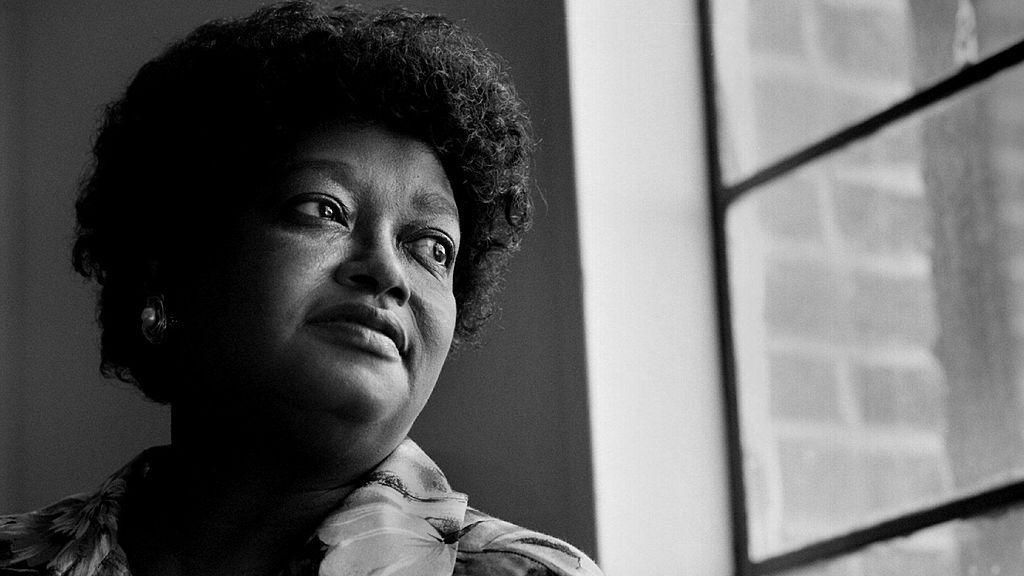
    Claudette Colvin, the trailblazing civil rights activist whose courageous refusal to relinquish her bus seat preceded the more famous Rosa Parks incident, has passed away at age 86. Her death was confirmed by the Claudette Colvin Legacy Foundation, which honored her “legacy of courage that helped change the course of American history.

    Nearly a decade before the widespread Montgomery bus boycotts, a 15-year-old Colvin was arrested in March 1955 for challenging Montgomery, Alabama’s segregation policies—becoming the first person arrested for such defiance. Her act of resistance occurred nine months before Rosa Parks’ similar protest, yet Colvin’s story remained largely unrecognized for decades until detailed accounts emerged in 2009.

    In a 2018 BBC interview, Colvin recalled her mindset during the historic confrontation: “I was not frightened, but disappointed and angry because I knew I was sitting in the right seat.” She described feeling spiritually supported by abolitionist heroes Harriet Tubman and Sojourner Truth, whose symbolic hands she felt pressing on her shoulders, preventing her from surrendering her seat.

    Colvin’s legal standing proved historically significant when she became one of four plaintiffs whose testimony led to the landmark 1956 Supreme Court ruling that declared bus segregation unconstitutional. Despite her pivotal role, historical recognition primarily favored Parks, who became the iconic face of the bus segregation protests.

    After her pioneering activism, Colvin relocated to New York where she built a career in nursing. According to her foundation, she spent her final years in Texas, where she passed away. Her story now receives renewed examination as historians reassess the full spectrum of contributors to the Civil Rights Movement.

  • Rio de Janeiro zoo animals are treated to popsicles as the city faces scorching summer weather

    Rio de Janeiro zoo animals are treated to popsicles as the city faces scorching summer weather

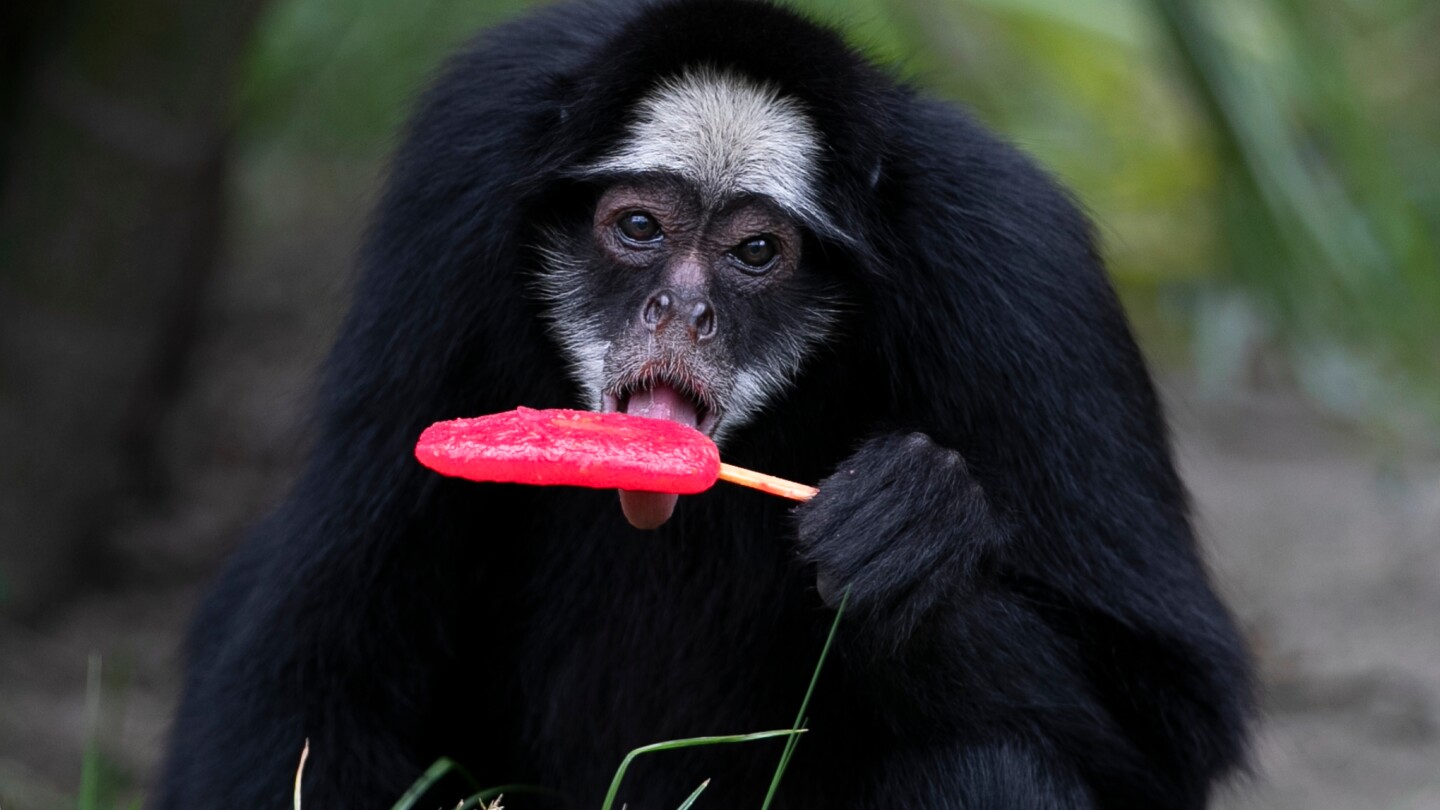
    As Rio de Janeiro grapples with an intense summer heatwave, the city’s BioParque zoo has implemented innovative cooling measures for its animal residents. Zoo keepers distributed specially formulated frozen treats to various species on Tuesday, tailoring the iced delicacies to each animal’s dietary requirements and preferences.

    Primates received refreshing watermelon popsicles, while jaguars were presented with frozen ground chicken treats floating in their water tanks. The zoo’s biological team designed these frozen offerings not merely as temporary refreshments but as strategic hydration tools. According to zoo biologist Letizia Feitoza, the floating chicken popsicles serve a dual purpose: “When she attempts to retrieve the frozen food, she inevitably consumes water simultaneously, significantly aiding her hydration levels.”

    This initiative represents part of the zoo’s comprehensive animal welfare protocol during extreme weather conditions. Similar measures were activated during previous summer seasons when southeastern Brazil experienced comparable temperature spikes. Despite temperatures exceeding 40°C (104°F) over the weekend—prompting city officials to issue a Level 3 heat alert—visitors continued to flock to the zoo, expressing appreciation for the innovative animal care approaches.

    Lorena Carvalho, an educator visiting the facility, observed: “The implementation of these cooling methods appears significantly beneficial. It undoubtedly enhances their comfort during such challenging weather conditions.” The zoo maintains that these thermal comfort strategies are integrated within standard animal care practices, ensuring species-specific needs are met during climate extremes.

  • Iran protests: Authorities to press capital crime charges for some ‘rioters’

    Iran protests: Authorities to press capital crime charges for some ‘rioters’

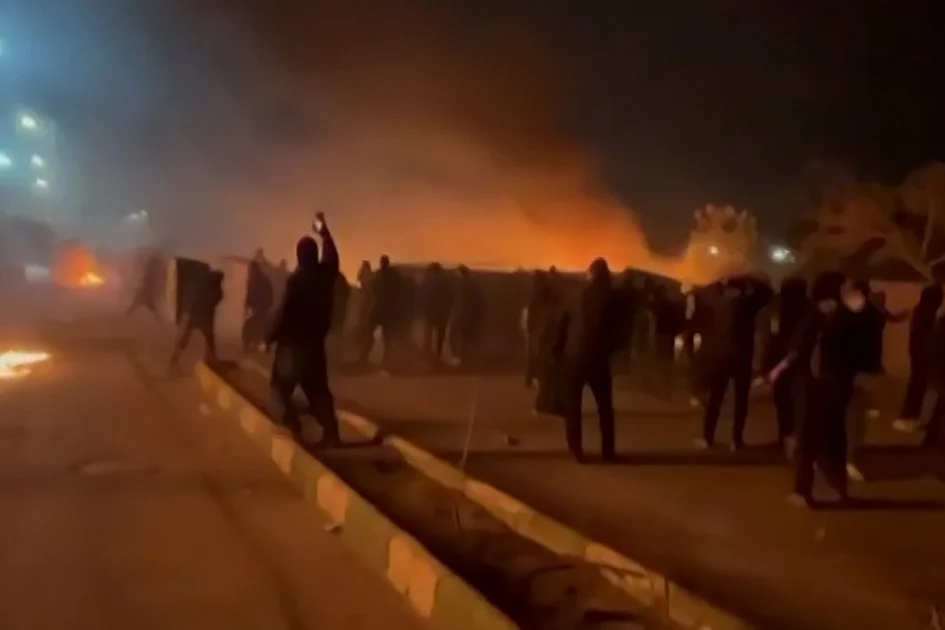
    Iranian prosecutors announced Tuesday they would pursue capital crime charges against demonstrators arrested during recent protests, signaling a potential escalation in the government’s crackdown on dissent. The Tehran prosecutor’s office stated an unspecified number of individuals would face charges of “moharebeh” (waging war against God), a sharia law violation carrying the death penalty.

    The development comes amid alarming execution statistics from human rights organizations. The Norway-based Iran Human Rights group reported at least 1,500 executions in Iran during the previous year, making the country the world’s second-most prolific executioner after China. During the 2022-2023 protest wave, twelve protesters were executed, with an additional twelve put to death on espionage charges related to Israel.

    United Nations High Commissioner for Human Rights Volker Turk expressed grave concern over judicial officials publicly discussing potential death penalties for protesters through expedited proceedings. Rights organizations fear the Islamic republic is conducting rapid trials without observing fair trial standards for detained demonstrators.

    The case of 26-year-old Erfan Soltani, arrested last week in Karaj, exemplifies these concerns. According to family sources, Soltani has already received a death sentence and could face execution as early as Wednesday, though state media hasn’t reported on the case and charges remain unclear.

    Iranian state media has emphasized that dozens of security force members died at the hands of “rioters,” while rights groups report hundreds of protester fatalities, with potentially higher numbers unconfirmed. The situation continues to draw international condemnation as Iran employs severe judicial measures against dissent.

  • US withdrawal from WHO makes country, world ‘unsafe’, says chief

    US withdrawal from WHO makes country, world ‘unsafe’, says chief

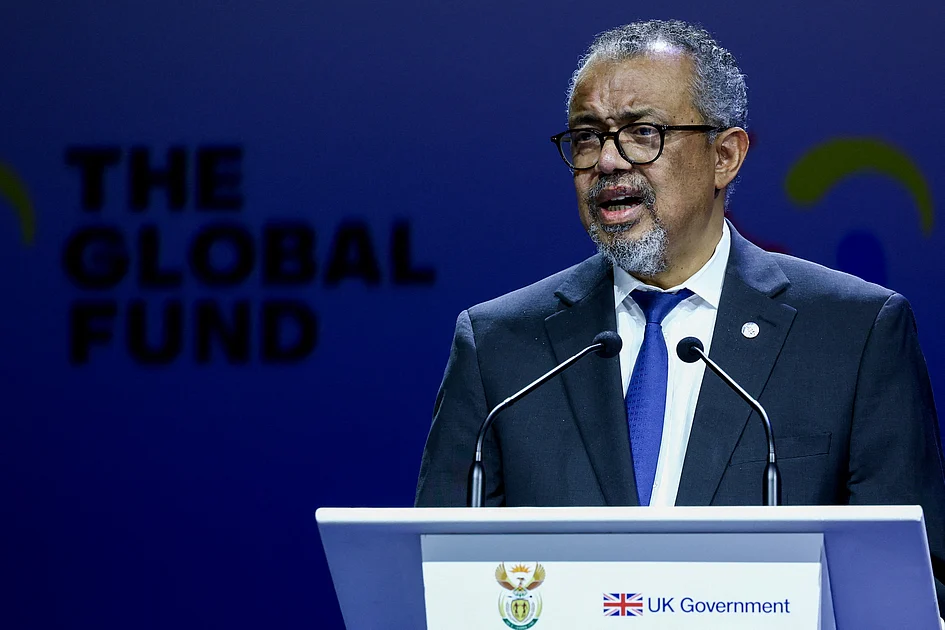
    The impending formal departure of the United States from the World Health Organization (WHO) has triggered grave concerns regarding international public health security. WHO Director-General Tedros Adhanom Ghebreyesus issued a stark warning on Tuesday, stating that the withdrawal, set to take effect next week, creates significant vulnerabilities for both American citizens and the global community.

    Tedros emphasized that the disengagement represents a substantial setback for global health cooperation, fundamentally undermining collective efforts to combat pandemics and other transnational health threats. He characterized the move as one that compromises safety and security on an international scale, creating a more precarious environment for all nations.

    The decision to withdraw, initiated by the Trump administration, concludes a prolonged period of strained relations between the U.S. and the UN health agency. This development occurs amid ongoing global health challenges that require unprecedented levels of international coordination and data sharing.

    Public health experts worldwide have expressed concern that the American withdrawal could fragment global health governance and weaken the WHO’s capacity to respond effectively to future health emergencies. The absence of U.S. funding and expertise is expected to create operational challenges for the organization while simultaneously isolating American scientists from critical global health networks and intelligence-sharing mechanisms.

  • ICE officers pull woman from car in Minneapolis as operation continues

    ICE officers pull woman from car in Minneapolis as operation continues

    A tense confrontation erupted on the streets of Minneapolis as federal immigration enforcement operations faced direct public resistance. U.S. Immigration and Customs Enforcement (ICE) officers were observed physically extracting a woman from a vehicle during what appears to be an ongoing enforcement action in the area.

    The incident quickly drew crowds of local protesters who actively confronted the federal agents, chanting demands for them to leave the community. Witnesses reported scenes of activists pursuing ICE vehicles while voicing strong opposition to the enforcement tactics. This clash represents the latest flashpoint in the ongoing national debate surrounding immigration enforcement methods and their community impact.

    Minneapolis has previously witnessed similar tensions between federal authorities and immigrant communities, creating an environment where such operations frequently trigger organized responses from advocacy groups. The operation appears to be part of broader ICE efforts that have continued despite varying administrative directives.

    Law enforcement analysts note these field operations typically target individuals with existing deportation orders or criminal histories, though specific details regarding this particular case remain undisclosed by authorities. Community organizations have mobilized legal support and rapid response networks in anticipation of continued enforcement actions.

  • UAE, the Philippines sign CEPA during Marcos visit; what this means for both nations

    UAE, the Philippines sign CEPA during Marcos visit; what this means for both nations

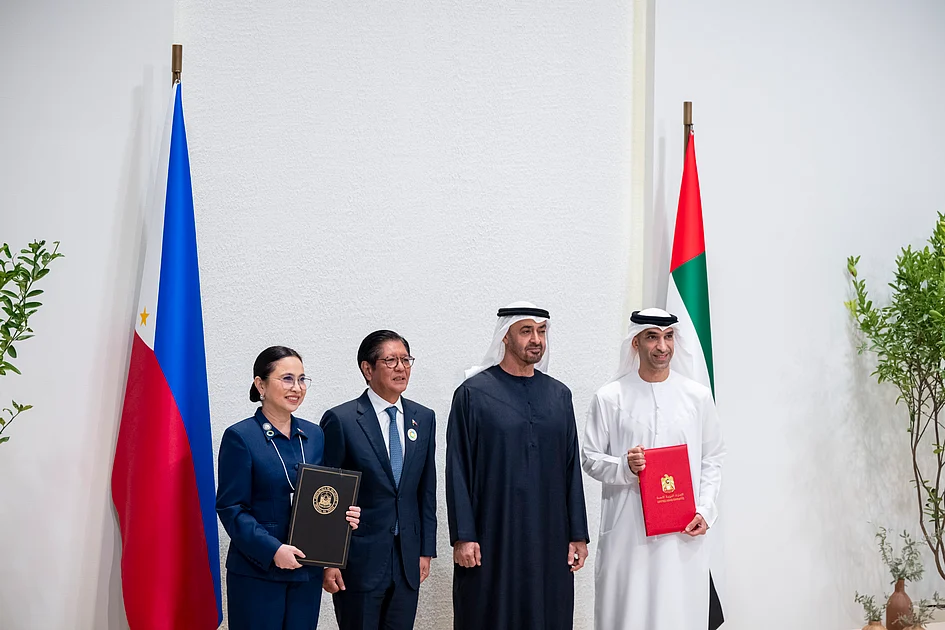
    In a significant diplomatic ceremony witnessed by UAE President Sheikh Mohamed bin Zayed Al Nahyan and Philippine President Ferdinand R. Marcos Jr., the two nations solidified a groundbreaking Comprehensive Economic Partnership Agreement (CEPA) in Abu Dhabi on January 13, 2026. This landmark trade deal marks President Marcos’ first international visit of the year and coincides with his participation in Abu Dhabi Sustainability Week.

    The newly ratified agreement establishes a comprehensive framework for enhanced economic collaboration, representing a strategic evolution in bilateral relations between the Gulf nation and the Southeast Asian archipelago. Sheikh Mohamed characterized the partnership as reflecting a shared vision to broaden cooperation that serves mutual interests, expressing confidence that the CEPA would significantly advance both countries’ development objectives.

    From the UAE perspective, this agreement constitutes a pivotal component of the nation’s ambitious foreign trade strategy targeting $1.1 trillion in non-oil foreign trade by 2031. Current trade metrics demonstrate robust growth, with bilateral non-oil trade reaching $940 million in 2024 and showing a remarkable 22.4% year-on-year increase during the first three quarters of 2025. Economic projections indicate the partnership could boost UAE GDP by approximately $2.4 billion by 2032.

    For the Philippines, this historic agreement represents their first free trade pact with a Middle Eastern nation, providing unprecedented market access to the region. The CEPA is designed to eliminate tariffs, reduce trade barriers, and stimulate investment flows across key sectors including electrical equipment, financial services, agriculture, and precious metals. The agreement additionally facilitates private-sector collaboration, strengthens supply chain resilience, promotes knowledge transfer, and empowers small and medium enterprises to expand globally.

    The UAE-Philippines CEPA joins 31 other agreements under the UAE’s comprehensive trade program, which has already contributed to record non-oil trade figures of $810 billion in 2024, marking a 14% annual increase. Fourteen of these agreements are currently operational, reflecting the UAE’s commitment to rules-based trade as a mechanism for economic diversification and global business expansion.