作者: admin

  • Russia expels British diplomat over allegations of spying

    Russia expels British diplomat over allegations of spying

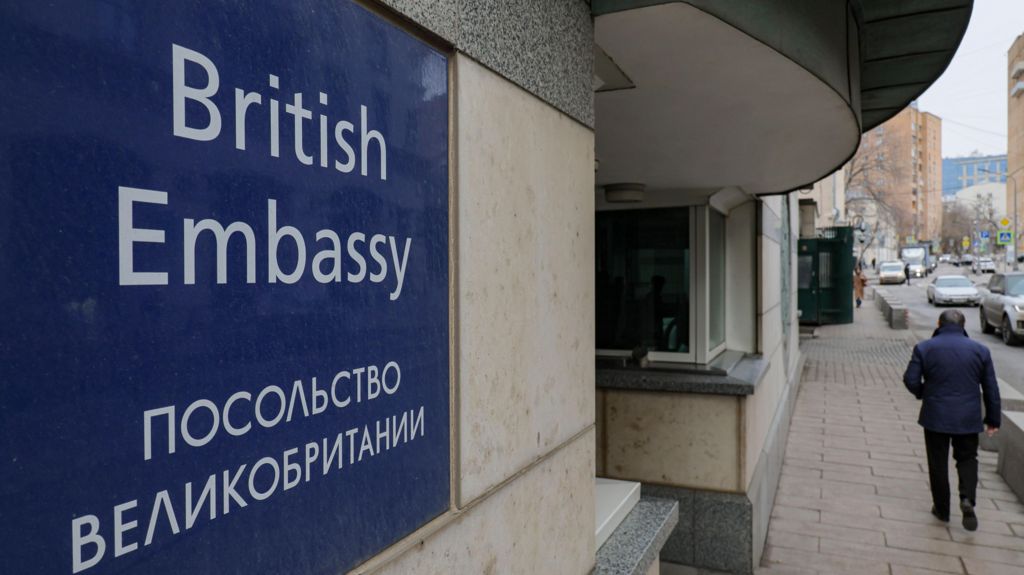
    Russia has declared a British diplomat persona non grata, ordering his immediate expulsion from the country on allegations of operating as an undeclared intelligence operative. The Russian Foreign Ministry announced Thursday that the unidentified individual had his diplomatic accreditation revoked and must depart Russian territory within two weeks.

    The escalating diplomatic confrontation prompted Moscow to summon Britain’s charge d’affaires, Danae Dholakia, to formally deliver the expulsion notice. Russian authorities issued a stern warning that they would not tolerate covert intelligence activities within their borders and threatened further retaliatory measures should London choose to escalate the situation.

    The British government has maintained official silence regarding the specific allegations, with the Foreign Office declining to comment when approached by media outlets. This incident marks the latest deterioration in Russo-British relations, which have been severely strained since Russia’s full-scale invasion of Ukraine in 2022.

    This diplomatic expulsion continues a pattern of reciprocal diplomatic removals between the two nations. In March 2023, Russia expelled two British officials over similar espionage allegations, which the UK Foreign Office denounced at the time as “malicious and baseless accusations.” Britain responded to that previous incident by revoking accreditation for a Russian diplomat and a diplomatic spouse, vowing to protect embassy staff from intimidation tactics.

    The ongoing tit-for-tat diplomatic warfare reflects the profoundly damaged relationship between Moscow and London, with intelligence operations becoming increasingly central to their confrontational dynamic. This latest expulsion further reduces diplomatic presence between the two nations and suggests intelligence networks are actively being disrupted on both sides.


  • Plan aims to clear real estate backlog

    Plan aims to clear real estate backlog

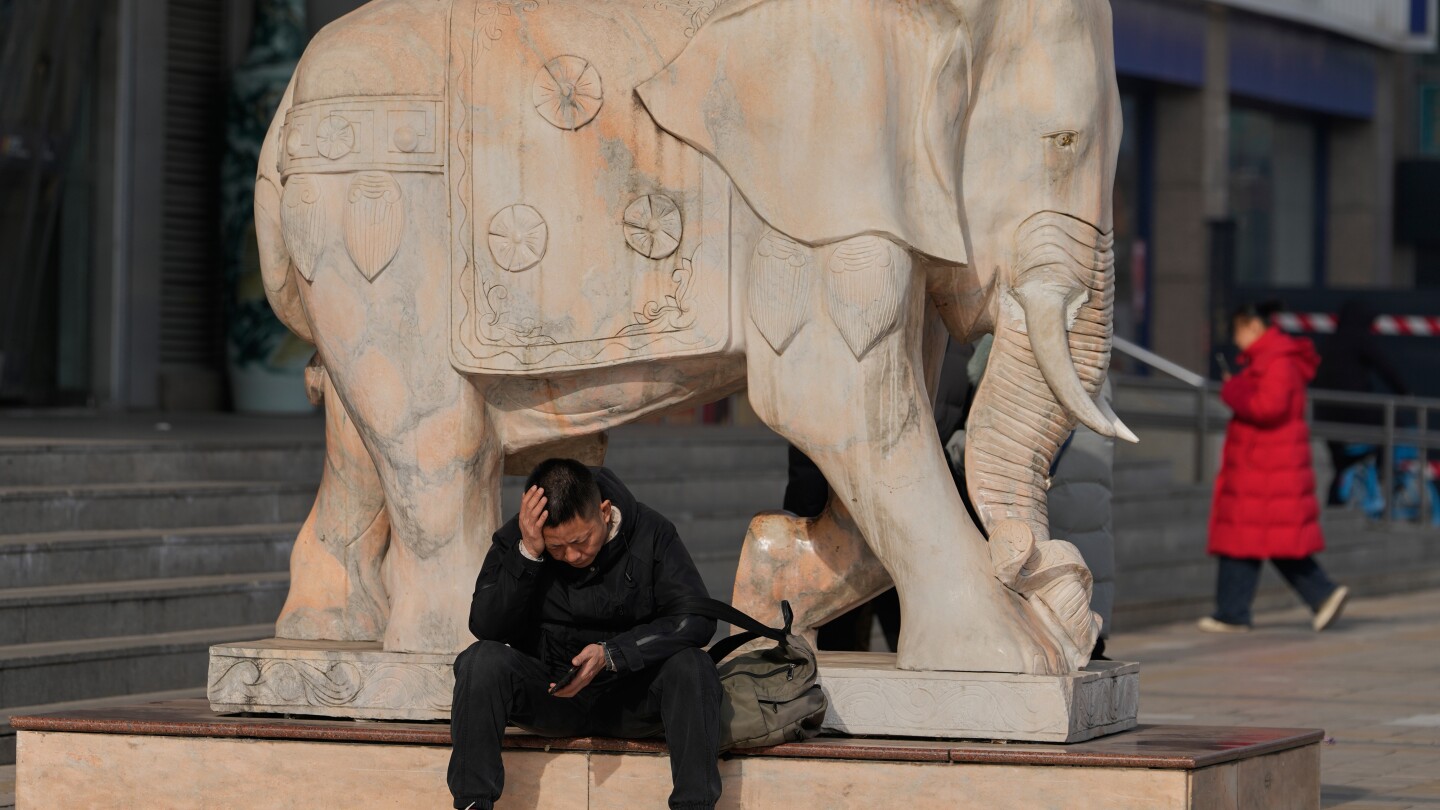
    Chinese authorities are implementing a multi-faceted national strategy to address the country’s substantial housing inventory surplus, combining targeted municipal policies with broader market interventions. The initiative comes as data reveals a critical imbalance, with the average inventory clearance period across 100 major cities reaching 27.4 months in November—nearly double the 14-month threshold considered healthy for a balanced market.

    The approach features distinct regional variations, with first-tier cities averaging 17.1 months of inventory, second-tier cities at 22.6 months, and third- and fourth-tier markets facing a daunting 40.3-month backlog. Housing Minister Ni Hong emphasized the implementation of city-specific measures to manage new supply while reducing existing stock, particularly through the conversion of commercial properties into affordable housing.

    A cornerstone of the strategy involves the innovative use of a 300-billion-yuan ($42.96 billion) relending facility established by the People’s Bank of China to support affordable housing conversions. This financial mechanism, potentially expanded through local government bond allocations, enables the purchase of existing commercial properties for transformation into subsidized housing.

    Concurrently, local governments are deploying creative mechanisms including housing “trade-in” programs and voucher systems for urban redevelopment projects. These initiatives facilitate residents’ transition from older properties to new developments while simultaneously reducing inventory overhang.

    Market analysts highlight the potential for further policy relaxation in core metropolitan areas. Wang Qing, chief macroeconomic analyst at Golden Credit Rating International, suggested that additional easing of purchase restrictions in Beijing, Shanghai, and Shenzhen could generate significant positive ripple effects across smaller markets.

    The long-term vision extends beyond inventory reduction to quality transformation. Minister Ni advocated for constructing “quality homes” with superior design, materials, and maintenance standards, while simultaneously upgrading existing housing stock. Market trends already indicate shifting preferences, with units exceeding 120 square meters comprising 30% of new supply in key cities.

    Experts emphasize that stabilizing the property market is crucial for mitigating negative wealth effects on household consumption. Morgan Stanley’s chief China economist Robin Xing noted that restoring confidence in this key asset class would be instrumental in unlocking broader economic spending power.

  • Ailing astronaut returns to Earth early in NASA’s first medical evacuation

    Ailing astronaut returns to Earth early in NASA’s first medical evacuation

    CAPE CANAVERAL, Fla. — NASA executed its inaugural medical evacuation from the International Space Station on Thursday, returning four astronauts to Earth over a month ahead of schedule. The SpaceX Crew Dragon capsule completed a precision splashdown in the Pacific Ocean near San Diego during nighttime hours, concluding an 11-hour journey from the orbiting laboratory.

    NASA astronauts Zena Cardman and Mike Fincke, alongside Japan’s Kimiya Yui and Russia’s Oleg Platonov, safely returned to Earth following the unprecedented medical decision. While officials maintained medical privacy regarding the affected crew member’s identity and condition, they confirmed the astronaut remained stable throughout the mission but required Earth-based medical evaluation and care.

    The early return created an unusual staffing situation aboard the ISS, leaving just one American and two Russian astronauts to maintain operations. NASA and SpaceX announced accelerated plans for the next crew launch, currently targeted for mid-February, which will include two Americans, one French, and one Russian astronaut.

    Notably, NASA emphasized this did not constitute an emergency situation despite being the agency’s first medical-related mission truncation. The health concern emerged on January 7, prompting cancellation of a scheduled spacewalk and ultimately leading to the decision for early return. Historical precedent exists with Russia having conducted similar medical evacuations decades earlier.

    The reduced three-person crew will maintain essential station operations but cannot perform spacewalks, even for emergency repairs, until the arrival of the replacement crew. Recovery operations proceeded normally with standard medical support available, though transfer timelines to the astronauts’ home bases in Houston and Moscow remained undetermined immediately after splashdown.

  • Singapore’s leader of opposition stripped of title after lying conviction

    Singapore’s leader of opposition stripped of title after lying conviction

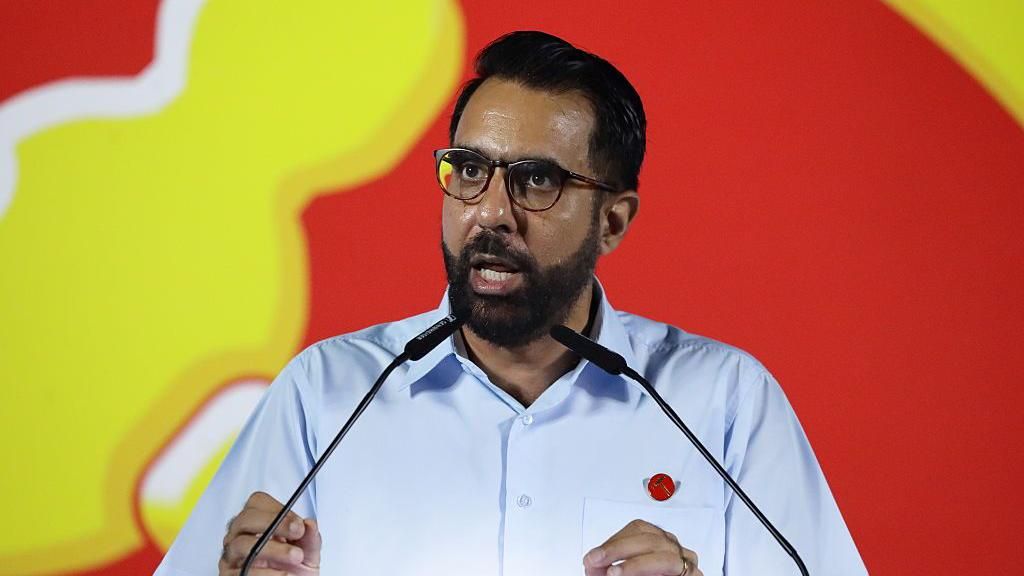
    In an unprecedented political development, Singapore’s parliament has formally removed Pritam Singh from his position as Leader of the Opposition following his criminal conviction for providing false testimony under oath. The decisive parliamentary vote occurred on Wednesday, with the ruling People’s Action Party (PAP) using its substantial majority to pass the motion.

    The resolution stemmed from Singh’s conviction last February for lying to a parliamentary committee investigating a separate case involving former Workers’ Party (WP) lawmaker Raeesah Khan. Despite maintaining his innocence throughout the judicial process and an unsuccessful appeal in December, Singh was found to have committed perjury during committee hearings.

    While Singh retains his parliamentary seat and position as secretary-general of the Workers’ Party, he will forfeit significant privileges including additional financial allowances and priority speaking rights during legislative debates. The opposition leader defended himself during the three-hour debate, stating his “conscience remains clear” and rejecting characterizations of his behavior as “dishonourable and unbecoming.”

    Prime Minister Lawrence Wong declared on Thursday that Singh’s continued tenure as Opposition Leader had become “no longer tenable” given the circumstances. All eleven present WP members voted against the motion, highlighting the partisan divide within the legislature.

    The controversy originated in 2021 when then-WP lawmaker Raeesah Khan fabricated an account of police misconduct toward a sexual assault victim. During subsequent investigations, evidence emerged suggesting Singh had instructed Khan to maintain the false narrative. Khan has since resigned from politics and received fines for her misconduct.

    This case represents one of the rare criminal convictions against a sitting opposition politician in Singapore’s history and has reignited debates about judicial independence in the city-state. Critics have previously alleged that Singapore’s government weaponizes legal mechanisms against political opponents—accusations that authorities consistently deny.

  • Russia expels British diplomat from Moscow embassy over spying claims

    Russia expels British diplomat from Moscow embassy over spying claims

    In a significant diplomatic escalation, Russian authorities have declared a British embassy official persona non grata, ordering their expulsion from the country within a two-week timeframe. The Federal Security Service (FSB) asserted that the individual had been operating as an undeclared intelligence operative for the United Kingdom, though no substantiating evidence was presented to support these claims.

    Russia’s Foreign Ministry formally summoned the UK’s charge d’affaires in Moscow, Danae Dholakia, to deliver the expulsion notice. In an official statement, the Ministry delivered a stern warning: ‘Moscow will not tolerate the covert activities of British intelligence officers on Russian soil.’ The statement further indicated that any retaliatory measures from London would be met with a ‘symmetrical response.’

    This incident marks the latest chapter in the rapidly deteriorating relationship between Russia and Western nations. The diplomatic climate has reached its most frigid state since the Cold War era, largely triggered by Russia’s full-scale invasion of Ukraine in February 2022. This pattern of mutual diplomatic expulsions has become increasingly commonplace. Notably, in March 2025, Moscow ousted two British diplomats based on similar espionage allegations, which the UK government at the time dismissed as ‘completely unfounded and deliberately malicious.’

    As of Thursday, the British government had not issued an official response to the latest expulsion, leaving the diplomatic community awaiting London’s next move in this ongoing confrontation.

  • US and Taiwan sign $250B trade deal, cutting tariffs on Taiwanese goods

    US and Taiwan sign $250B trade deal, cutting tariffs on Taiwanese goods

    In a landmark economic agreement reached Thursday, the United States and Taiwan have established a comprehensive trade partnership centered on massive technology investments and reduced tariffs. The deal secures $250 billion in Taiwanese commitments to advance U.S. semiconductor manufacturing and artificial intelligence infrastructure while lowering tariff rates on Taiwanese goods to 15%—aligning with rates applied to other Asia-Pacific partners like Japan and South Korea.

    The arrangement, negotiated under the Trump administration’s broader trade rebalancing initiative, represents a strategic economic alignment between the two nations. The U.S. Department of Commerce characterized the agreement as ‘historic,’ emphasizing its potential to catalyze a ‘massive reshoring of America’s semiconductor sector’ through the development of world-class industrial parks.

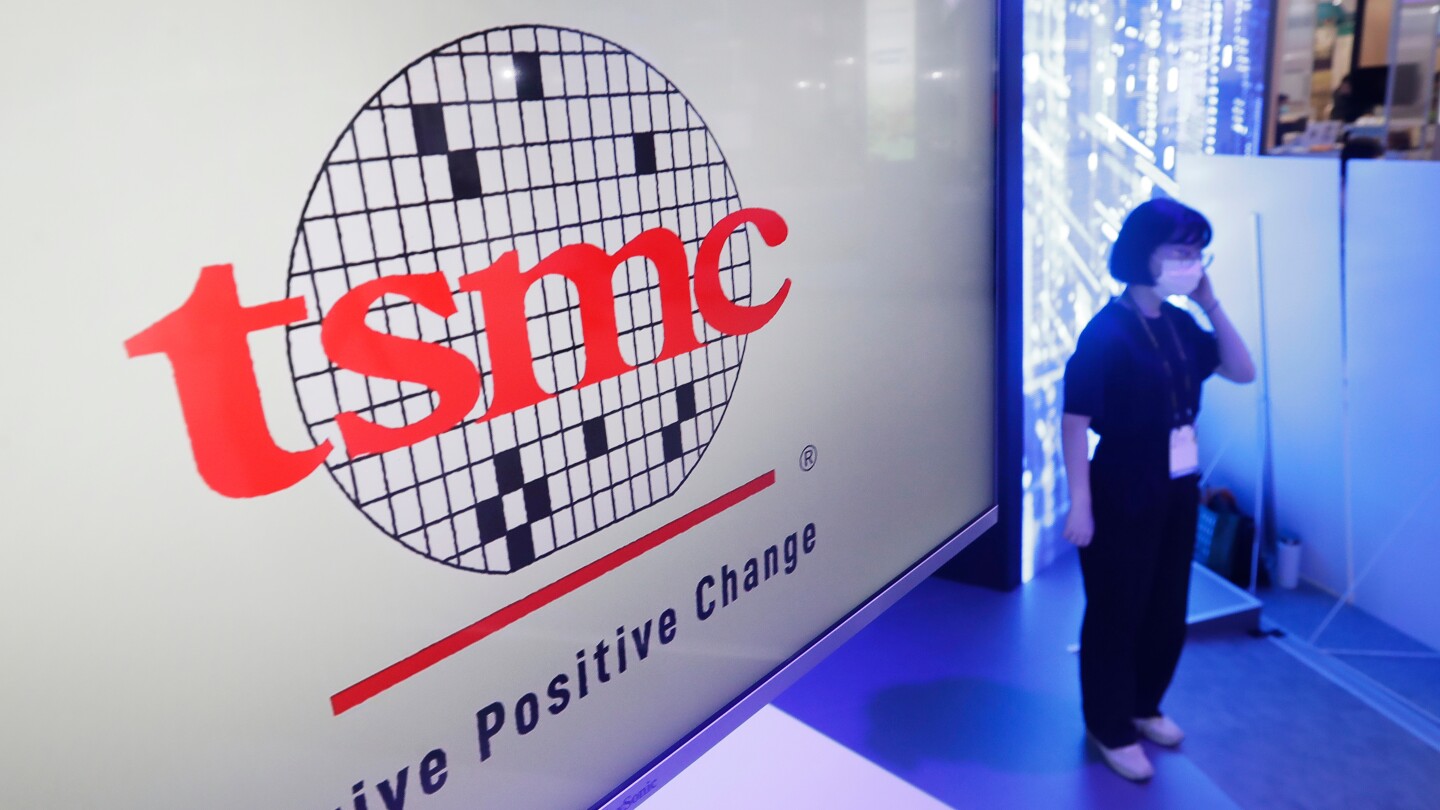
    Taiwanese semiconductor giant TSMC stands at the forefront of this investment surge, announcing parallel plans to increase capital expenditures by nearly 40% this year following a stellar quarterly performance. The chipmaker reported a 35% year-over-year profit increase to $16 billion, with revenue climbing to $33 billion in the October-December period.

    While Beijing immediately criticized the agreement as ‘economic plunder,’ Taiwanese officials framed the ‘Taiwan model’ as a vehicle for enhancing global competitiveness and deepening strategic cooperation with the United States. The deal includes targeted exemptions for specific Taiwanese imports such as generic pharmaceuticals and aircraft components, alongside favorable treatment for semiconductor producers investing stateside.

    TSMC’s ambitious expansion strategy includes accelerating construction of its Arizona fabrication plants, with total U.S. investments approaching $165 billion. Company leadership expressed confidence in sustained AI-driven demand despite market concerns about potential technology bubbles, noting that AI adoption ‘is starting to grow into our daily life.’

    Market analysts reinforce TSMC’s dominant position, highlighting its unparalleled pricing power and robust customer backlog that insulates against short-term demand fluctuations. With a market capitalization of $1.4 trillion, TSMC now ranks as Asia’s most valuable listed company—a testament to its critical role in the global technology ecosystem.

  • Aimed at the growing number of young Chinese who live alone, a new app asks: ‘Are you dead?’

    Aimed at the growing number of young Chinese who live alone, a new app asks: ‘Are you dead?’

    A provocative digital innovation has emerged from China’s tech landscape, capturing the attention of solitary urban dwellers worldwide. The application, bluntly titled ‘Are You Dead?’, represents a stark technological response to modern isolation, enabling users to transmit instantaneous proof of life to designated contacts through a single interface interaction.

    Developed by three twenty-something entrepreneurs, the platform operates on a minimalist premise: users activate an oversized green circle on their smartphone displays, automatically notifying selected individuals of their wellbeing. This digital lifeline comes at a nominal cost of 8 yuan (approximately $1.10), offering peace of mind through technological simplicity.

    The application’s meteoric rise saw it become the most downloaded paid application on China’s Apple App Store recently, with significant adoption rates emerging across diverse international markets including Singapore, Netherlands, Britain, India, and the United States. This global resonance underscores the universal nature of contemporary solitude concerns that transcend cultural boundaries.

    Co-developer Ian Lü, 29, drew inspiration from his five-year experience living alone in Shenzhen. ‘Every country has young people who move to big cities to chase their dreams,’ Lü remarked, highlighting the particular appeal for introverted individuals who find daily check-in messages impractical yet desire connection.

    Demographic shifts in China have created fertile ground for such innovations. Recent statistics from the National Bureau of Statistics reveal over 100 million single-person households nationwide, reflecting dramatic social transformation driven by urbanization and economic migration that has dispersed traditional multi-generational living arrangements.

    User testimonials reveal complex relationships with the application. Kunming resident Chen Xingyu, 32, expressed both curiosity and data security concerns, particularly regarding female users’ vulnerability. Shanghai designer Yuan Sangsang, 38, articulated more existential motivations: ‘I just don’t want to die with no dignity, like the body gets rotten and smelly before it is found.’

    Despite its morbid nomenclature—a deliberate challenge to cultural taboos surrounding mortality discourse—the application has sparked meaningful dialogue about contemporary existence. Chinese media commentary interprets its popularity as ‘a darkly humorous social metaphor’ that addresses young people’s need for recognition and understanding beyond mere functionality.

    In a surprising development, the developers recently announced plans to rebrand the application following public feedback, initially selecting the ambiguous ‘Demumu’ before launching a public naming competition with a 666 yuan prize. This evolution demonstrates the creators’ responsiveness to cultural sensitivities while maintaining their mission to serve globally dispersed solitary individuals.

  • A new era for Canada-China relations? Prime Minister Carney’s visit signals change

    A new era for Canada-China relations? Prime Minister Carney’s visit signals change

    BEIJING — Canadian Prime Minister Mark Carney’s inaugural official visit to China marks a significant diplomatic thaw, signaling a potential renaissance in bilateral relations after an eight-year hiatus in high-level exchanges. The three-day engagement, characterized by substantive dialogues with Chinese leadership, represents a strategic pivot toward reconciliation following years of strained ties.

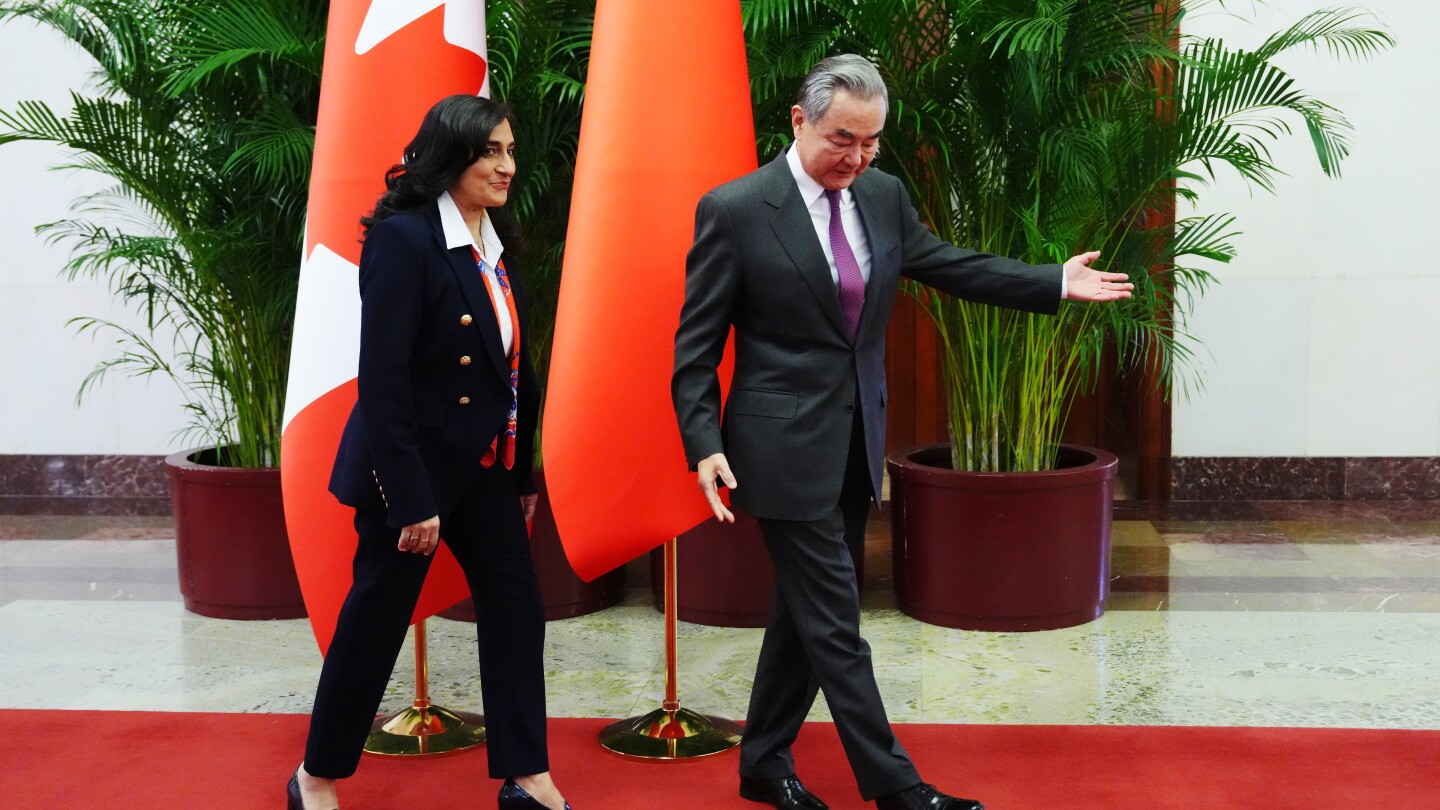
    During Thursday’s ministerial meeting, Chinese Foreign Minister Wang Yi characterized Carney’s visit as a “turning point” that could unlock new cooperative dimensions between the nations. The Canadian delegation, led by Foreign Minister Anita Anand, conveyed Ottawa’s commitment to charting a renewed trajectory for bilateral engagement across multiple sectors.

    The diplomatic reset comes against the backdrop of prolonged tensions stemming from multiple friction points. The 2018 detention of Huawei Technologies CFO Meng Wanzhou by Canadian authorities at America’s request triggered a bitter diplomatic standoff, prompting China to arrest two Canadian citizens on espionage allegations. More recently, trade tensions escalated when Canada imposed 100% tariffs on Chinese electric vehicles and 25% duties on steel and aluminum products, mirroring U.S. trade policies. Beijing retaliated with punitive tariffs targeting Canadian agricultural exports, effectively closing China’s market to Canadian canola products.

    Prime Minister Carney’s diplomatic offensive carries added urgency due to shifting global trade dynamics. With over 75% of Canadian exports currently destined for the American market, the administration seeks to diversify trade partnerships amid concerns about U.S. protectionism under the Trump administration. Carney has articulated an ambitious goal of doubling non-U.S. exports within the next decade.

    The Chinese government perceives current global trade tensions as an opportunity to encourage American allies toward greater foreign policy independence. Beijing has consistently criticized what it characterizes as U.S.-led efforts to contain China’s rise through collective pressure campaigns.

    Carney’s agenda includes high-level meetings with Premier Li Qiang and President Xi Jinping, with discussions expected to address trade normalization, security concerns, and potential cooperation in emerging technology sectors. The Canadian leader emphasized his commitment to building “a new partnership that builds on the best of our past” in social media statements following his arrival.

  • AI cracks the code for faster, better crops

    AI cracks the code for faster, better crops

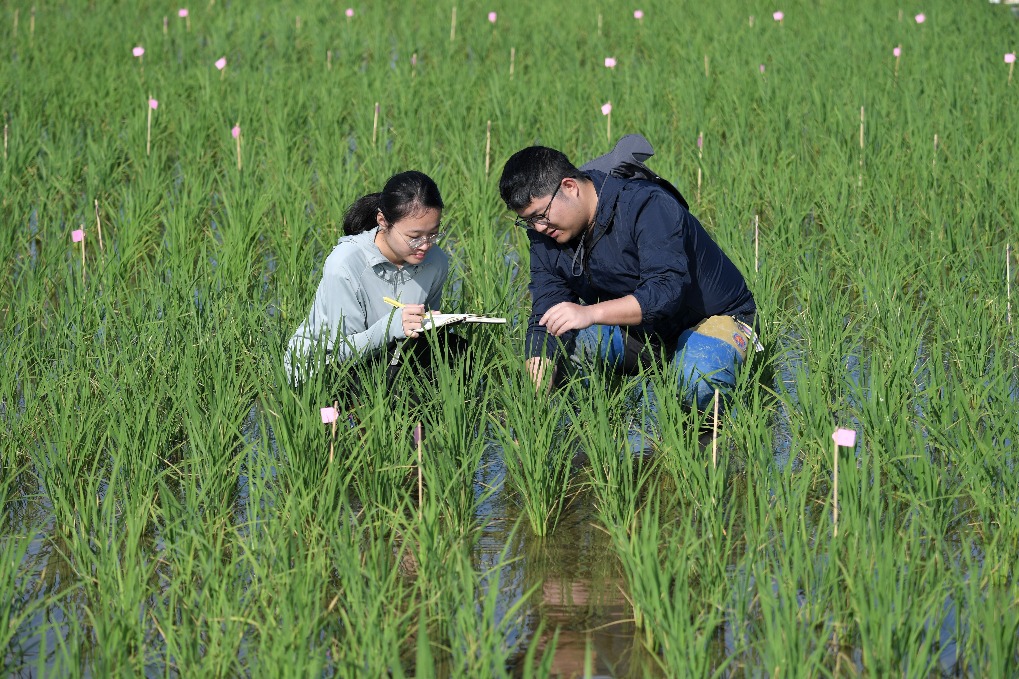
    At the Yazhou Bay Science and Technology City in Sanya, Hainan province, agricultural innovation is undergoing a radical transformation. The Future Agriculture Nexus (Fan) project, a collaborative endeavor between Yazhou Bay National Laboratory and Huawei Technologies Co., is leveraging artificial intelligence to redefine traditional crop breeding methodologies.

    This groundbreaking initiative represents a paradigm shift from conventional breeding practices that typically required approximately ten years of development. Through advanced computer algorithms and data analytics, the project aims to condense this timeline to just three to four years while simultaneously enhancing crop resilience and yield potential.

    The strategic importance of this technological advancement aligns with China’s national food security objectives, where agricultural self-sufficiency has become increasingly crucial. During his 2022 inspection of the Yazhou Bay facility, President Xi Jinping emphasized the critical need for technological independence in the seed sector, comparing seeds to the ‘chips’ of global agriculture.

    Yuan Xiaohui, a senior scientist at the laboratory, highlighted the project’s mission to develop strategic crop varieties that address practical agricultural demands. However, the implementation faces significant challenges, particularly regarding data integration. ‘While AI demonstrates tremendous potential for agricultural science,’ Yuan noted, ‘data accessibility remains the primary constraint limiting its practical application.’

    Chen Fan, deputy director of the laboratory, explained the fundamental transition occurring within the field: ‘Traditional breeding has historically depended on experiential knowledge. The shift toward precision agriculture necessitates comprehensive analysis of correlations between extensive datasets concerning crop characteristics and genetic information.’

    The project represents a significant step toward establishing a comprehensive system capable of aggregating global field and laboratory data while providing sophisticated analytical capabilities. This development comes at a critical juncture for global food security, particularly as climate variability presents increasing challenges to agricultural production worldwide.

  • ‘Hunted’ official slid deeper into corruption

    ‘Hunted’ official slid deeper into corruption

    A recently aired documentary has revealed the systematic corruption network surrounding Jiang Chaoliang, former Communist Party secretary of Hubei province, detailing his transformation from a “hunted” target to an active participant in power-for-money exchanges. The investigation exposes how Jiang consistently abused his authority to benefit his family members and business associates over decades.

    Jiang, who previously served as chairman of Agricultural Bank of China and governor of Jilin province before his investigation in February 2025, confessed in the documentary: “From the beginning, I had ambiguous relationships with those businessmen. Gradually, I became willing to be corrupted—to be ‘hunted’—and even took the initiative to throw myself into their arms.”

    The corruption scheme began as early as the 1990s when businessman Li Yuanguang initiated a long-term “cultivation” strategy. Li strategically targeted Jiang’s entire family, providing annual financial gifts to Jiang’s mother and managing education, investments, and healthcare for family members. This created a dependency that lasted over a decade before Li began requesting favors in return.

    During Jiang’s tenure as Agricultural Bank of China chairman, Li secured a lucrative ATM procurement contract. The businessman further entangled Jiang’s brothers as “shareholders” in his company while continuously seeking project approvals and loans through their influence.

    The documentary reveals how Jiang’s brothers became central figures in the corruption network, acting as intermediaries for businessmen seeking favors. When Jiang assumed leadership of Hubei province in 2016, the brothers capitalized on their connection, with one securing major projects in Xiaogan city through Jiang’s influence and reselling them for substantial profits.

    The case also implicates Pan Qisheng, former Party secretary of Xiaogan, who curried favor with Jiang through his brother to accelerate his political career. Pan received two promotions within a single year and subsequently awarded major projects to Jiang’s brother upon taking office. Pan was expelled from the Party and dismissed from office in January 2021.

    Businessmen employed various methods to secure Jiang’s influence, including direct financial benefits, large investment funds disguised as joint ventures, original shares, and reduced project cooperation fees. Jiang described the arrangement as “a project-based model—no trivial exchanges, just power-for-money deals through my brothers.”

    In October 2025, Jiang was expelled from the Party and dismissed from office, with his criminal case transferred to procuratorial organs. His accomplices and bribe-givers faced legal consequences. Expressing remorse, Jiang acknowledged: “I abused the power entrusted to me by the people for personal and family gain.”

    The Central Commission for Discipline Inspection and National Commission of Supervision emphasized that such “hunting” of officials severely pollutes the political ecosystem and erodes social conduct, warning that without eliminating this corruption source, the cycle would continue indefinitely.