作者: admin

  • Intel-sharing aids HK’s drug trafficking crackdown

    Intel-sharing aids HK’s drug trafficking crackdown

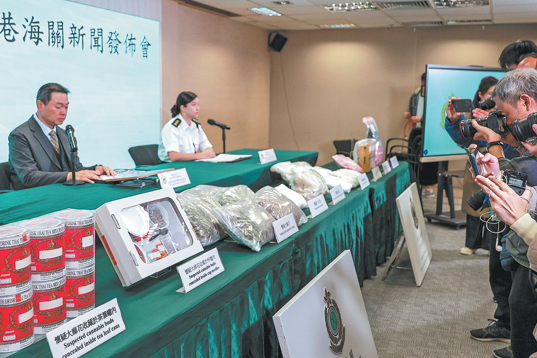
    Hong Kong authorities have announced a major breakthrough in combating international drug trafficking through expanded cross-border intelligence sharing. From October to December, a sophisticated collaboration network spanning 17 jurisdictions enabled the seizure of 1.4 metric tons of suspected narcotics with an estimated street value of HK$431 million (approximately $55.3 million).

    The operation, detailed at a Wednesday media conference at Hong Kong International Airport, resulted in 183 identified drug-smuggling cases involving aviation transportation and led to the apprehension of 62 suspects across multiple jurisdictions. The arrested individuals, ranging from 19 to 77 years old, included a significant number of foreign nationals residing outside both Hong Kong and mainland China.

    This successful crackdown followed the strategic expansion of Hong Kong Customs’ intelligence-sharing network to include law enforcement agencies from 16 partner jurisdictions, including mainland China, Macao, Germany, and Thailand. The enhanced collaboration framework facilitates joint intelligence analyses and comprehensive risk assessments.

    Wong Ngar-lun, Head of Airport Investigations for Hong Kong Customs, emphasized the effectiveness of prompt intelligence exchanges in disrupting drug-trafficking syndicates. Noting that approximately 70% of the city’s total drug seizures in 2025 were intercepted at the airport, Wong highlighted the aviation pipeline’s continued appeal to smugglers and pledged ongoing “multipronged, multilayered” enforcement strategies.

    Authorities also announced intensified security measures for transit passengers and cargo, aiming to systematically dismantle Hong Kong’s exploitation as a global transshipment hub for narcotics. The recent operation identified 18 transit-related cases demonstrating this concerning trend.

    Under Hong Kong’s Dangerous Drugs Ordinance, convicted drug traffickers face severe penalties including maximum sentences of life imprisonment and fines up to HK$5 million.
  • DPP slammed for fueling ‘infiltration’ lies

    DPP slammed for fueling ‘infiltration’ lies

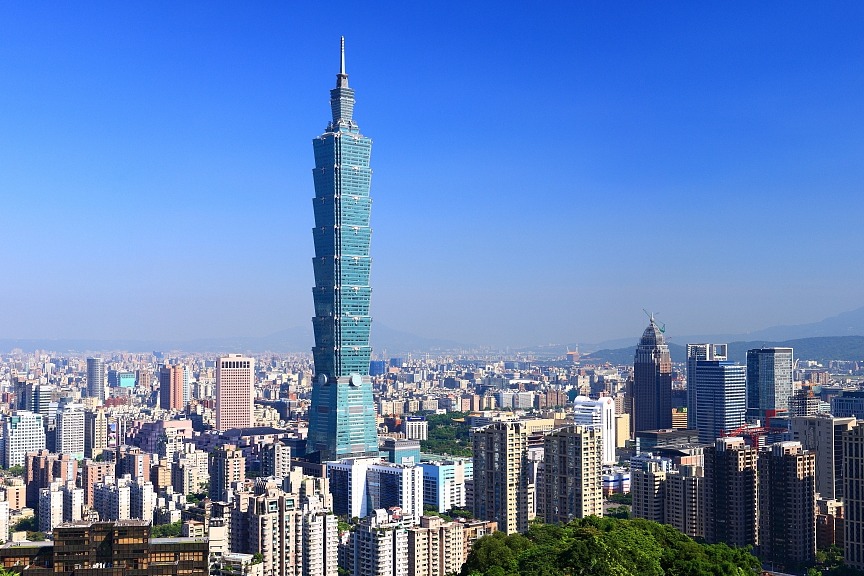
    Chinese mainland authorities have sharply criticized Taiwan’s Democratic Progressive Party (DPP) for propagating what they characterize as fabricated ‘infiltration’ narratives. Zhu Fenglian, spokeswoman for the State Council Taiwan Affairs Office, addressed these claims during a Wednesday press conference, labeling the DPP’s assertions as both misleading and deliberately malicious.

    The controversy emerged following recent statements from DPP officials regarding the use of mainland Chinese expressions in everyday Taiwanese contexts. DPP Secretary-General Hsu Kuo-yung asserted that such linguistic practices, while seemingly minor, could collectively constitute a form of ‘cultural infiltration’ that threatens Taiwan’s distinctive identity.

    This rhetoric has manifested in tangible consequences, including the online harassment of a Keelung dessert shop that incorporated mainland terminology for green grapes in its menu offerings. Zhu characterized these developments as irrational and pathological, attributing them directly to the DPP’s political agenda of eliminating Chinese cultural elements from Taiwanese society.

    The spokeswoman further condemned the DPP’s educational policies, noting the implementation of ‘Taiwan independence’ curricula and textbooks that seek to reconstruct historical narratives. She emphasized that Chinese culture remains the shared heritage of all compatriots across the Strait, encompassing language, writing systems, and traditional celebrations.

    In a related development, Zhu addressed a recent report from Taiwan’s security department alleging mainland use of artificial intelligence and big data analytics for disinformation campaigns. She dismissed these claims as factual distortions designed to foster anti-China sentiment and divert attention from the DPP’s governance challenges.

    The DPP has concurrently pursued legislative measures to counter perceived infiltration, including proposed amendments to strengthen the 2020 ‘anti-infiltration act.’ Zhu characterized this legislation as a political tool for suppressing opposition and intimidating Taiwan residents, ultimately serving separatist objectives while restricting cross-Strait exchanges and undermining fundamental freedoms.

  • Short videos shine spotlight on rural life

    Short videos shine spotlight on rural life

    The remote village of Tandi in Gaozhou, Guangdong province, has emerged as an unexpected digital media sensation through its innovative production of short-form dramas that showcase authentic rural life. This transformation represents a pioneering economic development model combining agricultural heritage with digital storytelling.

    At the forefront of this cultural movement stands the series ‘New Dreams in Lychee Land,’ which received prestigious nominations for Best Director and Best Actress at the 4th Hong Kong Bauhinia International Film Festival. The production has achieved remarkable digital penetration, accumulating over 150 million views across major Chinese platforms including Douyin, Kuaishou, and WeChat.

    What distinguishes this production is its complete integration with the local environment. The drama was filmed entirely within Tandi village, utilizing the region’s renowned lychee industry as both backdrop and narrative foundation. This approach has successfully transported authentic rural stories to massive urban audiences while celebrating agricultural traditions.

    According to local officials, the project exemplifies Gaozhou’s innovative development strategy that synergizes short-form media production with agricultural promotion, farmer participation, and rural cultural preservation. The initiative has generated substantial economic benefits for the community of approximately 1,000 residents.

    Village Party Secretary Guo Zhiyu reported significant growth in complementary industries including homestay accommodations, local restaurants, and cultural tourism. ‘During weekends and holidays, visitors must book homestays and restaurant meals well in advance due to overwhelming demand,’ Guo explained, noting substantial income increases for local farmers.

    The village has responded to this tourism surge by upgrading infrastructure and facilities to enhance visitor experiences while maintaining the community’s authentic character. This digital-to-physical economic model demonstrates how rural communities can leverage digital media to create sustainable development while preserving cultural identity.

  • Watch: Aerial footage shows cars swept away by flash floods in Australia

    Watch: Aerial footage shows cars swept away by flash floods in Australia

    Dramatic aerial footage has emerged capturing the sheer force of flash floods that struck Australia’s southeastern state of Victoria, showing multiple vehicles being swept away by raging torrents. The devastating weather event prompted authorities to close the iconic Great Ocean Road on Thursday as a safety precaution amid rapidly deteriorating conditions.

    The sudden inundation transformed normally tranquil waterways into violent currents that overwhelmed roadways and infrastructure. Emergency services responded to numerous incidents across the affected regions, with rescue teams deployed to assist stranded motorists and residents. The flash flooding represents the latest in a series of extreme weather events to impact Australia in recent years, highlighting the increasing climate volatility facing the nation.

    Meteorological officials attributed the sudden flooding to an intense low-pressure system that delivered unprecedented rainfall amounts within a condensed timeframe. The phenomenon demonstrates how quickly weather conditions can change in coastal regions, particularly during Australia’s volatile spring season. Local authorities have issued warnings for residents to avoid floodwaters and heed evacuation recommendations where provided.

    The temporary closure of the Great Ocean Road, one of Australia’s most famous tourist routes, underscores the significant disruption caused by the extreme weather. The route’s closure affects both local communities and tourism operations along the scenic coastline, with economic implications for businesses reliant on the thoroughfare.

  • Yoon’s fate to be determined on Feb 19

    Yoon’s fate to be determined on Feb 19

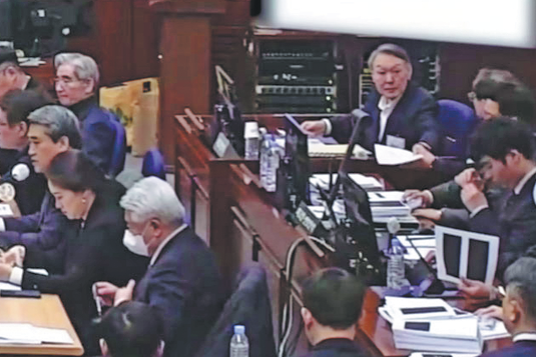
    A Seoul court announced on Wednesday that it will render its verdict on February 19 in the landmark insurrection trial of former South Korean President Yoon Suk-yeol, following prosecutors’ unprecedented demand for capital punishment. The Seoul Central District Court’s declaration came after an exhaustive 17-hour final hearing session, setting the stage for a historic judicial decision that could reshape the nation’s political landscape.

    Prosecutors characterized Yoon’s December 2024 declaration of martial law as “a severe demolition of constitutional order orchestrated by anti-state forces.” The special counsel team asserted that Yoon had weaponized the state of emergency as an instrument to consolidate power and establish prolonged authoritarian rule, actions they described as fundamentally violating national security principles and civil liberties.

    The prosecution emphasized that Yoon had demonstrated no genuine remorse or acceptance of responsibility for the constitutional crisis, compelling them to seek the maximum penalty under South Korean law. During the proceedings, the former president maintained composure, offering a faint smile upon hearing the death penalty request before reiterating his unwavering claim of innocence.

    Yoon contended that his implementation of constitutional emergency powers represented a legitimate presidential action to safeguard national interests rather than an attempted insurrection. He argued the martial law declaration aimed to alert citizens to genuine national security threats rather than establish military dictatorship.

    The Blue House, official residence of current President Lee Jae-myung, issued a statement expressing confidence that the judiciary would deliver a ruling consistent with legal principles and public expectations. Presiding Judge Ji Gwi-yeon affirmed the court’s commitment to adjudicating based strictly on constitutional provisions, statutory law, and evidentiary considerations.

    Legal experts note the symbolic significance of the prosecution’s capital punishment request despite South Korea’s de facto moratorium on executions since 1997. Hongik University law professor Cho Hee-kyong explained that insurrection remains technically punishable by death under the Criminal Act, and anything less than the maximum penalty request might have signaled inadequate seriousness about the constitutional violations.

    While most analysts anticipate a life imprisonment sentence, the court retains discretion to consider historical precedents including the 1996 death penalty verdict against former president Chun Doo-hwan for coup-related offenses, which was later commuted to life imprisonment. Yoon’s persistent denial of wrongdoing may serve as an aggravating factor in sentencing determinations.

  • HKSAR govt pledges full probe into fire

    HKSAR govt pledges full probe into fire

    Hong Kong’s government has committed to a comprehensive investigation into November’s catastrophic Tai Po fire that resulted in 161 fatalities and displaced approximately 2,000 households. Chief Executive John Lee Ka-chiu addressed the eighth-term Legislative Council, vowing to hold all responsible parties accountable regardless of their position or affiliation.

    The tragic incident at Wang Fuk Court housing complex has prompted the administration to propose significant legislative reforms targeting fire safety protocols. Chief Secretary for Administration Eric Chan Kwok-ki revealed plans to integrate fire safety measures into property managers’ statutory duties, effectively establishing property management companies as legal gatekeepers for building safety.

    The proposed reforms include mandatory safety distances for large-scale maintenance projects, requiring Fire Services Department approval before disabling critical safety equipment, and accelerating amendments to construction safety regulations. The revised rules would impose clear legal responsibilities on contractors and subcontractors while implementing strict smoking prohibitions at all construction sites.

    Lee emphasized the government’s commitment to long-term housing solutions for affected families, with working groups analyzing resident surveys to formulate appropriate accommodation plans. The nearly nine-hour legislative session featured 90 lawmakers providing input on recovery efforts, with suggestions ranging from government acquisition of property rights at pre-fire values to enhanced psychological support for displaced residents.

    The administration pledged to implement systemic reforms across all necessary areas while maintaining focus on economic and social development through improved executive-legislative collaboration.

  • Bamboo slips tell stories of ancient eras

    Bamboo slips tell stories of ancient eras

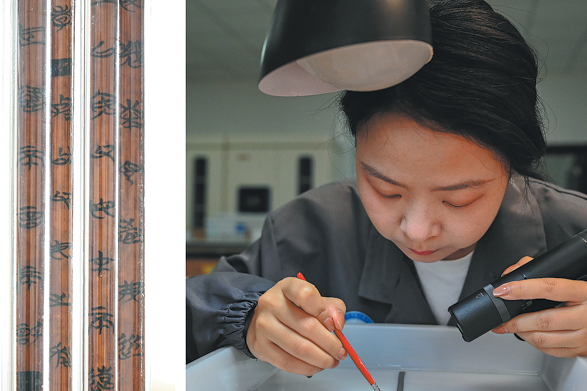
    In a remarkable fusion of archaeology and chemistry, experts at China’s Jingzhou Cultural Relics Protection Center have pioneered groundbreaking techniques to resurrect ancient bamboo and wooden slips from their water-damaged states. These fragile artifacts, which served as primary writing materials in China before the widespread use of paper, emerge from tombs as darkened, mushy fragments after millennia submerged in groundwater.

    The center has developed two revolutionary conservation methods: sodium dithionite decolorization and cetyl alcohol filling dehydration. The first technique chemically restores the slips’ original pale yellow coloration while making inscribed characters clearly visible. The second method replaces water within the cellular structure of the bamboo with stabilizing compounds, transforming the soft, deteriorated material into flexible, preserved artifacts.

    Over three decades, these innovations have enabled the recovery of approximately 180,000 historical fragments nationwide, including extraordinary finds such as the earliest known Nine-Nine Multiplication Table, a previously lost version of The Analects of Confucius, and ancient medical texts detailing treatments for heart conditions, abdominal disorders, and external injuries.

    Jingzhou’s significance in this field stems from its history as the ancient capital of the Chu state during the Warring States Period (475-221 BC), where social elites followed customs of burying written records with the deceased. The region has yielded approximately 30,000 slips dating from the Warring States Period through the Han Dynasty (206 BC-AD 220).

    According to Zhao Yang, director of the center’s cultural relics protection department, these texts represent ‘social media posts and notebooks of ancient people,’ offering unparalleled insights into classical literature, medical practices, musical scores, divination, and sacrificial rituals across centuries.

    The conservation technologies, honored with Hubei Provincial Science and Technology Progress Award recognition, now handle over 80% of China’s waterlogged bamboo slip restoration. Each batch requires two to three years of meticulous work before the preserved artifacts can be studied or exhibited, safeguarding what experts describe as ‘the seed of Chinese culture and evidence of its continuity.’

  • ISS astronauts splash down on Earth after first-ever medical evacuation

    ISS astronauts splash down on Earth after first-ever medical evacuation

    In an unprecedented event for space exploration, four International Space Station crew members made an early return to Earth on Thursday following a medical situation requiring evacuation. The SpaceX Crew-11 capsule, carrying American astronauts Mike Fincke and Zena Cardman, Russian cosmonaut Oleg Platonov, and Japanese astronaut Kimiya Yui, successfully splashed down in the Pacific Ocean near San Diego at 12:41 am local time (0841 GMT).

    The evacuation marks the first medical-related early return in the 24-year operational history of the orbiting laboratory. While NASA officials have maintained confidentiality regarding the specific medical condition, they confirmed the affected crew member remained in stable condition throughout the return process. The agency emphasized this was a precautionary measure rather than an emergency response.

    NASA’s chief health and medical officer, James Polk, explained the decision resulted from unidentified ‘lingering risk’ and diagnostic uncertainties that necessitated comprehensive medical evaluation capabilities only available on Earth. The Crew-11 team had been approximately halfway through their scheduled six-month mission, having arrived at the station in early August with a planned departure in mid-February.

    Astronaut Mike Fincke described the situation as ‘bittersweet’ in a social media statement, confirming all crew members were ‘stable, safe, and well cared for.’ He emphasized the decision represented prudent medical judgment given the advanced diagnostic resources available terrestrially.

    The evacuation highlights the continuing international cooperation aboard the ISS, with American and Russian space agencies maintaining their transportation agreement despite geopolitical tensions. Three crew members—American astronaut Chris Williams and Russian cosmonauts Sergey Kud-Sverchkov and Sergei Mikaev—remain aboard the station following the evacuation.

    NASA officials noted the evacuated astronauts had received extensive training for medical contingencies, with senior official Amit Kshatriya praising their professional handling of the situation. The incident demonstrates the evolving protocols for health management in space as agencies prepare for deeper exploration missions to the Moon and eventually Mars.

  • Chinese Go legend Nie Weiping passes away

    Chinese Go legend Nie Weiping passes away

    China’s Go community mourns the passing of legendary player Nie Weiping, who died in Beijing on Wednesday at age 73. The iconic figure, who served as honorary president of the Chinese Weiqi Association, leaves behind an unparalleled legacy in the world of competitive Go.

    Born in August 1952, Nie emerged as the central force behind China’s Go renaissance throughout the 20th century. His exceptional skills earned him the prestigious ninth-dan rank in 1982, placing him among the elite players globally. By 1986, he had taken leadership of the Chinese national Go team as head coach, where he mentored and developed multiple world champions.

    Nie’s competitive brilliance shone brightest during the historic China-Japan Super Matches of the 1980s. In a stunning display of strategic mastery, he achieved eleven consecutive victories against Japan’s top players across the first four tournament editions. This extraordinary winning streak against international rivals earned him official recognition as ‘Go Master’ from China’s top sports authorities and the Chinese Weiqi Association.

    Beyond competitive play, Nie dedicated decades to promoting and popularizing Go, transforming the ancient board game from an elite pursuit to a widely enjoyed cultural activity across China. His teaching philosophy and competitive approach influenced generations of players who continue to shape the game’s development internationally.

    The passing of this monumental figure represents the end of an era for Chinese Go, though his foundational contributions ensure his influence will endure through the champions he trained and the millions he inspired to take up the game.

  • European troops arrive in Greenland as talks with US highlight ‘disagreement’ over island’s future

    European troops arrive in Greenland as talks with US highlight ‘disagreement’ over island’s future

    NUUK, Greenland — A strategic European military deployment is underway in Greenland as NATO allies demonstrate solidarity with Denmark following contentious diplomatic talks with the Trump administration regarding the Arctic territory’s future. French, German, British, Norwegian, and Swedish forces have begun arriving in what defense officials characterize as a symbolic show of force against potential U.S. expansionist ambitions.

    The development coincides with Wednesday’s high-level meeting in Washington between Danish Foreign Minister Lars Løkke Rasmussen, Greenlandic counterpart Vivian Motzfeldt, and White House representatives including Vice President JD Vance and Secretary of State Marco Rubio. Rasmussen subsequently acknowledged “fundamental disagreement” persists regarding President Trump’s expressed interest in acquiring Greenland.

    Danish Defense Minister Troels Lund Poulsen confirmed plans to establish “a more permanent military presence with a larger Danish contribution,” with NATO partners participating through a rotational troop system. The enhanced security measures include increased aerial patrols, naval vessels, and ground personnel operating across Greenland’s strategic territories.

    French President Emmanuel Macron confirmed initial military elements were already en route, with approximately 15 mountain infantry soldiers arriving in Nuuk for exercises. Germany’s Defense Ministry announced plans to deploy a 13-member reconnaissance team on Thursday, characterizing the movement as defensive coordination among European partners.

    Greenlandic residents expressed mixed reactions to the geopolitical developments. While some welcomed European military support as protection against potential U.S. action, others questioned the underlying motivations. Local resident Maya Martinsen, 21, observed the dispute centered primarily on “the oils and minerals that we have that are untouched” rather than genuine security concerns.

    Diplomatic channels remain active despite tensions, with Rasmussen announcing creation of a bilateral working group to address American security concerns while respecting Denmark’s territorial sovereignty. Greenlandic MP Aki-Matilda Høegh-Dam acknowledged the necessity of continued dialogue while expressing concerns about military operations occurring near civilian infrastructure.

    The situation reflects broader transformations in the international rules-based order, with Greenland emerging as a pivotal point in Arctic geopolitics. While Rasmussen dismissed speculation about U.S. military invasion as “the end of NATO,” the Trump administration maintained ambiguous positioning, with the president remarking “We’ll see how it all works out” regarding future developments.