作者: admin

  • UN Security Council to meet Thursday for ‘briefing’ on Iran

    UN Security Council to meet Thursday for ‘briefing’ on Iran

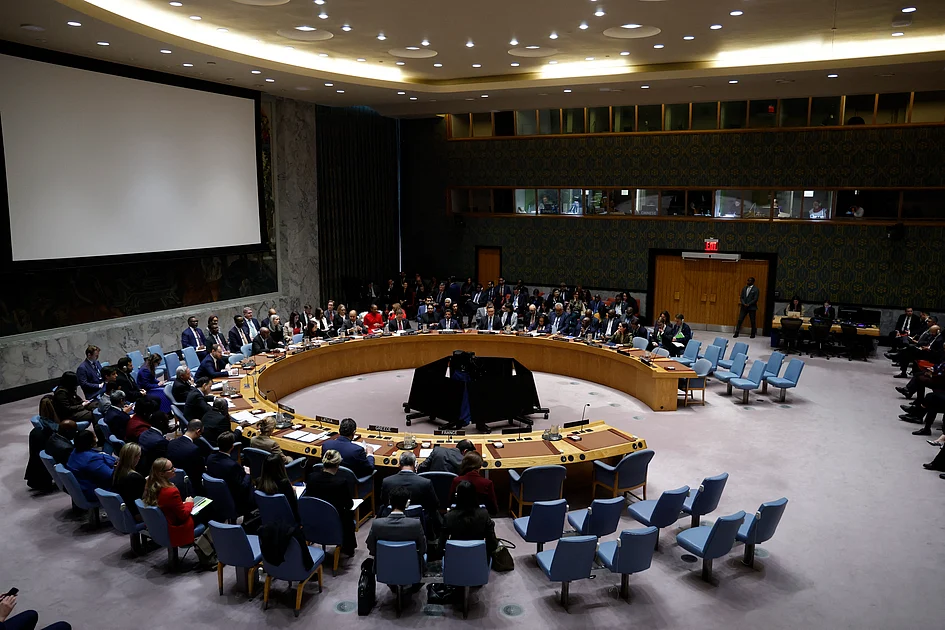
    The United Nations Security Council has scheduled a high-level briefing session for Thursday afternoon to address the ongoing situation in Iran. This diplomatic gathering comes at the formal request of the United States government, as confirmed by official scheduling documentation.

    According to representatives from the Somali presidency, which currently holds the rotating Security Council presidency, the meeting will focus exclusively on developments within the Islamic Republic. The briefing represents the latest international effort to address concerns regarding Iran through multilateral diplomatic channels.

    The convening of the Security Council underscores the continued global attention on Iranian affairs and demonstrates the persistent utilization of UN mechanisms for addressing regional stability matters. Such briefings typically involve detailed assessments from UN officials, intelligence reports, and diplomatic exchanges among the fifteen member states.

    The United States’ initiative in requesting this session highlights the ongoing Western engagement with Iranian developments through established international organizations. These periodic briefings serve as formal platforms for information sharing and policy coordination among permanent and non-permanent members of the Security Council.

    The meeting occurs within the context of increasing international diplomacy surrounding Middle Eastern stability, with the Security Council maintaining its role as the primary forum for addressing global security concerns under the United Nations Charter.

  • Boeing knew of flaw in part linked to UPS plane crash, US safety board report says

    Boeing knew of flaw in part linked to UPS plane crash, US safety board report says

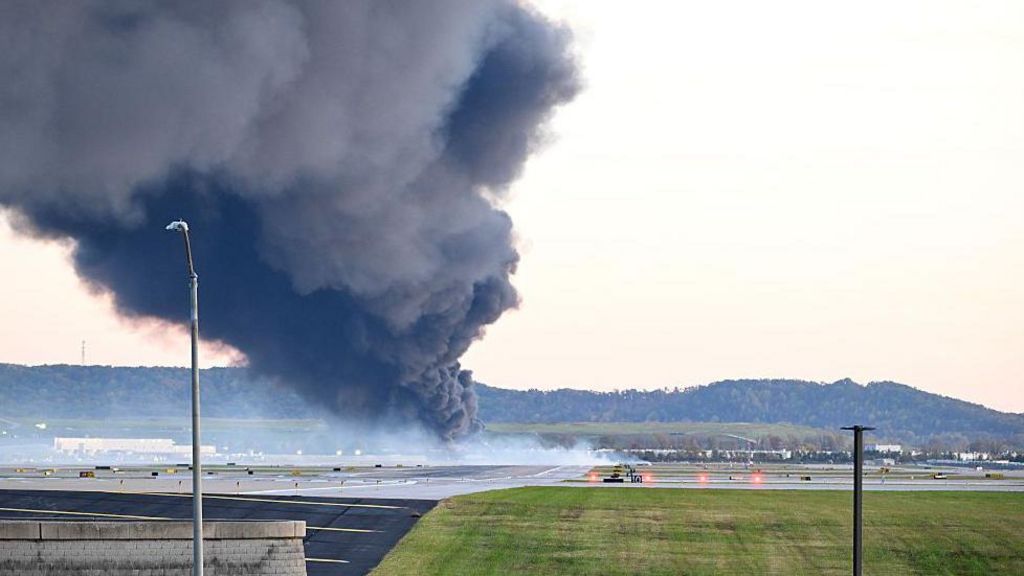
    Federal investigators have uncovered alarming evidence connecting a fatal cargo plane crash in Kentucky to a structural deficiency previously identified by Boeing over a decade earlier. The November incident involved a UPS-operated MD-11F freighter that erupted in flames after experiencing catastrophic engine separation during takeoff from Louisville International Airport.

    According to the National Transportation Safety Board’s (NTSB) latest investigative update, the aircraft briefly became airborne before veering uncontrollably into an industrial zone. The tragedy claimed fifteen lives—three flight crew members and twelve individuals on the ground.

    The investigation has pinpointed fatigue cracks within the engine mounting assembly as the primary failure point. These fractures, resulting from repeated stress on a critical bearing component, mirror incidents documented by Boeing in 2011. At that time, the aerospace manufacturer issued a non-binding service letter to operators acknowledging identical part failures across four instances involving three different aircraft.

    Despite this recognition, Boeing’s internal assessment concluded the issue ‘would not result in a safety of flight condition.’ The company recommended voluntary visual inspections at five-year intervals and proposed optional component upgrades, neither of which were mandated.

    Aviation safety expert Tim Atkinson, a former accident investigator, expressed grave concerns regarding Boeing’s judgment. ‘The structure concerned is not decorative—it’s an essential part of the mechanism that attaches the engine to the wing and carries loads such as thrust and drag,’ Atkinson stated. ‘It’s extraordinary that Boeing concluded that a failure of this part would not have safety consequences.’

    This incident renews scrutiny of Boeing’s safety protocols, echoing criticisms from recent 737 Max controversies and manufacturing quality issues. The company extended condolences to affected families while pledging continued cooperation with the ongoing NTSB investigation. A final determination regarding the crash’s cause awaits the agency’s comprehensive report.

  • European military personnel arrive in Greenland as Trump says US needs island

    European military personnel arrive in Greenland as Trump says US needs island

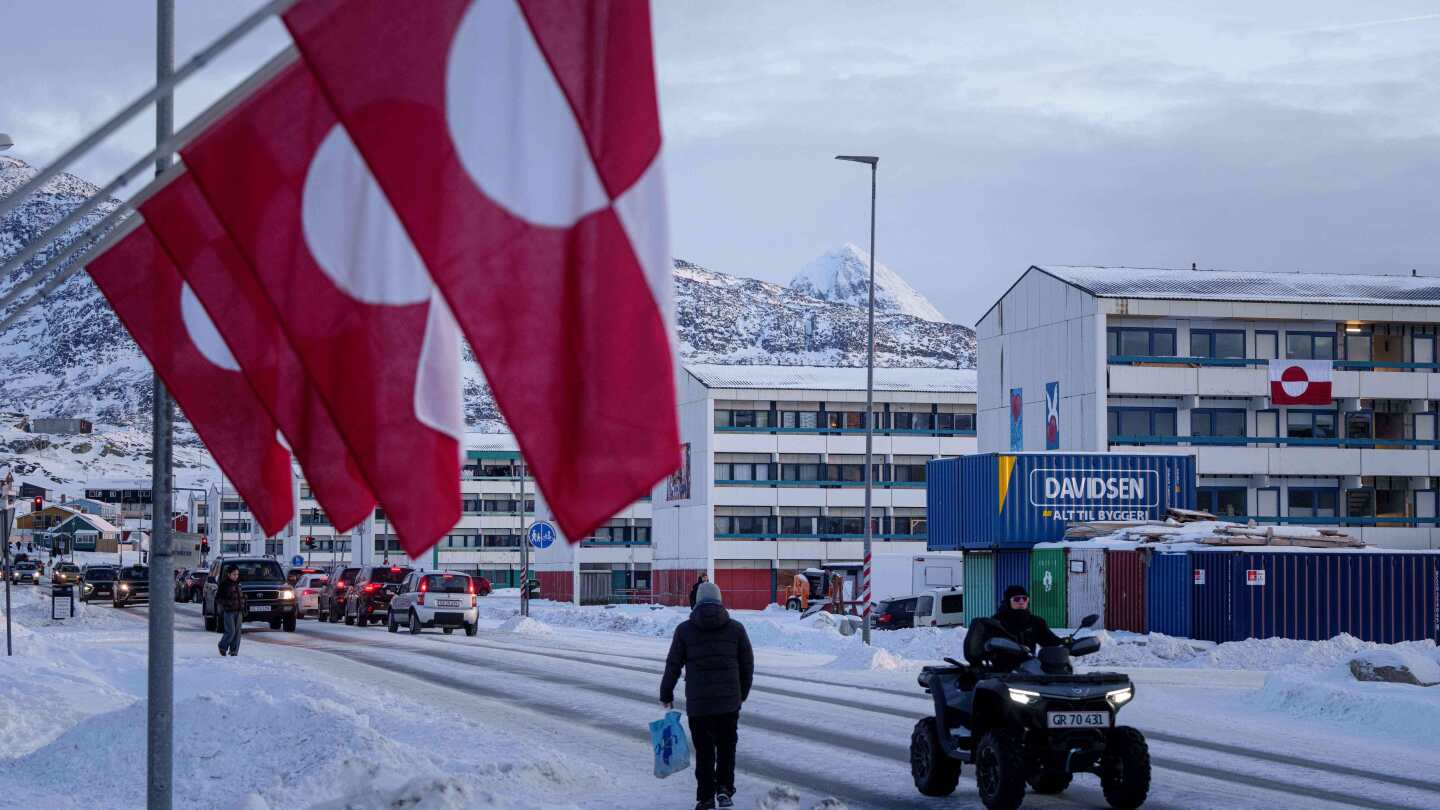
    In a strategic display of Arctic solidarity, European NATO members have initiated military deployments to Greenland’s capital Nuuk, responding to renewed pressure from the Trump administration regarding US acquisition of the autonomous Danish territory. A French military contingent of 15 personnel arrived first, with Germany, Sweden, Norway, and the United Kingdom committing additional forces under the Danish-led Operation Arctic Endurance exercises.

    The deployment comes following high-level diplomatic talks in Washington between US Vice-President JD Vance and Danish and Greenlandic foreign ministers. While Danish Foreign Minister Lars Lokke Rasmussen characterized the discussions as constructive, he acknowledged fundamental disagreements regarding Trump’s persistent campaign to purchase Greenland. The US President has justified his position citing national security concerns, suggesting Russia or China could potentially occupy the territory despite Denmark’s objections.

    French President Emmanuel Macron announced that initial troop deployments would be reinforced with comprehensive land, air, and naval assets in coming days. Senior French diplomat Olivier Poivre d’Arvor characterized the mission as delivering a potent political message: This initial exercise demonstrates NATO’s presence to the United States.

    Despite the symbolic significance of the deployment, the actual military presence remains limited—Germany’s contribution of 13 soldiers aboard an A400M transport plane will remain only until Saturday. Danish defense officials confirmed plans for rotational military presence enhancements around Greenland to strengthen NATO’s Arctic footprint for European and transatlantic security.

    The situation has drawn international concern, with Polish Prime Minister Donald Tusk warning that any US military intervention would constitute a political disaster that could fundamentally undermine NATO’s security framework. Meanwhile, Russia’s embassy in Belgium expressed serious concern about NATO’s Arctic military buildup, calling it a false pretext based on exaggerated threats from Moscow and Beijing.

    Greenlandic Prime Minister Jens-Frederik Nielsen emphasized his territory’s firm position amidst the geopolitical crisis: Greenland does not wish to be owned, governed, or incorporated by the United States, maintaining preference for its current relationship with Denmark. The US maintains existing military facilities in Greenland staffed by approximately 150 personnel, with provisions for significant expansion under current agreements with Copenhagen.

  • What’s next for Greenland and Denmark after difficult meeting with Trump administration

    What’s next for Greenland and Denmark after difficult meeting with Trump administration

    High-level diplomatic discussions between American, Danish, and Greenlandic officials have concluded with acknowledged disagreements regarding President Trump’s aspirations to acquire Greenland. The meetings, which included Danish Foreign Minister Lars Løkke Rasmussen, Greenlandic representatives, and U.S. officials JD Vance and Marco Rubio, revealed persistent tensions over the Arctic territory’s future.

    Despite the stalemate, the parties agreed to establish a high-level working group to explore potential compromise solutions. This diplomatic channel aims to address U.S. national security concerns while respecting Denmark’s established boundaries as a NATO ally. The initiative represents an effort to de-escalate tensions through continued dialogue rather than unilateral action.

    Concurrently, Denmark has orchestrated a strategic military mobilization in Greenland with several European partners. France, Germany, Norway, Sweden, and the United Kingdom have contributed symbolic troop deployments in a demonstration of solidarity with Copenhagen. Though numerically small, these forces represent a coordinated response to Arctic security concerns and a clear signal to Washington.

    Danish Defense Minister Troels Lund Poulsen characterized these developments as steps toward establishing a more permanent allied military presence in the region. The European deployment, while Danish-led, aligns with broader NATO security assessments of the Arctic amid growing Russian and Chinese interest in the region’s untapped mineral resources and strategic positioning.

    Analysts interpret these parallel diplomatic and military movements as complementary strategies to reinforce Arctic security through multinational cooperation rather than unilateral territorial acquisition. The situation remains fluid with NATO Secretary General Mark Rutte scheduled to discuss Arctic security with Danish and Greenlandic officials in the coming days.

  • UAE-built Arabic AI model outperforms systems twice its size

    UAE-built Arabic AI model outperforms systems twice its size

    Abu Dhabi’s Technology Innovation Institute (TII) has achieved a groundbreaking milestone in artificial intelligence development with Falcon-H1 Arabic, a specialized AI model that demonstrates superior Arabic language capabilities while utilizing significantly fewer computational resources than competing systems. This achievement marks a pivotal advancement in natural language processing for Semitic languages.

    The 34-billion-parameter model has secured the top position on the Open Arabic LLM Leaderboard, outperforming Meta’s Llama-70B and China’s Qwen-72B despite being less than half their size. The model’s architecture comes in three variants—3B, 7B, and 34B parameters—enabling organizations to select appropriate computational requirements while maintaining exceptional performance standards.

    What distinguishes Falcon-H1 Arabic is its foundational training approach utilizing Arabic-first datasets that comprehensively cover formal language structures, regional dialects, and culturally contextual content. This specialized training methodology addresses longstanding challenges in Arabic AI processing, where global systems predominantly trained on English datasets have consistently struggled with the language’s morphological complexity, dialectical variations, and contextual nuances.

    The model’s practical applications demonstrate remarkable proficiency in handling real-world Arabic language tasks. It maintains contextual awareness across extended conversations processing up to 192,000 words, enabling sophisticated analysis of legal documents, academic research, and medical records. Unlike previous systems that produced grammatically correct but semantically flawed outputs, Falcon-H1 Arabic demonstrates nuanced understanding of dialectical phrases and cultural context.

    Faisal Al Bannai, Adviser to the UAE President and Secretary-General of the Advanced Technology Research Council, emphasized that this technological breakthrough enables Arabic-speaking communities worldwide to access “innovation that is accessible, relevant, and impactful.” The development represents a significant stride in linguistic AI equity for the approximately 450 million Arabic speakers across more than 20 countries.

    The model’s release as an open-access resource at chat.falconllm.tii.ae enables developers, researchers, and institutions to build Arabic-native applications across education, healthcare, customer service, and government sectors. This accessibility promises to transform digital service delivery throughout the Arabic-speaking world, eliminating the performance gap between Arabic and English AI tools that has persisted since the emergence of large language models.

  • Lawmakers propose $2.5B agency to boost production of rare earths and other critical minerals

    Lawmakers propose $2.5B agency to boost production of rare earths and other critical minerals

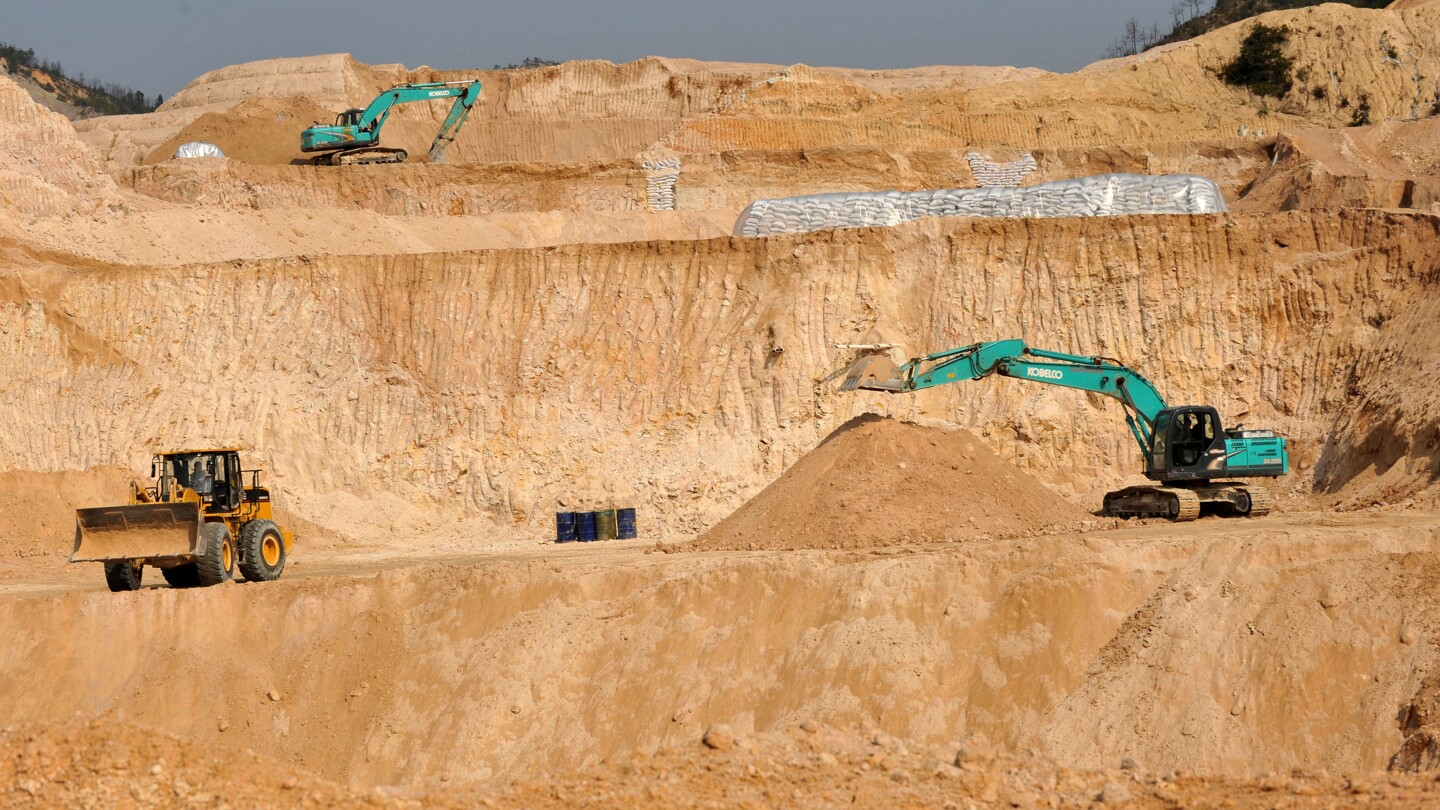
    A bipartisan coalition of U.S. lawmakers has introduced groundbreaking legislation to establish a $2.5 billion federal agency dedicated to securing America’s critical minerals supply chain. This initiative emerges as the Trump administration simultaneously executes aggressive measures to dismantle China’s near-total market dominance in these essential materials vital for national defense systems, electric vehicles, and consumer electronics.

    The proposed Critical Minerals Security Act, co-sponsored by Senator Jeanne Shaheen (D-N.H.) and Senator Todd Young (R-Ind.), would create an independent entity tasked with building strategic reserves, stabilizing market prices, and incentivizing domestic production through market-based mechanisms. This legislative approach contrasts with the administration’s current tactics of direct government investment in mineral companies—a strategy that has already mobilized nearly $5 billion in Pentagon commitments over the past year.

    Beijing’s demonstrated willingness to weaponize its control over critical minerals—which account for over 90% of global processing—during recent trade tensions has created unprecedented bipartisan consensus on the urgency of securing alternative supplies. The Pentagon’s recent interventions include a $150 million equity position in Atlantic Alumina Co. to preserve America’s last alumina refinery and a $400 million investment in MP Materials, operator of the country’s sole rare earths mine in Mountain Pass, California.

    While some analysts note the irony of a Republican administration embracing state-capitalist approaches, industry leaders have welcomed the intervention. NioCorp Communications Director Jim Sims characterized the administration’s strategy as ‘three-dimensional chess on critical minerals like no previous president has done.’

    The comprehensive approach includes international cooperation, evidenced by an $8.5 billion mining agreement with Australia and heightened engagement with G7 nations addressing supply chain vulnerabilities. This multi-front effort represents the most significant attempt in decades to reduce American dependence on Chinese critical minerals and ensure strategic autonomy in defense and technology sectors.

  • Iran vows to defend itself as Trump says will ‘watch it and see’

    Iran vows to defend itself as Trump says will ‘watch it and see’

    A significant de-escalation in US-Iran tensions emerged Thursday as Tehran pledged to defend itself against foreign threats while simultaneously walking back threats of executing arrested protesters. This development followed President Donald Trump’s ambiguous statement that the United States would ‘watch it and see’ regarding potential military action against Iran.

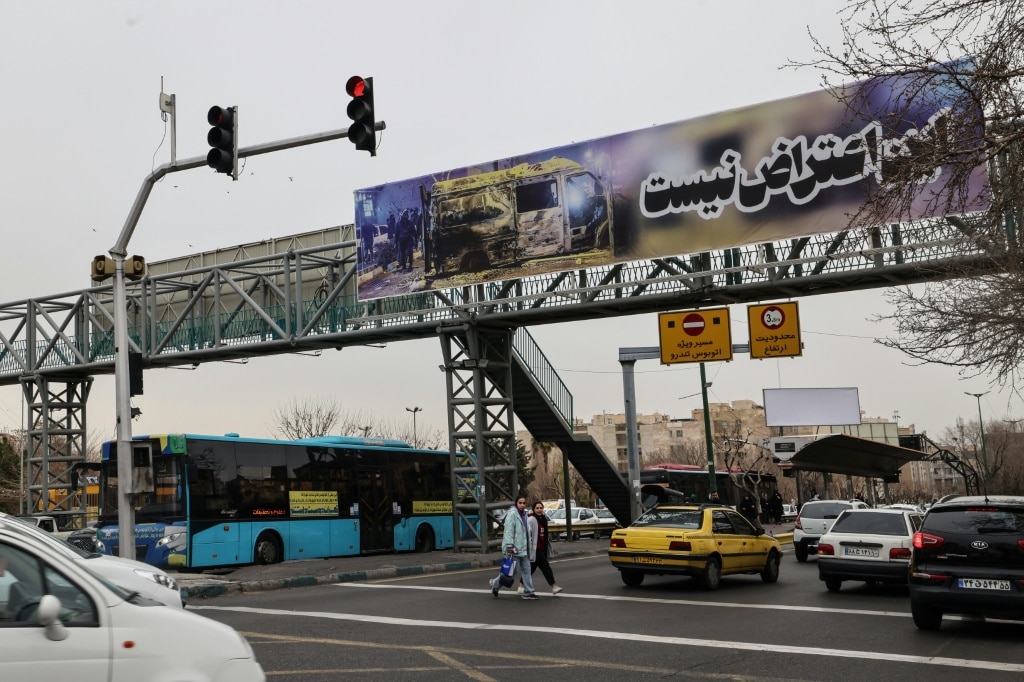
    The crisis originated with nationwide protests in Iran, initially sparked by economic grievances but rapidly evolving into the most substantial challenge to the Islamic Republic’s authority since its 1979 establishment. Rights organizations documented a brutal government crackdown, estimating at least 3,428 fatalities and over 10,000 arrests amid what they described as a near-total internet blackout designed to conceal the extent of state violence.

    In a pivotal development, the Iranian judiciary announced that Erfan Soltani, a 26-year-old protester whose potential execution had drawn international concern, would not face capital punishment. Judicial authorities clarified that charges of ‘propaganda against Iran’s Islamic system’ and ‘acting against national security’ carry prison sentences rather than death penalties under Iranian law.

    This judicial reassessment came hours after President Trump revealed receiving assurances from ‘very important sources on the other side’ that executions would not proceed. ‘They’ve said the killing has stopped and the executions won’t take place,’ Trump stated during a White House briefing, while maintaining that military options remained available should circumstances change.

    The geopolitical ramifications extended beyond bilateral relations, with Iranian Foreign Minister Abbas Araghchi engaging in telephone diplomacy with Saudi counterpart Faisal bin Farhan to emphasize ‘global condemnation of foreign interference.’ Simultaneously, Saudi Arabia communicated through backchannels that it would not permit its territory or airspace to be used for attacks against Iran.

    Regional actors expressed relief at the de-escalation, with Turkey publicly opposing military action against Iran and oil markets responding with price drops as concerns about potential supply disruptions eased. The situation remained monitored at the international level, with the UN Security Council convening to discuss the crisis and G7 nations warning of additional sanctions should the crackdown persist.

    Despite government claims of restored ‘calm’ and ‘full control,’ evidence continued to emerge of the crackdown’s severity. Verified footage showed morgues south of Tehran overwhelmed with casualties, while internet monitoring groups confirmed the blackout had exceeded 156 hours—one of the most extensive digital shutdowns in Iran’s history.

    Analysts from the US-based Institute for the Study of War noted that while observable protests had diminished to zero, the regime maintained repressive measures at significant cost, indicating authorities still perceived substantial threat from dissent movements within the country.

  • UK’s Conservative Party leader sacks chief rival after apparent plot to defect

    UK’s Conservative Party leader sacks chief rival after apparent plot to defect

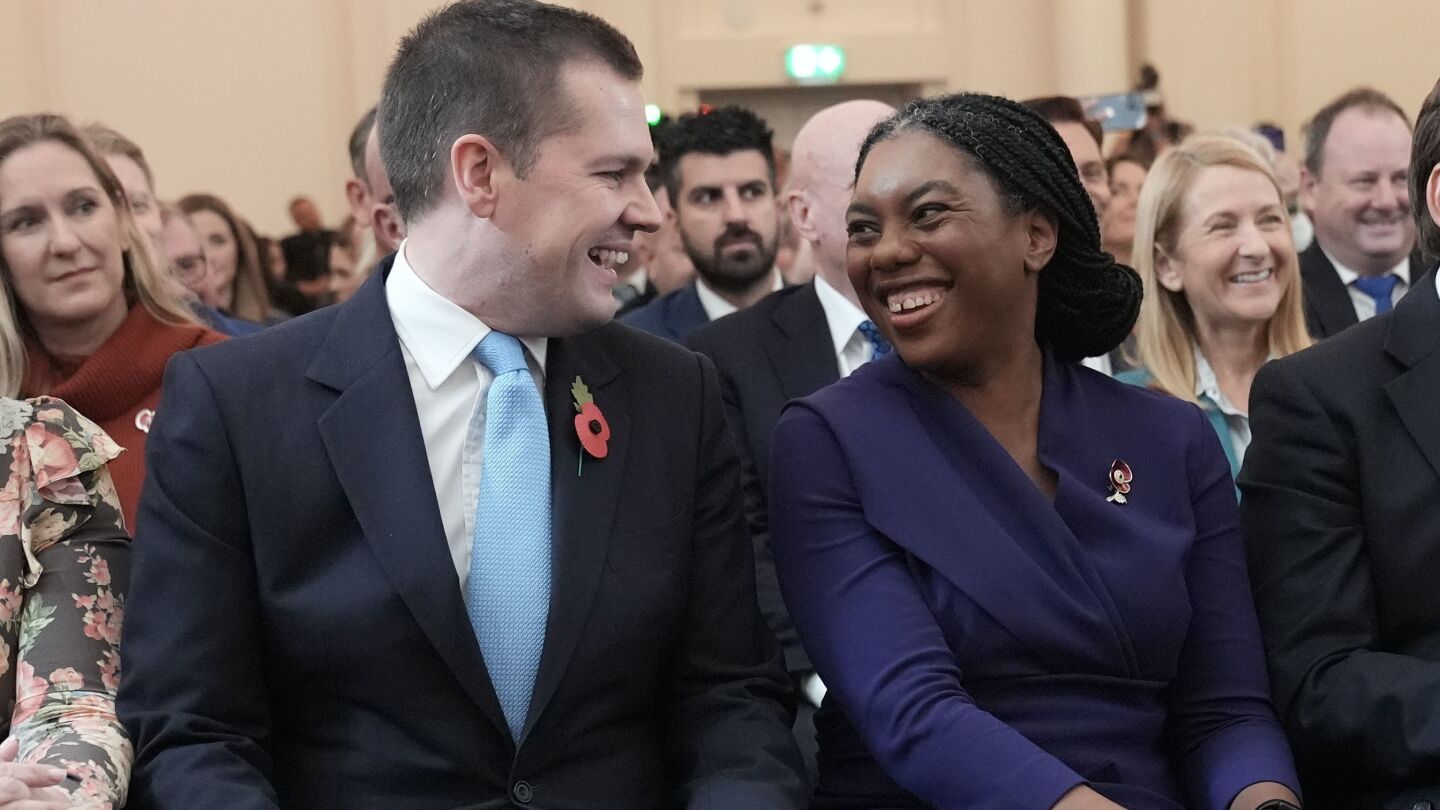
    Britain’s Conservative Party has been thrown into renewed internal crisis following the dramatic dismissal of a prominent senior figure accused of orchestrating a secret defection plot. Party leader Kemi Badenoch announced the immediate removal of Justice spokesperson Robert Jenrick from both his parliamentary role and party membership on Thursday, citing compelling evidence of his planned departure from Conservative ranks.

    In a decisive statement posted on social media platform X, Badenoch declared she had obtained undeniable proof that Jenrick was covertly planning to abandon the party. The Conservative leader expressed frustration with ongoing political theatrics, stating: The British public are tired of political psychodrama and so am I. They saw too much of it in the last government, they’re seeing too much of it in this government. I will not repeat those mistakes.

    While Badenoch refrained from identifying Jenrick’s intended destination, Reform UK leader Nigel Farage confirmed he had engaged in discussions with the ousted parliamentarian. However, during a press conference coinciding with Badenoch’s announcement, Farage emphatically denied any imminent defection arrangement, stating he couldn’t in good conscience present Jenrick as another Conservative convert.

    The Conservatives currently face a critical political challenge, squeezed between the governing Labour Party on the left and the surging Reform UK on the right. Reform has consistently outperformed the Conservatives in recent opinion polls, delivered a crushing blow during May’s local elections, and attracted a steady stream of defecting Tory members and officials, compounding the party’s existential crisis.

  • ‘Go Sage’ Nie Weiping hailed and mourned

    ‘Go Sage’ Nie Weiping hailed and mourned

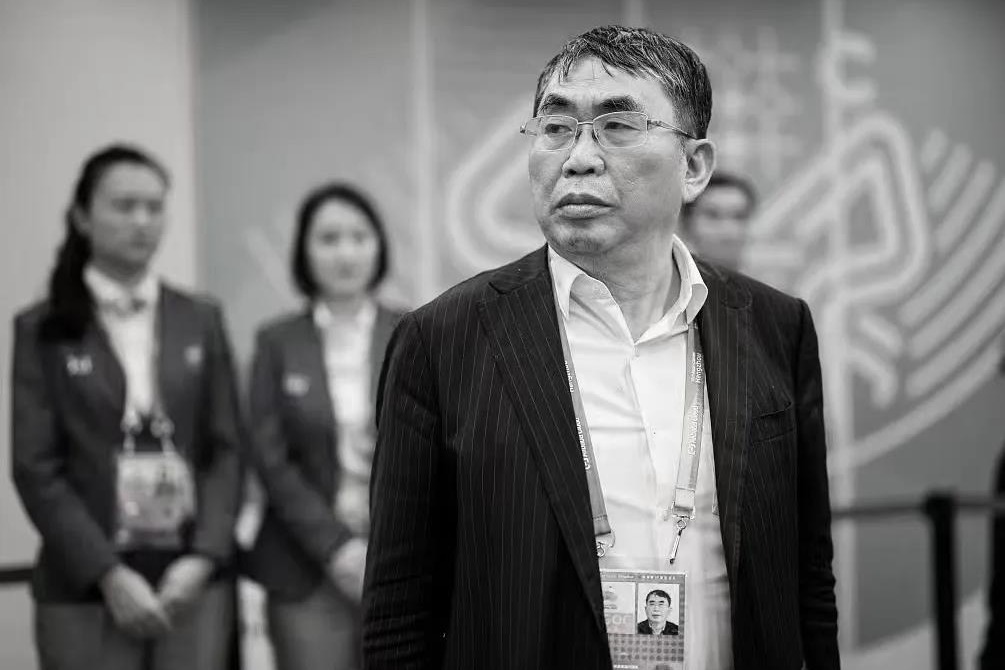
    The Chinese sports world is united in grief following the passing of Nie Weiping, the revered Go master who died in Beijing on Wednesday at age 73. Known affectionately as the “Weiqi Sage” by admirers worldwide, Nie’s family confirmed his passing with profound sorrow, acknowledging his immeasurable impact on the ancient board game.

    Born August 17, 1952, in Shenzhou, Hebei province, Nie demonstrated exceptional talent from his early years, rising to become China’s foremost Go ambassador during the late 20th century. His competitive zenith arrived during the 1980s China-Japan super challenge series, where his strategic brilliance secured three consecutive victories for China, capturing national imagination during a period of significant cultural development.

    Nie’s legacy extends beyond his competitive achievements. Granted the ninth-dan rank—the highest honor in Go—in 1982, he later assumed leadership as head coach of China’s national team in 1986. His mentorship cultivated multiple world champions while his decades-long dedication to popularizing the game introduced countless enthusiasts to Go’s intricate beauty.

    In 1988, China’s national sports administration formally recognized his contributions by bestowing the title “Weiqi Sage,” cementing his status as a cultural icon. Contemporary Go prodigy Ke Jie, among Nie’s most accomplished students, expressed his grief on social media, echoing sentiments across the sports community. Former Chinese Weiqi Association president Hua Xueming remembered Nie as “an icon representing an entire generation of glorious achievements,” while Xiaomi CEO Lei Jun joined numerous public figures in paying tribute to the legendary master.

    Nie’s thoughtful approach to strategy and commitment to demystifying Go’s complexities earned him universal respect from peers, protégés, and casual players alike. His passing marks the conclusion of an era, but his contributions to competitive Go and cultural diplomacy ensure his influence will endure for generations.

  • Man shot in Minneapolis during federal immigration operation, local media reports

    Man shot in Minneapolis during federal immigration operation, local media reports

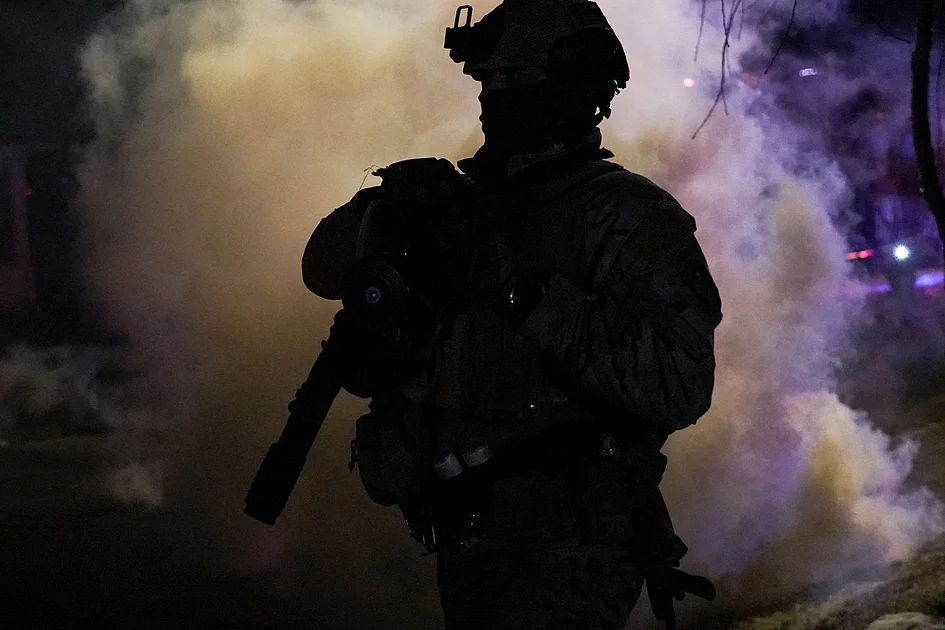
    Minneapolis witnessed another violent escalation in federal immigration enforcement operations Wednesday night when a man sustained leg injuries from gunfire during a confrontation with federal agents. According to the Minnesota Star Tribune, multiple sources confirmed the shooting occurred following a vehicle pursuit involving immigration enforcement personnel in the city’s northern district.

    Eyewitness accounts describe a sequence of gunshots erupting after a high-speed chase, though official law enforcement statements remained unavailable immediately after the incident. The City of Minneapolis acknowledged via social media platform X that it was monitoring reports of “a shooting involving federal law enforcement in north Minneapolis.”

    This incident marks the second firearms discharge involving Immigration and Customs Enforcement (ICE) personnel within a single week. Seven days earlier, a 37-year-old woman named Renee Good was fatally shot by an ICE agent during a major deportation operation ordered by President Donald Trump. Good, who participated in a volunteer neighborhood patrol network monitoring ICE activities, became a symbol of resistance against aggressive immigration enforcement tactics.

    Her death triggered nationwide protests and intensified scrutiny of ICE’s operational methods. The recent shooting occurs against the backdrop of President Trump’s Wednesday announcement threatening to terminate federal funding for states containing sanctuary cities that limit local law enforcement cooperation with federal immigration authorities.

    The U.S. Department of Homeland Security, which oversees ICE operations, has not responded to requests for commentary regarding the latest shooting incident. The pattern of armed confrontations suggests escalating tensions between federal immigration authorities and communities resisting Trump administration enforcement policies.