作者: admin

  • Why ‘event nannies’ are becoming a must-have at weddings, parties

    Why ‘event nannies’ are becoming a must-have at weddings, parties

    A transformative trend is reshaping social events across the United Arab Emirates as professional ‘event nannies’ become essential fixtures at celebrations ranging from corporate functions to wedding receptions. This emerging service sector addresses the perennial challenge of child supervision during adult-oriented events, allowing parents to fully participate in social gatherings while their children receive professional care.

    Specialized companies including Yellowsprings, Smart Babissitters and Caregivers Services LLC, and Nannies & More have developed comprehensive childcare solutions for events. These services deploy trained professionals who create age-appropriate entertainment zones featuring activities such as canvas painting, magic shows, slime manufacturing, craft stations, and themed games. The operations are meticulously planned with dedicated spaces often provided by venues, transformed into vibrant activity hubs complete with popcorn machines, candyfloss stations, and gaming zones.

    Fatema Basrawala, a Dubai-based digital marketing manager, attested to the service’s effectiveness after implementing it for a corporate event. “Parents could genuinely relax and socialize while professional caregivers maintained children’s engagement through structured activities,” she noted.

    The business model demonstrates remarkable flexibility, catering to diverse events from intimate family gatherings to luxury celebrations for international royalty. Service providers conduct detailed pre-event consultations to address specific requirements including dietary restrictions, allergy concerns, hygiene protocols, and activity customization based on both budgetary constraints and thematic elements of the event.

    Industry pioneers highlight that the UAE’s vibrant event landscape, combined with its status as a tourist destination, has created ideal conditions for this service expansion. Tasneem Murtaza of Yellowsprings explained, “Whether corporate functions, wedding ceremonies, or holiday parties, children frequently experience boredom while parents struggle to balance supervision with social participation.”

    The trend reflects broader societal shifts toward child-inclusive celebrations without compromising adult enjoyment. As Anushka Kalyanpur De Luca of Nannies & More observed, “This alignment with family-friendly entertainment values demonstrates evolving social norms in urban centers like Dubai.”

  • Leaders meet, but enduring rifts remain in Japan-S. Korea ties

    Leaders meet, but enduring rifts remain in Japan-S. Korea ties

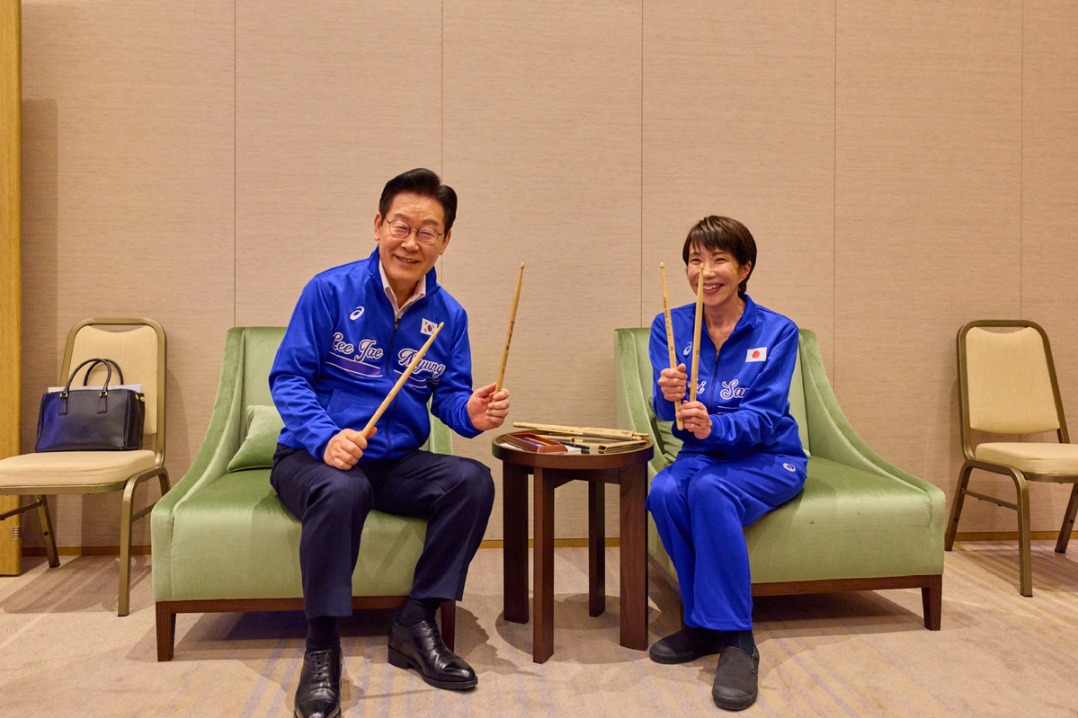
    In a carefully choreographed diplomatic encounter, South Korean President Lee Jae-myung concluded a two-day visit to Japan this week, engaging in bilateral discussions with Japanese Prime Minister Sanae Takaichi. The meeting, held in Nara, western Japan, produced striking imagery as the leaders posed with autographed drumsticks following a joint drum-playing demonstration—a symbolic gesture of cooperation that contrasted sharply with the substantive disagreements that characterized their private talks.

    The 90-minute discussion encompassed economic collaboration, artificial intelligence development, regional security architectures, and select historical matters. Notably absent from the formal agenda were the most contentious bilateral issues: compensation for wartime forced labor, the ‘comfort women’ controversy, and the sovereignty dispute over the Dokdo/Takeshima islets.

    Divergent strategic perspectives emerged prominently during the post-meeting press conference. Prime Minister Takaichi emphasized strengthening trilateral cooperation with the United States as crucial for regional stability, framing Japan-South Korea relations as possessing ‘strategic importance.’ President Lee notably avoided this terminology, instead advocating for broader multilateral cooperation across Northeast Asia beyond the US-centered framework.

    Analysts suggest domestic political considerations significantly influenced the summit’s staging. With Takaichi preparing to dissolve Japan’s lower house for snap elections later this month, the meeting provided an opportunity to showcase diplomatic achievements amid criticism of her administration’s foreign policy challenges. Meanwhile, President Lee faces persistent domestic pressure regarding historical issues, evidenced by pre-summit protests in Seoul demanding Japanese accountability for wartime actions.

    The territorial dispute remains particularly intractable. Takaichi’s December parliamentary declaration reaffirming Japan’s claim to the disputed islets triggered strong condemnation in South Korea, with major media outlets labeling the statements provocative and detrimental to bilateral relations. The upcoming February observance of ‘Takeshima Day’ in Japan represents another potential flashpoint, especially given Takaichi’s refusal to rule out elevated official participation.

    The leaders announced a rare collaborative initiative to recover and identify remains from the 1942 Chosei coal mine flooding, which claimed 183 lives including 136 forcibly mobilized Koreans. Experts note this project represents perhaps the only historically charged issue currently manageable for bilateral cooperation, primarily because Japanese victims were also involved and domestic advocacy for resolution exists within Japan.

    Despite the ceremonial displays of goodwill, analysts from both countries conclude that the summit relied on temporarily shelving disputes rather than resolving them. Given the current Japanese administration’s stance on historical issues and its confrontational security outlook, bilateral relations are likely to remain instrumental rather than strategic in the foreseeable future, characterized by pragmatic cooperation on specific issues while fundamental divisions persist.

  • Fisherman dies on Spanish vessel off Irish coast

    Fisherman dies on Spanish vessel off Irish coast

    A fatal maritime incident has occurred off the coast of County Kerry, resulting in one fisherman’s death and another sustaining serious injuries aboard the Spanish fishing vessel Novo Alborada. The tragedy unfolded when a critically loaded rope suddenly snapped under tension, striking both crew members during operations in severe sea conditions.

    The Irish Coast Guard initiated a major rescue operation following an emergency relay from Spanish maritime authorities in Madrid at approximately 09:00 local time. The transnational alert triggered immediate deployment of multiple aerial assets, including the Coast Guard’s fixed-wing surveillance aircraft and two specialized rescue helicopters.

    Despite receiving medical attention on board, one seaman succumbed to his injuries aboard the vessel. His surviving colleague was successfully airlifted via helicopter and transported to Cork University Hospital for emergency treatment. Maritime officials reported exceptionally dangerous conditions during the rescue, with ocean swells reaching six meters in height.

    The Irish Department of Transport confirmed the challenging nature of the operation, highlighting the inherent dangers faced by fishing crews operating in Atlantic waters. The incident underscores the persistent risks in commercial fishing despite modern safety protocols, with rope-related accidents remaining a significant cause of maritime injuries worldwide.

    Authorities have launched an investigation into the precise circumstances surrounding the equipment failure, while international cooperation between Irish and Spanish agencies continues regarding notification of next of kin and investigation coordination.

  • French Olympic swimming champion Yannick Agnel to stand trial on rape, sexual assault charges

    French Olympic swimming champion Yannick Agnel to stand trial on rape, sexual assault charges

    French judicial authorities have mandated Olympic swimming champion Yannick Agnel to face criminal proceedings over severe sexual offense allegations involving a minor. The Colmar Prosecutor General’s Office confirmed Thursday that the investigative chamber of the Colmar appeals court has formally ordered the 33-year-old athlete to stand trial on charges of rape and sexual assault.

    The case centers on allegations that Agnel engaged in unlawful sexual conduct with the 13-year-old daughter of his former coach. According to court documents, the alleged incidents occurred across multiple international locations between 2016 and 2021, including the French city of Mulhouse where Agnel trained, Rio de Janeiro during the Olympic Games, Spain, and Thailand. At the time of the purported acts, Agnel was 24 years old while the victim was just 13.

    French judicial officials note that Agnel, who initially admitted to an inappropriate relationship with an underage girl during his December 2021 arrest while denying coercion, now has a ten-day window to appeal the trial order to France’s highest judicial authority, the Court of Cassation.

    The legal development comes amid France’s strengthened stance on child protection laws. In 2021, the nation enacted legislation that explicitly categorizes sexual relations with children under 15 as rape, carrying potential prison sentences of up to 20 years. This legal framework aligns France more closely with other Western nations’ approaches to prosecuting sexual crimes against minors.

    Agnel, who captured two gold medals at the 2012 London Olympics in the 200-meter freestyle and 4×100-meter freestyle relay events, concluded his competitive swimming career in 2016. His legal representation has not issued any immediate response to requests for commentary regarding the trial order.

  • US forces seize a sixth Venezuela-linked oil tanker in Caribbean Sea

    US forces seize a sixth Venezuela-linked oil tanker in Caribbean Sea

    United States Southern Command forces have conducted a sixth maritime interception operation in the Caribbean Sea as part of Washington’s escalating campaign to control Venezuelan oil exports. The vessel Veronica was boarded during a pre-dawn operation that military officials described as executed “without incident.”

    The seizure occurred as the tanker was attempting to circumvent President Donald Trump’s sanctioned vessel quarantine program. “The only oil leaving Venezuela will be oil that is coordinated properly and lawfully,” stated the Southern Command in an official release.

    This latest maritime enforcement action follows recent U.S. military strikes against Venezuela and the detention of President Nicolás Maduro earlier this month. The Trump administration has openly declared intentions to access the nation’s substantial petroleum reserves, estimated among the largest globally.

    In a significant development, a U.S. official confirmed Wednesday the completion of the first sale of Venezuelan oil under American control, valued at approximately $500 million (£373 million). The transaction signals the operationalization of Washington’s strategy to monetize seized Venezuelan resources.

    Thursday’s interception indicates the administration’s continued crackdown on the so-called “dark fleet” – an network of over 1,000 vessels specializing in transporting sanctioned petroleum products. The United States is currently collaborating with Venezuela’s interim government to establish control over the country’s oil sales infrastructure and revenue streams.

  • Myanmar’s military government claims a record seizure of illicit drugs at production sites

    Myanmar’s military government claims a record seizure of illicit drugs at production sites

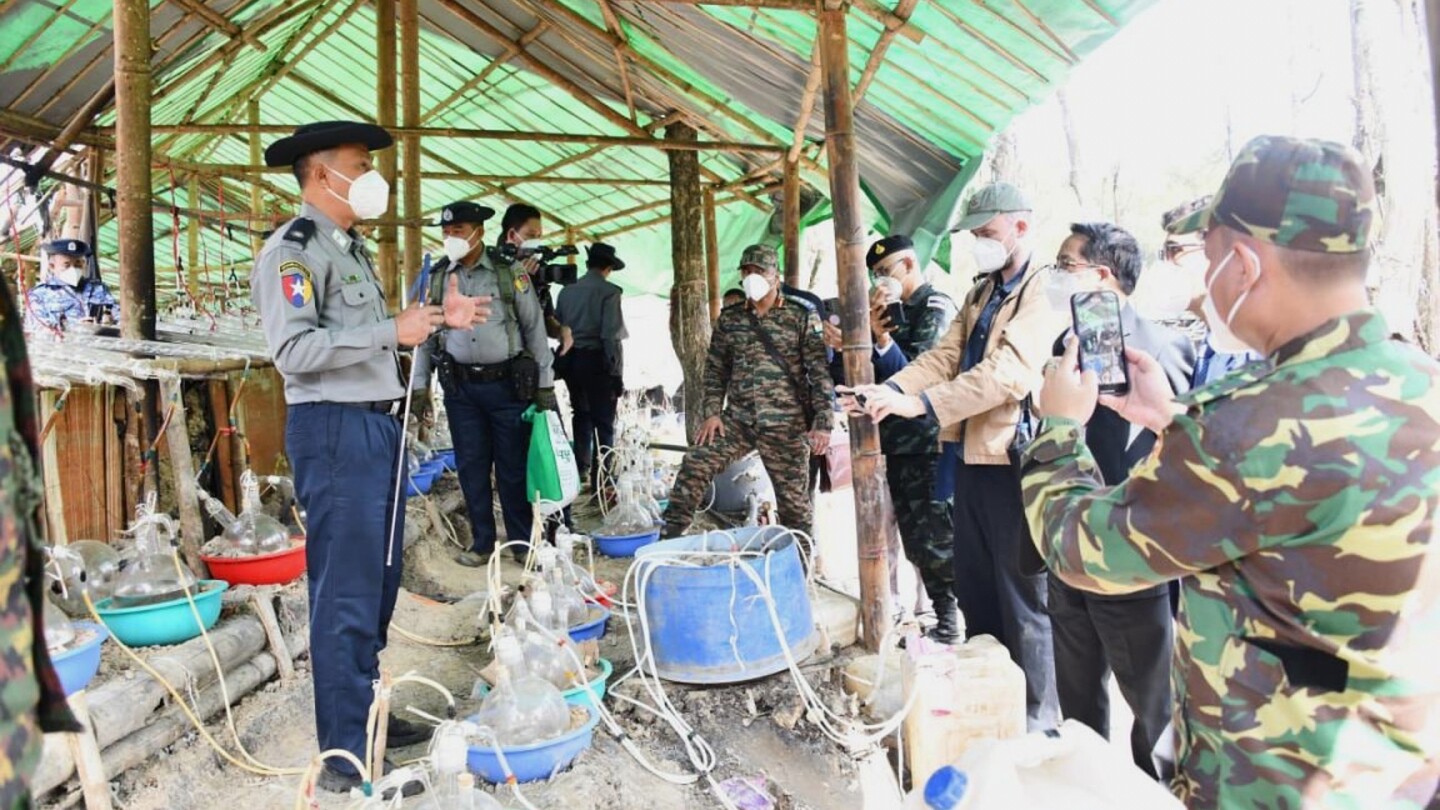
    In a significant counter-narcotics operation, Myanmar’s military government has reported the largest drug seizure in the nation’s history. State media confirmed on Thursday that security forces conducted extensive raids from January 8-12 targeting dual threats: drug production facilities and online scam centers in northern Shan state.

    The operation focused on Mongyai township, approximately 200 kilometers northeast of Mandalay, where authorities dismantled three major drug manufacturing facilities located within kilometers of each other. Home Affairs Minister Lt. Gen. Tun Tun Naung disclosed that these sites produced heroin, methamphetamine, and crystal methamphetamine (‘ice’).

    Photographic evidence released by the military revealed sophisticated production setups featuring dozens of blue plastic barrels filled with powdery substances, industrial gas cylinders, large mixing vats, and complex glass flask systems connected by tubing in makeshift structures.

    Military spokesperson Maj. Gen. Zaw Min Tun characterized these facilities as potentially the country’s primary drug-production hubs, with trafficking routes extending to neighboring Bangladesh, Thailand, and Malaysia through conflict areas in western, northwestern, and southeastern Myanmar.

    The context of Myanmar’s escalating civil war, which intensified following the 2021 military takeover, has created conditions that facilitate both drug production and distribution. Ethnic armed groups and local resistance forces have long been accused of using drug revenues to fund their operations, though the Shan State Progress Party specifically denied involvement in the targeted regions.

    According to official statistics, Myanmar authorities have seized drugs valued at approximately $2.8 billion over the past five years, destroyed over 10,000 hectares of opium poppy fields, and made more than 43,900 drug-related arrests.

    This development occurs against the backdrop of a December UN report indicating opium poppy cultivation in Myanmar has reached its highest level in a decade, with the country maintaining its status as the world’s largest methamphetamine producer.

  • Burj Khalifa, Dubai Mall Metro station expansion: RTA signs agreement to begin project

    Burj Khalifa, Dubai Mall Metro station expansion: RTA signs agreement to begin project

    Dubai’s Roads and Transport Authority (RTA) has formally commenced a significant expansion project at the Burj Khalifa/Dubai Mall Metro Station, one of the network’s most critical transportation hubs. The initiative, launched through a partnership agreement with Emaar Properties, aims to dramatically enhance passenger handling capabilities at the station serving Downtown Dubai’s iconic landmarks.

    The comprehensive upgrade will boost the station’s hourly capacity by 65%, increasing from 7,250 to 12,320 passengers. Daily handling capacity will simultaneously rise to accommodate up to 220,000 commuters, addressing persistent congestion issues during peak periods, particularly on New Year’s Eve and major holidays. The expansion responds to documented sustained growth in passenger demand, with ridership increasing from 6.13 million in 2013 to over 10.57 million in 2024.

    Infrastructure enhancements will expand the station’s total area from 6,700 to 8,500 square meters. The project scope includes redesigned station entrances, improved pedestrian bridges, expanded concourse and platform areas, and additional escalators and lifts. A critical operational improvement will separate entry and exit gates to optimize passenger flow, complemented by increased fare gates and expanded commercial spaces. The design also emphasizes better integration with other public transportation services and mobility options.

    RTA Director General Mattar Al Tayer characterized the project as a strategic investment in Dubai’s urban core, where tourism and economic activity concentrate most intensely. The expansion demonstrates the authority’s commitment to proactive infrastructure development capable of supporting rapid population growth and increasing visitor numbers while ensuring smoother mobility during high-demand periods.

    The agreement was formally signed by Al Tayer and Emaar founder Mohamed Alabbar during the Dubai World Project Management Forum, marking the implementation phase of plans initially announced in June 2025.

  • British Columbia ends drug decriminalisation pilot programme

    British Columbia ends drug decriminalisation pilot programme

    The Canadian province of British Columbia has announced the discontinuation of its groundbreaking drug decriminalization initiative, allowing the controversial three-year pilot program to expire at the end of January. Launched in 2023 as a progressive approach to addressing the province’s devastating opioid crisis, the policy permitted adults to carry up to 2.5 grams of illicit substances—including heroin, fentanyl, cocaine, and methamphetamine—without facing arrest, charges, or confiscation, except in designated sensitive areas such as schools and airports.

    BC Health Minister Josie Osborne publicly acknowledged the program’s shortcomings during a Wednesday news conference, stating the initiative “hasn’t delivered the results that we hoped for” regarding connecting individuals with addiction treatment services. The minister conceded that determining whether the policy successfully guided more people toward recovery services proved “difficult, if not even possible.”

    The decriminalization model, initially advocated by public health experts as a means to divert drug users from the criminal justice system toward therapeutic interventions, encountered substantial public opposition. Reports of open drug consumption in public spaces including parks, hospitals, and residential areas fueled concerns about community disorder and safety. Political opponents characterized the initiative as a “harmful experiment” that exacerbated public drug use issues.

    This policy reversal occurs amid a broader national shift in Canadian drug strategy, with provinces including Ontario and Alberta moving away from harm reduction approaches—such as supervised consumption sites—toward recovery-oriented treatment models. According to the Public Health Agency of Canada, opioid-related fatalities in BC experienced a 5.8% increase from 2023 to 2024, while preliminary 2025 data indicate declining drug-related deaths nationwide, though BC maintains the country’s highest mortality rate.

    The Canadian development mirrors similar policy reversals in the United States, where Oregon recently rescinded its drug decriminalization legislation following increased overdose rates and public dissatisfaction with visible street drug use. Similar proposals in Scotland have also faced rejection by UK authorities, indicating growing international reassessment of drug decriminalization approaches.

  • The new BTS album title and what to know about the K-pop band’s comeback

    The new BTS album title and what to know about the K-pop band’s comeback

    NEW YORK — K-pop phenomenon BTS is officially ending their nearly four-year musical hiatus with major announcements that have sent the global ARMY fandom into celebration. The septet confirmed through their label BigHit Music that they will release their fifth studio album, titled “ARIRANG,” on March 20, 2026.

    The comeback announcement follows the completion of all seven members’ mandatory military service requirements in South Korea. The group strategically staggered their enlistments to allow for individual projects while maintaining group cohesion. Rapper Suga, who served as a social service agent due to a shoulder injury, was the final member to complete his duties in June 2025.

    Complementing the album release, BTS revealed an extensive 2026-2027 world tour comprising over 70 dates across five continents. The tour will commence in South Korea in April 2026 and continue through March 2027, marking their first headline performances since their 2021-2022 Permission to Dance on Stage tour.

    Retail partnership details emerged simultaneously, with Target announcing exclusive preorder editions featuring 10 different vinyl variants and two CD editions with collectible photocards. Preorders opened Thursday at 9 p.m. Eastern time through the WeVerse platform, HYBE’s dedicated fan community service.

    While album artwork and specific tracklist details remain undisclosed, the announcement represents the culmination of plans initially teased last summer. The group had previously indicated they would begin working on new material in July 2025 following all members’ military service completion.

  • Moscow agrees with Trump that Ukraine is holding up a peace deal, the Kremlin says

    Moscow agrees with Trump that Ukraine is holding up a peace deal, the Kremlin says

    The Kremlin has publicly aligned itself with former U.S. President Donald Trump’s characterization of Ukrainian leadership as the primary obstacle to peace negotiations in the ongoing Russo-Ukrainian conflict. Kremlin spokesperson Dmitry Peskov stated Thursday that Moscow concurs with Trump’s assessment that President Volodymyr Zelenskyy is impeding U.S.-led peace efforts, marking a significant convergence of views between Russian officials and the former American president.

    This alignment emerges against a backdrop of starkly contrasting European perspectives. European leaders, including Polish Prime Minister Donald Tusk, have consistently attributed negotiation delays to Russian President Vladimir Putin’s strategic stalling tactics. Tusk explicitly countered Trump’s remarks, asserting on social media platform X that Russia had rejected the American-prepared peace plan and responded instead with intensified missile attacks on Ukrainian urban centers.

    Putin himself articulated Russia’s position during a diplomatic credentials ceremony, emphasizing Moscow’s demand for comprehensive security guarantees as an essential component of any prospective peace agreement. The Russian leader underscored that security must be “universal, equal and indivisible,” warning that without such assurances, Russia would persist in pursuing its military objectives.

    The diplomatic landscape appears increasingly complex as conflicting reports emerge regarding U.S. policy directions. While Trump’s comments suggested Ukrainian intransigence, simultaneous developments indicated potential hardening of American stance toward Russia. Senator Lindsey Graham referenced upcoming stringent sanctions designed to economically pressure Moscow, and U.S. officials accused Russia of dangerously escalating hostilities despite ongoing peace negotiations.

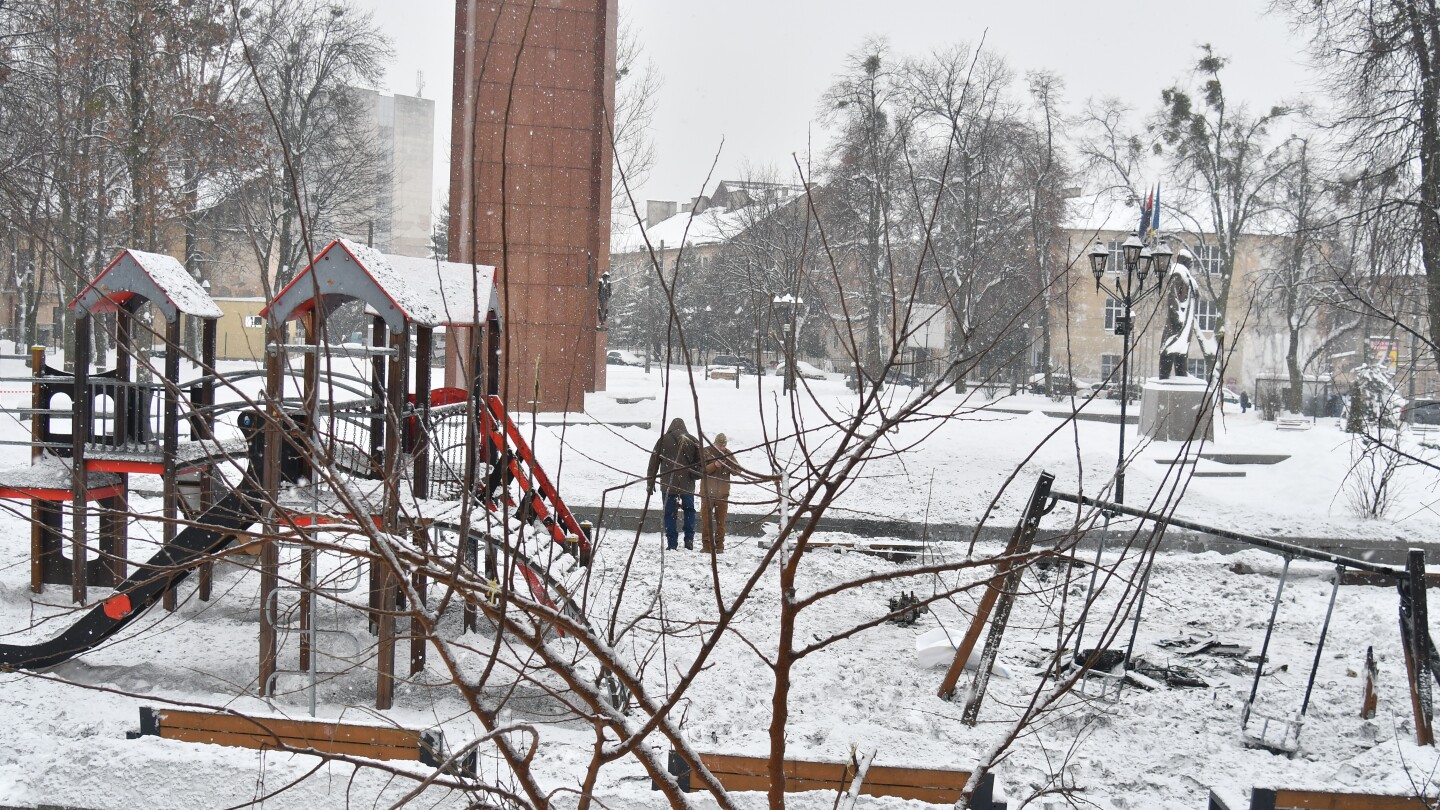
    Independent analysis from the Institute for the Study of War supports the European perspective, concluding that the Kremlin has deliberately protracted peace discussions to achieve original war aims through military means. This assessment gained grim validation as Russian drones struck civilian areas in western Ukraine, including a playground in Lviv, causing significant property damage though fortunately no casualties.

    With no agreed timeline for further diplomatic engagements between U.S. envoy Steve Witkoff and Russian officials, the conflict continues amid fundamentally divergent interpretations of negotiation impediments and security requirements.