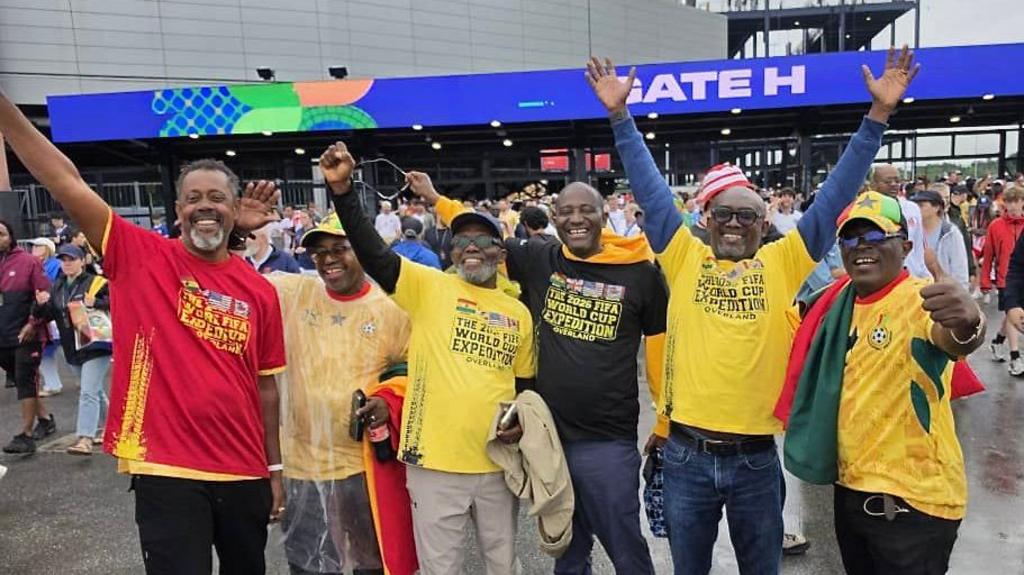
Football fandom has long inspired supporters to push boundaries to cheer on their national teams, but one tight-knit group of friends from Ghana has turned that devotion into an unforgettable, once-in-a-lifetime adventure. Rather than booking a flight or joining an organized tour to reach the 2022 FIFA World Cup in Qatar, the group chose to hit the open road, starting their journey in Ghana’s bustling capital Accra and navigating their vehicles across multiple continents to follow the Ghana men’s national football team, affectionately known as the Black Stars. Their route took them through North Africa, across Europe, and onward to North America, where they stopped in the United States and Canada to continue following the team’s campaign. BBC News Africa caught up with the travel crew in Boston, where the group opened up about the adventure that has strengthened their decades-long friendship and turned a simple pilgrimage into a global story of grassroots football passion. The report was produced by Celestine Karoney and Ian Williams, with filming by Alassane Dia and editing by Emmanuel James, and was published as part of BBC News Africa’s Africa Sport coverage just 55 minutes after it was finalized. What makes their journey stand out among thousands of fan travel stories is the sheer scale of their self-planned expedition: traversing multiple borders, navigating unfamiliar road networks, and overcoming logistical challenges all for the love of their national team and the shared joy of adventure with friends.
作者: admin
-
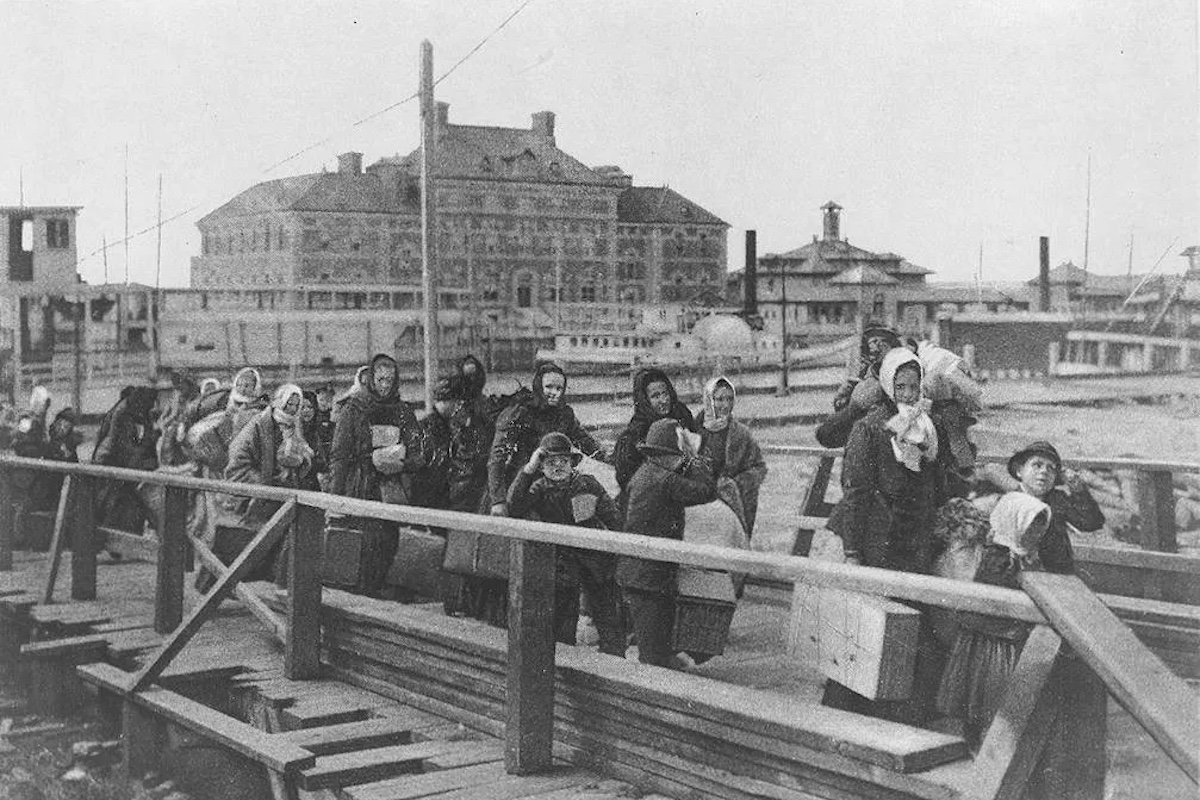
Culture war killing America’s response to demographic decline
In a landmark decision that reaffirms a core constitutional principle, the U.S. Supreme Court has once again ruled that the 14th Amendment guarantees automatic birthright citizenship to all individuals born on U.S. soil — including the children of undocumented immigrants and temporary visa holders, a group the second Trump administration had pushed to exclude from this long-standing legal protection.
The ruling immediately sparked fierce and intemperate backlash from far-right commentators, illustrating just how central anti-immigration activism has become to the identity of the modern American political right. The Federalist’s Sean Davis went so far as to suggest extreme, unhinged measures including dissolving the Union and forcibly sterilizing foreign visitors to the U.S., while prominent right-wing voice Matt Walsh issued hysterical claims that the ruling had destroyed the America he grew up in — a nation that already had birthright citizenship and high levels of unauthorized immigration during his childhood.
These over-the-top outbursts, while alarming, are characteristic of modern social media-fueled political discourse. They also lay bare the evolution of nativism on the right: what began as a policy issue has solidified into a closed, all-consuming ideological worldview that is resistant to reasoned debate, empirical data, or compromise. Today, the idea that immigration is an “invasion” designed to displace the country’s founding population has become a foundational belief for the American right, comparable in its cultural and political centrality to anti-racism for 2010s progressives and pro-Palestine activism for 2020s left-wing movements.
Crucially, however, this hardline nativist worldview represents a clear minority position in the United States, according to consistent public opinion data. Gallup polling confirms that an overwhelming majority of Americans still believe immigration, on balance, benefits the country. This is not to say the public supports open borders: sentiment against unauthorized immigration and in favor of strengthened border security remains widespread, and voter backlash against the chaotic, unrestricted quasi-legal immigration of the first Biden administration directly contributed to Trump’s 2024 election victory. Even so, most Americans do not view unauthorized immigration as an existential invasion, and broad support for a pathway to citizenship for long-term undocumented residents remains strong — even among many non-MAGA Republicans.
On the specific question of birthright citizenship, multiple polls echo the majority support for retaining the policy. A Quinnipiac University poll conducted ahead of the SCOTUS ruling found that 69% of registered voters believe the court should uphold the 1898 precedent reaffirming 14th Amendment birthright citizenship, with just 27% supporting reversal. Pew Research Center data does show that roughly half of Americans favor denying birthright citizenship specifically to children of undocumented immigrants, though pollsters rarely break out public opinion on children of temporary visa holders, leaving majority views on that specific subgroup unclear.
This split in public opinion actually creates an opening for pragmatic policy change: a targeted effort to revise birthright citizenship for children of undocumented immigrants could eventually build enough public support to pass a constitutional amendment, if hardliners were willing to pursue a majoritarian, compromise-driven strategy. But that path is largely off the table for today’s MAGA movement, which has turned immigration into a maximalist culture war issue. Taking an extreme position on immigration has become a core loyalty test for the movement; willingness to compromise to achieve tangible policy gains is seen as a sign of being an outsider, rather than a committed member of the movement.
On the Democratic side, political strategy is also being driven by reaction to MAGA, rather than coherent, long-term policy planning. On one hand, this has led even prominent left-wing voices to pivot unexpectedly after the SCOTUS ruling: progressive streamer Hasan Piker set aside his usual anti-American rhetoric to celebrate the ruling as a defeat for a fundamentally harmful change that would have upended more than a century of constitutional precedent. On the other hand, this purely reactive approach has made it nearly impossible to pass stable, sensible immigration policy. Because Trump and conservatives push for tighter restrictions, Democrats default to pushing for looser borders in response. This dynamic, the analysis argues, explains why the Biden administration took such a lax approach to border enforcement during its first term — a mistake that ultimately cleared the way for Trump’s return to the White House.
This lack of smart, bipartisan immigration strategy comes at a critical moment for the United States, which is now facing a growing fertility crisis that mirrors demographic trends across the globe. Two decades ago, U.S. fertility rates were high enough to keep the population stable long-term. Today, U.S. fertility has fallen below the rate Japan recorded in the 1980s, putting America on the same path of rapid population aging and shrinking that has defined Japan’s economy for decades. Without increased immigration, this demographic shift will have severe economic and social consequences: over the next 25 years, the ratio of working-age Americans per retiree will drop from 3-to-1 to 2-to-1, forcing higher taxes for working-age people to fund elder care, increasing the personal care burden for adults supporting aging parents, and dragging down economic growth and living standards for younger generations. As economist Paul Krugman has noted, immigrants are disproportionately represented in the elder care workforce, making immigration a direct solution to the coming care crisis. The burden of supporting a growing retired population is also likely to push fertility rates even lower, compounding the problem over time, with rural and small-town America hit hardest by population decline.
Immigration cannot permanently stop population aging in a low-fertility world — immigrants also age over time, and global population shrinkage will eventually reduce the global supply of immigrants. But U.S. economic strength and its long-standing global reputation as a destination for opportunity give the country a window to slow demographic decline and buy time to address the root causes of low fertility.
To maximize the benefits of immigration, the U.S. needs to design policy that aligns with both public opinion and economic reality. Fiscal data shows that college-educated immigrants generate a net positive contribution to public finances, reducing long-term national debt, while lower-educated immigrants create a net fiscal drain in the short term — a gap that narrows when accounting for upward mobility of second-generation descendants, but still remains significant. That means a policy of prioritizing skilled legal immigration, strengthening border security, and reducing unvetted quasi-legal asylum grants matches what most American voters say they want, while delivering the greatest economic benefit to the country.
It is legitimate to acknowledge that immigration is not just an economic issue, but a cultural one: assimilation is a two-way street, and immigrants reshape the culture of the countries they join, just as they adapt to it. For those who prioritize preserving the exact cultural character of the U.S. they grew up in, restricting immigration is a logically consistent position, and all nation-states retain the sovereign right to close their borders to preserve their cultural identity if they choose. But that position has already lost the argument in American public opinion: with 79% of the public saying immigration is good for the country overall, even with the understanding that it will bring long-term cultural change, the cultural preservation argument is a lost cause, regardless of how loudly its proponents shout and threaten.
For Democrats, the takeaway is clear: embracing open borders purely as a reaction to MAGA nativism is a political and policy mistake. Most Americans do not support unrestricted immigration; they favor legal entry of immigrants who can contribute positively to the national economy. If Democrats continue to respond to conservative election wins by loosening border controls and ignoring unauthorized immigration, voters will continue to elect xenophobic populists in response.
In an era of persistently low fertility, the United States desperately needs a thoughtful, pragmatic approach to immigration that puts national interest ahead of culture war posturing. It cannot afford to let a small, loud fringe of ideological activists dictate its long-term national demographic and economic policy.
-
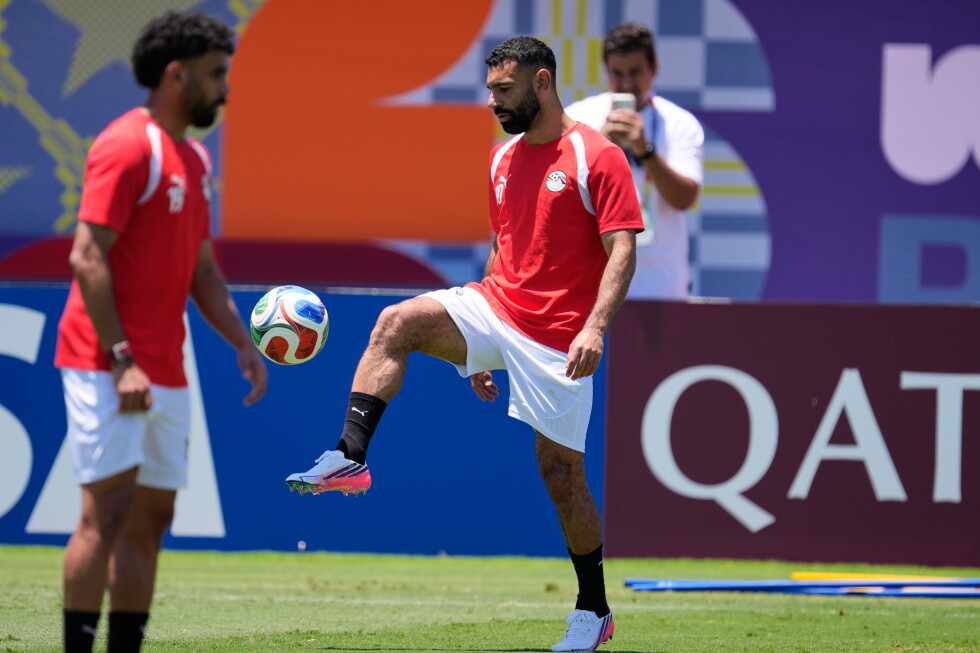
Salah starting after hamstring injury in Egypt’s World Cup knockout debut
ARLINGTON, Texas — In a surprising turn of events that has captured global soccer attention, star forward Mohamed Salah has been named to Egypt’s starting eleven for the nation’s crucial 2026 FIFA World Cup knockout stage opener against Australia, overcoming a hamstring injury picked up in the final match of the group stage. The 34-year-old Egyptian captain, who previously built his legendary career as a Liverpool forward, will take the field at AT&T Stadium, the home arena of the NFL’s Dallas Cowboys, on Friday. This unexpected starting placement comes just 24 hours after head coach Hossam Hassan told reporters via a translator that he was only cautiously optimistic Salah would be available to play, and that the winger would likely start the match on the bench. Off the pitch, Salah is also on the cusp of matching a historic Egyptian national team record. He is currently just one goal away from tying Hassan’s all-time mark of 69 international goals, a record that has stood for decades across Egyptian soccer. Across his 119 appearances for the Pharaohs, Salah has cemented his status as one of the greatest players to ever represent the North African nation. The hamstring injury that put his participation in Friday’s matchup in doubt came during Egypt’s decisive 1-1 group stage draw with Iran, a result that secured the Pharaohs a spot in the knockout round of the World Cup for the first time in the history of their four World Cup appearances. Salah was substituted off the pitch in the 57th minute of that match after picking up the injury, and Hassan confirmed in pre-match press briefings that Salah only participated in limited training sessions in the days leading up to the Australia clash. The unexpected decision to start Salah has injected new drama and anticipation into what is already one of the most highly anticipated knockout round matches of the tournament, with fans around the world waiting to see how the star forward performs on the global stage despite his recent injury setback.
-
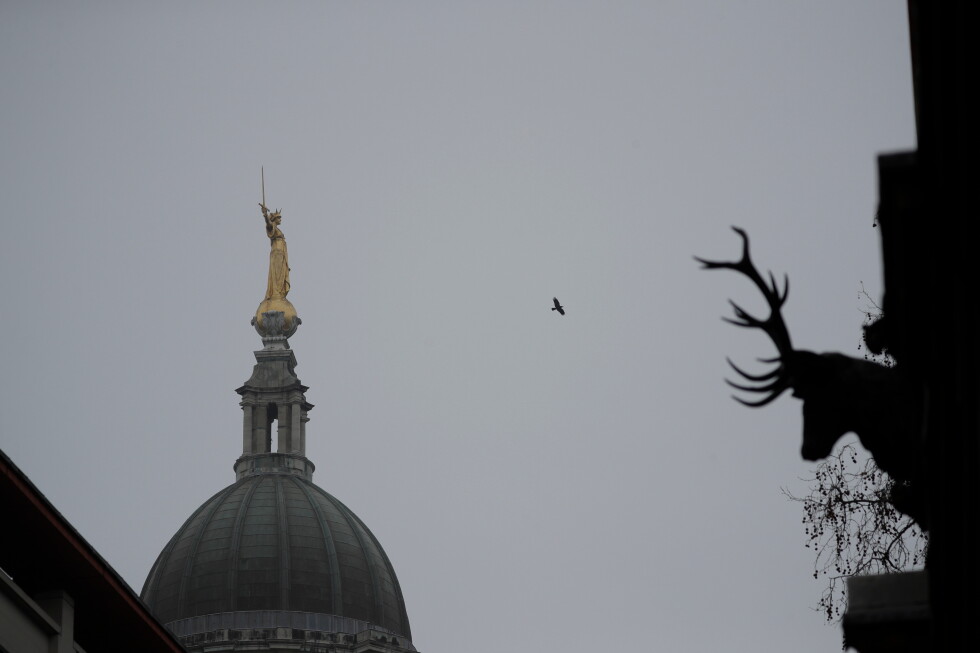
2 men jailed for stabbing an Iranian journalist in London in an attack blamed on Tehran
LONDON — A London court has handed down lengthy prison sentences to two Romanian men convicted of carrying out a state-sponsored stabbing attack against a prominent exiled Iranian journalist on British soil, in a case that has laid bare the growing threat of transnational Iranian aggression targeting opponents on U.K. territory.
Pouria Zeraati, a well-known host for London-based Persian-language opposition broadcaster Iran International, was attacked and stabbed in the leg in March 2024 as he stood outside his residential home in London’s Wimbledon neighborhood.
Following a jury trial last month, 21-year-old Nandito Badea, a former professional soccer player, and 25-year-old George Stana were found guilty of wounding with intent to cause grievous bodily harm. At Friday’s sentencing hearing at London’s Central Criminal Court, Judge Bobbie Cheema-Grubb concluded that evidence in the case overwhelmingly confirmed the plot was directed and ordered by the Iranian government.
“I am sure that this was an attack carried out for and for the benefit of a foreign power,” the judge stated in her ruling.
According to case details presented by law enforcement, Badea and an unidentified third assailant carried out the stabbing directly, before fleeing the scene in a getaway car driven by Stana. The pair flew out of the United Kingdom from London Heathrow Airport just hours after the attack. After months of cross-border law enforcement coordination, Badea and Stana were apprehended in Romania in December 2024 and extradited back to the U.K. to face trial. A third suspect, David Andrei, remains in Romanian custody, where criminal proceedings against him are ongoing.
In sentencing, Cheema-Grubb ruled that Stana was fully aware the attack was being carried out on behalf of Iranian authorities, and sentenced him to 12 years in prison. Badea, who was involved in the conspiracy for a shorter period of time, received an eight-year prison term.
This case marks the latest in a rising pattern of Iran-linked plots targeting opponents and minority groups on U.K. soil, according to British security and counter-terrorism officials. U.K. authorities have repeatedly warned that Iran increasingly uses criminal proxy actors based in Europe to carry out attacks against dissidents, opposition media and the British Jewish community.
Iran International, which operates outside of Iran to provide independent coverage critical of Tehran’s theocratic government, has faced escalating state-backed threats from Iran for years. In 2023, the broadcaster temporarily relocated its headquarters to Washington, D.C., after it described a major escalation of targeted threats from Tehran. It later resumed operations from an undisclosed new location in London. Prosecutors told the court that Zeraati, one of the channel’s most high-profile presenters, had been specifically targeted: a billboard displaying his image was spotted in the Iranian capital Tehran emblazoned with a “Wanted: Dead or Alive” notice.
Though Zeraati recovered from his physical injuries and has returned to his journalistic work, the attack left lasting psychological harm. In a victim impact statement, he shared that the incident left him permanently “scared and anxious,” and forced him to relocate outside of the U.K. to avoid the risk of further reprisals.
Senior Iranian diplomat based in the U.K. has denied any involvement by the Tehran government in the attack, a claim rejected by the court’s findings.
Chief Superintendent Kris Wright of Counter Terrorism Policing London said the court’s ruling backed up law enforcement’s core argument that the attack was ordered by the Iranian regime. “Our message to anyone being asked to carry out activity by foreign states or even unknown entities online is to think again, because you will be caught and you will face justice,” Wright said.
Ken McCallum, head of Britain’s domestic intelligence agency MI5, warned in an October 2024 address that British authorities had disrupted more than 20 potentially lethal Iran-backed plots targeting people on U.K. soil in the preceding 12 months. In recent months, an Iranian proxy group has claimed responsibility for a wave of antisemitic attacks across the U.K., including stabbings and attempted fire bombings targeting synagogues.
-
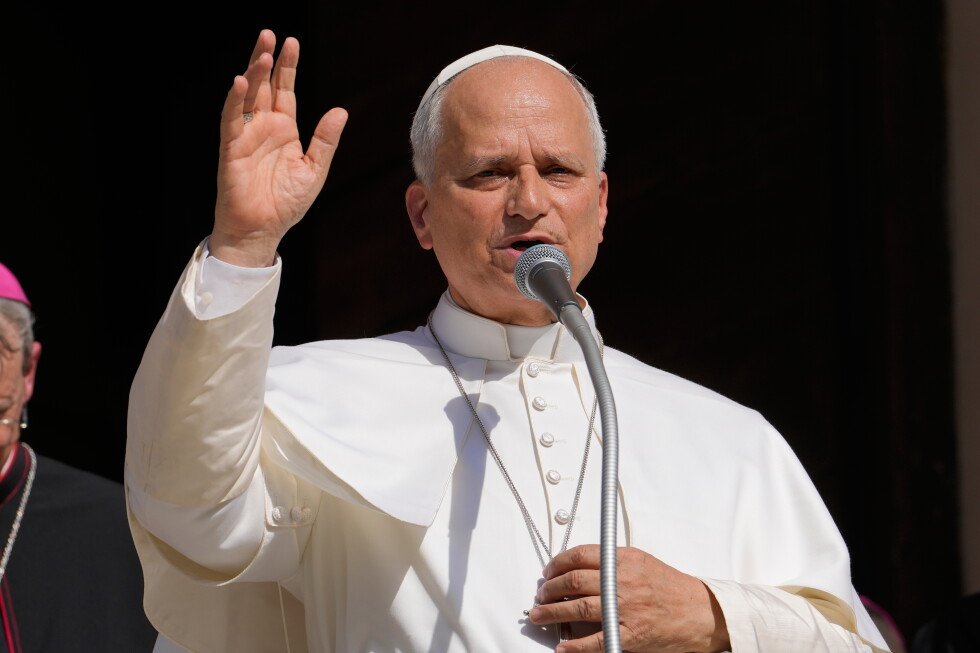
Pope urges US to recommit to founding ideas of protecting life, human dignity on 250th anniversary
On the eve of the United States’ 250th anniversary of the Declaration of Independence, history’s first American-born pontiff Pope Leo XIV delivered a remote address urging the nation to renew its commitment to the core founding principles of protecting life and upholding universal human dignity. Appearing via live video link from Vatican City in Rome to the nonpartisan National Constitution Center based in Philadelphia, the pope used the platform to highlight two long-held American traditions: the longstanding practice of welcoming migrants and the robust protection of religious freedom.
The National Constitution Center, a leading institution dedicated to constitutional education and public debate, presented Pope Leo with its annual Liberty Medal this year. The award, which recognizes global figures of “courage and conviction” who advance the cause of liberty worldwide, honors the pontiff for his decades-long work advancing religious liberty, freedom of conscience, and freedom of expression across the globe — values explicitly codified in the U.S. Constitution’s First Amendment, the center noted in its citation.
After receiving the honor, with the medal worn around his neck, Pope Leo outlined his plans for July 4 itself: a visit to the Sicilian island of Lampedusa, a site heavy with symbolic meaning amid the Trump administration’s strict new crackdown on unauthorized migration. For hundreds of thousands of people fleeing conflict, economic hardship, and extreme poverty across Africa and the Middle East, Lampedusa has long been the first point of arrival in Europe.
Pope Leo’s public call for humane treatment of migrants has already put him at direct odds with former President Trump, who has defended restrictive border policies. The pontiff has repeatedly framed the welcome of migrants as a core Gospel mandate, rooted in the biblical instruction to “welcome the stranger.”
In his address, the pope reflected on the origins of the United States, noting it was founded by “courageous men and women who dreamed of liberty and of a better life for themselves and for their children.” He recalled the Founding Fathers’ assertion that all people are created equal, endowed with unalienable rights to life, liberty, and the pursuit of happiness. He tied this founding vision directly to America’s legacy of immigration, noting the “noble vision” of the nation’s founders turned the U.S. into a global byword for freedom by opening its doors to successive waves of newcomers, allowing immigrants and their descendants to contribute to shaping the country’s future.
The pope also emphasized the founding ideal of the right to life, echoing longstanding Vatican teaching that opposes abortion and euthanasia by asserting every person has inherent dignity that must be protected from conception through natural death. “The moral greatness of a nation is manifested, above all, in its capacity to support, protect and cherish the lives of all, especially the most vulnerable and those whose worth is questioned,” he told the gathering.
Pope Leo closed his remarks with a prayer, asking that the founding ideals of shared human dignity, equal rights, and fundamental freedoms remain a “guiding light” for the U.S. in the present and for generations to come. He expressed hope that the 250th anniversary of independence would serve as a moment for the nation to make a solemn recommitment to these principles that have shaped America as a nation committed to peace and prosperity, marked by generosity and nobility of heart.
The Liberty Medal has an established roster of distinguished past recipients, including Ukrainian President Volodymyr Zelenskyy, the late U.S. Supreme Court Justice Ruth Bader Ginsburg, and the late civil rights icon and U.S. Representative John Lewis.
This reporting from the Associated Press, which receives financial support for religion coverage through a collaboration with The Conversation US funded by Lilly Endowment Inc., notes that the AP holds sole editorial responsibility for the content.
-
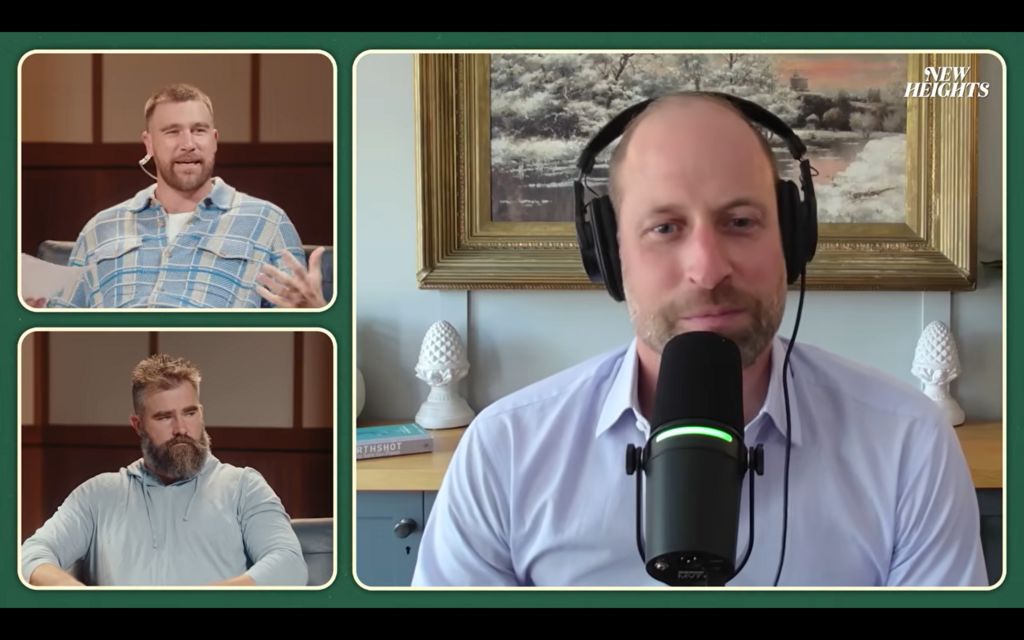
William talks World Cup football fever on Travis Kelce’s podcast
In a striking break from traditional royal press engagements, Britain’s Prince of Wales Prince William made a surprise guest appearance on *New Heights*, the popular YouTube sports podcast hosted by NFL stars Travis and Jason Kelce. The episode dropped on the exact same day Travis tied the knot with global pop icon Taylor Swift, but the conversation centered almost entirely on association football — including a lighthearted, now-viral terminology correction from the prince to the American hosts.
During the 28-minute casual chat, the conversation turned to the 2026 FIFA World Cup, which the United States will co-host alongside Mexico and Canada. When Travis Kelce referenced the sport as “soccer”, William interjected with a playful correction, clarifying that it is properly called “football” in most of the world. The heir to the British throne also opened up about his personal connection to the sport, revealing that his father, King Charles III, “hates football” — a fun contrast to the King’s past public comments identifying himself as a supporter of lower-league side Burnley FC.
When pressed on whether he would cross the Atlantic for the World Cup if England reaches the tournament final, William gave a definitive answer: “Definitely. If we’re in the finals.” He added that he hoped to meet both Kelce brothers at the match if the scenario comes to pass. This casual appearance is not the first time William has turned to non-traditional media to connect with broader audiences; last year, he spoke with comedian Eugene Levy on Apple TV about his plans to modernize the British monarchy, continuing a pattern of accessible, informal royal engagement.
The conversation also wandered into off-football topics, including the 250th anniversary of the United States. When asked if he was surprised the U.S. had reached the 250-year milestone, William teased back, “There were times… There were times. But I’d like to think the UK and the US would be together for those 250 years. Oh, yeah, it’s a good brotherhood.” The hosts also recalled a past meeting with William at an NFL game hosted at London’s Wembley Stadium, where Jason Kelce admitted he had no idea what to do with his beer when greeting the royal party, out of uncertainty over official protocol. Jason added that meeting Princess Charlotte was the highlight of the encounter, with the two joking about the challenges of raising four daughters.
Recorded shortly after England’s opening 2026 European qualifying match against Croatia, the conversation touched on what William considers a successful World Cup for the English national team. Unsurprisingly, he said, “I think winning it.” He also praised manager Thomas Tuchel’s attacking, fluid tactical approach, saying, “Thomas, I think, prefers to go a bit more out there — and if we lose, we lose playing the way we want to play. And if you’re going to score four goals, we’ll score five. And I think that’s a really good attitude.”
William, a lifelong diehard Aston Villa supporter, opened up about the emotional ups and downs that come with being a football fan. He shared that his devotion to the club actually grew deeper when Villa was relegated from the English Premier League to the Championship over a decade ago. “So I think weirdly, this sounds very odd, but I got into football more than ever when we got relegated,” he explained. “When Aston Villa went from Premiership to Championship, I suddenly really enjoyed the battle to get back in the Premiership.” He admitted that Villa’s results directly shape his mood: a win makes his entire weekend, while a loss leaves him so dejected he avoids social contact on Monday mornings. He recalled first falling in love with Villa 26 years prior, after watching a match against Bolton Wanderers, and reaffirmed that his passion for the club is entirely his own, repeating that his father wants nothing to do with the sport.
As president of the Football Association, the governing body of English football, William offered a blunt piece of advice for the organization: “Just don’t mess up.” When asked to name the all-time greats of English football for a “Mount Rushmore” of the sport, William named Sir David Beckham, Gary Lineker, Harry Kane, Steven Gerrard, Frank Lampard, and Sir Bobby Charlton. He specifically highlighted Kane, predicting he would go down as one of the greatest strikers in English history — a comment that looks prescient, as Kane has since broken the record for most goals scored for the English men’s national team. The podcast also referenced past casual encounters between the royals, Taylor Swift, and Prince William’s children Prince George and Princess Charlotte, when Swift posed for a viral selfie with the group two years prior.
-
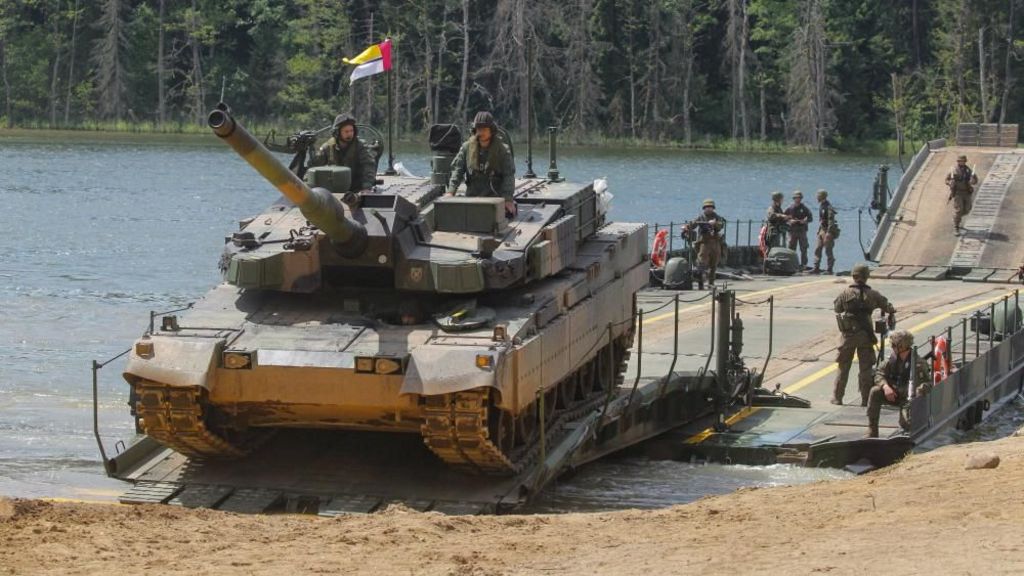
Polish PM warns critical months ahead in face of Russian threat
Tensions along NATO’s eastern flank have spiked in recent weeks as top Polish officials warn that the coming months could bring high-risk Russian provocations, even a direct attack against the alliance member, amid Moscow’s ongoing full-scale invasion of Ukraine. In late June, Polish and Lithuanian military units conducted a joint exercise along their shared border, a move that underscores growing unity and preparedness as regional anxieties about Russian aggression rise to their highest level in months.
Polish Prime Minister Donald Tusk laid out the gravity of the situation during a press briefing Friday, acknowledging that while he does not seek to stoke public panic, shifting dynamics in the Ukraine war have created a uniquely volatile period for Eastern Europe. “I don’t mean to scare anyone but the coming months may truly be critical, also due to the changing nature of the war. These concerns are particularly palpable in the Baltic states,” Tusk told reporters, confirming that Warsaw is drawing up contingency plans for a wide range of potential scenarios.
Tusk’s comments came in response to emerging media reports, citing declassified and shared U.S. intelligence, that claim Moscow is plotting an armed provocation inside Polish territory designed to test NATO’s collective defense commitment. According to Polish outlet Onet, sources close to Polish President Karol Nawrocki confirmed U.S. officials have issued multiple formal warnings to Warsaw about the alleged plot. The U.K.’s Telegraph further detailed the purported plans, which include possible missile or drone strikes on Polish critical infrastructure, or even the deployment of Russian ground forces into the NATO country.
The overarching goal of any such provocation, analysts and reports suggest, would be to force Western backers of Ukraine to suspend military and economic aid to Kyiv, allowing Russia to secure a favorable position on the battlefield more than two years after launching its full-scale invasion. Neither the White House nor the U.S. State Department has issued an official response to requests for comment from the BBC on the alleged intelligence warnings.
Tusk emphasized that Polish officials are not overreacting but are taking the threat seriously, noting that intelligence shared by allied partners has helped Warsaw map out potential risks. “Let’s not be afraid, we are preparing for various situations, but we cannot ignore them… We are aware of the threats, also thanks to information from our allies,” he said. Nawrocki is set to join fellow NATO heads of state for a critical alliance summit in Washington D.C. next week, where two key topics will dominate the agenda: increasing European defense spending in line with longstanding calls from former U.S. President Donald Trump, and cementing ongoing pledges of military aid to Ukraine.
This is not the first time Tusk has sounded the alarm about Russian expansion toward NATO territory. In an April interview with the Financial Times, he warned that Russia could launch an attack on a NATO member state within months. His deputy, Deputy Prime Minister Radek Sikorski, doubled down on that warning in a June interview with CBS News, saying he could not rule out a Russian “false flag” operation within the next two years that would provide a pretext for an attack on the alliance.
Regional anxiety over Russian aggression is not isolated to Poland. Baltic NATO members, which share direct borders with Russia and its exclave of Kaliningrad, have long flagged their own vulnerability to attack. In June, Latvian intelligence services publicly warned that Moscow was planning military provocations in the Baltic region or in Poland. On Thursday, Lithuania’s NATO ambassador told the country’s public service broadcaster LRT that Russia is far more likely to pursue hybrid tactics—such as unauthorized missile or drone incursions—than a full-scale conventional military attack.
At the core of the current standoff is NATO’s foundational Article 5, which enshrines the principle of collective defense: an armed attack against any single alliance member is considered an attack against all, requiring all members to take action to defend the targeted state. Any Russian provocation inside Polish territory would therefore represent the most significant test of this core principle since the alliance’s founding, adding extra weight to next week’s summit as leaders seek to project unified resolve against Russian aggression.
-
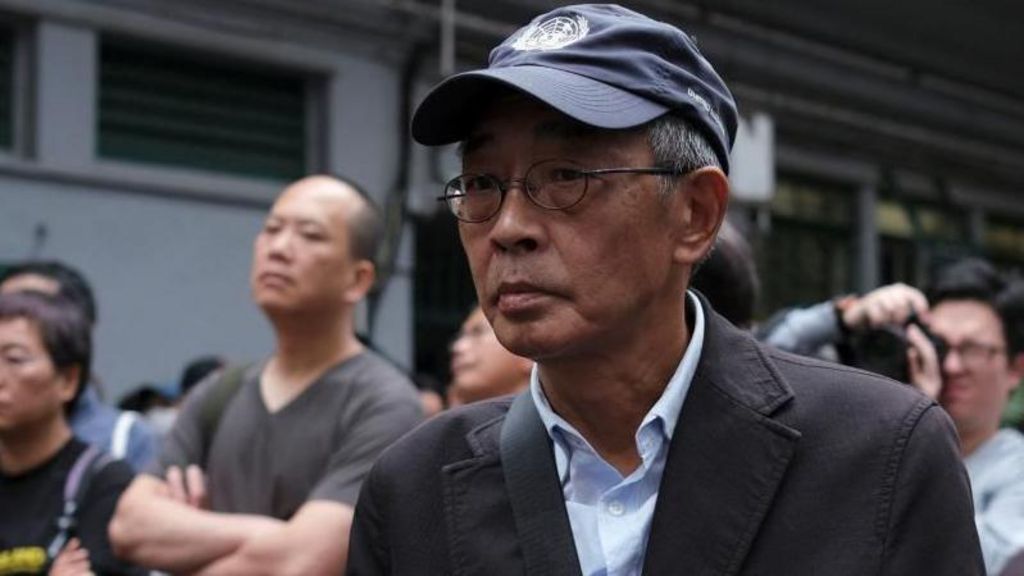
Dissident Hong Kong bookseller Lam Wing-kee dies aged 70
Veteran Hong Kong pro-democracy bookseller Lam Wing-kee, a prominent figure who drew global attention for his defiance of Beijing and eventual exile in Taiwan, has passed away at the age of 70 following a battle with lung cancer. According to regional media reports, Lam breathed his last at Taipei’s Mackay Memorial Hospital late Thursday, two days after he was admitted to the facility and slipped into a coma.
Lam’s decades-long life became a high-profile symbol of resistance against eroding free expression in Hong Kong, a former British colony that returned to Chinese rule in 1997 under a framework guaranteeing separate civil liberties not extended to the mainland. His story first made international headlines in 2015, when he was detained by Chinese authorities during a routine trip to mainland China. Held for more than 400 days, he was one of five Causeway Bay Books staff and owners targeted in a sweeping crackdown on Hong Kong bookstores that sold political texts critical of China’s ruling Communist Party elite. Lam later publicly refuted a televised confession aired by Chinese state media, describing it as a forced, scripted performance that did not reflect his true views.
His detention and subsequent escape from custody sparked widespread global alarm over creeping authoritarian influence on Hong Kong’s long-protected freedoms, laying early groundwork for the massive, months-long pro-democracy protests that rocked the territory in 2019. That same year, facing new risks of rendition to the mainland under a proposed Hong Kong extradition bill that triggered the mass demonstrations, Lam fled Hong Kong for self-exile in Taiwan, an island democracy that Beijing claims as its own territory with no international recognition.
After relocating to Taipei, Lam fulfilled a long-held goal by reopening his iconic Causeway Bay Books in exile. Taiwanese authorities at the time hailed the reestablished store as a powerful symbol of democratic resilience and commitment to free speech for communities from Hong Kong who had resettled on the island. In what would become his final major interview, speaking with BBC’s *Witness History* series in 2024, Lam reflected on his lifelong principles: “Everyone has their own values. You can’t go against your values, nor can you betray others. If you believe something is right, you should continue to stick to it. It’s not like you’re harming anyone. If everyone could do that, this would of course be a better place.”
News of Lam’s death drew immediate tributes from across Taiwan’s political sphere. Taiwan President Lai Ching-te published a statement on his official Facebook page expressing profound sorrow over the passing, extending condolences to Lam’s family and friends. “Lam Wing-kee’s life bore witness to the value of freedom of expression, and to the fear and suffering inflicted by authoritarian repression,” Lai wrote. “He chose not to remain silent. Instead, he reopened Causeway Bay Books in Taiwan, turning it into a place where friends from Hong Kong could gather, speak out and support one another.”
-
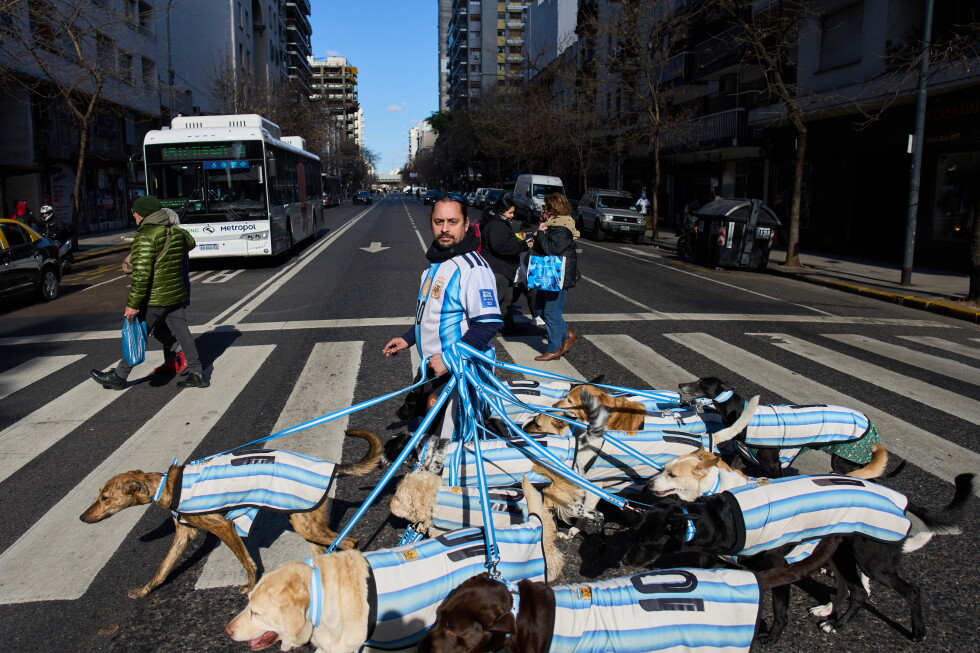
Puppy love as dog walker turns his pack of 13 into Argentina jersey-clad World Cup followers
As World Cup fever sweeps across Argentina, ahead of the nation’s round of 32 knockout match against Cape Verde, one Buenos Aires local has reimagined what it means to show national team pride – by turning a pack of 13 pet dogs into the country’s most charming street-side fan group.
Thirty-three-year-old Nahuel Meneghini, known affectionately to locals as “Nano”, is a professional dog walker who operates in the central Buenos Aires neighborhood of San Cristóbal. Inspired by Argentina’s progression out of the group stage of the tournament, he launched his unique fan project last week, outfitting every dog in his daily pack in official-style Argentina national team jerseys, custom light blue and white leashes, and matching collars.
Meneghini first got the idea after two of his regular walking clients’ dogs, Sirio and Roberta, arrived already sporting Messi’s iconic number 10 jerseys, purchased by their caught up in the country’s World Cup excitement. He loved the concept so much that he expanded it to the whole pack: he visited a local pet supply store to source jerseys in sizes to fit every dog, and handcrafted matching branded leashes and collars for the group.
The custom leashes bear three small metal rivets, each marking one of Argentina’s three historic World Cup titles – won in 1978, 1986, and most recently 2022 under current head coach Lionel Scaloni. Collars are tagged with the group’s official name, “Los perros de Nano”, or Nano’s Dogs. The pack’s social media nickname, “La Perroneta”, is a playful twist on “La Scaloneta”, the beloved nickname for Scaloni’s Argentina squad, who have earned widespread national adoration after winning the 2021 Copa América, 2022 Finalissima, and the 2022 World Cup.
Dressed in Argentina fan gear from head to toe himself, Meneghini skillfully guides his 13 four-legged fans along the narrow sidewalks of San Cristóbal, covering roughly 60 blocks across the city almost every day. Passersby consistently stop to smile, pull out their phones to snap photos, and cheer on the pack and the national team. Local residents have embraced the group wholeheartedly: many dog owners in the neighborhood have already placed orders to have their own pets outfitted with matching gear, which Meneghini offers at a discounted rate to fellow fans.
Eighty-year-old local Edgardo Pérez, who stopped to photograph the group, noted that the joyful display is a rare bright spot for working people and retirees in the country, saying “These are the only joys we have because nothing ever goes our way, not for workers or retirees. Everything is against us.” Seventy-three-year-old Dora Maisano echoed that warm sentiment, calling the display genuine patriotism. “Now that is patriotism,” she said as she watched the pack pass. “Not just peeing and pooping. Everyone wearing the No. 10. Well done, congratulations — they look so cute!”
Speaking to the Associated Press during a walk with the pack Thursday, Meneghini said he created the project out of his own love for the national team, his country, and the World Cup. He added that the dogs will keep their national team gear “forever” – even if Argentina is eliminated from the 2026 tournament. Still, he remains optimistic about the team’s chances, saying “But I have faith that we’ll win a fourth cup. After the fourth one, I’ll add another rivet to the leashes.”
-
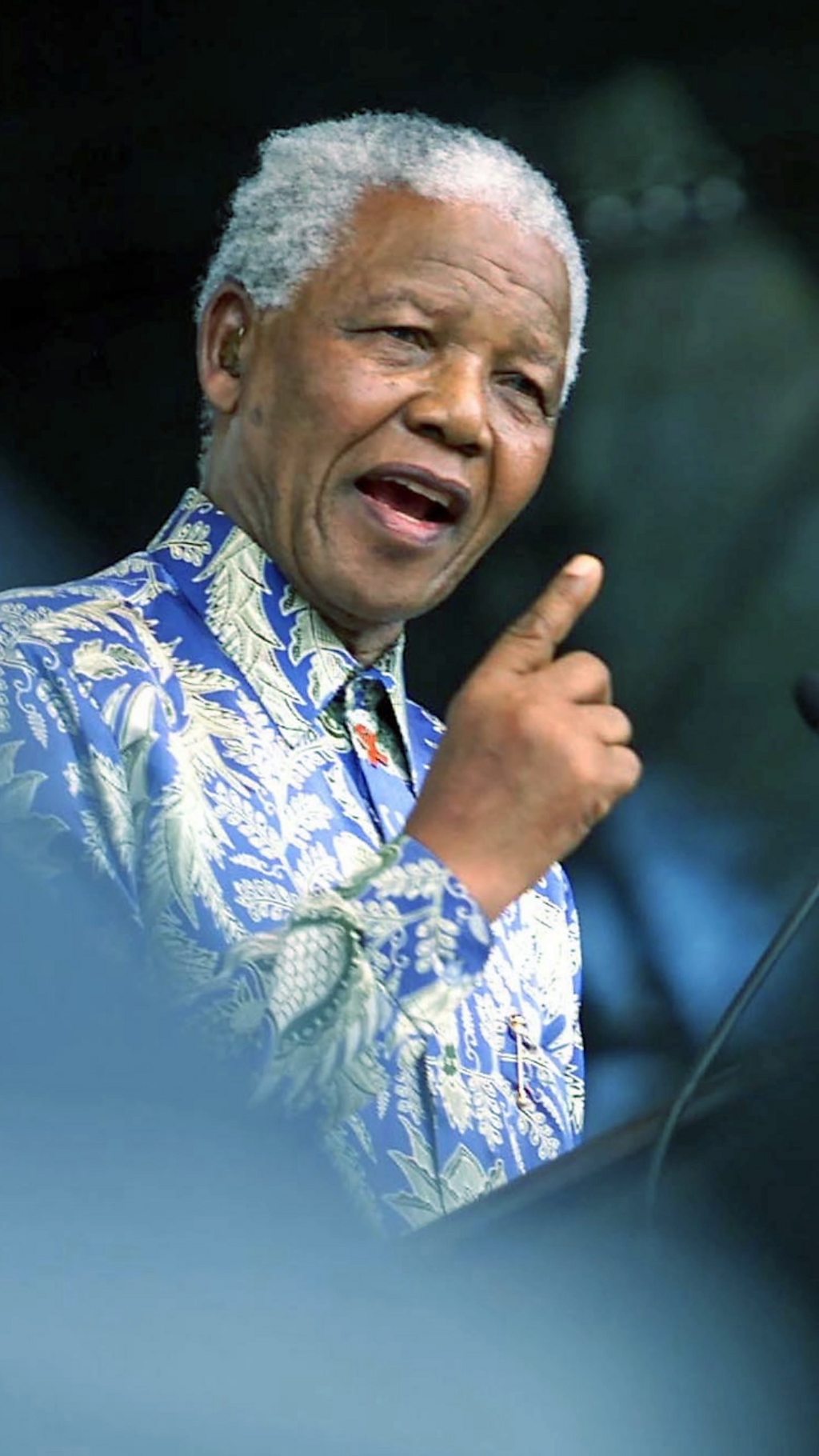
Ndileka Mandela on anti-migrant protests: ‘Grandad wanted rule of law not mob justice’
As South Africa grapples with rising tensions over immigration and a wave of violent anti-migrant protests across the nation, a prominent member of the Mandela family has stepped forward to reaffirm the core values that defined the country’s iconic anti-apartheid leader. Ndileka Mandela, granddaughter of Nelson Mandela, the nation’s first post-apartheid president, has publicly pushed back against the vigilantism driving recent unrest, arguing that her grandfather would never have backed the mob justice that has swept through communities targeting foreign-born residents.
In her statement addressing the unrest, Ndileka Mandela clarified that while the late statesman would have backed sensible, rights-respecting policy to govern immigration and protect national border integrity, he never would have condoned extrajudicial violence or collective targeting of migrant groups. Her intervention comes at a moment of deep national debate, as anti-migrant sentiment has spilled over into public disorder, stoked by economic grievances and inflammatory rhetoric that scapegoats foreign nationals for the country’s ongoing socioeconomic challenges, including high unemployment and limited access to basic services.
By grounding her criticism of the protests in the legacy of the man who led South Africa’s transition to inclusive democracy, Ndileka Mandela has added a high-profile moral voice to calls for calm and for policymakers to address the root causes of anti-migrant tension through lawful, inclusive policy rather than violence. Her comments highlight a growing divide between those who embrace populist, exclusionary approaches to immigration and those who uphold the founding democratic principles of equal rights and the rule of law that Nelson Mandela spent his life advancing.