作者: admin

  • Gulf states and Israel persuade US to hold off on Iran strikes

    Gulf states and Israel persuade US to hold off on Iran strikes

    A coalition of Middle Eastern nations has successfully intervened to prevent potential military strikes by the United States against Iran, according to multiple diplomatic sources. The diplomatic effort, involving Egypt, Oman, Saudi Arabia, and Qatar, raised urgent concerns about regional destabilization and global economic consequences.

    Anonymous Arab diplomats revealed that senior officials from these nations engaged in intensive negotiations with the US administration over a 48-hour period. Their warnings about the catastrophic implications of military action reportedly reached President Donald Trump at the critical moment when strikes were being considered.

    The Telegraph reported that appeals from both Gulf states and Israel ultimately persuaded Trump to abandon plans for military engagement on Wednesday night. This development occurred despite the administration’s public maintenance of military readiness rhetoric.

    White House press secretary Karoline Leavitt maintained the official position on Thursday, stating that “all options remain on the table” regarding US policy toward Iran. However, the diplomatic breakthrough appears to have created an unexpected shift in tensions.

    In a surprising related development, President Trump expressed gratitude toward the Iranian government on Friday, acknowledging their decision to cancel planned executions. “Iran canceled the hanging of over 800 people,” Trump told reporters while departing the White House, adding that he “greatly respected” this decision.

    The successful diplomatic intervention represents a significant moment in Middle Eastern relations, demonstrating how regional powers can collaboratively work to prevent escalation between global superpowers and neighboring states.
  • Dubai’s RTA expands bridge leading to DXB Terminal 1

    Dubai’s RTA expands bridge leading to DXB Terminal 1

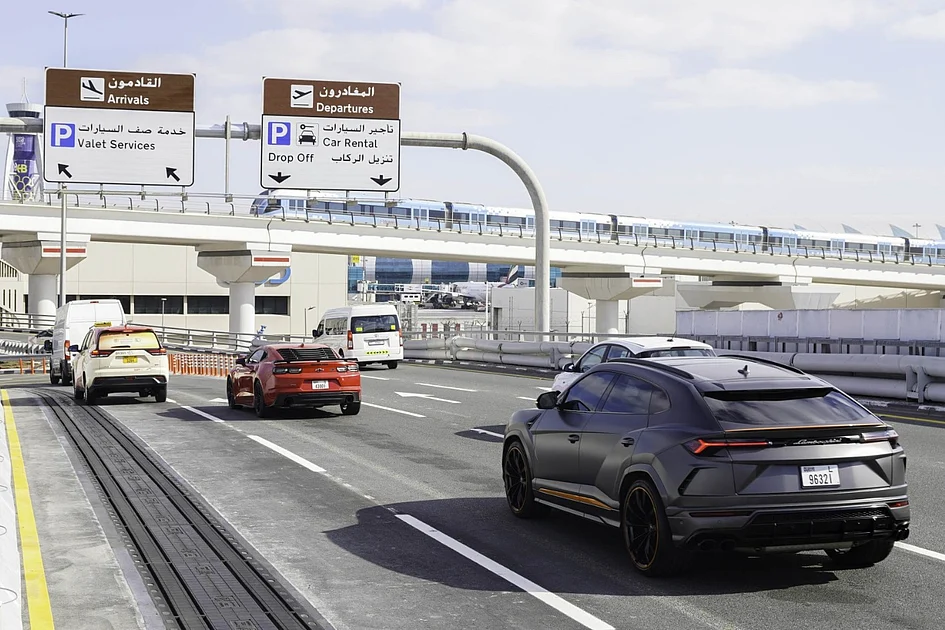
    Dubai’s Roads and Transport Authority (RTA) has successfully completed a major infrastructure upgrade at Dubai International Airport (DXB), announcing the inauguration of an expanded bridge leading to Terminal 1 on Saturday, January 17, 2026. The strategic enhancement increases traffic lanes from three to four, substantially elevating the bridge’s capacity from 4,200 to 5,600 vehicles per hour—representing a significant 33% improvement in traffic throughput.

    The infrastructure project, developed in collaboration with Dubai Aviation Engineering Projects (DAEP), employed innovative engineering solutions to minimize disruption. RTA utilized steel box girders integrated with a composite concrete deck, enabling accelerated construction without requiring traffic diversions on Airport Street or temporary support installations. This approach maintained uninterrupted traffic flow while adhering to the highest safety standards throughout the construction phase.

    Beyond lane expansion, the comprehensive project included road pavement enhancements, utility infrastructure upgrades, and extensive landscaping works. New street lighting systems were installed to improve visibility and safety for all motorists. RTA officials emphasized that the expansion directly addresses congestion issues, enhancing traffic flow to the airport terminal, reducing journey times, and improving overall customer experience for travelers and airport users.

    The initiative, initially announced in August of the previous year, forms part of RTA’s broader strategy to enhance road network efficiency and improve connectivity between major transportation corridors and key facilities across Dubai. This infrastructure improvement demonstrates the emirate’s ongoing commitment to maintaining world-class transportation systems capable of supporting its status as a global aviation hub.

  • Iran’s leader demands crackdown on ‘seditionists’ after protests

    Iran’s leader demands crackdown on ‘seditionists’ after protests

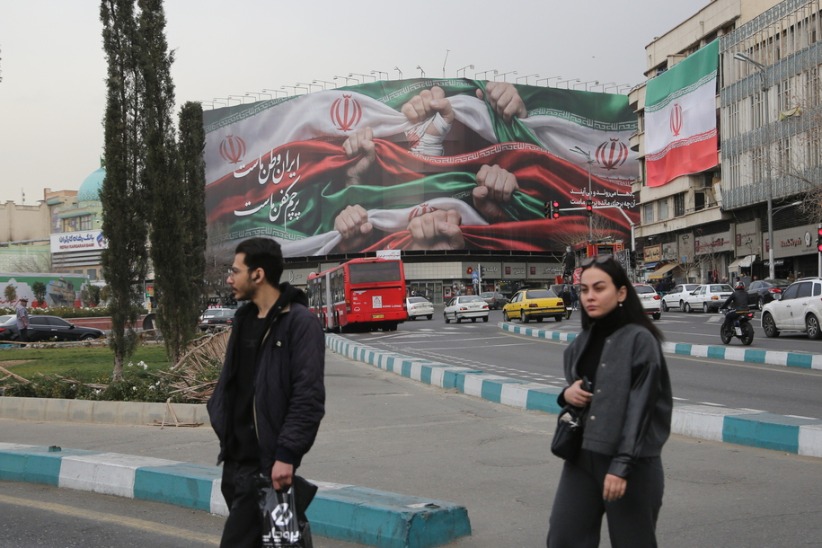
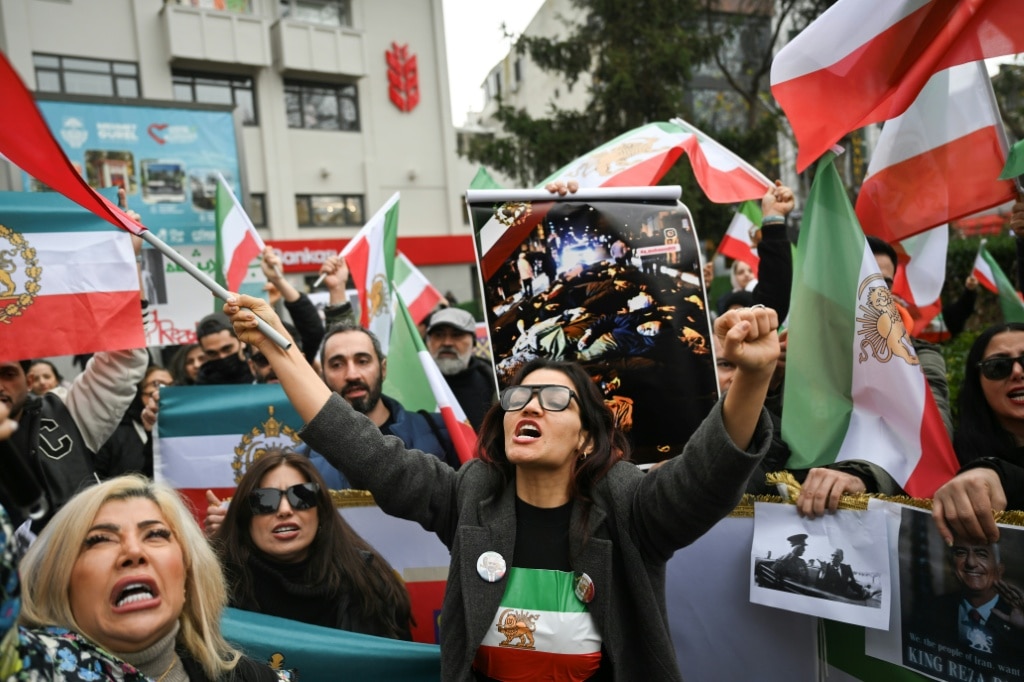
    In a significant escalation of rhetoric, Iran’s Supreme Leader Ayatollah Ali Khamenei has called for authorities to decisively confront what he termed ‘seditionists,’ directly blaming U.S. President Donald Trump for casualties during recent nationwide demonstrations. The address, broadcast on state television Saturday, came after weeks of the most substantial anti-government protests to challenge the Islamic Republic in over three years.

    The unrest, initially sparked by economic grievances, transformed into broad opposition against Iran’s clerical leadership before being suppressed through a severe crackdown that included a nationwide internet blackout lasting more than a week. While Iranian authorities claim to have restored calm and labeled the demonstrations as ‘riots,’ independent rights organizations report thousands of fatalities and arrests during the suppression campaign.

    Khamenei’s speech framed the protests as an ‘American conspiracy’ designed to reestablish Western ‘military, political and economic domination’ over Iran. He asserted that while Iran doesn’t seek conflict, it ‘will not spare domestic criminals’ and accused Trump of responsibility for the violence and accusations against Iran.

    The verification of casualties remains profoundly challenging due to ongoing internet restrictions, though multiple sources indicate a substantial death toll. Norway-based Iran Human Rights (IHR) has documented 3,428 verified fatalities while cautioning that the actual number could be significantly higher. Some estimates, including from opposition media outside Iran, suggest figures ranging from 5,000 to as many as 20,000 killed.

    Meanwhile, partial internet restoration has begun after approximately 200 hours of complete shutdown, though connectivity remains severely limited. The government prosecutor dismissed Trump’s recent claims about halted executions as ‘nonsense,’ maintaining that the state’s response had been ‘firm, dissuasive and swift.’

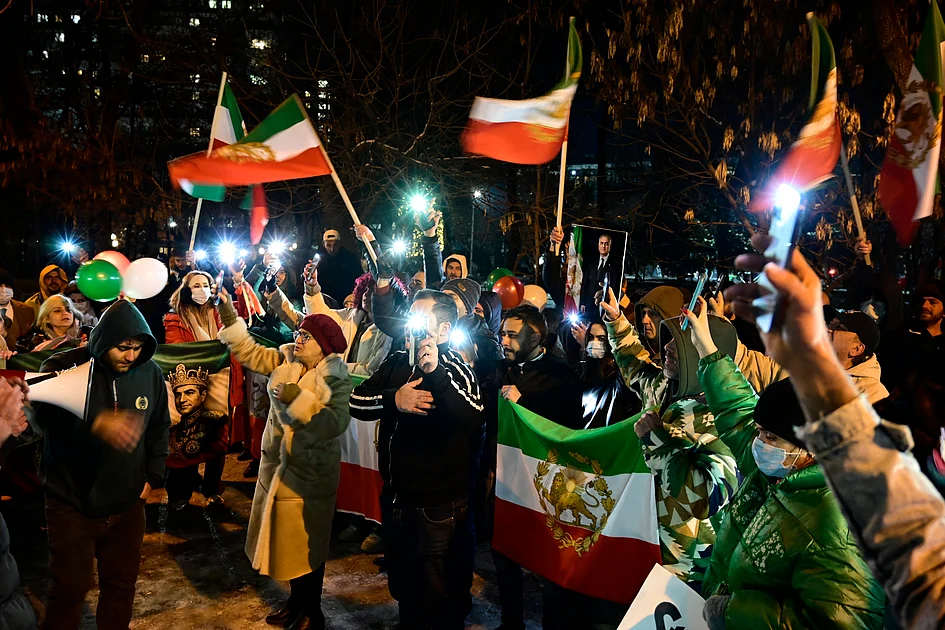
    Internationally, protests continue in diaspora communities across Europe, while Reza Pahlavi—son of the deposed Shah—has called for renewed demonstrations within Iran, though rights monitors report no verifiable protests in recent days amid heavy security deployments.

  • Opponents protest against China’s planned UK ‘mega embassy’ as decision deadline loons

    Opponents protest against China’s planned UK ‘mega embassy’ as decision deadline loons

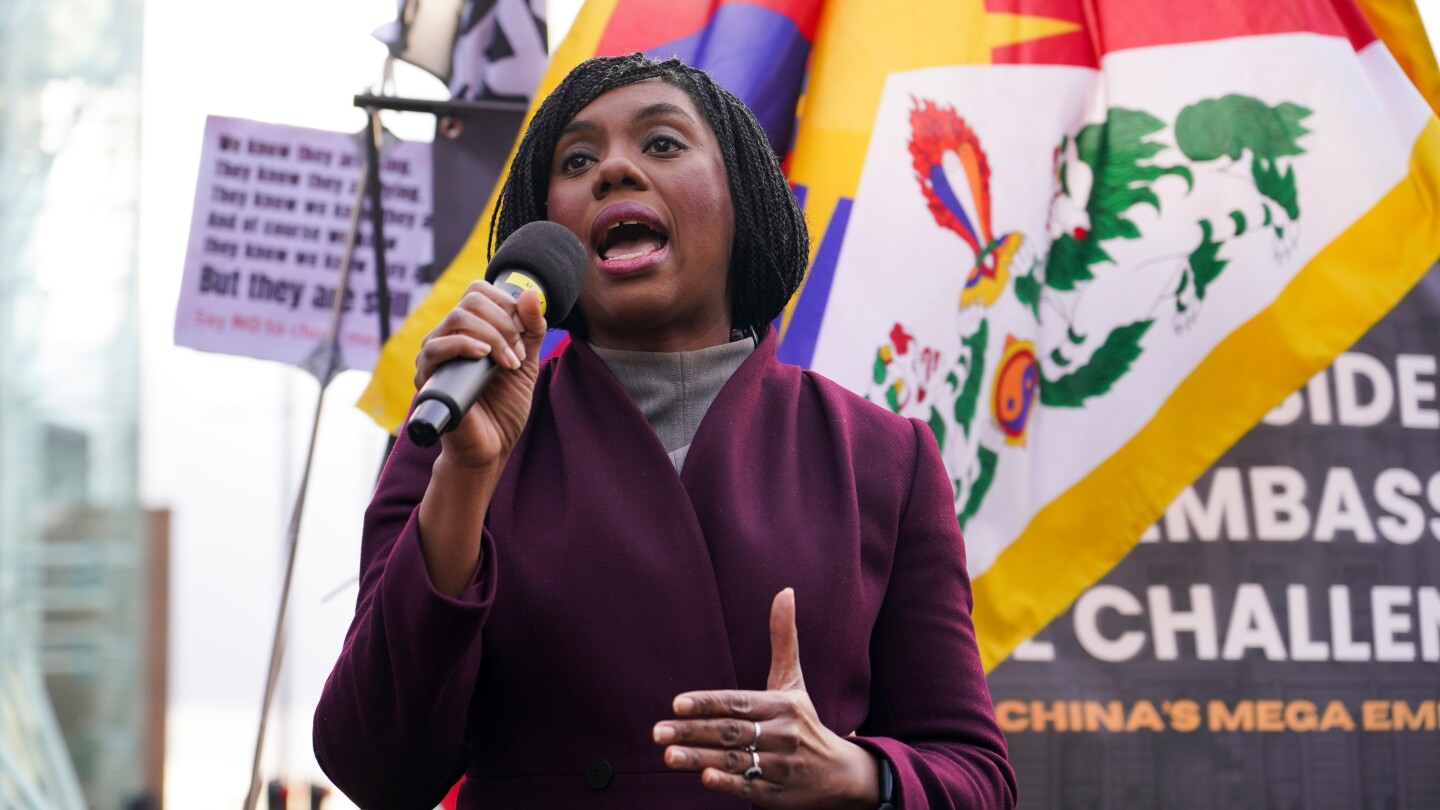
    LONDON — Britain’s political landscape has become the stage for a significant diplomatic confrontation as the deadline approaches for the government’s decision on China’s proposed mega-embassy in London. Opposition leader Kemi Badenoch of the Conservative Party joined hundreds of protesters Saturday at the planned construction site near Tower Bridge, delivering a forceful condemnation of Chinese government activities against British citizens and parliamentarians.

    The demonstration, featuring chants of ‘no China mega embassy,’ highlighted growing concerns about China’s alleged harassment of UK nationals and espionage activities. Badenoch accused the current Labour government of displaying excessive caution toward China, stating: ‘We know that we have to stand up to the abuses of China. What worries me is that we have a government right now that seems to be scared of China.’

    After seven years of delays and legal challenges, the UK government faces a Tuesday deadline to approve or block what would become China’s largest diplomatic compound in Europe. The proposed 20,000 square-meter complex on the former Royal Mint site would consolidate China’s seven current diplomatic premises into a single location near London’s financial district and critical data infrastructure.

    Security concerns have been at the forefront of the debate, with opponents warning the embassy could serve as a base for espionage operations and surveillance of Chinese dissidents in exile. Britain’s intelligence services have previously issued alerts about China’s ‘targeted and widespread’ efforts to recruit parliamentarians through professional networks and cover companies.

    Despite these concerns, security experts suggest the risks are manageable. Ciaran Martin, former head of Britain’s National Cyber Security Centre, noted that no government would override security services if they deemed the project too risky. ‘Unless we want to sever diplomatic relations with China,’ Martin wrote, ‘the location of their embassy becomes an issue of practicalities, security assessments and counterintelligence operations.’

    China has expressed frustration over the prolonged approval process, accusing the UK of ‘constantly complicating and politicizing the matter.’ The decision carries significant diplomatic implications, potentially paving the way for Prime Minister Keir Starmer’s anticipated visit to China and expansion of UK diplomatic facilities in Beijing. Starmer has emphasized the need to balance national security concerns with maintaining diplomatic dialogue and cooperation with China.

  • European Union and Mercosur bloc of South American nations sign landmark free trade agreement

    European Union and Mercosur bloc of South American nations sign landmark free trade agreement

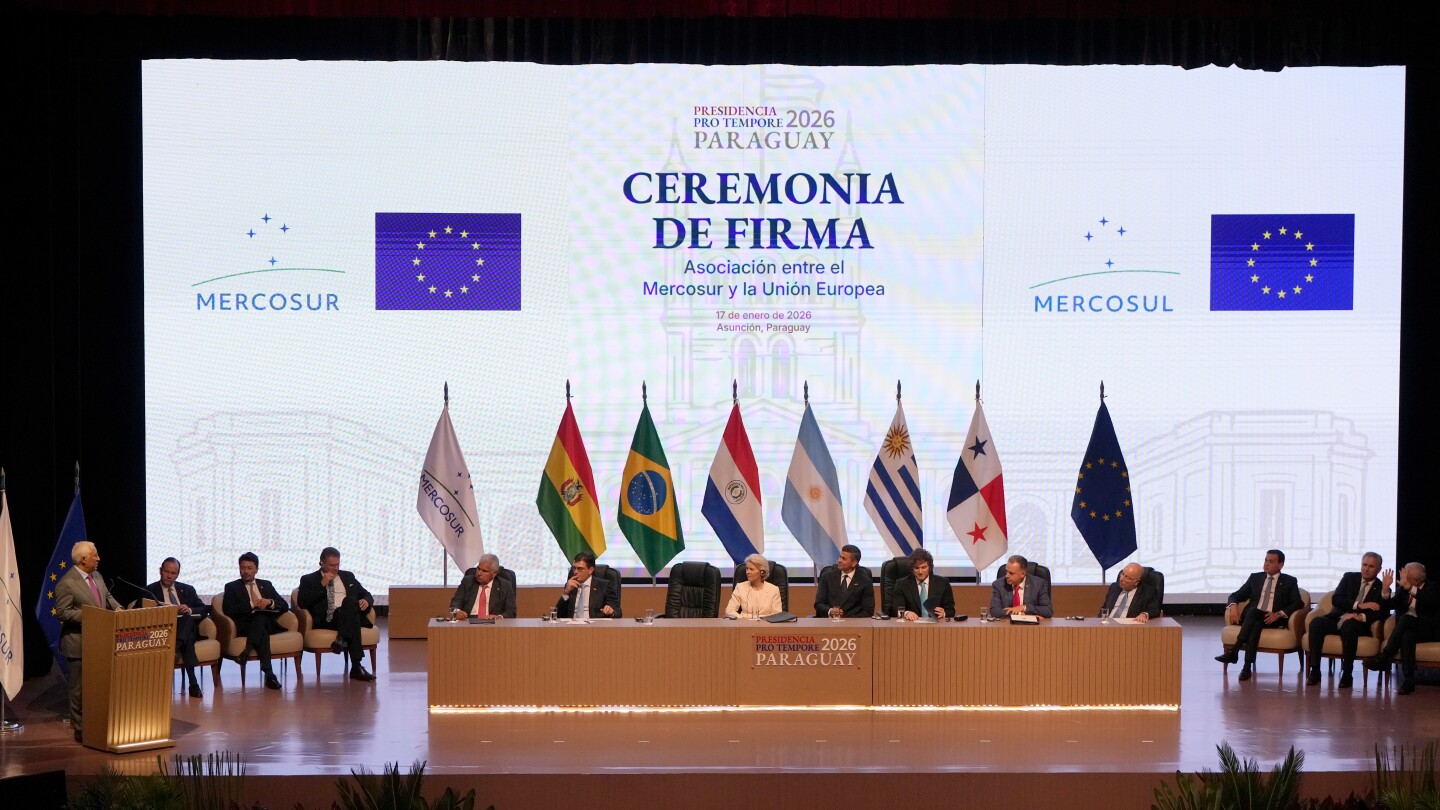
    ASUNCIÓN, Paraguay — In a significant geopolitical maneuver, the European Union and South America’s Mercosur bloc finalized a groundbreaking free trade agreement on Saturday, concluding over 25 years of complex negotiations. The signing ceremony in Paraguay’s capital represents a strategic expansion of EU influence in resource-rich South America during an era marked by escalating U.S. tariffs and growing Chinese export dominance.

    European Commission President Ursula von der Leyen emphasized the agreement’s profound geopolitical implications, stating: “We choose fair trade over tariffs. We choose a productive long-term partnership over isolation.” The event gathered presidents from Argentina, Uruguay, and Paraguay, along with Brazil’s foreign minister, demonstrating regional commitment to diversified international relations despite U.S. claims of hemispheric dominance.

    This accord establishes one of the world’s largest free trade zones, uniting over 700 million consumers and representing approximately 25% of global GDP. The agreement particularly benefits South America’s agricultural exporters and European industrial manufacturers seeking new markets for automotive and machinery exports.

    However, the deal faces one final obstacle: ratification by the European Parliament. Powerful protectionist interests on both continents, especially European farmers concerned about cheap agricultural imports, continue to oppose the agreement. To address these concerns, the pact includes gradual tariff reductions over 10-15 years, strict beef import quotas, safeguard mechanisms, and substantial EU subsidies for farmers. While these measures secured Italy’s support, France remains opposed to the agreement.

  • US judge restricts ICE response to Minneapolis protesters

    US judge restricts ICE response to Minneapolis protesters

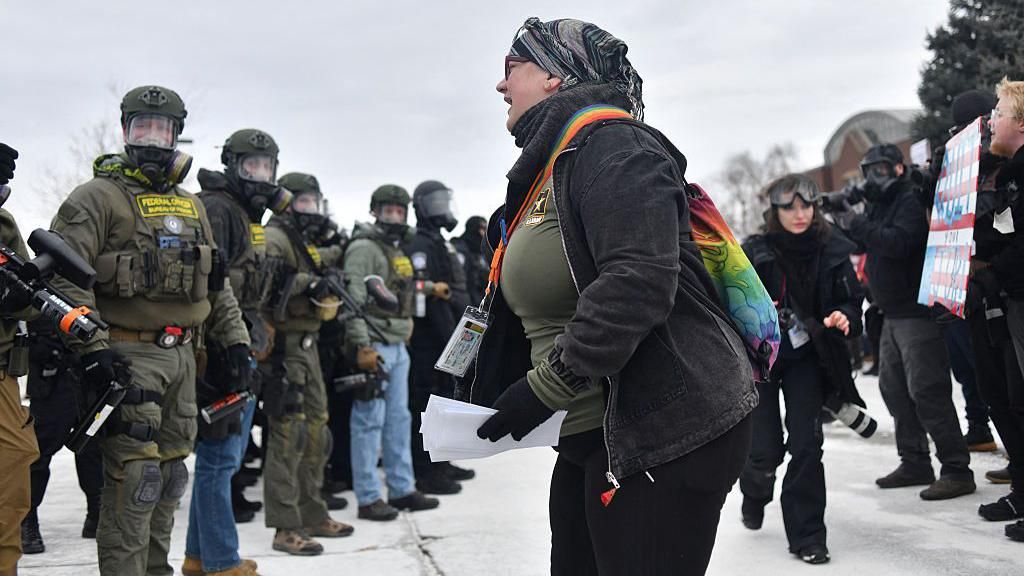
    A landmark judicial ruling has placed significant constraints on the enforcement methods available to U.S. Immigration and Customs Enforcement (ICE) agents when dealing with non-violent demonstrators. U.S. District Judge Katherine Menendez issued an extensive 83-page order late Friday, explicitly prohibiting federal agents from employing arrests, pepper spray, or comparable non-lethal crowd dispersal tools against individuals engaged in peaceful and unobstructive protest activities. This judicial directive also extends to limiting vehicle stops, stating that merely monitoring ICE operations from a safe distance does not constitute reasonable suspicion for detention.

    The court’s decision emerges from a December lawsuit filed by protest groups and arrives amidst heightened tensions in Minneapolis. These tensions were ignited by the fatal shooting of Renee Good by an ICE agent on January 7th, an event that has triggered sustained city-wide demonstrations. The ruling precedes a weekend expected to see further public outcry against widespread immigration actions, alongside a counter-protest organized by conservative figures.

    In response, the U.S. Department of Homeland Security (DHS) affirmed its commitment to taking ‘appropriate and constitutional measures’ to protect its officers and uphold the rule of law against what it termed ‘dangerous rioters.’ The White House publicly condemned Judge Menendez’s order, with spokesperson Abigail Jackson criticizing it as an embrace of a ‘dishonest, left-wing narrative’ and defending the lawful conduct of federal agents.

    Simultaneously, the Justice Department announced a separate investigation into Minnesota Governor Tim Walz and Minneapolis Mayor Jacob Frey, both Democrats, over alleged attempts to impede federal immigration operations. Both officials have been vocal critics of ICE’s tactics. U.S. Attorney General Pam Bondi stated the investigation serves as a reminder that ‘no one is above the law,’ a move Governor Walz decried as an ‘authoritarian tactic’ of weaponizing the justice system against political opponents. The Minnesota National Guard and additional law enforcement have been deployed in anticipation of the planned rallies.

  • Venezuelan banks will get $300 million of oil money to sell on exchange market

    Venezuelan banks will get $300 million of oil money to sell on exchange market

    In a significant move to address critical foreign exchange shortages, Venezuela’s interim government has authorized the distribution of $300 million in oil revenues to four private banks for sale on the exchange market. The funds, sourced from recent oil sales and held in a Qatari account, will be allocated to financial institutions to provide dollars to domestic companies requiring foreign currency for essential imports and raw materials.

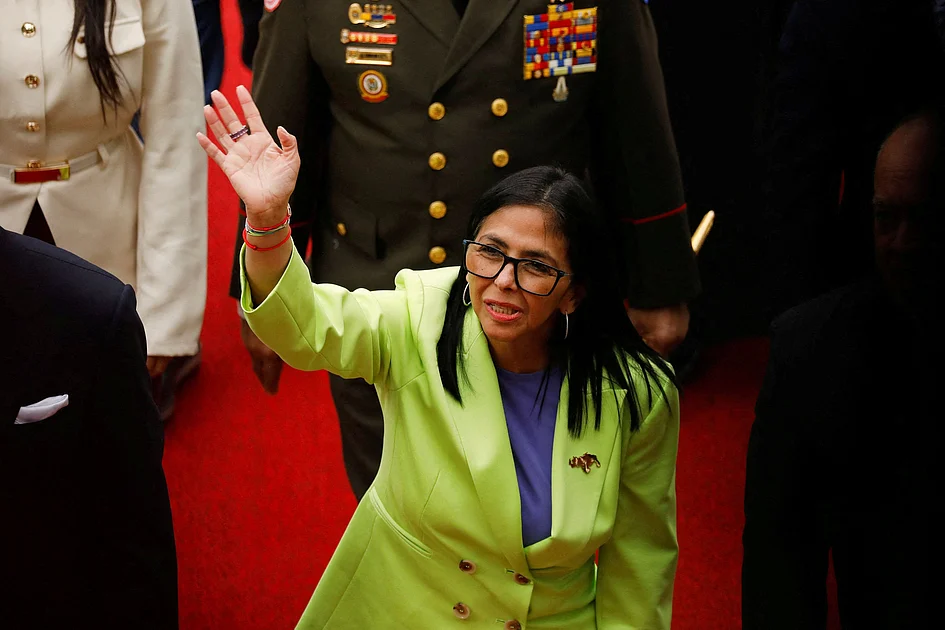
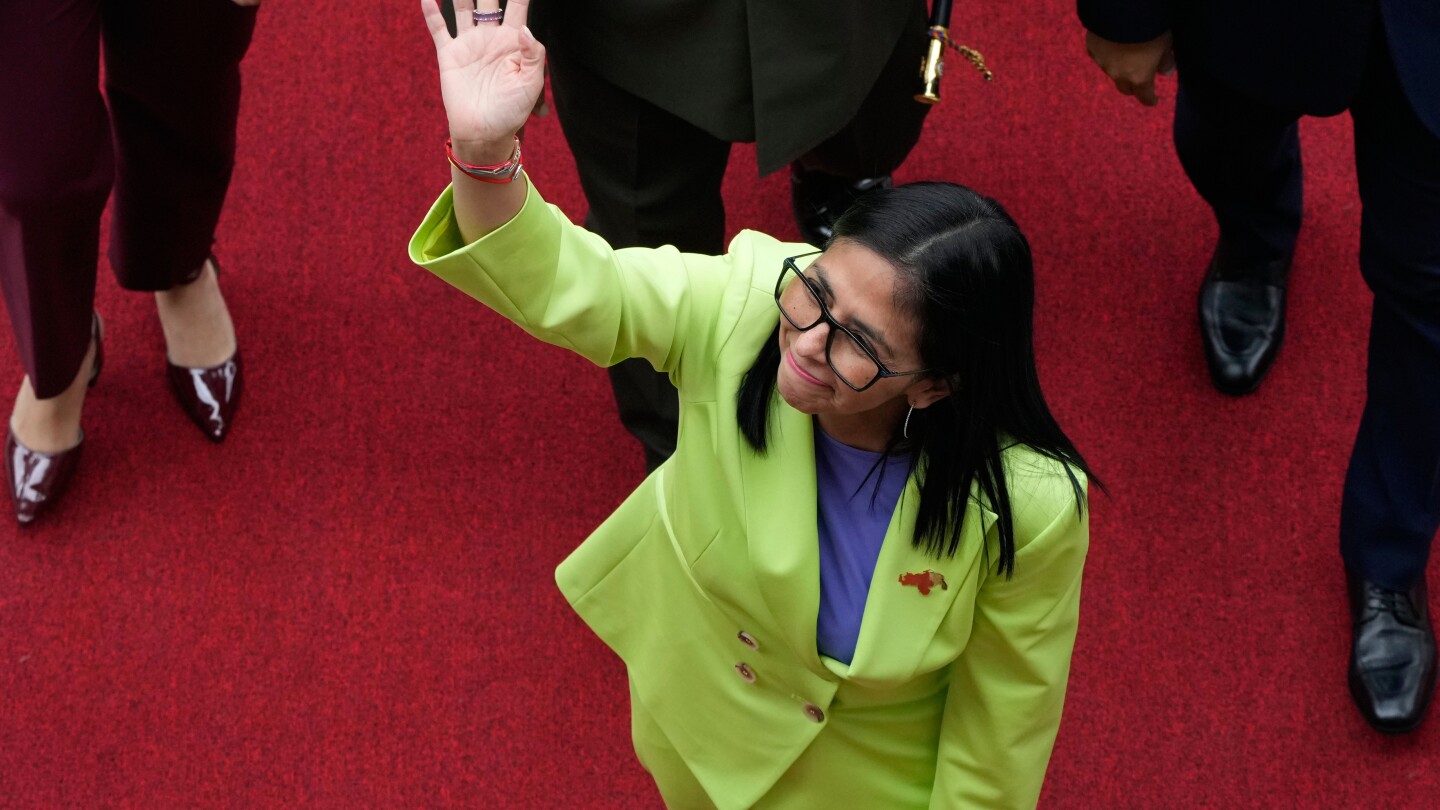
    Interim President Delcy Rodríguez confirmed the strategy on Friday, stating that oil revenues would now be channeled through the central bank before reaching private banks via the foreign-exchange market mechanism. This decision follows weeks of severe dollar scarcity exacerbated by U.S. seizures of Venezuelan oil tankers and disruptions to the country’s primary revenue stream.

    The allocation forms part of a broader $2 billion agreement with the United States, which has already completed $500 million in sales of Venezuelan oil following the political transition that saw Nicolás Maduro ousted and Rodríguez sworn in as interim leader. The U.S. administration anticipates Venezuela will sell between 30 million and 50 million barrels under this arrangement.

    Economist Alejandro Grisanti, director of Caracas-based firm Ecoanalítica, revealed via social media that $500 million had been deposited in the Qatar trust account, with $300 million designated for distribution to four major private banks. Financial sources indicate each institution will receive approximately $75 million in coming days.

    The bolívar’s dramatic 83% depreciation throughout 2025 has accelerated price increases and created urgent need for dollar access. While Venezuela previously permitted dollar-linked cryptocurrencies like USDT on exchange markets following limited U.S. licensing agreements, even these crypto flows have recently diminished. Analysts suggest traditional dollar allocations may now reduce reliance on cryptocurrency mechanisms.

    Rodríguez has simultaneously proposed hydrocarbons law reforms to stimulate oil investment, indicating portions of oil revenues will also fund social projects and infrastructure development, potentially signaling broader economic restructuring under the interim administration.

  • New Zealand, Slovakia temporarily close embassies in Iran; diplomatic staff leaves Tehran

    New Zealand, Slovakia temporarily close embassies in Iran; diplomatic staff leaves Tehran

    In a coordinated response to escalating security concerns, New Zealand and Slovakia have initiated the temporary closure of their embassies in Tehran and evacuated all diplomatic personnel from Iran. The decision, announced on Friday, January 16, 2026, comes amid what both nations describe as a rapidly deteriorating security environment and heightened risks of military escalation in the region.

    New Zealand’s Foreign Ministry confirmed that its diplomatic staff safely departed Iran via commercial flights overnight, with embassy operations subsequently relocated to Ankara, Turkey. This strategic move ensures continuity of diplomatic functions while removing personnel from immediate danger.

    Slovak Foreign Minister Juraj Blanar characterized the security situation as significantly degraded, citing a ‘real threat of an escalation of the military conflict’ as the primary motivation for the evacuation. He confirmed that all Slovak diplomats and embassy employees have been successfully extracted from Tehran and are currently out of harm’s way.

    Concurrently, New Zealand has issued a stark travel advisory against all travel to Iran and urgently recommended that any New Zealand citizens currently in the country depart immediately. The government emphasized that its capacity to provide consular assistance is now ‘extremely limited’ due to the closure. Additionally, officials noted severe communications challenges within Iran, advising citizens to contact relatives whenever possible given the difficulties in maintaining reliable contact.

    The diplomatic withdrawals occur against the backdrop of New Zealand’s strong condemnation of Iran’s internal security measures. Foreign Minister Winston Peters stated that New Zealand remains ‘appalled’ by Tehran’s violent response to recent anti-government protests, explicitly condemning ‘the brutal crackdown being carried out by Iran’s security forces, including the killing of protesters.’ Peters emphasized that Iranians possess the right to peaceful protest, freedom of expression, and access to information—rights he asserts are currently being ‘brutally repressed.’

    New Zealand has formally communicated these serious concerns to the Iranian embassy in Wellington and intends to maintain diplomatic pressure through appropriate channels despite the physical withdrawal of its mission.

  • Syrian army says takes over Kurdish-held town east of Aleppo

    Syrian army says takes over Kurdish-held town east of Aleppo

    The Syrian military has officially declared the establishment of complete authority over the strategic town of Deir Hafer, located approximately 50 kilometers east of Aleppo. This development occurred on Saturday, January 17, 2026, following a negotiated withdrawal agreement with Kurdish-led forces that had previously controlled the area.

    According to an official statement broadcast on Syrian state television, government forces have successfully implemented ‘full military control’ throughout the town and its surrounding territories. Independent verification from an AFP correspondent deployed in the region confirmed the visible presence of Syrian army personnel conducting systematic deployment operations within Deir Hafer’s urban center.

    The transfer of authority concludes a period of heightened military tensions in the Aleppo periphery, where recent clashes between Syrian government units and Kurdish forces had raised concerns about potential escalation. The negotiated disengagement represents a significant territorial acquisition for the Damascus government, strengthening its strategic positioning in northern Syria’s complex geopolitical landscape.

    This development marks another phase in the ongoing reorganization of military control across Syria’s northwestern regions, where multiple factions including government forces, Kurdish-led administrations, and various opposition groups maintain intersecting spheres of influence. The peaceful resolution of this particular standoff suggests evolving tactical relationships between previously opposed military factions in Syria’s protracted conflict.

  • AP obtains documents showing Venezuelan leader Delcy Rodriguez has been on DEA’s radar for years

    AP obtains documents showing Venezuelan leader Delcy Rodriguez has been on DEA’s radar for years

    A significant contradiction has surfaced in U.S.-Venezuela relations as President Donald Trump’s administration embraces acting Venezuelan President Delcy Rodríguez while internal Drug Enforcement Administration records reveal she was designated a ‘priority target’ for drug trafficking investigations. According to documents obtained by The Associated Press and confirmed by multiple law enforcement officials, Rodríguez attracted intense DEA scrutiny dating back to at least 2018, with the agency amassing substantial intelligence on her alleged involvement in narcotics and money laundering operations.

    The DEA’s classified files, reviewed by AP, contain numerous allegations against Rodríguez, including claims from confidential informants that she utilized Caribbean resort hotels as fronts for money laundering operations. The records further connect her to Alex Saab, Maduro’s alleged financial operative currently facing U.S. money laundering charges, and detail her associations with individuals involved in corrupt government contracting schemes worth hundreds of millions of dollars.

    Despite this extensive investigative background, the Trump administration has conspicuously avoided bringing formal charges against Rodríguez while simultaneously positioning her as America’s preferred partner for stabilizing Venezuela. President Trump has publicly praised Rodríguez as a ‘terrific person’ following Maduro’s capture, and high-level communications have occurred between Rodríguez and U.S. officials, including CIA Director John Ratcliffe.

    This paradoxical situation creates a complex geopolitical landscape where U.S. law enforcement continues ongoing investigations into Rodríguez’s activities even as diplomatic channels remain open. Current and former DEA officials note that while ‘priority target’ designation indicates significant investigative interest, it doesn’t automatically lead to criminal charges. Experts on Venezuelan affairs describe the Maduro regime as a ‘criminal-hybrid regime’ where achieving power requires at minimum abetting criminal activities, suggesting Rodríguez’s situation reflects systemic issues rather than individual corruption.

    The DEA’s investigations into Rodríguez span multiple field offices and involve numerous ongoing cases, though specific details remain classified. This development occurs against the backdrop of Venezuela being ranked as the world’s third most corrupt nation by Transparency International, with the U.S. apparently leveraging Rodríguez’s investigative status as diplomatic pressure while pursuing strategic interests in Venezuela’s vast oil reserves.