作者: admin

  • Chile declares ‘state of catastrophe’ as deadly wildfires menace cities

    Chile declares ‘state of catastrophe’ as deadly wildfires menace cities

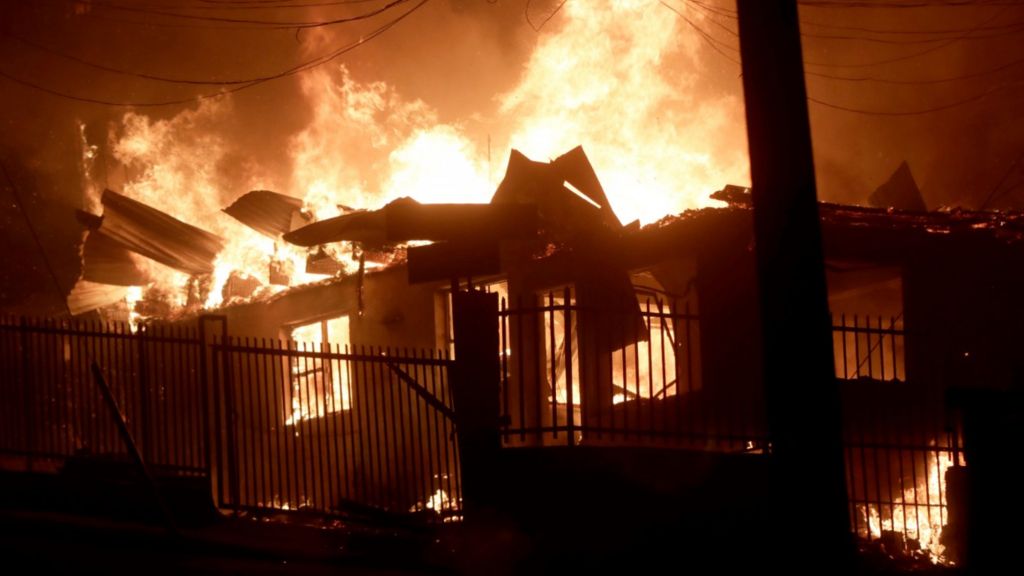
    Chilean President Gabriel Boric has declared a state of catastrophe in two southern regions as devastating wildfires continue to rage across the country, resulting in significant casualties and widespread destruction. The death toll has reached at least 16 people in the Ñuble and Biobío regions, located approximately 500 kilometers south of the capital Santiago, with more than 20,000 residents forced to evacuate their homes.

    The most severe fire has engulfed dry forest areas surrounding the coastal city of Concepción, where disaster management officials confirm that at least 250 residential structures have been completely destroyed. Local media outlets have circulated disturbing images showing charred vehicles abandoned on streets as flames advanced through populated areas.

    Chile’s National Forestry Corporation (Conaf) reported that firefighting teams are currently battling 24 separate blazes nationwide, with the most critical situations concentrated in the Ñuble and Biobío regions. President Boric announced the emergency declaration via social media platform X, stating, “In light of the serious ongoing wildfires, I have decided to declare a state of catastrophe. All resources are available” to combat the crisis.

    The infernos have already consumed approximately 20,000 hectares (50,000 acres) across the two affected regions. The cities of Penco and Lirquen, located north of Concepción with a combined population of 60,000, have seen the majority of evacuation efforts, including the relocation of patients from Penco hospital.

    Meteorological conditions have significantly exacerbated the crisis, with strong winds propelling the flames amid summer temperatures that are expected to reach 38°C between Santiago and Biobío within the next 48 hours. Much of central Chile remains under heat alerts as the combination of high temperatures and dry vegetation creates ideal conditions for fire spread.

    This disaster echoes Chile’s previous wildfire tragedy two years ago, when blazes in the Valparaíso region near Santiago claimed at least 120 lives. The country has experienced increasingly severe fire seasons in recent years, a trend experts attribute to prolonged drought conditions and climate change impacts.

  • Factory explosion occurs in Baotou, North China’s Inner Mongolia

    Factory explosion occurs in Baotou, North China’s Inner Mongolia

    A significant industrial explosion struck a manufacturing facility in Baotou City, located within China’s Inner Mongolia Autonomous Region, on Sunday afternoon. The incident occurred at approximately 3:00 PM local time, according to statements released by regional authorities.

    The detonation produced substantial shockwaves that reverberated throughout adjacent neighborhoods, with multiple sources confirming perceptible ground vibrations in the vicinity. Emergency response teams promptly mobilized to the scene following the explosion, initiating comprehensive search and rescue procedures.

    Current official communications indicate that the precise number of potential injuries or fatalities remains undetermined as rescue activities continue. The specific cause of the catastrophic explosion has not been immediately established, with investigations anticipated to commence once the emergency situation stabilizes.

    Baotou, recognized as one of Inner Mongolia’s primary industrial centers, hosts numerous manufacturing and processing facilities. This incident represents one of the most serious industrial accidents reported in the region in recent months. Local governmental agencies have activated appropriate emergency protocols while maintaining close coordination with industrial safety regulators.

    The explosion’s environmental impact and potential structural damage to surrounding infrastructure are currently being assessed by specialized teams. Further developments are expected as rescue operations progress and preliminary investigation findings become available.

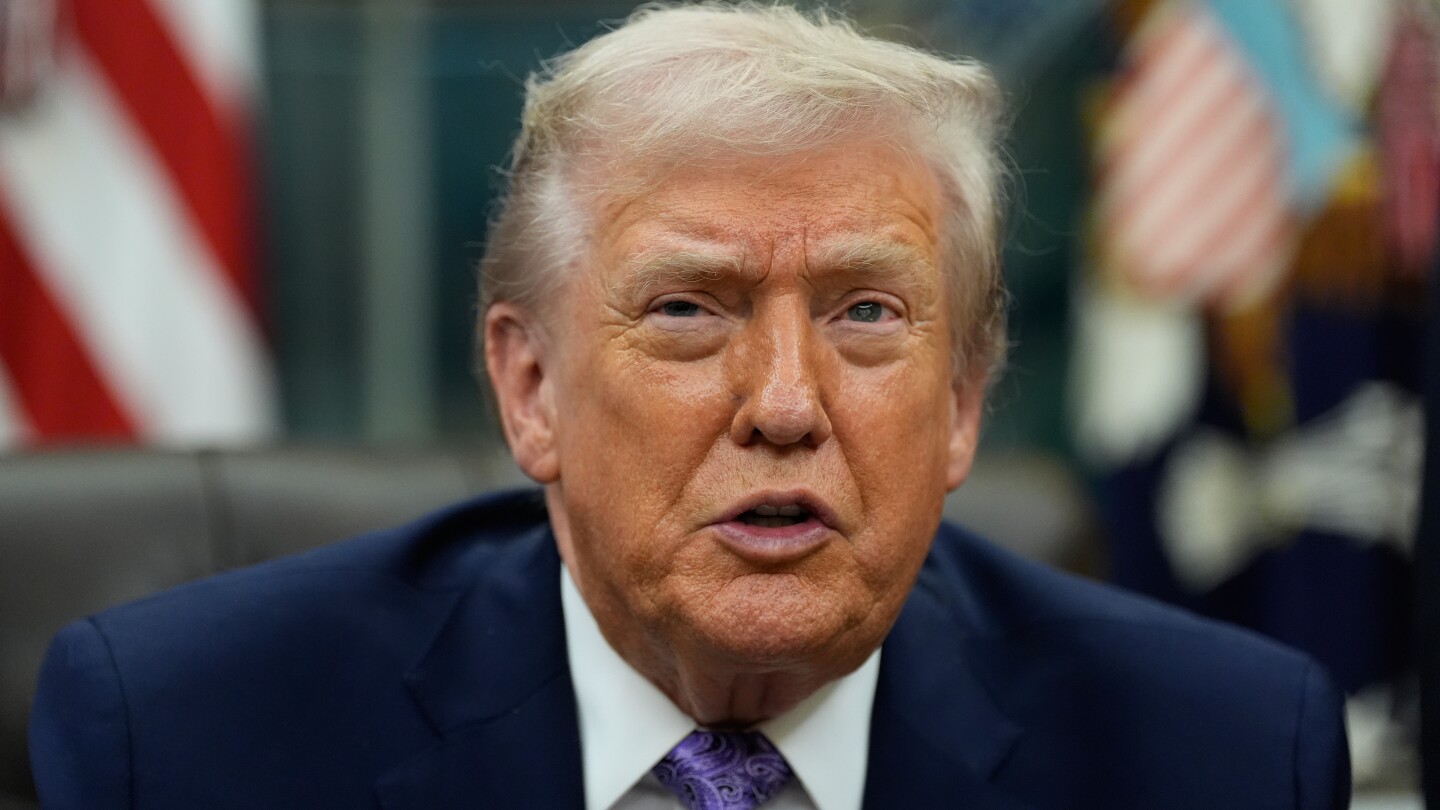
  • $1 billion gets a permanent seat on Trump’s ‘Board of Peace’ for Gaza, as India and others invited

    $1 billion gets a permanent seat on Trump’s ‘Board of Peace’ for Gaza, as India and others invited

    The United States has extended invitations to at least six additional nations to join President Donald Trump’s newly proposed ‘Board of Peace,’ an international leadership consortium designed to oversee post-conflict procedures in Gaza while demonstrating aspirations for a expanded role in global governance. According to an anonymous U.S. official familiar with the unpublished charter, permanent membership requires a $1 billion contribution directed toward Gaza’s reconstruction, while non-contributing members receive three-year appointments.

    Hungarian Prime Minister Viktor Orbán, among Trump’s most steadfast European allies, has formally accepted participation, as confirmed by Foreign Minister Péter Szijjártó during a state radio broadcast. India has likewise received an invitation, according to senior governmental sources speaking under anonymity. Jordan, Greece, Cyprus, and Pakistan similarly acknowledged receipt of invitations on Sunday, joining previously announced invitees including Canada, Turkey, Egypt, Paraguay, Argentina, and Albania.

    The board’s establishment coincides with the delicate second phase of the October 10 ceasefire, encompassing responsibilities ranging from forming a new Palestinian administrative committee in Gaza to deploying international security forces, facilitating Hamas disarmament, and supervising territorial reconstruction. In invitation correspondence dispatched Friday, Trump characterized the initiative as a ‘bold new approach to resolving global conflict,’ potentially positioning it as an alternative to the United Nations Security Council.

    The Security Council has faced repeated deadlocks over Gaza intervention due to U.S. vetoes, compounded by significant funding reductions implemented by the Trump administration. Although the Council previously endorsed the 20-point U.S. ceasefire plan incorporating the board’s creation, Israel has expressed objections to the recently announced executive committee, citing lack of coordination and policy conflicts.

    The executive leadership includes U.S. Secretary of State Rubio, Trump envoy Steve Witkoff, senior advisor Jared Kushner, former British Prime Minister Tony Blair, World Bank President Ajay Banga, deputy national security adviser Robert Gabriel, and Israeli billionaire Yakir Gabay. Representatives from ceasefire monitoring nations Qatar, Egypt, and Turkey complete the committee, with Turkey’s dual rapport with Israel and Hamas potentially proving instrumental in negotiation proceedings.

    The official membership roster is anticipated to be unveiled during the forthcoming World Economic Forum assembly in Davos, Switzerland.

  • ‘We will not spare domestic criminals,’ Iran leader demands after protests

    ‘We will not spare domestic criminals,’ Iran leader demands after protests

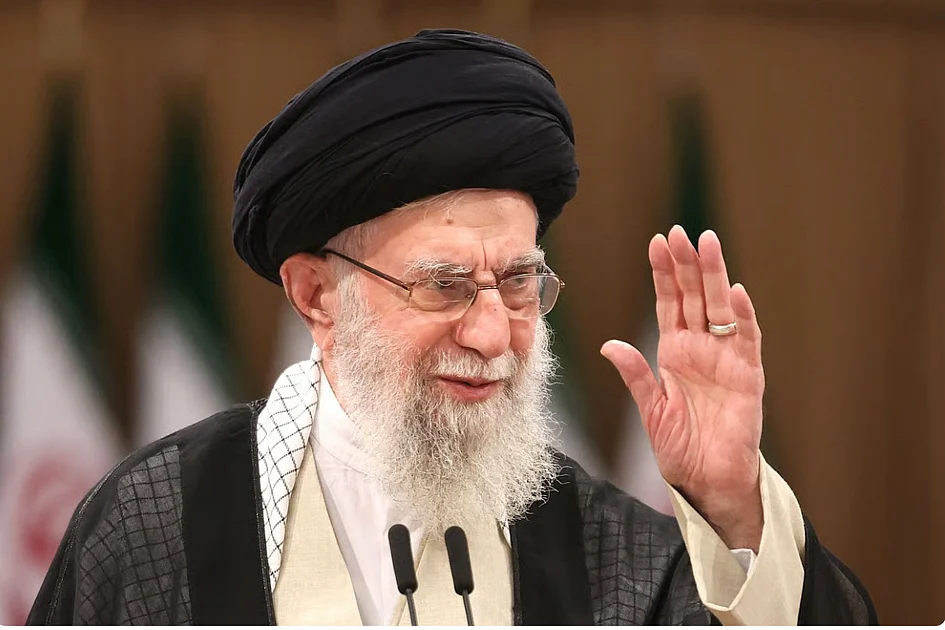
    Iran’s Supreme Leader Ayatollah Ali Khamenei has issued a forceful directive to authorities to “break the back of the seditionists” following the deadliest civil unrest in over three years. The protests, initially sparked by severe economic distress, escalated into widespread demonstrations against the Islamic Republic that were met with brutal state suppression.

    In a televised address on Saturday, Khamenei made what appears to be his first acknowledgment of significant casualties, stating that “agents murdered a few thousand people” with “pure savagery.” This admission comes as independent rights organizations report a verified death toll of 3,428 protesters, with actual numbers potentially reaching several times higher.

    The government has implemented severe internet restrictions for over a week, creating an information blackout that has complicated independent verification of casualties and arrests. While authorities claim to have restored calm and made thousands of arrests, rights groups estimate up to 20,000 detentions.

    Khamenei directly accused the United States and Israel of orchestrating what he termed an “American conspiracy” to undermine Iranian sovereignty. He specifically targeted former President Trump, holding him “guilty for the casualties” and alleging Washington sought to reestablish “military, political and economic domination” over Iran.

    The government narrative characterizes the events as “riots” hijacked by foreign-backed terrorists, while eyewitness accounts describe security forces firing on demonstrators. One witness who fled to Germany reported seeing “thousands of dead bodies” at a Tehran mortuary.

    As schools prepare to reopen and limited internet access gradually returns, exiled opposition figures including Reza Pahlavi, son of the deposed shah, have called for renewed protests, though verifiable reports of recent demonstrations remain scarce amid heavy security presence nationwide.

  • Republicans and Democrats are trying to contain Trump’s Greenland aggression. Will it be enough?

    Republicans and Democrats are trying to contain Trump’s Greenland aggression. Will it be enough?

    WASHINGTON — Congressional Republicans are mounting an unprecedented effort to counter President Trump’s persistent threats to acquire Greenland, marking one of the most significant Republican-led challenges to the administration’s foreign policy agenda. The controversy has triggered urgent diplomatic missions, proposed legislation, and heightened concerns about the future of NATO alliances.

    Last week witnessed a flurry of Republican activity aimed at damage control. Senators delivered floor speeches emphasizing NATO’s critical importance, introduced bills to prevent military action against Denmark, and organized a bipartisan delegation to Copenhagen for emergency talks with Danish officials. Despite these efforts, President Trump continues to assert his intention to control the strategic Arctic territory, creating global uncertainty about America’s foreign policy direction.

    Senator Chris Coons (D-Del.), who organized the Copenhagen mission, stated, ‘When the world’s most powerful military nation repeatedly threatens your territory through its president, the situation demands serious attention.’ The delegation included Republican Senators Thom Tillis of North Carolina and Lisa Murkowski of Alaska, who joined Democratic colleagues in seeking to de-escalate tensions while discussing potential Arctic security cooperation.

    The administration’s position hardened further when Trump announced 10% tariffs on eight European nations, retaliating against their opposition to his Greenland plans. He justified the acquisition push by citing national security needs regarding modern weapons systems.

    Key Republicans have drawn clear red lines, with Senator Tillis calling the tariff plans ‘detrimental to American interests and alliances.’ Senate Majority Leader John Thune (R-S.D.) acknowledged no congressional ‘appetite’ for the discussed options, while Senator Mitch McConnell warned that seizing Greenland would ‘shatter allied trust’ and mar presidential legacies.

    Lawmakers are exploring multiple legislative avenues to prevent military action, including measures to block Defense Department funding for attacks on NATO members’ territory without consent. Senator Murkowski additionally suggested congressional action to nullify Trump’s tariffs, though previous similar efforts failed to overcome presidential vetoes.

    The administration has shown minimal interest in seeking congressional approval for military moves, prompting Democrats to consider war powers resolutions that would compel presidential consultation. Senator Tim Kaine (D-Va.) noted these measures have successfully pressured the administration to provide briefings and seek authorization before troop deployments.

    While some Republicans support strengthened U.S. presence in Greenland, most reject coercive approaches. The strongest opposition comes from retiring Republicans, including Representative Don Bacon who suggested such actions could justify impeachment proceedings.

  • Gold charges toward $5,000 as a new real-assets supercycle takes hold

    Gold charges toward $5,000 as a new real-assets supercycle takes hold

    The global gold market is experiencing a profound transformation as the precious metal accelerates toward the unprecedented $5,000 per ounce threshold. This remarkable rally, characterized by a 64% surge in 2025 followed by an additional 6% gain in early 2026, represents a fundamental revaluation of gold’s role in modern portfolios.

    Three powerful catalysts are driving this structural shift: aggressive central bank accumulation, escalating geopolitical tensions, and anticipated monetary easing cycles. Emerging market central banks, particularly China’s People’s Bank which has expanded its buying streak to 14 consecutive months, are systematically diversifying reserves away from traditional dollar holdings. This institutional demand has created an exceptionally solid foundation for continued price appreciation.

    Financial institutions are revising targets accordingly. Standard Chartered maintains gold as a core overweight position with projected targets of $4,350 within three months and $4,800 over twelve months. ANZ analysts present an even more bullish case, forecasting gold will surpass $5,000 during 2026 as safe-haven demand intensifies.

    The market dynamics reflect this paradigm shift. Spot gold recently achieved record highs approaching $4,630 per ounce, while silver simultaneously reached unprecedented levels above $86. According to World Gold Council data, gold established new record prices on 53 separate occasions during 2025, while physically-backed gold ETF inflows reached an extraordinary $89 billion.

    Market analysts emphasize this represents more than temporary speculation. Ross Norman, independent precious metals analyst, notes that gold increasingly reflects a world where geopolitical and monetary uncertainty has become structural rather than episodic. This sentiment is echoed by KCM Trade’s Tim Waterer, who observes that sustained breaks above $4,600 could open the path to significantly higher valuations.

    Despite technical indicators occasionally signaling overbought conditions, analysts universally agree that any near-term corrections will likely be shallow and temporary. FXTM’s Lukman Otunuga emphasizes that fundamentals remain overwhelmingly favorable due to persistent concerns regarding Federal Reserve policy credibility, ongoing trade tensions, and unwavering central bank demand.

    As Naeem Aslam of Zaye Capital Markets concludes, gold is evolving from traditional defensive hedge to core strategic asset precisely because global tensions across multiple flashpoints are driving investors toward bullion as the ultimate store of value in an increasingly uncertain world.

  • Look: Rajkummar Rao, Patralekhaa share first photo of baby girl

    Look: Rajkummar Rao, Patralekhaa share first photo of baby girl

    Bollywood power couple Rajkummar Rao and Patralekhaa have officially introduced their newborn daughter to the world through a heartfelt social media revelation. On January 18, 2026, the actors shared an intimate photograph on Instagram showcasing their infant’s tiny fingers gently clasping both parents’ hands, accompanied by a deeply personal announcement.

    The caption accompanying the emotional image read: “With folded hands and full hearts, we introduce our greatest blessing,” simultaneously disclosing their daughter’s name as Parvati Paul Rao. This marks the first public glimpse of the child since her birth in November 2025, which coincidentally aligned with the couple’s fourth wedding anniversary on November 15th.

    The birth announcement originally came through a separate social media post where the elated parents expressed: “We are over the moon. God has blessed us with a baby girl. Blessed parents – Patralekhaa and Rajkummar,” further describing their daughter as divinity’s “greatest blessing.”

    The couple’s romantic and professional journey began on the sets of the 2014 film ‘Citylights,’ which marked Patralekhaa’s Bollywood debut. They subsequently solidified their relationship through marriage in November 2021 during an intimate Chandigarh ceremony attended exclusively by close family members.

    Beyond their parental milestones, both actors continue to advance their cinematic careers. Rajkummar recently completed production for ‘Nikam,’ an anticipated biopic chronicling the life of renowned Indian public prosecutor Ujjwal Nikam. Simultaneously, the couple has embarked on a joint entrepreneurial venture with the establishment of their production company, KAMPA Films.

    The nomenclature KAMPA carries profound sentimental value, derived from combining the initials of their mothers’ names—a thoughtful tribute to the influential matriarchs in their lives. Patralekhaa previously articulated their vision for the venture, stating: “We’ve always believed in the power of storytelling. With KAMPA, we’re looking forward to sharing these stories with the world.”

  • UAE: DXB maintains its position as busiest international airport in 2025

    UAE: DXB maintains its position as busiest international airport in 2025

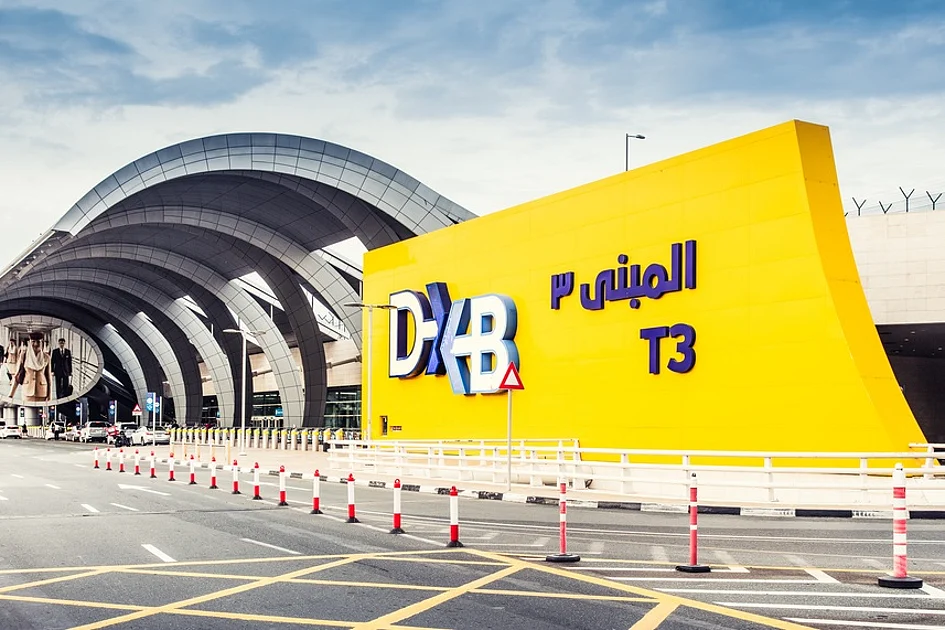
    Dubai International Airport (DXB) has solidified its status as the world’s premier gateway for international travel, maintaining its top ranking for the third consecutive year according to aviation analytics firm OAG. The hub recorded 62.4 million seats in 2025, representing a remarkable 16% growth since 2019 and a 4% year-on-year increase in capacity.

    While Atlanta’s Hartsfield-Jackson International Airport (ATL) claimed the overall busiest airport title with 63.1 million seats combining both domestic and international traffic, Dubai’s exclusive focus on international passengers secured its specialized dominance. The airport even outperformed Atlanta during several months of 2025, with CEO Paul Griffiths projecting DXB will surpass 95.3 million passengers by year’s end and break the 100 million threshold by 2027.

    London Heathrow (LHR) trailed significantly in second place with 49.0 million international seats, while Seoul Incheon (ICN) captured third position at 43.0 million seats, signaling a full recovery to pre-pandemic levels. Singapore Changi (SIN) followed closely in fourth with 42.6 million seats.

    The report revealed notable growth patterns across global hubs. Hong Kong International (HKG) demonstrated the most dramatic year-on-year surge at 12%, reaching 38.7 million seats, though still 14% below 2019 capacity. Istanbul Airport emerged as the fastest-growing major hub with a 27% increase since 2019, handling 41.2 million international seats and establishing itself as a rapidly expanding global nexus.

    Regional analysis shows North American and Asian airports dominating the overall busiest rankings due to substantial domestic markets, while European and Middle Eastern hubs maintain strong international specialization. Frankfurt Airport (36.4 million seats) and Doha’s Hamad International (32.7 million seats) rounded out the top ten, with the Qatari hub showing a significant 20% capacity increase compared to 2019 levels.

  • South Africa declares a national disaster over flooding and severe weather

    South Africa declares a national disaster over flooding and severe weather

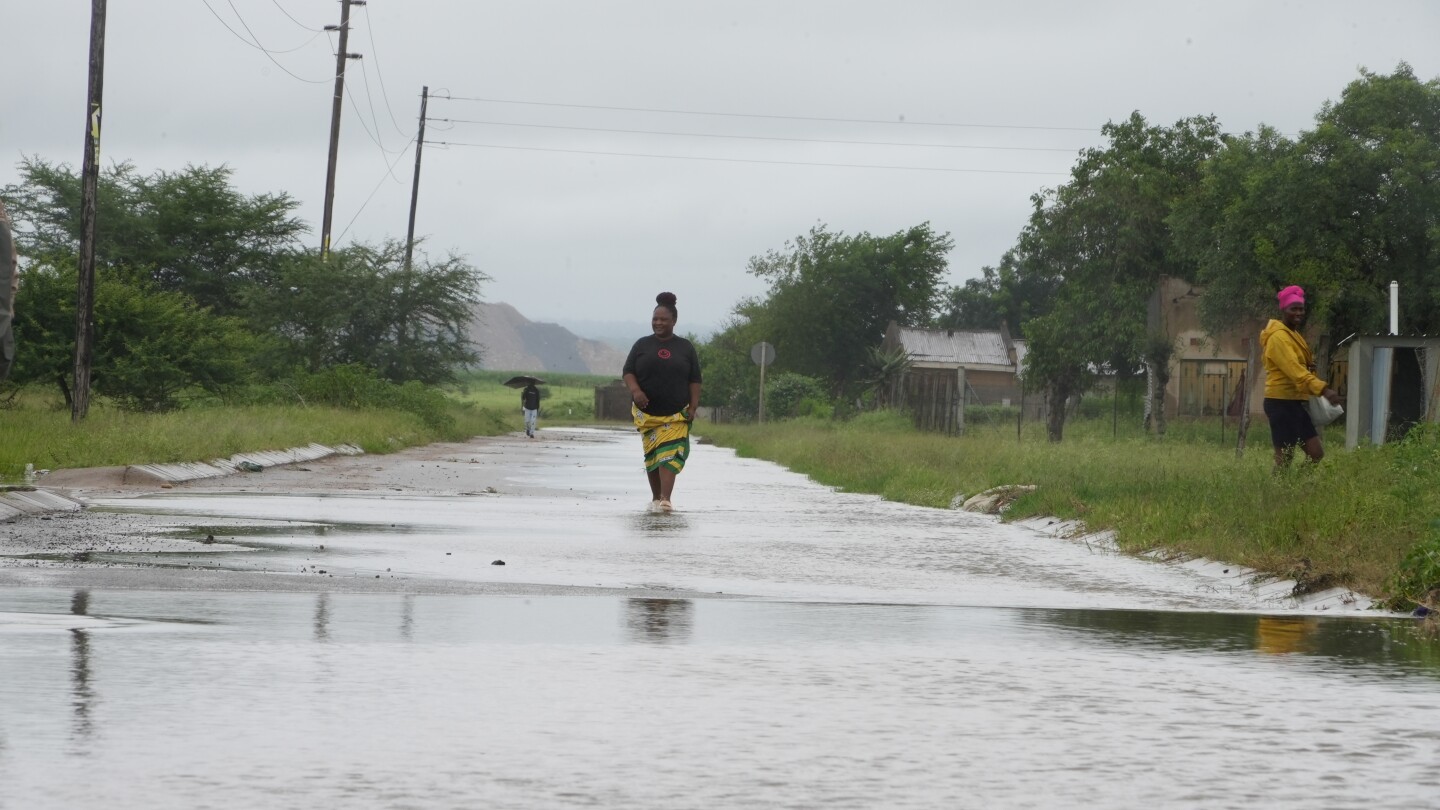
    CAPE TOWN, South Africa — The South African government has escalated its response to devastating weather conditions by declaring a national state of disaster following torrential rains that have triggered severe flooding across multiple provinces. The official declaration, announced Sunday through the National Disaster Management Center, enables enhanced federal coordination of emergency response efforts.

    The catastrophic weather system has resulted in at least 30 confirmed fatalities, primarily concentrated in the northern provinces of Limpopo and Mpumalanga. Beyond the tragic loss of life, the flooding has inflicted substantial damage to infrastructure, destroying thousands of residential properties and crippling transportation networks by washing away critical roads and bridges.

    This weather emergency extends beyond South Africa’s borders, with neighboring Mozambique and Zimbabwe experiencing similar devastating conditions. Collectively, these three nations have reported over 100 weather-related fatalities since the onset of unusually heavy rainfall patterns beginning late last year.

    The flooding’s impact has reached South Africa’s conservation areas, forcing the complete closure of Kruger National Park. Emergency personnel executed the evacuation of hundreds of tourists and staff members from flooded campsites to safer areas within the park’s perimeter.

    Limpopo Province Premier Stan Mathabatha provided preliminary damage assessments indicating approximately $240 million in infrastructure losses within that province alone, noting that numerous structures had been completely destroyed by floodwaters.

    This disaster represents the latest in a series of severe flooding events to strike South Africa in recent years. The Eastern Cape province witnessed over 100 fatalities last year, while the 2022 KwaZulu-Natal flooding claimed more than 400 lives, highlighting the nation’s increasing vulnerability to extreme weather events.

  • Syrian forces seize major oil, gas fields in eastern Syria, security sources say

    Syrian forces seize major oil, gas fields in eastern Syria, security sources say

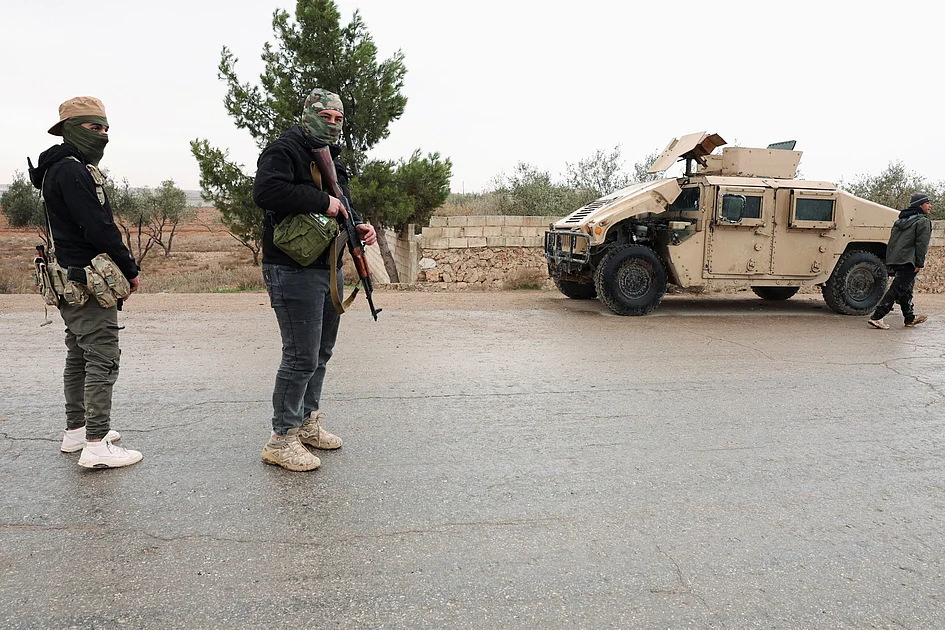
    In a significant military advancement, Syrian government forces have captured strategic energy assets in eastern Syria, including the nation’s largest oil field and a major gas facility, according to three security sources. The operations occurred on Sunday as part of an ongoing offensive into territories controlled by Kurdish-led factions.

    The Omar oil field, Syria’s most substantial petroleum asset, and the Conoco natural gas field are now under Syrian army control. This development represents a critical shift in the regional balance of power and control over vital economic resources. The military campaign continues despite diplomatic appeals from the United States to halt advances into northern Syrian towns under Kurdish administration.

    Earlier operations saw Syrian state media announce the capture of the northern city of Tabqa along with its adjacent dam infrastructure. Additionally, forces secured the major Freedom dam (formerly known as the Baath dam), located west of Raqqa. These strategic hydroelectric assets further consolidate government control over essential infrastructure and resources.

    The military actions occur within the complex geopolitical landscape of Syria’s ongoing conflict, where multiple international and regional actors maintain competing interests. The seizure of energy-producing regions significantly enhances the Syrian government’s economic prospects while potentially altering dynamics with Kurdish autonomous administrations in the northeast.