作者: admin

  • Global gathering transforms Yixing village into youth hub

    Global gathering transforms Yixing village into youth hub

    The tranquil Zhangyang village in Yixing, a county-level city within Wuxi, Jiangsu province, underwent a remarkable transformation from January 16-18 as it hosted the inaugural Yixing International Youth Festival. This groundbreaking gathering attracted approximately 520 young participants representing diverse international backgrounds, including France, Italy, and the United States.

    The festival served as a dynamic platform for cross-cultural exchange and entrepreneurial collaboration, featuring specialized forums that addressed youth entrepreneurship and innovation. Among the distinguished participants was Alessandro Martini, an influential Italian social media personality, who contributed his insights during the Youth Entrepreneurship Forum discussions.

    This international convergence has effectively repositioned the traditionally quiet village as an emerging epicenter for global youth engagement. The event’s organization demonstrates Yixing’s strategic initiative to foster international connections and create meaningful opportunities for the younger generation to exchange ideas, develop professional networks, and explore collaborative ventures across cultural boundaries.

    The successful execution of this festival establishes a new precedent for rural communities seeking to engage with international audiences while maintaining their cultural identity. The convergence of global perspectives within this local setting has created unique synergies that benefit both international participants and the local community, suggesting potential for continued growth as a destination for youth-oriented international events.

  • Floods in Mozambique displace more than 300,000 people in one province, governor says

    Floods in Mozambique displace more than 300,000 people in one province, governor says

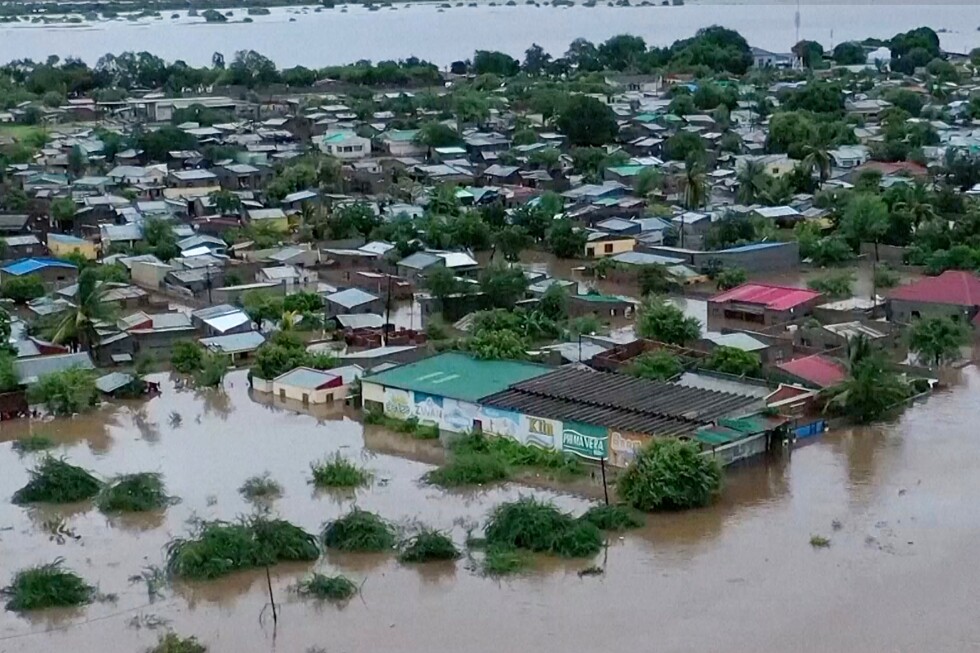
    Mozambique is confronting a severe humanitarian emergency as torrential rainfall across southern Africa has triggered devastating floods, displacing more than 300,000 people in Gaza province alone. Provincial Governor Margarida Mapandzene Chongo confirmed Monday that approximately 327,000 residents have sought refuge in temporary shelters established in schools and churches after fleeing submerged communities.

    The crisis has escalated to such severity that President Daniel Chapo canceled his scheduled appearance at the World Economic Forum in Davos, Switzerland, to oversee national response efforts. According to state-run newspaper Noticias, the flooding has severely impacted central and southern regions of the country, with Gaza province experiencing particularly catastrophic conditions.

    Government spokesperson and Cabinet Minister Inocencio Impissa revealed that nearly 600,000 people have been affected across Gaza and neighboring Maputo provinces, significantly exceeding initial humanitarian projections of 200,000 impacted individuals. The provincial capital of Xai-Xai, home to approximately 115,000 residents, now faces imminent danger as authorities issue urgent evacuation orders for lower-lying areas adjacent to the overflowing Limpopo River.

    Visual evidence from the city’s official Facebook page depicts streets transformed into raging waterways, while imagery from the nearby town of Chokwe shows floodwaters completely submerging buildings, with only rooftops remaining visible above the waterline.

    The disaster forms part of a broader regional catastrophe that has claimed over 100 lives across Mozambique, South Africa, and Zimbabwe following weeks of relentless rainfall. Mozambican authorities attribute the worsening conditions to overflowing rivers originating in northern South Africa that subsequently breach their banks upon entering Mozambique.

    Governor Chongo warned that the situation ‘is likely to worsen’ due to heavy precipitation in southern Zimbabwe that will ultimately flow toward Gaza province. The National Institute for Disaster Risk Reduction has issued a countrywide red alert—the highest emergency warning level—as rescue operations intensify.

    Coordination efforts have already facilitated the helicopter rescue of approximately 110 people trapped in trees or elevated locations on Sunday, including vulnerable children, elderly individuals, and a pregnant woman nearing labor.

    Transport and Logistics Minister João Matlombe reported that 40% of Gaza province remains underwater, with 152 kilometers of roads completely destroyed and over 3,000 kilometers damaged nationwide. Preliminary damage assessments suggest recovery costs could reach hundreds of millions of dollars, mirroring the approximately $250 million in damages reported in affected South African provinces.

  • China’s wedding dress sellers pin hopes on rise in marriages

    China’s wedding dress sellers pin hopes on rise in marriages

    China’s wedding industry is experiencing a notable resurgence as new government policies and cultural factors reverse a decade-long decline in marriage rates. According to recent data from the Ministry of Civil Affairs, marriage rates increased by 8.5% during the first nine months of 2025, marking a significant shift in the country’s demographic landscape.

    The turnaround follows a particularly poor showing in 2024, which many Chinese couples considered an inauspicious year for marriage. Chen Juan, co-owner of Luoyi Bridal in Suzhou’s massive Huqiu Bridal City, explains: “Many couples deliberately postponed their weddings to 2025, which is viewed as more favorable for marriage.”

    A key policy change implemented in May 2025 has further stimulated the recovery. The new regulation allows couples to marry anywhere in China rather than being restricted to their place of residence. This reform has triggered a competitive response among local governments, with many establishing pop-up registration offices at scenic spots, music festivals, shopping malls, and even subway stations to attract marriage tourism.

    Despite the positive trends, vendors remain cautiously optimistic. Zhu Jiaomei, a 31-year-old custom gown seller, emphasizes that economic factors outweigh specific wedding policies: “The most important thing is that the economy improves, and everyone has confidence in the future. Current budgets are commonly half of what we saw before the COVID-19 pandemic.”

    The high cost of marriage and childrearing continues to deter many young Chinese. In response, some municipalities have introduced cash vouchers for newlyweds to offset expenses. For parents like wedding shoe seller Cheng Yonggui, the financial pressures are deeply personal. With two sons approaching marriageable age, she faces the prospect of providing apartments, cars, and potentially dowries that could cost “at least a million yuan per son.”

    While the Year of the Horse brings cultural optimism for success, industry professionals agree that sustained economic improvement and additional government incentives will be crucial for maintaining the marriage rebound beyond temporary factors.

  • Syrian army deploys in Deir Ezzor as ceasefire redraws control in the north

    Syrian army deploys in Deir Ezzor as ceasefire redraws control in the north

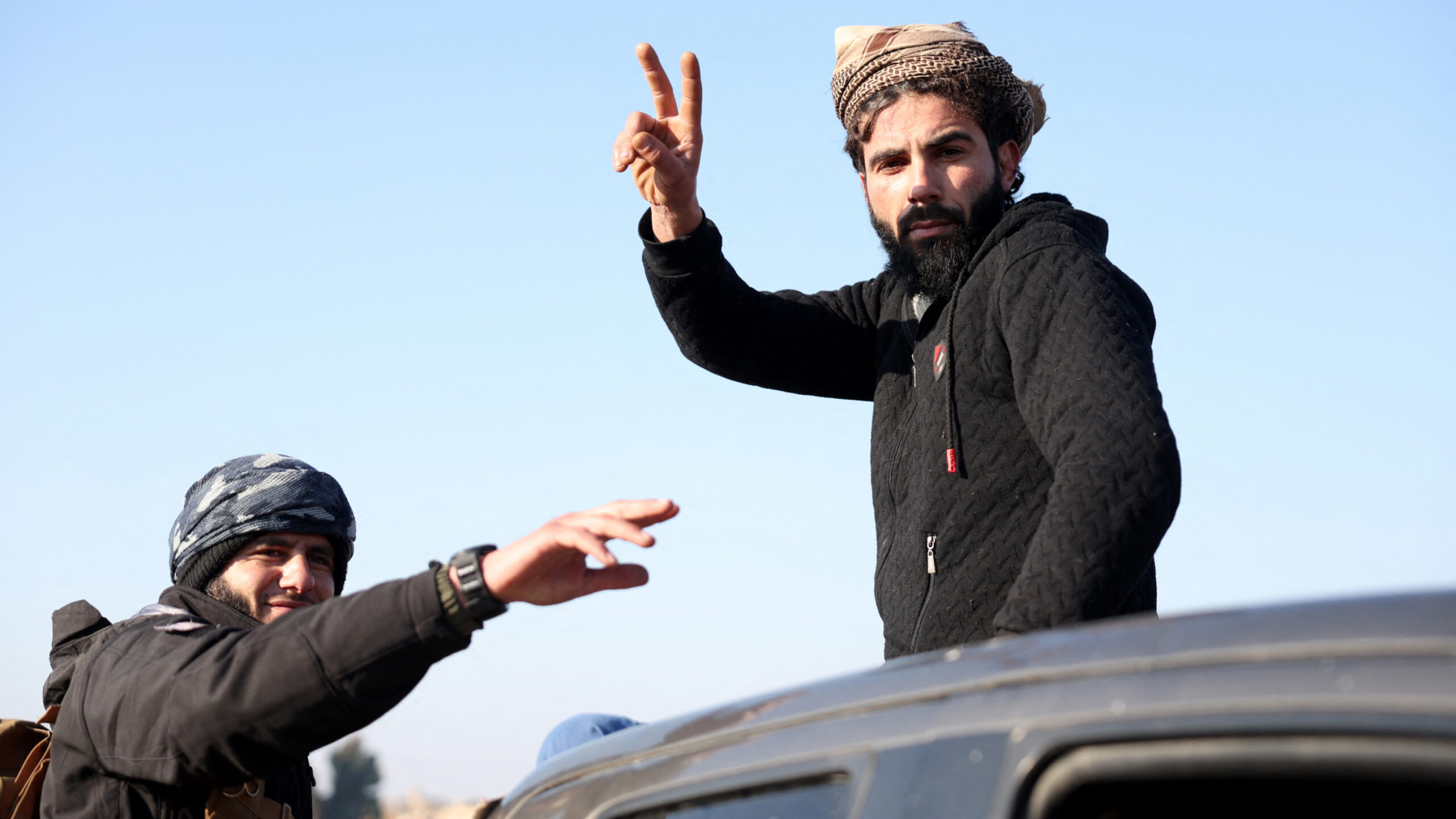
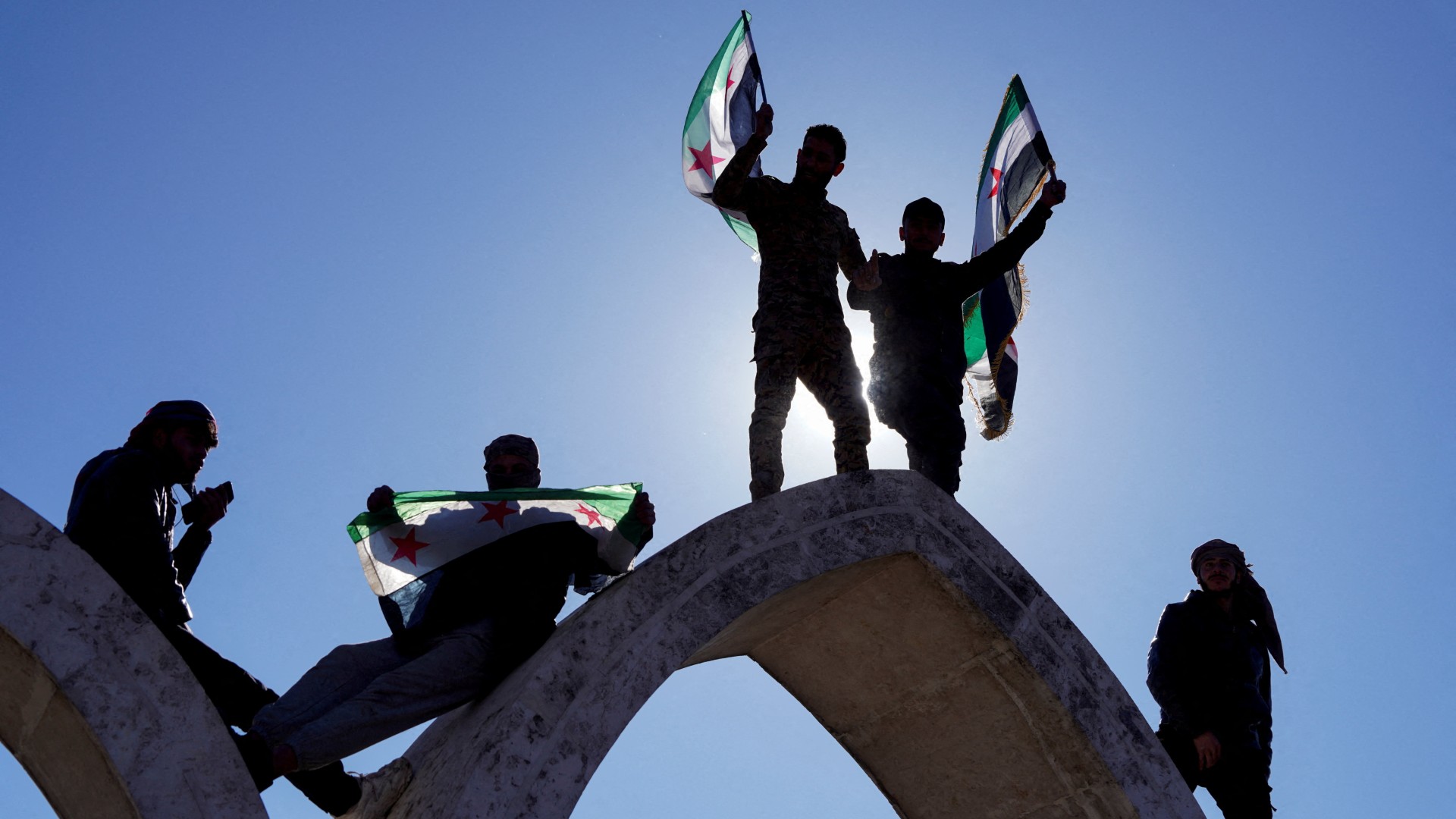
    In a significant strategic shift, Syrian government forces commenced deployment across eastern Deir Ezzor province on Monday following the withdrawal of Kurdish-led Syrian Democratic Forces (SDF). This military movement implements a ceasefire agreement announced by Syrian President Ahmed al-Sharaa, effectively ending several days of intense clashes that saw government troops and allied tribal factions capture substantial territories in northeast Syria.

    The breakthrough follows weekend advances that compelled the SDF to accept a comprehensive 14-point accord, bringing Kurdish civilian and military institutions under Damascus’s central authority. The agreement mandates immediate transfer of administrative and military control over Deir Ezzor and Raqqa provinces to the Syrian government—a notable concession previously rejected by Kurdish authorities. Additional provisions include integration of Hasakah’s civilian institutions into state bodies, removal of heavy weaponry from Ain al-Arab (Kobani), and government assumption of control over border crossings and hydrocarbon resources.

    Despite the ceasefire, tensions persist as the Syrian army reported three soldiers killed in attacks attributed to Kurdish forces, with additional casualties occurring in separate incidents. The army statement accused “terrorist groups” of attempting to disrupt the agreement’s implementation, while the SDF conversely claimed government forces launched attacks against their fighters across northern regions.

    Concurrently, violent clashes erupted near a Raqqa prison housing Islamic State detainees, highlighting the fragile security situation. The interior ministry confirmed organized deployment operations across eastern Deir Ezzor towns and villages, while the army secured strategic infrastructure including the Tishrin Dam and areas across northern Raqqa and western Hasakah.

    Regional reactions emerged swiftly, with Turkey and Saudi Arabia welcoming the agreement for its potential to restore stability and strengthen institutional governance. In Washington, Senator Lindsey Graham offered cautious endorsement while raising concerns about consultation with regional allies including Israel and Turkey’s involvement.

    SDF leader Mazloum Abdi characterized the withdrawal from contested provinces as necessary to prevent further bloodshed and avert civil war, acknowledging significant losses while vowing to defend the group’s achievements. Commander Sipan Hamo emphasized the SDF isn’t seeking separation from Syria but requested international guarantees, specifically expressing hope that Israel would extend to Kurds the same protective stance it previously showed toward Syria’s Druze minority.

  • How a bout of food poisoning helped Ben Affleck while filming for ‘Armageddon’

    How a bout of food poisoning helped Ben Affleck while filming for ‘Armageddon’

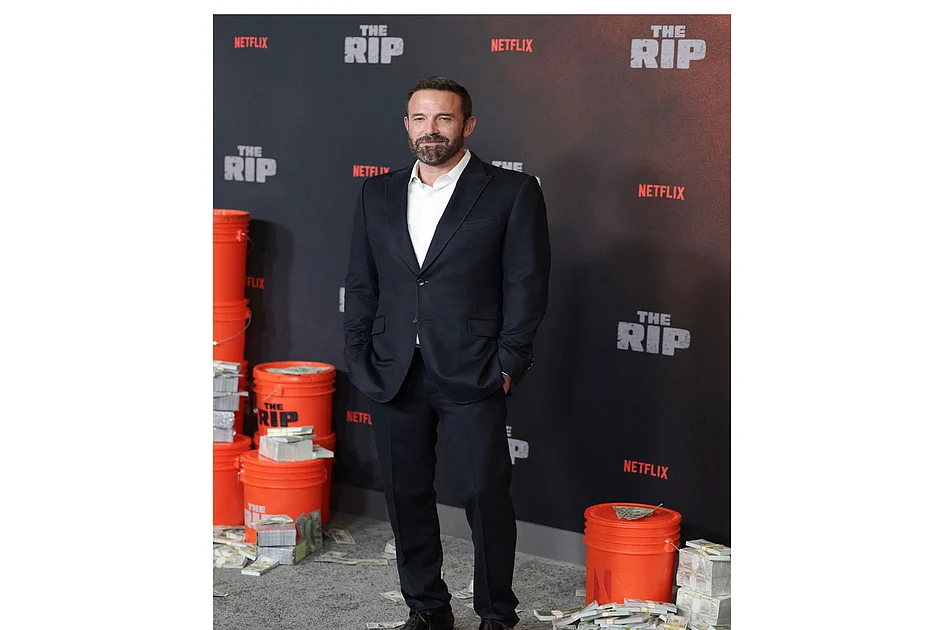
    In a surprising revelation about Hollywood’s behind-the-scenes challenges, Academy Award winner Ben Affleck has disclosed how a severe bout of food poisoning unexpectedly contributed to his performance in the 1998 sci-fi blockbuster ‘Armageddon.’ During a recent interview with Fox 32 Chicago, the actor recounted the physically demanding circumstances surrounding one of the film’s most emotionally charged scenes.

    Affleck described being struck by food poisoning during the filming of his character’s heartfelt farewell to Bruce Willis’ character, Harry Stamper. Despite his debilitating condition, the then-less-experienced actor felt compelled to report to work rather than request a day off. ‘I wasn’t an experienced enough actor at that point to know that you can just pick up the phone and be like, ‘I’m too sick to work today,” Affleck explained. His commitment led to the extraordinary situation of vomiting between takes—an experience he noted was unique in his entire career.

    The actor humorously reflected that his genuine physical distress ultimately enhanced the emotional authenticity of the scene. In this pivotal moment, Affleck’s character AJ Frost bids farewell to Willis’ self-sacrificing oil driller who remains aboard an asteroid to manually detonate a nuclear device saving Earth from destruction.

    Directed by Michael Bay, ‘Armageddon’ featured an ensemble cast including Billy Bob Thornton, Liv Tyler, Will Patton, Steve Buscemi, William Fichtner, Owen Wilson, and Michael Clarke Duncan. The film became a cultural phenomenon and remains a notable entry in the disaster movie genre, with Affleck’s revelation adding a new layer to its production history.

  • China’s prosecutors intensify crackdown on crime, charge 1.27 million in first 11 months of 2025

    China’s prosecutors intensify crackdown on crime, charge 1.27 million in first 11 months of 2025

    China’s Supreme People’s Procuratorate has unveiled comprehensive law enforcement statistics demonstrating a substantial escalation in judicial actions against criminal activities throughout 2025. Judicial authorities approved the arrest of 604,000 suspected criminals and formally prosecuted approximately 1.27 million individuals during the January-November period, according to official announcements made at the annual procuratorial work conference in Beijing.

    The national judicial strategy emphasized a dual approach balancing developmental needs with security imperatives, implementing a nuanced policy that combines punitive measures with rehabilitative approaches. This coordinated effort focused particularly on combating organized criminal networks, resulting in the prosecution of 8,528 gang-affiliated criminals and 58 individuals identified as their protectors.

    Public security offenses received heightened attention, with prosecutors bringing charges against 446,000 people involved in various criminal activities including pornography distribution, illegal gambling operations, narcotics-related crimes, theft, armed robbery, and financial fraud schemes. Workplace safety interventions led to 4,014 prosecutions, while specialized operations targeting cross-border telecommunications and internet fraud resulted in 62,000 suspects facing formal charges.

    Cyberspace governance emerged as a priority area, with prosecutors actively addressing online rumors, cyberbullying incidents, and coordinated misinformation campaigns. Enhanced digital oversight mechanisms facilitated the prosecution of 166,000 individuals involved in cybercrimes, alongside 5,440 cases concerning personal information violations.

    The anti-corruption campaign maintained its momentum, with procuratorial organs processing 27,000 duty-related criminal cases transferred by supervisory commissions—representing an 11.3% year-on-year increase—and ultimately prosecuting 26,000 suspects involved in corruption activities.

  • Syria deal with Kurdish forces hands Turkey a strategic win

    Syria deal with Kurdish forces hands Turkey a strategic win

    A significant geopolitical realignment is unfolding in Syria following a pivotal understanding reached between Turkish and American officials, culminating in a ceasefire accord that substantially addresses Ankara’s longstanding security concerns. The shift began in November when Turkish Foreign Minister Hakan Fidan engaged in comprehensive discussions with senior US officials including Vice President JD Vance and Secretary of State Marco Rubio, establishing what Fidan described as being “fully on the same page” regarding Syria policy.

    This diplomatic breakthrough has manifested dramatically on the ground. Earlier this month, the Syrian military launched operations in Aleppo’s al-Ashrafiyah and Sheikh Maqsoud neighborhoods—territories long held by the US-backed Syrian Democratic Forces (SDF). Despite the SDF’s role as a key American partner in combating the Islamic State, US officials quietly endorsed Damascus’s advance, signaling growing frustration with the Kurdish-led group’s resistance to compromise.

    The subsequent ceasefire agreement, negotiated through US envoy Tom Barrack’s mediation with Syrian President Ahmed al-Sharaa, represents a strategic victory for Turkey. Under its terms, the SDF will be effectively dissolved as an autonomous armed entity, with fighters integrated individually into Syria’s state security apparatus after vetting procedures. The accord transfers control of critical oil and gas fields in eastern Syria to Damascus, eliminating the SDF’s primary revenue source while promising local infrastructure investment.

    Crucially, the agreement places Deir Ezzor and Raqqa under direct government control and returns all state institutions in Hasakah to central authority. The SDF will retain only limited internal security functions within Hasakah while handing border crossings to Syria’s military, positioning government troops along the Turkish border to address Ankara’s smuggling and infiltration concerns. The deal further requires the expulsion of all non-Syrian PKK members from SDF ranks.

    The development has notably weakened Israeli influence over the SDF while creating potential momentum for restarting Turkey’s stalled peace process with the PKK. Turkish officials have already distinguished between SDF pragmatism and what they characterize as “maximalist” positions from PKK leadership in Iraq’s Qandil mountains. With the Syrian file largely resolved, sources indicate renewed negotiations over disarmament and reintegration may follow, potentially strengthening the hand of conciliatory voices within the Kurdish movement.

  • US officials probing Minnesota ICE protest that disrupted church service

    US officials probing Minnesota ICE protest that disrupted church service

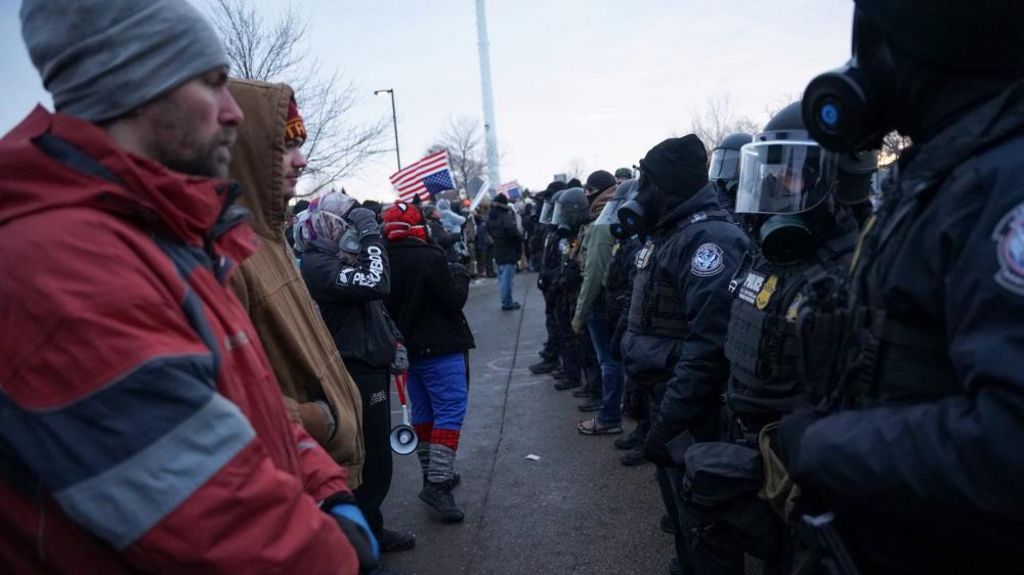
    Minneapolis remains embroiled in escalating tensions as anti-ICE demonstrations intensify following the January 7th fatal shooting of 37-year-old mother Renee Good by an Immigration and Customs Enforcement agent. The situation reached a new threshold when protesters disrupted a Sunday service at St. Paul’s Cities Church, chanting “ICE out” and demanding “Justice for Renee Good” while alleging one of the church’s pastors serves as a local ICE official.

    The U.S. Justice Department has initiated an investigation into the incident, with Attorney General Pam Bondi vowing to exercise the “full force of federal law” against demonstrators accused of “desecrating a house of worship.” Assistant Attorney General Harmeet Dhillon confirmed via social media that federal charges would be pursued in the case.

    According to Associated Press and Minnesota Star Tribune reports, a person identified as David Easterwood—matching the name of one of the church’s pastors—appears in ACLU court filings as acting director of ICE’s St. Paul field office. Easterwood was not present during the disrupted service, and the Department of Homeland Security maintains its policy of neither confirming nor denying agent identities for security reasons.

    The protests represent broader opposition to President Trump’s immigration crackdown, which has brought thousands of ICE agents to Minnesota following campaign promises of historic deportation operations. Monique Cullars-Doty, Black Lives Matter Minnesota co-founder and protest organizer, stated to CBS News that activists “can’t sit back idly and watch people go and be led astray.

    In a significant escalation, the Pentagon has placed 1,500 active-duty soldiers on standby for potential deployment after President Trump suggested invoking the Insurrection Act—a 19th-century law last used during the 1992 Los Angeles riots—to address the protests. Meanwhile, a federal judge has limited crowd control tactics ICE agents can use against peaceful demonstrators.

    Separately, the Justice Department has opened investigations into Minneapolis Mayor Jacob Frey and Minnesota Governor Tim Walz, both Democrats, for allegedly impeding federal immigration operations. The DHS reports approximately 3,000 arrests in Minneapolis since deployments began.

    The controversy stems from the death of Renee Good, a U.S. citizen and mother of three who was shot while observing ICE activities from her vehicle. While city officials maintain she was legally documenting operations, the Trump administration has labeled her a “domestic terrorist” and claims the agent acted in self-defense.

  • Kevin O’Leary praises ‘Marty Supreme’ co-star Timothée Chalamet for being ‘well-grounded, normal’

    Kevin O’Leary praises ‘Marty Supreme’ co-star Timothée Chalamet for being ‘well-grounded, normal’

    Shark Tank investor Kevin O’Leary has revealed remarkable insights about his co-star Timothée Chalamet’s character during their collaboration on the film ‘Marty Supreme.’ The business mogul turned actor expressed admiration for Chalamet’s ability to maintain normalcy despite achieving extraordinary Hollywood success.

    During an exclusive interview at the annual BAFTA Tea event, O’Leary detailed his observations of Chalamet’s professional conduct and personal temperament. The 71-year-old television personality emphasized that the young actor has remained completely unchanged by fame, describing him as ‘very well-grounded’ and ‘a very normal guy’ despite his skyrocketing career.

    O’Leary attributed Chalamet’s stability to strong family foundations, revealing he had personally met and spent time with the actor’s mother in New York. ‘He is focused on work… I think that’s a good attribute,’ O’Leary noted. ‘He hasn’t let any of the stardom stuff affect him at all. He’s the same guy I met at the beginning. Eight months later, he’s the same guy.’

    The businessman also expressed professional admiration for Chalamet’s dedication to his craft, particularly his method acting approach to portraying Marty Mauser, a ambitious ping-pong player. ‘I certainly saw what a method actor is like. That’s not how I work, but that’s how he works. And I think he was fantastic,’ O’Leary stated.

    In ‘Marty Supreme,’ O’Leary made his acting debut as Milton Rockwell, a wealthy New York businessman who develops a complex relationship with Chalamet’s character. The film has generated significant buzz within entertainment circles, with O’Leary’s comments providing unique perspective on one of Hollywood’s most prominent young talents.

  • Hungary’s MOL to buy Serbia’s Russia-owned NIS oil company if US approves

    Hungary’s MOL to buy Serbia’s Russia-owned NIS oil company if US approves

    In a significant development for Central European energy markets, Hungary’s MOL Group has announced a preliminary agreement to purchase a controlling 56.15% stake in Serbia’s primary oil supplier, Naftna Industrija Srbije (NIS), currently owned by Russia’s Gazprom Neft. The transaction, disclosed on Monday, requires explicit approval from the U.S. Office of Foreign Assets Control (OFAC) due to existing American sanctions against the Russian-owned company.

    The acquisition would substantially expand MOL Group’s regional footprint, granting control over Serbia’s sole oil refinery and nearly its entire petroleum market. Company Chairman and CEO Zsolt Hernadi emphasized the strategic importance, stating, “As a reliable regional energy provider, we would like to contribute to the development of Central and Southeastern Europe.”

    Concurrently, MOL is negotiating with Abu Dhabi National Oil Company (ADNOC) of the United Arab Emirates regarding potential minority shareholder participation. Serbian Energy Minister Dubravka Djedovic Handanovic confirmed the arrangement would increase Serbia’s stake in NIS by 5%, elevating its ownership from 29.87% to 34.87%.

    The proposed deal occurs against a complex geopolitical backdrop. Washington imposed sanctions on NIS in 2022 as part of broader measures targeting Russia’s energy sector, with these restrictions taking effect last October. OFAC has granted NIS a license to negotiate the sale until March 24, with the parties aiming to finalize the purchase agreement by March 31.

    Serbia’s position remains diplomatically delicate as the nation pursues European Union membership while maintaining strong ties with Moscow and refusing to implement Western sanctions against Russia following its invasion of Ukraine. Serbia originally sold the majority stake in NIS to Russia in 2008.