作者: admin

  • Hungary’s MOL to buy Serbia’s Russia-owned NIS oil company if US approves

    Hungary’s MOL to buy Serbia’s Russia-owned NIS oil company if US approves

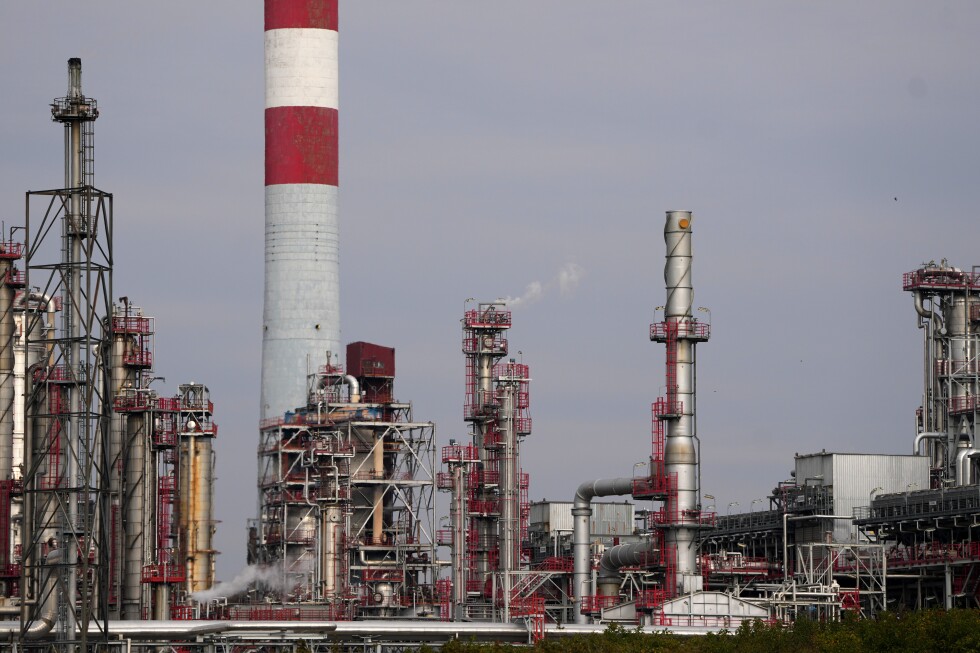
    In a significant development for Central European energy markets, Hungary’s MOL Group has announced a preliminary agreement to purchase a controlling 56.15% stake in Serbia’s primary oil supplier, Naftna Industrija Srbije (NIS), currently owned by Russia’s Gazprom Neft. The transaction, disclosed on Monday, requires explicit approval from the U.S. Office of Foreign Assets Control (OFAC) due to existing American sanctions against the Russian-owned company.

    The acquisition would substantially expand MOL Group’s regional footprint, granting control over Serbia’s sole oil refinery and nearly its entire petroleum market. Company Chairman and CEO Zsolt Hernadi emphasized the strategic importance, stating, “As a reliable regional energy provider, we would like to contribute to the development of Central and Southeastern Europe.”

    Concurrently, MOL is negotiating with Abu Dhabi National Oil Company (ADNOC) of the United Arab Emirates regarding potential minority shareholder participation. Serbian Energy Minister Dubravka Djedovic Handanovic confirmed the arrangement would increase Serbia’s stake in NIS by 5%, elevating its ownership from 29.87% to 34.87%.

    The proposed deal occurs against a complex geopolitical backdrop. Washington imposed sanctions on NIS in 2022 as part of broader measures targeting Russia’s energy sector, with these restrictions taking effect last October. OFAC has granted NIS a license to negotiate the sale until March 24, with the parties aiming to finalize the purchase agreement by March 31.

    Serbia’s position remains diplomatically delicate as the nation pursues European Union membership while maintaining strong ties with Moscow and refusing to implement Western sanctions against Russia following its invasion of Ukraine. Serbia originally sold the majority stake in NIS to Russia in 2008.

  • De Jong praises Remiro after Real Sociedad stun Barcelona

    De Jong praises Remiro after Real Sociedad stun Barcelona

    In a dramatic LaLiga showdown at the Reale Arena, Real Sociedad delivered a stunning 2-1 victory over league leaders Barcelona, snapping the Catalans’ impressive 11-match winning streak across all competitions. The match, played under challenging wet conditions, evolved into a tale of exceptional goalkeeping and remarkable misfortune for the visiting side.

    The breakthrough came in the 32nd minute when Mikel Oyarzabal expertly volleyed home from Goncalo Guedes’ precision cross. Barcelona’s relentless pressure finally yielded an equalizer in the 70th minute through substitute Marcus Rashford, who headed home Lamine Yamal’s delivery shortly after entering the pitch.

    However, Sociedad immediately reclaimed their advantage just sixty seconds later when Guedes unleashed a spectacular volley from Carlos Soler’s cross. The match took another dramatic turn when Soler received a straight red card in the 88th minute for a dangerous challenge on Pedri, reducing the hosts to ten men.

    The story of the match was written in Barcelona’s extraordinary misfortune, with the woodwork denying them on five separate occasions during the second half alone. Goalkeeper Alex Remiro emerged as the undeniable hero for Sociedad, producing a series of spectacular saves that kept the league leaders at bay throughout the match.

    Despite the setback, Barcelona maintains their position at the summit of LaLiga with 49 points, holding a narrow one-point advantage over rivals Real Madrid. The result opens up the title race while showcasing Sociedad’s capability to compete with Spain’s elite teams.

  • Senegalese fans celebrate dramatic Afcon win

    Senegalese fans celebrate dramatic Afcon win

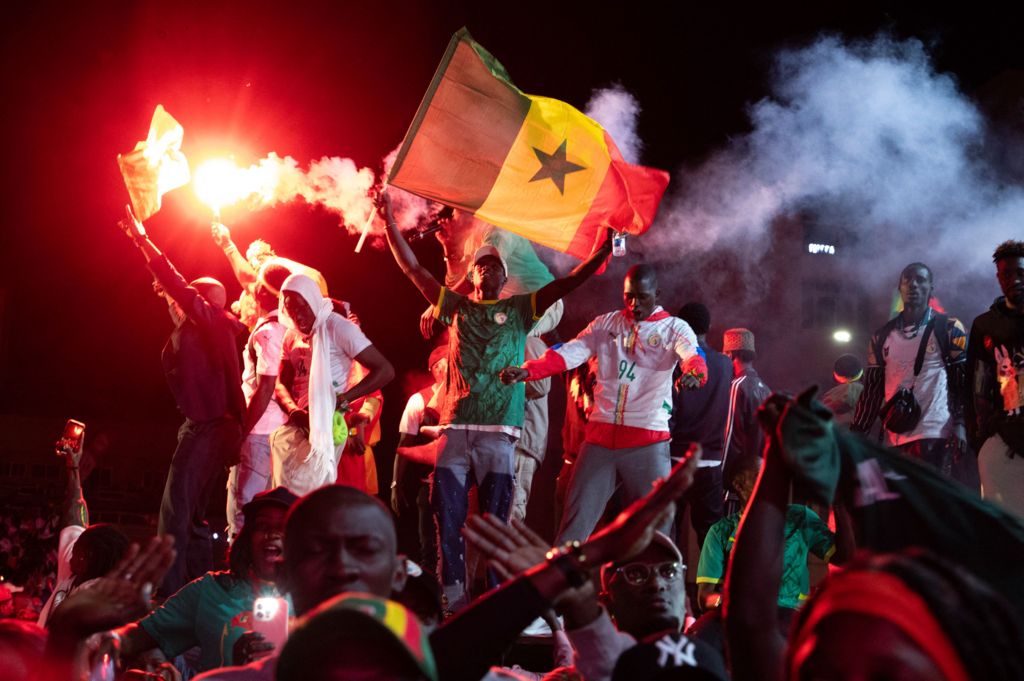
    Streets across Senegal transformed into vibrant arenas of celebration following the national football team’s climactic victory in the Africa Cup of Nations (AFCON). The air filled with a cacophony of cheers, car horns, and traditional music as an outpouring of national pride swept through the capital, Dakar, and communities nationwide.

    The triumph represents a monumental achievement in Senegalese sports history, marking a pinnacle moment for the team, long considered one of Africa’s football powerhouses. This victory is not merely a sporting success but a unifying event that has galvanized the nation, cutting across social and economic divides. The win is seen as the culmination of years of dedicated investment in football development and the stellar performance of a generation of world-class players.

    Spontaneous street parties continued late into the night, with fans draped in the national green, yellow, and red colors dancing and singing in collective euphoria. The impact of this victory extends beyond the pitch, offering a significant morale boost and a potent symbol of national unity and aspiration for the West African nation.

  • Kurdish autonomy falls, redrawing Syria’s geopolitical map

    Kurdish autonomy falls, redrawing Syria’s geopolitical map

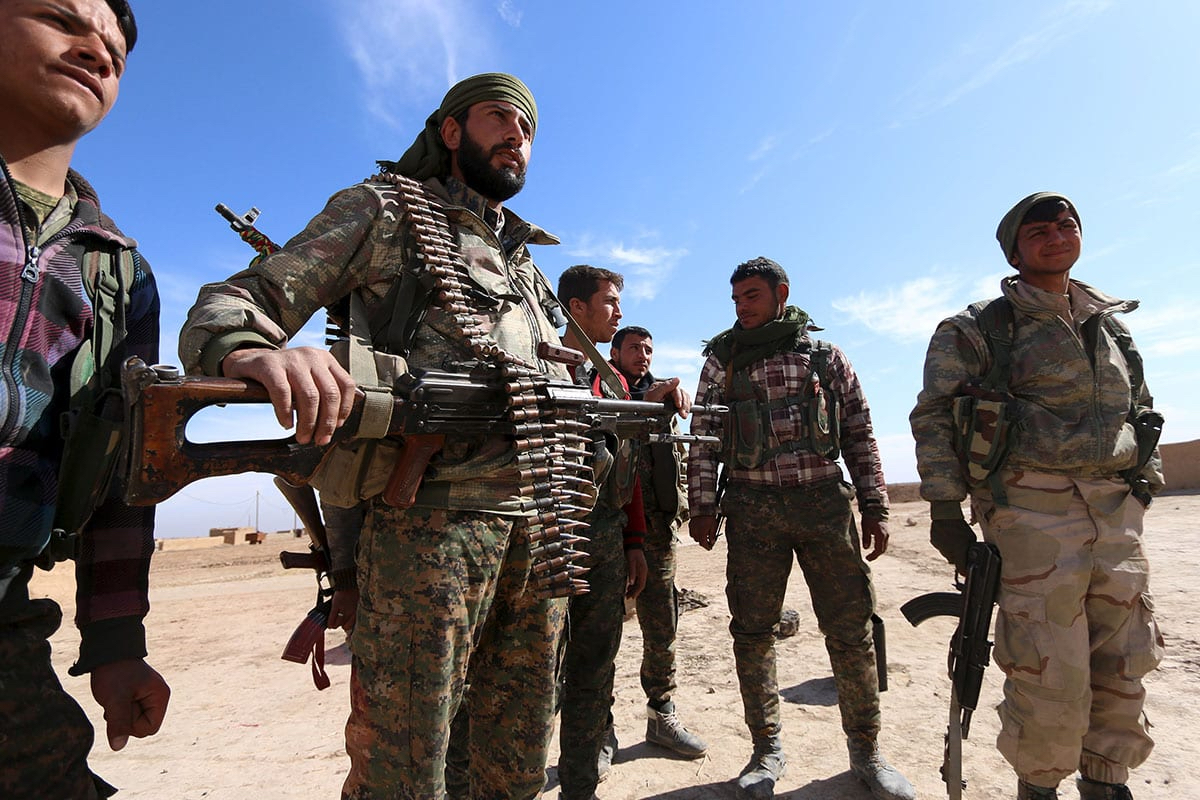
    A dramatic geopolitical realignment unfolded in Syria over the weekend as the U.S.-backed Syrian Democratic Forces (SDF) experienced a rapid collapse. The coalition, predominantly composed of Kurdish YPG units with alleged ties to the PKK (designated as a terrorist organization by Turkey), disintegrated following coordinated defections among its Arab tribal partners.

    This development marks the effective termination of the SDF’s ambitious project to establish an autonomous region based on Abdullah Ocalan’s ‘democratic confederalist’ ideology—a socialist-liberal governance model that the United States had previously leveraged as a strategic wedge in the region. The group’s sudden reversal from controlling Syria’s vital agricultural, energy, and water resources to accepting a lopsided ceasefire that restores central state authority stems from three primary factors.

    First, the SDF’s governance model proved fundamentally incompatible with the authoritarian-Islamist tribal society of local Arab communities, creating enduring tensions that undermined its stability. Second, the withdrawal of U.S. military patronage under the Trump administration’s new National Security Strategy, which deprioritizes West Asian engagements, removed critical support that had previously prevented mass defections. Third, the Kurdish leadership miscalculated American reliability, failing to negotiate with the Assad government before abandonment.

    The collapse represents a significant geostrategic victory for Turkey, which eliminates a longstanding security threat from PKK-aligned forces. This development enables Ankara to advance its ambitions of expanding influence eastward into Central Asia while strengthening its position in Syria. The realignment also threatens Israeli interests and challenges Russian influence in the region.

    Emerging consequences include the potential formation of an ‘Islamic NATO’—a security alliance involving Turkey, Pakistan, Saudi Arabia, and possibly Egypt—that could extend military cooperation across the Levant and into Central Asia. The United States appears to tacitly endorse this development as a mechanism to maintain divisions within the Eastern Hemisphere, leveraging inherent frictions with Russia, India, Israel, and the European Union.

  • Italian fashion designer Valentino dies aged 93

    Italian fashion designer Valentino dies aged 93

    The fashion world mourns the passing of Italian design maestro Valentino Garavani, who died peacefully at his Roman residence on January 20th at age 93. Surrounded by family members, the legendary couturier’s departure marks the end of an era for haute couture. The Valentino Garavani and Giancarlo Giammetti Foundation confirmed the news through an official Instagram statement, announcing public viewings would be held at Piazza Mignanelli on January 21-22, followed by a funeral service at the Basilica of Saint Mary of the Angels and Martyrs.

    Born in Lombardy during May 1932, Valentino revolutionized twentieth-century fashion with his distinctive vision of luxury and opulence. His designs became synonymous with aristocratic elegance, characterized by lavish fabrics, meticulous craftsmanship, and his signature ‘Valentino red’—a vibrant crimson hue inspired by Spanish cultural aesthetics. The iconic fiesta dress, debuted in his groundbreaking collection, propelled the Valentino fashion house to international acclaim following its 1960 co-founding.

    Throughout his illustrious career, Valentino dressed generations of style icons from Jacqueline Kennedy Onassis and Elizabeth Taylor to contemporary Hollywood stars including Julia Roberts, Gwyneth Paltrow, and Jennifer Lopez. His designs consistently embodied red-carpet glamour rather than utilitarian fashion, with former British Vogue editor Alexandra Shulman noting his creations represented ‘fabulous gowns’ rather than office attire.

    Valentino’s recent recognition with the Outstanding Achievement Award at the December 2023 British Fashion Awards underscored his enduring influence. Despite evolving fashion trends, the designer maintained his commitment to classical beauty and refined elegance, cultivating lifelong relationships with celebrity clients. His final 2007 collection featured an all-red finale, paying homage to the color that defined his six-decade legacy.

  • Japan PM Sanae Takaichi calls snap election on February 8

    Japan PM Sanae Takaichi calls snap election on February 8

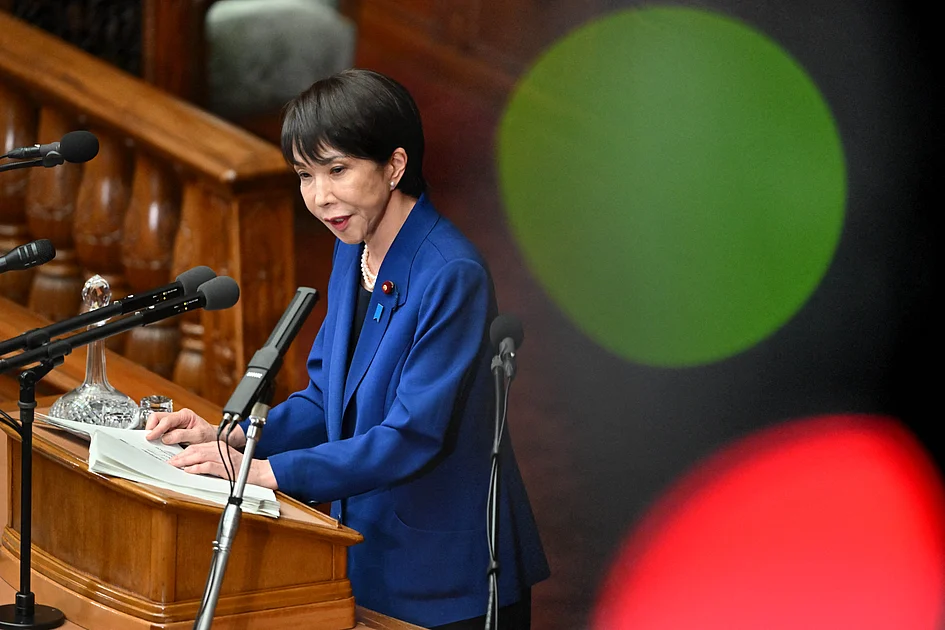
    In a strategic political maneuver, Japanese Prime Minister Sanae Takaichi has announced a snap general election scheduled for February 8, marking a pivotal moment for both her leadership and the nation’s political trajectory. The lower house of parliament will officially dissolve on January 23, with campaigning commencing January 27 ahead of the February vote.

    Japan’s first female leader, riding remarkably high approval ratings for her cabinet despite her Liberal Democratic Party’s declining popularity, aims to secure a stronger mandate for her policy agenda. The ruling coalition—comprising the LDP and junior partner Japan Innovation Party—currently maintains only a slender majority in the powerful lower chamber, creating legislative obstacles for Takaichi’s ambitious plans regarding substantial fiscal stimulus and defense budget enhancements.

    Political analysts suggest the election timing serves multiple strategic purposes. Domestically, a stronger majority would empower Takaichi to advance her record 122.3-trillion-yen ($768 billion) budget proposal for fiscal year 2026 without requiring significant concessions to opposition parties. The budget, designed to combat persistent inflation and stabilize the world’s fourth-largest economy, faces potential delays due to the election timeline, drawing criticism from opposition figures who argue the government is prioritizing political maneuvering over economic stability.

    Internationally, the snap election provides Takaichi with increased leverage in ongoing tensions with China. Relations between Tokyo and Beijing have deteriorated significantly since November, when Takaichi suggested potential Japanese military intervention should China attack Taiwan. China has responded with trade restrictions, including bans on dual-use goods with military applications and reported constraints on rare-earth exports vital to Japanese manufacturing.

    The election landscape features an unusual alliance between the main opposition Constitutional Democratic Party and Komeito (the LDP’s former coalition partner), who have joined forces to challenge Takaichi’s administration. Meanwhile, populist parties like Sanseito have gained traction with anti-immigration rhetoric despite Japan’s minimal foreign-born population.

    Professor Emeritus Sadafumi Kawato of the University of Tokyo noted that an independent LDP majority would significantly enhance Takaichi’s policy implementation capabilities. However, National Graduate Institute for Policy Studies Dean Mikitaka Masuyama warned that electoral success could provoke intensified pressure from Beijing, potentially through additional trade measures designed to demonstrate the costs of supporting hawkish leadership.

  • Chile wildfires rage for third day, entire towns wiped out

    Chile wildfires rage for third day, entire towns wiped out

    Southern Chile is grappling with a devastating wildfire catastrophe that has claimed at least 19 lives and obliterated entire communities, with infernos continuing their destructive path for a third consecutive day. The disaster zones in Nuble and Biobio regions, approximately 500 kilometers south of Santiago, have been declared emergency areas, triggering military deployment and nighttime curfews in the most severely affected localities.

    Residents described harrowing escapes as walls of flame engulfed neighborhoods. Yagora Vasquez, a Lirquen port town inhabitant, recounted her frantic evacuation: “The situation turned horrific. I desperately tried to saturate my home with water, but witnessing the advancing flames forced us to flee immediately with my seven-year-old son and our dog.” The aftermath reveals landscapes of devastation—charred vehicles line streets where homes once stood, with survivors sifting through ashes to recover fragments of their lives.

    The meteorological conditions have significantly complicated firefighting efforts, with winds exceeding 70 kilometers per hour and temperatures approaching 30°C (86°F). Despite brief nocturnal respites, authorities confirm that the most critical blazes remain uncontained. President Gabriel Boric warned citizens via social media platform X about anticipated unfavorable weather patterns that could reactivate smoldering hotspots throughout the day.

    This environmental disaster echoes previous tragedies in the region. Many residents had relocated to these areas following the devastating 2010 tsunami that claimed over 500 lives, only to confront a different elemental threat. Mareli Torres, whose two-story home was reduced to blackened walls, contrasted the experiences: “This firewave proved far more destructive than the ocean surge. The earthquake brought devastation, but these fires have created unimaginable destruction.

    Scientific research from Santiago’s Center for Climate and Resilience Research demonstrates that climate change has fundamentally altered fire dynamics in south-central Chile. The 2024 study establishes that long-term warming and drying trends have created conditions conducive to extreme wildfire seasons. This pattern has manifested repeatedly in recent years, with February 2024 fires near Viña del Mar causing 138 fatalities and unprecedented land area destruction during the 2016/17 and 2022/23 fire seasons.

    The regional dimension of this crisis extends beyond Chilean borders, with Argentine Patagonia reporting over 15,000 hectares consumed by wildfires in recent days, highlighting the broader environmental challenges facing southern South America.

  • Dubai launches hands-on real estate diploma for citizens

    Dubai launches hands-on real estate diploma for citizens

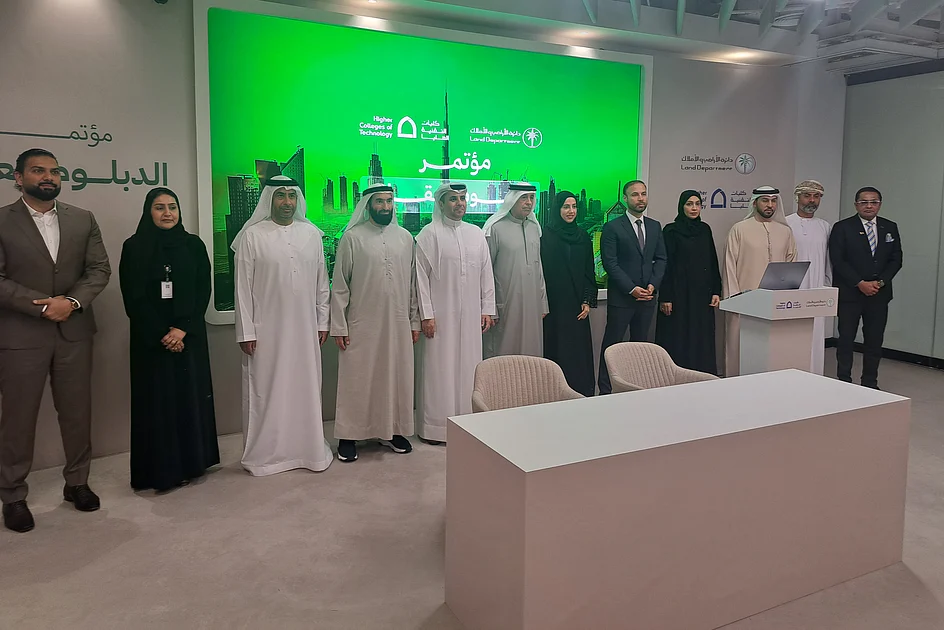
    Dubai has inaugurated an innovative Real Estate Diploma program specifically designed for UAE citizens, marking a significant advancement in professional education within the property sector. This collaborative initiative between the Dubai Land Department and Higher Colleges of Technology represents a strategic effort to enhance Emirati participation in one of the world’s most dynamic real estate markets.

    The comprehensive curriculum encompasses critical industry domains including real estate legislation, regulatory frameworks, landlord-tenant relationships, financial analysis, and asset-liability assessment. The program’s practical orientation ensures participants gain hands-on experience through partnerships with leading development firms such as Emaar, Danube Properties, Sobha, Omniyat, Ellington Properties, Azizi Developments, and Aldar Properties.

    Abdullah Al Shehi, CEO of Dubai’s Real Estate Regulatory Authority (RERA), revealed ambitious employment targets, stating: ‘Current Emirati representation in real estate stands at approximately 2,200 professionals. With this diploma program, we anticipate increasing this figure to 3,000 within the current year.’

    The two-year program will qualify 40 participants per cohort through 90 accredited hours of instruction covering specialized areas including property management, valuation techniques, brokerage operations, and client relations. This educational pathway not only prepares graduates for immediate employment but also provides avenues for advanced academic pursuits and professional licensing.

    Rizwan Sajan, Founder and Chairman of Danube Group, emphasized the program’s dual benefits: ‘This initiative effectively bridges the gap between theoretical knowledge and practical application while supporting private sector Emiratisation objectives. The real estate sector offers substantial career growth and competitive compensation, enabling nationals to leverage their cultural understanding across regional markets.’

    Omar Hamad Bu Shehab, Director-General of Dubai Land Department, characterized the diploma as part of a broader strategy to develop professionally competent individuals capable of navigating market transformations with responsible expertise. Dr. Faisal Al Ayyan, President of Higher Colleges of Technology, highlighted the program’s role in fostering sectoral excellence and competitiveness through specialized national talent development.

  • Bulgaria’s left-leaning president Rumen Radev says he is stepping down

    Bulgaria’s left-leaning president Rumen Radev says he is stepping down

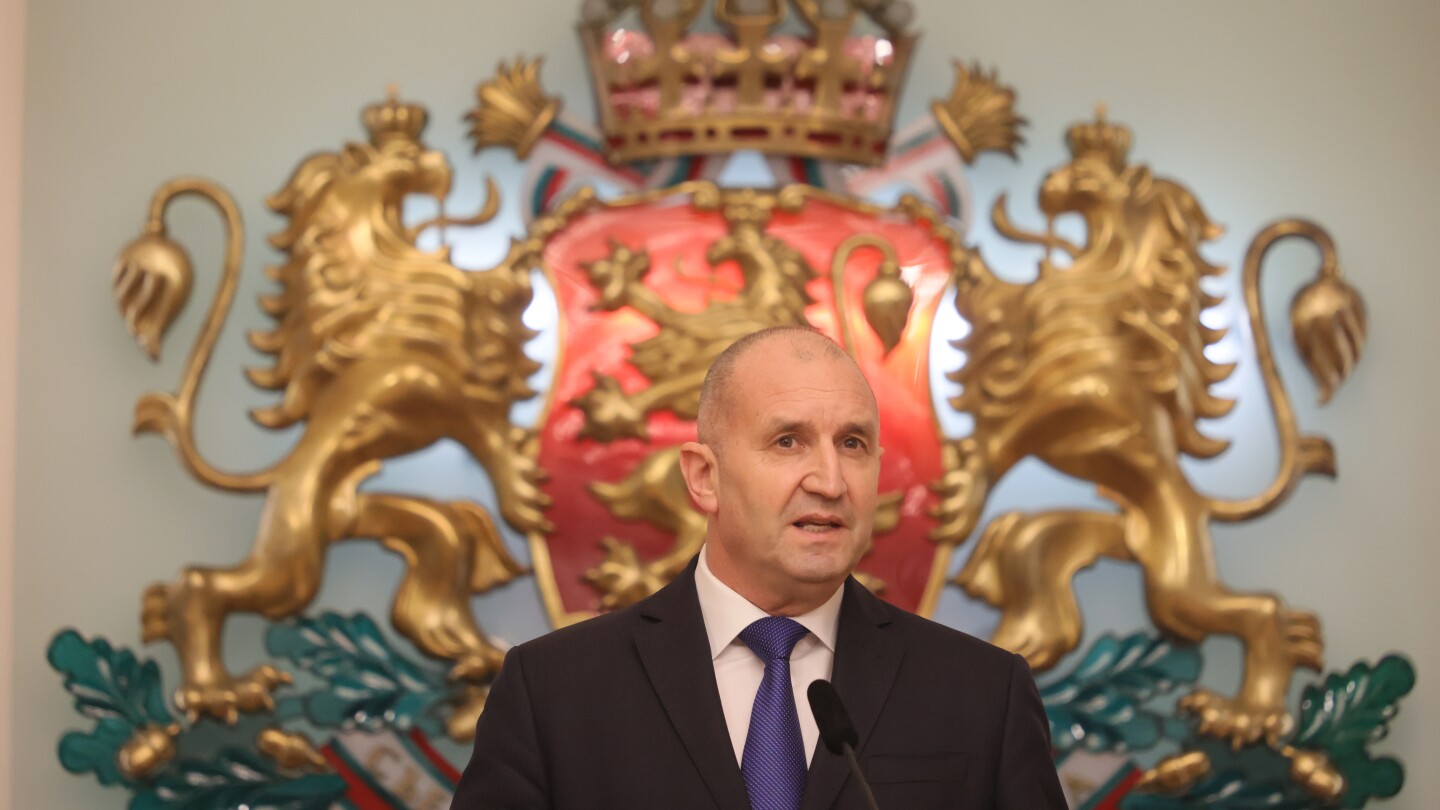
    In an unprecedented move that reshapes Bulgaria’s political landscape, President Rumen Radev declared his resignation during a nationally televised address on Monday. The left-leaning head of state announced his intention to formally submit his resignation to the Constitutional Court on Tuesday, marking the first presidential resignation in Bulgaria’s post-communist history.

    Under constitutional provisions, Vice President Iliana Yotova is poised to assume presidential duties following parliamentary confirmation, serving through the remainder of the government’s mandate. Radev’s dramatic departure occurs against the backdrop of escalating political instability within the European Union and NATO member nation, which has been grappling with persistent governance challenges.

    The resignation follows massive anti-corruption demonstrations that recently toppled the governing coalition led by the center-right GERB party. Subsequent attempts to establish a new administration within the existing parliament have proven unsuccessful, pushing the country toward its eighth parliamentary election since 2021.

    Radev, a 62-year-old former Air Force general whose second term was scheduled through 2026, has consistently positioned himself as a vocal adversary of GERB leader Boyko Borissov and sanctioned oligarch Delyan Peevski. While not explicitly detailing his future plans during Monday’s address, Radev has previously hinted at potential electoral participation and advocated for a new political entity that would ‘unite all democrats—left and right’ in pursuit of fair elections and democratic development.

    In his emotionally charged farewell, Radev proclaimed: ‘The battle for the future of our homeland lies ahead, and I believe we will face it together with all of you—the worthy, the inspired, and the unyielding! We are ready. We can, and we will succeed!’

  • Dubai: Hours of handwork, hidden details; what goes into making a race day hat

    Dubai: Hours of handwork, hidden details; what goes into making a race day hat

    At the heart of Dubai’s prestigious racing carnival, millinery emerges not as mere accessory but as wearable sculpture. The Dubai Racing Club’s Millinery Exhibition showcases extraordinary creations from talented hatmakers, presenting these artistic pieces for Fashion Friday at Meydan’s January 23 event.

    Unlike conventional headwear, race day hats represent dramatic statements that often become the centerpiece of an outfit. These oversized, highly decorative creations transcend traditional fashion boundaries, blending artistic expression with sartorial elegance in what industry experts describe as ‘wearable art’.

    The craftsmanship behind each piece involves extraordinary investment of time and skill. Bee Smith, a featured milliner, explains that couture millinery represents a significant financial commitment, with prices ranging from Dh900 to Dh2,200. This valuation reflects countless hours of skilled handwork, premium materials, and complex design elements that collectively transform raw materials into racing day masterpieces.

    Smith emphasizes the extensive ‘invisible work’ involved in quality millinery: internal wiring for structural integrity, meticulous hand-dyeing processes, and rigorous comfort testing. These unseen elements, while never visibly apparent to observers, form the essential foundation supporting each hat’s aesthetic appeal.

    Evelyn McDermott of Dubai-based Evelyn McDermott Millinery, with over a decade of international experience, highlights the global variations in racing hat requirements. Different venues impose specific dimensional standards, particularly at elite events like Britain’s Royal Ascot where Royal Enclosure attendees must adhere to strict guidelines.

    McDermott observes that Dubai World Cup attendees typically favor elegant, well-curated outfits with millinery as the standout feature. The racing environment encourages theatrical individuality, with clients seeking distinctive pieces that photograph beautifully, move gracefully, and project confidence.

    Both artisans agree that quality millinery represents a timeless investment when selected wisely. The combination of design integrity, expert craftsmanship, wearing comfort, and longevity justifies the significant commitment. The creation process involves painstaking attention to detail under tight deadlines, with the ultimate reward coming when clients proudly wear these personalized pieces that transcend fleeting fashion trends.

    In an era of fast fashion, bespoke millinery stands apart as a slow, deliberate craft where each piece evolves as a personal statement rather than disposable accessory.