作者: admin

  • High-tech tools keep track of rare milu deer

    High-tech tools keep track of rare milu deer

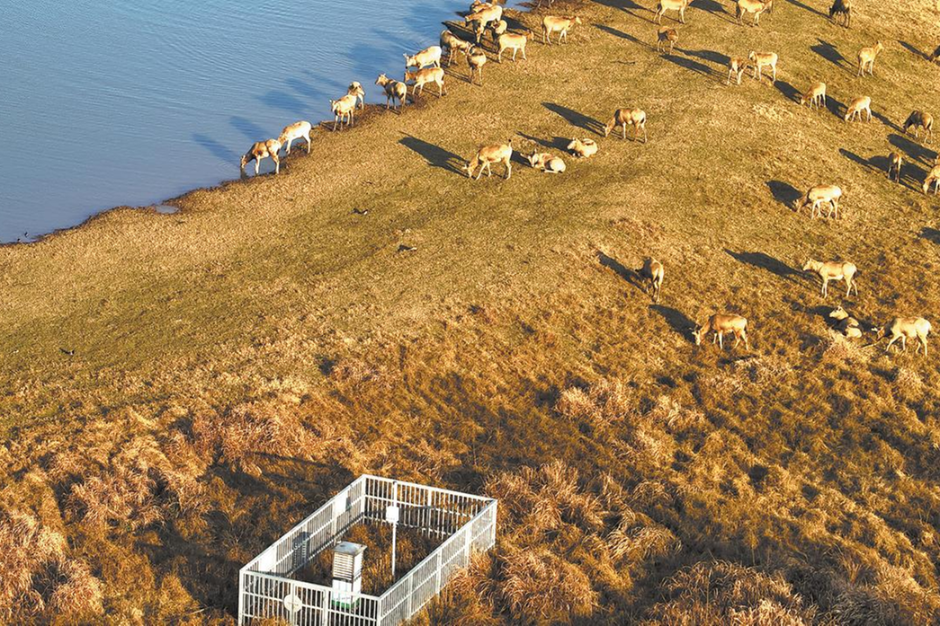
    A technological renaissance is sweeping through the Hubei Shishou Milu National Nature Reserve, transforming traditional conservation methods for the endangered Pere David’s deer. The 1,567-hectare sanctuary has deployed an advanced intelligent monitoring system that represents a paradigm shift in wildlife protection strategies.

    The reserve’s comprehensive digital infrastructure incorporates 450 high-definition cameras, 50 infrared imaging devices, and sophisticated environmental sensors, all interconnected through a 5G-powered artificial intelligence platform. This network has effectively replaced the labor-intensive manual patrols that once defined conservation work in the area.

    Ranger Wang Chuanjun, a 57-year-old veteran conservationist, exemplifies this transformation. His daily routine has evolved from enduring 10-hour treks through challenging terrain—navigating waist-high vegetation, mud pits, and insect swarms—to monitoring the reserve through an intelligent digital dashboard. Wang now begins his workday by analyzing camera feeds to track deer distribution, monitor newborn fawns, and identify any signs of illness among the population.

    The system’s impact has been quantitatively demonstrated since its March 2024 implementation, generating over 3,000 early warnings covering equipment malfunctions, potential fire hazards, and unauthorized human incursions. Environmental parameters including soil moisture, water quality, and meteorological conditions are continuously monitored to ensure optimal habitat conditions.

    While physical patrols continue, they are now strategically guided by data-driven alerts, allowing rangers to respond precisely to identified issues rather than conducting exhaustive searches. “This technological integration has dramatically enhanced our operational efficiency, effectiveness, and overall working conditions,” Wang affirmed, highlighting the practical benefits of the digital conservation approach.
  • Trump slams UK deal to hand over Chagos Islands after he previously backed it

    Trump slams UK deal to hand over Chagos Islands after he previously backed it

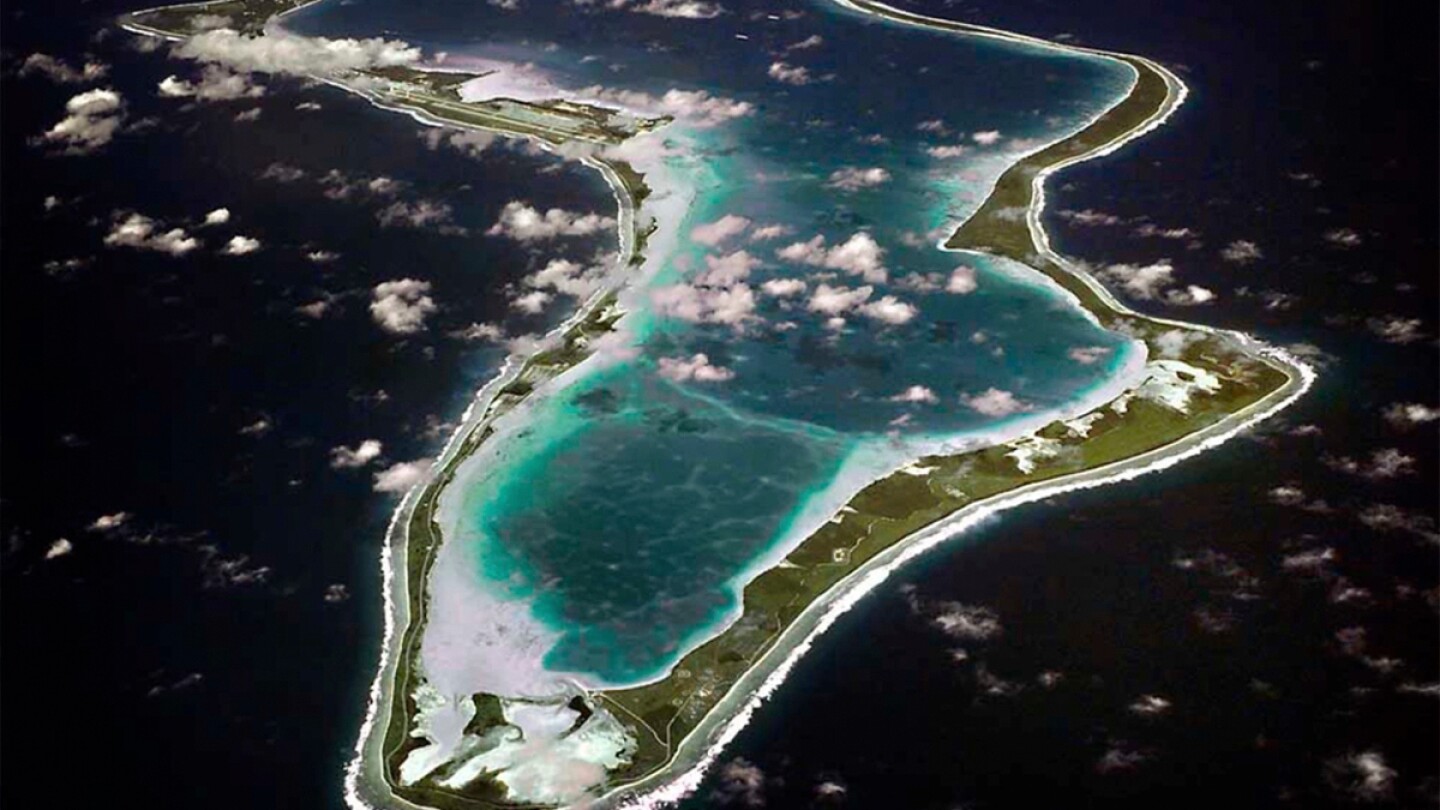
    The British government has reaffirmed its commitment to transfer sovereignty of the Chagos Islands to Mauritius despite facing vehement criticism from former U.S. President Donald Trump, who characterized the move as a severe security misstep. Trump utilized his Truth Social platform to denounce the decision, asserting that relinquishing the strategically vital archipelago—home to a critical U.S. naval and bomber base—demonstrates weakness that could be exploited by global adversaries like China and Russia.

    The agreement, finalized between the United Kingdom and Mauritius in May, stipulates that while sovereignty will transition to Mauritius, the UK will retain control over Diego Garcia—the site of the U.S. military installation—through a 99-year leaseback arrangement. This provision aims to ensure the base’s operational continuity, a point emphasized by both U.S. and UK officials when the deal was initially announced.

    Domestically, the decision has ignited substantial opposition within British political circles. Conservative Party leader Kemi Badenoch and Reform UK’s Nigel Farage have aligned with Trump’s stance, condemning the Labour government’s policy as a threat to national and NATO security. Critics argue that ceding territory held since 1814 risks undermining Western military capabilities in critical regions including the Middle East, South Asia, and East Africa.

    Simultaneously, the agreement has raised concerns among the Chagossian diaspora—approximately 10,000 individuals displaced during the base’s construction in the 1960s. Although the deal includes provisions for a resettlement fund to facilitate returns to islands other than Diego Garcia, many remain skeptical about the practical implementation of these measures and their long-awaited right to return.

    The legislation has cleared the House of Commons but faced notable resistance in the House of Lords, which appended a ‘motion of regret’ to its approval. The bill returns to the Commons for further deliberation, maintaining the Chagos transfer as a contentious issue at the intersection of geopolitics, colonial history, and human rights.

  • Spain train crash recovery continues as investigators probe ‘gap’ in rail

    Spain train crash recovery continues as investigators probe ‘gap’ in rail

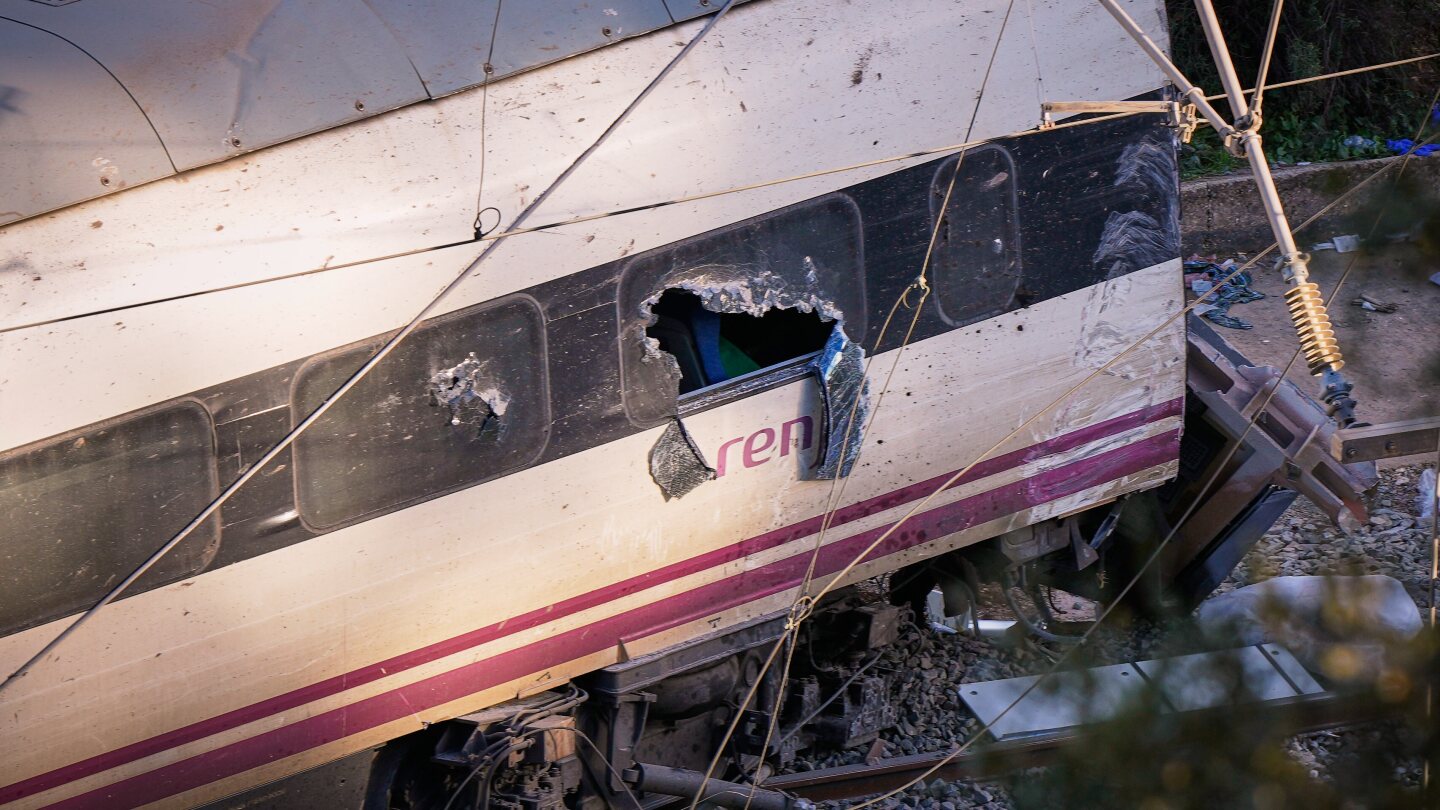
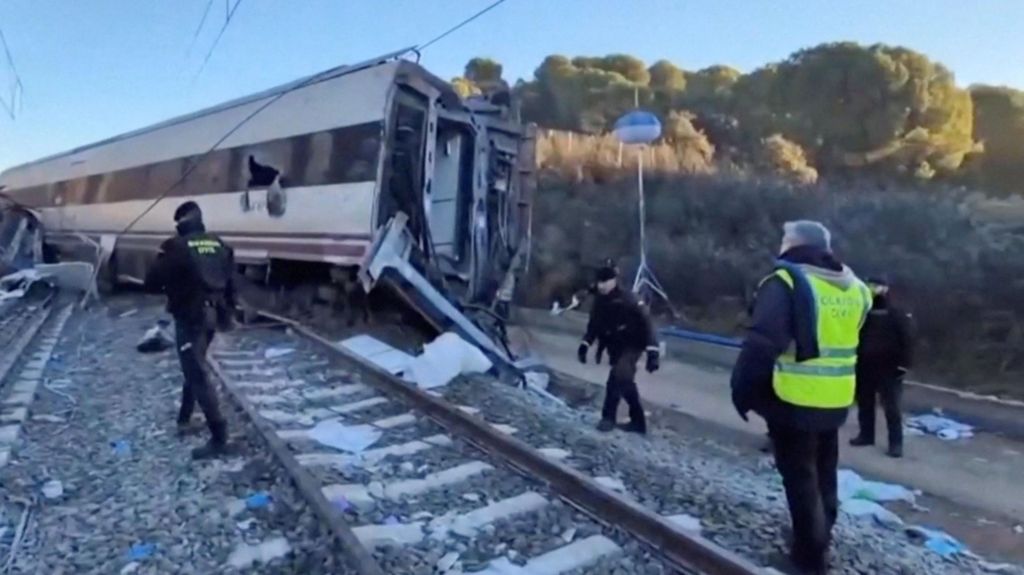
    Southern Spain is reeling from its most devastating rail disaster in over a decade following a catastrophic collision between two trains near Adamuz on Sunday evening. The death toll currently stands at 41, with authorities cautioning that this number may rise as recovery teams continue their grim search through the mangled wreckage using heavy machinery.

    The tragedy unfolded when carriages on a Madrid-bound train derailed on a straight section of track near Córdoba, crossing into the path of an oncoming service traveling in the opposite direction. The violent impact, described by one survivor as feeling like an ‘earthquake,’ resulted in 122 injuries with 41 victims, including children, remaining hospitalized—12 of whom are in intensive care.

    Spanish media outlets report investigators are concentrating on a potentially faulty 30-centimeter rail weld as the probable cause. Technical experts cited in El Mundo newspaper indicated a ‘bad’ or ‘deteriorated’ weld was ‘more than likely’ responsible for the derailment. However, El País noted investigators haven’t determined whether the rail defect caused the accident or resulted from it.

    Transport Minister Óscar Puente characterized the incident as ‘extremely strange’ and estimated the investigation could take at least a month to complete. Rail operator Renfe’s president has apparently eliminated human error as a factor, noting that onboard systems automatically correct driver mistakes.

    The national response has been swift and solemn. Prime Minister Pedro Sánchez canceled his scheduled appearance at the World Economic Forum in Davos, pledging to ‘get to the bottom’ of the tragedy. King Felipe and Queen Letizia are scheduled to visit the crash site, and the government has declared three days of national mourning.

    All high-speed services between Madrid and southern destinations including Málaga, Córdoba, Sevilla, and Huelva remain suspended until Friday as the investigation continues and the nation grieves its worst rail accident since 2013.

  • Islamic State group claims attack on a Kabul restaurant that killed 7, including a Chinese national

    Islamic State group claims attack on a Kabul restaurant that killed 7, including a Chinese national

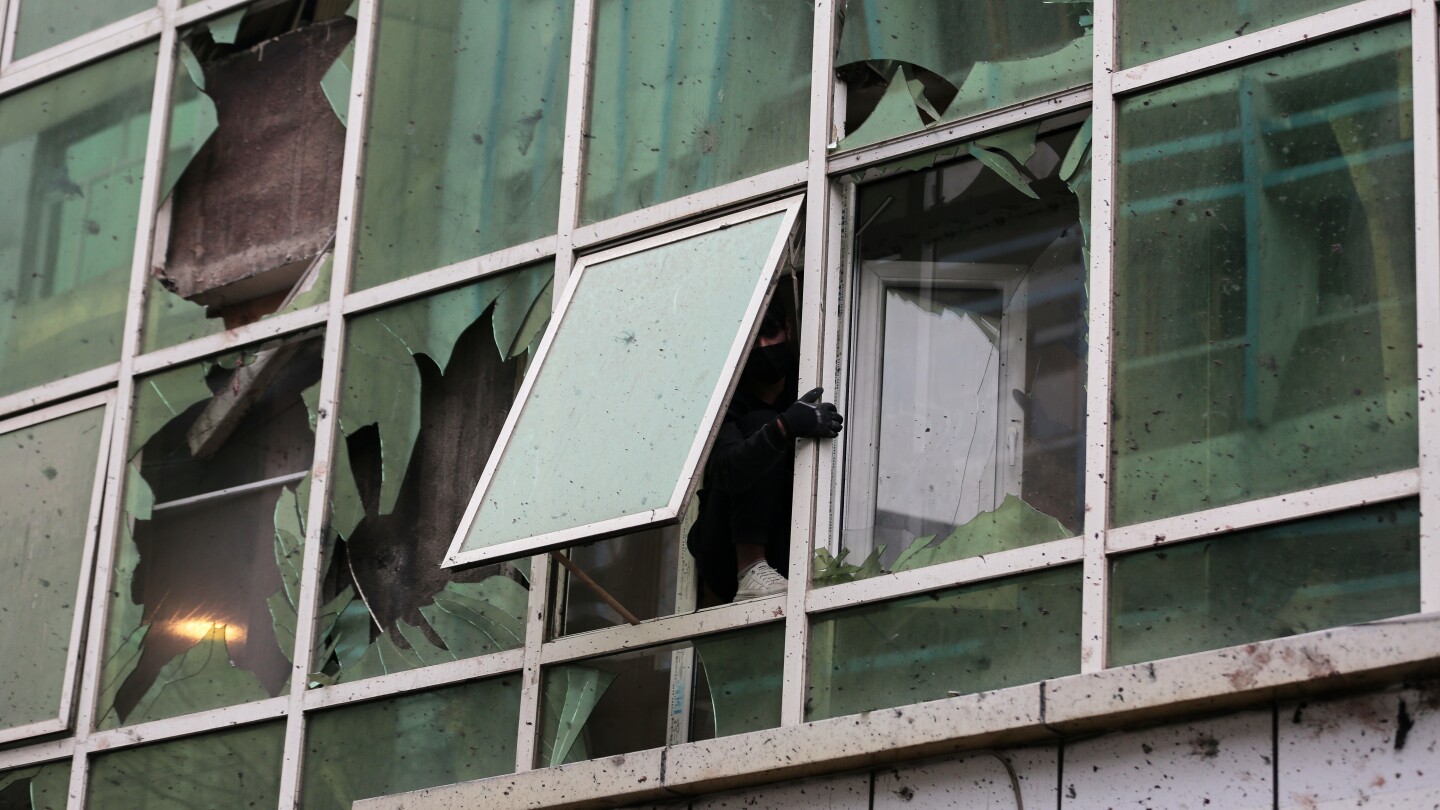
    KABUL, Afghanistan — In a development escalating security concerns across Central Asia, the Islamic State (IS) militant organization has publicly claimed responsibility for a devastating suicide bombing at a popular Chinese restaurant in Afghanistan’s capital. The attack, which unfolded late Monday in Kabul’s Shahr-e-Naw district, resulted in significant casualties and has drawn international condemnation.

    According to a statement released through the group’s Aamaq news agency, an IS operative infiltrated the restaurant—a known gathering spot for Chinese nationals—and detonated an explosive vest during a crowded gathering. The militant group asserted that the assault resulted in approximately 25 casualties, including Taliban security personnel, though these figures remain unverified by independent sources.

    Afghan authorities, while continuing their investigation into the blast’s precise origins, confirmed a tragic death toll of at least seven individuals. Interior Ministry spokesperson Mufti Abdul Mateen Qani acknowledged that the incident remains under active investigation, withholding official confirmation of the cause.

    The IS claim, consistent with the group’s typical rhetoric, included explicit threats against Chinese citizens within Afghanistan, directly linking the violence to Beijing’s policies toward Uyghur Muslims. This connection underscores the complex geopolitical tensions permeating the region.

    China’s Foreign Ministry confirmed one Chinese national was killed and five others wounded in the explosion. Spokesperson Guo Jiakun stated Beijing ‘strongly condemns and resolutely opposes terrorism in all forms,’ while urging Afghan authorities to enhance protective measures for Chinese citizens and infrastructure. In response to the attack, China has issued travel advisories warning its citizens against visiting Afghanistan and recommending those already in the country evacuate high-risk areas.

    The bombing highlights the precarious security situation in Taliban-controlled Afghanistan, where IS has maintained an active presence since the government transition in 2021. Despite the Taliban’s assurances that Afghan territory would not be used by militant groups, this incident demonstrates ongoing challenges to regional stability.

    International reactions included strong condemnation from Pakistani President Asif Ali Zardari, who criticized the Taliban government’s adherence to security agreements. The attack occurred concurrently with reports of border clashes between Afghan gunmen and Tajik security forces, further illustrating the region’s volatile security landscape.

  • Australia’s Parliament debates new anti-hate speech and gun laws after Sydney attack

    Australia’s Parliament debates new anti-hate speech and gun laws after Sydney attack

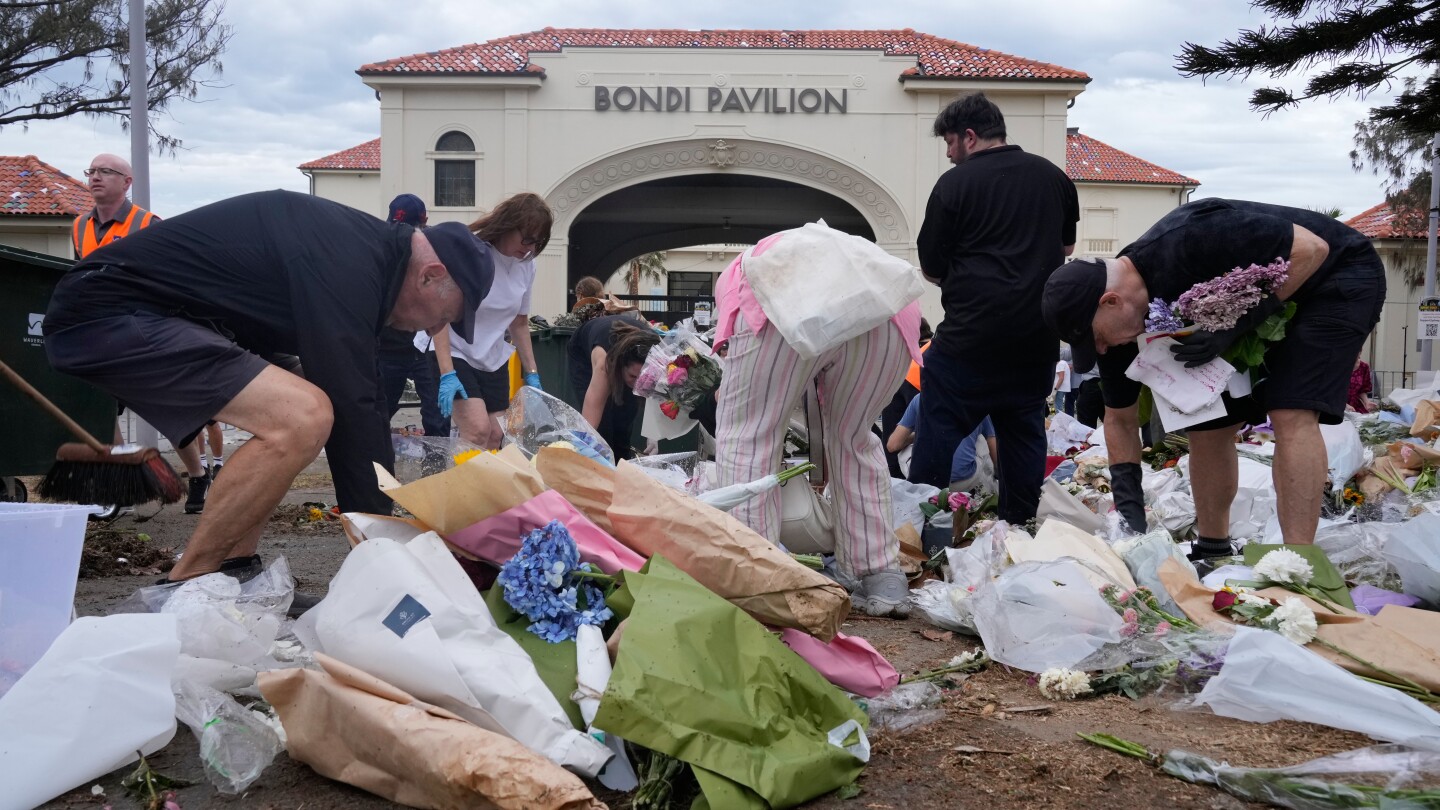
    Australia’s federal parliament has convened for an emergency session to debate sweeping new security legislation in response to last month’s deadly antisemitic attack in Sydney. The proposed measures include strengthened firearm regulations and enhanced powers to outlaw hate organizations.

    The legislative package, which could become law as early as Wednesday, establishes a government-funded firearm buyback program and imposes stricter eligibility criteria for gun ownership. The reforms specifically address circumstances that allowed the perpetrators of the December 14 Bondi Beach shooting to legally possess firearms despite security concerns.

    Home Affairs Minister Tony Burke revealed that the alleged attackers—50-year-old Sajid Akram and his 24-year-old son Naveed—would have been prohibited from owning weapons under the proposed standards. The elder Akram, though a legal gun owner, would have been disqualified due to his non-citizen status, while his Australian-born son had been under surveillance by the Australian Security Intelligence Organization (ASIO) since 2019 for associations with suspected extremists.

    The anti-hate speech provisions would enable the banning of organizations that promote extremism but don’t meet Australia’s current definition of terrorist groups. Islamist group Hizb ut-Tahrir, already outlawed in several nations, and neo-Nazi organizations like the National Socialist Network—which has announced plans to disband preemptively—would be subject to these new powers.

    Despite federal urgency, several state and territory governments including Tasmania, Queensland, and the Northern Territory are resisting the firearm buyback scheme, which would require subnational governments to cover half the costs. Minister Burke confirmed ongoing negotiations with regional authorities to implement the comprehensive security response.

  • Confronted over Greenland, Europe is ditching its softly-softly approach to Trump

    Confronted over Greenland, Europe is ditching its softly-softly approach to Trump

    A profound rupture in transatlantic relations has emerged as former President Donald Trump’s renewed campaign to acquire Greenland has triggered an unprecedented diplomatic confrontation with European allies. During his Monday address, Trump reiterated his position that the United States “has to have” the semi-autonomous Danish territory for national security purposes, while confidently predicting limited European resistance.

    The situation escalated dramatically when Trump began pressuring Denmark’s NATO and EU allies to abandon Copenhagen or face punitive tariffs on all exports to the United States. This ultimatum represents a fundamental shift in how Washington leverages economic power for geopolitical objectives, effectively weaponizing trade against military allies.

    European leaders responded with remarkable unity and defiance. German Finance Minister declared, “we will not allow ourselves to be blackmailed,” following emergency consultations with French counterparts ahead of the World Economic Forum. French Finance Minister Roland Lescure characterized the moment as “uncharted territories,” noting that “an ally, a friend of 250 years, is considering using tariffs… as a geopolitical weapon.”

    The EU has prepared a formidable countermeasure: €93 billion in retaliatory tariffs targeting American goods, with potential restrictions on US financial and technology firms’ access to the European single market. This economic leverage is substantial—EU investors employ 3.4 million Americans across all 50 states, and the bloc accounts for nearly 16% of global trade.

    Beyond economic ramifications, the crisis threatens to undermine European security architecture. While UK Prime Minister Keir Starmer emphasized the continuing importance of US-UK defense cooperation, particularly regarding nuclear deterrence, European officials expressed deep concerns about the reliability of American security guarantees under the current administration.

    The confrontation has global implications, with Russia and China closely observing the Western alliance’s fragmentation. Beijing particularly views Trump’s perceived unreliability as an opportunity to position China as a more stable international partner, evidenced by Canada’s recent limited trade agreement with China to reduce Washington exposure.

    Complicating matters further is Trump’s parallel establishment of a “Board of Peace,” which France has already rejected due to concerns about its challenge to United Nations primacy. The invitation extended to Russian President Vladimir Putin despite ongoing hostilities in Ukraine has raised additional questions about the initiative’s credibility.

    As leaders converge in Davos, European diplomats are adopting a revised strategy combining firm resistance with continued engagement. EU Commission officials emphasize that “our priority is to engage, not escalate,” while simultaneously preparing robust countermeasures should Trump proceed with his Greenland tariffs.

    The crisis represents a pivotal moment for transatlantic relations, testing whether decades of alliance can withstand the pressure of economic coercion over territorial acquisition. With 55% of Americans opposing Greenland’s purchase and 86% rejecting military action, the domestic political calculus remains uncertain as this geopolitical standoff continues to unfold.

  • Bessent says US-Europe relations have ‘never been closer’ despite Greenland crisis

    Bessent says US-Europe relations have ‘never been closer’ despite Greenland crisis

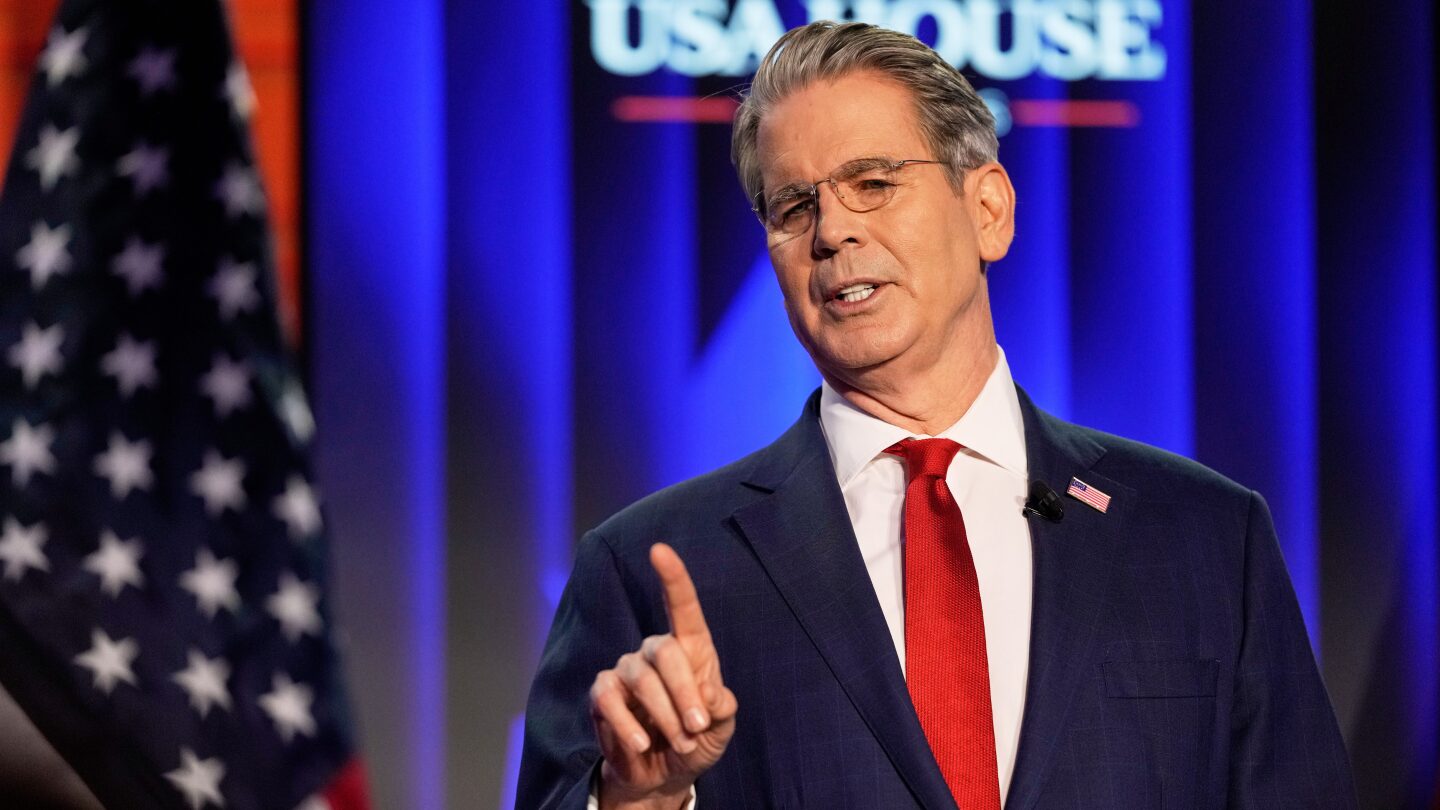
    DAVOS, Switzerland — U.S. Treasury Secretary Scott Bessent called for measured diplomacy on Tuesday amid escalating transatlantic tensions following the Trump administration’s controversial tariff threats targeting European nations. Speaking at the World Economic Forum annual meeting, Bessent characterized U.S.-European relations as exceptionally strong despite recent friction.

    The diplomatic strain emerged after President Trump announced a 10% import tax scheduled for February implementation on goods from eight European countries. These nations had expressed solidarity with Denmark following Trump’s renewed assertions that the United States should acquire Greenland, a semi-autonomous Danish territory. The American administration has justified its position citing national security concerns regarding potential Chinese and Russian influence in the Arctic region.

    European leaders have responded with outrage and intensified diplomatic consultations. The situation has prompted discussions of potential countermeasures, including retaliatory tariffs and the unprecedented deployment of the European Union’s Anti-Coercion Instrument. This mechanism, informally known as the ‘trade bazooka,’ enables the EU to sanction foreign entities attempting to exert undue pressure on member states.

    The EU currently possesses three primary economic instruments to address the situation: imposition of new tariffs on American goods, suspension of portions of the U.S.-EU trade agreement, and activation of the comprehensive Anti-Coercion Instrument that targets specific individuals or institutions engaged in coercive practices.

  • Jittery Keys opens Melbourne defence as Sinner begins hat-trick quest

    Jittery Keys opens Melbourne defence as Sinner begins hat-trick quest

    Melbourne’s Rod Laver Arena witnessed a tale of two champions on Tuesday as Madison Keys navigated a turbulent title defense while Jannik Sinner prepared to launch his campaign for a historic third consecutive Australian Open crown.

    The American ninth seed, Madison Keys, confessed to overwhelming nerves during her opening match against Ukraine’s Oleksandra Oliynykova. After dropping the first four games, Keys staged a remarkable recovery to secure a 7-6(6), 6-1 victory. ‘I’ve been anticipating this moment for essentially a year,’ revealed the 2024 champion. ‘The initial nerves were palpable, but I’m thrilled to return to Melbourne.’

    While Keys struggled with the pressure of defending her maiden Grand Slam title won against Aryna Sabalenka last year, other contenders demonstrated more commanding form. Kazakhstan’s Elena Rybakina, seeded fifth, delivered a polished performance to defeat Slovenia’s Kaja Juvan 6-4, 6-3.

    The day produced a historic breakthrough for Indonesian tennis as Janice Tjen achieved her nation’s first Australian Open match victory in 28 years. The unseeded 59th-ranked player stunned 22nd seed Leylah Fernandez 6-2, 7-6(1), continuing her rapid ascent from 413th in the rankings just twelve months prior.

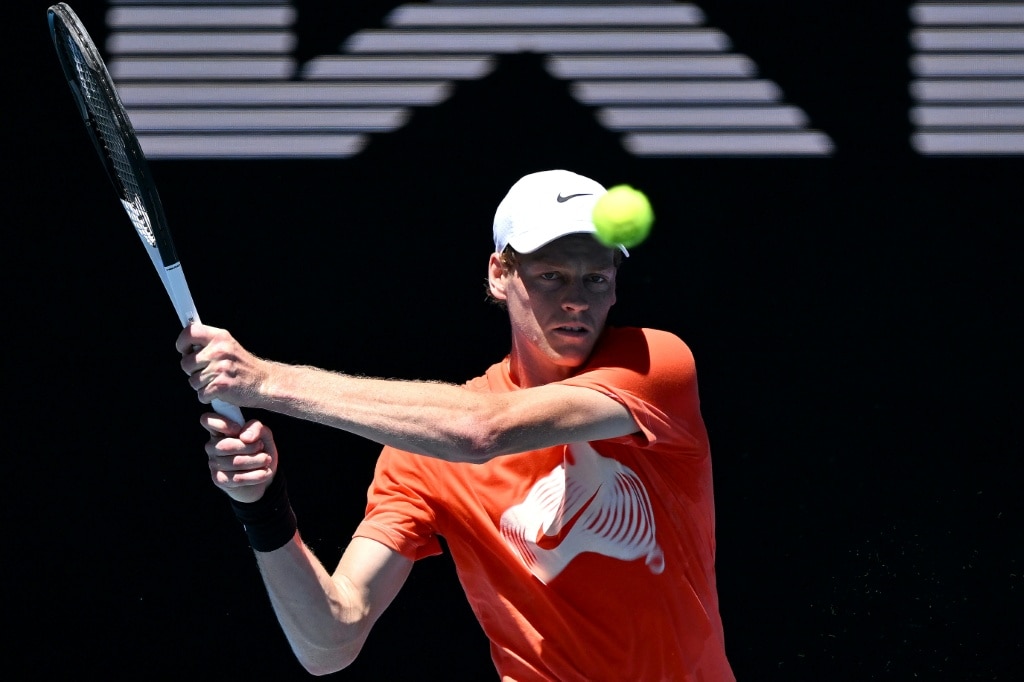
    In men’s competition, attention turned to Jannik Sinner’s impending quest for a Melbourne hat-trick. The Italian second seed, who dominated Alexander Zverev in last year’s final, could join Novak Djokovic as the only Open-era man to claim three successive Australian titles. Sinner’s opening challenge came against French world number 93 Hugo Gaston.

    The tournament’s narrative also featured notable exits and advancements. Brazilian teenager Joao Fonseca, heralded by Roger Federer as a future star, suffered elimination against American Eliot Spizzirri. Meanwhile, eighth seed Ben Shelton advanced decisively against France’s Ugo Humbert 6-3, 7-6(2), 7-6(5).

    All eyes remain on the developing rivalry between Sinner and world number one Carlos Alcaraz, who seeks his first Australian Open title to complete a career Grand Slam at just 22 years old. Sinner has refined his game since their US Open final encounter, focusing on net transitions and service variations that could prove decisive in Melbourne.

  • T-shirt for Ukraine: a player’s heartfelt tribute to her country and her dad at the Australian Open

    T-shirt for Ukraine: a player’s heartfelt tribute to her country and her dad at the Australian Open

    Ukrainian tennis player Oleksandra Oliynykova made a powerful statement both on and off the court during her first-round Australian Open match against defending champion Madison Keys. Despite her 7-6(6), 6-1 loss on Rod Laver Arena, the 92nd-ranked athlete captured attention with her unique playing style and poignant political message.

    Oliynykova, whose father serves in the Ukrainian military, appeared at her post-match press conference wearing a T-shirt bearing the message: “I need your help to protect Ukrainian women and children but I can’t talk about it here.” This subtle protest circumvented Grand Slam regulations that prohibit political statements within competition venues.

    The match itself showcased Oliynykova’s unconventional approach, featuring high-arcing lobs and moonballs that initially troubled the ninth-seeded American. Keys found herself trailing 4-0 in the opening set before adapting to the Ukrainian’s unusual tactics. Despite the loss, Oliynykova received enthusiastic applause, signed autographs, and waved the Ukrainian flag to appreciative crowds.

    The 25-year-old player, adorned with distinctive temporary tattoos, revealed how her father’s military service has become a driving force in her career. Since he joined the armed forces, she has climbed over 200 places in the rankings. “He is my biggest supporter,” Oliynykova shared. “I know it was his dream to see me on this court, and I would do everything to make him proud.

    Her father’s remote message following the match provided particular comfort: “He told me it was an amazing match – he just texted me and I made his dream come true.” Oliynykova credits the war with reshaping her priorities: “When you are in this situation, you can put priorities in your life. I will do everything to make him even more proud.”

  • Spain begins 3 days of mourning for deadly train wreck while searchers look for more bodies

    Spain begins 3 days of mourning for deadly train wreck while searchers look for more bodies

    Spain has commenced three days of national mourning following a catastrophic train collision in the southern region of Andalusia that has claimed at least 40 lives. Emergency crews continue their painstaking search through the wreckage near Adamuz, where two passenger trains collided under circumstances authorities describe as “truly strange.

    The tragedy unfolded Sunday evening at 7:45 p.m. when the rear section of an Iryo-operated train carrying 289 passengers from Málaga to Madrid derailed on a straight section of track. The dislodged cars then slammed into an oncoming Renfe train traveling from Madrid to Huelva with nearly 200 passengers aboard. The impact was most severe for the Madrid-Huelva train, whose first two carriages were thrown down a 4-meter (13-foot) slope upon collision.

    Interior Minister Fernando Grande-Marlaska confirmed that three additional bodies have been located within the wreckage but remain unrecovered, suggesting the death toll may rise further. Regional president Juanma Moreno characterized the scene as “a twisted mass of metal,” noting that some victims were found hundreds of meters from the impact site.

    Transport Minister Óscar Puente revealed investigators have discovered a broken section of track but remain uncertain whether this damage caused or resulted from the derailment. Both trains were reportedly traveling well below the 250 kph (155 mph) speed limit, with Renfe president Álvaro Fernández stating that “human error could be ruled out.” The Iryo train involved was relatively new, manufactured in 2022 and having passed its latest safety inspection on January 15.

    The collision has profoundly shaken a nation that prides itself on operating Europe’s most extensive high-speed rail network. Prime Minister Pedro Sánchez visited the accident site Monday and declared official mourning, with flags lowered to half-staff on all public buildings and naval vessels. King Felipe and Queen Letizia are scheduled to visit the area Tuesday.

    Meanwhile, transportation disruptions continue throughout Andalusia, Spain’s most populous region, with train services between Madrid and Andalusian cities canceled indefinitely. Spanish airline Iberia has added extra flights to Sevilla and Málaga to accommodate stranded travelers, while bus companies have reinforced their services in affected areas. The Civil Guard is collecting DNA samples from families seeking to identify missing relatives among the deceased.