作者: admin

  • Church fresco resembling Italian PM has face scrubbed out

    Church fresco resembling Italian PM has face scrubbed out

    An artistic restoration project at Rome’s Basilica of St Lawrence in Lucina has ignited controversy and prompted Vatican intervention after a restored angelic fresco bore striking resemblance to Italian Prime Minister Giorgia Meloni. The incident began when visitors noticed the freshly repainted cherub’s facial features unmistakably mirrored those of the right-wing leader, sparking widespread attention and debate.

    Eighty-three-year-old artist Bruno Valentinetti, who originally created the fresco in 2000 and was commissioned to restore it following water damage, initially denied intentional similarity but later acknowledged the likeness. Valentinetti claimed he received direct instructions from Vatican authorities to obscure the controversial face, which he subsequently executed through crude overpainting that left the angel featureless.

    Cardinal Baldassare Reina of Rome issued a strongly worded statement expressing profound disappointment, emphasizing that ‘images of sacred art and Christian tradition cannot be misused or exploited.’ The Diocese of Rome has announced plans to properly restore the artwork to its original iconography following consultation with cultural preservation authorities.

    The basilica, located merely five minutes from Meloni’s government office, experienced unusual visitor traffic as curious onlookers sought to photograph the controversial artwork. Reverend Daniele Micheletti, the church’s priest, noted that many visitors came specifically to take selfies rather than for prayer, fundamentally altering the sacred atmosphere of the historic site.

    Prime Minister Meloni responded to the controversy with humor on Instagram, posting that she was ‘definitely not like an angel’ accompanied by laughing emojis. Meanwhile, Italy’s cultural heritage protection agency has mandated that any future restoration work must receive official authorization and submit preliminary sketches for approval.

    The Baroque-era Basilica of San Lorenzo in Lucina, housing works by masters including Bernini and Reni, now finds its contemporary artwork subject to unprecedented bureaucratic oversight despite the 2000 fresco not holding protected heritage status.
  • Zimbabwe’s Mugabe latest former African leader to be mentioned in Epstein files

    Zimbabwe’s Mugabe latest former African leader to be mentioned in Epstein files

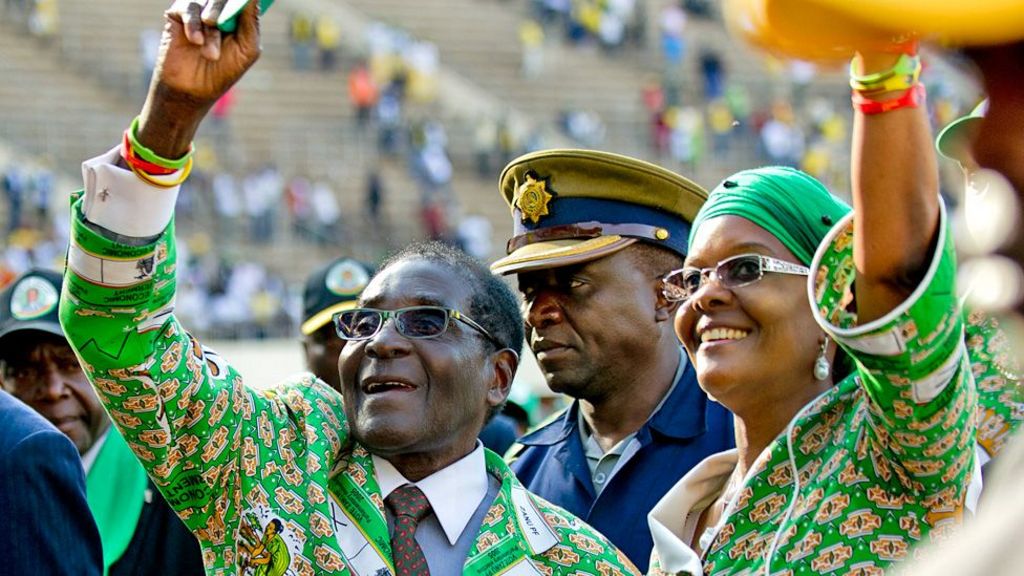
    Newly unsealed court documents from the Jeffrey Epstein case have revealed potential financial connections between the convicted sex offender and Zimbabwe’s late President Robert Mugabe. The documents, released by the US Department of Justice, contain email correspondence suggesting Epstein contemplated engaging with Mugabe’s administration during Zimbabwe’s severe economic crisis.

    In a 2015 email exchange with Japanese entrepreneur Joi Ito, Epstein proposed approaching then-President Mugabe to provide Zimbabwe with a new currency following the collapse of the local dollar due to hyperinflation. When Ito questioned whether Epstein had existing ties to Mugabe, Epstein responded that he could “easily get his attention” and described Zimbabwe as a “great petrie dish” for such financial endeavors.

    Separate FBI documents from 2017 contain unverified testimony from a confidential human source claiming Epstein served as a wealth manager for both Russian President Vladimir Putin and Robert Mugabe. These allegations remain uncorroborated and being named in the Epstein files does not constitute evidence of wrongdoing.

    The revelations present potential legal complications, as Mugabe had been under US sanctions since 2003, prohibiting American companies and citizens from conducting financial transactions with him. Had Epstein provided financial services to Mugabe, he would have been violating these sanctions.

    Additional correspondence within the files includes a 2012 email that incorrectly reported Mugabe was on his deathbed in Italy. The sender, identified only as “Jonathan,” sought Epstein’s contacts in Zimbabwe, suggesting investment opportunities if Mugabe’s rule was ending. Mugabe, then 88, appeared healthy days later upon returning from Singapore to lead independence celebrations.

    Zimbabwe continues to be governed by Mugabe’s Zanu-PF party and has struggled with inflation for decades after abandoning the Zimbabwean dollar in 2009. The country recently introduced a gold-backed currency called the Zig, which has shown signs of stabilizing the economy after initial difficulties.

    Both Mugabe, who died in 2019 at age 95, and Epstein, who died by suicide in prison while awaiting trial on sex-trafficking charges, are unable to respond to these allegations. The BBC has contacted both the Mugabe family and the FBI for additional information regarding these documents.

  • Ex-Israeli defence minister likens ‘Jewish supremacy’ in the country to Nazism

    Ex-Israeli defence minister likens ‘Jewish supremacy’ in the country to Nazism

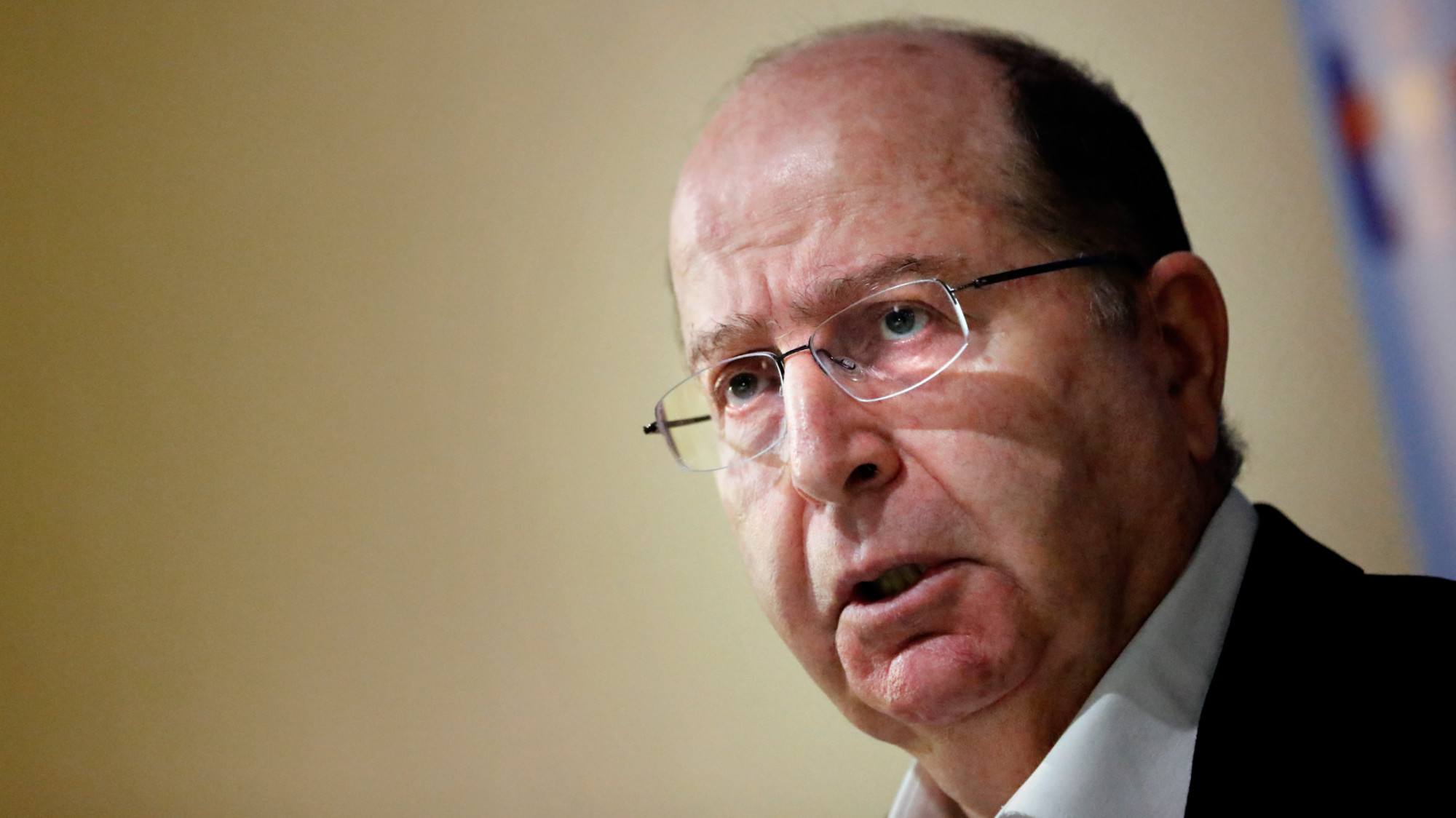
    In a striking condemnation from within Israel’s political establishment, former Defense Minister Moshe Ya’alon has issued a severe critique of his nation’s current trajectory. The ex-military chief, who once infamously characterized Palestinians as a ‘cancer-like threat,’ now accuses the Israeli government of embracing an ideology bearing disturbing resemblance to Nazi racial theory.

    Ya’alon’s explosive statements emerged in response to recent settler violence near Hebron in the occupied West Bank, where what he termed ‘Jewish pogromists’ attacked Palestinians, stole livestock, and destroyed property. The former minister detailed how ‘Jewish terrorists’ obstructed emergency medical services from reaching wounded Palestinians during the assault.

    The veteran security official placed direct blame on specific government figures, alleging that National Security Minister Itamar Ben Gvir—a convicted criminal and adherent of the extremist Kahanist movement—exercises control over police inaction. Furthermore, Ya’alon asserted that Shin Bet, Israel’s internal security agency, now operates under the leadership of David Zini, whom he identified as a representative of ‘Jewish supremacy.’ Zini, a religious Zionist and former major general, has previously described Palestinians as a ‘divine existential threat.’

    Ya’alon specifically criticized Defense Minister Yoav Gallant for refusing to employ administrative detention against Jewish extremists and Finance Minister Bezalel Smotrich for allegedly encouraging illegal outposts and providing resources to make Palestinian lives ‘unbearable’—actions Ya’alon characterized as intended to dispossess Palestinians of their land.

    The former defense minister, who participated in multiple military campaigns including the 2014 Gaza war, warned that the prevailing ideology of ‘Jewish supremacy’ threatens Israel’s very existence. He demanded the replacement of what he called ‘the government of lies and betrayal, the government of messianists, draft dodgers and the corrupt’ before it brings ruin upon the state.

    This criticism emerges against the backdrop of devastating violence in the region, with over 71,800 Palestinians killed in Gaza since October 2023 and nearly 90% of the territory’s infrastructure destroyed. In the West Bank, more than 1,000 Palestinians have been killed by Israeli forces and settlers during the same period.

  • India withdraws President’s Rule from Manipur ‘with immediate effect’

    India withdraws President’s Rule from Manipur ‘with immediate effect’

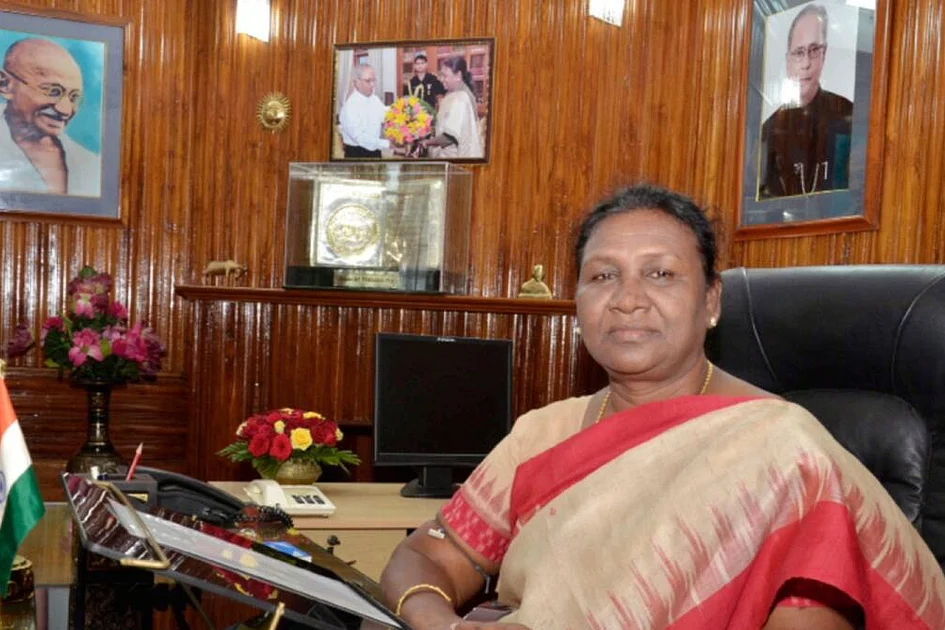
    In a significant constitutional move, Indian President Droupadi Murmu has formally revoked Presidential Rule in the northeastern state of Manipur effective February 4, 2026. The presidential proclamation, published in an extraordinary gazette notification, terminates the emergency governance imposed exactly one year earlier on February 13, 2025.

    The restoration of state governance follows the Bharatiya Janata Party’s designation of two-time MLA Yumnam Khemchand Singh as Manipur’s next chief minister. The 62-year-old engineer from the Meitei community, who previously served as Municipal Administration Minister, will lead a coalition government featuring unprecedented representation. In a historic power-sharing arrangement, Singh will be assisted by two deputy chief ministers—one from the Kuki-Zo community and another from the Naga community.

    Kangpokpi MLA Nemcha Kipgen has already been appointed as the Kuki-Zo deputy chief minister, while the Naga People’s Front is expected to nominate their representative shortly. This tripartite leadership structure aims to address the complex ethnic tensions that have plagued the state.

    The original imposition of Presidential Rule occurred following the resignation of former Chief Minister N. Biren Singh on February 9, 2025, amid escalating ethnic violence and complete breakdown of constitutional governance. Manipur has endured severe civil unrest since May 2023, with violent clashes between the majority Meitei community and minority Kuki-Zomi tribes resulting in hundreds of fatalities and approximately 60,000 displaced persons.

    The conflicts primarily stemmed from disputes over economic benefits, job reservation quotas, and land rights. Governor Ajay Kumar Bhalla, appointed on January 3, 2026, has been conducting extensive consultations with community stakeholders to restore normalcy in the strategically important northeastern state.

    The swearing-in ceremony for the new coalition government is scheduled to occur imminently, marking a critical transition from central rule to democratically elected state administration.

  • The new Czech government of populist prime minister Babiš survives parliamentary no-confidence vote

    The new Czech government of populist prime minister Babiš survives parliamentary no-confidence vote

    PRAGUE — The Czech Republic’s populist-led government has successfully weathered a parliamentary no-confidence motion initiated by opposition parties concerning a constitutional dispute involving the country’s president. The vote concluded on Wednesday after two days of intense debate, with only 84 of the required 101 lawmakers in the 200-seat lower house supporting the motion to dismiss Prime Minister Andrej Babiš’s three-party coalition government.

    The political crisis emerged from President Petr Pavel’s refusal to appoint Filip Turek, a nominee from the right-wing Motorists for Themselves party, as environment minister. The decision came after a domestic newspaper uncovered controversial social media posts on Turek’s Facebook account containing openly racist, homophobic, and sexist content. While Turek apologized for some posts, he denied authorship of others.

    In response, Foreign Minister Petr Macinka, who leads the Motorists party, accused President Pavel of constitutional violations and threatened political consequences, including preventing the president from representing the Czech Republic at upcoming NATO summits. Pavel characterized these threats as attempted blackmail.

    Prime Minister Babiš has supported his coalition partner, rejecting opposition demands to dismiss Macinka. The Motorists party, which formed a coalition with Babiš’s ANO movement following their substantial victory in October’s election, has maintained its position without apology.

    The controversy has sparked significant public response, with tens of thousands of Czechs rallying in Prague and other cities on Sunday to express support for President Pavel. Despite a meeting between Pavel and Babiš on Wednesday, both leaders maintained their positions, with the president declaring his decision final and the prime minister considering the matter closed.

    The ongoing tension highlights deeper ideological divisions within Czech politics. The current coalition government, which includes the anti-migrant Freedom and Direct Democracy party alongside the Motorists, has advocated for reducing support to Ukraine and resisting certain European Union policies. This stands in contrast to President Pavel, a retired army general, and opposition parties who remain strong supporters of Ukraine’s defense against Russian aggression.

  • Washington Post announces sweeping layoffs, scaling back news coverage

    Washington Post announces sweeping layoffs, scaling back news coverage

    The Washington Post has initiated significant workforce reductions, fundamentally restructuring its newsroom by dramatically scaling back sports, local news, and international reporting departments. The cuts, announced Wednesday by Executive Editor Matt Murray, represent one of the most substantial reorganizations in the publication’s recent history.

    Murray characterized the layoffs as necessary measures to achieve organizational ‘stability’ and reinvent the newspaper’s journalism and business model. He revealed the Post’s online traffic has experienced a severe decline over the past three years, attributing part of this challenge to the artificial intelligence revolution and the paper’s inability to adapt quickly enough. ‘We are too rooted in a different era,’ Murray admitted in his staff memorandum, noting the publication frequently writes ‘from one perspective, for one slice of the audience.’

    The announcement triggered immediate condemnation from current employees, former leaders, and the Washington Post Guild. Marty Baron, who led the newsroom until 2021, described the developments as ‘among the darkest days in the history of one of the world’s greatest news organizations.’

    International correspondents appear disproportionately affected. The entire Middle East bureau roster, including the former Cairo bureau chief, received layoff notices. A Ukraine-based correspondent revealed her termination occurred ‘in the middle of a warzone.’ Domestic coverage also suffered substantial reductions, with most of the metro section focused on Washington DC regional news being eliminated.

    These cuts occur against a backdrop of financial challenges and subscriber losses. The Post experienced significant subscriber attrition following owner Jeff Bezos’ controversial decision not to endorse a presidential candidate before the 2024 election—breaking with decades of editorial tradition. This contrasts sharply with The New York Times, which recently reported adding approximately 450,000 digital subscribers in the last quarter of 2025.

    Bezos, who acquired the newspaper for $250 million in 2013, previously emphasized commitments to press freedom during his tenure. However, his recent editorial direction shifting the opinion section toward ‘personal liberties and free markets’ already prompted the resignation of that section’s editor last year.

  • US Supreme Court allows California to use new voting map favouring Democrats

    US Supreme Court allows California to use new voting map favouring Democrats

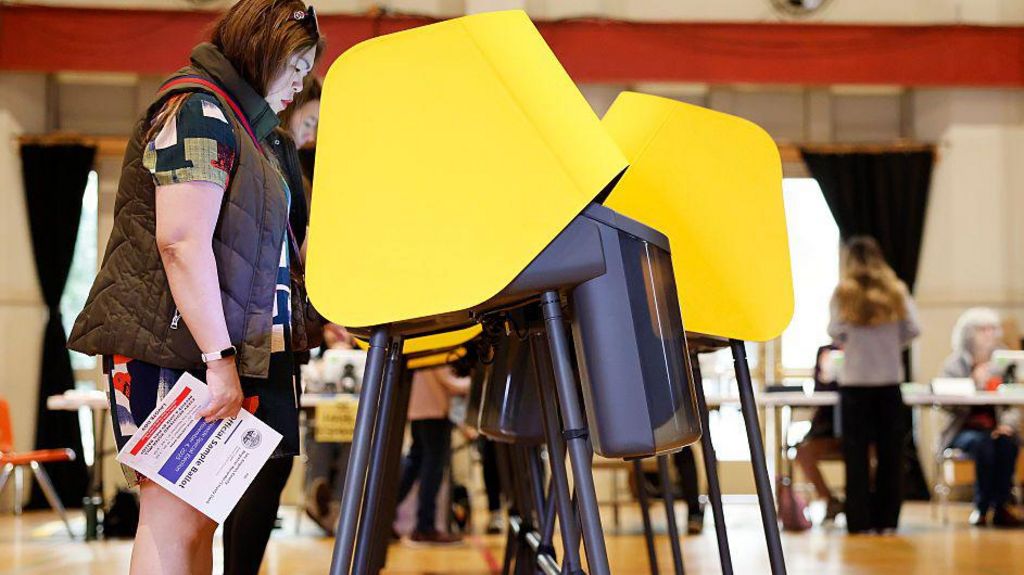
    The U.S. Supreme Court has issued a pivotal ruling permitting California to implement a newly redrawn congressional district map that substantially advantages Democratic candidates. This decision, delivered without commentary or published rationale, represents a significant electoral development that could potentially deliver up to five additional House seats to Democrats in the upcoming midterm elections.

    The contested voting boundaries emerged from a statewide referendum approved by California voters last year, explicitly designed to counterbalance Republican gains achieved through similar redistricting efforts in Texas. Each congressional district elects one representative to the U.S. House of Representatives, making control of these boundaries crucial for political dominance.

    This ruling arrives as Republicans struggle to maintain their slender majority in the House during November’s midterm elections, which historically disadvantage the sitting president’s party. California Republicans, joined by Trump administration allies, had petitioned the Supreme Court for an emergency injunction to block the map’s implementation while pursuing parallel legal challenges in lower courts.

    Former Florida Attorney General Pam Bondi, representing the plaintiffs, leveled accusations against California Governor Gavin Newsom—a prominent Democratic figure—claiming he orchestrated a “brazen” power grab through racially motivated gerrymandering. However, the Court’s decision mirrors its December stance on Texas’s redistricting case, where justices similarly allowed a contested map to proceed despite lower court findings of racial gerrymandering.

    The legal landscape surrounding gerrymandering—the deliberate manipulation of electoral boundaries to favor specific political interests—remains complex. While politically motivated redistricting faces minimal restrictions, the practice becomes legally actionable only when demonstrably based on racial discrimination criteria.

    This development underscores the intensifying national battle over electoral maps and their profound implications for partisan control of Congress, setting the stage for a dramatically reconfigured political battlefield in the 2022 elections.

  • Palestine Action defendants acquitted of aggravated burglary

    Palestine Action defendants acquitted of aggravated burglary

    In a landmark legal decision, six Palestine Action activists have been cleared of aggravated burglary charges stemming from their raid on an Israeli-owned arms manufacturing facility. The Woolwich Crown Court jury delivered not guilty verdicts for Leona Kamio (30), Samuel Corner (23), Fatema Rajwani (21), Zoe Rogers (22), Jordan Devlin (31), and Charlotte Head following extensive deliberations exceeding 36 hours.

    The August 2024 incident at Elbit Systems’ Bristol-area plant involved defendants using sledgehammers to damage property, though they consistently maintained these tools were never intended as weapons against security personnel. While five defendants admitted to destroying military equipment, the jury failed to reach consensus on criminal damage charges and couldn’t deliver verdicts regarding Corner’s alleged grievous bodily harm against a police officer.

    The trial revealed significant evidentiary complexities, including missing CCTV footage from critical areas where altercations occurred. Police CCTV recovery officer PC Sarah Grant testified that two cameras showed no movement due to low frame rates, though bodycam evidence presented showed security guard Angelo Volante allegedly striking Devlin with a sledgehammer and brandishing a whip.

    Judicial oversight played a crucial role throughout proceedings. Mr Justice Johnson repeatedly instructed jurors to disregard both the defendants’ moral justifications and their personal views on the Israel-Gaza conflict, emphasizing that verdicts must be based solely on legal evidence. This directive sparked controversy when a juror reported concerns about posters near the court promoting jury equity principles.

    The Crown Prosecution Service now faces a seven-day deadline to determine whether to pursue retrials on undecided charges. The acquittals represent a significant outcome for activist groups challenging arms exports to conflict zones, highlighting the complex intersection of property destruction claims and perceived life-saving motivations in contemporary protest movements.

  • New travel rules in India: Duty-free allowance, gold cap, cash limit explained

    New travel rules in India: Duty-free allowance, gold cap, cash limit explained

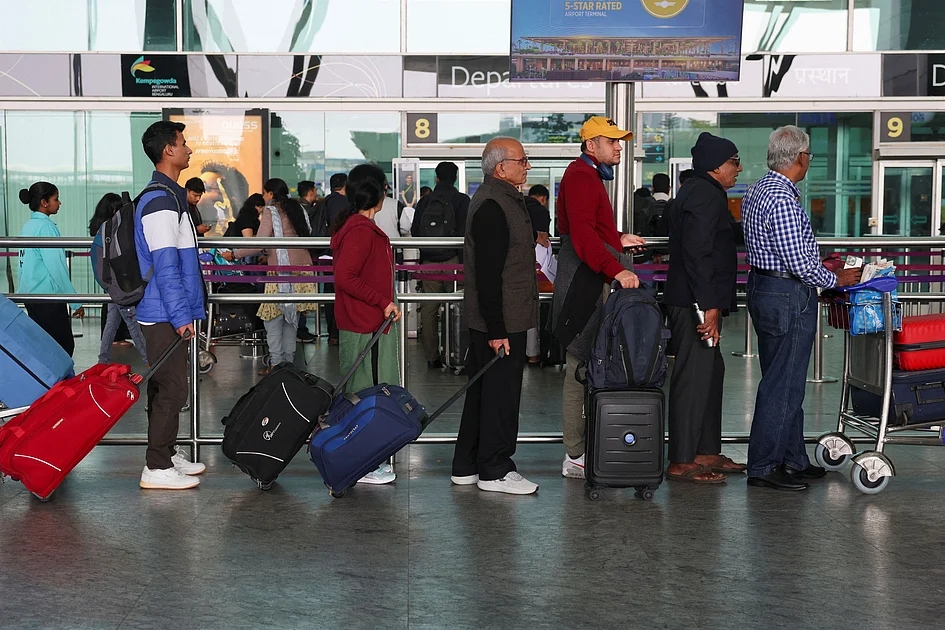
    In a significant policy shift aimed at modernizing its customs framework, the Indian government has implemented sweeping revisions to its baggage rules, substantially increasing duty-free allowances for international passengers. Effective February 2, 2026, the new regulations raise the customs duty exemption threshold from ₹50,000 to ₹75,000 for the majority of air and sea passengers arriving in India.

    The comprehensive overhaul, developed after extensive consultations with ministry officials, airport operators, and passenger feedback, aligns with contemporary economic conditions and the exponential growth in international travel. Under the revised structure, any amount exceeding the ₹75,000 allowance will be subject to a reduced customs duty rate of 10%, plus a 10% surcharge, a substantial reduction from the previous 20% levy.

    A notable amendment permits passengers to import one laptop or notebook computer completely duty-free, separate from the main allowance—a provision expected to benefit travelers acquiring electronics abroad, particularly from markets like the United States where devices such as iPhones are often priced lower than in India.

    The reforms introduce a streamlined, weight-based system for jewelry concessions, eliminating previous value caps. Female passengers may now carry up to 40 grams of duty-free jewelry, while other eligible travelers are permitted 20 grams, applicable to Indian residents and origin tourists who have resided overseas for over one year.

    For individuals permanently relocating to India, the Transfer of Residence (TR) scheme has been enhanced with simplified, tiered entitlements based on duration abroad: ₹150,000 for stays up to one year, ₹300,000 for 1-2 years, and ₹750,000 for periods exceeding two years.

    Foreign tourists retain a ₹25,000 allowance, while airline crew members have a ₹2,500 exemption. These calibrated measures reflect India’s adaptive approach to balancing revenue considerations with passenger convenience in an increasingly globalized travel landscape.

  • Italy averted Russian-linked cyberattacks targeting Winter Olympics websites, foreign minister says

    Italy averted Russian-linked cyberattacks targeting Winter Olympics websites, foreign minister says

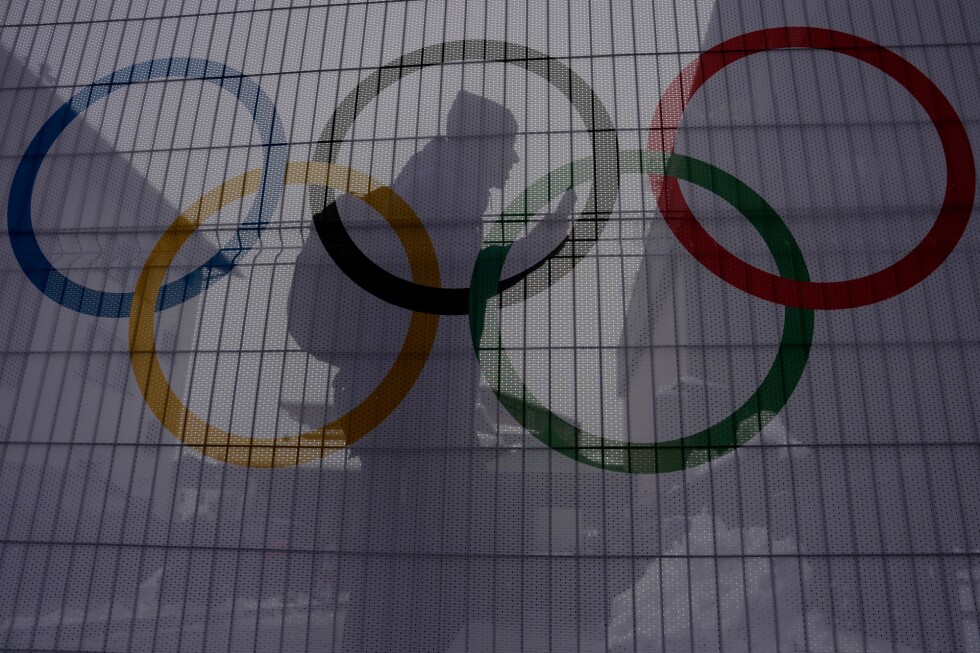
    Italian authorities have successfully intercepted and neutralized a sophisticated cyber offensive originating from Russia, targeting critical national infrastructure. Foreign Minister Antonio Tajani, speaking from Washington D.C., confirmed the attacks were directed at multiple foreign ministry offices internationally, with the embassy in Washington specifically identified, alongside digital systems supporting the ongoing Winter Olympics in Cortina d’Ampezzo.

    The attempted breaches, disclosed just two days before the Milano Cortina 2026 Winter Olympics opening ceremony, also aimed at Olympic-related websites and hotel networks in the host mountain resort. Minister Tajani attributed the attacks to Russian sources but declined to elaborate on specific technical details or potential motives behind the operation.

    Concurrently, Interior Minister Matteo Piantedosi addressed the Italian Parliament, outlining extensive security measures for the Games. A force of 6,000 security personnel, comprising bomb disposal specialists, counter-terrorism units, and snipers, is being deployed across venues spanning from Milan to the Dolomites. This robust security deployment is designed to safeguard both physical and digital domains throughout the international event, which commenced with initial curling matches in Cortina.