作者: admin

  • UAE denies claims of secret prisons in Yemen’s Hadramout province

    UAE denies claims of secret prisons in Yemen’s Hadramout province

    The United Arab Emirates Ministry of Defence has issued a formal rebuttal against allegations made by the Yemeni government regarding purported secret detention facilities in Yemen’s Hadramout province. The claims, presented during a recent press conference in Yemen, suggested Emirati forces maintained covert prisons and stored weapons at Riyan Airport in Mukalla.

    In an official statement, the UAE defense establishment characterized these accusations as “deliberate fabrications and misinformation” designed to construct false narratives lacking both accuracy and professional integrity. The ministry emphasized that the referenced facilities constitute standard military infrastructure—including operational accommodations, command centers, and reinforced shelters—with some underground components typical of military installations worldwide.

    Further complicating the diplomatic situation, the UAE referenced its complete military withdrawal from Yemen on January 2, 2026, asserting that all equipment, weapons, and assets were transferred according to established military protocols. This withdrawal, the ministry stated, eliminates any possibility of continued Emirati military, logistical, or technical presence on Yemeni territory.

    The defense ministry expressed concern that these allegations represent a coordinated effort to advance political agendas while undermining the UAE’s decade-long security contributions to Yemen. The statement concluded with strong language condemning what it characterized as an unacceptable attempt to distort facts, mislead public opinion, and tarnish the reputation of the UAE Armed Forces and their documented military commitments.

  • UAE schools adopt later start times, green lessons to boost well-being

    UAE schools adopt later start times, green lessons to boost well-being

    In a transformative shift toward student-centered education, schools across the United Arab Emirates are implementing delayed morning start times and integrating comprehensive environmental programs to foster improved mental health and academic engagement. This progressive approach recognizes that well-being constitutes an equally critical component of education alongside traditional academics.

    Educational institutions including Nord Anglia International School Abu Dhabi and Bloom World Academy have pioneered the #MEtime initiative, allowing students to begin their school day at later hours. This strategic adjustment enables learners to customize their morning routines according to individual needs—whether through participating in campus activities, obtaining additional rest, or enjoying relaxed family breakfasts.

    Principal Liam Cullinan of Nord Anglia explained: ‘Our initiative emerged from extensive consultation with families. We recognized that well-being, adequate sleep, and emotional preparedness are fundamentally interconnected with academic success. Students now arrive significantly more focused, positive, and receptive to learning.’

    Concurrently, UAE schools are embedding environmental consciousness into their educational frameworks. Repton Abu Dhabi combines climate change education with practical action through its Eco Schools program, while Jebel Ali School recently documented over 3,600 wildlife sightings during an intensive ‘bioblitz battle’ event.

    John Bell, Principal of Bloom World Academy, emphasized the holistic benefits: ‘Our family-first philosophy prioritizes stress-free mornings for both students and educators. Later start times alleviate traffic congestion, enhance commute experiences, and acknowledge the demanding schedules of modern youth. When teachers achieve better work-life balance, instructional quality improves accordingly.’

    This educational transformation represents a paradigm shift in the Emirates’ approach to learning, positioning student wellness and environmental stewardship as inseparable components of comprehensive education.

  • Winter Ramadan in UAE: Shorter fasting hours as likely dates of holy month, Eid revealed

    Winter Ramadan in UAE: Shorter fasting hours as likely dates of holy month, Eid revealed

    Astronomical calculations indicate Ramadan 2026 will bring notably comfortable fasting conditions to the United Arab Emirates as the holy month aligns with the winter season. With the crescent moon sighting on January 19 marking the beginning of Shaaban, astronomers have projected precise timelines for Ramadan observances and subsequent Eid celebrations.

    According to Khadijah Hasan Ahmad, Operations Manager at the Dubai Astronomy Group, Ramadan will commence on February 19 following expected moon visibility on February 18. The holy month is anticipated to span 29 days, concluding with Eid Al Fitr likely beginning on March 20. This timing positions the fasting period during seasonal transition months characterized by milder temperatures and shorter daylight hours.

    Meteorological conditions are expected to facilitate easier fasting with daytime temperatures ranging from mid-20s°C initially to high-20s°C by month’s end. The cooler winter climate reduces thermal stress on fasting individuals, while reduced daylight hours decrease the daily fasting duration by approximately 30 minutes compared to the previous year.

    The General Authority of Islamic Affairs, Endowments and Zakat’s official calendar corroborates these astronomical predictions. If calculations hold, UAE residents will enjoy a three-day Eid Al Fitr holiday from March 20-22, creating an extended weekend for those observing the standard Saturday-Sunday weekend schedule.

    This celestial timing represents a significant departure from summer Ramadans where extreme heat and prolonged daylight hours present additional challenges to observants. The winter alignment offers particularly favorable conditions for religious observance and traditional celebrations across the Emirates.

  • Full messages shared between Trump and European leaders over Greenland

    Full messages shared between Trump and European leaders over Greenland

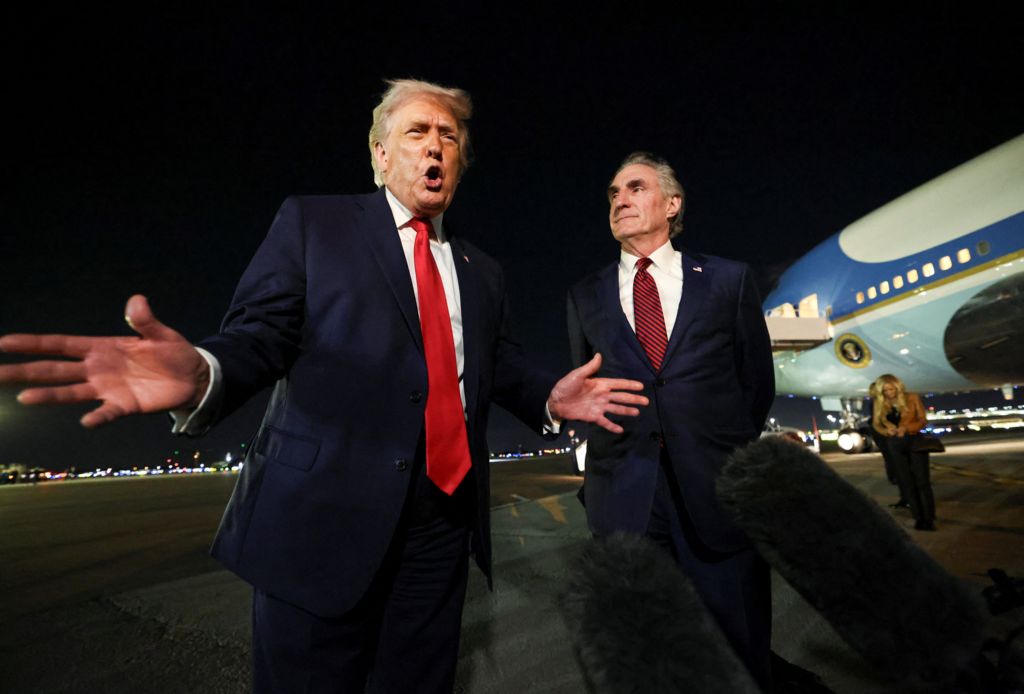
    A series of unprecedented text exchanges between former US President Donald Trump and European leaders regarding American claims to Greenland have been publicly released, revealing extraordinary diplomatic conversations. The messages, obtained through freedom of information requests and shared on Trump’s Truth Social platform, expose the former president’s persistent pursuit of acquiring the autonomous Danish territory.

    The communications began with Norwegian Prime Minister Jonas Støre and Finnish Prime Minister Alexander Stubb expressing concern about escalating tensions regarding Greenland, Gaza, Ukraine, and trade tariffs. They proposed de-escalation through diplomatic calls, emphasizing the need for Western unity.

    Trump’s response revealed a significant shift in his diplomatic approach, explicitly linking his failed Nobel Peace Prize nomination to his changed perspective on international cooperation. The former president stated he no longer felt ‘obliged to think purely of Peace’ after Norway’s decision regarding the prize, instead prioritizing what he deemed ‘good and proper for the United States of America.’

    In subsequent messages, French President Emmanuel Macron expressed confusion about Trump’s Greenland ambitions while suggesting collaborative efforts on Syria and Iran. Macron proposed organizing a special G7 meeting in Paris with additional participants including Ukrainian, Danish, Syrian, and Russian representatives.

    NATO Secretary General Mark Rutte later praised Trump’s accomplishments in Syria and committed to using his Davos platform to highlight the former president’s work in conflict zones. Rutte specifically mentioned his dedication to ‘finding a way forward on Greenland,’ indicating the territory had become a subject of high-level diplomatic discussions.

    The leaked correspondence reveals how personal grievances influenced Trump’s foreign policy decisions and demonstrates his unconventional approach to international relations through direct messaging rather than traditional diplomatic channels.

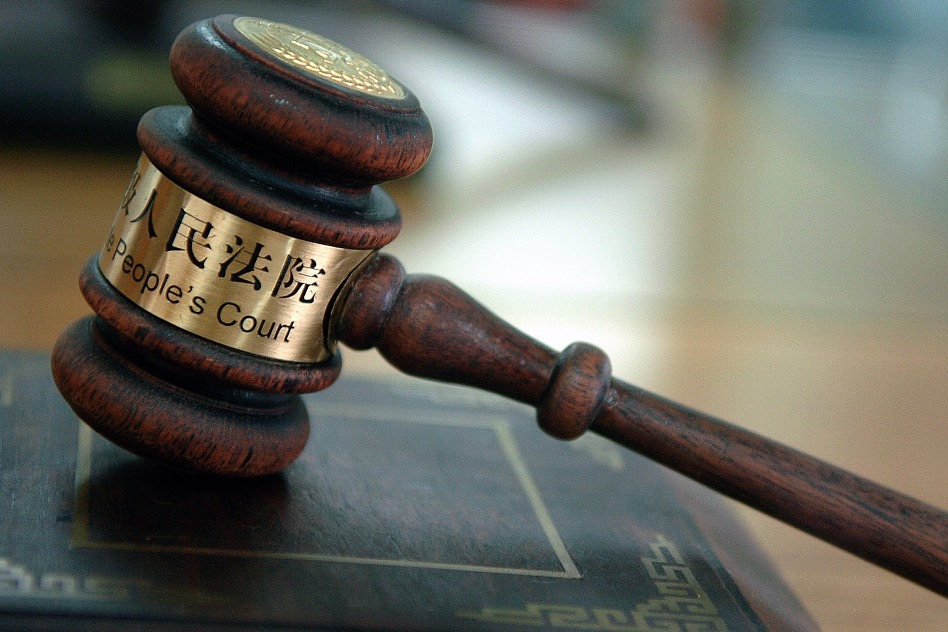
  • China’s top procuratorate urges strong stance on serious economic crimes

    China’s top procuratorate urges strong stance on serious economic crimes

    China’s Supreme People’s Procuratorate (SPP) has issued a comprehensive directive to nationwide prosecutorial bodies, demanding intensified efforts against severe economic offenses to foster a legally compliant business environment. The announcement emerged from Monday’s national conference of chief procurators, where strategic priorities were established for combating financial misconduct.

    The SPP emphasized particularly stringent measures against smuggling of strategic minerals overseas, identifying such activities as direct threats to China’s national security interests. The directive calls for enhanced coordination with the National Financial Regulatory Administration to eliminate illegal intermediary practices within financial markets.

    Prosecutors were instructed to impose severe penalties for illegal fundraising schemes and financial fraud operations to ensure systemic financial stability and protect citizens’ property rights. The campaign specifically targets money laundering activities facilitated through underground banking networks and virtual currency transactions.

    Furthermore, the SPP announced strengthened collaboration with the China Securities Regulatory Commission to enforce legal standards in capital markets. This partnership will focus on rigorous prosecution of securities violations including market manipulation and corporate financial fraud, signaling a comprehensive approach to economic governance.

  • Trump’s Chagos dig poses massive strategic question for Starmer

    Trump’s Chagos dig poses massive strategic question for Starmer

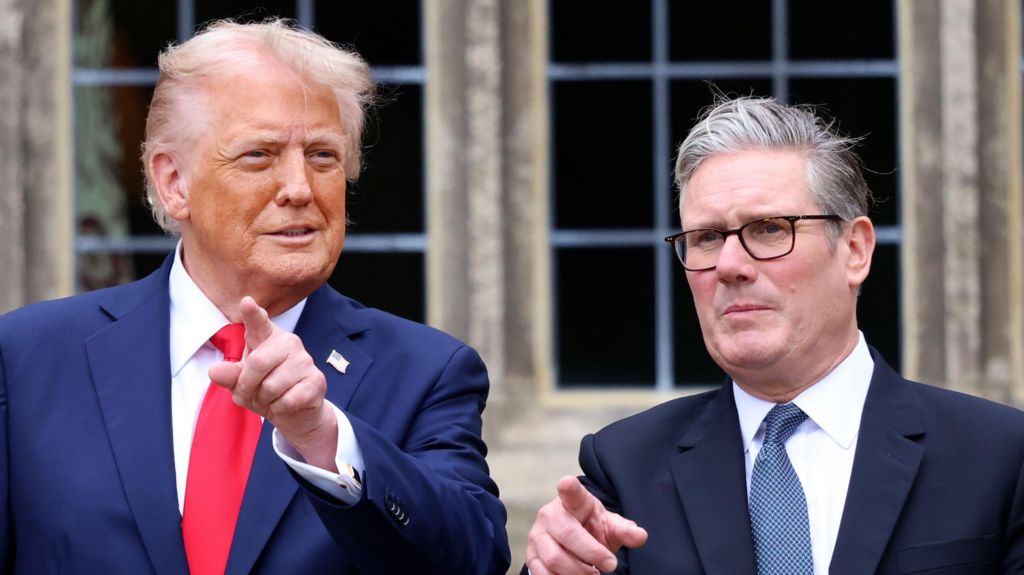
    In a dramatic shift from yesterday’s calls for “calm discussion,” Prime Minister Sir Keir Starmer confronts an unprecedented diplomatic challenge following President Trump’s explosive social media reactions regarding UK foreign policy decisions. The American president’s latest outburst targets Britain’s agreement to transfer sovereignty of the Chagos Islands to Mauritius—a deal previously celebrated as a foreign policy achievement.

    Sir Keir’s administration had meticulously cultivated its relationship with the White House, considering it a cornerstone of their international strategy. This alliance had yielded tangible benefits, most notably evidenced by last year’s successful tariff negotiations that Downing Street hailed as a model of productive bilateral cooperation. President Trump had previously expressed warm approval of both the Chagos agreement and the British leadership, with the UK government believing it maintained stronger ties with Washington than many European counterparts.

    However, the current administration now finds itself defending what was once a praised arrangement. Senior government sources emphasize that the Chagos decision emerged from practical necessity—legal challenges threatened the viability of the strategically vital Diego Garcia military base, jointly operated by the UK and US. The transfer agreement, they argue, actually secures the long-term future of this critical defense installation.

    Complicating matters further, an imminent decision regarding a new Chinese embassy in London presents additional diplomatic risks. Washington has expressed deep reservations about perceived British alignment with Beijing, particularly concerning given the Prime Minister’s anticipated visit to China in coming weeks. This development raises the possibility of further presidential reactions, potentially undermining what had been considered Sir Keir’s most successful foreign policy achievement.

  • Russia batters Ukraine’s power grid again as officials try to keep up momentum of US-led peace talks

    Russia batters Ukraine’s power grid again as officials try to keep up momentum of US-led peace talks

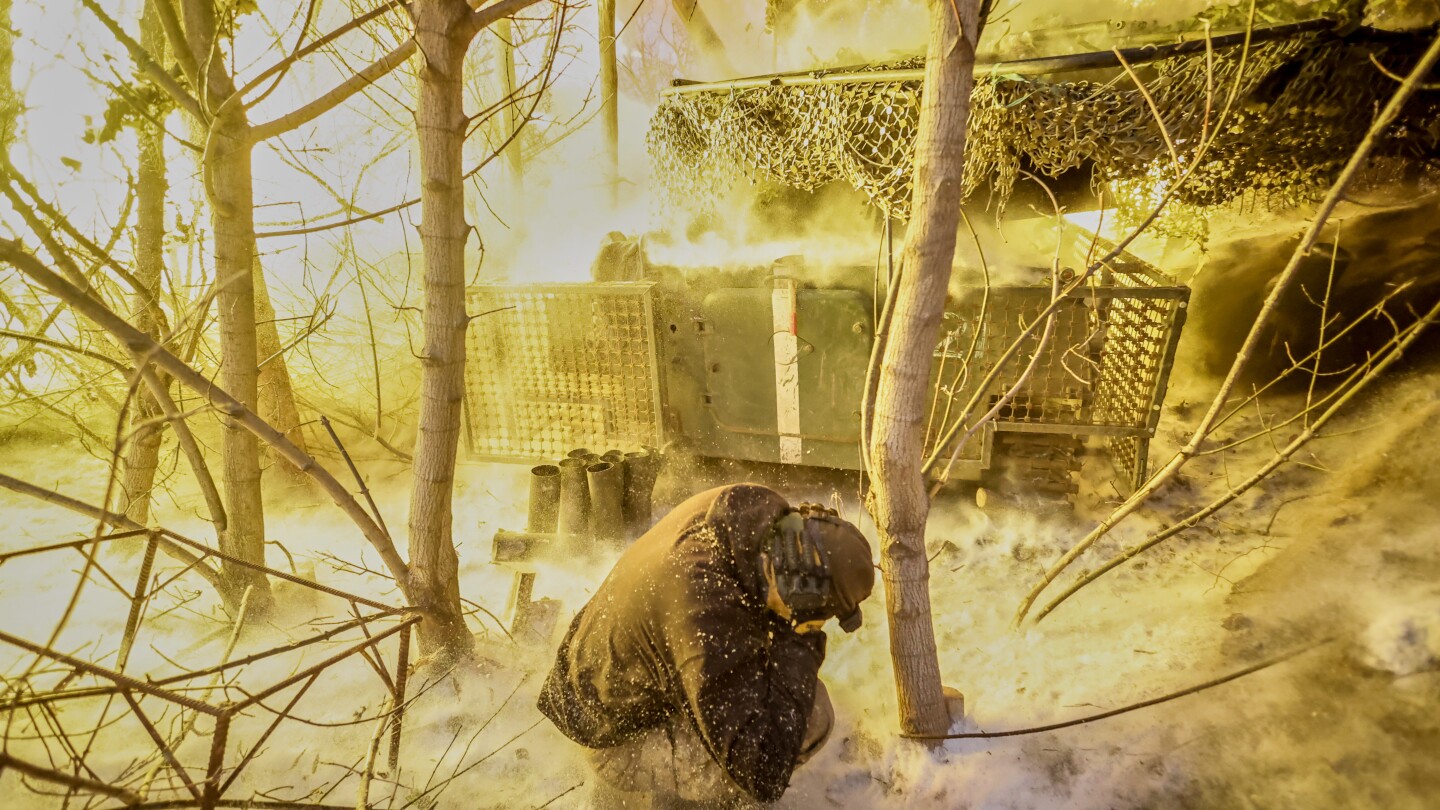
    Ukrainian authorities reported Tuesday that Russia launched one of its most extensive aerial bombardments to date, targeting critical energy infrastructure across the country with over 300 drones and missiles overnight. The assault represents Moscow’s continued escalation of its campaign to disrupt essential services during Ukraine’s harshest winter period.

    President Volodymyr Zelenskyy confirmed the massive attack, which specifically targeted Ukraine’s power grid system. Kyiv Mayor Vitali Klitschko detailed the immediate consequences, noting that heating systems failed in more than 5,600 apartment buildings throughout the capital. This setback comes just weeks after 80% of these buildings had their heating restored following a previous major Russian barrage on January 9th that left thousands without power for extended periods.

    The timing appears strategically significant as Ukraine experiences exceptionally frigid conditions, with temperatures in Kyiv plummeting to -20°C (-4°F). Military analysts suggest Russia’s intensified attacks on energy infrastructure represent a calculated effort to demoralize civilian populations and strain Ukraine’s defensive capabilities nearly four years after the full-scale invasion began in February 2022.

    Concurrently, Ukrainian diplomatic efforts continue with a negotiating team arriving in the United States on Saturday. According to Zelenskyy, their primary mission involves conveying how Russia’s relentless aerial campaign undermines diplomatic progress. The delegation seeks to finalize documents related to postwar security guarantees and economic recovery, with potential signing opportunities at the World Economic Forum in Davos, Switzerland this week.

    Ukraine’s air force command reported successful defensive operations, intercepting 27 missiles and 315 drones through shooting or jamming techniques. However, five missiles and 24 drones penetrated defenses, striking 11 locations nationwide. The constant attacks have severely tested Ukraine’s air defense capabilities, with Zelenskyy acknowledging recent ammunition shortages before new shipments arrived.

    In response to the escalating threat, Ukraine is implementing revised defensive strategies under newly appointed Deputy Air Force Commander Pavlo Yelizarov. While specifics remain confidential, Zelenskyy indicated that ‘this system will be transformed’ to better counter Russia’s evolving aerial tactics. Ukraine continues to depend heavily on sophisticated Western-made air defense systems, particularly those supplied by the United States, to counter Russian missile and drone operations.

  • US Minneapolis shooting continues to fuel debate

    US Minneapolis shooting continues to fuel debate

    MINNEAPOLIS — A fatal shooting involving a U.S. Immigration and Customs Enforcement (ICE) agent has ignited a severe constitutional crisis in Minneapolis, exposing deep fractures between federal authorities and local governance. The January 7th incident, which resulted in the death of 37-year-old American citizen Renee Good during an enforcement operation, has triggered widespread protests and escalated into a nationwide debate over immigration enforcement tactics and federal overreach.

    The situation deteriorated further when another ICE agent shot a Venezuelan immigrant in the leg exactly one week later in the same vicinity, amplifying public outrage and street demonstrations. Minneapolis Mayor Jacob Frey characterized the escalating tensions as “not sustainable,” demanding the immediate withdrawal of ICE personnel from the city and state.

    The Trump administration has deployed nearly 3,000 additional ICE and Border Patrol agents to the Minneapolis area following allegations of welfare fraud involving immigrants. This substantial federal presence has created a volatile standoff with Minnesota Governor Tim Walz joining Mayor Frey in condemning the deployment as unconstitutional and provocative.

    Adding to the extraordinary circumstances, the Pentagon has placed approximately 1,500 active-duty soldiers from Alaska on standby for potential deployment to Minnesota. Defense officials, speaking anonymously to The Associated Press, indicated these troops specializing in arctic operations could be mobilized if President Trump invokes the Insurrection Act—a rare 19th-century law permitting military intervention in domestic affairs.

    The shooting itself has become a subject of sharply conflicting narratives. Homeland Security Secretary Kristi Noem, alongside President Trump and Vice-President JD Vance, defended the ICE agent’s actions, characterizing Good’s alleged attempt to run over officers as “an act of domestic terrorism.” Conversely, Mayor Frey maintains that video evidence shows Good posed no legitimate threat and that the agent acted recklessly.

    Policy experts warn this confrontation represents broader national tensions. Darrell West, a senior fellow at the Brookings Institution, noted that graphic video footage of the shooting has galvanized protesters across America who perceive it as a gross injustice. “ICE agents seem less well-trained than police officers and don’t have the same ability to de-escalate personal confrontations,” West observed, adding that many fear similar incidents could occur elsewhere.

    Former Iowa House Representative Gregory Cusack attributed the crisis to “the predictable outcome of the militarization of police forces, the hiring of masked thugs armed to the teeth, and the ugly branding of anyone who disagrees with this administration as ‘the enemy’.”

    Christopher Galdieri, a political science professor at Saint Anselm College, expressed concern that federal authorities show no indications of reconsidering their approach: “ICE, DHS, and the White House probably see the chaos and protests as beneficial to them.”

    As protests continue and federal presence expands, Minneapolis has become the epicenter of a national confrontation that tests the boundaries between federal power and local autonomy, with implications that could reshape immigration enforcement and police practices across the United States.

  • Tokyo’s security push targeting Beijing undermines regional stability: Experts

    Tokyo’s security push targeting Beijing undermines regional stability: Experts

    Japan’s recent security agreements with the Philippines have drawn sharp criticism from international experts who warn these moves threaten to destabilize the Asia-Pacific region. The newly signed Acquisition and Cross-Servicing Agreement enables mutual logistical support between Japanese and Philippine armed forces, following the earlier implementation of the Reciprocal Access Agreement that permits troop deployments between the two nations.

    Defense analysts characterize these developments as part of Japan’s broader strategy to contain China through enhanced military partnerships. Japanese Defense Minister Shinjiro Koizumi recently emphasized strengthened defense cooperation with the United States, specifically citing China’s “increasingly assertive actions” as justification for expanded deterrence capabilities in southwestern regions including Okinawa.

    Chinese officials have condemned these developments as dangerous steps toward remilitarization. Foreign Ministry spokesman Guo Jiakun stated that Japan shows no intention of moderating its military expansion despite international criticism, instead manufacturing pretexts to advance weapons exports and military buildup. “All peace-loving countries must firmly reject a revival of militarism in Japan,” Guo asserted during a press conference.

    Regional experts express concern that these agreements risk triggering arms races and strategic miscalculations. Dr. Chen Hong of East China Normal University noted that while the Japan-Philippines logistics agreement carries symbolic significance, it institutionalizes military cooperation that could fuel bloc confrontation. The arrangements facilitate crisis coordination but may inadvertently increase the likelihood of unintended escalation.

    International observers suggest Japan is leveraging the “China threat” narrative to justify military spending increases and strategic repositioning. Shakeel Ahmad Ramay of the Asian Institute of Eco-civilization Research notes Japan is constructing a threat narrative while encouraging greater US involvement in regional affairs and courting regional partners like the Philippines to form quasi-alliance networks.

    Experts emphasize that regional stability historically derives from multilateral cooperation through organizations like ASEAN rather than military alliances. Maintaining strategic autonomy and promoting security through dialogue remain essential for preventing the Asia-Pacific from descending into cycles of instability and confrontation.

  • China makes headway in administration of justice in 2025

    China makes headway in administration of justice in 2025

    China’s judicial administration system achieved substantial advancements throughout 2025, marked by a remarkable 33% reduction in administrative inspections targeting businesses, according to the Ministry of Justice’s annual report released Monday.