作者: admin

  • British leader says ’no option off the table’ as UK considers Australia-style teen social media ban

    British leader says ’no option off the table’ as UK considers Australia-style teen social media ban

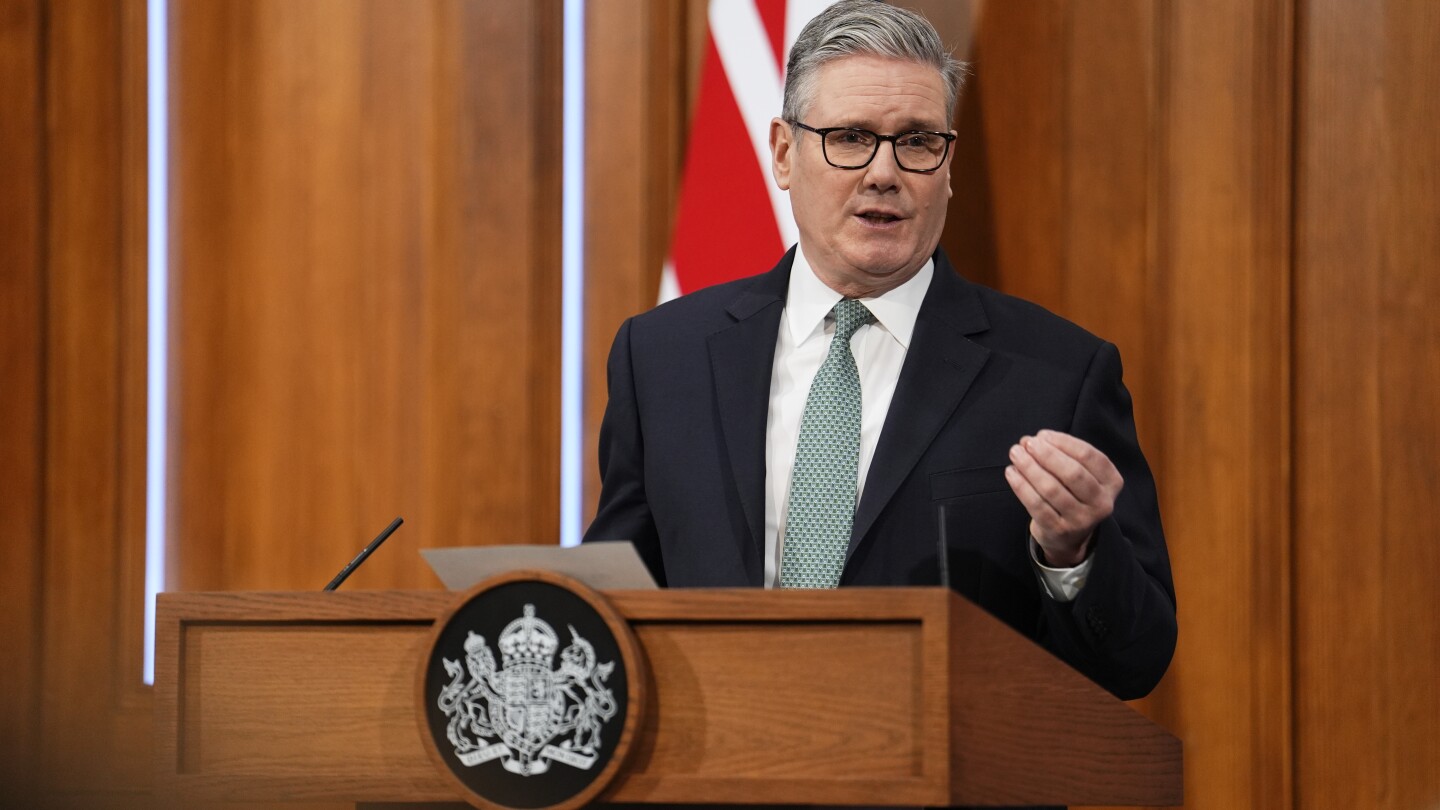
    The British government has initiated a comprehensive review of social media access regulations for minors, with potential restrictions on teenage usage gaining significant traction. Prime Minister Keir Starmer’s administration announced it would explore all available options, including implementing age-based access limitations and curbing addictive platform features.

    This policy shift comes in response to mounting concerns about children’s exposure to unregulated content and the psychological impacts of excessive screen time. The government has committed to conducting extensive consultations with parents, young people, and stakeholders to develop effective technological safeguards.

    In a significant development, UK ministers will undertake a fact-finding mission to Australia to study their recently implemented social media restrictions, which prohibit children under 16 from accessing major platforms including Facebook, Instagram, TikTok, and X. This international benchmarking exercise aims to inform Britain’s approach to digital child protection.

    The movement gained substantial political momentum when over 60 Labour Party lawmakers petitioned the Prime Minister to implement Australian-style age restrictions. Their collective communication criticized previous administrations for inadequate action against ‘unregulated, addictive social media platforms’ and specifically advocated for a minimum access age of 16.

    The government has established a summer deadline for responding to its public consultation on online safety measures, signaling urgency in addressing what many perceive as a growing public health concern regarding children’s digital wellbeing.
  • Chile wildfires kill 19 as extreme heat triggers mass evacuations

    Chile wildfires kill 19 as extreme heat triggers mass evacuations

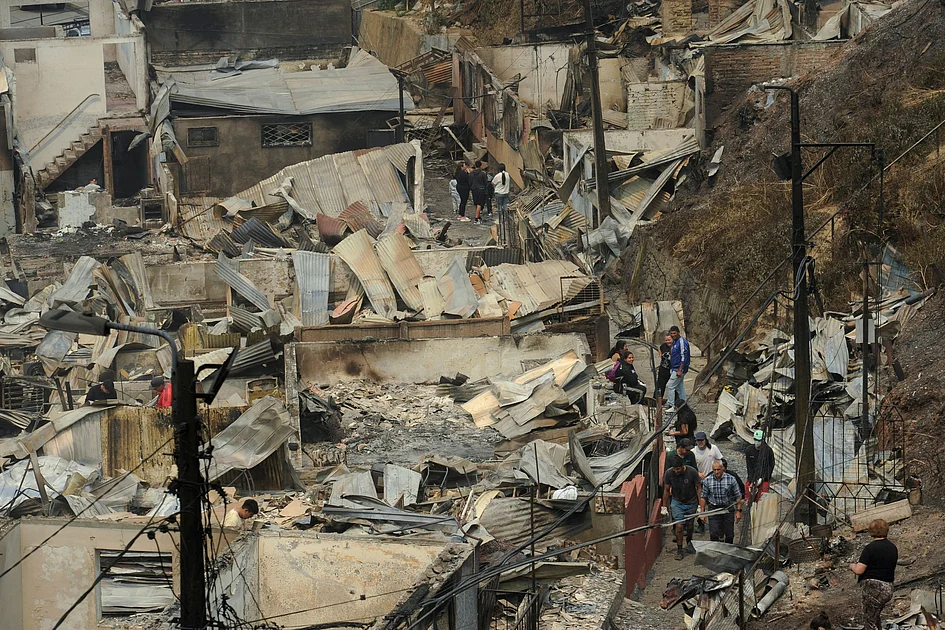
    Chile is grappling with a devastating wildfire catastrophe that has claimed at least 19 lives and triggered mass evacuations across central and southern regions. The fires, fueled by an intense heatwave and powerful winds, have consumed over 35,000 hectares—an area comparable to Philadelphia—destroying 325 homes and damaging another 1,100 properties.

    The coastal city of Penco, just north of Concepcion, has suffered the heaviest human toll, with most fatalities occurring in this vulnerable community. Thousands of residents returned to their neighborhoods on Monday to sift through the ashes of their destroyed homes while firefighters continued battling more than 30 active blazes.

    Security Minister Luis Cordero warned that despite slightly improved overnight conditions, the largest fires remained uncontrolled with high temperatures expected to persist throughout the day. ‘Our main concern is that new fires will be triggered throughout the region,’ Cordero stated during a news briefing.

    The crisis has prompted President Gabriel Boric to declare a state of catastrophe in the hardest-hit Ñuble and Bio Bio regions, mobilizing national emergency resources. Meteorological services have issued extreme heat warnings for central and southern Chile, with temperatures forecast to reach 37°C (99°F).

    University of Chile forest fire expert Miguel Castillo explained the unprecedented scale of the disaster: ‘There have been several consecutive days over 30 degrees Celsius, which is rare for the Concepcion area. When fires reach this size under extreme conditions, they practically become uncontrollable monsters.’

    The tragedy follows similar wildfires in Argentina’s Patagonia region earlier this month, where approximately 15,000 hectares burned, suggesting a broader pattern of climate-related disasters affecting South America during its summer season.

  • Australia stiffens hate crime, gun laws after Bondi attack

    Australia stiffens hate crime, gun laws after Bondi attack

    In a decisive legislative response to the devastating Bondi Beach shooting that claimed 15 lives, Australia’s parliament has unanimously approved comprehensive reforms targeting hate crimes and firearm regulations. Both parliamentary chambers endorsed the twin security packages on Tuesday, addressing critical vulnerabilities exposed during the December 14th attack on a Jewish Hanukkah celebration.

    Prime Minister Anthony Albanese framed the legislative action as addressing dual threats: ‘The terrorists had hate in their hearts, but they also had high-powered rifles in their hands. We’re taking action on both—tackling antisemitism, tackling hate, and getting dangerous guns off our streets.’

    The hate crime legislation establishes enhanced penalties for individuals promoting radicalization and violence, particularly targeting religious leaders and adults who radicalize minors. It introduces a formal framework for designating prohibited hate organizations and strengthens immigration authorities’ power to deny or revoke visas based on terrorism suspicions or hate speech advocacy.

    Concurrently, firearm reforms initiate a national gun buyback program, tighten import restrictions, and expand background checks to include intelligence agency input. This comes amid record firearm ownership levels, with official estimates indicating 4.1 million guns currently in circulation—surpassing numbers recorded during the 1996 Port Arthur massacre that previously triggered Australia’s landmark gun control measures.

    Despite broad parliamentary support, the Australian Greens party expressed reservations about potential unintended consequences for free expression. Senator Larissa Waters advocated expanding hate speech protections to include sexual orientation and disability-based targeting.

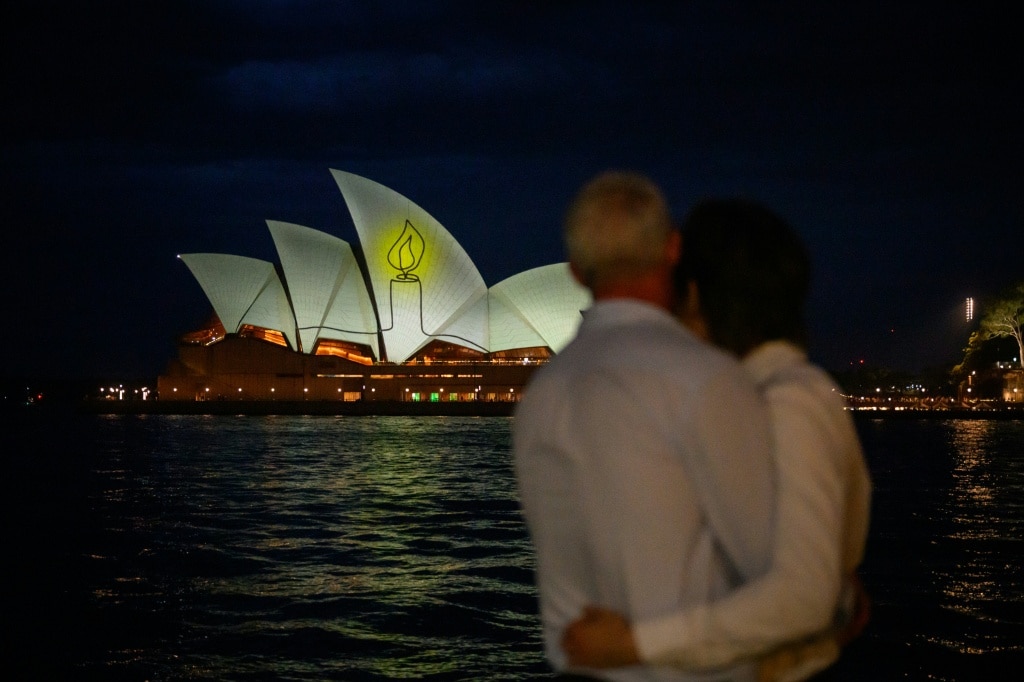
    The legislative passage precedes Thursday’s national day of mourning for the victims. Meanwhile, investigations continue regarding the perpetrators—50-year-old Sajid Akram, who was killed by police during the attack, and his 24-year-old son Naveed, now facing terrorism and murder charges. Security agencies face scrutiny after revelations that Naveed had been flagged by intelligence services in 2019 but was deemed not an imminent threat.

  • Israel will aid Greece in countering military drone swarms

    Israel will aid Greece in countering military drone swarms

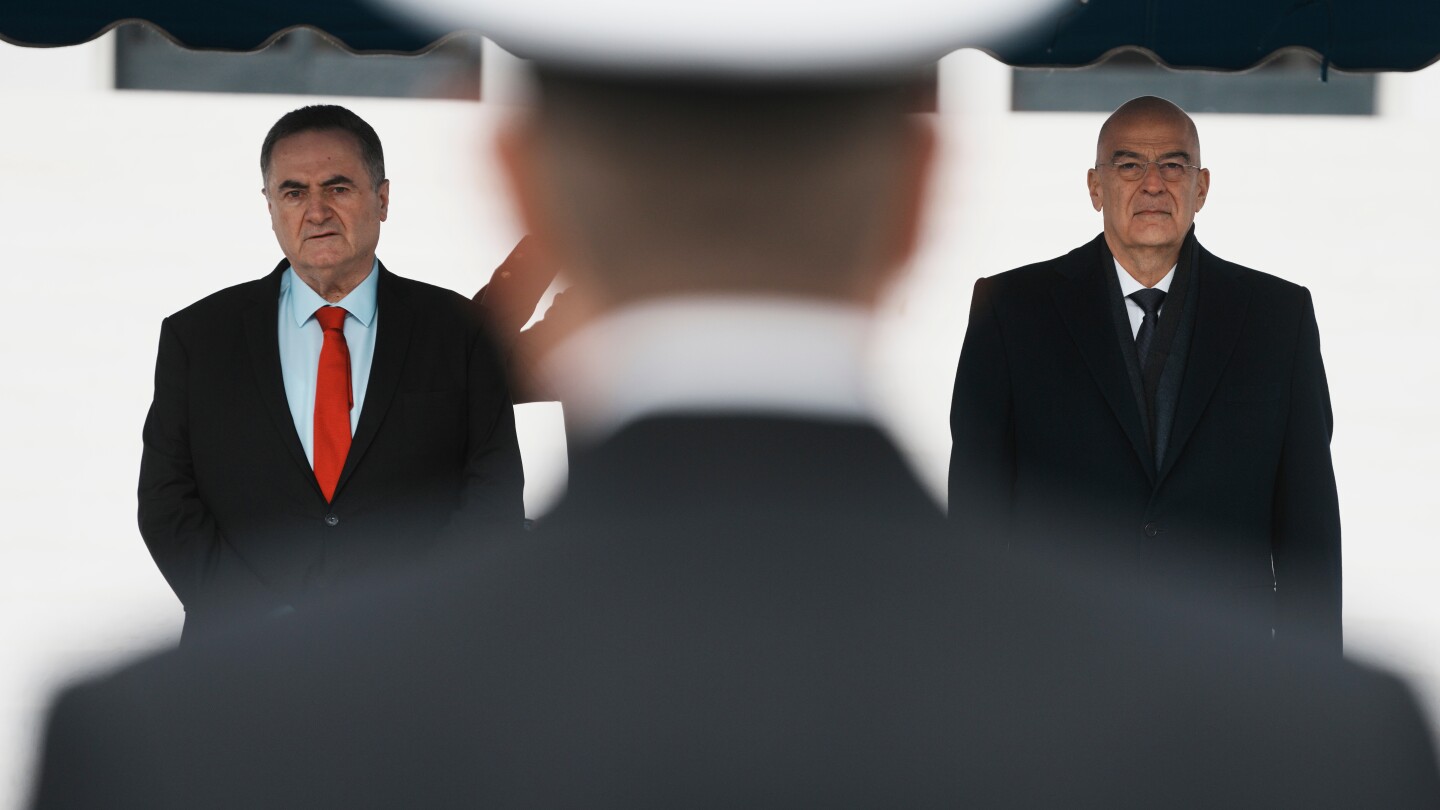
    In a significant move to bolster regional security, Israel has committed to assisting Greece in developing advanced counter-drone technology to address the emerging threat of coordinated unmanned aerial and underwater vehicle swarms. This defense collaboration was announced following high-level talks in Athens between Greek Defense Minister Nikos Dendias and Israeli counterpart Israel Katz on Tuesday.

    The strategic partnership builds upon the trilateral defense agreement established in December between Greece, Israel, and Cyprus, which already includes Israeli assistance in developing Greece’s air defense capabilities. Minister Dendias emphasized the critical nature of this cooperation, stating that both nations would ‘exchange views and expertise to counter unmanned platforms—specifically swarms of unmanned aerial vehicles and groups of unmanned underwater vehicles.’

    Israeli Defense Minister Katz characterized the growing alliance as ‘an anchor of stability in the Mediterranean,’ highlighting its strategic importance beyond bilateral relations. The collaboration addresses a paradigm shift in modern warfare where drone swarms—typically employing numerous low-cost, coordinated craft—are increasingly deployed for reconnaissance, defensive operations, and overwhelming enemy systems.

    The defense partnership unfolds against the backdrop of Greece’s ongoing maritime disputes with NATO ally Turkey concerning boundaries and offshore resources. Despite being NATO members, both nations remain locked in a long-standing confrontation that has prompted Greece to maintain one of Europe’s highest military expenditures relative to its economic size.

    The December agreement established a comprehensive framework for joint military exercises, specialized operations training, and regular strategic consultations among the three Eastern Mediterranean nations. This trilateral cooperation emerged from discussions between national leaders focused on enhancing maritime security and advancing mutual energy initiatives in the region.

  • Spain announces 3 days of mourning as train crash toll rises to 40

    Spain announces 3 days of mourning as train crash toll rises to 40

    Spain has initiated three days of national mourning following the country’s most devastating rail disaster in over a decade. The catastrophic collision between two high-speed trains near Adamuz in southern Andalusia has resulted in 40 confirmed fatalities, with the death toll potentially rising as rescue operations continue.

    The tragedy occurred Sunday evening when an Iryo-operated train traveling from Malaga to Madrid inexplicably derailed and crossed onto adjacent tracks, colliding with an oncoming Renfe service headed to Huelva. The impact caused both trains to derail in a devastating chain of events that rescue officials describe as one of the most complex emergency responses in recent Spanish history.

    Prime Minister Pedro Sanchez, who visited the crash site Monday, characterized the event as “a day of sorrow for all of Spain” while promising absolute transparency in the investigation. Emergency crews utilizing heavy machinery worked through the night to lift severely damaged carriages and access trapped victims.

    Current figures indicate over 120 injured persons, with 41 remaining hospitalized in Córdoba medical facilities. Distressed relatives have turned to social media platforms to locate missing passengers, sharing photographs and personal details in desperate attempts to find loved ones.

    Investigative authorities have described the accident as “extremely strange” given several mitigating factors. Unlike the 2013 Santiago de Compostela disaster that claimed 80 lives, this derailment occurred on a straight section of recently renovated track with both trains operating within legal speed limits. The involved Iryo locomotive was manufactured in 2022 and underwent inspection just three days prior to the accident.

    Transport Minister Óscar Puente confirmed that human error and excessive speed have been largely ruled out as causative factors. Renfe President Álvaro Fernández Heredia suggested the investigation should focus on either Iryo’s rolling stock or infrastructure anomalies, noting both trains were traveling approximately 200 km/h—well below the 250 km/h limit for that section.

    Survivor accounts depict scenes of horror and chaos. Passenger Lucas Meriako described the impact as “a very strong hit from behind” that created the sensation “the whole train was about to collapse,” with numerous injuries resulting from shattered glass throughout the carriages.

    The tragedy has mobilized international response, with condolences offered by Pope Leo XIV and French President Emmanuel Macron. Local residents of Adamuz immediately organized relief efforts, delivering water, blankets, and essential supplies to emergency crews working at the disaster site.

    Spain maintains Europe’s most extensive high-speed rail network, with over 3,000 kilometers of dedicated tracks connecting major urban centers. This incident represents the most significant safety challenge to the system’s otherwise exemplary safety record, prompting nationwide scrutiny of rail infrastructure and operational protocols.

  • Why experts question whether China’s one-child policy was necessary in the first place

    Why experts question whether China’s one-child policy was necessary in the first place

    China’s unprecedented demographic experiment with its one-child policy has left the nation grappling with severe unintended consequences decades after implementation. The policy, once hailed as a solution to overpopulation concerns, employed coercive measures including forced abortions, widespread sterilization, and financial penalties that fundamentally altered the country’s social fabric.

    Recent official statistics reveal China’s birth rate has plummeted to historic lows, with population decline persisting for four consecutive years. This demographic downturn has prompted authorities to completely reverse course, abandoning the one-child restriction in 2015 and subsequently permitting two children per couple in 2016, followed by a three-child allowance in 2021.

    The policy’s most damaging legacy includes a severe gender imbalance resulting from traditional preferences for male children, creating a generation of only children now burdened with supporting multiple elderly relatives. These individuals, once celebrated as ‘little emperors’ during their childhood, now face immense financial and emotional pressures as they become responsible for two parents and potentially four grandparents.

    Demographic experts like Mei Fong, author of ‘One Child: The Story of China’s Most Radical Experiment,’ argue that China has essentially ‘demographically shot itself in the foot.’ The nation now confronts an aging society with insufficient working-age population to support retirees, threatening government finances and pension systems.

    Despite implementing various incentives including cash subsidies and tax adjustments, Chinese authorities are discovering that reversing decades of population control mentality proves significantly more challenging than altering policy frameworks. The experience mirrors global patterns where economic development typically correlates with declining birth rates, though China’s case remains uniquely exacerbated by its extreme interventionist approach.

  • Trump unloads on allies as Davos showdown looms

    Trump unloads on allies as Davos showdown looms

    In an extraordinary prelude to the World Economic Forum in Davos, U.S. President Donald Trump has unleashed a barrage of diplomatic provocations targeting key Western allies, potentially destabilizing transatlantic relations to their most precarious state since the Second World War.

    The presidential offensive unfolded through a combination of social media revelations and inflammatory remarks to journalists just hours before his scheduled departure for the elite Swiss gathering. In a remarkable breach of diplomatic protocol, Trump publicly disclosed purportedly private text exchanges with French President Emmanuel Macron and NATO Secretary General Mark Rutte.

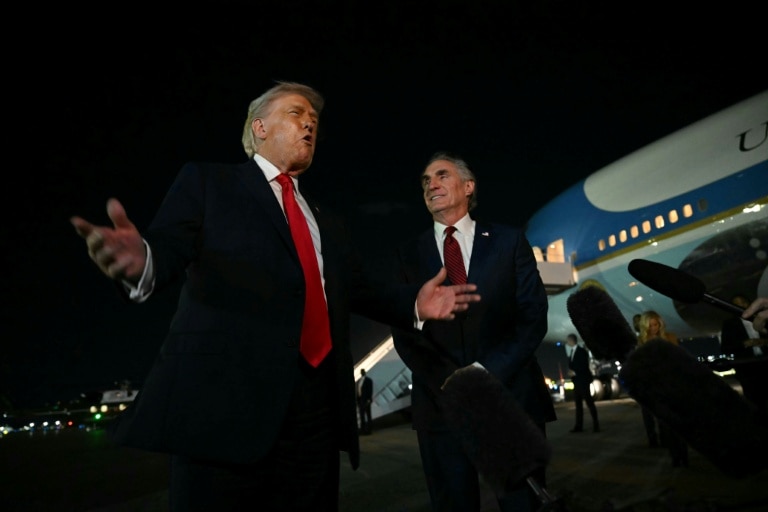
    The confrontation with France escalated dramatically when Trump responded to Macron’s refusal to participate in the proposed ‘Board of Peace’ conflict resolution body by threatening to impose 200% tariffs on French wine and champagne. ‘Nobody wants him because he’s going to be out of office very soon,’ Trump declared to reporters at Florida’s Palm Beach International Airport.

    The administration’s persistent campaign to acquire Greenland has emerged as the central flashpoint, with Trump sharing an digitally altered image aboard Air Force One depicting the Oval Office with American flags superimposed over maps of not only the United States but Canada and Greenland as well. This visual provocation was accompanied by a fabricated territorial sign reading ‘Greenland. US Territory, Est 2026’ featuring Vice President JD Vance and Secretary of State Marco Rubio.

    Britain subsequently became the next target of presidential ire, with Trump condemning what he termed London’s ‘great stupidity’ in its agreement to transfer the Chagos Islands to Mauritius—a strategically significant archipelago housing the critical Diego Garcia military installation. The president explicitly connected this criticism to his Greenland ambitions, citing it as justification for acquisition on national security grounds.

    Amid the diplomatic onslaught, a singular conciliatory note emerged through the revelation of NATO chief Rutte’s message, which expressed commitment to ‘finding a way forward on Greenland’ and anticipation for their Davos meeting. This contrasted sharply with Macron’s leaked text questioning Trump’s Greenland strategy while proposing a Paris-based G7 summit with Russian participation.

    The cumulative effect of these developments suggests a deliberate strategy to assert American dominance ahead of the international forum, leaving European leaders scrambling to preserve alliance structures that have underpinned Western security for eight decades.

  • Skyscrapers set to redefine city skylines across the GCC

    Skyscrapers set to redefine city skylines across the GCC

    The Gulf Cooperation Council (GCC) region is undergoing a transformative architectural renaissance, with skyscrapers evolving from symbolic landmarks into strategic infrastructure driving economic diversification. This vertical expansion represents a fundamental reimagining of urban development rather than mere height competition.

    Saudi Arabia has unveiled plans for an unprecedented architectural marvel—a two-kilometer tower in Riyadh that would double the height of Dubai’s Burj Khalifa. With an estimated $5 billion budget and a site selected near King Khalid International Airport, this project signals Riyadh’s ambition to become a global business hub. International architectural firms including Skidmore Owings and Merrill are already contributing conceptual designs for what would become the tallest structure in human history.

    Meanwhile, Dubai continues to reinforce its skyscraper expertise with Burj Azizi, a 725-meter vertical district featuring 130 floors of luxury residences, seven-star hotel suites, retail centers, and cultural spaces. The project’s commercial success was immediate, with a penthouse selling for Dh63 million on launch day, demonstrating sustained market demand for integrated vertical living environments.

    The United Arab Emirates has achieved global recognition, overtaking the United States as the second-ranking country for supertall buildings (exceeding 300 meters) according to the Council on Tall Buildings and Urban Habitat. With over 30 such structures—most built within the past decade—the UAE has established itself as a leader in futuristic design and engineering excellence.

    Beyond height records, GCC architects are developing culturally resonant designs. Dubai’s Muraba Veil tower, standing at 380 meters with a width of just 22.5 meters, represents this new direction. Designed by Pritz Prize-winning RCR Arquitectes, the tower incorporates regional architectural traditions through its stainless steel veil and internal courtyard design.

    This vertical transformation is driven by multiple structural factors: economic diversification requirements, population growth outpacing horizontal expansion capabilities, transit-oriented planning, and sustainability frameworks favoring compact cities. By 2030, the skylines of Riyadh, Jeddah, Dubai, Abu Dhabi, and Doha will reflect this strategic shift toward intentional, culturally grounded, and economically functional high-rise development that supports tourism, finance, and global business operations.

  • South Sudan president fires interior minister in a move threatening peace agreement

    South Sudan president fires interior minister in a move threatening peace agreement

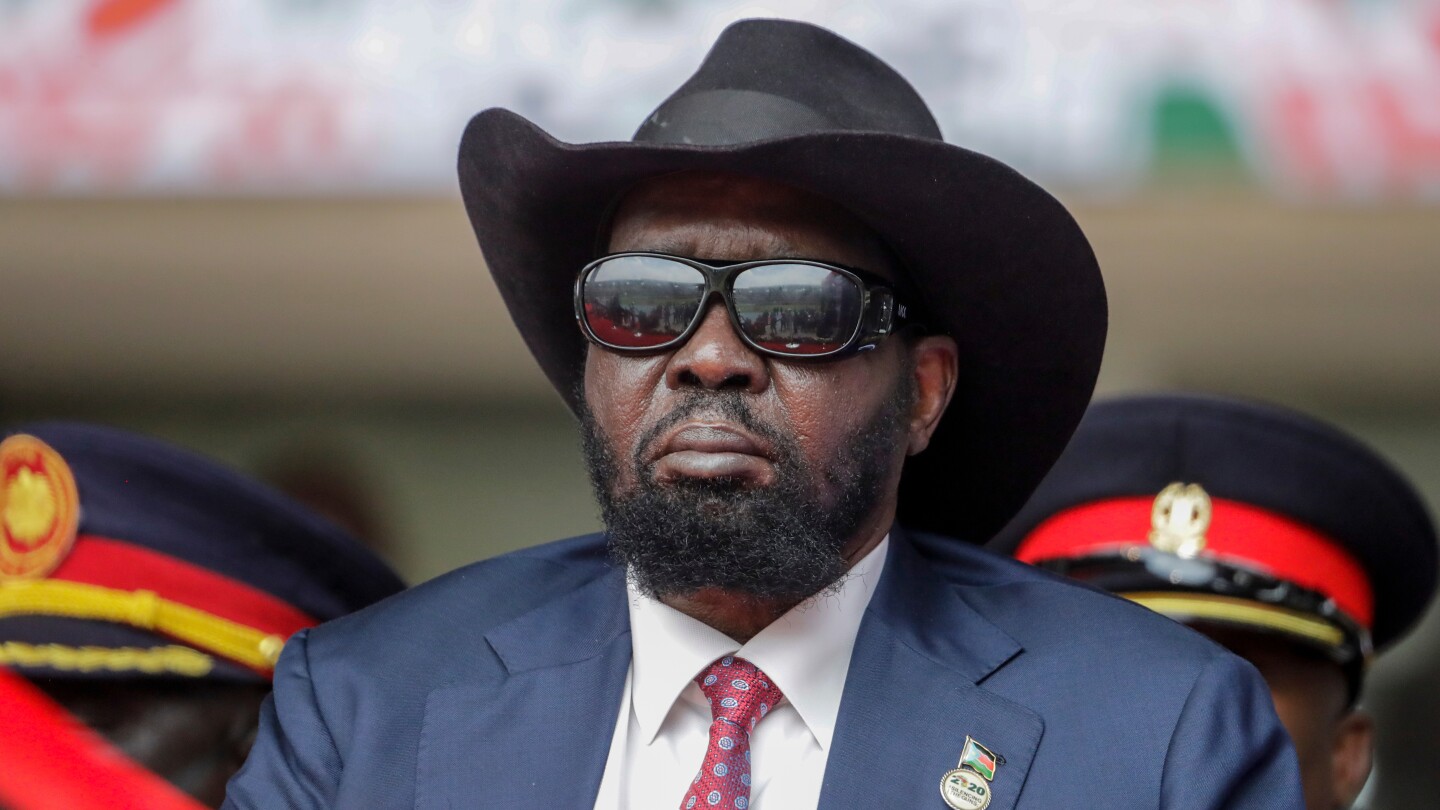
    In a move that significantly undermines South Sudan’s fragile peace agreement, President Salva Kiir has abruptly dismissed Interior Minister Angelina Teny, a prominent opposition figure and wife of detained First Vice President Riek Machar. The Monday evening dismissal, executed without public explanation, represents a serious breach of the 2018 power-sharing arrangement that had allocated the Interior Ministry portfolio to the opposition.

    President Kiir immediately appointed Aleu Ayieny Aleu, a veteran loyalist who previously held the interior minister position from 2013 to 2015, signaling a consolidation of power within the presidential circle. This political maneuver occurs against a backdrop of escalating military tensions across multiple regions, including Jonglei state where Machar-aligned forces alongside White Army fighters have captured strategic territories including Pajut town in Duk County, threatening the approach to the state capital Bor.

    The dismissal further exacerbates the already precarious security situation, with fresh clashes reported in Unity, Upper Nile, and parts of Central and Eastern Equatoria states. International observers and regional peace guarantors have expressed growing alarm at the systematic unraveling of key provisions from the 2018 peace accord, particularly regarding security sector reforms and the unification of forces which remain largely unimplemented.

    Teny’s removal follows her effective marginalization from the Interior Ministry since March 2025, when security agents confiscated her communication devices and her husband was placed under house arrest on treason charges related to violence in Upper Nile state. Opposition spokesperson Pal Mai Deng characterized the dismissal as ‘a clear sign of desperation’ from a government ‘crumbling under pressure’ as security conditions deteriorate nationwide.

  • Trump administration appeals limits on agents’ tactics toward Minnesota protesters

    Trump administration appeals limits on agents’ tactics toward Minnesota protesters

    The Trump administration has formally initiated an appeal against a federal court order that imposed significant restrictions on the tactics employed by immigration enforcement officers during protests in Minneapolis. This legal maneuver comes in response to a judicial ruling that explicitly prohibited federal agents from arresting or using chemical munitions against peaceful demonstrators and observers.

    The contentious court order, issued on Friday, emerged from a lawsuit filed against the Department of Homeland Security and related federal agencies on December 17. The litigation gained urgency following the fatal shooting of 37-year-old Renee Good by an immigration agent approximately three weeks after the initial filing, an incident that triggered widespread public demonstrations across Minneapolis.

    In recent weeks, the administration has deployed thousands of Immigration and Customs Enforcement (ICE) personnel to the Minneapolis region as part of an intensified campaign to identify and deport individuals residing in the country without legal authorization. This substantial deployment has significantly heightened tensions between federal authorities and local communities.

    The plaintiffs in the case comprised six protesters and observers who alleged constitutional rights violations through the aggressive tactics employed by ICE agents during enforcement operations. The judicial order specifically forbids federal officers from detaining individuals engaged in peaceful protest or documentation activities unless there exists reasonable suspicion of criminal activity or direct interference with law enforcement operations.

    Additionally, the ruling expressly bans the deployment of pepper spray, tear gas, and other crowd-control munitions against non-violent demonstrators and bystanders who are merely observing or recording immigration enforcement actions. This legal development represents a significant check on federal immigration enforcement practices amid ongoing debates about appropriate law enforcement conduct during public demonstrations.