作者: admin

  • Jordan’s Islamic Action Front told to drop ‘religious reference’ from party name

    Jordan’s Islamic Action Front told to drop ‘religious reference’ from party name

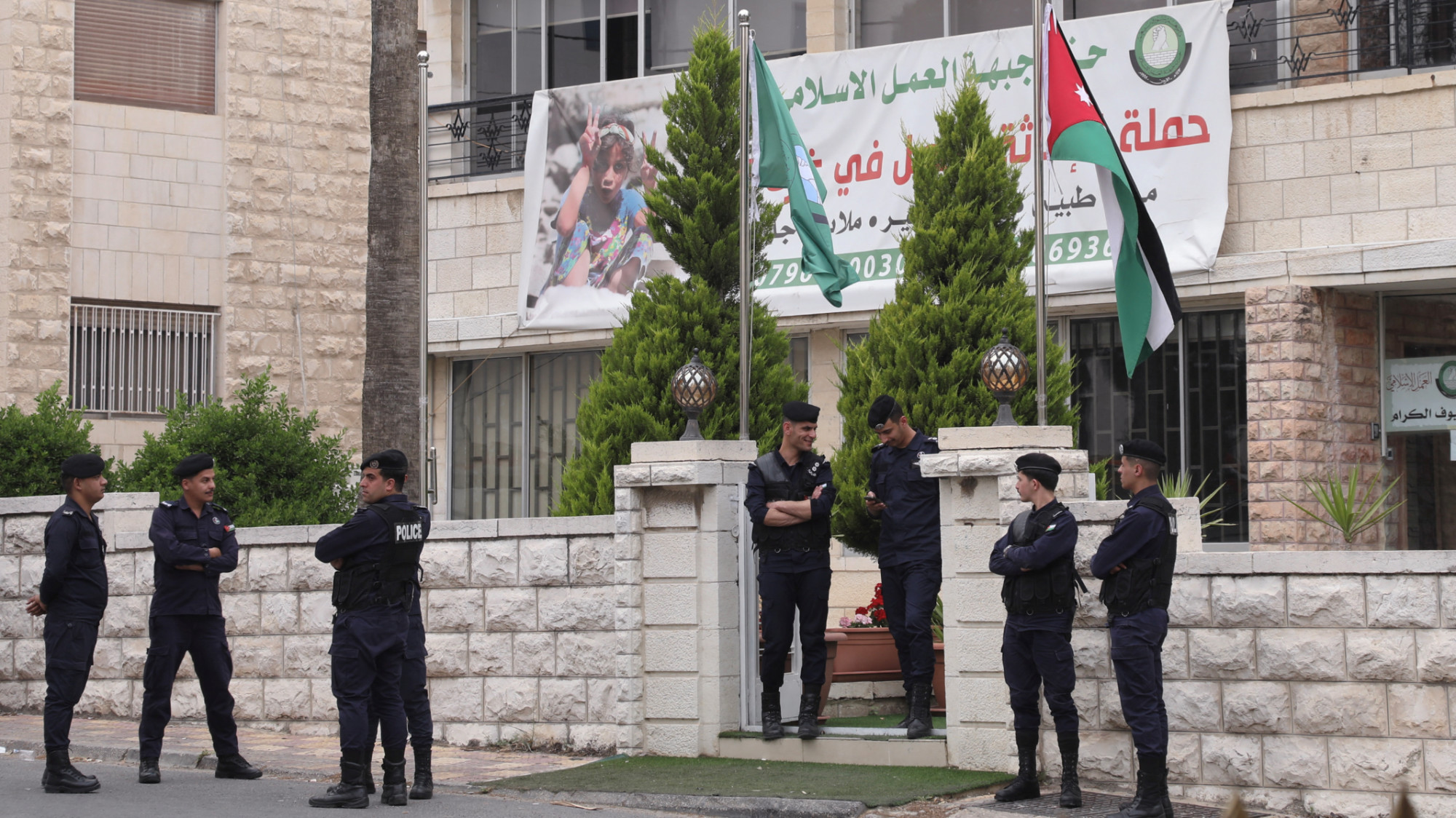
    Jordan’s electoral authorities have issued a formal directive to the Islamic Action Front (IAF), the kingdom’s largest opposition party, demanding the elimination of all religious references from its official identity. The Independent Election Commission has given the party sixty days to implement comprehensive changes to both its name and foundational statutes to comply with the country’s Political Parties Law.

    The commission’s notification, delivered on February 17 and formally announced Wednesday, cites specific legal provisions prohibiting political organizations based on religious, sectarian, or ethnic affiliations. Additionally, the commission raised concerns about the party’s internal judicial structure, noting that its supreme and central courts were not elected through general conference procedures, potentially compromising governance standards.

    In response to these requirements, the IAF’s Shura Council has already initiated a review process for statutory amendments earlier this month. Secretary-General Wael Al-Saqqa confirmed the party’s cooperative approach, stating that proposed changes would align with both the new Political Parties Law and principles of sound governance while maintaining the party’s core identity.

    The development occurs against a backdrop of increased governmental scrutiny of organizations with perceived connections to the Muslim Brotherhood, which was officially banned in April 2023. Despite securing its most significant electoral achievement in 2024 with nearly one-third of the parliamentary vote, the IAF has faced mounting pressure, including a raid on its headquarters last year that many interpreted as preliminary to license revocation.

    The party maintains its commitment to operating as an independent Jordanian political entity with Islamic values, while emphasizing its separation from the banned Muslim Brotherhood despite historical affiliations. This regulatory action coincides with ongoing protests in Jordan regarding the Gaza conflict, where the IAF has previously coordinated demonstration efforts.


  • Kenyan charged with luring young men to fight for Russia in Ukraine

    Kenyan charged with luring young men to fight for Russia in Ukraine

    A sophisticated human trafficking operation targeting Kenyan nationals for combat roles in Ukraine has been uncovered through judicial proceedings in Nairobi. Festus Arasa Omwamba, head of recruitment agency Global Faces Human Resources, faces serious charges for allegedly deceiving 22 Kenyan citizens with false employment opportunities that ultimately led to frontline deployment in Russia’s military operations.

    According to state prosecutors, Omwamba’s operation promised lucrative overseas jobs but instead funneled victims toward the conflict zone. The scheme unraveled last September when authorities rescued multiple recruits from an Athi River apartment complex near Nairobi just before their scheduled departure. Testimonies reveal victims had signed contracts committing up to $18,000 for visas, travel, and accommodation through an unnamed overseas employment agency.

    Tragically, three Kenyans already transported through this network reached combat zones and returned home with severe injuries. A recently disclosed National Intelligence Service report presented to parliament indicates approximately 1,000 Kenyans may have been recruited through similar channels during the four-year conflict.

    Parliamentary majority leader Kimani Ichung’wah described a “deeply disturbing” network involving rogue state officials allegedly collaborating with human trafficking syndicates. Omwamba, who pleaded not guilty to all charges, was arrested near the Ethiopian border after surrendering to authorities.

    The Kenyan government has announced intentions to formally request Russia prohibit recruitment of its citizens for Ukraine combat roles. Meanwhile, Moscow’s Nairobi embassy denied involvement, stating they neither encourage Kenyan participation in Ukraine operations nor issue visas for this purpose. They acknowledged, however, that Russian law permits legally present foreign nationals to voluntarily enlist.

    This case intersects with broader international concerns, as Ukraine’s foreign minister reported over 1,700 Africans from 36 countries have been recruited by Russian forces. South Africa confirmed two citizens killed in Ukraine with fifteen repatriated and two receiving treatment for severe injuries in Russia.

    Ukrainian officials maintain that foreign combatants fighting for Russia will be considered enemy combatants, though surrender offers prisoner-of-war status. Notably, Ukraine has faced its own criticisms regarding foreign national recruitment practices, including African targeting.

  • Yemen government’s return to Aden tests Riyadh’s bid to reshape strategy

    Yemen government’s return to Aden tests Riyadh’s bid to reshape strategy

    Saudi Arabia confronts a pivotal challenge in Yemen as analysts assess the Gulf kingdom’s capacity to stabilize the war-torn nation through its newly formed government in Aden. The recent political developments mark a significant shift in Yemen’s power dynamics following the dissolution of the Southern Transitional Council (STC), the primary separatist group that previously controlled southern territories.

    The formation of a 35-member cabinet, sworn in at the Yemeni embassy in Riyadh last month with Shaya Mohsen al-Zindani as prime minister, represents Saudi Arabia’s consolidated influence after the United Arab Emirates withdrew from Yemen. This departure left Riyadh as the predominant external actor managing Yemen’s complex political landscape.

    To strengthen the government’s position, Saudi Arabia has implemented substantial support measures including multi-million dollar fuel purchases for power stations and assuming responsibility for security force salaries previously funded by Abu Dhabi. Riyadh has additionally taken over humanitarian project financing that the UAE abruptly abandoned during its withdrawal.

    Despite these efforts, significant obstacles remain. Analysts note that while Saudi-backed forces have deployed widely throughout Aden, the STC maintains considerable influence through embedded security forces and persistent public support. Images of STC leader Aidarous al-Zubaidi and the group’s flags remain visible throughout the city, with thousands of fighters maintaining a low-profile presence.

    The government’s most immediate challenge involves establishing genuine control over Aden’s security apparatus. Researchers emphasize that physical presence doesn’t equate to political control, noting that ministers effectively operate as ‘guests in a city where security forces still answer to their old loyalties.’

    Complicating matters further, the administration faces organized protests without clear leadership to negotiate with. Recent demonstrations in Aden and other southern cities have turned violent, presenting the government with a ‘headless opposition’ that limits diplomatic options.

    Beyond security concerns, the administration must address critical public service issues and salary restoration. While Saudi fuel shipments have temporarily reduced power cuts, maintaining supply during summer months presents an ongoing challenge. Public sector salaries have stagnated for nearly a decade, with university professors reporting income drops from $1,200 to approximately $200 monthly since the war began.

    Regional rivalries additionally threaten stabilization efforts, with analysts warning that the UAE might seek to undermine stability through allied actors following its loss of influence. Any government withdrawal from Aden would represent a significant setback for both the Presidential Leadership Council and Saudi Arabia’s broader strategic objectives in Yemen.

  • Columbia student arrested by ICE agents who claimed to be seeking ‘missing person,’ lawyers say

    Columbia student arrested by ICE agents who claimed to be seeking ‘missing person,’ lawyers say

    Federal immigration authorities employed deceptive tactics to detain a Columbia University student early Thursday, gaining unauthorized access to campus housing under false pretenses. According to university officials and legal representatives, Immigration and Customs Enforcement (ICE) agents entered a Manhattan residential building at approximately 6:30 a.m. by claiming they were investigating a missing person case.

    The detained student, Ellie Aghayeva, is an Azerbaijani national pursuing dual degrees in neuroscience and political science. A prominent social media influencer with over 100,000 Instagram followers, Aghayeva managed to post a distress message stating ‘DHS illegally arrested me. Please help’ before being transferred to a federal detention facility in Lower Manhattan.

    University President Claire Shipman confirmed in a campus-wide communication that federal agents had entered university property without proper judicial authorization. Columbia’s established protocol requires law enforcement to present valid judicial warrants or subpoenas for access to non-public areas, including student housing.

    This incident reflects an emerging pattern of federal immigration authorities utilizing deceptive entry tactics. Recent months have witnessed ICE agents posing as utility workers and service employees in various cities, including Minneapolis. While generally legal, these tactics have raised concerns among immigration attorneys about the escalating aggressiveness of enforcement operations.

    The arrest occurs nearly one year after federal agents detained Mahmoud Khalil, another Columbia graduate student and Palestinian activist, within university-owned housing. Khalil remains engaged in deportation proceedings while released on bail.

    Columbia University has initiated legal support measures for Aghayeva and is contacting her family. Campus authorities have reinforced existing guidelines advising students to deny entry to law enforcement agents lacking proper documentation and to immediately contact campus security instead.

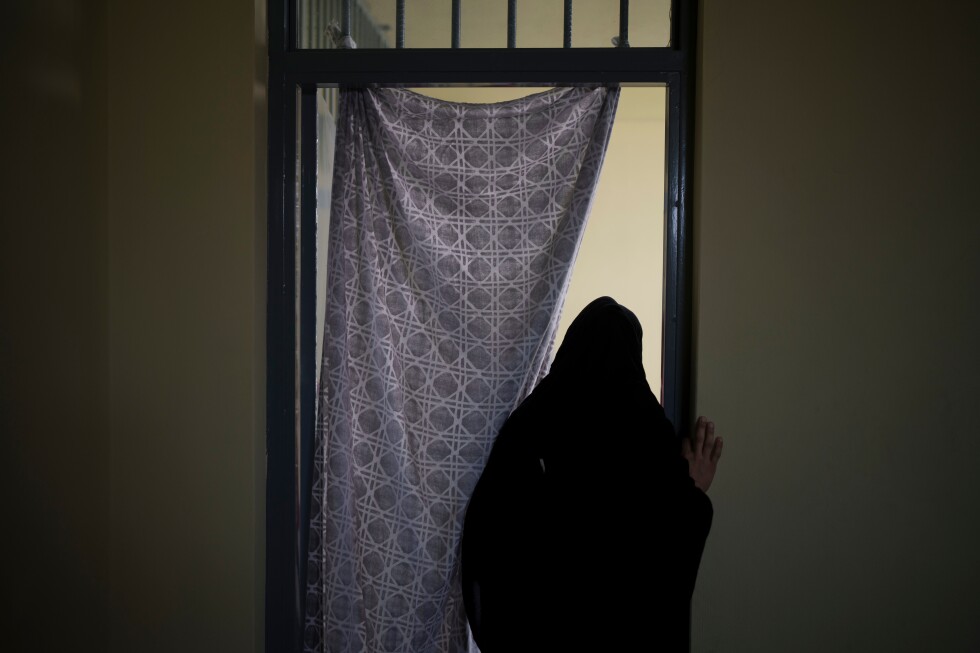
  • Afghanistan’s new penal code sets 15 days in prison for wife-beating, 5 months for animal fights

    Afghanistan’s new penal code sets 15 days in prison for wife-beating, 5 months for animal fights

    In a sweeping legislative move that has drawn international condemnation, Afghanistan’s Taliban-led government has enacted a comprehensive penal code that systematically institutionalizes gender-based discrimination and social hierarchy. The decree, formally issued as Decree No. 12 and signed by Supreme Leader Hibatullah Akhundzada in January, establishes a legal framework where women face harsher penalties for visiting relatives without spousal permission than men receive for domestic violence offenses.

    The 60-page document, comprising 119 articles, grants husbands and household heads unprecedented authority to determine and administer punishment within their homes. Notably, the code mandates three months imprisonment for women visiting paternal relatives without authorization, while imposing merely 15 days detention for husbands who inflict visible injuries on their wives—provided the victim can substantiate her case before judicial authorities.

    United Nations Human Rights Commissioner Volker Turk denounced the legislation during an address to the Human Rights Council in Geneva, stating it “defines several crimes and punishments that contravene Afghanistan’s international legal obligations.” He emphasized that the code legitimizes domestic violence against women and children through corporal punishment provisions while criminalizing dissent against Taliban leadership.

    In a stark illustration of prioritization, the penal code imposes stricter animal welfare protections than safeguards for women. Organizing animal fights—a traditionally popular pastime banned since 2021—carries a five-month prison sentence, exceeding penalties for spousal abuse. Meanwhile, Susan Ferguson, UN Women’s Special Representative in Afghanistan, confirmed the legislation “formally removes equality between men and women before the law.”

    The code further establishes a discriminatory sentencing structure based on social status. Religious scholars and elites receive mere judicial warnings for offenses, while tribal leaders face summonses. Ordinary citizens risk imprisonment, and marginalized groups become subject to corporal punishment—specifically mandating up to 39 lashes administered to “different parts of the body.” This tiered system exempts capital crimes, where murder and blasphemy against Prophet Muhammad remain punishable by death, though repentance may commute blasphemy sentences to six years imprisonment.

    This represents the first comprehensive penal code issued since the Taliban’s 2021 takeover, building upon previous restrictions including education bans for girls beyond primary school, employment limitations for women, and strict behavioral mandates. Commissioner Turk urgently appealed for reversal of these policies, declaring “Women and girls are the present and the future, and the country cannot thrive without them.”

  • Weekly quiz: How did this baby monkey break the internet’s heart?

    Weekly quiz: How did this baby monkey break the internet’s heart?

    As global events continue to unfold at a rapid pace, a new quiz challenges readers to test their awareness of recent international developments. The assessment comes at a significant moment, coinciding with multiple major world occurrences including the ongoing conflict in Ukraine, which has now entered its fifth year of sustained military engagement.

    Simultaneously, the scientific community has experienced notable developments as NASA announced further delays to its highly anticipated lunar mission, marking another setback in humanity’s return to the Moon. In contrasting lighter news, the entertainment industry celebrated an extraordinary chart achievement as musicians Olivia Dean and Sam Fender reached the number one position an impressive 35 weeks after their single’s initial release.

    The comprehensive quiz, meticulously compiled by Ben Fell, encompasses diverse topics ranging from international affairs to zoological developments. Participants can explore questions concerning primate-related stories, zoo management practices, and specific developments in Japan alongside other global occurrences. For those seeking additional challenges, the platform offers access to previous week’s quizzes and an extensive archive of past editions, providing ongoing opportunities for readers to gauge their awareness of world events across multiple timeframes.

  • Kuqa hosts thousand-person hotpot feast, collective weddings for Spring Festival

    Kuqa hosts thousand-person hotpot feast, collective weddings for Spring Festival

    The ancient city of Kuqa in Xinjiang Uygur Autonomous Region transformed into a vibrant tapestry of cultural celebration during the Spring Festival holiday, hosting two extraordinary events that captured the spirit of community and tradition. The city’s atmosphere electrified with the simultaneous occurrence of a thousand-person hotpot feast and collective wedding ceremonies that brought together generations of couples.

    Against the backdrop of traditional elevated residential compounds adorned with crimson silk decorations, the city radiated with jubilant energy. The monumental hotpot feast created an immersive culinary experience where the sizzling sounds of cooking blended harmoniously with laughter and conversation, symbolizing the warmth of communal bonding.

    The wedding ceremonies presented a poignant cross-generational narrative, featuring both newlyweds embarking on their marital journey and seasoned couples commemorating silver and golden anniversaries. Participants dressed in elaborate traditional Chinese wedding attire performed time-honored rituals including ceremonial vows, mutual toasting, and paying respects to heaven and earth. The bouquet tossing ceremony added a contemporary touch to the ancient traditions.

    This innovative fusion of gastronomic celebration and matrimonial observance demonstrated Kuqa’s unique approach to preserving cultural heritage while fostering community engagement. The events attracted both local residents and visitors, offering them an authentic experience of the region’s rich traditions and contemporary hospitality. The successful organization of these parallel celebrations highlighted how traditional festivals can evolve to incorporate multiple aspects of cultural expression while maintaining their core values of unity and joy.

  • Shanghai airports set new single-day passenger flow record

    Shanghai airports set new single-day passenger flow record

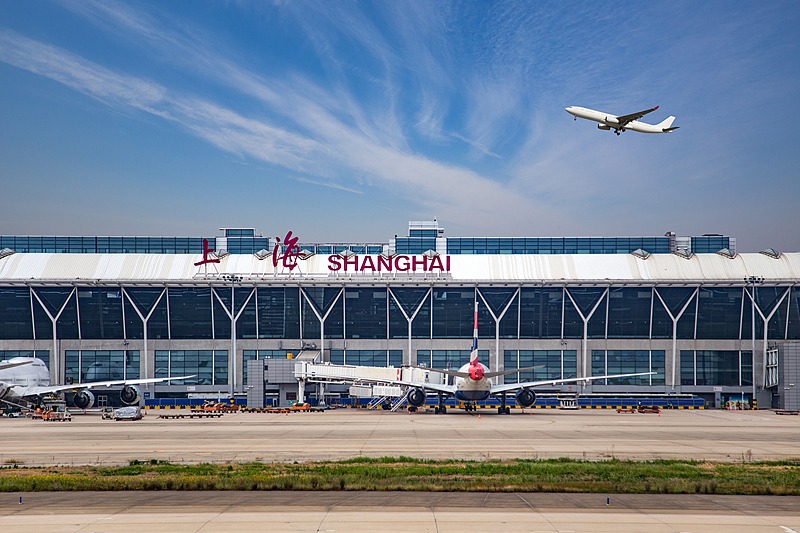
    Shanghai’s aviation hubs have achieved unprecedented passenger volumes during the recent Chinese New Year holiday period, establishing remarkable benchmarks in air travel capacity. According to official data released by Shanghai Airport (Group) Co Ltd, the city’s dual airport system witnessed passenger traffic exceeding 400,000 trips daily throughout the festive season, culminating in three consecutive days of record-breaking performance.

    Between February 15 and 23, Shanghai Pudong International Airport and Shanghai Hongqiao International Airport collectively facilitated 3.66 million passenger journeys, averaging 407,000 daily transits. This figure represents a substantial 5.5 percent increase compared to the equivalent period in the previous year, demonstrating sustained growth in China’s aviation sector.

    The record-setting streak occurred from February 20 to 22, with each day establishing new historical highs. The airports processed 425,000, 431,000, and finally 438,000 passenger trips on these respective dates, showcasing the system’s capacity to handle extraordinary travel demand.

    Concurrently, flight operations reached 22,000 take-offs and landings during the nine-day travel rush, marking a 3.1 percent year-on-year increase in aerial movements. This expanded activity provided significant benefits to Shanghai-based carriers, with China Eastern Airlines emerging as a primary beneficiary of the travel boom.

    The airline reported transporting over 4.33 million passengers throughout the extended holiday period, achieving a daily average of 481,000 passenger trips—a 6.5 percent increase from the previous year. The carrier’s operational peak occurred on February 22, with 526,000 passengers transported via 3,287 individual flights, highlighting the concentrated nature of holiday travel patterns.

    Industry analysts attribute this surge to multiple factors, including revitalized inbound tourism following recent travel policy relaxations and robust domestic travel demand among Chinese citizens celebrating the traditional Spring Festival with family across different regions.

  • Israeli curbs risk halting World Central Kitchen in Gaza, authorities say

    Israeli curbs risk halting World Central Kitchen in Gaza, authorities say

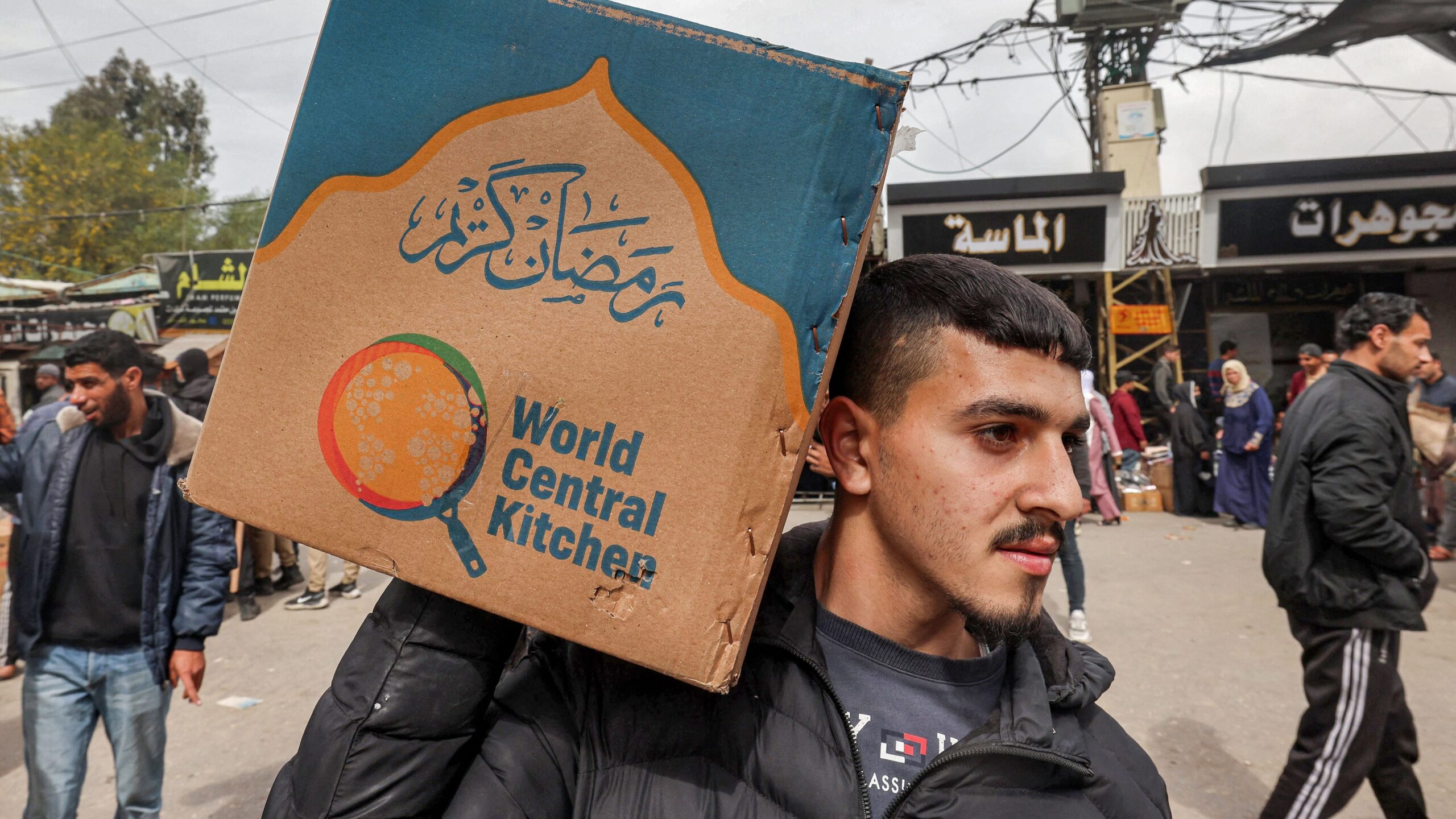
    Gaza’s Government Media Office has issued a stark warning that Israeli-imposed restrictions on World Central Kitchen’s humanitarian operations could force the organization to cease its critical food distribution services in the territory. The office emphasized that such a development would produce severe humanitarian consequences for the war-ravaged population.

    According to Ismail Ibrahim al-Thawabta, the office’s director general, Israeli authorities have dramatically reduced the number of trucks permitted to deliver food supplies from 25 to just five vehicles daily. This drastic reduction has severely compromised WCK’s operational capacity and jeopardizes the continuity of its essential nutrition services that sustain thousands of Gaza residents each day.

    Thawabta further reported that pressure is being applied to compel WCK to source raw materials from within Israel, fundamentally altering established supply routes and procedures. This strategic shift introduces additional logistical complications and increased operational costs compared to previous humanitarian delivery mechanisms.

    ‘The Gaza Strip faces indicators of a worsening humanitarian crisis if restrictions on aid continue,’ stated the Government Media Office, holding ‘the occupying power’ responsible for limiting humanitarian supplies in violation of international humanitarian law.

    While WCK confirmed it continues providing humanitarian assistance in Gaza, the organization acknowledged it cannot sustain operations indefinitely without consistent and reliable aid flow. ‘We are constructively working with all parties involved to resolve this supply chain issue,’ the organization stated, emphasizing the need for immediate, regular humanitarian access from Egypt into Gaza.

    The nonprofit has become one of Gaza’s most essential relief providers, accounting for over 60% of all NGO-delivered humanitarian assistance. WCK reached the significant milestone of distributing one million hot meals daily in February, with total meal deliveries exceeding 272 million since the conflict began in 2023. Their work remains particularly crucial amid worsening food insecurity and malnutrition resulting from Israel’s blockade on relief supplies.

    This development follows the April 2024 incident where Israeli military actions killed WCK’s team in Gaza, temporarily suspending the organization’s operations and highlighting the persistent challenges faced by humanitarian workers in the region.

  • India beat Zimbabwe to keep title defence alive

    India beat Zimbabwe to keep title defence alive

    In a spectacular display of batting prowess, India revitalized their T20 World Cup campaign with a commanding 72-run victory over Zimbabwe in Chennai, eliminating their opponents from the tournament. The defending champions posted an imposing total of 256-4, marking the second-highest score in T20 World Cup history, just behind Sri Lanka’s 260-6 against Kenya in 2007.

    The Indian innings featured multiple standout performances. Opener Abhishek Sharma, overcoming recent form struggles, set an aggressive tone with 55 runs off just 30 deliveries, including four boundaries and four sixes. His half-century came as a relief after recording three ducks in his previous four innings. All-rounder Hardik Pandya delivered a spectacular finish with an unbeaten 50 from 23 balls, completing his half-century with a final-delivery six. Tilak Varma contributed significantly with a rapid 44 not out from merely 16 deliveries.

    Zimbabwe’s response, while valiant, proved insufficient against India’s total. Young opener Brian Bennett showcased exceptional talent with a magnificent 97 not out from 59 balls, recording his third unbeaten half-century of the tournament. The 22-year-old struck eight fours and six sixes but received minimal support from his teammates, with captain Sikandar Raza’s 31 being the next highest score. Zimbabwe’s fielding woes continued as they dropped multiple catches, extending their disappointing Super 8s catching performance.

    The victory places India level with West Indies on two points in Super 8 Group 1. Their upcoming match against the two-time champions in Kolkata on Sunday will determine their semi-final fate, with a win securing their progression to the final four. Meanwhile, South Africa and England have already secured their semi-final berths with games to spare.