作者: admin

  • New WhatsApp for kids? Messaging app working on secondary accounts

    New WhatsApp for kids? Messaging app working on secondary accounts

    In a significant move toward digital child protection, WhatsApp is currently developing a supervised secondary account feature designed specifically for minors. This innovative functionality will enable parents to establish connected accounts for their children while maintaining oversight of critical privacy configurations.

    According to technical insights from WA Beta Info, these secondary profiles will operate with intentionally restricted capabilities and enhanced privacy protections. The accounts will be digitally linked to a parent’s primary account, creating an administrative bridge that allows guardians to review and modify settings that children might typically disregard.

    A fundamental aspect of this new system involves automatic communication restrictions. All secondary accounts will be configured to receive messages and calls exclusively from approved contacts—a privacy option not currently available to standard WhatsApp users. This addresses a crucial safety gap particularly relevant for younger users navigating digital communication platforms.

    Despite this supervisory framework, WhatsApp maintains its commitment to privacy through end-to-end encryption. Parents will not have direct access to their children’s actual message content or call recordings. Instead, they will receive aggregated reports about account activity patterns and usage statistics, creating a balance between oversight and respect for personal communications.

    The development team is currently refining the integration of these parental control tools with WhatsApp’s existing infrastructure. The interface is being optimized to ensure intuitive configuration of secondary accounts, allowing parents to easily establish age-appropriate settings that promote online safety while preserving the WhatsApp experience.

    This initiative represents WhatsApp’s acknowledgment of its role in family digital ecosystems and responds to growing concerns about children’s online privacy. The feature remains in development with no official release date announced, but it signals a new direction for the platform’s approach to multi-user environments within its encrypted messaging framework.
  • Senegal poised to party with parade honouring AFCON champs

    Senegal poised to party with parade honouring AFCON champs

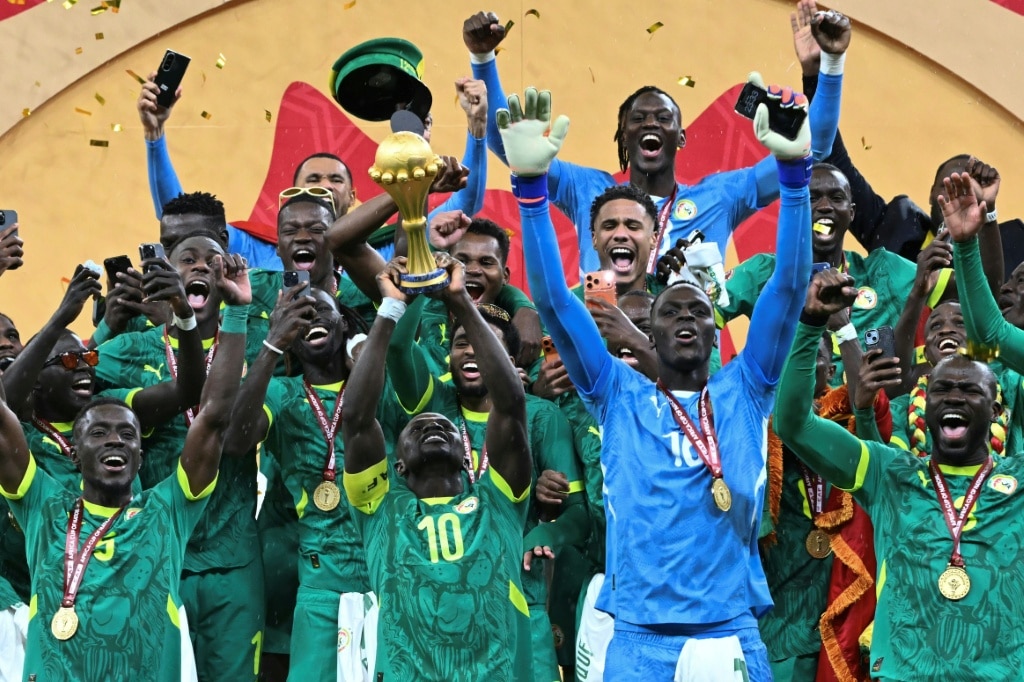
    Dakar transformed into a sea of national pride on Tuesday as Senegal’s national football team paraded through the capital following their dramatic Africa Cup of Nations championship victory. The celebratory procession, marking the team’s second continental title in three years, captivated the nation from working-class districts to upscale neighborhoods along the iconic Corniche oceanside highway.

    The triumphant squad arrived via special flight from Morocco shortly before midnight Monday, receiving an official welcome from President Bassirou Diomaye Faye, Prime Minister Ousmane Sonko, and government officials. Their victory came in a chaotic final against host nation Morocco that saw Pape Gueye secure the championship with an extra-time winner after a contentious match that included a disputed VAR decision and temporary pitch abandonment by Senegalese players.

    Thousands of ecstatic supporters clad in team jerseys and waving national flags created a carnival atmosphere hours before the parade’s commencement. The air filled with the unmistakable sound of vuvuzelas, whistles, and cheers as generations of Senegalese united in celebration. Security forces maintained a significant presence throughout the event route.

    Local newspapers captured the national mood with headlines proclaiming “Heroic!” and “Unforgettable” while street vendors reported booming business in patriotic merchandise. The victory parade culminated with an official reception at the presidential palace, where the team received state honors.

    Despite controversy surrounding the match’s conclusion—including the Moroccan FA’s formal complaints to CAF and FIFA regarding player and fan conduct—Senegalese supporters expressed overwhelming pride in their team’s accomplishment. The championship solidifies Senegal’s football dominance in Africa, marking their third final appearance in the last four AFCON tournaments.

  • Inside Trump’s $1-billion Board of Peace: Who is invited? Is it still about Gaza?

    Inside Trump’s $1-billion Board of Peace: Who is invited? Is it still about Gaza?

    The Trump administration has formally established a groundbreaking international conflict resolution mechanism requiring member nations to contribute $1 billion for permanent representation. Dubbed the ‘Board of Peace,’ this organization represents a significant shift in diplomatic approach, blending financial commitment with geopolitical influence.

    According to the founding charter obtained by AFP, the board’s mandate extends beyond its initial conception for Gaza reconstruction to address global conflicts wherever they emerge. The preamble defines the organization’s mission as promoting stability, restoring lawful governance, and securing enduring peace in conflict-affected regions through internationally sanctioned peace-building functions.

    President Trump will serve as permanent chairman while simultaneously representing United States interests. The charter grants him sweeping authority, including exclusive power to create or dissolve subsidiary entities, appoint executive board members described as ‘leaders of global stature,’ and adopt binding resolutions. Chairman replacement provisions are exceptionally restrictive, allowing removal only through voluntary resignation or demonstrated incapacity.

    Membership requires presidential invitation and representation at head-of-state level. While standard terms span three years, nations contributing the $1 billion fee within the first year receive permanent membership status. Voting procedures combine majority consensus with ultimate chairman approval, including tie-breaking authority.

    The preliminary membership roster features prominent figures including Secretary of State Marco Rubio, Special Negotiator Steve Witkoff, Jared Kushner, former UK Prime Minister Tony Blair, World Bank President Ajay Banga, and billionaire financier Marc Rowan. National invitations have extended to Russia, Canada, Egypt, Argentina, and numerous European and Asian nations, though formal commitments remain pending.

    The charter becomes operational upon ratification by three founding states, marking a potential transformation in how international conflict resolution is structured and funded.

  • Trump threatens to impose 200% tariff on French wines, champagnes

    Trump threatens to impose 200% tariff on French wines, champagnes

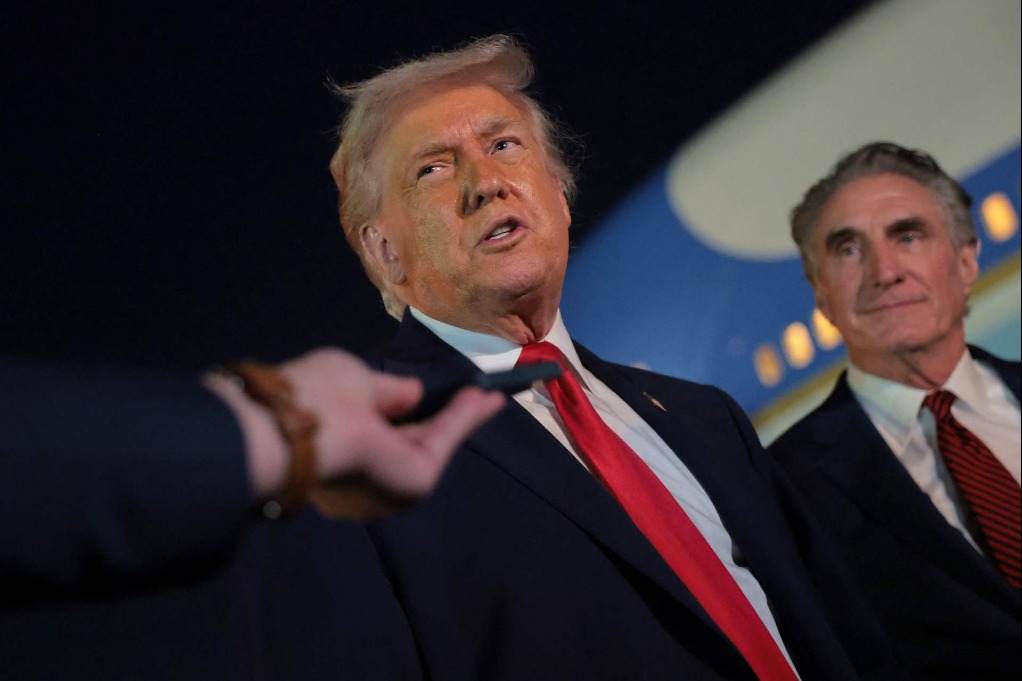
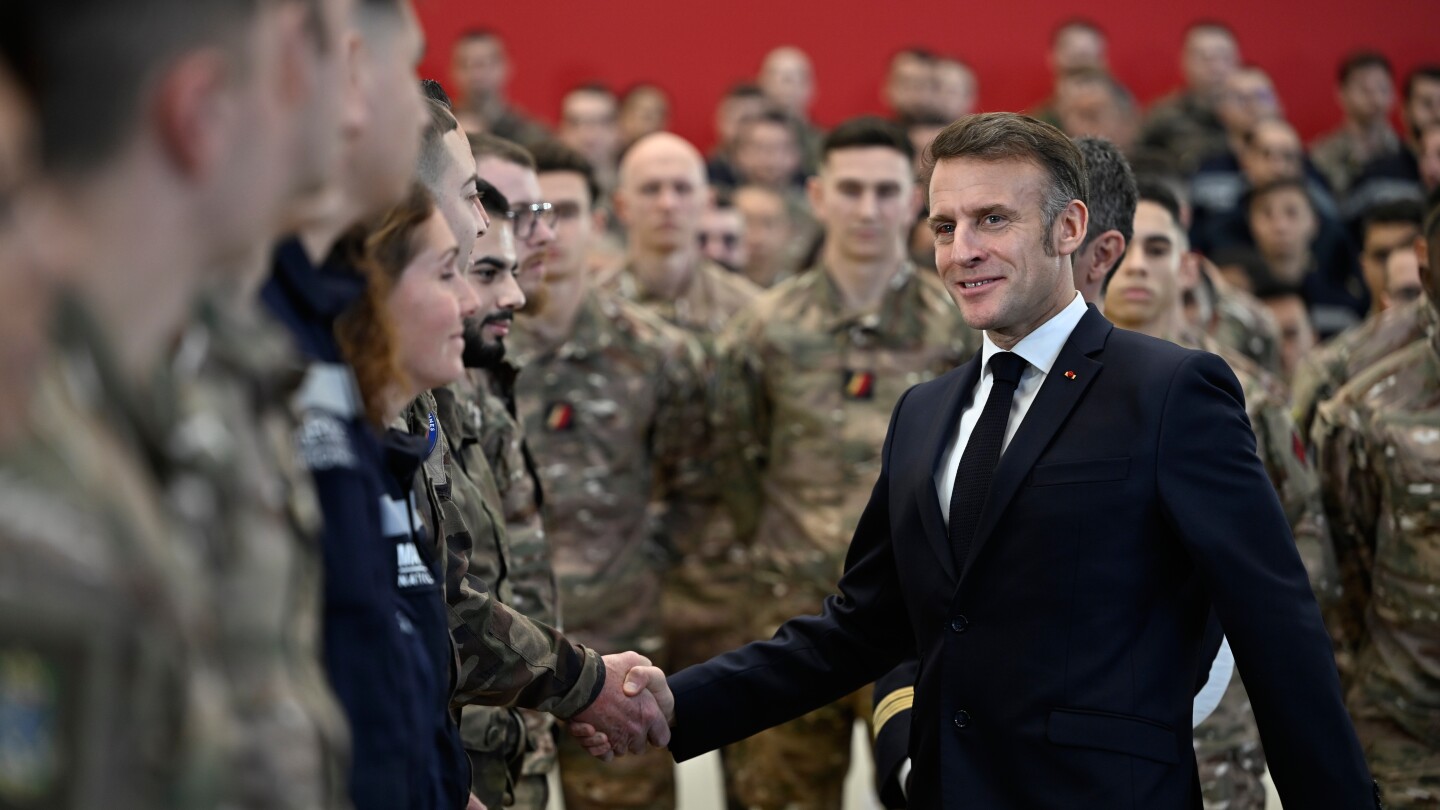
    In a significant escalation of trade tensions with a key European ally, U.S. President Donald Trump has threatened to impose unprecedented 200% tariffs on French wines and champagnes. The declaration came late Monday following French President Emmanuel Macron’s refusal to participate in Trump’s proposed “Board of Peace” initiative.

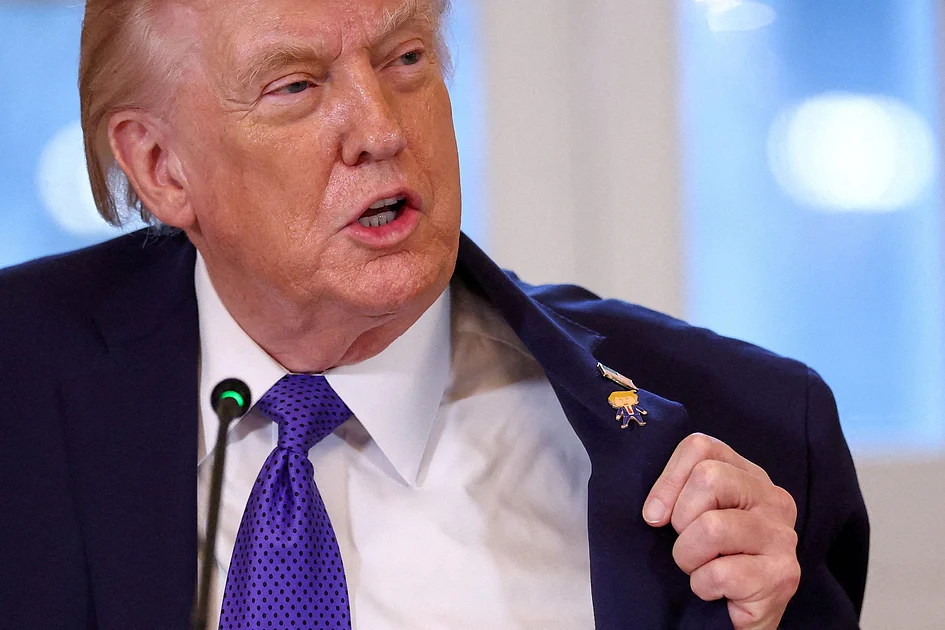
    Trump made the retaliatory threat in response to a reporter’s question about Macron’s decision, stating: “I’ll put a 200 percent tariff on his wines and champagnes, and he’ll join, but he doesn’t have to join.” The remarks represent a significant departure from traditional diplomatic protocols, linking trade policy directly to participation in presidential initiatives.

    The proposed tariffs would effectively triple the price of French wine and champagne imports to the United States, potentially devastating a sector that exported approximately $2 billion worth of products to the U.S. market annually. France remains the second-largest supplier of wine to American consumers after Italy.

    This development marks another chapter in the complex relationship between Trump and Macron, which has featured both public displays of camaraderie and significant policy disagreements. The “Board of Peace” initiative itself remains undefined in public documents, leaving unclear what specific commitments Trump sought from European allies.

    Trade experts indicate that such a tariff move would likely trigger immediate retaliation from the European Union under its existing trade defense mechanisms. The French wine industry, which employs approximately 500,000 people across production, distribution, and tourism, would face severe disruption from such measures.

    The threat emerges against the backdrop of ongoing transatlantic trade negotiations and follows previous tensions over digital services taxes and agricultural imports. Market analysts are monitoring whether this represents a negotiating tactic or a firm policy direction from the administration.

  • In their words: What France’s Macron and head of NATO wrote to Trump

    In their words: What France’s Macron and head of NATO wrote to Trump

    In an unprecedented diplomatic disclosure, U.S. President Donald Trump publicly shared private text messages from French President Emmanuel Macron and NATO Secretary General Mark Rutte on Tuesday. The messages reveal behind-the-scenes coordination efforts regarding Syria policy and ongoing discussions about Greenland’s status.

    President Macron’s message demonstrated strong alignment with Trump on Syrian affairs while expressing confusion about U.S. interest in Greenland. The French leader proposed concrete diplomatic initiatives, including organizing a special G7 meeting in Paris following the Davos summit. Macron suggested inviting Ukrainian, Danish, Syrian, and Russian representatives for marginal discussions and offered to host a private dinner with Trump before his return to the United States.

    NATO chief Mark Rutte’s communication struck a notably congratulatory tone, praising Trump’s accomplishments in Syria as “incredible” and committing to highlight these achievements during his media appearances at Davos. Rutte specifically mentioned Trump’s work in Gaza and Ukraine alongside the Syrian developments. The NATO leader also referenced continued discussions about Greenland, indicating his dedication to “finding a way forward” on the matter while expressing anticipation for their upcoming meeting.

    The publication of these private diplomatic exchanges provides rare insight into the personal dynamics between world leaders and their behind-the-scenes negotiation styles. The messages reveal both cooperation and tension points within international alliances, particularly regarding European concerns about U.S. interests in Arctic territories.

  • Death toll rises to 9 after steel plant blast in China’s Inner Mongolia

    Death toll rises to 9 after steel plant blast in China’s Inner Mongolia

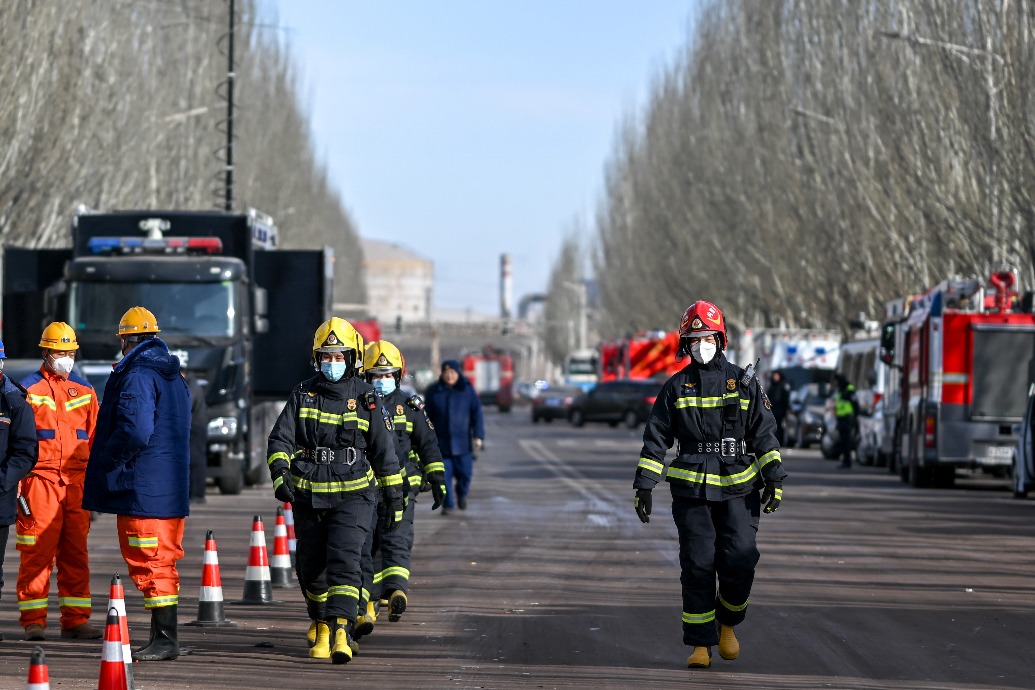
    A devastating industrial explosion at a major steel production facility in northern China has resulted in a significant loss of life, with authorities confirming nine fatalities and one individual still missing as rescue operations continue.

    The incident occurred at approximately 3:03 PM local time on Sunday, January 18th, 2026, at the plate manufacturing plant operated by Baogang United Steel in Baotou City, located within China’s Inner Mongolia Autonomous Region. According to the emergency response command center established at the disaster site, the catastrophic explosion originated from a substantial industrial vessel—a 650-cubic-meter capacity saturated water and steam spherical storage tank.

    Local government representatives provided updated casualty figures on Tuesday, January 20th, indicating that the death toll had risen to nine individuals. Search and recovery teams remain actively engaged in the complex operation to locate one remaining person who has been reported as unaccounted for following the incident. Official statements note that verification procedures regarding the missing individual are currently ongoing.

    The industrial accident has drawn attention to safety protocols within China’s substantial manufacturing sector, particularly in heavy industries such as steel production which form a critical component of the region’s economic infrastructure. Baotou City, as a major industrial hub in Inner Mongolia, hosts numerous manufacturing facilities that contribute significantly to both regional and national industrial output.

    Authorities have not yet released detailed information regarding the potential causes behind the tank’s failure or whether any safety violations may have contributed to the tragic incident. Standard procedure following such industrial accidents typically involves comprehensive investigations by multiple government agencies, including workplace safety regulators and industrial experts.

  • Hopes fade in fourth day of search for dozens missing in Karachi shopping plaza fire

    Hopes fade in fourth day of search for dozens missing in Karachi shopping plaza fire

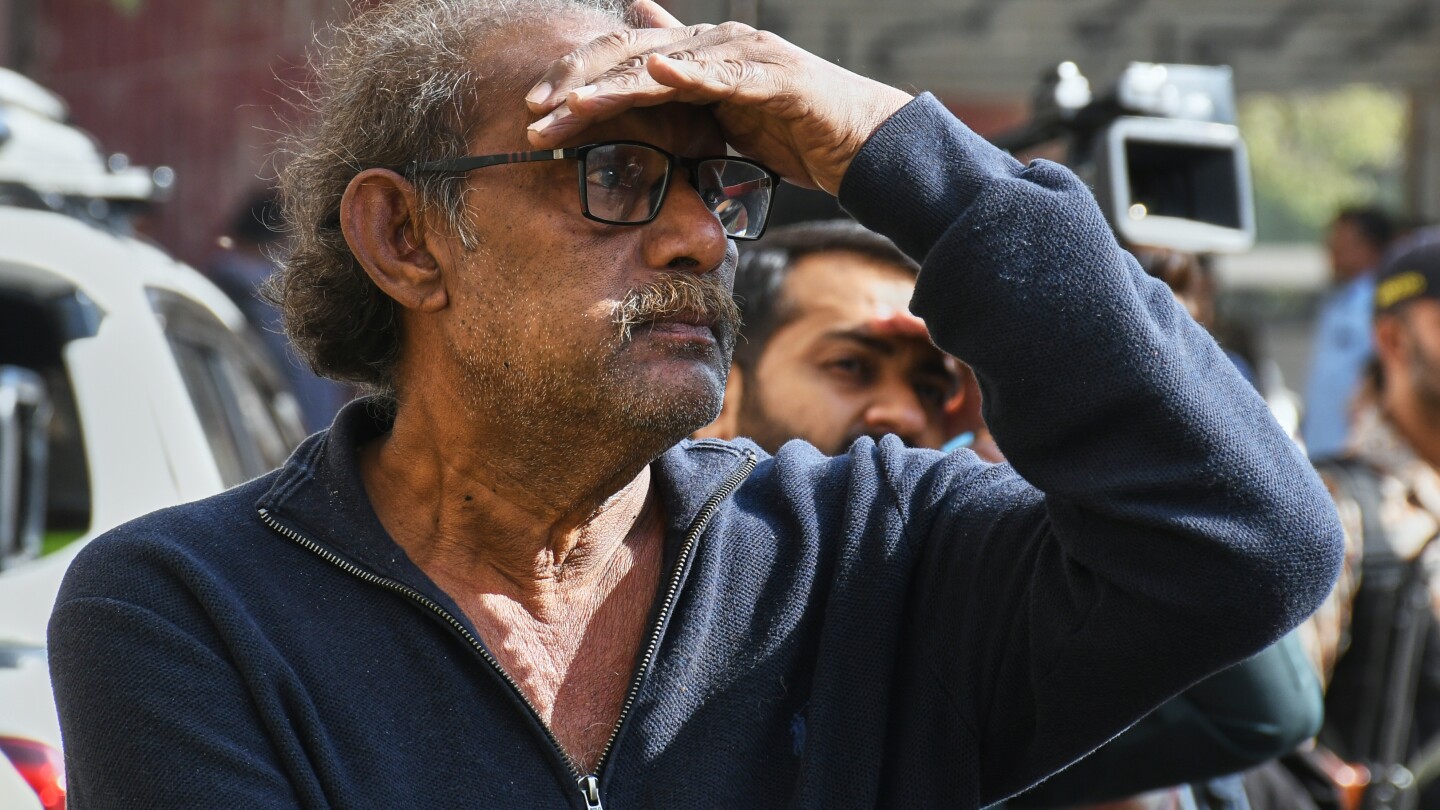
    KARACHI, Pakistan — Rescue operations continue into the fourth day at the devastated Gul Plaza shopping complex following Saturday’s catastrophic fire, with authorities confronting increasingly grim prospects of locating survivors beneath the collapsed structure. Emergency teams have now accessed the most severely compromised sections of the multistory commercial building, though unstable conditions and structural failures have significantly hampered search efforts.

    Official reports confirm the recovery of at least 23 victims, many severely disfigured by the intense heat, necessitating DNA analysis for identification. According to Police Surgeon Dr. Summaiya Syed, forensic experts are processing fragmented remains as complete bodies prove difficult to retrieve.

    The sprawling retail center, housing approximately 1,200 establishments primarily specializing in imported apparel, cosmetics, and household items, contained numerous shop proprietors and patrons during the evening inferno. Senior police official Asad Raza indicated mobile data suggests at least 31 individuals were present within the complex at the time of ignition, though the total missing persons count exceeds 65, accounting for those potentially without mobile devices.

    Karachi Mayor Murtaza Wahab has deployed heavy machinery to clear debris from sections that collapsed subsequent to the initial fire, while maintaining communication with distraught families awaiting news of missing relatives. Provincial Chief Minister Murad Ali Shah announced compensation packages of 10 million rupees ($36,000) for each bereaved household.

    This tragedy underscores Karachi’s persistent struggle with fire safety enforcement, coming just months after a November 2023 mall fire claimed 10 lives. The city witnessed one of Pakistan’s worst industrial disasters in 2012 when a garment factory conflagration resulted in over 260 fatalities, highlighting ongoing concerns regarding regulatory compliance and construction standards.

  • Russian strikes again leave half of Kyiv with no heating in winter cold snap

    Russian strikes again leave half of Kyiv with no heating in winter cold snap

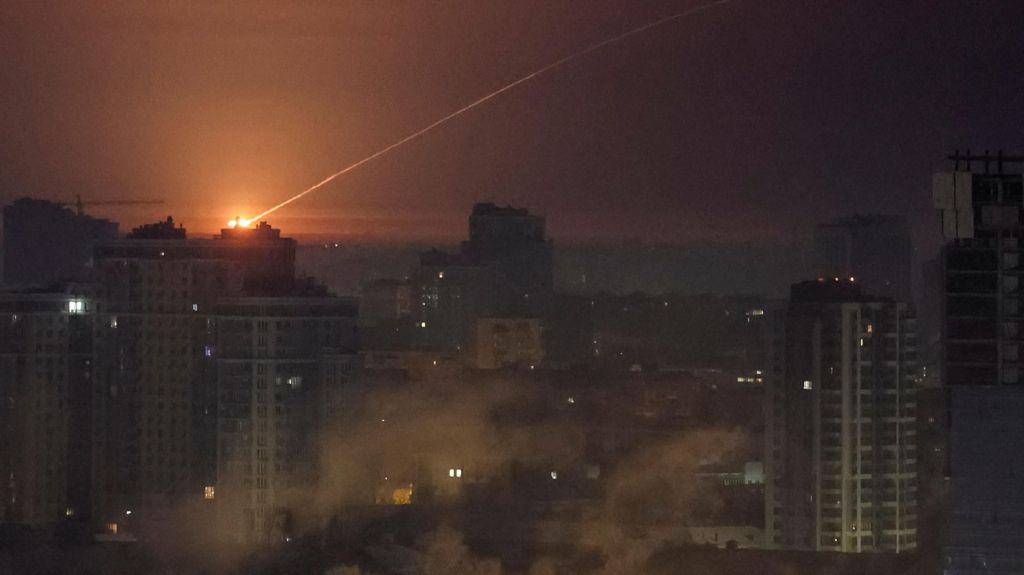
    A massive Russian aerial offensive has plunged Kyiv into a deep freeze, severing heating and power to half the city’s residential buildings as temperatures plummet to -10°C. The assault, employing drones, ballistic missiles, and cruise missiles, targeted multiple Ukrainian cities including the capital, Dnipro, and Odesa, triggering prolonged air raid alerts throughout the night and into Tuesday.

    Ukrainian President Volodymyr Zelensky confirmed a ‘significant number’ of incoming projectiles were intercepted but revealed the financial toll of the defense reached approximately €80 million (£69 million) in air defense missiles alone. The human cost was equally stark, with at least four fatalities and 33 injuries reported across the country.

    The attack has catastrophic implications for civilian infrastructure. Kyiv Mayor Vitalii Klitschko reported over 5,600 residential buildings, each containing dozens of apartments, were left without heating and water. This setback nullifies weeks of relentless repair work following the large-scale January 9th attack, which had previously crippled the city’s utilities. ‘I have no electricity and no water,’ recounted Oleksandr Palii, a 29-year-old veteran, describing a night of relentless explosions.

    The crisis has forced extreme adaptations. With radiators bursting from frozen water and fires sparked by improvised gas heaters, residents are resorting to communal generators, portable stoves, and innovative food storage methods. Social media depicts scenes of resilience with citizens barbecuing in snowy yards, yet many describe this as the most brutal winter since the full-scale invasion began in 2022.

    Amid the turmoil, President Zelensky canceled his scheduled appearance at the World Economic Forum in Davos, stating he would only attend if documents on U.S. security guarantees and a prosperity plan were ready for signing. His absence underscores the severity of the situation on the ground.

    Shelter from the onslaught was found underground, as over 10,000 people, including nearly 800 children, sought refuge in Kyiv’s metro stations—the only reliable sanctuary in many high-rise areas lacking adequate shelters.

    While acknowledging the receipt of defensive missiles that ‘helped significantly,’ Zelensky emphasized a critical and ongoing need for enhanced air defense systems. He pointed to Russia’s undiminished capacity to produce and deploy a growing number of ballistic missiles, a threat for which U.S. support is pivotal. ‘A great deal in the security of Ukrainians depends on the unity of Europe and America,’ he stated, hinting at concerns that transatlantic tensions could jeopardize timely deliveries of essential military aid. Foreign Minister Andrii Sybiha echoed the sentiment, asserting that Ukrainian resilience ‘cannot be an excuse for this war to continue.’

  • Read what France’s Macron and the head of NATO are saying to Trump behind the scenes

    Read what France’s Macron and the head of NATO are saying to Trump behind the scenes

    In a remarkable breach of diplomatic protocol, former U.S. President Donald Trump has publicly disclosed private text messages from French President Emmanuel Macron and NATO Secretary General Mark Rutte, revealing a stark contrast between their public criticism and private deference regarding his controversial interest in acquiring Greenland.

    The authenticated message from Macron, opened with the familiar address “My friend,” demonstrated a notably conciliatory tone compared to France’s public stance against Trump’s proposition to wrest Greenland from NATO ally Denmark. The French leader strategically framed his communication by first emphasizing alignment on significant geopolitical matters, stating “We are totally in line on Syria. We can do great things on Iran” before cautiously addressing the Greenland issue with the measured query: “I do not understand what you are doing on Greenland,” immediately followed by the constructive suggestion “Let us try to build great things.”

    This unprecedented public exposure of typically confidential diplomatic correspondence offers rare insight into the dual-track nature of international relations, where leaders frequently maintain divergent public and private personas. Trump’s disclosure tradition, established during his presidency, continues to challenge established diplomatic norms and transparency boundaries.

    The messages further revealed Macron’s unexpected proposal to host representatives from both Ukraine and Russia during Paris meetings, a initiative not previously disclosed publicly. This suggestion carried particular diplomatic sensitivity given France’s ongoing military support for Ukraine against Russian aggression, with Macron noting Russian representatives could be accommodated “in the margins” to mitigate potential awkwardness.

    An anonymous official from Macron’s administration asserted that the disclosed message demonstrates consistency between the French president’s public and private positions, emphasizing that France considers respect for national sovereignty “non-negotiable” regarding the Greenland matter. Meanwhile, Rutte’s published message expressed commitment to “finding a way forward on Greenland” despite his public refusal to comment on the sensitive territorial issue.

    This extraordinary glimpse into behind-the-scenes diplomacy highlights the complex interplay between public posturing and private negotiation that characterizes modern international relations, particularly during the Trump administration’s unconventional approach to foreign policy.

  • British leader says ’no option off the table’ as UK considers Australia-style teen social media ban

    British leader says ’no option off the table’ as UK considers Australia-style teen social media ban

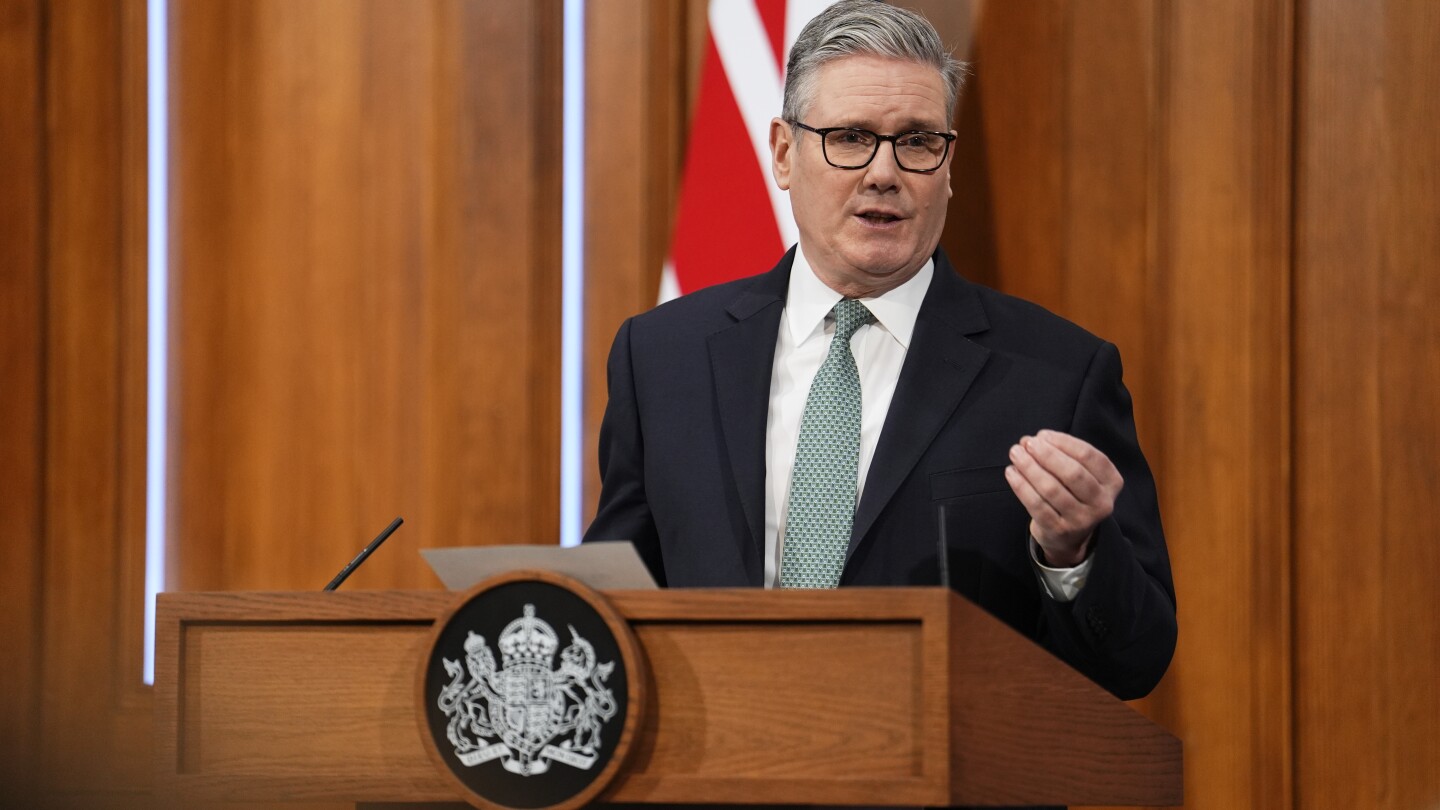
    The British government has initiated a comprehensive review of social media access regulations for minors, with potential restrictions on teenage usage gaining significant traction. Prime Minister Keir Starmer’s administration announced it would explore all available options, including implementing age-based access limitations and curbing addictive platform features.

    This policy shift comes in response to mounting concerns about children’s exposure to unregulated content and the psychological impacts of excessive screen time. The government has committed to conducting extensive consultations with parents, young people, and stakeholders to develop effective technological safeguards.

    In a significant development, UK ministers will undertake a fact-finding mission to Australia to study their recently implemented social media restrictions, which prohibit children under 16 from accessing major platforms including Facebook, Instagram, TikTok, and X. This international benchmarking exercise aims to inform Britain’s approach to digital child protection.

    The movement gained substantial political momentum when over 60 Labour Party lawmakers petitioned the Prime Minister to implement Australian-style age restrictions. Their collective communication criticized previous administrations for inadequate action against ‘unregulated, addictive social media platforms’ and specifically advocated for a minimum access age of 16.

    The government has established a summer deadline for responding to its public consultation on online safety measures, signaling urgency in addressing what many perceive as a growing public health concern regarding children’s digital wellbeing.