作者: admin

  • ‘Trump logic:’ How Trump went from declaring victory over Iran to the cusp of a new war

    ‘Trump logic:’ How Trump went from declaring victory over Iran to the cusp of a new war

    President Donald Trump’s State of the Union declaration that the U.S. “obliterated” Iran’s nuclear program stands in stark contrast to his administration’s current warnings about Tehran’s rapid nuclear reconstitution, exposing a fundamental contradiction in White House rhetoric. This paradoxical positioning emerges as the administration appears to be constructing new justifications for potential military action against Iran.

    Senior administration officials, including Trump’s envoy Steve Witkoff, now assert Iran could be “a week away from having industrial grade bomb making material” – a claim experts find irreconcilable with earlier assertions of complete destruction. The discrepancy highlights what analysts describe as an increasingly concerning pattern of escalation.

    The June 2025 joint U.S.-Israeli operation, dubbed “Midnight Hammer,” targeted three Iranian nuclear facilities at Fordow, Natanz, and Isfahan. While Trump initially celebrated the operation as concluding the Iranian nuclear threat, his own Pentagon assessed the strikes merely set back Iran’s program by up to two years. Current intelligence suggests no evidence of renewed uranium enrichment activities.

    Recent weeks have witnessed a strategic pivot in administration rhetoric, with officials now emphasizing Iran’s ballistic missile capabilities as potential justification for conflict. Trump specifically referenced developing missiles that could threaten Europe and eventually reach U.S. territory, despite Defense Intelligence Agency assessments indicating Iran remains years away from viable intercontinental capabilities.

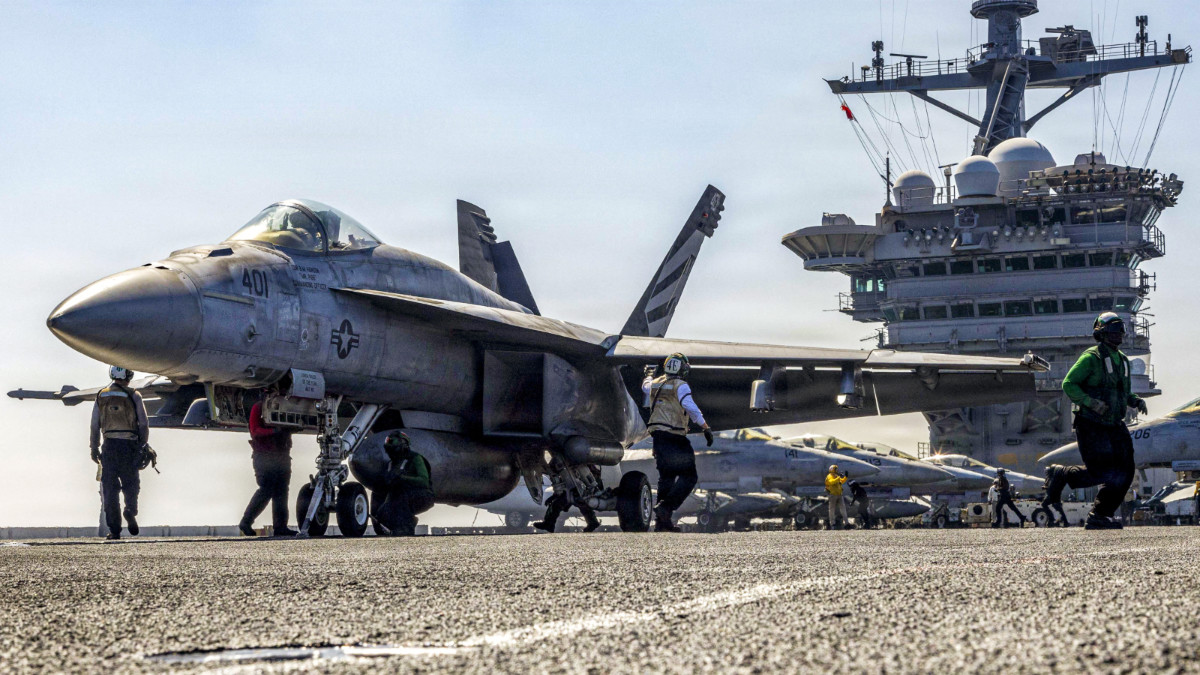
    The military context reveals substantial U.S. force deployment to the region, including two aircraft carrier strike groups and advanced fighter squadrons – the largest concentration of American military assets in the Middle East since the 2003 Iraq invasion. This buildup began during Iranian domestic protests in January, with Trump encouraging demonstrators to “take over government institutions.

    Political analysts point to significant Israeli influence, particularly following Prime Minister Benjamin Netanyahu’s December White House visit. The Israeli government, having successfully degraded Iran’s air defenses in previous operations, now reportedly seeks U.S. action against Iran’s missile programs, which proved effective during recent conflicts.

    Domestically, the administration faces limited public appetite for conflict, with University of Maryland polling showing only 21% of Americans support war with Iran. Even among Republican voters, support barely reaches 40%. Despite this, experts suggest Trump’s personal commitment to avoiding perceived weakness, particularly comparisons to President Obama’s Syria policy, may drive escalation.

    The administration’s negotiation posture, led by Witkoff and Jared Kushner, appears premised on Iranian capitulation rather than mutual compromise. This approach, combined with the regime change discussions reportedly occurring within administration circles, creates a dangerous environment where miscalculation could trigger conflict, potentially fulfilling the objectives of interventionist factions in Washington and Jerusalem.
  • US plaintiff decries harmful social media addiction

    US plaintiff decries harmful social media addiction

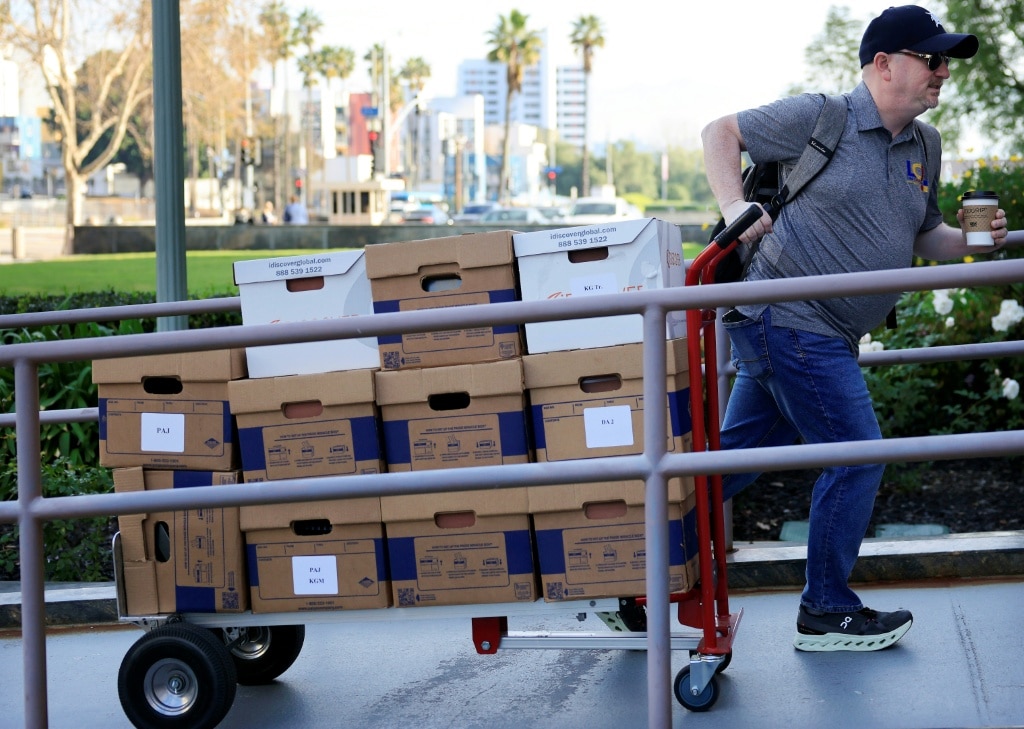
    In a groundbreaking Los Angeles courtroom drama, 20-year-old Kaley G.M. delivered compelling testimony about her decade-long struggle with social media addiction that began at age six. The plaintiff’s emotional account detailed how platforms owned by Meta and Google allegedly exacerbated her mental health challenges, including severe depression, body dysmorphia, and self-harm tendencies.

    Kaley described to jurors how YouTube and Instagram became inescapable fixtures in her childhood, revealing that attempts to disconnect consistently failed. ‘Anytime I tried to separate myself from it, it just didn’t work,’ she testified, noting that even cyberbullying couldn’t deter her engagement due to intense fear of missing out.

    The trial, expected to continue through late March, represents the first of three scheduled proceedings that could establish precedent for thousands of similar cases nationwide. At its core is the accusation that tech giants deliberately engineered addictive platforms that harmed young users’ psychological wellbeing.

    During cross-examination, Kaley recounted childhood behaviors that demonstrated her dependency, including secretly retrieving her phone after her mother enforced nighttime restrictions. Court records indicate she spent up to 16 consecutive hours on Instagram in single day.

    In a striking contradiction, the plaintiff expressed interest in pursuing social media management professionally, suggesting she hopes to leverage skills developed through her extensive platform usage. The case’s outcome may set standards for resolving numerous lawsuits alleging social media companies fueled a mental health crisis among youth through deliberately addictive design.

  • Canadian Prime Minister Mark Carney visits India to restore relations and diversify away from US

    Canadian Prime Minister Mark Carney visits India to restore relations and diversify away from US

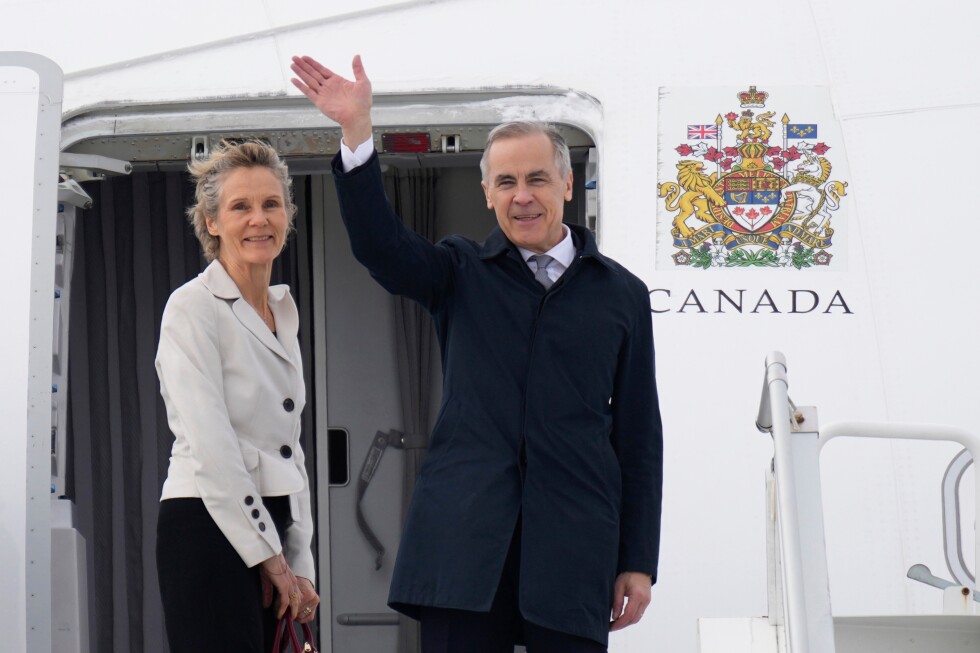
    Canadian Prime Minister Mark Carney has embarked on a strategic mission to India this week, signaling a significant shift in Canada’s foreign policy approach aimed at reducing economic dependence on the United States. The visit marks Carney’s first official trip to the world’s fourth-largest economy since taking office, representing a deliberate effort to repair bilateral relations following a serious diplomatic crisis.

    The diplomatic rupture occurred in September 2023 when former Prime Minister Justin Trudeau publicly alleged Indian government involvement in the killing of Sikh separatist leader Hareep Singh Nijjar near Vancouver. New Delhi vehemently denied the accusations and counter-alleged that Canada was harboring extremists, creating what Professor Daniel Béland of McGill University described as “a spectacular deterioration of Canada-India relations.”

    Nijjar, a prominent advocate for the banned Khalistan movement seeking an independent Sikh homeland, was considered a human rights activist by Sikh organizations. The allegations extended beyond Canada, with U.S. prosecutors also accusing Indian officials of directing a failed assassination plot against another Sikh separatist leader in New York.

    Current Public Safety Minister Gary Anandasangaree acknowledges that significant work remains to prevent Indian government agents from coercing or intimidating individuals within Canada. Sikh community representatives have expressed deep disappointment with Carney’s approach, viewing it as capitulation to Indian interests despite ongoing concerns about activist harassment.

    The diplomatic reset occurs against the backdrop of escalating trade tensions with the United States. President Donald Trump’s recent threat to impose 100% tariffs on Canadian goods over proposed China trade deals has accelerated Ottawa’s urgency to diversify trade relationships. Carney has explicitly set a goal to double Canada’s non-U.S. exports within the next decade.

    Professor Robert Bothwell of the University of Toronto notes that Carney’s ‘Davos doctrine’—condemning economic coercion by great powers against smaller nations—finds practical application in this outreach to India. Both countries share mutual interest in stabilizing trade relationships amid what Bothwell characterizes as Trump’s “whimsical, capricious and aggressive use of tariffs as a weapon.”

    Despite the historical tensions, economic pragmatism appears to be driving reconciliation. India ranked as Canada’s seventh-largest trading partner in 2024, with both nations having moved to advance a trade deal last year after years of mistrust. Political analyst Nelson Wiseman observes that attitudes between the two nations have taken “a 180-degree turn” under Carney’s business-oriented leadership, contrasting sharply with his predecessor’s approach.

  • Israeli army chief ‘silent’ on potentially devastating cost of new war with Iran

    Israeli army chief ‘silent’ on potentially devastating cost of new war with Iran

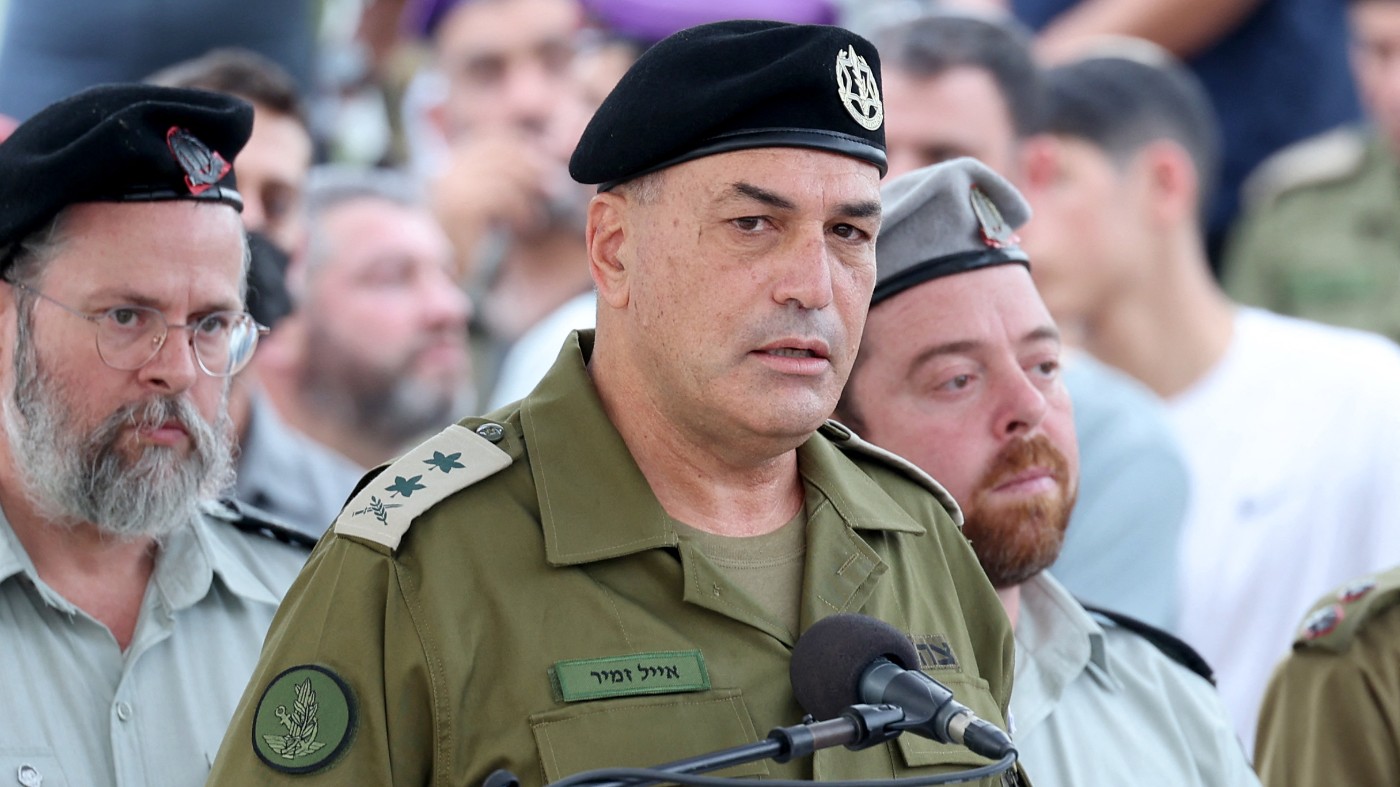
    Israel’s top military commander has expressed grave concerns in private deliberations about the catastrophic implications of escalating hostilities with Iran, even as official channels maintain public silence on the matter. Chief of Staff General Zamir, who assumed leadership of Israel’s Defense Forces in March 2025, has reportedly cautioned senior officials about the severe national security risks that would emerge from such a confrontation, according to revelations by Ynet on Thursday.

    The military establishment faces significant political pressure from Prime Minister Netanyahu’s administration to refrain from public discussion of potential consequences and strategic risks associated with military action against Iran. This suppression of military assessment occurs amid heightened regional tensions and widespread public anxiety about possible conflict escalation.

    Military strategists within Israeli defense circles anticipate that any U.S.-Israeli coordinated action against Iran could trigger a prolonged war of attrition, potentially lasting several months. This scenario would involve sustained missile attacks targeting Israeli territory not only from Iran but also through proxy forces in Lebanon, Yemen, and Iraq. The economic impact on Israel’s economy would be substantial, with defense analysts predicting severe strain on national resources.

    Despite Israel’s military preparedness following the June 2025 exchange with Iran, current planning does not account for a joint American-Israeli offensive operation. The Israeli military remains focused on rebuilding its operational capabilities and strengthening defensive positions.

    Diplomatic efforts continue simultaneously, with U.S. envoys Steve Witkoff and Jared Kushner engaging Iranian Foreign Minister Abbas Araghchi in Geneva negotiations. These talks occur against a backdrop of anticipated American military action and dangerously elevated tensions affecting the Israeli population.

    Prime Minister Netanyahu delivered characteristically stern warnings to Iran during a Knesset address, stating Israel would respond with unimaginable force to any aggression. However, the Israeli public remembers the recent conflict’s devastation—30 fatalities, 3,200 injuries, and approximately $3 billion in damages from Iranian missile strikes in June.

    The psychological and physical scars remain fresh for many citizens. In Bat Yam, near Tel Aviv, hundreds of residents still cannot return to their homes eight months after the previous conflict. Smadar Ronen, a Tel Aviv lawyer evacuated during the June strikes, describes suffering from PTSD and sleeping difficulties while criticizing the government’s inadequate support for affected civilians. Her experience mirrors that of over 15,000 evacuated residents who continue struggling with the war’s aftermath.

    Current military movements, including frequent U.S. aircraft arrivals and naval deployments in the Mediterranean, further intensify public apprehension without accompanying official reassurance, creating an atmosphere of heightened anxiety throughout Israeli society.

  • 171 bodies found in mass graves in eastern Congo, an official says

    171 bodies found in mass graves in eastern Congo, an official says

    KINSHASA, Congo — Congolese authorities have reported the discovery of mass graves containing at least 171 bodies in areas recently vacated by the M23 rebel group in eastern Congo, raising serious concerns about ongoing violence despite internationally-mediated peace efforts.

    South-Kivu provincial governor Jean-Jacques Purusi confirmed the grim findings in two locations near the eastern city of Uvira. According to his statement, one mass grave containing approximately 30 victims was located in Kiromoni, near the Burundian border, while a second site in Kavimvira held 141 bodies.

    The Local Network for the Protection of Civilians, a regional civil society organization, attempted to investigate the sites but reported being blocked by Congolese military forces. Yves Ramadhani, the group’s vice president, stated that preliminary information indicates the victims were allegedly executed by M23 rebels who suspected them of affiliations with either the Congolese army or pro-government militias.

    This development occurs against a backdrop of escalating conflict in mineral-rich eastern Congo, where the M23 rebel group has dramatically expanded from hundreds of fighters in 2021 to approximately 6,500 combatants according to UN estimates. The United Nations, United States, and Congolese government have consistently accused Rwanda of supporting the rebel organization.

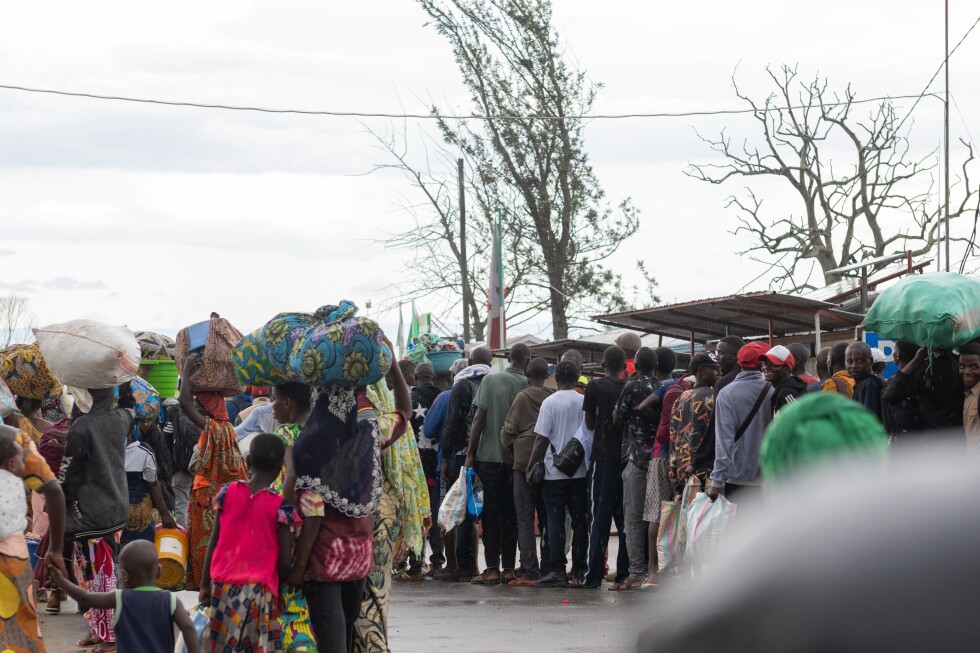
    The recent violence in Uvira alone has resulted in over 1,500 fatalities and displaced approximately 300,000 people since M23 captured the area in December. The group’s subsequent withdrawal was characterized as a “unilateral trust-building measure” requested by U.S. mediators to advance peace negotiations.

    Despite diplomatic efforts including a U.S.-brokered agreement between the Congolese and Rwandan governments, fighting persists across multiple fronts in eastern Congo. The region hosts more than 100 armed groups competing for control and has created one of the world’s most severe humanitarian crises, with over 7 million people displaced according to UN refugee agencies.

    Both Congolese military forces and M23 rebels have faced previous accusations of extrajudicial killings and human rights violations from international watchdogs. The Associated Press could not independently verify the latest allegations, and M23 representatives did not immediately respond to requests for comment.

  • Uruguay and Argentina become first Mercosur members to ratify the EU trade pact

    Uruguay and Argentina become first Mercosur members to ratify the EU trade pact

    In a monumental breakthrough for international trade, Uruguay and Argentina have formally ratified the European Union-Mercosur free trade agreement, establishing the foundation for one of the world’s largest economic blocs. This landmark decision concludes a quarter-century of complex negotiations between the trading partners, whose combined populations exceed 700 million people and represent approximately 25% of global GDP.

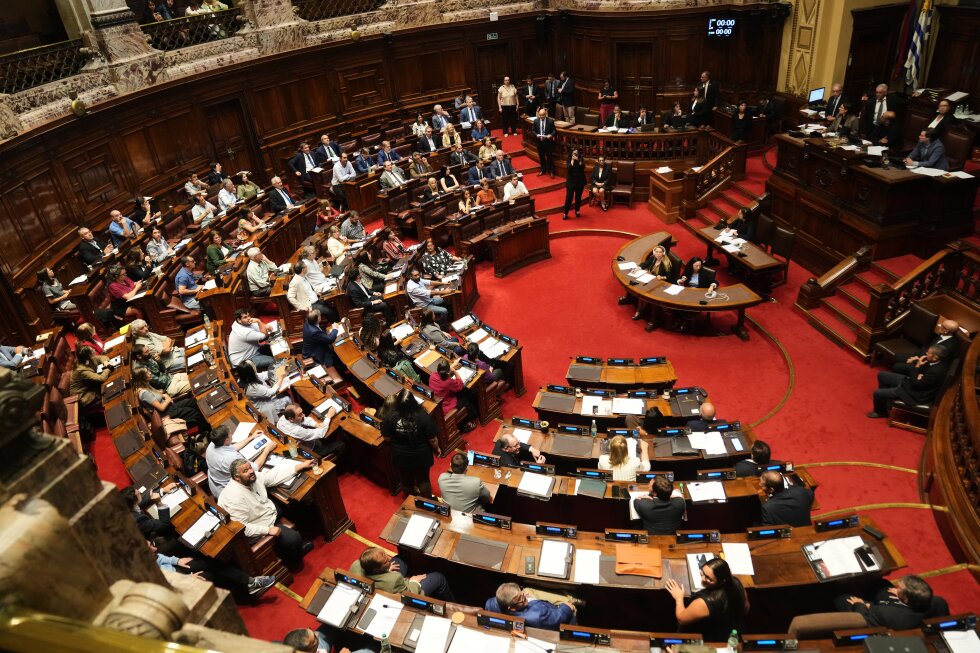
    The Uruguayan legislature demonstrated exceptional bipartisan consensus, with the lower house approving the measure by an overwhelming 91-2 margin following unanimous Senate endorsement. Congressman Juan Martín Rodríguez emphasized the nation’s determination, stating: “Uruguay has delivered a powerful message to the United States, Mercosur and Europe: after 25 years of waiting, we refuse to delay even one second longer.”

    Argentina’s Senate similarly ratified the agreement with decisive 69-3 support without abstentions, building upon the Chamber of Deputies’ February 12 approval. Despite the ruling party’s urgency to secure Argentina’s position as the first ratifying nation, legislative deliberations extended for four hours before final confirmation.

    Brazil and Paraguay, the remaining founding Mercosur members, are anticipated to formalize their approval within coming weeks. The agreement, initially signed on January 17 after resolving longstanding European agricultural competition concerns, now faces legal scrutiny from EU lawmakers who have challenged its validity in the bloc’s highest court. European Commission President Ursula von der Leyen has previously committed to implementing the agreement upon ratification by at least one Mercosur nation, though judicial proceedings may require several months.

    Upon full implementation, this trans-Atlantic partnership will create an unprecedented free trade zone that von der Leyen has characterized as a robust affirmation of multilateralism against an increasingly divisive global economic landscape.

  • Iranian press review: Seven protesters face imminent execution

    Iranian press review: Seven protesters face imminent execution

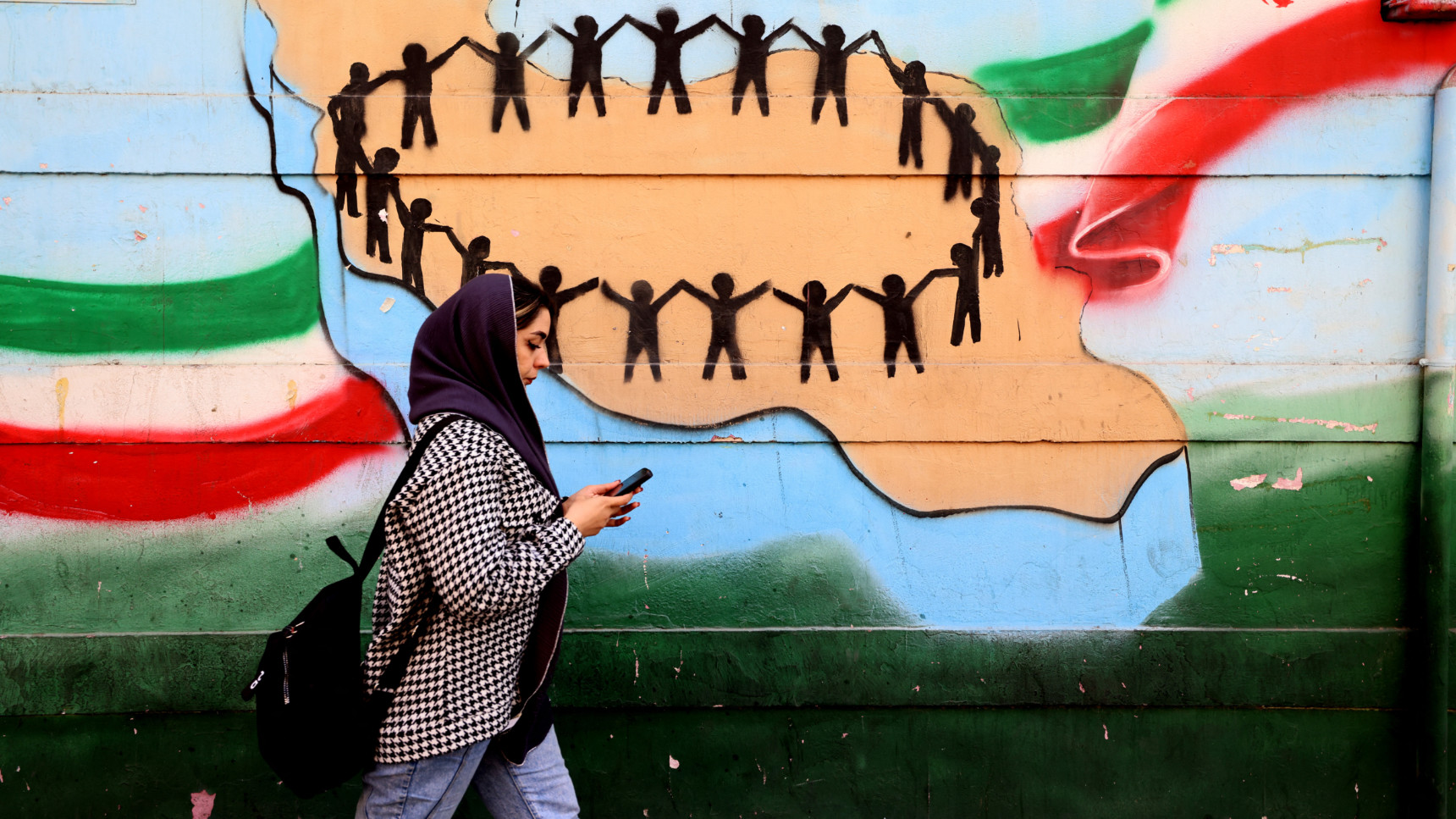
    Iranian authorities have officially confirmed the issuance of death sentences to at least seven individuals detained during recent anti-government demonstrations, marking the first domestic acknowledgment of such judicial decisions. The Norway-based Iran Human Rights organization had previously documented numerous death penalty cases among protesters, but Tehran’s confirmation signals an escalation in the government’s response to dissent.

    Legal representatives for three condemned prisoners—19-year-old Mohammad Amin Biglari, 31-year-old Yaser Rajaeifar, and 40-year-old Shahab Zohdi—revealed their clients received death rulings on February 7th. Defense attorney Hassan Agakhani disclosed that neither he nor co-counsel Maryam Sadrnia have been permitted access to case files or trial proceedings, creating severe procedural irregularities in the judicial process. Four additional defendants—Abolfazl Salehi Siavashani, Amir Hossein Hatami, Shahin Vahediparast, and Ali Fahim—face identical sentences in connection with the same case.

    The government’s delayed announcement of these sentences contrasts with previous protest responses, where executions were rapidly carried out to intimidate dissenters. This unusual postponement follows former U.S. President Donald Trump’s warning of potential military retaliation should executions proceed.

    Contradicting official statements regarding detained minors, educational activists report at least 50 students remain imprisoned despite government claims of universal releases. Mohammad Habibi, spokesperson for the Council of Teachers’ Unions, disputed Education Minister Alireza Kazemi’s assertion that all student protesters had been freed, noting families’ reluctance to publicize detentions over fears of complicating release negotiations. Authorities have attempted to justify ongoing youth detentions by claiming those held aren’t formally enrolled students—an argument legal experts reject as violating compulsory education age protections.

    Simultaneously, Iran’s electoral landscape shows further contraction of political participation. The finalized candidate list for upcoming urban and rural council elections reveals systematic exclusion of reformists and conservative critics. The Etemad daily newspaper characterized the widespread disqualifications as evidence of “structural contraction in local politics” rather than mere factional competition. Reformist figure Ismail Gerami-Moghaddam, himself barred from candidacy, condemned the purges as demonstrating governing bodies’ refusal to adapt despite mounting international pressure and domestic unrest.

    In a separate development, Iranian authorities attributed a mass text message received by approximately 50,000 citizens—purportedly from U.S. President Trump threatening imminent action—to foreign hacking of the national messaging system. This incident mirrors similar cybersecurity breaches following last year’s military confrontation with Israel.

  • Fujian reiterates private sector as a pillar of high-quality growth

    Fujian reiterates private sector as a pillar of high-quality growth

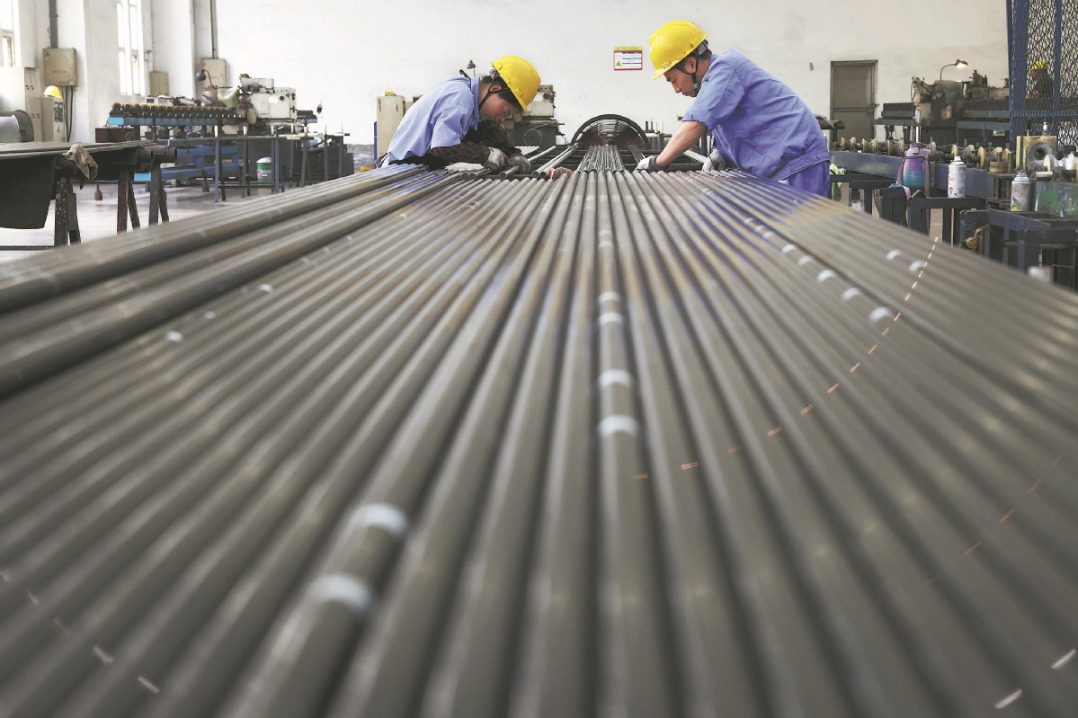
    In a powerful demonstration of policy continuity, East China’s Fujian province has emphatically reaffirmed its commitment to nurturing the private sector as the cornerstone of its high-quality development strategy. The provincial leadership convened its annual symposium with prominent private entrepreneurs on February 26, 2026—marking the sixth consecutive year that this gathering has been designated as the inaugural working session following the Chinese New Year holiday.

    The high-level dialogue provided a strategic platform for direct engagement between government officials and business leaders, facilitating substantive discussions on industrial modernization and innovation-driven growth. Entrepreneurs contributed firsthand perspectives on market dynamics and proposed concrete measures to stimulate regional economic vitality during these exchanges.

    Economic indicators substantiate Fujian’s private-sector focus: provincial GDP exceeded 6 trillion yuan ($877 billion) in 2025, with private enterprises generating 77.4% of total economic growth while achieving a 5.5% year-on-year increase in added value.

    Zhou Zuyi, Secretary of the Communist Party of China Fujian Provincial Committee, characterized the private economy as both the province’s essential vitality and distinctive competitive advantage. He articulated the government’s tripartite role as “partner,” “servant,” and “guardian,” pledging to cultivate an optimal business environment throughout the 15th Five-Year Plan period (2026-2030).

    This provincial initiative reflects a broader national trend, with multiple Chinese provinces including Anhui, Guangdong, Shandong, and Hubei simultaneously conducting their own post-holiday meetings focused on technological innovation and private sector development to launch the new five-year planning cycle.

  • Convicted stowaway arrested again after a new alleged ticketless flight from US to Italy

    Convicted stowaway arrested again after a new alleged ticketless flight from US to Italy

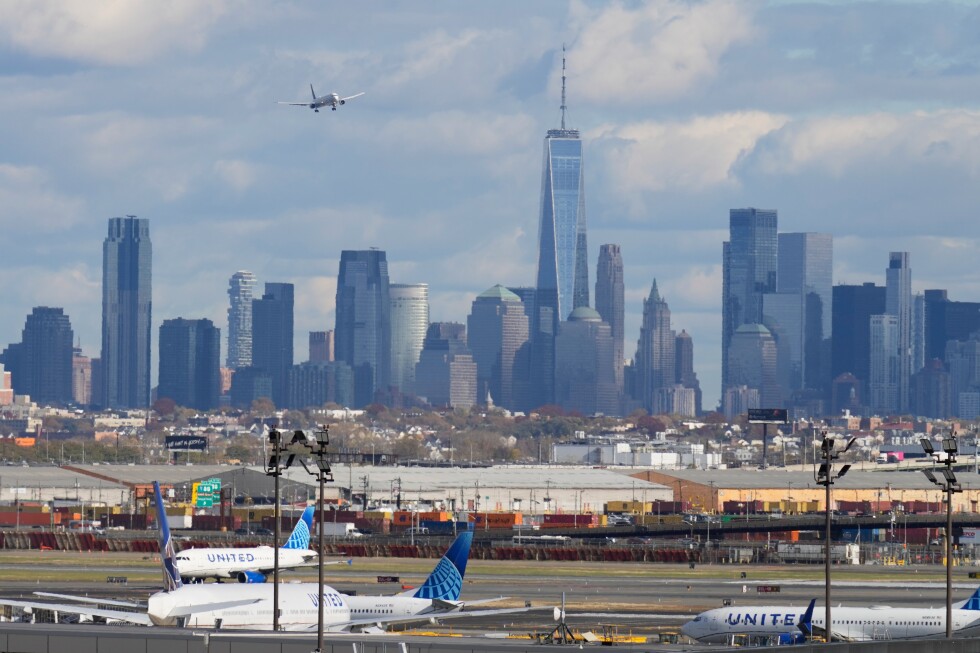
    NEW YORK – Svetlana Dali, a Russian citizen with U.S. residency previously convicted for aviation stowaway offenses, has been apprehended again after successfully boarding an international flight from Newark Liberty International Airport to Milan, Italy without authorization. The incident occurred despite her ongoing probation from a 2024 conviction for similar offenses.

    According to law enforcement officials familiar with the investigation, Dali was taken into custody Thursday at Milan’s Malpensa Airport. The individual, who spoke anonymously due to lack of authorization to discuss the case publicly, confirmed this marks at least the third documented instance of Dali bypassing airport security protocols.

    Federal Bureau of Investigation spokesperson Emily Molinari acknowledged the Newark field office’s awareness of “the alleged stowaway” incident, confirming coordination with the Port Authority of New York and New Jersey and the Transportation Security Administration regarding the ongoing investigation. United Airlines, operator of the Milan-bound flight, stated it is “investigating this incident and working with the appropriate authorities.”

    Dali’s legal history reveals a pattern of security breaches. In May 2024, she was convicted for slipping past Delta Air Lines staff at John F. Kennedy International Airport and hiding in an aircraft lavatory during a New York-to-Paris flight. Surveillance footage documented her blending with legitimate passengers to avoid detection. Upon discovery near Paris, she was returned to New York where she told FBI agents she believed people were poisoning her in the United States.

    Court documents indicate Dali received a sentence of time served in July 2024 with one year of supervised release that included mandatory mental health evaluation and treatment. Standard probation terms prohibited her from leaving her authorized judicial district without court permission.

    Prosecutors have documented additional security breaches prior to her conviction. Two days before the Paris incident, she penetrated TSA checkpoints at Connecticut’s Bradley International Airport near Hartford, unsuccessfully attempting to board a flight. In February 2024, U.S. Customs and Border Protection agents discovered her hiding in a Miami International Airport restroom after she allegedly provided false arrival information.

    Michael K. Schneider, Dali’s federal defender handling her appeal of previous charges, declined comment regarding her recent actions or compliance with mental health evaluation requirements.

  • Could a horseshoe medal solve a 26-year mystery?

    Could a horseshoe medal solve a 26-year mystery?

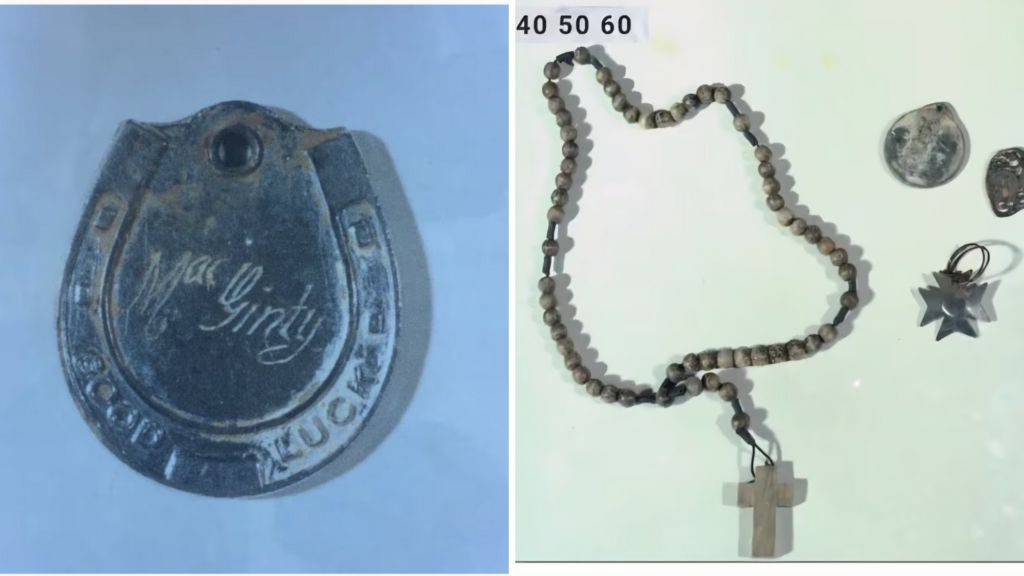
    A distinctive horseshoe-shaped medal bearing the inscription “MacGinty” has emerged as the pivotal clue in solving a 26-year-old mystery surrounding an unidentified man recovered from Cork’s River Lee. The case, recently featured on RTÉ’s Crimecall program, represents one of Ireland’s most perplexing unidentified person investigations.

    In July 1999, authorities recovered the body of a man believed to be between 40-60 years old from the river just outside Cork city. Despite extensive investigations by An Garda Síochána (Irish police), the man’s identity remains unknown. The victim carried no personal documentation, making the collection of items found with him crucial to solving the mystery.

    David Varian of Cork City Missing Persons Search And Recovery suggests the distinctive spelling on the medal could indicate origins beyond the Republic of Ireland. “The Gardaí have done extensive searching here in Ireland and nobody has been able to trace it back to this individual,” Varian noted. “The MacGinty name is popular in Scotland and Northern Ireland, with this particular spelling more common in Scotland.”

    The investigation revealed several unusual aspects about the case. The man was dressed in multiple layers of clothing, including navy trousers, green striped trousers, and blue jeans worn simultaneously. His possessions included wooden rosary beads, holy water, religious medals, a Silver Philip Mercier watch with gold face, and a Claddagh ring. His brown boots contained paper lining labeled “Reality April 99.”

    Despite comprehensive efforts including DNA analysis and cross-referencing with missing persons databases, no matches have been found. The post-mortem examination confirmed drowning as the cause of death, but decomposition prevented establishing how long the body had been in the water. Gardaí initially believed the man may have lived a “transient lifestyle.”

    The physical description indicates a man approximately 5’10” with a strong build, short neck, dark hair, and short grey facial hair. Investigators are now expanding their appeal internationally, hoping the distinctive medal and personal effects might trigger recognition from communities in Northern Ireland or Scotland.

    As Varian emphasized: “It could help give closure to a family” who may have been wondering about their missing relative for over two decades. Gardaí continue to request anyone with information to come forward.