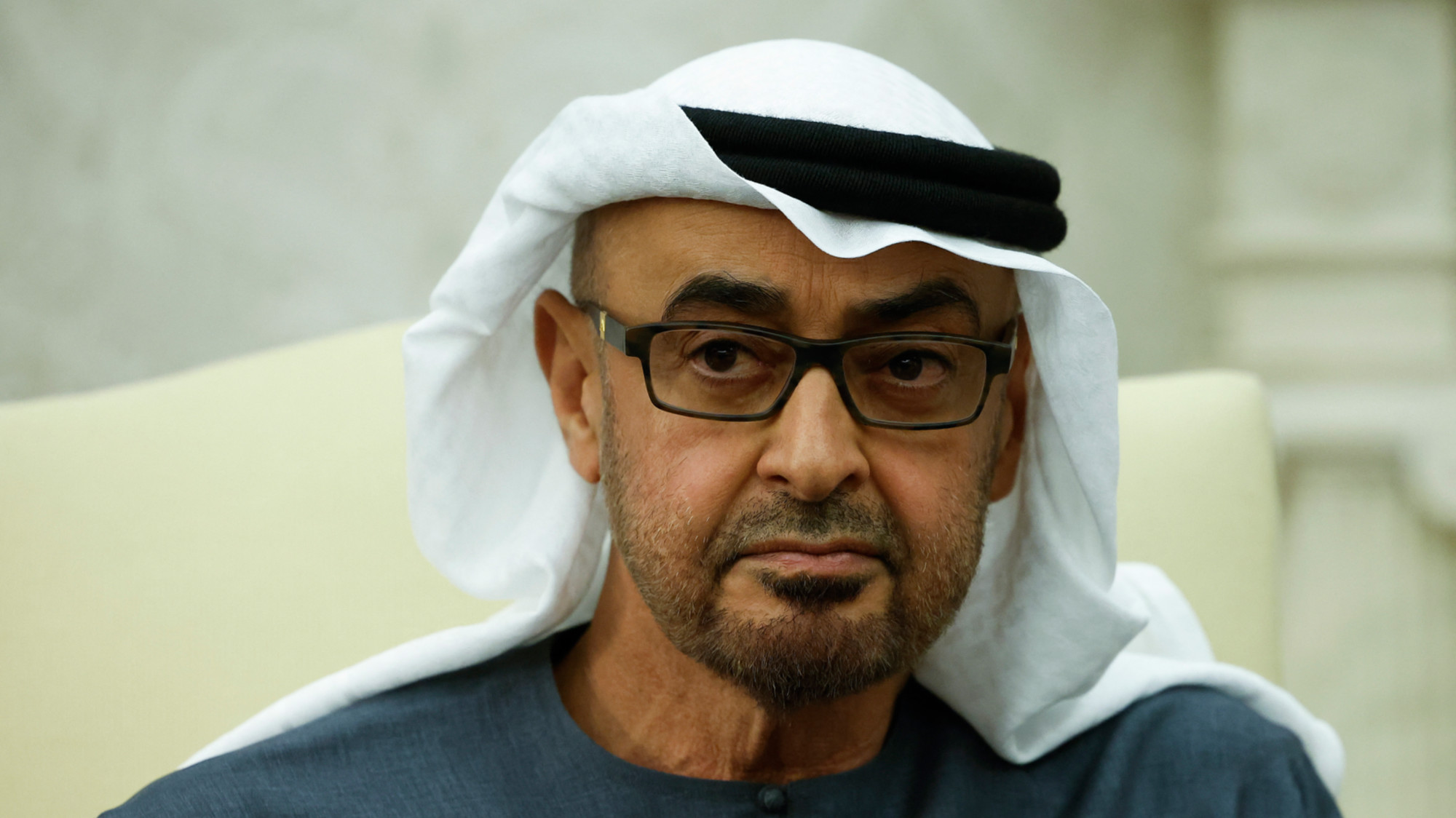
A bombshell investigation tied to a forthcoming investigative book has pulled back the curtain on a previously undisclosed warning that the United Arab Emirates president delivered to Israeli Prime Minister Benjamin Netanyahu weeks before the devastating October 7 Hamas attacks — a alert that Netanyahu reportedly dismissed and hid from his nation’s top security and military command. The findings were first published Tuesday by Israeli newspaper Haaretz, drawing from three senior international sources with direct knowledge of the 45-minute confidential phone call that took place between the two leaders in late September 2023. According to a Gaza-born advisor to UAE leader Mohammed bin Zayed Al Nahyan, bin Zayed made clear in the call that his intelligence assessment pointed to Hamas leader Yahya Sinwar preparing a large-scale, high-impact operation against Israel. The UAE president urged Netanyahu to put Israeli security forces on high alert, while also advising that Israel pursue an economic relief plan for the Gaza Strip and de-escalate tensions in the West Bank to head off the coming crisis. This warning was rooted in direct threats Sinwar issued through a Palestinian Fatah intermediary, later identified by Middle East Eye sources as Sufyan Abu Zayda, a veteran Fatah leader born in Gaza’s Jabalia refugee camp and a former Palestinian Authority cabinet minister. Sinwar explicitly told Abu Zayda, who is known to Israeli intelligence under the alias “black eyes”, that Israel would face an unprecedented “earthquake” if no progress was made toward a negotiated deal. The investigation also reveals that this exchange was not the first unheeded warning: prior international and Israeli media reports have already confirmed that Egyptian intelligence also issued an urgent alert to Netanyahu just days before the attacks, with then-Egyptian intelligence chief Abbas Kamel warning of “something unusual, a terrifying operation” in the works. In both cases, Netanyahu downplayed the threat, telling both leaders that Hamas’ actual target was the West Bank, not Gaza, and that Israeli forces already had full control of the situation in Gaza. Following the October 7 attacks, the investigation uncovered another staggering detail: Hamas offered to release all civilian captives it had seized immediately after the assault, with no concessions demanded in return. The offer was rejected outright by Israeli officials, the report claims. The investigation also shines new light on secret, indirect negotiations between Israel and Hamas that took place in early 2023, focused on a gradual deal that would end the years-long blockade of Gaza, expand economic access for Gaza residents, and facilitate a prisoner exchange: four Israelis held in Gaza since 2014 and 2015 (including the remains of two Israeli soldiers) would be released in exchange for dozens of Palestinian prisoners held by Israel. The talks collapsed entirely in August 2023, after Netanyahu indefinitely postponed a required committee meeting to approve the prisoner release that would have kept the process moving. It was after the delay that Sinwar issued his explicit earthquake threat, which was passed along to both Israeli officials and bin Zayed, forming the core of the UAE president’s final warning to Netanyahu. Netanyahu has issued a full denial, claiming the phone call with the UAE president never took place and that he never received such a pre-attack warning. These new revelations, published ahead of the release of the book *Hostages: 843 Days of Abandonment* by veteran journalists Shlomi Eldar and Ruth Yuval, are already fueling new criticism of Netanyahu’s leadership and the multiple intelligence and policy failures that preceded the October 7 attacks.
作者: admin
-
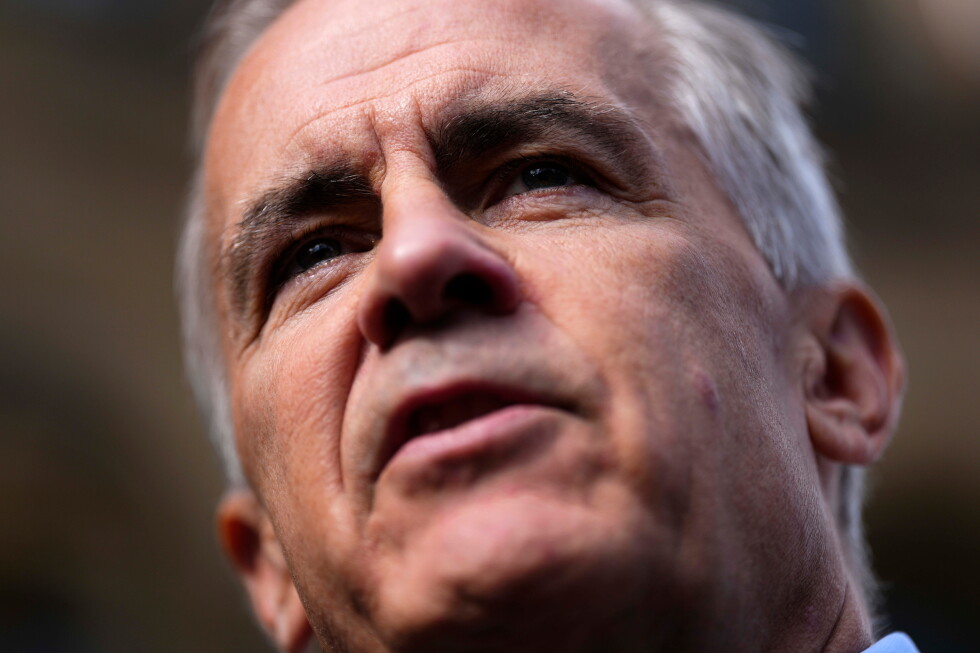
Canada’s tariffs take effect as it seeks closer EU ties and awaits Trump response
TORONTO – As new retaliatory tariffs on roughly $20 billion worth of American imports went into effect this Tuesday, Canadian Prime Minister Mark Carney announced an aggressive accelerated plan to reduce Canada’s decades-long overreliance on the U.S. economy while deepening economic and political ties with the European Union. The announcement comes as Ottawa braces for potential further trade escalation from U.S. President Donald Trump, whose recent trade actions have fractured one of the world’s closest bilateral partnerships.
In a pre-recorded policy address outlining Ottawa’s strategy to weather the expanding trade conflict, Carney argued that 40 years of deepening North American economic integration had created an unbalanced dynamic that left Canada overly vulnerable to U.S. policy shifts. “In too many areas, they wanted dependency, not a true economic partnership,” Carney said, noting that the long-standing status quo of concentrated trade with the U.S. had run its course. “It was easy business, but it meant we relied too much on one economic partner. That time is over.”
A senior Canadian official, speaking on condition of anonymity due to restrictions on discussing internal negotiations publicly, confirmed that Ottawa is exploring a broad range of options to deepen its relationship with the EU, falling just short of full membership. Current proposals include expanding existing bilateral trade agreements, negotiating a new comprehensive partnership treaty, and building out targeted frameworks for sector-specific cooperation. The federal government has already begun consulting with provincial and territorial governments as well as labor organizations to shape the future relationship, though no final institutional model has been selected.
Carney is scheduled to travel to Strasbourg, France next week, where he will attend European Commission President Ursula von der Leyen’s annual State of the European Union address on September 16 and deliver a speech to the European Parliament the following day, in what is widely seen as a diplomatic push to advance the new partnership agenda.
The breakdown in Canada-U.S. trade relations has upended a bilateral bond defined by deeply integrated supply chains, aligned defense cooperation, and long-standing security coordination. Trump first imposed sweeping tariffs on Canadian goods during his first presidential term, despite repeatedly praising the updated North American trade agreement he negotiated; many of these duties have since been found to violate the terms of the pact. Following the collapse of formal Canada-U.S. trade talks on August 21, the Trump administration has imposed additional new tariffs and launched a series of rhetorical attacks framing Canada as economically weak and dependent on U.S. goodwill.
Carney defended Ottawa’s decision to impose dollar-for-dollar retaliatory tariffs, noting that the measures affect hundreds of U.S. products including steel, aluminum, cheese, home appliances, clothing, cosmetics, and agricultural equipment, with rates ranging from 15% to 50%. The tariffs cover approximately 6% of the $333.6 billion in goods the U.S. exported to Canada in 2024. “We can’t let American goods into Canada tariff-free while they charge our companies to export to them,” Carney said, adding that Canada has no intention of escalating the conflict unnecessarily, but the tariffs are a non-negotiable protection for Canadian workers and industries.
The prime minister also explained Ottawa’s decision to walk away from recent negotiations, citing unacceptable U.S. demands that included eroding Canada’s French-language and cultural protections, gaining veto power over Canada’s future third-party trade deals, and pushing for terms that would weaken Canada’s critical auto, steel, and forestry sectors.
Carney acknowledged that the trade shift and ongoing conflict will bring short-term economic pain to Canada, but argued that inaction would carry far higher long-term costs. He emphasized that the government will accelerate domestic investment in infrastructure and industrial capacity while expanding trade ties with what he called “trusted partners” around the globe. Currently, more than 70% of Canadian exports still flow to the United States, underscoring the massive scale of Carney’s diversification goal. The prime minister reported that Canadian exports to non-U.S. markets are already growing sharply and are on track to double within the next decade.
U.S. Trade Representative Jamieson Greer has already hinted that Washington could respond with further retaliatory measures, including blocking targeted Canadian products from accessing the U.S. market. But the senior Canadian official made clear that Ottawa has no plans to reverse course regardless of what action Trump takes, even in the event of what the official described as a “nuclear response.” Ottawa’s core strategy will remain focused on strengthening domestic industrial capacity and expanding trade diversification, the official confirmed.
Trump’s trade policies and repeated provocative comments about making Canada the “51st state” have sparked widespread public anger across Canada and unified domestic support for Carney’s hardline position. Canadian consumers have sharply cut travel to the U.S. and organized widespread boycotts of American goods, a grassroots movement Carney has publicly praised. “Every time we choose to buy Canadian and travel in Canada, we are sending a message that nobody is in the stands, 40 million of us are on the ice,” Carney said.
The movement has even trickled down to the provincial level: British Columbia Premier David Eby announced this week that the province will install new signs at all U.S. border crossings reading: “Welcome to British Columbia, Canada. Strong, proud and will NEVER be the 51st state. Sorry!” Eby added, “While our kindness is one of our greatest strengths, you should never, ever mistake that kindness for weakness.”
Formal negotiations between the two sides have not resumed since the collapse of talks in August, though Gabriel Brunet, a spokesman for Canadian Trade Minister Dominic LeBlanc, confirmed that low-level officials from both countries remain in sporadic contact. Wendy Cutler, a former senior U.S. trade negotiator, noted that neither side appears willing to make the first concession to restart talks, a dynamic rooted in domestic political positioning.
“With a growing public approval rating now topping 70%, Prime Minister Carney is not in any hurry to reach out to Washington. But importantly, he has not closed the door to talks,” Cutler explained. “Clearly, at this point each side does not want to look too anxious to reengage in fear of looking weak.”
The outcome of this trade standoff carries global implications, as it will test whether a close smaller ally of the U.S. can resist sustained economic pressure from Washington without being forced to make unwanted policy concessions.
-
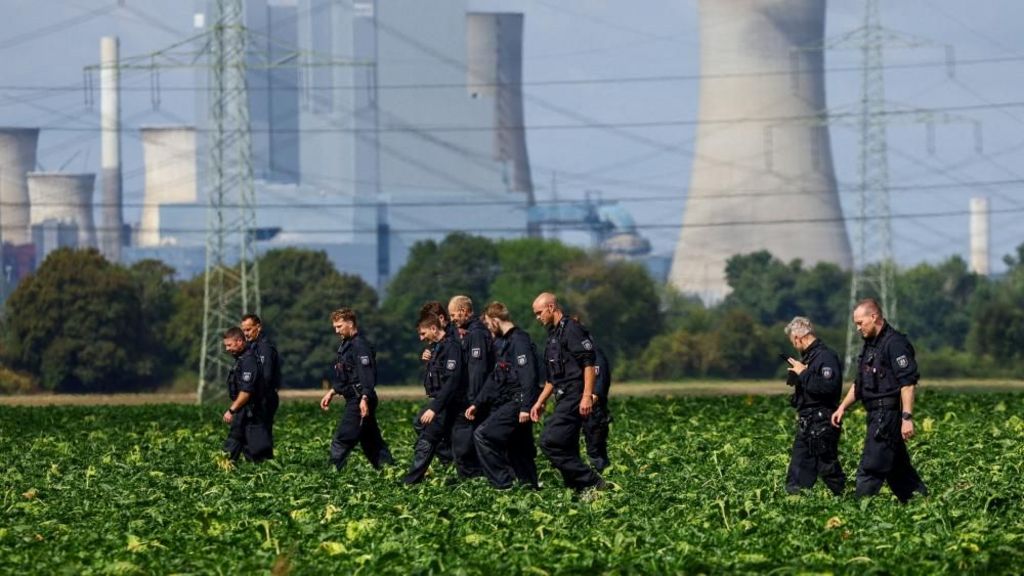
German police arrest suspected power grid saboteur after manhunt
After days of a nationwide manhunt, German law enforcement has taken into custody a 48-year-old man suspected of orchestrating a coordinated series of sabotage attacks targeting the country’s critical electricity infrastructure. Cologne police confirmed the suspect was apprehended on Tuesday in the vicinity of the Weisweiler power plant in western Germany, where he was found in possession of explosive materials at the time of arrest.
Investigators later discovered a secondary cache of explosives that had been rigged in a tent hidden in nearby undergrowth, adding to the scale of the potential threat the suspect posed. Bomb disposal specialists have been deployed to examine all recovered explosive devices, while search teams continue to sweep the surrounding area to rule out any unaccounted-for explosive devices that may have been placed ahead of the arrest.
Identified by German media outlets as Daniel V. – in line with the country’s strict privacy regulations that prohibit publishing full surnames of criminal suspects – the man is believed to have sent multiple handwritten letters claiming responsibility for the sabotage campaign, which spanned three German states: Brandenburg and Saxony in the east, and North Rhine-Westphalia in the west. Major German newspaper Frankfurter Allgemeine Zeitung confirmed it received two of the confession letters, which contained non-public details about the attacks only the perpetrator would know, and were signed with the suspect’s first name and listed a residential address in Gevelsberg.
The pattern of attacks that unfolded over the past week has followed a consistent, damaging blueprint: attackers used rockets to launch conductive wires across high-voltage transmission cables, triggering intentional short circuits that forced multiple power-generating units at affected plants to be temporarily taken offline. A day before the suspect’s arrest, on Monday afternoon, investigators had already discovered several unexploded launch devices near high-voltage lines outside the Weisweiler facility, alongside a third confession letter linking Daniel V. to the plot.
During the manhunt, police publicly released the suspect’s photo to German media outlets to solicit public tips as they tracked his movements across the country. A search of the suspect’s Gevelsberg apartment conducted prior to his capture had already turned up stockpiles of explosive materials, according to previous police statements.
In Saxony, one of the hardest-hit states, law enforcement found 21 separate explosive devices placed near high-voltage power lines during searches conducted last Friday and Saturday. German Interior Minister Armin Schuster acknowledged that the coordinated campaign came perilously close to causing a widespread regional blackout that would have disrupted critical services and daily life for tens of thousands of residents, though he urged the public and media to avoid drawing premature conclusions about the suspect’s motive or broader connections.
“This case is unusual both in the method of the attacks and the way the suspect has claimed responsibility,” Schuster told reporters. A joint statement released Tuesday by the Cologne Public Prosecutor’s Office and Cologne Police did not share additional details about the suspect’s background, potential motives, or the full scope of attacks he is suspected of carrying out, as the investigation remains ongoing.
-
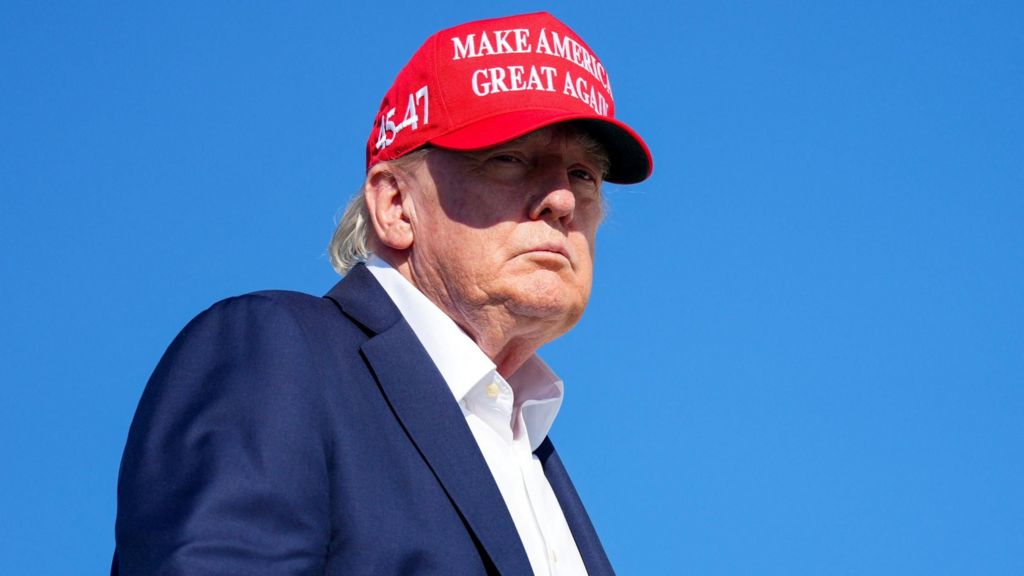
Iceland summons US ambassador over Trump’s stars and stripes map
A provocative social media post from former U.S. President Donald Trump has sparked widespread diplomatic pushback from multiple sovereign nations, reigniting long-standing concerns over his repeated expansionist territorial ambitions. On Monday, Trump shared a manipulated map on his platform Truth Social that depicted the entire North American continent, Greenland, Iceland, and the Caribbean islands all overlaid with the U.S. stars and stripes, with the entire combined landmass labeled “United States of America.” The map was posted without an explanatory caption, and it was followed by a string of additional posts proposing renaming the U.S. state of New Mexico as “New America.”
In response to the inflammatory post, Iceland has formally summoned the newly seated U.S. Ambassador to Reykjavik, Billy Long, who assumed his post just last month. Iceland’s Foreign Minister Þorgerður Katrín Gunnarsdóttir publicly condemned the share, calling it “completely inappropriate.” The act of summoning an ambassador is a long-standing diplomatic convention used to formally convey a host nation’s strong displeasure with actions taken by the ambassador’s home government.
This incident is far from an isolated provocation: Trump’s repeated interest in absorbing additional territory has strained Washington’s ties with neighboring and allied nations for years. Long before this map post, Trump made headlines with his public push to purchase the autonomous Danish territory of Greenland, and he has repeatedly floated the idea of annexing Canada as the 51st U.S. state. Since returning to office last year, his interest in Greenland has only intensified, with the former president arguing that control over the Arctic island is critical to shoring up U.S. national security in the region.
Danish Prime Minister Mette Frederiksen also joined in criticism of the map post during a visit to Nuuk, Greenland’s capital. Speaking to Danish news outlet Ritzau, Frederiksen emphasized that Greenland’s position on sovereignty has been repeatedly and clearly stated. “The Greenlandic government and the Greenlandic people have said again and again that they do not want to be American,” she said. “I hope no one is in any doubt about that, either in the United States or the rest of the world.”
Frederiksen’s comments came just days after the European Commission announced a €200 million (£172 million) investment package for Greenland, unveiled during a joint visit by Commission President Ursula von der Leyen and Frederiksen. The funding is earmarked for upgrades to local education systems, expanded broadband internet connectivity, sustainable development of Greenland’s raw material sectors, and improvements to its hydropower infrastructure.
Mexico has also issued a sharp rebuke of Trump’s map. Mexican President Claudia Sheinbaum issued a formal statement on social media rejecting any implication of Mexican territorial concession, writing that “Mexico is neither nor will be a colony or protectorate of any foreign country. Proudly we are a free, independent, and sovereign nation.”
The incident has drawn renewed international attention to Trump’s unconventional approach to territorial claims and diplomatic relations, raising questions about how repeated expansionist rhetoric could further erode trust between the U.S. and its closest regional allies.
-
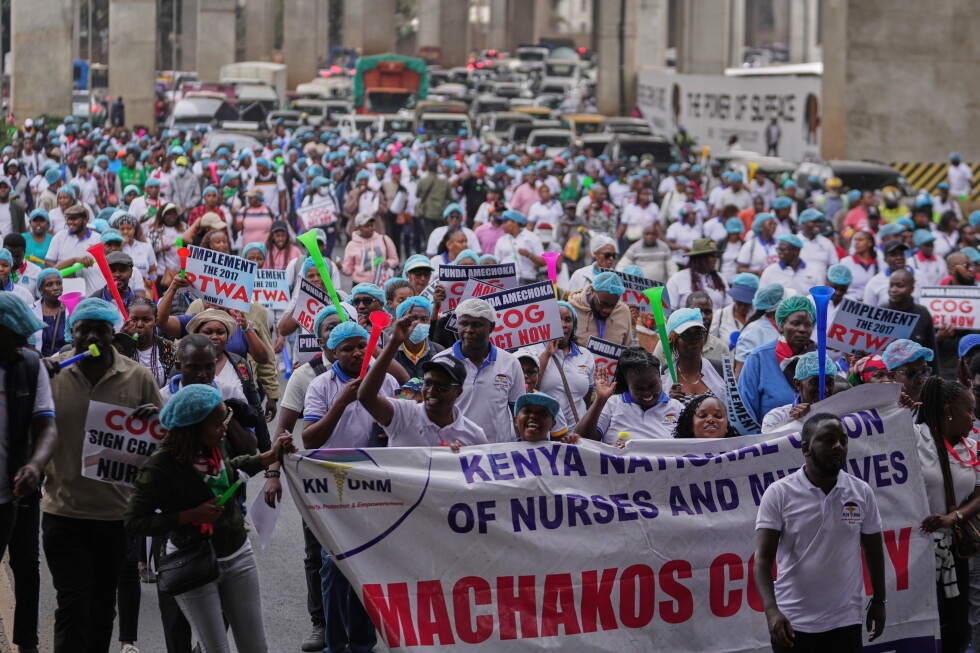
Kenya’s doctors threaten to join strike by nurses, citing increased workload in hospitals
NAIROBI, Kenya — As a nurse-led strike enters its sixth week, Kenya’s healthcare system is facing escalating pressure, with the country’s doctors’ union threatening to join the industrial action if the government fails to resolve the dispute within seven days. The ongoing walkout has already strained hospital operations nationwide, with doctors reporting crippling increases to their already heavy workloads amid persistent staffing shortages.
The roots of the current crisis stretch back to 2017, when nurses signed a collective bargaining agreement with the government following a six-month strike. That agreement, which included promises to adjust uniform and service allowances that had gone unchanged for nearly a decade, has never been implemented. The government has cited binding budgetary constraints as the primary barrier to honoring the terms of the deal, a justification union leaders reject as unfair to frontline nursing staff.
Dr. Davji Bhimji Atellah, secretary-general of the Kenya Union of Doctors, announced the ultimatum in a post on X on Tuesday, emphasizing that the interconnected nature of healthcare means a breakdown in one sector harms the entire system. “We will not watch silently as the healthcare system we have dedicated our lives to serving is allowed to deteriorate,” Atellah wrote. “When one part of healthcare is compromised, we all suffer. And when we stand together, we protect our patients together.” Atellah added that doctors are already overstretched by existing staffing gaps and cannot absorb the additional work left vacant by striking nurses, noting that a functional healthcare system depends on collaborative teamwork across all roles.
Hundreds of striking nurses took to the streets on Tuesday, marching five kilometers to the offices of the Council of Governors (COG), the coordinating body for Kenya’s 47 county governments. James Murimi, one of the marching nurses, explained that the 2017 agreement was meant to update long-outdated allowances that have now accumulated into nine years of unpaid arrears owed to nurses by the national and county governments. “Since then, these allowances have never been improved. And they have so far accumulated for nine years. So the COG, or the government of Kenya, or the National Republic of Kenya, owes us nine years’ worth of arrears,” Murimi said.
Seth Panyako, head of the Kenya National Union of Nurses, accused the government of deliberately sidelining healthcare in its national budgeting process, saying the result is unnecessary suffering for Kenyan patients accessing care at public hospitals. “The excuse that there was no budget to implement the 2017 agreement was unfair to nurses who work hard to provide healthcare services,” Panyako said Monday.
On Tuesday, the COG and the national Salaries and Remuneration Commission were scheduled to hold talks focused on nurse remuneration, a key step toward resolving the dispute. Last week, COG chair Ahmed Abdullahi called on striking nurses to suspend their industrial action and enter good-faith negotiations, noting that a court had already ruled the current strike illegal and warned that individual county governments would take disciplinary action against participating nurses.
The crisis has already drawn condemnation from national legislators, with the Kenyan Senate taking up the issue on Tuesday amid reports of closed dispensaries and rising patient mortality in affected counties. Sen. Samson Cherargei of Nandi County labeled the situation a “national crisis” and blamed the COG and Salaries and Remuneration Commission for a recent “surge in deaths” linked to the service disruptions.
-
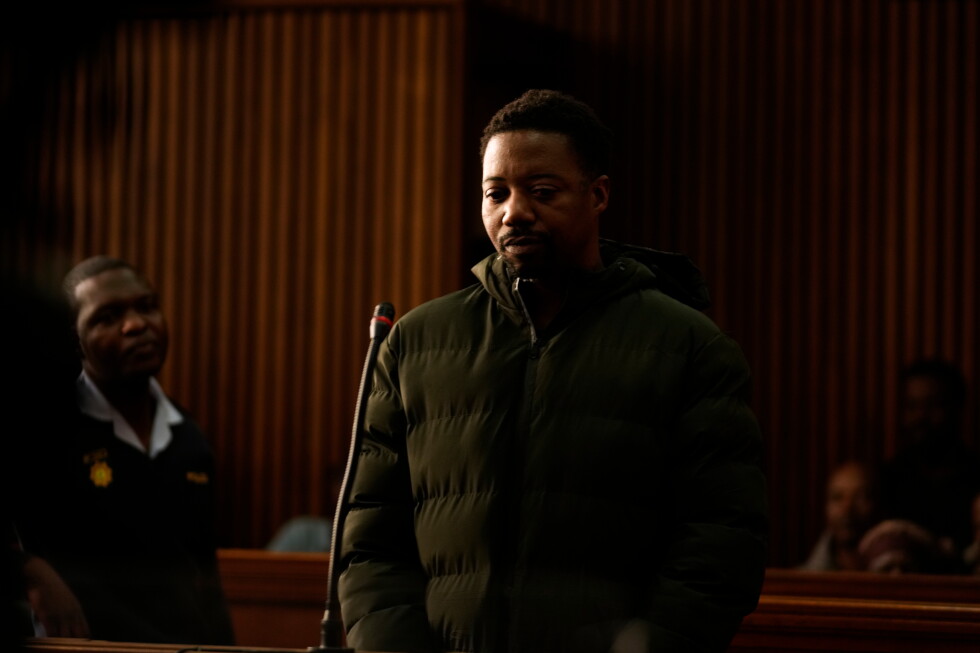
Man wanted over killings of wife and daughters in UK pleads guilty to gun offenses in South Africa
JOHANNESBURG, South Africa — In a key procedural development in an international murder manhunt, a British man named Ndodana Mkhanyisi Tshuma, who is wanted by UK law enforcement for the brutal killing of his wife and two young daughters, entered guilty pleas to weapons and immigration offenses Tuesday at a South African court. The pleas were part of a formal plea agreement negotiated between Tshuma’s legal team and South African prosecuting authorities. The charges to which he admitted guilt include unlawful possession of a firearm, unlawful possession of ammunition, and violating South Africa’s immigration laws by entering the country while he was a flagged fugitive from British justice.
The case traces back to early July, when the bodies of Tshuma’s family members were discovered inside their residence just outside the town of Bedford, located north of London. On July 6, first responders found 39-year-old Nothabo Zandile Tshuma, 15-year-old daughter Natalie, and 5-year-old daughter Nala dead at the home; all three victims had sustained fatal blunt force head injuries, according to initial forensic examinations.
British law enforcement investigators have built a timeline showing that Tshuma, a British citizen with Zimbabwean roots, departed the United Kingdom on July 4, two full days before his family members’ bodies were located. Investigators say he traveled first to Zimbabwe before crossing the border into South Africa, where he remained at large until Interpol distributed a global red notice for his arrest. Acting on that alert, South African law enforcement officers apprehended Tshuma in Johannesburg on July 10, and recovered an unlicensed gun and matching ammunition in his possession at the time of arrest.
South African police have publicly stated that based on evidence collected after the arrest, they believe Tshuma intended to use the seized firearm to die by suicide before he could be taken into custody. Now, following Tshuma’s guilty pleas in the South African court case, local authorities confirmed that they will move forward with formal extradition proceedings to transfer Tshuma back to the United Kingdom once all outstanding local legal matters are fully concluded. Upon his return to the UK, Tshuma will face three separate counts of murder for the deaths of his wife and daughters, British prosecutors confirmed. The case has drawn cross-continental attention as an example of international law enforcement cooperation to bring a suspected killer to justice.
-
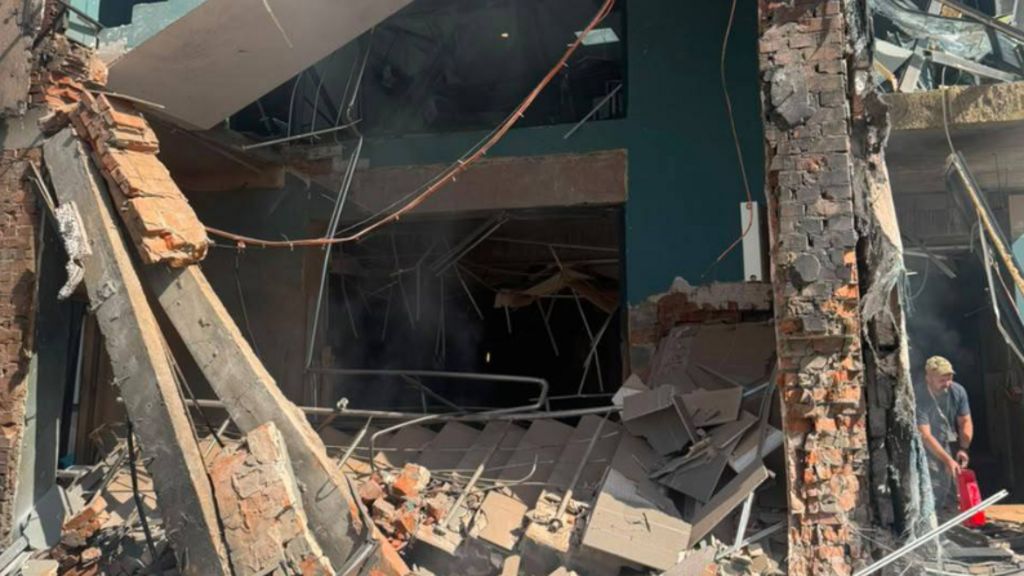
Ukrainian TV channel building hit by Russian drone as five killed in Kyiv
Just days after high-stakes talks between top envoys of former US President Donald Trump and officials in both Moscow and Kyiv failed to deliver a lasting ceasefire, Russia launched a new wave of air attacks across Ukraine on Tuesday, killing at least five civilians in Kyiv and partially destroying the headquarters of a major Ukrainian television channel.
The daytime drone strike targeted the building housing “We are Ukraine” TV channel in the heart of Ukraine’s capital, while the outlet’s journalists were in the middle of a live broadcast. President Volodymyr Zelensky confirmed that at least five people were wounded in the attack, and official photos shared by Zelensky show a large section of the multi-story building collapsed after the impact.
Ukrainian emergency services reported that the fatalities from overnight and Tuesday’s daytime strikes across Kyiv climbed to five by the afternoon. The overnight wave of missile and drone attacks killed three residents and injured 25 more, damaging multiple residential structures including a five-story apartment block in Kyiv’s Solomianskyi district. Fires also broke out at multiple vehicle parking lots in the Podilskyi district. As air raid sirens wailed across the city, thousands of Kyiv residents followed their long-established wartime routine, fleeing to underground metro stations to wait out the attacks, a scene that has become repeated across the capital since Russia launched its full-scale invasion in 2022.
This attack comes on the heels of a three-day tentative agreement between Moscow and Kyiv to pause strikes on one another’s capitals, arranged to allow Trump’s envoys Steve Witkoff and Jared Kushner to visit both capitals for peace talks over the weekend. Zelensky condemned the drone strike on the Ukrainian media outlet as an deliberate act of aggression against independent journalism, calling it “a new page in Russian degradation.”
“Today, Russia carried out a strike on the media, journalists. Russia must be stopped, and this is possible only through joint efforts,” Zelensky said in a renewed appeal to Ukraine’s allies across Europe, the United States and the broader international community for continued military and diplomatic support.
Analysts from BBC Verify have found that Kyiv is now facing more daily air raid alerts than at any point since the start of Russia’s full-scale 2022 invasion, marking a sharp escalation in air attacks on the capital in recent weeks.
In a tit-for-tat exchange, Ukraine launched its own drone strike on the Russian city of Saratov overnight, damaging multiple civilian buildings, according to Saratov regional governor Roman Busargin. No immediate fatalities were reported from the Ukrainian side of the attack.
The weekend talks between Trump’s envoys and leadership on both sides ended with no major breakthroughs, despite optimistic hints from the US delegation. Following the meetings, Zelensky warned that he expects the full-scale war to continue through the coming winter, and said he saw no indication that Russia is prepared to make meaningful concessions to end the conflict.
In Moscow, senior Putin adviser Yuriy Ushakov told reporters that the US envoys were briefed on what Russia called “significant advances made by the Russian armed forces” on the front lines, and reaffirmed that the Kremlin would not back down until it achieves all of its stated war objectives, which include forcing Ukraine to cede large swathes of sovereign territory to Russia.
Witkoff, one of the lead US envoys, only said that “substantive progress was made” during the talks, declining to share any further details on what topics were discussed or what agreements were reached. Zelensky confirmed that the two sides had agreed to schedule a follow-up meeting in the near future for officials from Ukraine, the United States and Europe to continue negotiations. He also repeated his call for a direct trilateral meeting with Russia and the United States to discuss terms for a lasting ceasefire.
-
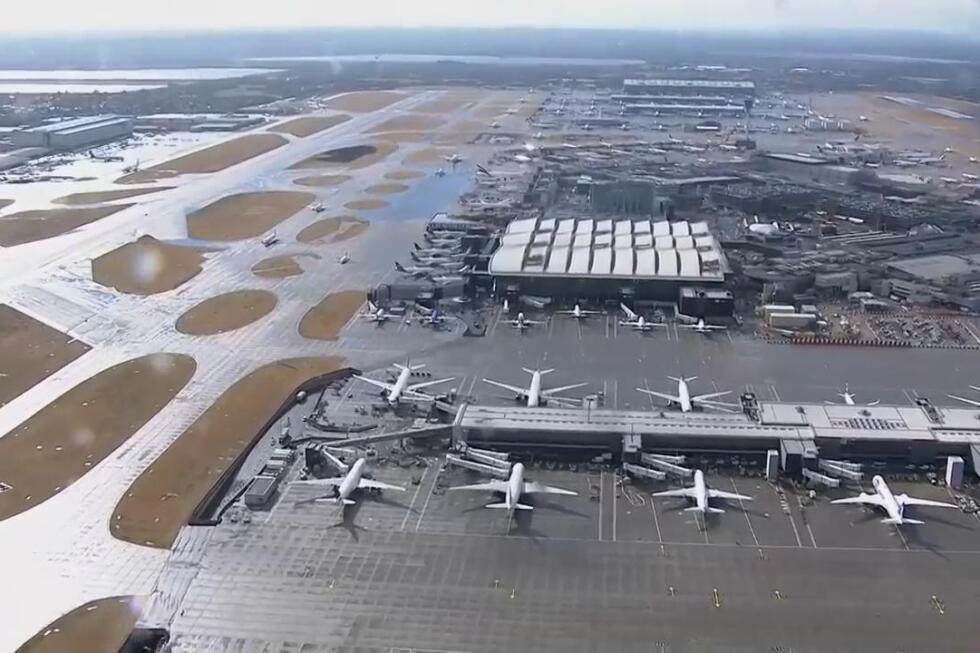
UK air traffic control glitch prompts nearly 300 cancellations, monitor says
LONDON — A sudden technical glitch in the United Kingdom’s national air traffic control system triggered widespread travel chaos on Tuesday, forcing the cancellation of nearly 300 flights across the country, according to data from leading flight monitoring platform Flightradar24.
Early Tuesday afternoon, Britain’s National Air Traffic Services (NATS) first confirmed the issue, noting that the technical fault was primarily impacting outbound flights, and that engineering teams had been deployed to address the problem on an urgent basis. By later in the day, the regulator released an update confirming that a technical solution had been rolled out, and flight operations had begun to gradually return to normal. NATS also issued a formal apology to passengers and airlines for the widespread travel disruptions.
In a post shared on the social platform X, Flightradar24 detailed that the outage impacted dozens of flights operated by a range of major carriers across Europe, including the UK’s own British Airways and EasyJet, as well as Dutch flag carrier KLM and Germany’s Lufthansa.
Major aviation hubs across the UK reported disruptions tied to the system failure, including London’s three busiest airports: Heathrow, Stansted, and London City. Airports in Manchester, Birmingham, multiple regions across Scotland, and other sites around the country also confirmed scheduling interruptions, and issued official warnings advising all travelers to confirm their flight’s status directly with their operating airline before heading to the airport.
EasyJet, a prominent budget airline operating extensively across the UK and Europe, confirmed that a portion of its scheduled services could not operate as planned due to the failure, adding that the knock-on effects of the outage caused delays to flight routes across the entire European continent.
Heathrow Airport’s official online schedule showed that most of the canceled and delayed services on Tuesday were short-haul outbound flights bound for destinations across Europe. Notably, inbound flights to the UK did not appear to experience significant impacts from the technical issue. As of Tuesday, authorities had not yet released an initial assessment of what underlying cause triggered the technical failure.
-

Dembélé, Kane and Mbappé headline shortlist for Ballon d’Or, Putellas leads women’s contenders
The annual race for the prestigious Ballon d’Or is officially underway, with France Football magazine revealing the full shortlists of 30 men’s and 30 women’s candidates this Tuesday. This year’s iteration carries extra significance: to celebrate the 70th anniversary of the first award, won by England’s legendary Stanley Matthews in 1956, the October 26 winner announcement ceremony is shifting from its long-time Paris home to London. The voting period for 2026 covers all performances between August 3, 2025 and July 19, the date of this year’s FIFA Women’s and Men’s World Cup final.
On the men’s side, the list of top contenders reads like a who’s who of global soccer, headlined by last year’s defending champion Ousmane Dembélé, Bayern Munich’s Harry Kane, and France superstar Kylian Mbappé. Also among the nominees is 2024 winner Rodri, the linchpin of Spain’s second World Cup title run, and eight-time recipient Lionel Messi, who earned his spot after leading Argentina to a World Cup runner-up finish and claiming the Major League Soccer trophy with Inter Miami. In a notable shakeup, three other active former Ballon d’Or winners—Cristiano Ronaldo, Karim Benzema, and Luka Modric—did not earn a spot on the 2026 shortlist. For another year, no goalkeeper was nominated, leaving Soviet legend Lev Yashin as the only keeper to ever claim the honor, a record he has held since 1963. Geographically, the nominee list carries some surprises: Italy, the Netherlands, and Germany failed to place any representatives after Italy missed World Cup qualification, and only one Serie A player—Inter Milan’s Lautaro Martínez—earned a spot.
Dembélé, who secured a second consecutive Champions League title with Paris Saint-Germain this season, enters the race with a strong chance to become a rare back-to-back winner. PSG’s dominance in this year’s race is unmatched: Dembélé is one of nine current PSG players nominated, with 10 total when including recent signing Ferran Torres, who scored Spain’s game-winning goal in the World Cup final. In a candid interview with France Football, Dembélé expressed confidence that the trophy would stay in PSG’s hands, even declining to name himself among his personal top contenders, highlighting teammates Khvicha Kvaratskhelia, Joao Neves, Fabian Ruiz and Willian Pacho alongside Kane and Mbappé instead.
For Mbappé, who joined Dembélé on France’s World Cup squad that exited in the semifinals against eventual champion Spain, his candidacy is driven by historic individual achievement. Despite France falling short of a title, Mbappé broke a longstanding record to become the all-time leading goalscorer in men’s World Cup history, notching his 22nd goal in fewer appearances than the previous record holder Lionel Messi. While the Ballon d’Or often favors players with major team silverware, Mbappé’s milestone has made him a formidable contender. Kane, meanwhile, turned in one of the best seasons of his decorated career, notching 73 combined goals for club and country, winning his first Bundesliga title with Bayern Munich, and leading England to a third-place finish at the World Cup, cementing his status as a top candidate.
In the women’s race, two-time winner Alexia Putellas, Ewa Pajor, and Melchie Dumornay enter as the pre-list favorites. The biggest omission from the women’s shortlist is three-time defending champion Aitana Bonmatí, who missed the vast majority of the season with a long-term injury. Bonmatí did make a late return to help Barcelona secure a quadruple, including another UEFA Women’s Champions League title, but the extended absence kept her out of the running this cycle.
First introduced for men in 1956 and expanded to include a women’s award in 2018, the Ballon d’Or is decided by a panel of international journalists. For the men’s award, one journalist from each of the top 100 FIFA-ranked countries casts a ranked vote, while the women’s award draws votes from one journalist per top 50 FIFA-ranked nation. Points are allocated based on ranking, and the player with the highest cumulative total wins. Organizers evaluate candidates based on three weighted criteria: first, individual performance and decisive, impactful play; second, collective team success and major titles; and third, sportsmanship and overall class of play.
-
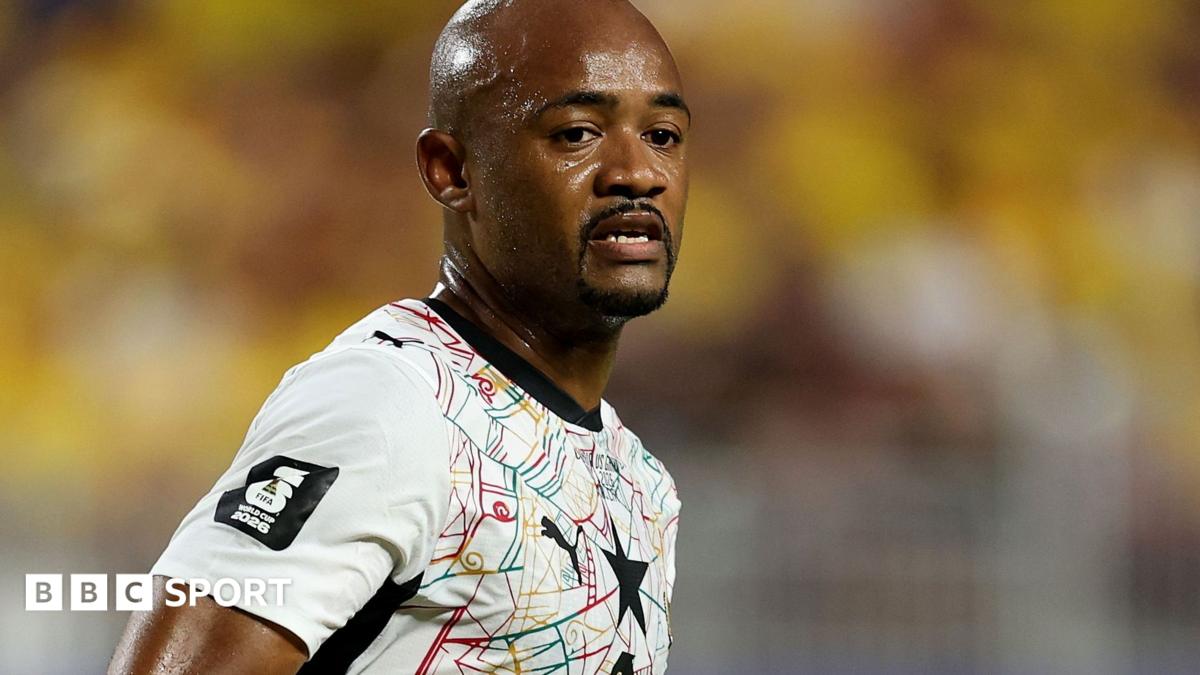
Sheff Utd sign experienced forward Ayew
English Championship side Sheffield United has bolstered its attacking options ahead of the 2026-27 season, securing the signing of 34-year-old Ghanaian international forward Jordan Ayew on a contract that runs through the end of the current campaign.
Ayew, who boasts 124 senior caps for Ghana, entered the free agent market this summer after departing Leicester City following the club’s relegation from the Championship to third-tier League One at the end of the 2025-26 season. The journeyman forward first moved to English football in 2015, joining Aston Villa from French Ligue 1 club Lorient, and has competed consistently in England’s top two divisions for the past 11 years, with previous stints also including spells at Premier League sides Crystal Palace and Leicester.
His most recent high-profile competitive appearance came this past summer, when he featured for Ghana in their 2026 FIFA World Cup round of 32 exit against Colombia. Ayew even wore the captain’s armband for the Black Stars during the tournament, a credential Sheffield United manager Chris Wilder highlighted in his welcome of the new signing.
Speaking to the club’s official website, Wilder emphasized the significant value Ayew brings to the Championship side, noting: “We’re talking about someone here with bags of experience from right at the top level of the game. Only a few months ago he was captaining Ghana in the World Cup, so he’s someone with real pedigree. He did well at this level last season in difficult circumstances and has played all across the front positions during his career which gives us plenty of options.”
In a separate transfer move announced alongside Ayew’s arrival, Sheffield United have sent 21-year-old Nigerian midfielder Ehije Ukaki back to Bulgarian side Botev Plovdiv on a season-long loan deal. Ukaki joined the Blades from Botev Plovdiv last summer, but made just one senior appearance during his year with the club — that coming in an August 2025 Carabao Cup defeat to Birmingham City.