作者: admin

  • Heady scent of wintersweet beckons all this season

    Heady scent of wintersweet beckons all this season

    As an unusual cold snap blankets even southern Chinese cities in snow, a timeless seasonal tradition has captivated citizens nationwide: the pursuit of wintersweet blossoms. This hardy flower, scientifically known as Chimonanthus praecox, transforms winter landscapes with its vibrant yellow petals and intoxicating fragrance from December through March each year.

    In Beijing’s Summer Palace, the golden-glazed roofs dusted with snow create an imperial backdrop for clusters of wintersweet that burst forth against vermilion walls. This striking contrast of imperial red, pure white, and floral gold forms living paintings that embody both elegance and endurance against the harsh winter elements.

    Southern classical gardens offer equally exquisite settings for the seasonal spectacle. Jiangsu Province’s Humble Administrator’s Garden features delicate pavilions and winding corridors that artfully frame the blossoms, while Shanghai’s Guyi Garden showcases the flowers against ancient architecture with ornate towers and terraces. The blooms’ subtle beauty reflects China’s deep appreciation for seasonal transitions and natural resilience.

    The phenomenon has gained particular attention this year as rare snowfall in southern cities like Wuhan and Shanghai has created extraordinary photographic opportunities. Social media platforms have been flooded with images of snow-dusted wintersweet branches, with many citizens braving the cold to capture the perfect shot of these fragrant blossoms against unusual snowy backdrops.
  • ‘Really scary’: Sydney residents react to shark attacks

    ‘Really scary’: Sydney residents react to shark attacks

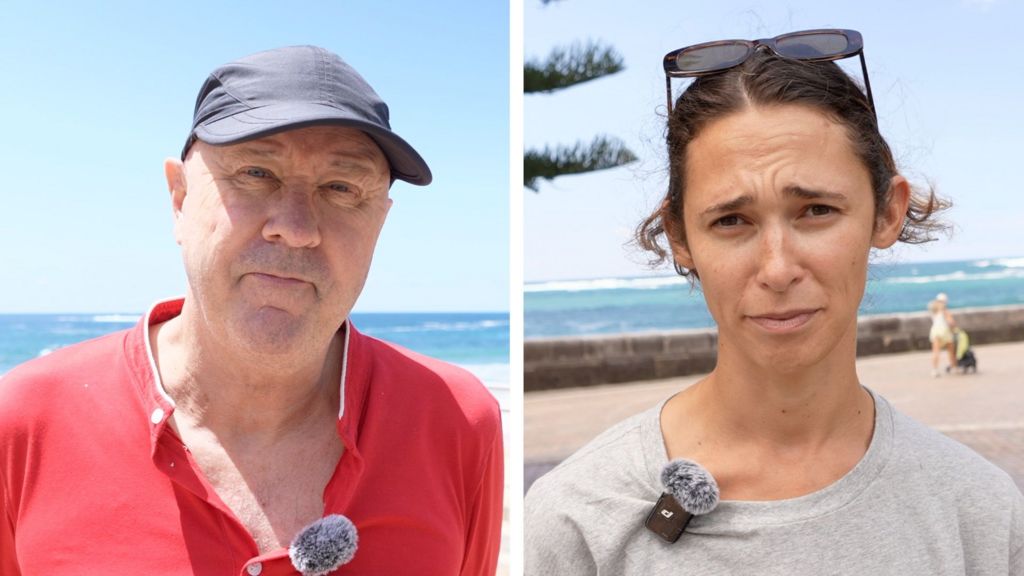
    A wave of apprehension has swept across Sydney’s coastal communities following an unprecedented series of four shark encounters within a mere 48-hour timeframe along New South Wales’ coastline. The BBC conducted street-level interviews with residents and beachgoers, capturing raw emotional responses to what many described as deeply frightening incidents that have disrupted the region’s quintessential beach culture.

    The cluster of attacks, occurring in close geographical and temporal proximity, represents a significant deviation from historical patterns, triggering immediate safety reassessments by marine authorities. Lifesaving agencies have intensified surveillance operations while deploying additional aerial patrols to monitor shark movements near popular swimming areas.

    Marine biologists specializing in shark behavior suggest environmental factors including unusual water temperature fluctuations and baitfish migrations closer to shore may have contributed to this anomalous situation. Meanwhile, local authorities have implemented temporary beach closures and installed advanced shark detection technologies while urging swimmers to avoid dawn and dusk ocean activities.

    This series of incidents has reignited debates about coastal management strategies, with community members expressing divided opinions on shark mitigation measures ranging from traditional netting programs to newer non-lethal deterrent technologies. The psychological impact on the community appears substantial, with many residents reconsidering their relationship with the ocean that has long defined Sydney’s identity.

  • Rapid unravelling of SDF removes ‘main irritant’ in US-Turkey ties

    Rapid unravelling of SDF removes ‘main irritant’ in US-Turkey ties

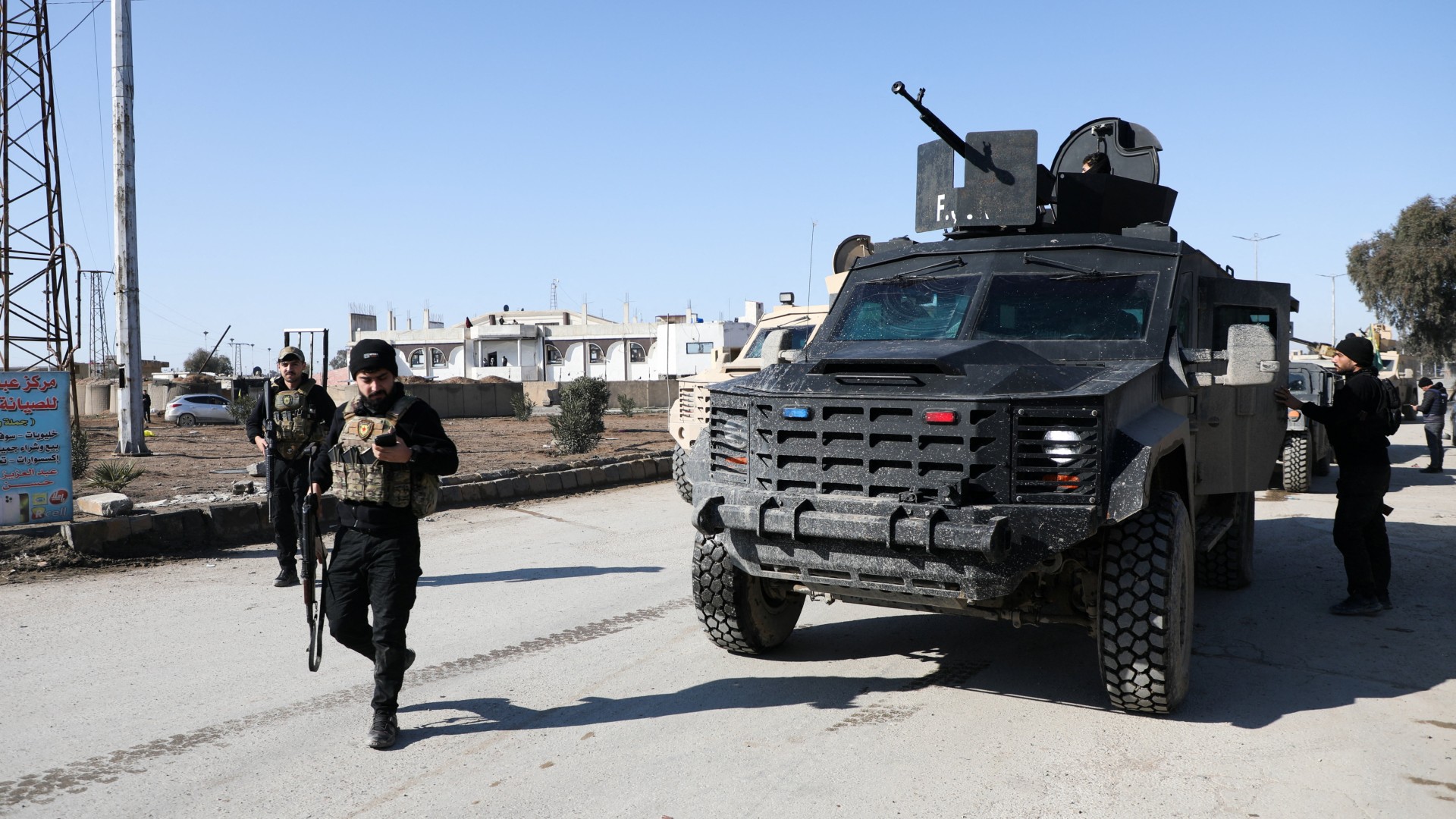
    The rapid collapse of the Kurdish-led Syrian Democratic Forces (SDF) amid President Ahmed al-Sharaa’s military offensive has fundamentally transformed the geopolitical landscape in Syria while removing a persistent source of tension between the United States and its NATO ally Turkey, according to regional experts.

    The disintegration of Rojava—the semi-autonomous Kurdish administration in northeastern Syria—marks the culmination of a strategic shift within the Trump administration that has effectively endorsed Turkey’s security concerns over Kurdish aspirations for autonomy. This development represents a dramatic reversal of Washington’s previous policy that had supported Kurdish forces as primary partners in the fight against the Islamic State since 2015.

    Ankara had long viewed the SDF as an extension of the Kurdistan Workers’ Party (PKK), which both the US and European Union designate as a terrorist organization. The SDF’s defeat, facilitated by Arab tribal forces switching allegiances to Damascus, has enabled Syrian government forces to reclaim territories including the oil-rich provinces of Deir Ezzor and Raqqa for the first time in over a decade.

    The Trump administration’s appointment of billionaire envoy Tom Barrack signaled a new approach prioritizing alignment with Turkish interests. Barrack declared the US security partnership with Kurdish forces ‘largely expired’ and backed a ceasefire agreement that requires SDF fighters to integrate individually into the Syrian army, explicitly rejecting any form of Kurdish semi-autonomy or federal system.

    Regional analysts note that this resolution of the Kurdish question has created unprecedented alignment between Washington and Ankara that could influence ongoing conflicts in Gaza and Ukraine, where the Trump administration seeks Turkish cooperation. The absence of Israeli intervention despite Kurdish efforts to solicit support further strengthened Turkey’s position, according to experts at the Middle East Institute.

    While some US lawmakers like Senator Lindsey Graham threatened sanctions against Damascus, the administration’s support for the new Syrian government—reportedly facilitated by Turkish and Saudi diplomacy—appears to have prevailed, fundamentally reshaping America’s Middle East policy and its relationship with key regional allies.

  • Opposition issues ISIS-brides warning as Kurdish-led forces abandon Syrian camp

    Opposition issues ISIS-brides warning as Kurdish-led forces abandon Syrian camp

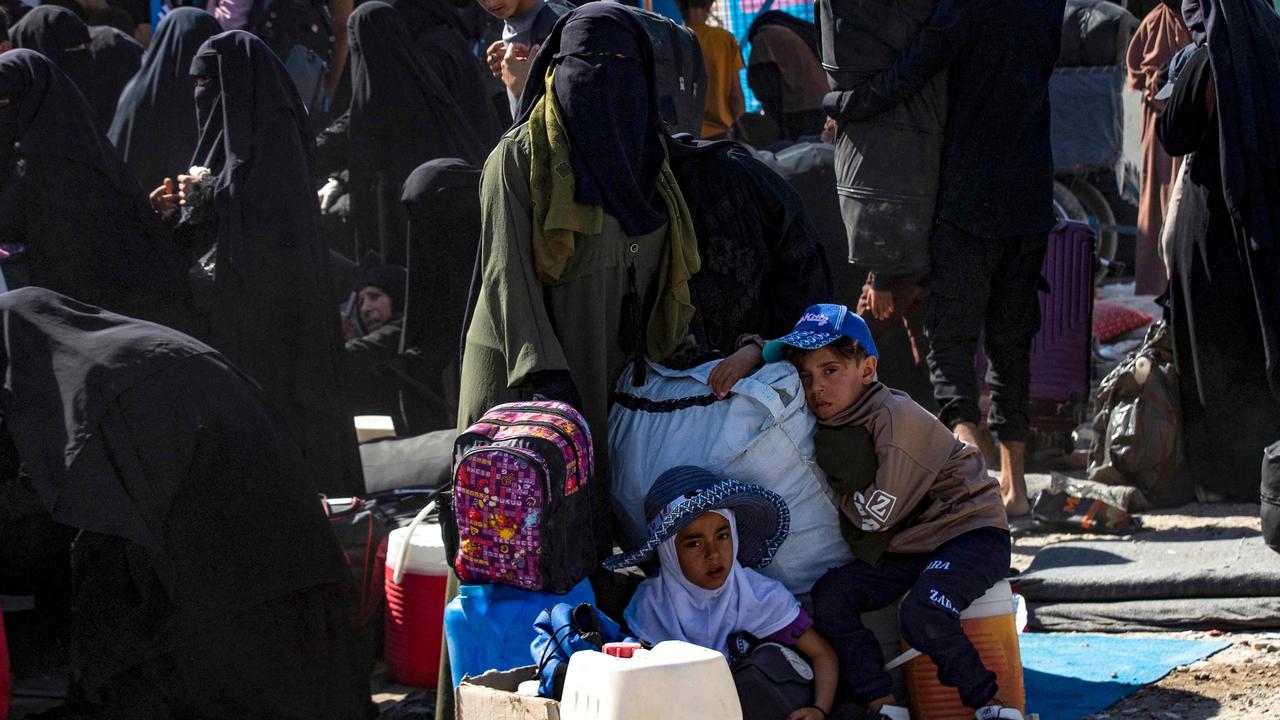
    Australia’s political opposition has issued a stark security warning following the withdrawal of Kurdish-led Syrian Democratic Forces (SDF) from the al-Hol detention camp in northwest Syria, which previously housed families of Islamic State fighters. Opposition home affairs spokesman Jonathan Duniam expressed grave concerns that Australian ISIS affiliates might exploit this security transition to return without proper oversight.

    The al-Hol facility, which reached a peak population of 73,000 in 2019, primarily contained women and children associated with ISIS combatants after the organization’s territorial collapse. While international repatriation efforts coordinated with the United Nations have reduced the camp’s population, approximately 24,000 individuals remained at the time of the SDF’s withdrawal.

    Senator Duniam criticized the current government’s approach, stating that allowing third-party organizations to facilitate returns at their discretion represents a dangerous policy failure. He emphasized that while these individuals may retain Australian citizenship, the Commonwealth should exclusively control the repatriation process for this high-risk demographic.

    According to Home Affairs Department figures, about 90 Australian citizens—including 60 men and 30 women and children—remain dispersed across Syrian displacement camps. These individuals allegedly traveled to join ISIS during its peak influence last decade.

    The Albanese government maintains a formal policy of ‘no active repatriation’ but has issued passports to those reaching Australian diplomatic missions and permitted their return. This approach has drawn criticism from the Coalition, particularly after last year’s unauthorized return of two women and four children who exited Syrian camps without official authorization.

    Despite international legal arguments favoring repatriation for containment and prosecution, most Western governments have been reluctant due to security considerations. Australia’s security services indicate that all returnees remain under rigorous surveillance protocols.

  • Trump is on his way to Davos, where his quest to own Greenland could overshadow his other goals

    Trump is on his way to Davos, where his quest to own Greenland could overshadow his other goals

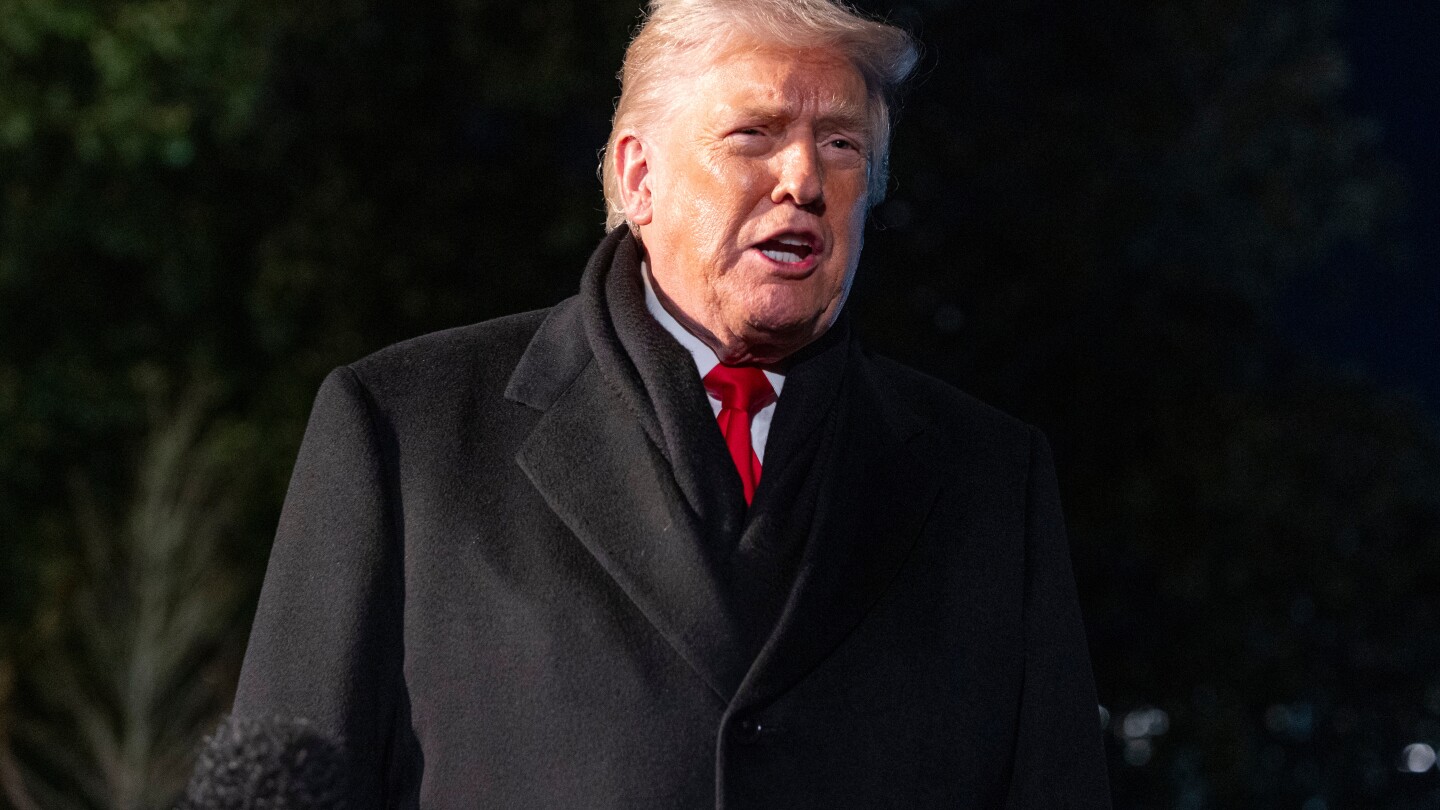
    President Donald Trump’s arrival at the World Economic Forum in Davos, Switzerland, has been overshadowed by escalating tensions with European allies over his unprecedented territorial ambitions. The American leader’s push to acquire Greenland from Denmark through coercive tariff threats has fundamentally altered the diplomatic atmosphere at this gathering of global elites.

    Trump departed for the Swiss Alps just hours after imposing a 10% tariff on Denmark and seven other NATO allies, with plans to escalate these punitive measures to 25% by June unless negotiations regarding Greenland’s transfer commence. This aggressive economic stance directly contradicts the administration’s stated objective of addressing domestic affordability concerns during the forum.

    European leaders responded with remarkable unity against what they perceive as economic blackmail. French President Emmanuel Macron, without directly naming Trump, denounced the acceptance of “the law of the strongest” in international relations. European Commission President Ursula von der Leyen delivered a more pointed warning, emphasizing that the EU’s response would be “unflinching, united and proportional” should the tariffs proceed.

    The controversy has already reverberated through financial markets, with Wall Street experiencing significant declines as investors weighed the potential collapse of the US-EU trade framework established just months earlier. The S&P 500 recorded its largest single-day drop since October, falling 2.1% amid the uncertainty.

    Complicating matters further, Trump’s travel to Davos encountered operational difficulties when Air Force One experienced electrical problems shortly after departure, forcing the aircraft to return and delaying the president’s arrival in Switzerland.

    The administration’s planned focus on housing affordability and economic issues appears increasingly disconnected from both the forum’s elite setting and the brewing diplomatic crisis. Economic analysts warn that undermining investor confidence through trade wars could ultimately increase interest rates, contradicting Trump’s stated goal of making homeownership more accessible.

    Additionally, Trump plans to promote his controversial “Board of Peace” initiative during the forum, though the proposal has garnered limited international support, with several key European allies declining participation in the alternative to United Nations diplomacy.

  • ‘Unimaginable situation’: Family of child, 5, allegedly stabbed by woman break silence

    ‘Unimaginable situation’: Family of child, 5, allegedly stabbed by woman break silence

    A five-year-old boy from Launceston, Tasmania, continues to fight for his life at Melbourne’s Royal Children’s Hospital after sustaining severe injuries in an alleged stabbing incident. The traumatic event occurred late Tuesday night, prompting an emergency medical response that ultimately required the child to be airlifted to Melbourne for specialized critical care.

    The young victim, whose identity remains protected under legal provisions, was initially treated at Launceston General Hospital before being transferred to the Melbourne facility. Medical teams have performed multiple surgical procedures on the child, who remains sedated to facilitate recovery and comprehensive assessment of his injuries.

    In a parallel development, Tasmanian police have charged a 33-year-old woman with attempted murder in connection with the incident. Authorities confirmed the woman, who presented to hospital with non-life-threatening injuries, was known to the child. The precise nature of their relationship has not been disclosed due to ongoing legal proceedings.

    The family has described the situation as “unimaginable” through a GoFundMe campaign organized by the boy’s aunt. The fundraising initiative, created to support the father’s immediate needs, has demonstrated remarkable community solidarity, surpassing $35,000 in donations within hours of establishment.

    Family representatives indicate the child’s condition remains stable but critical, with medical teams closely monitoring his progress over the coming days. The family’s current focus remains on providing unwavering support to the father during this profoundly challenging period, ensuring he can maintain constant presence at his son’s bedside throughout the recovery process.

  • ‘Super-happy’ Sabalenka shines as Alcaraz gets set at Australian Open

    ‘Super-happy’ Sabalenka shines as Alcaraz gets set at Australian Open

    Melbourne Park witnessed a shift in weather and a display of top-tier tennis prowess as the Australian Open entered its fourth day. Under cooler, overcast skies, defending champion Aryna Sabalenka delivered a commanding performance, swiftly defeating Chinese qualifier Bai Zhuoxuan with a decisive 6-3, 6-1 victory. The Belarusian, expressing immense satisfaction with her focus and gameplay, advances toward a potential third title in four years.

    Simultaneously, Spanish phenom Carlos Alcaraz prepares for his second-round match against Germany’s Yannick Hanfmann. The 22-year-old, already a six-time major winner, aims to conquer the Melbourne hardcourts—the sole missing piece for a career Grand Slam. Achieving this would make him the youngest man in tennis history to secure all four major titles.

    The day’s action also features a roster of other contenders. Three-time finalist Daniil Medvedev, adopting a renewed positive mindset, faces France’s Quentin Halys. American Coco Gauff, fresh from a straight-sets opening win, is set to meet Serbia’s Olga Danilovic. Alexander Zverev, last year’s runner-up, continues his decade-long pursuit of a maiden Grand Slam title against France’s Alexandre Muller.

    Early victories were secured by Ukraine’s Elina Svitolina and Turkey’s Zeynep Sonmez, both progressing in straight sets. On the men’s side, American Tommy Paul and Argentina’s Francisco Cerundolo also navigated their second-round challenges successfully. The evening session promises thrilling matchups for home fans, featuring sixth seed Alex de Minaur and local hope Priscilla Hon.

  • Climate change fuels disasters, but deaths don’t add up

    Climate change fuels disasters, but deaths don’t add up

    While climate change unequivocally amplifies the frequency and intensity of global weather catastrophes, the corresponding human mortality rates present a complex and counterintuitive statistical picture. Recent data reveals a paradoxical trend: despite a documented escalation in extreme weather events fueled by record-breaking global temperatures, overall disaster-related fatalities have actually declined over recent decades.

    According to an analysis of the EM-DAT global disaster database, weather-related events claimed over 2.3 million lives between 1970 and 2025. However, the death toll from 2015 to 2025 stood at 305,156, marking a decrease from the 354,428 recorded in the preceding decade. This decline occurs against a backdrop of the three hottest years on record since the pre-industrial era, driven predominantly by continued fossil fuel consumption.

    Experts emphasize that this mortality reduction stems not from diminished hazard intensity but from vastly improved human adaptation strategies. Marina Romanello, Executive Director of the Lancet Countdown, notes that enhanced early warning systems, fortified infrastructure, and advanced building codes have significantly increased societal resilience. Tobias Grimm, Chief Climate Scientist at Munich Re, corroborates this, stating that while weather perils remain extremely high, protective systems are saving lives.

    The exception to this trend is heatwaves, which are emerging as a particularly lethal climate threat. Termed the ‘silent killer,’ heat-related mortality is notoriously difficult to calculate due to delayed reporting and undercounting. The Lancet Countdown estimates global heat-related deaths averaged 546,000 annually between 2012-2021—a staggering 63% increase from 1990-1999. Recent EM-DAT figures show approximately 61,800 heatwave deaths in 2022, dropping to 48,000 in 2023 before rising again to 66,825 in 2024, though improved European data collection post-pandemic partially explains these fluctuations.

    The regional disparity in climate vulnerability remains stark. Populations in low-income nations face disproportionately higher risks compared to wealthier regions with better resources for disaster preparedness and response. Furthermore, scientists warn that there are limits to adaptation effectiveness. As Romanello cautions, when catastrophic events occur in rapid succession without adequate recovery time, even the most robust infrastructure systems can be overwhelmed, potentially reversing the current positive mortality trend in the future.

  • Wall Street holds steadier after Trump says he won’t use force to take Greenland

    Wall Street holds steadier after Trump says he won’t use force to take Greenland

    Wall Street exhibited tentative stabilization on Wednesday as investor nerves settled following President Trump’s clarification that he would not employ military force to acquire Greenland. This statement helped the market recoup a fraction of the substantial losses incurred during the previous session’s sell-off, which was triggered by the geopolitical uncertainty surrounding the proposal.

    The S&P 500 index advanced 0.3%, edging closer to its recent all-time peak after a 2.1% plunge on Tuesday. The Dow Jones Industrial Average climbed 200 points (0.4%), while the Nasdaq composite registered a more modest 0.1% gain. The calming of tensions was also reflected in the bond market, where the yield on the 10-year Treasury note retreated slightly to 4.28% from 4.30%.

    Corporate earnings emerged as a primary market driver, providing pockets of strength. Halliburton surged 3.6% after the oilfield services giant delivered quarterly profits that surpassed analyst expectations. United Airlines ascended 3.5% following a similarly robust earnings report and optimistic revenue guidance from CEO Scott Kirby for 2026.

    However, not all corporate news was positive. Netflix shares tumbled 4.8% as investor focus shifted from its profit beat to concerns over decelerating subscriber growth. Kraft Heinz faced even steeper losses, plummeting 6.6% after Berkshire Hathaway signaled a potential divestiture of its massive 325-million-share stake, a move compounded by recent board resignations and a major write-down.

    Underlying anxieties persisted, evidenced by a 1.9% rally in gold, which breached $4,800 per ounce for the first time. Market participants continued to monitor the implications of proposed 10% tariffs on several European nations and evolving fiscal policies in Japan, where Prime Minister Sanae Takaichi’s snap election call sent government bond yields to record levels amid expectations for expansive tax cuts and spending.

  • As fires in Chile burn, a mobile clinic fights to save furry survivors

    As fires in Chile burn, a mobile clinic fights to save furry survivors

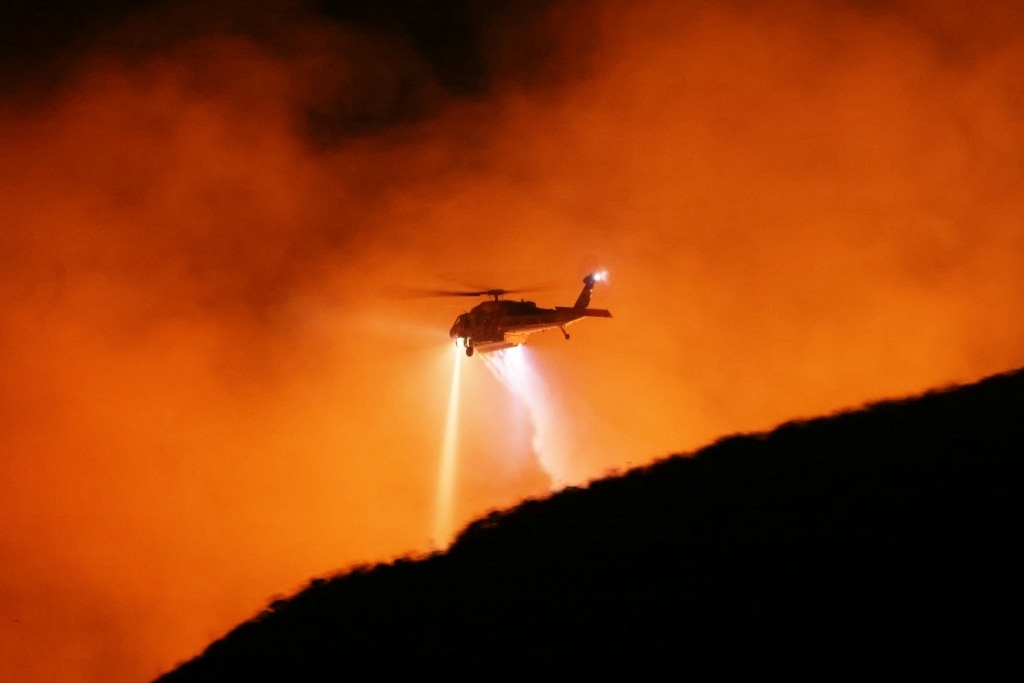
    In the fire-ravaged town of Lirquén, Chile, a critical rescue operation is underway to save animals caught in one of the nation’s most devastating wildfire emergencies. National police canine units and volunteer teams have established mobile veterinary clinics to provide emergency care to pets and wildlife suffering from severe burns, dehydration, and smoke inhalation.

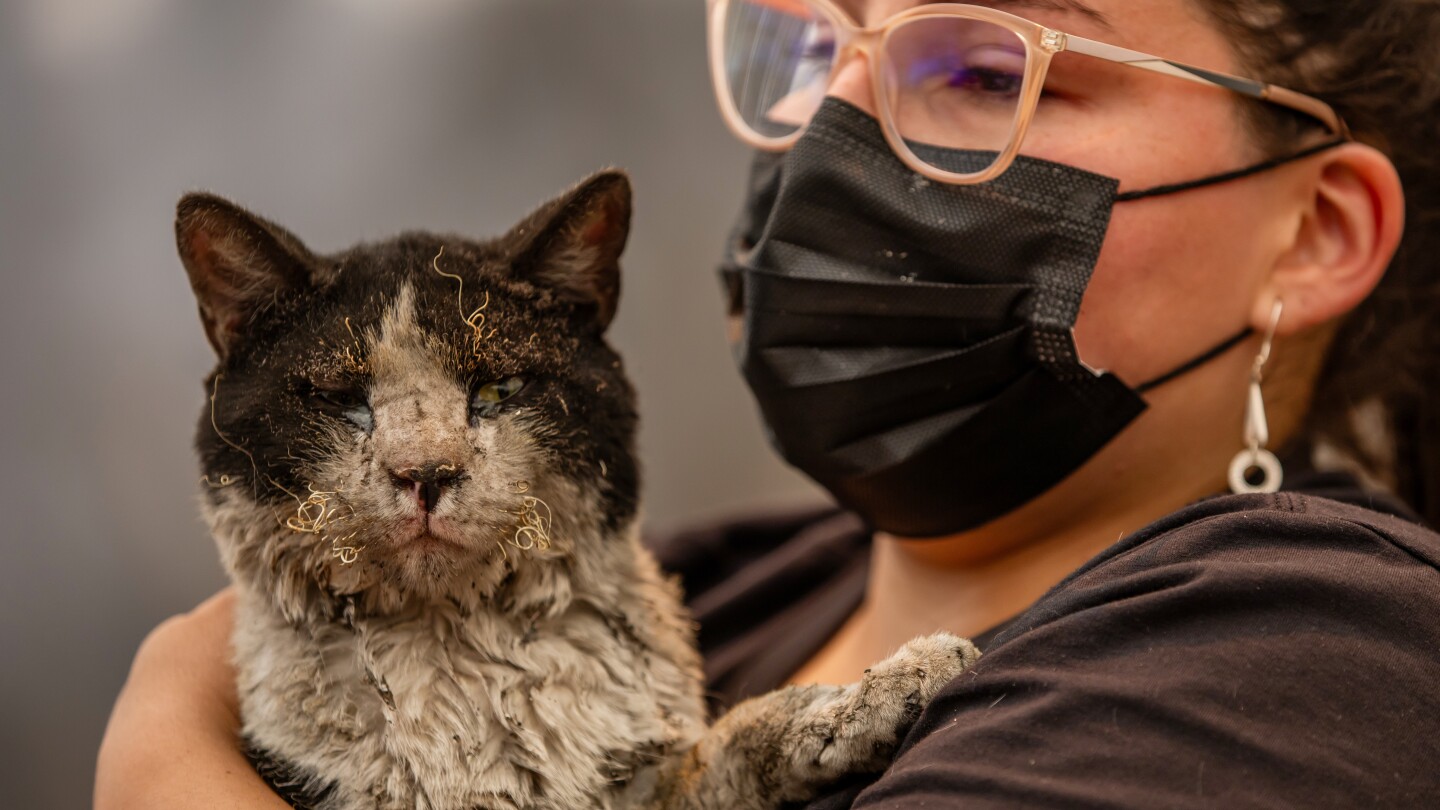
    The makeshift medical facility, operating from a small van, treats a continuous stream of cats, dogs, and other animals arriving with burned paws and whiskers, conjunctivitis from toxic fumes, and severe dehydration after days trapped under debris. According to Dr. Angiella Scalpello, veterinarian with the investigative police’s canine squad, their primary mission involves locating and treating animals discovered in rubble, ash, or those that escaped with owners but sustained injuries during the massive fires.

    Lirquén, a community of approximately 20,000 residents in south-central Chile, has endured catastrophic damage with 80% of the town consumed by flames. The Trinitarias fire, spanning over 140 square kilometers in the Bío Bío region, represents the most destructive among approximately 30 active wildfires nationwide. Official reports indicate the fires have resulted in at least 20 fatalities and nearly 300 human injuries.

    Veterinarian Juan Vivanco reported that rescue teams frequently discover cats sheltering in small spaces that miraculously survived both the initial inferno and subsequent days without care. However, the timeframe for successful rescues remains extremely limited. “We’ve also found several pets already deceased… it happens regularly,” Vivanco acknowledged.

    Treatment protocols include intravenous fluids, vital sign monitoring, and wound care, with the most critical cases transported to established veterinary hospitals. Volunteer Vanessa Morales described transporting severely burned animals, including a kitten with all four paws and tail burned, highlighting the emotional toll on rescue workers.

    Beyond medical treatment, the mobile clinic serves as a coordination point for residents seeking missing pets amid the chaos. Yasna Hidalgo searches for her grandmother’s two dogs left behind during an emergency evacuation, while Kevin Carrasco brought his poodle Chica for treatment of fire-related conjunctivitis despite the family’s successful escape from their completely destroyed home.

    This disaster echoes Chile’s previous wildfire tragedy two years prior that claimed over 130 lives, marking what authorities now consider one of the nation’s most serious emergencies in recent years.