作者: admin

  • ‘We are on the menu’: Why Carney upended US-led world order at Davos

    ‘We are on the menu’: Why Carney upended US-led world order at Davos

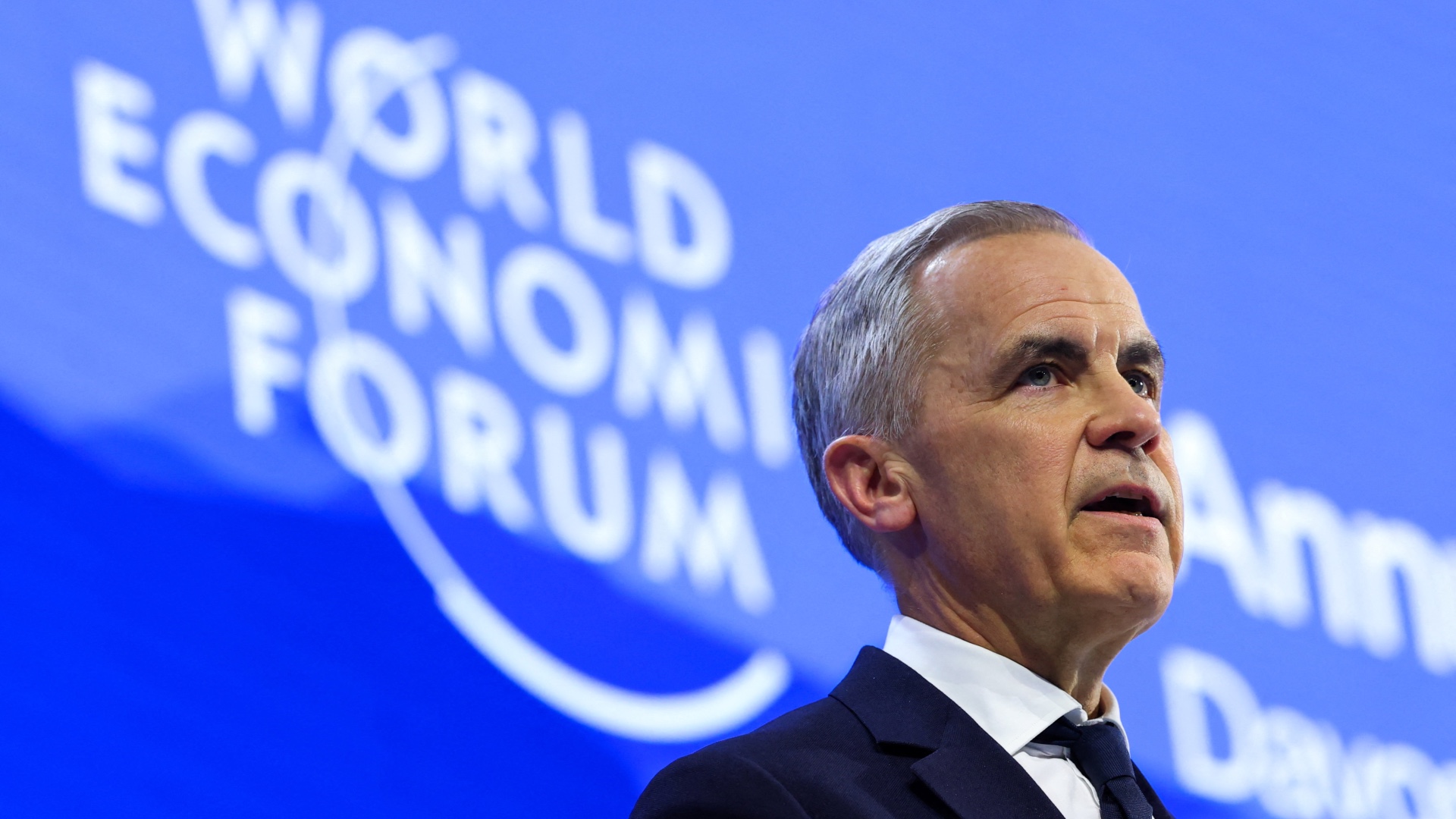
    In a groundbreaking address at the World Economic Forum in Davos, Canadian Prime Minister Mark Carney delivered what analysts are calling the most consequential speech by a Canadian leader in generations. The former central banker, who entered politics just months ago, delivered a stunning indictment of the Western-led liberal international order, declaring it no longer functional in an era dominated by Trump-era unilateralism.

    Carney articulated that Canada and similar ‘middle powers’ must forge an independent path forward, acknowledging that the rules-based system had always contained fundamental flaws. ‘For decades, we knew the story was partially false,’ Carney told assembled global leaders. ‘The strongest would exempt themselves when convenient, trade rules were enforced asymmetrically, and international law applied with varied rigour. We participated in the rituals while avoiding calling out the gaps between rhetoric and reality. This bargain no longer works.’

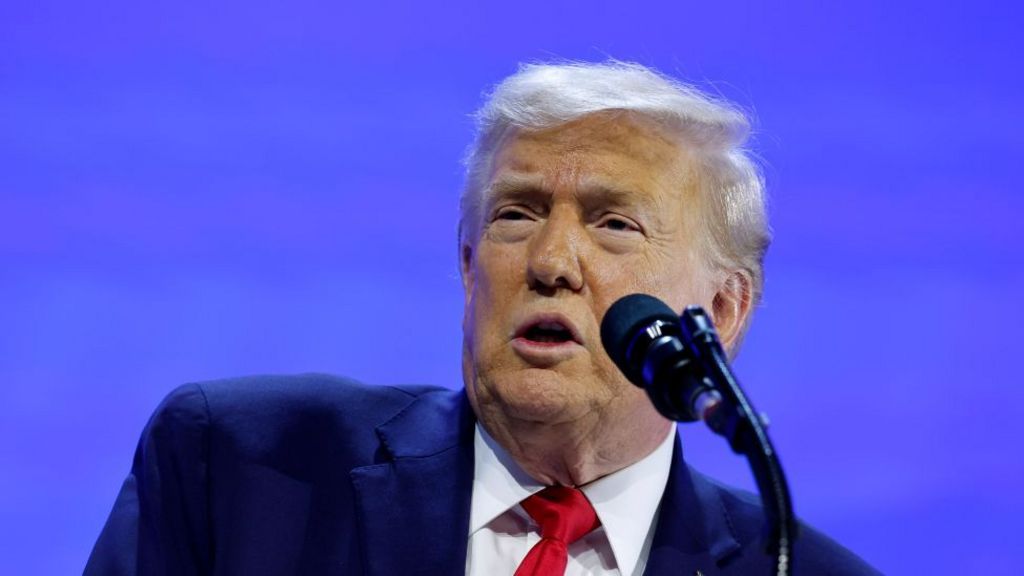
    The speech came amid escalating tensions with the United States, where President Trump has imposed 35% tariffs on Canadian imports outside the USMCA framework and repeatedly threatened to make Canada ‘the 51st state.’ Trump directly targeted Carney in his own Davos remarks, stating Canada ‘gets a lot of freebies from us’ and should be ‘grateful’ for American protection.

    Carney, drawing on his financial expertise, warned that multiple crises over two decades have exposed the dangers of ‘extreme global integration’ where economic tools become weapons. ‘When integration becomes the source of your subordination, and rules no longer protect you, you must protect yourself,’ he declared, characterizing the current moment as ‘a rupture, not a transition.’

    The Canadian leader’s comments followed strategic visits to China and Qatar, resulting in tangible agreements on trade and investment that signal Ottawa’s diversification efforts. However, analysts questioned the viability of Carney’s middle-power coalition concept, noting the divergent interests of potential partners from Brasilia to Tokyo.

    The speech resonated strongly with both international observers and Canadian citizens, who applauded their prime minister’s bold stance while recognizing the delicate balancing act required with their powerful southern neighbor amid deteriorating bilateral relations.
  • Toronto man fakes pilot badge to score hundreds of free flights, officials say

    Toronto man fakes pilot badge to score hundreds of free flights, officials say

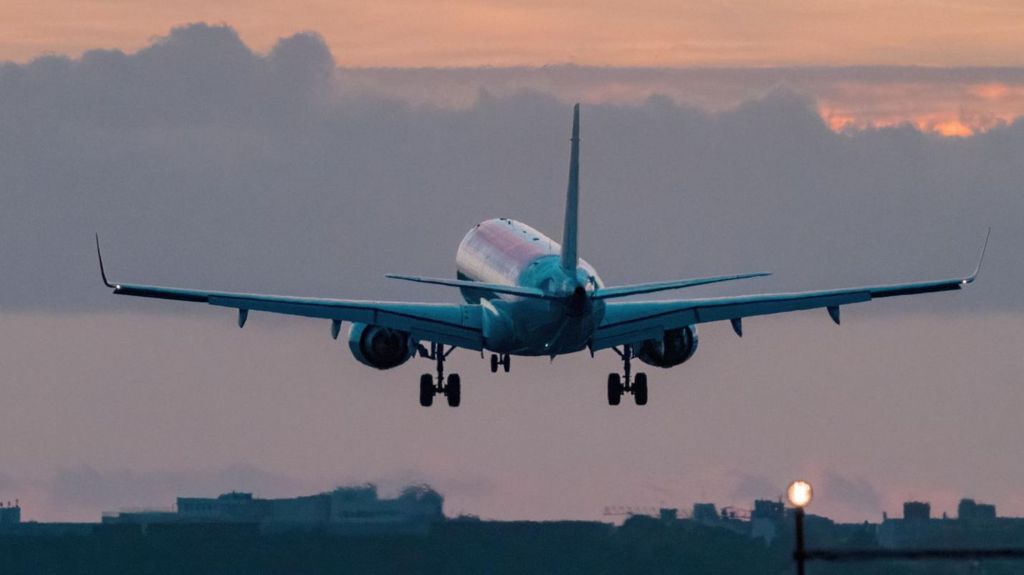
    In a case drawing direct parallels to the Hollywood film ‘Catch Me If You Can,’ United States authorities have unsealed charges against a Canadian national accused of orchestrating an elaborate aviation impersonation scheme. Dallas Pokornik, 33, from Toronto, stands accused of masquerading as both a pilot and flight attendant to fraudulently obtain hundreds of free flights over a four-year period.

    According to federal prosecutors, Pokornik utilized a fabricated employee identification card to secure complimentary travel on multiple U.S. carriers. Court documents reveal the audacious nature of his alleged deception, including a specific instance where he requested occupancy of the cockpit ‘jump seat’—a position strictly reserved for off-duty pilots—despite holding no valid airman’s certificate or pilot qualifications.

    The Justice Department indicates the alleged fraud spanned from January 2020 through October 2024, though the current indictment specifically addresses activities during the final ten months of this period. Pokornik, who was apprehended in Panama and subsequently extradited to the United States, now confronts serious wire fraud charges.

    While the implicated airlines remain officially unnamed in legal filings, they are described as being headquartered in Honolulu, Chicago, and Fort Worth, Texas—characteristics that correspond to Hawaiian Airlines, United Airlines, and American Airlines, respectively.

    Authorities note that Pokornik had legitimate prior industry experience, having worked as a flight attendant for a Canadian carrier between 2017 and 2019. However, prosecutors emphasize he was not employed by any airline during the years of the alleged impersonation scheme.

    The Department of Justice has stated that upon conviction, Pokornik could face a maximum penalty of 20 years imprisonment alongside fines reaching $250,000. The BBC has reached out to Pokornik’s legal representation for comment regarding these allegations.

  • Trump apparently confirms secret US sonic weapon use in Venezuela

    Trump apparently confirms secret US sonic weapon use in Venezuela

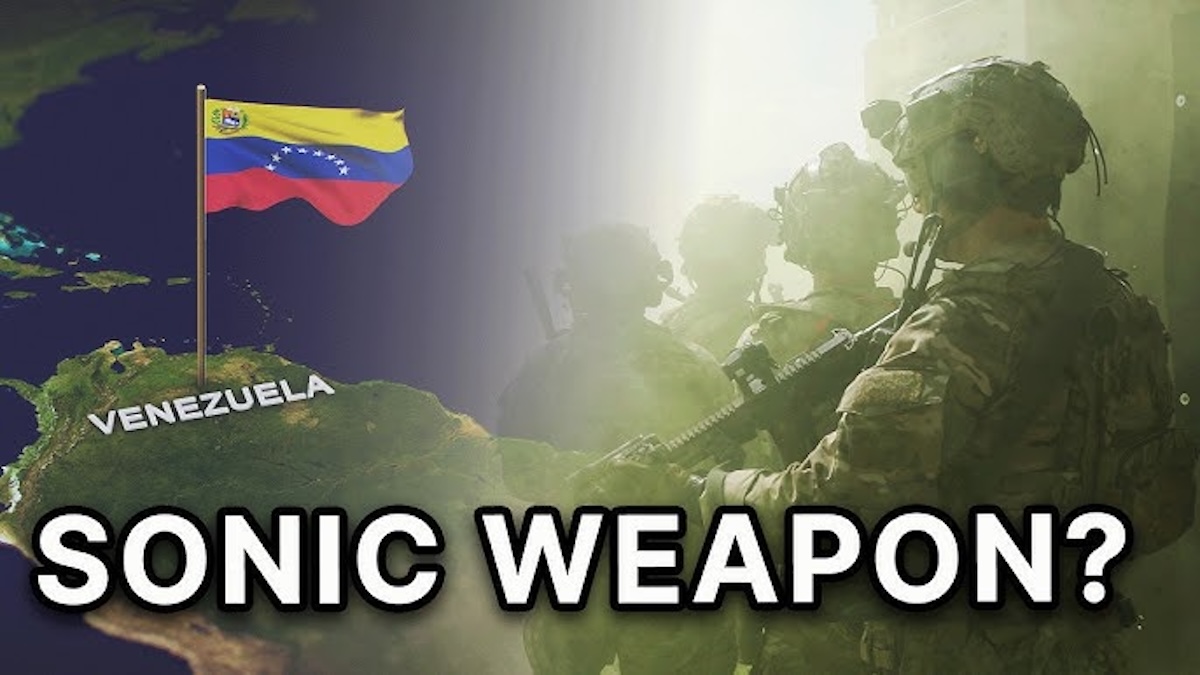
    Former President Donald Trump has seemingly verified the deployment of an advanced sonic weapon during a military operation in Caracas, Venezuela, on January 3rd. During a televised interview with NewsNation’s Katie Pavlich that aired Tuesday night, Trump indirectly confirmed the use of this clandestine technology against Venezuelan and Cuban soldiers, an operation that resulted in numerous casualties including civilians.

    When questioned about the existence and potential concerns surrounding such weaponry, Trump responded: ‘No one else has it. We have weapons that no one knows about. It’s probably better not to talk about it, but we have amazing weapons. It was an amazing attack.’

    This marks not the first instance of White House insinuations regarding the weapon’s deployment during the assault, which culminated in the capture of Venezuelan President Nicolás Maduro and his wife, Cilia Flores. On January 10th, White House press secretary Karoline Leavitt circulated an English translation of an alleged interview with a Maduro-loyal security guard, though its authenticity remains unverified. The guard described experiencing ‘a very intense sound wave’ that caused internal head pressure, nasal bleeding, vomiting of blood, and temporary paralysis among personnel.

    The development of sonic weapons, often categorized as ‘directed energy weapons’ or colloquially termed ‘pain rays,’ has been an acknowledged part of US military research. These systems utilize sound waves or focused microwaves to induce discomfort or incapacitate targets. Military analysis outlet The War Zone, through reporter Joseph Trevithick, noted that while no concrete evidence substantiates the weapon’s use in ‘Operation Absolute Resolve,’ the elite Delta Force unit leading the assault would be the most probable operator of such exotic non-lethal technology.

    The revelation raises significant questions about the evolving nature of modern warfare and the ethical implications of deploying such advanced weaponry in international conflicts.

  • Bangladesh face T20 World Cup exit after ICC rejects BCB demand

    Bangladesh face T20 World Cup exit after ICC rejects BCB demand

    The International Cricket Council (ICC) has formally rejected Bangladesh’s demand to relocate their T20 World Cup matches from India to Sri Lanka, casting serious doubt on the team’s participation in the upcoming tournament. This decision follows weeks of escalating tensions between the Bangladesh Cricket Board (BCB) and cricket’s global governing body.

    The dispute originated on January 3rd when the Board of Control for Cricket in India (BCCI) instructed IPL franchise Kolkata Knight Riders to release Bangladeshi fast bowler Mustafizur Rahman. The BCB subsequently cited player safety concerns and deteriorating political relations with India as justification for refusing to play their scheduled matches in Kolkata and Mumbai.

    In an official statement, the ICC emphasized that comprehensive security assessments, detailed venue-level protection plans, and formal assurances from Indian authorities confirmed there were ‘no credible or verifiable threats’ to the Bangladesh team’s safety. The council revealed it had engaged in ‘sustained and constructive dialogue’ with BCB officials, but these efforts were ultimately ‘rebuffed’ by the Bangladeshi side.

    With the tournament commencing February 7th, uncertainty looms over Bangladesh’s campaign. Team captain Litton Das expressed the prevailing mood, stating, ‘From where I stand, I’m uncertain, everyone is uncertain. Are you sure we will play the World Cup? I think at this moment, the whole of Bangladesh is uncertain.’

    The political backdrop adds complexity to the situation, as Bangladesh prepares for its first elections since the 2024 uprising that toppled Prime Minister Sheikh Hasina, a known ally of New Delhi. Relations between the neighboring nations have significantly deteriorated since her departure.

    ICC sources indicate Scotland, the highest-ranked non-qualifying team, stands ready as potential replacements should Bangladesh withdraw from the competition. Meanwhile, Sri Lankan authorities confirmed they had not received any formal request to host Bangladesh’s matches, despite BCB’s preference for the co-host nation.

  • As Trump talks tariffs, his Argentine ally welcomes a shipload of Chinese EVs for the first time

    As Trump talks tariffs, his Argentine ally welcomes a shipload of Chinese EVs for the first time

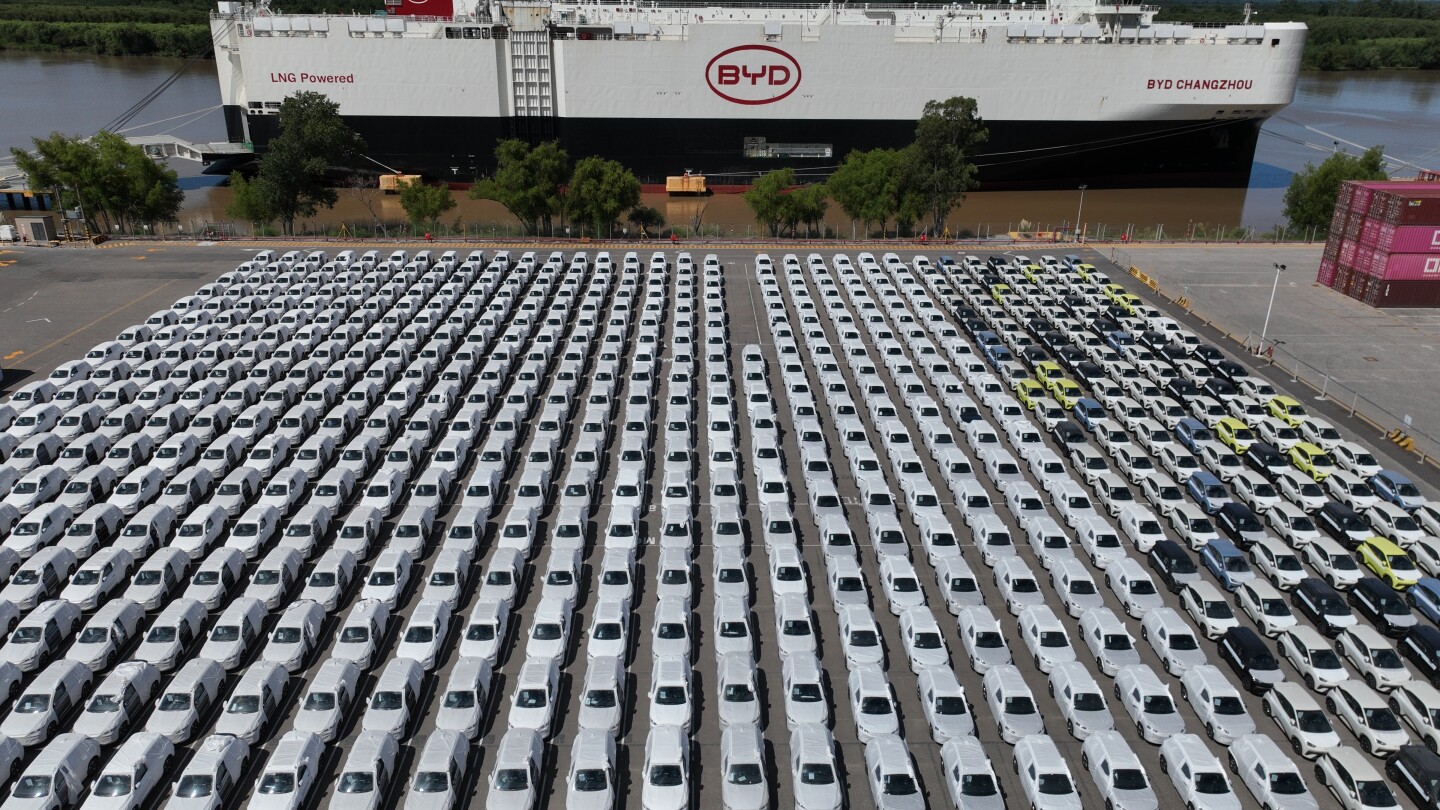
    ZÁRATE, Argentina — A monumental shift is underway in Argentina’s automotive landscape as thousands of Chinese electric and hybrid vehicles disembark at the port of Zárate, signaling a dramatic transformation in one of South America’s traditionally most protected economies. The arrival of BYD’s massive shipment represents both a symbolic and commercial breakthrough for Chinese automakers expanding their global footprint.

    This development comes amid President Javier Milei’s radical economic liberalization agenda that has dismantled decades of Peronist protectionism. Where previous governments imposed stiff tariffs and import restrictions to shield local industry, Milei has flung open Argentina’s doors to foreign goods, resulting in a record 30% surge in imports last year.

    Chinese manufacturers, particularly BYD, are positioned to capitalize on Milei’s new zero-tariff quota allowing 50,000 electric and hybrid vehicles into the country this year. The policy specifically benefits vehicles under $16,000—a price point where Chinese automakers hold significant competitive advantage over Western and Japanese rivals.

    The economic relationship between Argentina and China has deepened substantially, with Chinese imports surging 57% last year compared to a 9.6% increase from the United States. Chinese investment has simultaneously flowed into Argentina’s energy and mining sectors, creating comprehensive economic ties.

    While Western automakers express concern about unfair competition and opposition lawmakers warn of market disruption, industry analysts note that Chinese manufacturers possess both the technological capability and pricing structure to dominate this new market opening. The aging state of Argentina’s electrical infrastructure and lack of specialized repair networks for EVs present current limitations, but Chinese companies appear well-positioned for long-term dominance.

    The arrival of Chinese EVs also carries geopolitical significance, occurring simultaneously with the European Union’s hesitation to ratify a landmark free trade agreement with Mercosur nations. As European manufacturers struggle to compete with Chinese pricing, Argentina’s market becomes another front in the global EV competition.

  • Not just rain: How UAE researchers are spotting hail, snow, even insects inside a storm

    Not just rain: How UAE researchers are spotting hail, snow, even insects inside a storm

    The United Arab Emirates is transforming weather modification science through cutting-edge radar technology and artificial intelligence, moving beyond traditional cloud seeding methods to achieve unprecedented precision in rainfall enhancement. Spearheaded by Dr. Dixon Michael, a prominent atmospheric scientist working with the UAE’s Rain Enhancement Programme (UAEREP), this innovative approach utilizes dual-polarization radar systems capable of identifying specific particles within storms—including hail, snow, ice, and even insects—rather than merely measuring precipitation intensity.

    The research addresses a fundamental challenge in weather modification: determining whether cloud seeding operations actually produce measurable results. Traditional methods relied on radar reflectivity to estimate storm strength but provided limited insight into internal cloud microphysics. “It doesn’t tell you a lot about what’s going on inside the storm,” Dr. Michael noted during the announcement of the sixth cycle awardees of UAEREP. “It doesn’t give you clues about the microphysics.”

    The upgraded system integrates advanced dual-polarization radar with AI algorithms to analyze storm composition in real-time, enabling operators to distinguish between various hydrometeors (particles of water or ice in the atmosphere). This technological advancement represents a significant upgrade to the long-standing LROSE/TITAN storm tracking system, which has been utilized globally for over three decades.

    A critical component of this initiative involves developing local expertise at the National Center of Meteorology (NCM), creating what Dr. Michael describes as “a pipeline of qualified personnel who can operate this system into the future.” This capacity-building ensures the sustainability of the UAE’s investment in water security technologies.

    Unlike historical randomized experiments where scientists would “flip a coin and seed half the storms” for comparison, the UAE’s operational program requires more sophisticated evaluation methods. AI now enables researchers to analyze massive datasets to detect patterns indicating successful seeding operations—whether a storm persisted longer, expanded further, or generated more precipitation following intervention.

    The integration of real-time aircraft telemetry with advanced modeling establishes the UAE as possessing one of the world’s most sophisticated cloud seeding infrastructures. This comprehensive approach transforms each storm into a data-rich experiment in sustainability, ultimately working toward ensuring water security for future generations in the region.

  • Egypt ends fee exemption on imported mobile phones: What expats, tourists must know

    Egypt ends fee exemption on imported mobile phones: What expats, tourists must know

    Egypt has abruptly terminated its longstanding customs exemption policy for imported mobile phones, implementing new fees that will impact travelers and expatriates entering the country. The National Telecommunications Regulatory Authority (NTRA) announced the significant policy shift effective January 21, 2026, at 12 PM Cairo time, marking a substantial change in the nation’s telecommunications import regulations.

    The previous framework permitted each passenger arriving in Egypt to import one mobile device every three years without customs charges, provided they registered the device at airport customs desks to ensure compatibility with Egyptian SIM cards. The new regulations eliminate this exemption entirely, subjecting all imported mobile devices to variable customs fees based on brand and specifications.

    The policy change has generated considerable concern within Egypt’s expatriate community, with many questioning the rationale behind imposing customs duties on personally owned devices purchased abroad. Egyptian authorities have responded by highlighting the growing domestic mobile manufacturing sector, noting that 15 international brands now operate production facilities within Egypt, manufacturing approximately 20 million devices annually with equivalent technical specifications to imported models.

    Tourists utilizing foreign SIM cards remain exempt from the new fees, while those requiring Egyptian SIM cards receive a 90-day exemption per visit. Egyptian expatriates visiting the country can similarly claim a 90-day exemption for personal devices, renewable through official channels including hotline 15380 or designated WhatsApp numbers with appropriate documentation.

    Payment mechanisms include the official ‘Telephony’ application, banking institutions, and e-wallet services, with a 90-day grace period from device activation to settle outstanding fees. Authorities have indicated that installment payment options will become available in the near future, though current requirements mandate full immediate payment.

    Devices previously registered under the exemption system remain unaffected by the new regulations, according to official statements from both the Egyptian Customs Authority and NTRA. Locally manufactured mobile devices continue to be exempt from customs charges entirely.

  • Trump drops tariffs threat over Greenland after Nato talks

    Trump drops tariffs threat over Greenland after Nato talks

    In a significant diplomatic shift, former President Donald Trump has withdrawn his threat to impose sweeping tariffs on European NATO members following what he described as a “very productive meeting” with NATO Secretary General Mark Rutte at the World Economic Forum in Davos. The tariffs, which were initially slated to begin February 1st, were intended as leverage to force negotiations for the United States to acquire Greenland.

    The abrupt reversal came after Trump’s high-profile speech at Davos, where he insisted Greenland was vital for U.S. national security but pledged not to use military force to obtain it. Instead, he announced a new framework for negotiations focused on securing American strategic interests in the Arctic territory, which is currently an autonomous Danish territory.

    According to Trump’s statements on Truth Social and in subsequent media interviews, the proposed arrangement would grant the U.S. permanent control over specific land parcels in Greenland for military installations and resource extraction. Trump emphasized the deal would last “forever” and specifically address mineral rights and the planned ‘Golden Dome’ missile defense system—a comprehensive shield against long-range missiles.

    Danish Foreign Minister Lars Løkke Rasmussen expressed cautious optimism, stating the day had “ended on a better note than it began” and indicating willingness to discuss American security concerns while respecting Denmark’s sovereignty. NATO spokeswoman Allison Hart confirmed the alliance’s commitment to ensuring Russia and China gain no economic or military foothold in Greenland through forthcoming trilateral negotiations between the U.S., Denmark, and Greenland’s autonomous government.

    The development follows Trump’s confrontational rhetoric at Davos, where he criticized French President Emmanuel Macron for what he called decades of France “screwing” the U.S. and admonished Canadian officials for their perceived ingratitude toward American protection. The resolution suggests a pragmatic compromise emerged behind the scenes, moving from Trump’s initial demand for outright purchase to a negotiated agreement on strategic access, though many details about the potential deal’s structure remain undisclosed.

  • Liverpool cruise as Bayern reach Champions League last 16

    Liverpool cruise as Bayern reach Champions League last 16

    European football’s elite clubs solidified their positions in the UEFA Champions League during Wednesday’s pivotal matchday, with several powerhouses securing passage to the knockout rounds. Liverpool delivered a commanding performance in Marseille, cruising to a 3-0 victory that extended their unbeaten streak to 13 matches across all competitions since their surprising November defeat to PSV Eindhoven.

    The breakthrough came courtesy of Dominik Szoboszlai’s ingenious first-half free-kick, which the Hungarian midfielder expertly slotted beneath the defensive wall. ‘I completed my homework and learned that if nobody lies down, I can strike it under the wall,’ Szoboszlai explained post-match. The victory was sealed with an own goal from Marseille goalkeeper Geronimo Rulli and a late finish from substitute Cody Gakpo, positioning Liverpool to clinch their last-16 spot against Qarabag next week.

    In Munich, Harry Kane’s brace propelled Bayern to a 2-0 triumph over Belgian champions Union Saint-Gilloise, guaranteeing the German giants top-eight qualification with one match remaining. Kane’s header and penalty conversion brought his remarkable tally to seven goals in seven Champions League appearances this season, though his hat-trick opportunity was denied by the woodwork. Despite Kim Min-jae’s second-half dismissal, Bayern maintained control, with Kane noting: ‘We scored at decisive moments and demonstrated composure even with ten players.’

    Elsewhere, Newcastle United dominated PSV with a 3-0 victory at St James’ Park, while Chelsea edged Cypriot opponents Pafos 1-0 in new coach Liam Rosenior’s European debut. Barcelona mounted a impressive comeback against Slavia Prague, overcoming an early deficit to win 4-2 through Fermin Lopez’s double and decisive contributions from Dani Olmo and Robert Lewandowski.

    The matchday concluded with dramatic finishes across Europe: Juventus continued their resurgence with a 2-0 win over Benfica, Atalanta suffered a damaging 3-2 home defeat to Athletic Bilbao, and Azerbaijani surprise package Qarabag kept their playoff hopes alive with a dramatic 3-2 victory against Eintracht Frankfurt. The group stage will reach its climax next Wednesday with all final matches played simultaneously.

  • UAE abruptly cuts aid to vital hospitals after withdrawing from Yemen

    UAE abruptly cuts aid to vital hospitals after withdrawing from Yemen

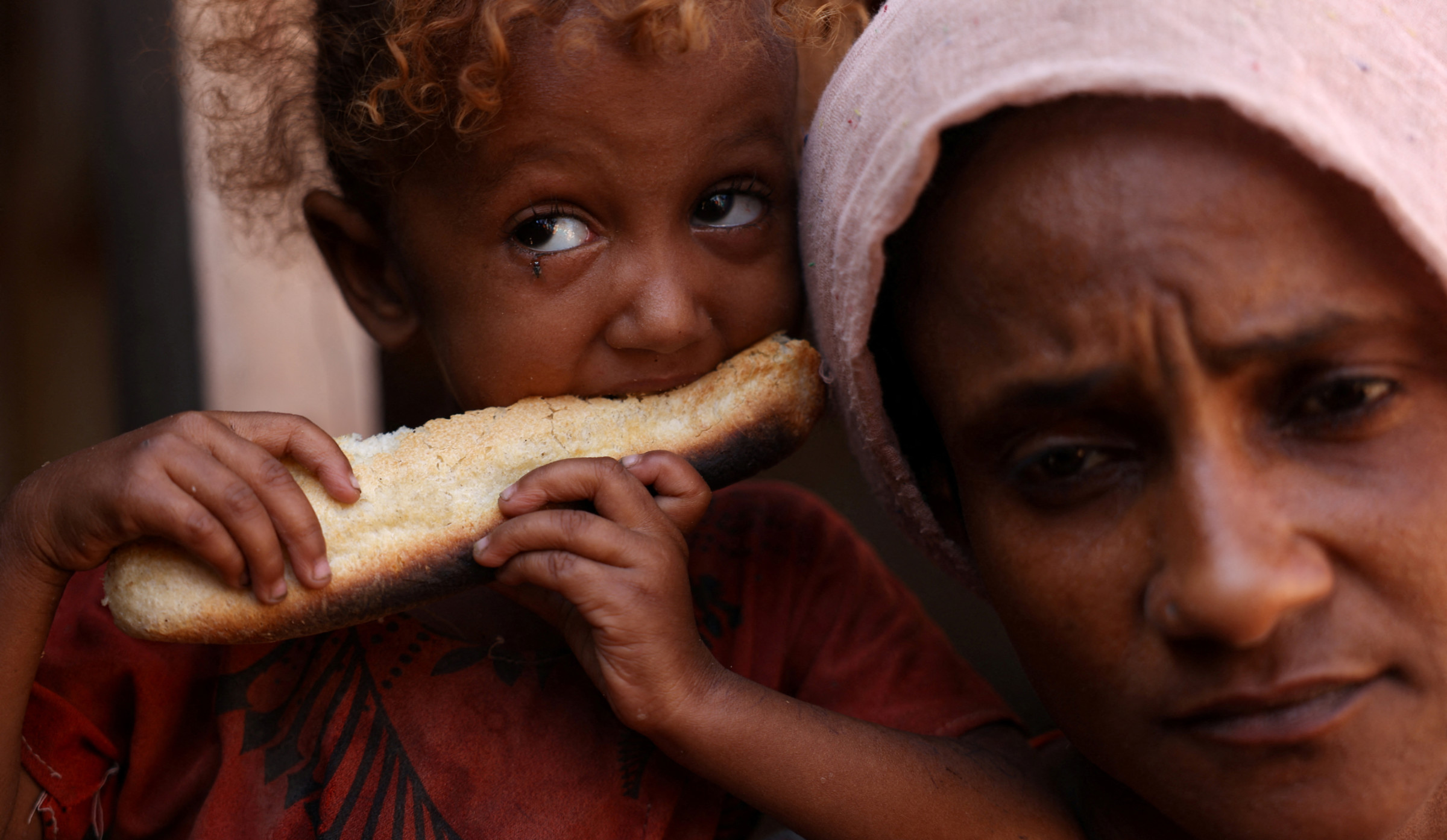
    A severe healthcare crisis is unfolding in Yemen following the United Arab Emirates’ abrupt military withdrawal and simultaneous termination of humanitarian funding for critical medical facilities earlier this month. The move has severed access to specialized healthcare for thousands of Yemenis who depended on UAE-funded hospitals after more than a decade of conflict devastated the country’s public health infrastructure.

    The withdrawal coincided with significant geopolitical shifts in southern Yemen, where the UAE’s separatist allies, the Southern Transitional Council, suffered substantial losses against Saudi-backed government forces. This development prompted Riyadh to strongly oppose continued Emirati influence in the region.

    Among the affected facilities is the strategically important 2nd of December Hospital in the port city of Mocha, which opened in late 2024 and quickly became a lifeline for communities along Yemen’s west coast. The hospital now faces a critical shortage of specialized medical staff after the UAE terminated its contract with the Indian company managing specialized services, prompting the immediate departure of surgical teams.

    Patients like Lutf al-Qaheri, a 59-year-old kidney patient who traveled five hours for treatment, now face impossible choices. ‘My turn was scheduled for January 5th, but I was informed it was cancelled because the specialized doctors had left,’ he reported. His needed surgery would cost $1,500 at a private hospital—an impossible sum for an unemployed man in Yemen’s devastated economy.

    The Saudi Development and Reconstruction Program for Yemen (SDRPY) has pledged a $500 million package to support these hospitals and other vital sectors. However, the transition has yet to materialize practically, leaving facilities without the specialized staff needed for complex procedures.

    The situation has sparked intense debate about the nature of humanitarian aid in conflict zones. Some Yemenis, like Hussein Ahmed whose wife received free surgery at a UAE-funded facility, express understanding: ‘The UAE is not responsible for us indefinitely. They acted at the request of our government.’

    Yet others see more calculated motives. Yemeni journalist Mohammed Sultan characterizes the withdrawal as ‘the militarization of aid,’ stating: ‘The fact that they terminated these contracts the moment they were asked to leave proves they only support us if we allow them to pursue their own agenda.’

    Despite the challenging transition, a doctor at the 2nd of December Hospital offered cautious optimism: ‘We have already begun coordinating that transition. Surgeries will soon resume at their previous capacity.’ The medical professional expressed frustration with those attempting to leverage the hospital’s situation for political gain, emphasizing that what matters most is ensuring Yemenis receive quality medical care regardless of political disputes.