作者: admin

  • Iran’s regime was built for survival and a long war is now likely

    Iran’s regime was built for survival and a long war is now likely

    The Middle East has descended into open warfare following the targeted assassination of Iranian Supreme Leader Ayatollah Ali Khamenei in a joint US-Israeli military operation. Tehran responded with immediate retaliatory strikes against Israeli and US military installations across the region, marking a significant escalation in longstanding tensions.

    US President Donald Trump and Israeli Prime Minister Benjamin Netanyahu publicly acknowledged their objective of facilitating regime change in Iran, though the immediate consequences have been widespread conflict rather than political transformation. The assassination represents the most significant blow to Iran’s Islamic regime since the 2020 killing of Qassem Soleimani, though historical precedent suggests the regime possesses considerable resilience.

    Khamenei’s dual role as both political and spiritual leader complicates the succession process. The Assembly of Experts must now convene to appoint an interim or permanent successor, with three primary candidates emerging: Gholam-Hossein Mohseni-Eje’i (head of judiciary), Ali Asghar Hejazi (Khamenei’s chief-of-staff), and Hassan Khomeini (grandson of the republic’s founder).

    The Islamic Revolutionary Guard Corps (IRGC) and paramilitary Basij forces remain firmly committed to regime preservation, having previously demonstrated willingness to suppress domestic dissent through lethal force during the 2025-2026 protests. The regime’s survival apparatus appears intact despite the leadership decapitation.

    Iran’s retaliatory measures have extended beyond direct military strikes to economic warfare tactics. The IRGC has initiated operations to choke the Strait of Hormuz, through which 20% of global oil and 25% of liquefied gas transit daily. This strategic maneuver threatens severe disruptions to worldwide energy markets and economic stability.

    International responses have highlighted the conflict’s global implications. China, Russia, and United Nations Secretary-General António Guterres have condemned the US-Israeli actions and called for de-escalation, though diplomatic solutions appear increasingly remote. The attacks occurred amid ongoing nuclear negotiations that Omani mediators described as nearing successful resolution.

    Analysts suggest the conflict may extend for weeks rather than days, with both sides demonstrating willingness to cross previously established red lines. The Trump administration appears to be using the confrontation to assert continued US global dominance, while Netanyahu seeks to cement Israel’s regional hegemony.

    The humanitarian consequences are expected to be severe, with Iranian civilians, regional stability, and global economic interests all facing significant collateral damage from what observers characterize as a war of choice for geopolitical advantage.
  • ‘Consistency’: Stephen Crichton dodges charge for high shot as Cowboys winger faces ban

    ‘Consistency’: Stephen Crichton dodges charge for high shot as Cowboys winger faces ban

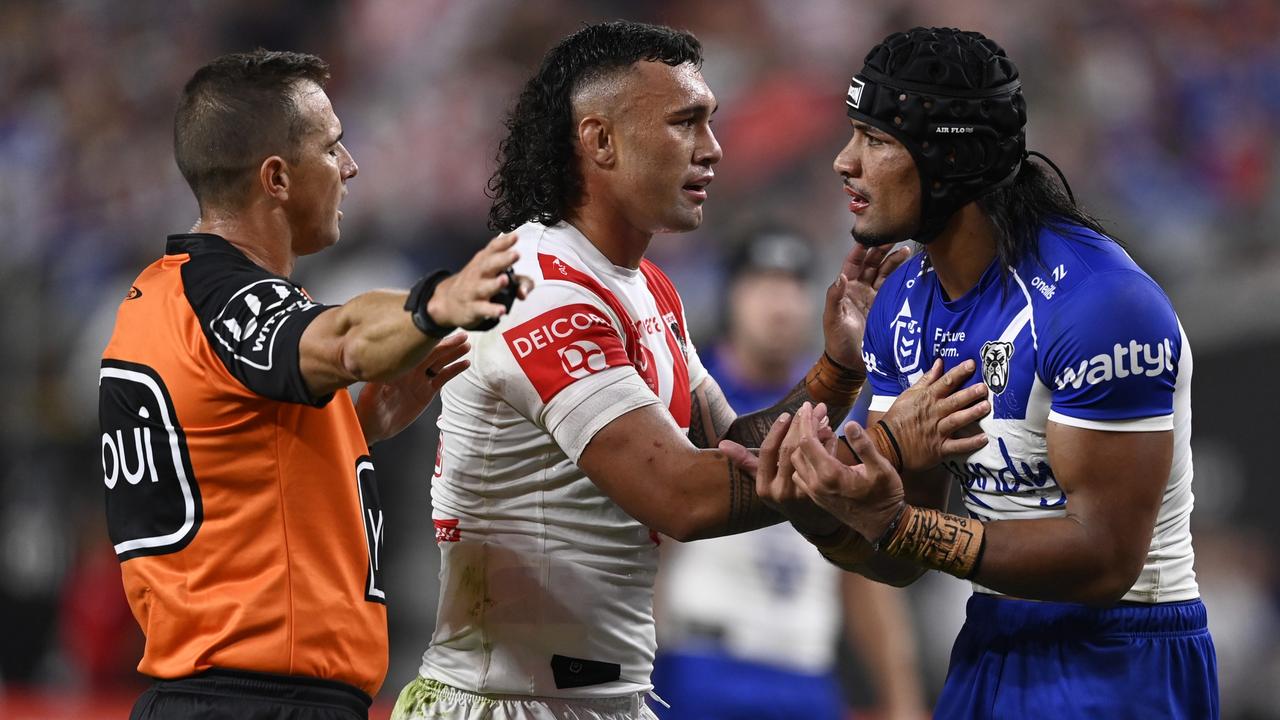
    The National Rugby League’s match review committee has issued its disciplinary findings from the historic Las Vegas double-header, generating significant controversy over perceived inconsistencies in judicial outcomes. While Bulldogs captain Stephen Crichton escaped any sanction for his high tackle on Dragons rookie Setu Tu, Cowboys winger Braidon Burns faces a potential two-match suspension for his challenge on Knights superstar Kalyn Ponga.

    The committee’s decision regarding Crichton has raised eyebrows across the league, particularly given that the Bulldogs skipper was penalized during the match for direct contact to Tu’s head while the rookie was in a vulnerable position catching a high ball. The absence of any subsequent charge stands in stark contrast to Burns’ situation, who received a grade 2 careless high tackle charge and was sin-binned during the match for his challenge on Ponga.

    Dragons coach Shane Flanagan expressed frank bewilderment at the disciplinary inconsistencies, telling reporters: ‘Seriously mate, there was about six or seven of them. I’m disappointed.’ His frustration echoed sentiments shared by several analysts who questioned the application of consistent standards across both matches.

    Meanwhile, North Queensland faces additional concerns with forward Tom Mikaele potentially sidelined for six weeks with medial knee damage following a cannonball tackle from Knights veteran Tyson Frizell, who only faces a $1,000 fine for a grade 1 dangerous contact charge. Cowboys coach Todd Payten voiced his dissatisfaction, stating: ‘I’d just like a bit of consistency, but we’ll see what happens through the week.’

    The contrasting outcomes have ignited debate about judicial consistency in the NRL, particularly regarding high tackles and dangerous contact, as the league continues its international expansion efforts through the American showcase games.

  • ‘Not priced in’: ASX falls on US-Iran war

    ‘Not priced in’: ASX falls on US-Iran war

    Financial markets worldwide have been thrown into turmoil following a decisive US-Israel military operation that eliminated Iranian Supreme Leader Ayatollah Ali Khamenei and numerous senior officials. The coordinated strikes, described by US President Donald Trump as “pre-emptive,” have triggered a dramatic 15.13% surge in oil prices to $US77.44 per barrel, with projections indicating potential spikes beyond $US100.

    Australia’s ASX 200 index dropped 0.42% to 9,160.10 points by midday Monday, reflecting widespread investor anxiety over escalating Middle East tensions. The market decline was partially mitigated by a substantial 3.78% rally in energy stocks, which benefited from the crude price surge.

    Analysts from Capital.com warn that markets had not priced in comprehensive strikes against Iran, drawing parallels to the initial market shock following Russia’s invasion of Ukraine, though noting Iran’s more limited integration into the global economy might moderate the ultimate economic impact.

    The commodity shock extended beyond oil, with gold futures jumping 2% to a four-week high of $US5,200 per ounce and silver rallying 8% to $US112.03 per ounce. The Australian dollar simultaneously fell 1.1% to a four-day low of 70.36 US cents.

    Energy experts from Wood Mackenzie highlight additional risks to global supply chains, predicting dramatic increases in tanker rates and insurance costs that would compound the inflationary pressure from elevated oil prices. Major net energy importers including Japan, China and India face particular vulnerability to sustained price increases.

  • Trump warns ‘there will likely be more’ US deaths in Iran conflict

    Trump warns ‘there will likely be more’ US deaths in Iran conflict

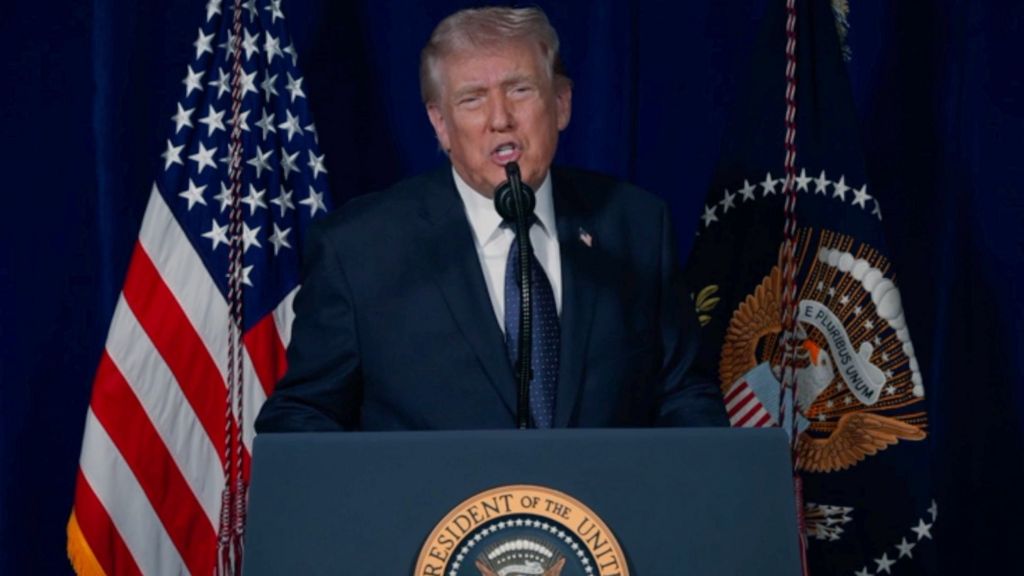
    In a sobering address delivered via his Truth Social platform, former U.S. President Donald Trump issued a stark warning regarding the escalating tensions with Iran, indicating that additional American fatalities should be anticipated. The video statement came in direct response to recent military engagements, marking a significant moment in the ongoing conflict between the two nations.

    Trump’s message framed the situation with grave seriousness, emphasizing the volatile nature of international military actions. Without delving into specific operational details, the former commander-in-chief underscored the inherent dangers faced by U.S. personnel stationed in the region. His remarks reflected the complex geopolitical landscape that has characterized Middle Eastern relations throughout multiple administrations.

    The public communication strategy, bypassing traditional media channels, represents a continuing evolution in how political figures engage with the public on matters of national security. This development occurs against the backdrop of longstanding tensions between Washington and Tehran, which have periodically flared into open confrontation. The statement’s tone balanced resolve with realism, acknowledging the human cost of foreign policy decisions while maintaining a stance of strategic determination.

    Analysts suggest such pronouncements may influence both domestic political discourse and international perceptions of U.S. foreign policy direction. The warning arrives amid broader discussions about America’s role in global conflicts and the protection of its military assets abroad.

  • Venezuela’s opposition leader Machado says she will return to the country in the coming weeks

    Venezuela’s opposition leader Machado says she will return to the country in the coming weeks

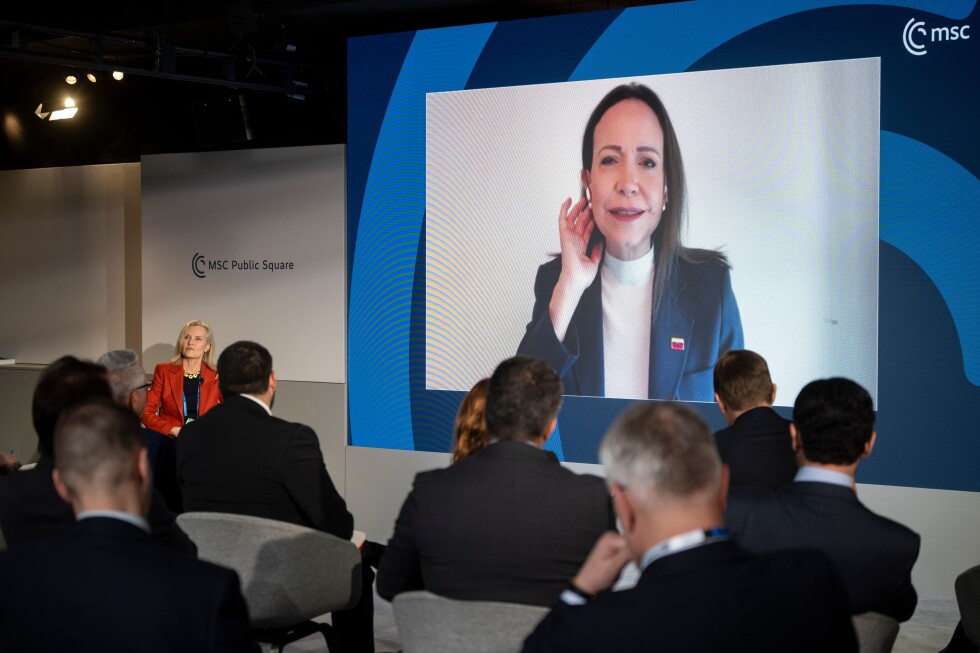
    Venezuelan opposition figure María Corina Machado has declared her intention to return to Venezuela in the coming weeks, signaling a potential political showdown in the South American nation. The 2015 Nobel Peace Prize laureate made the announcement via social media on Sunday, though she refrained from specifying an exact date for her homecoming.

    Machado, a central figure in Venezuela’s political opposition, emphasized that her return would focus on preparing for what she described as “a new and gigantic electoral victory.” She urged supporters to reinforce the unity established during the 2023 primaries, where she emerged as the consensus candidate to challenge former President Nicolás Maduro’s regime.

    The political landscape remains volatile since Maduro and his wife were apprehended in a U.S. military operation in January. Current Acting President Delcy Rodríguez has issued stern warnings that Machado “will have to answer” upon her return to Venezuelan territory.

    International observers note the complex transition dynamics, with U.S. Secretary of State Marco Rubio emphasizing that Venezuela’s political change must progress through phases of stabilization, economic recovery, and gradual transition. The U.S. administration has not indicated expectations for immediate elections.

    Machado’s Nobel Peace Prize recognition in 2015 honored her persistent advocacy for democratic transition in Venezuela. Her subsequent controversial decision to present the medal to U.S. President Donald Trump following the military intervention that ousted Maduro drew mixed international reactions. Maduro currently faces drug trafficking charges in U.S. courts, where he has entered not guilty pleas.

    The political crisis intensified after Maduro was declared the winner of July 2024 elections, triggering widespread protests and government crackdowns. The opposition maintains credible evidence indicating that Edmundo González—who replaced Machado after her disqualification from the electoral process—was the legitimate victor.

  • Canada beats Colombia 4-1 in SheBelieves Cup women’s soccer opener

    Canada beats Colombia 4-1 in SheBelieves Cup women’s soccer opener

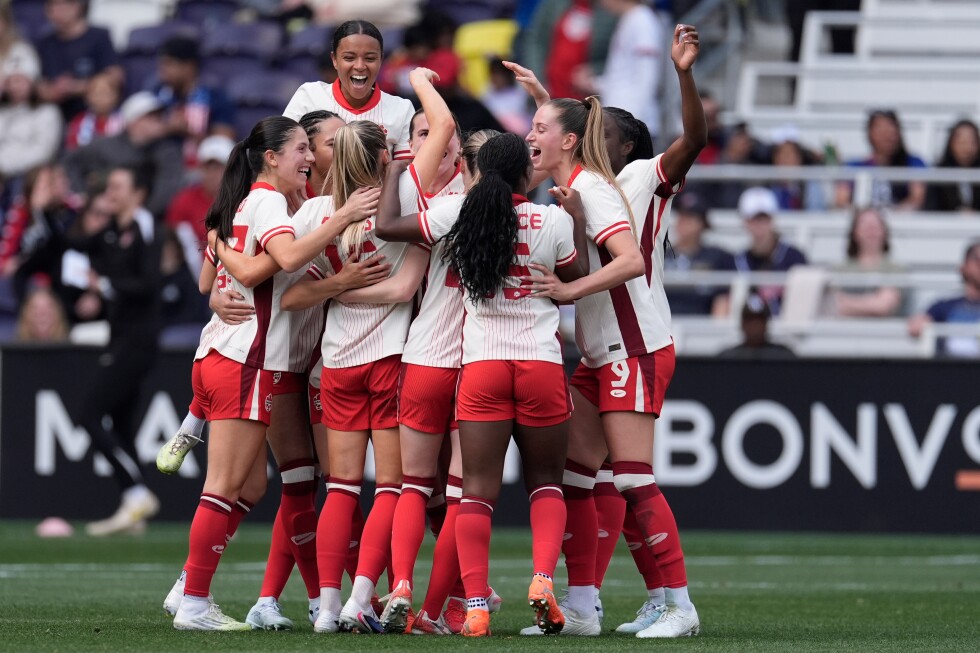
    In a decisive display of skill and determination, the Canadian women’s national soccer team emphatically halted their five-game international losing streak with a 4-1 triumph over Colombia in the inaugural match of the SheBelieves Cup on Sunday in Nashville, Tennessee.

    The match, characterized by its physical intensity and seven yellow cards, saw Canada establish early dominance. Defender Vanessa Gilles broke the deadlock in the 31st minute, powerfully heading a Janine Sonis corner kick into the net. Sonis then transitioned from provider to scorer in the 67th minute, converting a masterfully taken penalty kick with an arcing shot that left Colombian goalkeeper Katerin Tapia rooted to the spot.

    Canada’s momentum continued unabated as Sydney Collins found the back of the net just six minutes later, extending the lead to a comfortable 3-0. Colombia managed a consolation goal in the 81st minute when Leicy Santos confidently converted a penalty kick past Canadian keeper Kailee Sheridan. However, any hopes of a late Colombian comeback were extinguished by Nichelle Prince, who sealed the comprehensive 4-1 victory with a goal in the 90th minute.

    The contest’s physical nature reached a climax when Colombia’s Gisela Robledo received her second yellow card, resulting in a red card and an early dismissal. This victory sets the stage for a highly anticipated North American derby, as Canada is scheduled to face the United States in their next SheBelieves Cup fixture on Wednesday in Columbus, Ohio.

  • Supporters of Brazil’s Bolsonaro rally across Brazil against Lula

    Supporters of Brazil’s Bolsonaro rally across Brazil against Lula

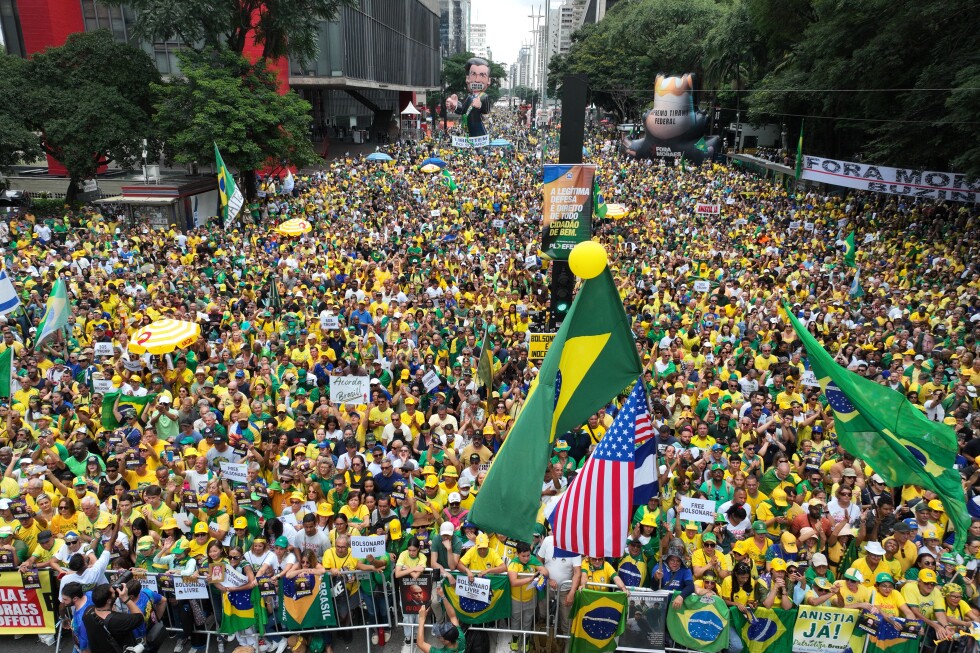
    Across Brazil’s urban landscapes, thousands of demonstrators clad in the national colors of yellow and green gathered Sunday in a formidable display of political force. The rallies, organized in major metropolitan centers including São Paulo, Rio de Janeiro, and the capital Brasília, signaled a revitalized right-wing mobilization ahead of October’s pivotal presidential election.

    The movement centers around Flávio Bolsonaro, son of incarcerated former President Jair Bolsonaro, who has assumed his father’s political mantle. From his Instagram platform, the younger Bolsonaro declared this electoral cycle decisive for Brazil’s future, framing the contest as a rescue mission for the nation. His candidacy positions him directly against current President Luiz Inácio Lula da Silva, who seeks a nonconsecutive fourth term.

    This political theater unfolds against the dramatic backdrop of the elder Bolsonaro’s imprisonment. The former leader is serving a 27-year sentence for attempting to overthrow the government following his 2022 electoral defeat to Lula. Many supporters perceive his incarceration as politically motivated persecution rather than judicial accountability.

    According to observational studies from the University of São Paulo and nonprofit More in Common, approximately 20,000 demonstrators gathered in São Paulo with nearly 5,000 in Rio de Janeiro (with a 12% margin of error). The visual symbolism was striking: protest signs demanding “Free Bolsonaro” lined Paulista Avenue, while giant inflatable figures depicted Lula in prison attire and Bolsonaro wearing the presidential sash.

    The demonstrations incorporated international symbolism as well, with some participants waving American flags alongside Brazilian banners. Flávio Bolsonaro utilized his platform to criticize Brazil’s Supreme Court, accusing justices of undermining democracy—a reference to the judicial panel that sentenced his father last September.

    Douglas Ruas dos Santos, a state lawmaker participating in Rio’s protest, articulated the movement’s long-term vision: “We believe that 2026 will be the year of the turning point. We have a project led by President Bolsonaro, which was entrusted to Flávio Bolsonaro.”

    Recent polling data indicates a statistically dead heat in a hypothetical runoff between Flávio Bolsonaro and President Lula, setting the stage for one of Brazil’s most consequential electoral battles in modern history.

  • Which senior Iranian figures have been killed by US-Israeli attacks?

    Which senior Iranian figures have been killed by US-Israeli attacks?

    A coordinated military offensive by the United States and Israel has resulted in a catastrophic decapitation of Iran’s political and military hierarchy, with casualties estimated in the hundreds. The most significant loss confirmed by Iranian state media is the death of Supreme Leader Ayatollah Ali Khamenei, who had governed the Islamic Republic since 1989. A state television broadcaster, visibly emotional, announced that the 86-year-old cleric “achieved his long-cherished wish of martyrdom in the holy month of Ramadan.” Several members of his immediate family, including his daughter, son-in-law, daughter-in-law, and granddaughter, were also reported killed.

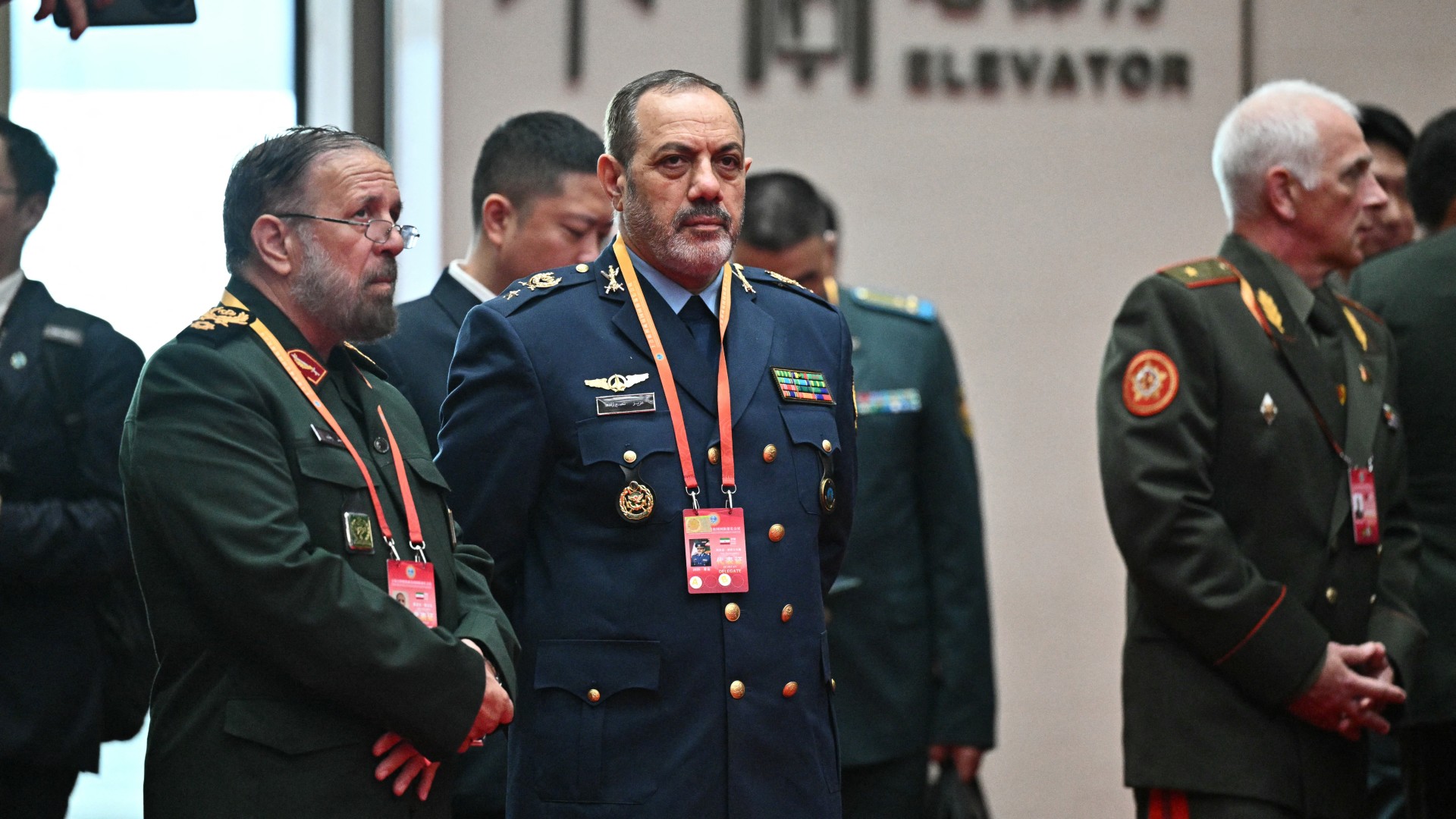
    The assault extended far beyond the supreme leader, systematically eliminating the upper echelons of Iran’s security apparatus. Among the high-profile casualties is Mohammad Pakpour, Commander of the Islamic Revolutionary Guard Corps (IRGC); Ali Shamkhani, Secretary of the Defence Council and a key nuclear negotiator; and Amir Nasirzadeh, the nation’s Defence Minister. Abdolrahim Mousavi, Chief of Staff of the Armed Forces, was also killed, continuing a pattern of targeting military successors.

    Israeli military spokespersons claimed responsibility for eliminating a wider circle of senior officials, though these reports await independent verification. According to intelligence sources cited by major news outlets, the operation was based on meticulously gathered intelligence. The New York Times reported that the CIA had been monitoring Khamenei’s movements for months and recently identified a high-level meeting at a leadership compound in Tehran. This intelligence was subsequently shared with Israeli forces, who launched a simultaneous multi-target strike. CBS News, citing intelligence sources, placed the death toll among officials at approximately 40.

    The list of presumed deceased includes Mojtaba Khamenei (a son and potential successor to the supreme leader), Esmail Qaani (head of the IRGC’s Quds Force), and several heads of military intelligence and research agencies. In the wake of this power vacuum, Iranian state media announced that interim governance would be transferred to a three-member council consisting of President Masoud Pezeshkian, Judiciary Chief Gholam-Hossein Mohseni-Ejei, and jurist Alireza Arafi. The scale and precision of the strikes mark an unprecedented escalation in the ongoing shadow conflict between the powers, potentially reshaping the geopolitical landscape of the Middle East.

  • 6 killed in Iranian missile attack in Israel’s Beit Shemesh: rescue service

    6 killed in Iranian missile attack in Israel’s Beit Shemesh: rescue service

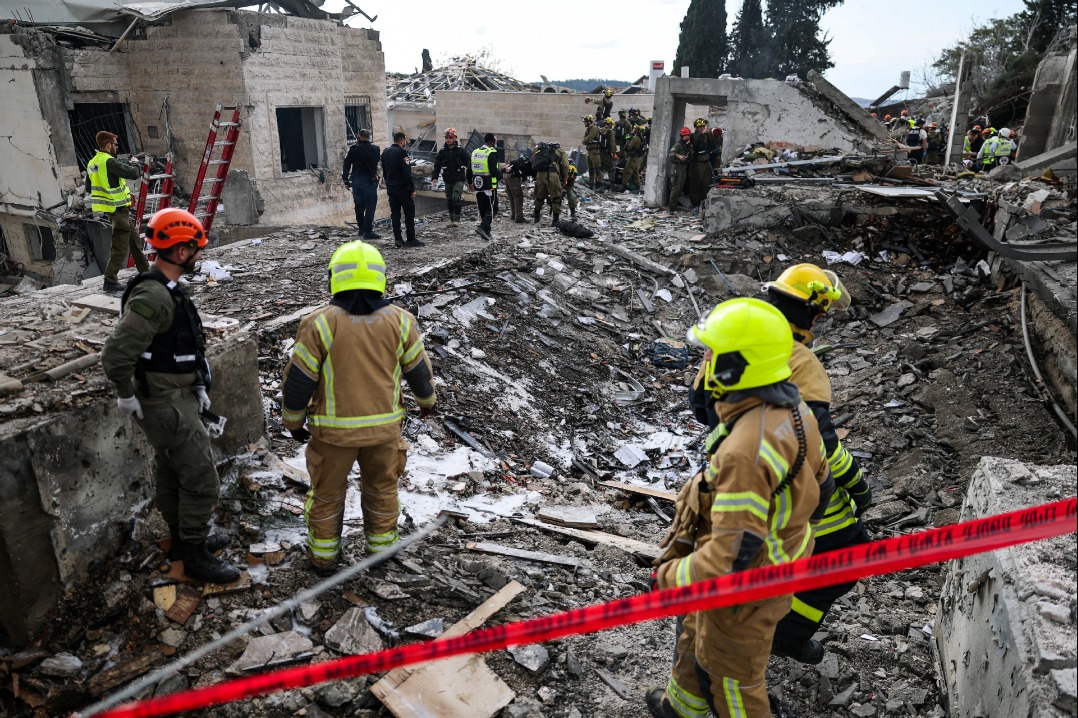
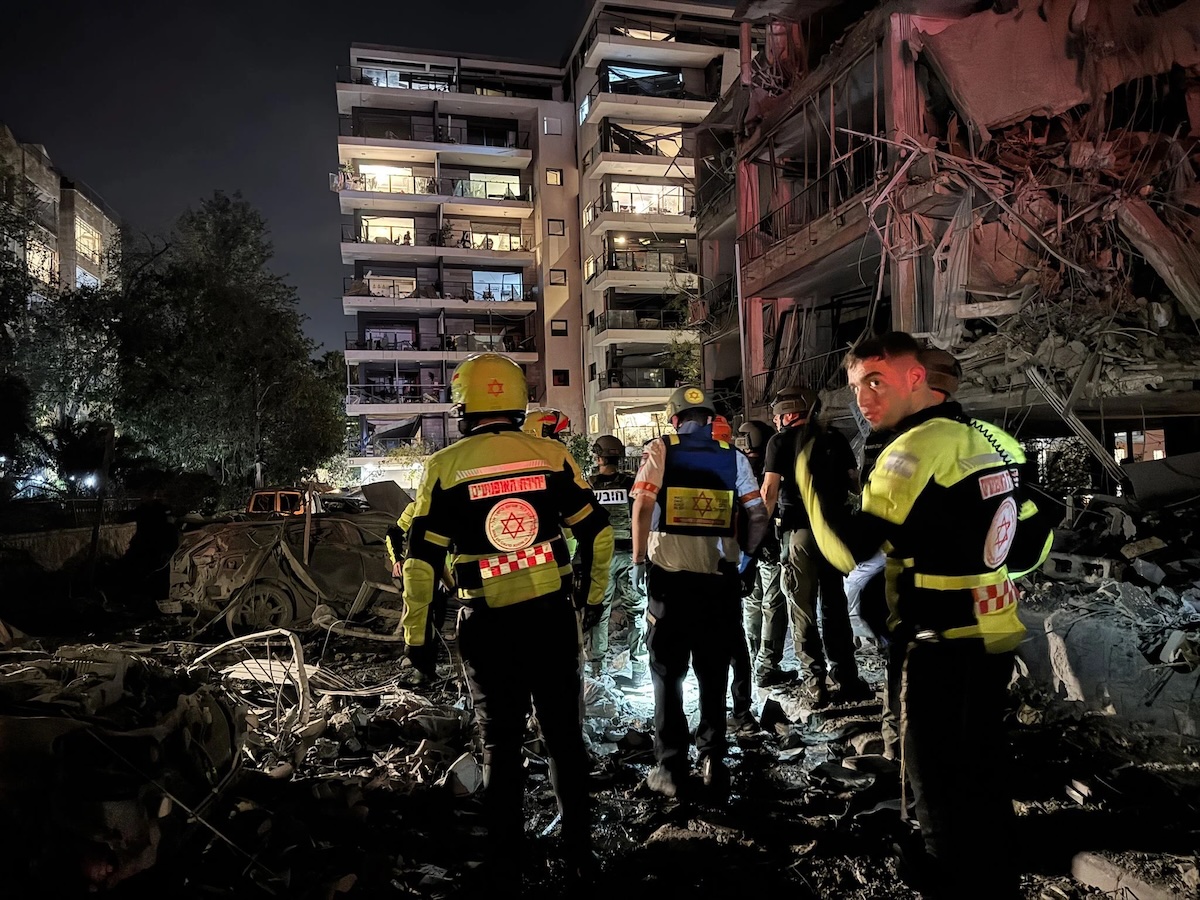
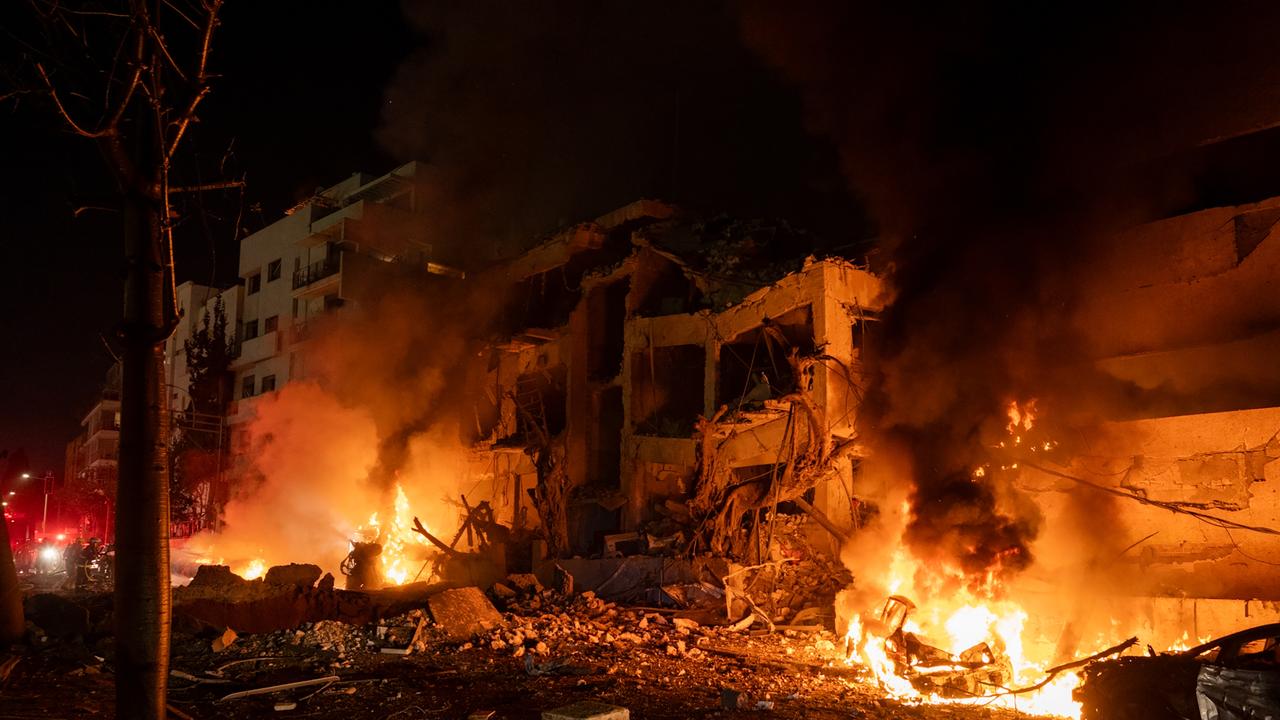
    A residential neighborhood in Beit Shemesh, located west of Jerusalem, became the target of a devastating Iranian missile attack on Sunday, resulting in significant casualties. According to Zaki Heller, spokesperson for Israel’s Magen David Adom rescue service, the assault claimed six lives and left at least 23 individuals injured.

    The attack represents a significant escalation in ongoing regional tensions, with Iranian forces launching missile barrages in response to prior military actions by the United States and Israel. Emergency personnel were immediately dispatched to the impact site, working tirelessly to extract victims from the debris and provide critical medical assistance to the wounded.

    Beit Shemesh, typically a quiet residential community, has now become the latest flashpoint in the intensifying conflict between the two nations. The strike on civilian infrastructure marks a concerning development in the military exchanges that have recently escalated between Iran and Israel.

    The international community continues to monitor the situation closely as tensions in the region reach new heights, with concerns growing about potential further retaliation and the broader implications for Middle Eastern stability.

  • In maps: Strikes across Iran and the Middle East

    In maps: Strikes across Iran and the Middle East

    The Middle East confronts an unprecedented military escalation as coordinated US-Israeli operations against Iran continue into their second consecutive day. Israeli forces confirm striking targets “in the heart of Tehran,” including the compound of Supreme Leader Ayatollah Ali Khamenei, while Iran has intensified retaliatory attacks across Israel and Gulf Arab nations.

    Satellite imagery and verified footage reveal significant damage to Leadership House, Khamenei’s official compound in Tehran, following precision strikes. Additional strikes targeted the Narmak neighborhood, residence of former president Mahmoud Ahmadinejad, and areas surrounding Iran’s intelligence ministry. The Israel Defense Forces stated these operations specifically targeted locations housing senior political and security figures.

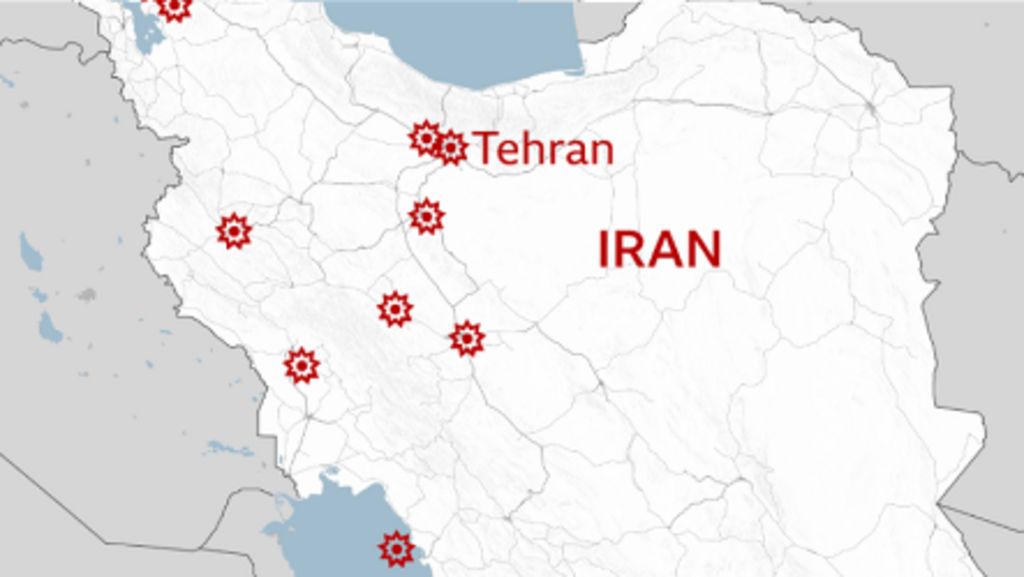
    Beyond Tehran, military installations in Kermanshah, Qom, Isfahan, Tabriz, and Karaj sustained damage, with Israeli forces reporting the destruction of two fighter aircraft in Tabriz. US President Donald Trump announced the sinking of nine Iranian naval vessels and substantial damage to Iranian naval headquarters. US Central Command deployed B-2 stealth bombers armed with 2,000-lb bombs against ballistic missile facilities.

    Iran’s retaliatory measures have produced devastating consequences across the region. A missile strike on Beit Shemesh, Israel, killed at least nine people, while three US service members died in action according to Pentagon reports. Gulf states including UAE, Kuwait, Bahrain, and Qatar experienced sustained attacks, with Bahrain’s US Navy Fifth Fleet service center suffering missile damage. The UAE reported three fatalities and multiple injuries, while Kuwait confirmed one death.

    Civilian infrastructure has not been spared, with Dubai International Airport and educational facilities becoming casualties of the conflict. Iranian state media reported at least 153 fatalities at a girls’ school in Minab, though international verification remains challenging due to visa restrictions for foreign journalists.

    The conflict has drawn in previously uninvolved nations, with Jordan intercepting ballistic missiles targeting its territory and Oman’s Duqm commercial port suffering drone attacks that injured one worker. Regional tensions continue to mount as both sides vow to escalate military operations further.