作者: admin

  • South Lebanon residents flee death and destruction

    South Lebanon residents flee death and destruction

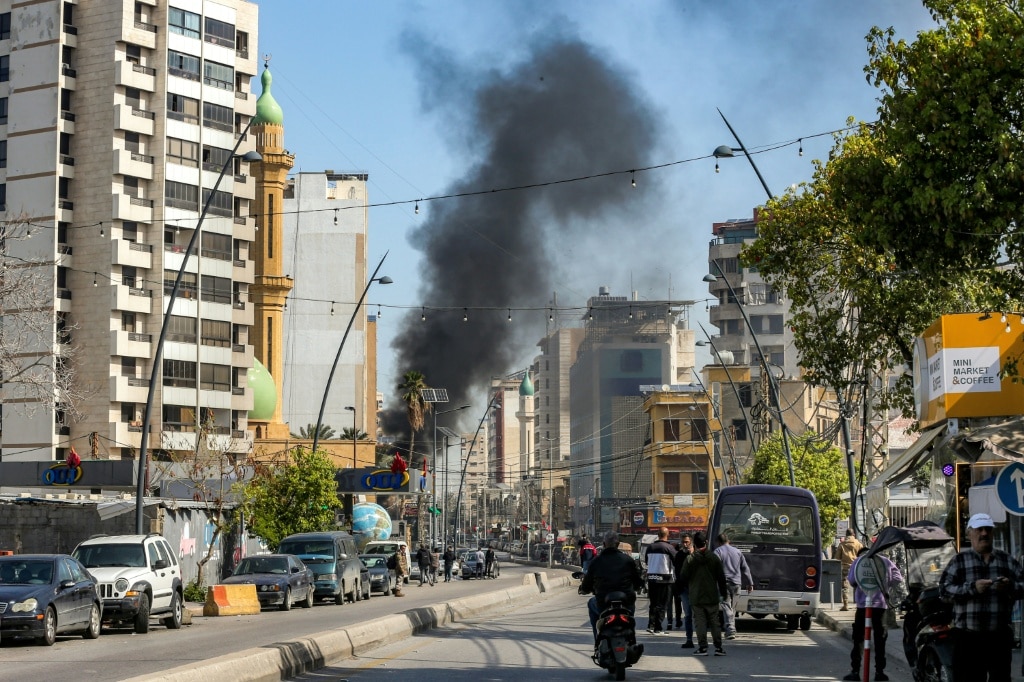
    A relentless stream of vehicles extends along Lebanon’s southern coastline, carrying thousands of displaced civilians seeking refuge from escalating hostilities between Israeli forces and Hezbollah militants. The ancient port city of Sidon has become an unexpected sanctuary for those fleeing what Israel has designated as a red zone—a 14 percent segment of Lebanese territory south of the Zahrani River under urgent evacuation orders.

    The humanitarian situation has reached critical levels with over one million Lebanese citizens forcibly displaced from their homes. Reception centers have exceeded capacity, forcing families to sleep in vehicles or along the seafront. Nidal Ahmad Chokr, a 55-year-old from Jibchit village, described his harrowing escape: “Bakers died while making bread in the village square and municipal workers were martyred while using bulldozers.” He fled with minimal possessions—only a towel, underwear, and essential medications.

    Jihan Kaisi, director of an NGO assisting displaced persons, reported that Sidon’s schools are sheltering three times their intended capacity. “Families arrive with terrified eyes in the middle of the night,” she stated, visibly distressed about turning people away due to lack of space.

    Safaa al-Tabl, a 37-year-old mother of five from Kharayeb village, recounted three days of continuous drone surveillance and attacks before her family’s escape. “They were targeting people, houses. It was all happening right in front of our eyes. I saw bodies,” she recalled emotionally, speaking about her tulip-filled home that represented her childhood memories and national identity.

    The current conflict evokes traumatic memories of Israel’s 22-year occupation of southern Lebanon (1978-2000) and the destructive 2006 war. While Israel describes its ground operations as “limited,” many evacuees fear expanded military actions.

    Mustafa Khairallah, an elderly man using canes, emphasized the unprecedented nature of this conflict: “In the south, we’re very resilient, we’re used to bombardments… Now they’re targeting civilians more and more.” His statement was punctuated by the sound of distant explosions near Sidon.

    Economic realities prevent complete evacuation. Haidar Bitar, a 28-year-old entrepreneur from Nabatiyeh, explained that years of economic crisis have left many without resources to flee. “Before, rent was $100 or $200. Now, you have to pay $1,000 and three months upfront,” he noted, describing how the conflict has driven prices exponentially higher.

    Despite the overwhelming force, Bitar expressed conviction that Israel cannot easily defeat Hezbollah: “They fight night and day. They know where to hide above and below ground.” The militant group, though weakened, has signaled preparedness for prolonged confrontation, maintaining significant support among its base.


  • What to know about the meningitis outbreak in England causing angst among university students

    What to know about the meningitis outbreak in England causing angst among university students

    A severe meningitis outbreak in Kent, southeast England, has resulted in two fatalities and triggered an extensive public health intervention. UK Health Secretary Wes Streeting characterized the situation as unprecedented due to the rapid surge of cases, with the count rising to 20 confirmed infections within days of the first diagnosis on Friday.

    The victims include a university student from the University of Kent and a pupil from a local school. In response, health authorities have implemented emergency measures, distributing thousands of antibiotic doses and vaccinations to students at the Canterbury campus. The outbreak has been traced to a bacterial strain, specifically meningococcal sepsis, which causes infection of the brain and spinal cord membranes and can prove fatal without prompt treatment.

    Epidemiologists identified a potential super-spreader event at Club Chemistry, a nightclub in Canterbury, between March 5-7. Many of those affected attended the venue during this period. Nationwide medical professionals have been instructed to provide antibiotics to anyone who visited the club on those dates, regardless of their current location.

    Meningitis, though rare in the UK with approximately 350 annual cases, spreads efficiently in densely populated environments like university accommodations. The bacteria can remain dormant in the nose or throat, transmitting through respiratory droplets or close personal contact.

    Amid heightened public anxiety, reminiscent of COVID-19 precautions, some residents have resumed mask-wearing and social distancing. Health officials emphasize that antibiotics remain the primary tool for containment, with over 2,500 doses already administered. Vaccinations targeting the meningitis B strain are also being offered, though availability through private pharmacies has been limited.

    With an incubation period of up to 14 days, additional cases are anticipated. However, scientists have not yet determined if this strain exhibits heightened virulence. Health Secretary Streeting assured the public that the outbreak does not currently constitute a national incident, expressing confidence in containment measures preventing wider dissemination.

  • Argentina make pitch to host 2035 Rugby World Cup

    Argentina make pitch to host 2035 Rugby World Cup

    Argentina has officially launched an ambitious campaign to host the 2035 Rugby World Cup, potentially marking the first time the prestigious tournament would be held in South America. The Argentine Rugby Union, under President Gabriel Travaglini, is spearheading a regional bid that would include collaboration with neighboring nations Brazil, Chile, and Uruguay.

    World Rugby chief executive Alan Gilpin is currently conducting a fact-finding mission in Argentina to assess the country’s capabilities ahead of formal bid submissions scheduled for the latter half of 2026. This preliminary evaluation represents a crucial step in the selection process.

    “Our vision is to deliver a World Cup that truly reflects the passion and remarkable development rugby has achieved throughout our territory,” stated Travaglini, emphasizing the transformative potential of hosting the event.

    The South American bid faces significant competition from several global contenders. Japan and Spain have recently confirmed their intentions to bid for the tournament, while Italy has previously expressed interest. Additionally, rumors persist of a joint Middle East bid involving Saudi Arabia, Qatar, and the United Arab Emirates.

    Argentina’s rugby credentials are substantial. The national team, Los Pumas, has participated in all ten previous Rugby World Cups and reached the semi-finals in three of the past five tournaments. Despite being ranked among the world’s top eight rugby nations, Argentina remains the only team in that elite group never to have hosted a World Cup match.

    The country boasts several modern, multi-purpose stadiums capable of hosting international matches. These include the 57,000-capacity Estadio Mario Alberto Kempes in Córdoba, the 25,000-seater Estadio San Juan del Bicentenario, and the 30,000-capacity Estadio Único Madre de Ciudades in Santiago del Estero. Most notably, Buenos Aires’ Estadio Más Monumental, home to football club River Plate, stands as South America’s largest stadium with a capacity exceeding 85,000.

    World Rugby’s recent hosting strategy has balanced commercial considerations with expansion into new markets. The 2019 tournament in Japan marked the first time the event was held in Asia, while the United States is set to host in 2031. France (2023) and Australia (2027) represent traditional rugby nations that have hosted multiple times.

    The selection timeline will see World Rugby conduct thorough site visits and assessments before identifying a preferred host in May 2027. The final recommendation will be put to a vote in November of that year, determining which nation or region will host the 2035 tournament.

  • Mass funeral held in Kabul for victims of strike on hospital that Afghanistan blames on Pakistan

    Mass funeral held in Kabul for victims of strike on hospital that Afghanistan blames on Pakistan

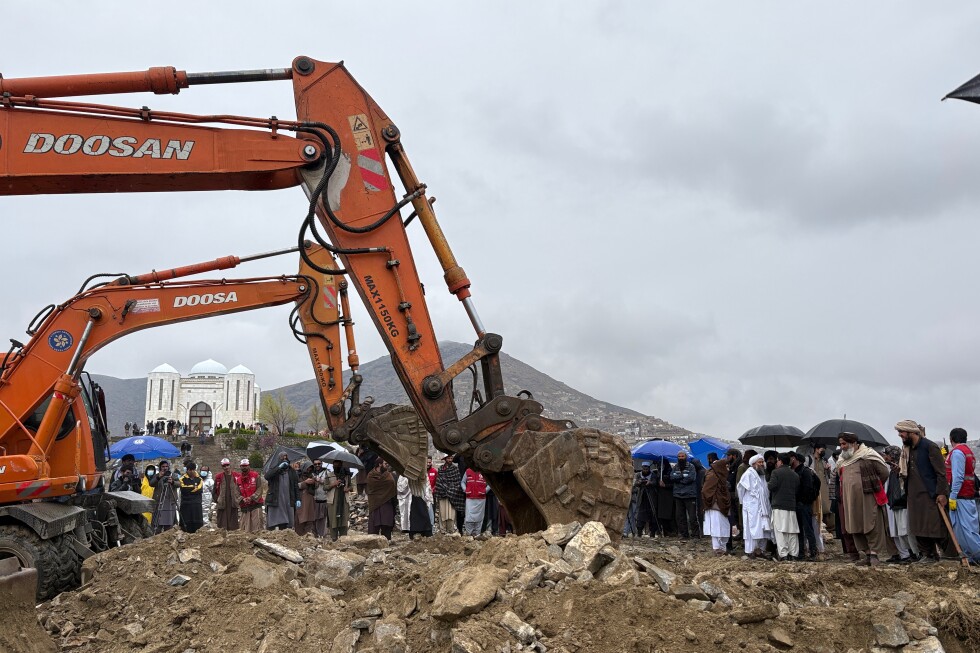
    KABUL, Afghanistan — Amid falling rain and somber atmosphere, mass funerals commenced in Kabul on Wednesday for victims of a devastating airstrike that targeted a drug rehabilitation facility earlier this week. The incident has dramatically intensified the ongoing conflict between Afghanistan and Pakistan, now entering its third week of sustained hostilities.

    Afghan authorities maintain that the strike on Omid Addiction Treatment Hospital resulted in 408 fatalities and 265 injuries, though these figures remain unverified by independent sources. The 2,000-bed medical facility, which had been recently expanded as part of the Taliban government’s initiative to combat widespread drug addiction, was struck around 9 p.m. on Monday near Kabul’s international airport.

    Pakistan’s government has categorically denied targeting civilian infrastructure, with Information Minister Attaullah Tarar asserting in an interview that operations specifically targeted “terrorist infrastructure and military setups.” Tarar claimed the strikes hit an ammunition depot in Kabul, resulting in subsequent explosions that caused collateral damage.

    This conflict represents the most severe escalation between the neighboring nations in recent history, characterized by repeated cross-border clashes and airstrikes within Afghan territory. The fighting began in late February when Afghanistan launched retaliatory attacks following Pakistani airstrikes, effectively disrupting a Qatar-brokered ceasefire established in October.

    The international community has expressed growing concern over the deteriorating situation, particularly given the region’s vulnerability to militant organizations including al-Qaida and the Islamic State group seeking to exploit the instability. Pakistan formally declared itself in “open war” with Afghanistan last month, marking a significant deterioration in bilateral relations.

    As recovery efforts continue, authorities report that bodies are still being extracted from the smoldering hospital wreckage. Victims from Kabul province received mass burials while those from other regions were transported to their home provinces for funeral services.

  • Advertised salaries are rising but soaring bills crush any gains

    Advertised salaries are rising but soaring bills crush any gains

    New data from Australia’s leading employment platform reveals a paradoxical economic situation where rising advertised salaries provide little respite for households grappling with escalating living expenses. According to the latest figures, advertised salaries increased by 0.4% in February compared to the previous month, marking a 3.9% annual increase and accelerating to 4.2% growth over the past six months—the fastest pace recorded since early 2024.

    Despite these nominal wage improvements, Seek’s Chief Economist Blair Chapman emphasizes that Australian families face mounting financial pressure from multiple fronts. “Consumer prices have resumed rapid growth, mortgage costs continue climbing, and global uncertainties are creating additional upward pressure on household expenses,” Chapman stated.

    The economic challenges have been exacerbated by recent monetary policy decisions, with the Reserve Bank of Australia raising the official cash rate from 3.85% to 4.1%. Major financial institutions promptly transferred this increase to consumers through higher borrowing costs. Simultaneously, geopolitical tensions in the Middle East have driven global oil prices from $79 to over $140 per barrel, translating directly to a 10-cent-per-litre increase at Australian fuel pumps for every $14.07 per barrel price surge.

    Compounding these financial pressures, Australia’s job market shows concerning contraction signals. Job advertisements declined by 0.5% in January, marking the seventh consecutive monthly decrease. Year-over-year comparisons reveal a 2.6% reduction in available positions. Regional analysis indicates New South Wales experienced the most significant decline at 1.1%, followed by Victoria (1.0%) and Queensland (0.8%). Western Australia emerged as the sole region recording positive growth with a 0.2% increase.

    Chapman attributes this downward trend to “broad caution in the labour market” likely to persist amid growing global uncertainties. The economist specifically addressed technological concerns, noting that while automation through AI might seem a plausible explanation, current data does not support significant negative impact on job advertisement volumes.

  • Afcon final chaos – key questions answered

    Afcon final chaos – key questions answered

    In an unprecedented decision that has sent shockwaves through African football, the Confederation of African Football (CAF) has officially overturned the result of the 2025 Africa Cup of Nations final, stripping Senegal of their championship title and awarding Morocco a 3-0 victory. The controversial ruling comes nearly two months after the dramatic final match on January 18th in Rabat.

    The original match concluded with Senegal claiming a 1-0 victory in extra time following Pape Gueye’s decisive goal. However, the game was marred by extraordinary circumstances during stoppage time when, with the score tied 0-0, referee Jean-Jacques Ndala awarded Morocco a penalty while simultaneously disallowing a Senegal goal. In protest, Senegal head coach Pape Thiaw instructed his team to leave the pitch, with only captain Sadio Mane remaining initially. The match was suspended for 17 minutes before players returned, ultimately leading to extra time.

    CAF’s appeal board, comprising representatives from nine African nations (excluding both Morocco and Senegal), ruled that Senegal violated Article 82 of competition regulations by leaving the field without referee authorization. The board’s statement cited this violation as grounds for forfeiture, though questions remain about the interpretation of related regulations.

    The Senegalese Football Federation has vehemently denounced the decision as “a travesty” and announced plans to appeal to the Court of Arbitration for Sport (CAS) in Switzerland. Legal experts suggest the appeal process could extend up to six months, potentially overlapping with the upcoming World Cup.

    Additional controversies from the final include physical altercations between Senegalese reserve goalkeeper Yehvann Diouf and Moroccan ball boys over the theft of goalkeeper Edouard Mendy’s towel, as well as multiple disciplinary appeals from the Moroccan federation regarding player suspensions and fines.

    The unprecedented decision raises practical questions about trophy presentation, medal reclamation, and prize money distribution. Meanwhile, betting companies including Paddy Power have already paid out on Morocco victory bets, while others await final resolution.

    The Senegalese government has called for an independent international investigation into “suspected corruption” at CAF, further escalating tensions surrounding African football’s governing body.

  • Former NDRC deputy director charged with bribery

    Former NDRC deputy director charged with bribery

    In a significant development in China’s ongoing anti-corruption campaign, former National Development and Reform Commission (NDRC) deputy director Xu Xianping has been formally indicted on bribery charges. The Supreme People’s Procuratorate announced on Wednesday that prosecutors have completed their review and filed the case with the Chifeng Intermediate People’s Court in Inner Mongolia Autonomous Region.

    The case, which was initially investigated by the National Commission of Supervision, alleges that Xu exploited multiple high-ranking positions throughout his extensive career to illicitly benefit others while accepting substantial monetary bribes and valuable assets. The prosecution asserts that the 71-year-old official should be held criminally accountable for these corruption offenses.

    Xu’s impressive career trajectory, which spanned nearly five decades, included influential roles as Vice-Governor of Hunan Province, member of the Standing Committee of the Communist Party of China Hunan Provincial Committee, Deputy Head of the NDRC from 2009 to 2014, and most recently as Counselor of the State Council until 2022. According to judicial authorities, he manipulated these positions of power to facilitate improper advantages for third parties in exchange for significant financial compensation.

    The legal proceedings follow Xu’s initial investigation in March 2025 by anti-corruption authorities. After eight months of intensive scrutiny, he was expelled from the Communist Party in November 2025 and subsequently transferred to prosecutorial agencies for criminal proceedings. The case has been designated to regional authorities in Chifeng under the supervision of the Supreme People’s Procuratorate, demonstrating the systematic approach to handling high-profile corruption cases within China’s judicial system.

    This prosecution represents another milestone in China’s comprehensive anti-graft campaign that has targeted officials at various levels of government and state-owned enterprises. The case against a former NDRC official—an institution responsible for China’s economic planning and policy formulation—highlights the continued determination to root out corruption regardless of an individual’s former status or political connections.

  • Prosecution asks for seven years’ jail for crown princess’s son in Norway rape trial

    Prosecution asks for seven years’ jail for crown princess’s son in Norway rape trial

    In a landmark case that has captivated Norway, prosecutors have formally requested a prison sentence of seven years and seven months for Marius Borg Høiby, the son of Crown Princess Mette-Marit, concluding their arguments in a trial that has dominated national headlines for nearly seven weeks.

    The 29-year-old defendant faces an extensive list of 40 criminal charges, with prosecutors advocating for convictions on 39 counts. The most severe allegations include four distinct rape charges and serious assault. Høiby has entered not guilty pleas for these primary accusations while admitting to lesser offenses including drug transportation, traffic violations, and breaching a restraining order.

    State Prosecutor Sturla Henriksbø presented the prosecution’s final arguments this week at Oslo District Court, emphasizing that the case should be judged solely on factual evidence rather than the defendant’s royal connections. ‘He is not a monster,’ Henriksbø stated during his summation, ‘but must be judged for what he has done.’

    The prosecution’s case hinges on compelling evidence including non-consensual videos documenting three of the alleged rape incidents. Central to their argument is the assertion that the victims were either asleep or otherwise incapacitated during the assaults—a claim directly contradicting Høiby’s defense that all sexual encounters were consensual.

    Henriksbø detailed the recommended sentencing structure: three rape charges should carry two-year terms each, while a fourth more severe incident warranted a three-year sentence. ‘Rape can leave lasting scars and destroy lives,’ the prosecutor told the court, emphasizing the gravity of these offenses.

    The trial has placed unprecedented scrutiny on the Norwegian royal family, coinciding with separate revelations about Crown Princess Mette-Marit’s past contacts with convicted sex offender Jeffrey Epstein. Høiby himself testified about the crushing psychological toll of media coverage, lamenting that public perception had transformed him from ‘Marius’ to ‘a monster.’

    With the prosecution’s case now complete, defense attorneys are preparing their closing arguments. Legal commentators suggest that while Høiby will likely receive reduced sentencing for admitted offenses, the court must weigh the serious nature of the rape allegations against a backdrop of intense public interest and judicial scrutiny.

  • Iranian footballers return home after dropping Australian asylum bids

    Iranian footballers return home after dropping Australian asylum bids

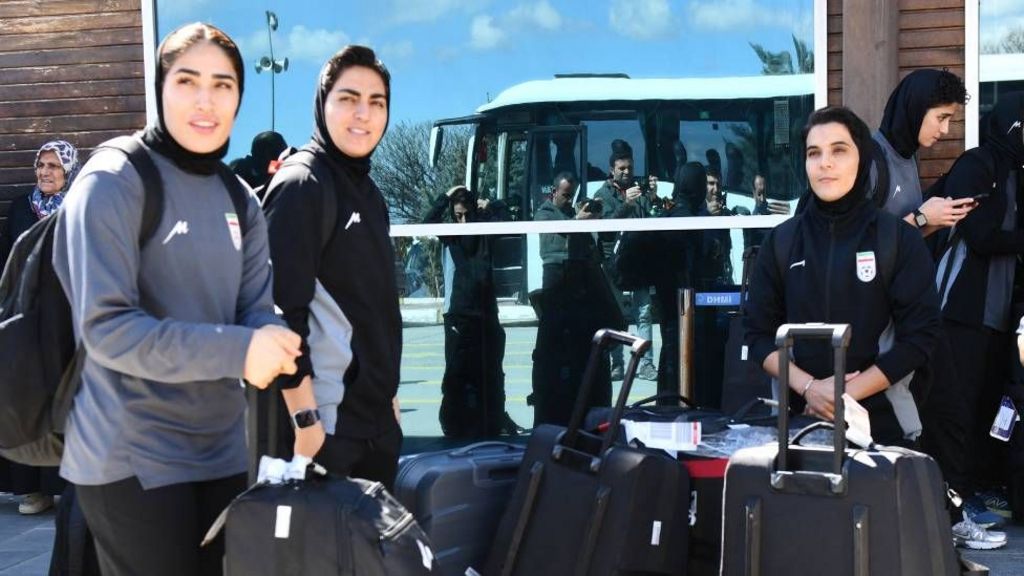
    Five members of Iran’s national women’s football team have returned to their homeland after abruptly withdrawing their applications for humanitarian asylum in Australia. The athletes rejoined their squadmates Wednesday afternoon, crossing into Iran from Turkey after a complex repatriation journey through Malaysia and Oman.

    The development follows intense speculation about potential coercion after several players initially sought protection visas during the Asian Cup tournament in Australia. Human rights advocates have raised alarms that family threats may have forced the athletes to reverse their decisions despite earlier safety concerns.

    Footage from Iranian state television had previously labeled team members as ‘traitors’ for their silent protest during the national anthem at their March 2nd match, occurring shortly after heightened US-Israel tensions with Iran. Although players subsequently sang the anthem in later matches, critics believe government officials accompanying the team compelled this compliance.

    Australian authorities had intervened earlier, with Home Affairs Minister Tony Burke confirming five players were relocated to a secure facility and granted humanitarian visa approvals in the early hours of March 20th. These visas would have provided legal residency rights in Australia. Surprisingly, after some athletes began reconsidering their positions, Burke acknowledged the ‘incredibly difficult decisions’ made under complex circumstances.

    Only two players ultimately remained in Australia as defectors, while three identified returnees—Zahra Soltan Meshkehkar, Mona Hamoudi, and Zahra Sarbali—were joined by captain Zahra Ghanbari and one unnamed teammate. Iranian state media celebrated the return as a victory of ‘national spirit and patriotism’ over enemy plans, while IRGC-linked outlets accused Australia of psychological warfare and offering ‘seductive offers’ to the athletes.

    The team’s journey home included a stop at Igdir airport in eastern Turkey, where they underwent customs processing before proceeding to a hotel under police escort prior to their border crossing.

  • MLB teams pressure WBC managers to be careful with pitchers. Venezuela pushed back

    MLB teams pressure WBC managers to be careful with pitchers. Venezuela pushed back

    In a dramatic championship showdown, Venezuela secured its inaugural World Baseball Classic title with a narrow 3-2 victory over the United States, largely due to strategic managerial maneuvering regarding pitcher usage restrictions. Venezuela’s manager Omar López successfully negotiated with Major League Baseball organizations to relax initial limitations on his pitchers, enabling him to deploy Chicago Cubs closer Daniel Palencia for three appearances within four days. This contrasted sharply with U.S. manager Mark DeRosa’s approach, who strictly honored commitments made to MLB clubs by withholding his top reliever Mason Miller in non-save situations. The decisive moment came in the ninth inning when Venezuela’s Eugenio Suárez drove in the winning run against Boston reliever Garrett Whitlock. Palencia then sealed the victory with a dominant 11-pitch closing performance, striking out the final batter with a 99.7 mph fastball. The outcome highlighted the tension between national team ambitions and MLB organizations’ protective measures for their valuable pitching assets during international competition.