作者: admin

  • Guinea-Bissau coup leaders set December election date

    Guinea-Bissau coup leaders set December election date

    Military authorities in Guinea-Bissau have officially scheduled presidential and legislative elections for December 6th, marking a critical development in the nation’s turbulent political landscape. The announcement comes despite mounting international pressure for an accelerated transition to civilian governance following last November’s coup that ousted President Umaro Sissoco Embaló.

    Transitional President Horta N’Tam formalized the electoral timeline through a presidential decree on Wednesday after extensive consultations with the National Transitional Council, military representatives, government officials, and electoral commission members. N’Tam publicly affirmed that all necessary conditions for conducting free and fair elections had been satisfactorily established.

    The military junta has faced sustained pressure from the Economic Community of West African States (ECOWAS), which previously rejected the junta’s proposed one-year transition framework. The regional bloc had suspended Guinea-Bissau from its decision-making institutions and threatened additional sanctions unless a shorter transitional period was implemented. The international community now awaits ECOWAS’ formal response to the announced December timeline.

    The November 2025 power seizure occurred under controversial circumstances, with military leadership justifying their intervention as necessary to prevent alleged destabilization plots during the tense period preceding official presidential election results. Both incumbent President Embaló and primary opposition candidate Fernando Dias had declared victory simultaneously, creating a political impasse that the military cited as justification for their takeover.

    Notably, the transitional charter explicitly prohibits interim leader N’Tam and his appointed prime minister from seeking presidential office. However, regional observers remain skeptical given recent patterns across West Africa where military leaders have frequently extended transitional periods and consolidated political power. The international community continues monitoring whether Guinea-Bissau will break this regional trend and facilitate genuine democratic restoration through transparent electoral processes.
  • Chinese researchers make breakthrough in green cooling technology

    Chinese researchers make breakthrough in green cooling technology

    Chinese scientists have unveiled a groundbreaking refrigeration technology that simultaneously addresses three critical challenges: carbon emissions reduction, high cooling capacity, and superior heat transfer efficiency. Published in the prestigious journal Nature, this discovery represents a potential paradigm shift in thermal management systems.

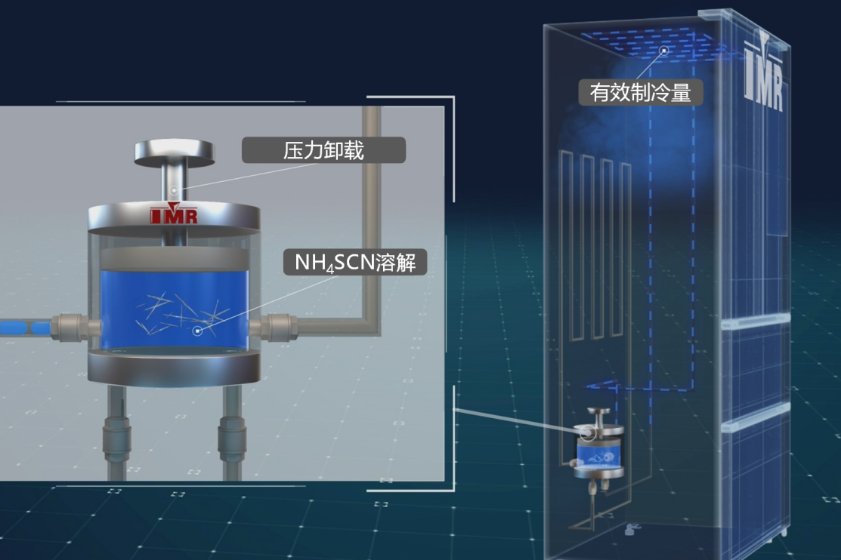
    The research team, led by Dr. Li Bing from the Chinese Academy of Sciences’ Institute of Metal Research, identified a novel dissolution barocaloric effect in an NH₄SCN salt solution. This innovative approach leverages pressure changes to trigger dramatic temperature fluctuations. When pressure is applied, solid NH₄SCN precipitates and releases heat; during depressurization, the salt rapidly dissolves while absorbing substantial thermal energy.

    Laboratory results demonstrate remarkable performance characteristics: at room temperature, the solution’s temperature plummets by nearly 30 degrees Celsius within just 20 seconds. The cooling efficiency increases further at elevated temperatures, significantly outperforming existing solid-state caloric materials that have struggled with heat transfer limitations.

    This breakthrough unifies the refrigerant and heat-transfer medium into a single fluid system, eliminating the efficiency compromises that have hampered previous environmentally friendly cooling technologies. The research team has designed a four-step cyclic system incorporating pressurization for heating, environmental heat dissipation, depressurization for cooling, and cooling capacity delivery.

    Computational simulations reveal extraordinary potential: each cycle achieves 67 joules of heat absorption per gram of solution with an unprecedented 77 percent energy efficiency rating. This performance metric suggests strong commercial viability, particularly for large-scale applications such as data center cooling systems where thermal management represents both a technical challenge and significant operational expense.

    The timing of this innovation coincides with growing global concerns about cooling-related energy consumption. According to the United Nations Environment Programme’s Global Cooling Watch 2025, worldwide cooling demand may triple by 2050 compared to 2022 levels, potentially doubling associated greenhouse gas emissions without technological intervention.

    This discovery not only establishes a new fundamental principle for refrigeration but provides the scientific foundation for developing next-generation cooling technologies that combine environmental sustainability with commercial-grade performance requirements.

  • Former head of national forestry and grassland body under investigation

    Former head of national forestry and grassland body under investigation

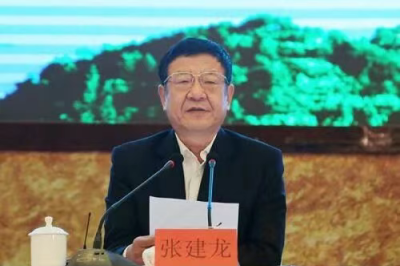
    China’s top anti-graft authorities have launched a formal investigation into Zhang Jianlong, former director of the National Forestry and Grassland Administration, for suspected serious breaches of Communist Party discipline and national laws. The announcement was made public on Thursday by the Central Commission for Discipline Inspection (CCDI) and the National Supervisory Commission.

    The 69-year-old career forestry official, who joined the Communist Party in 1985, rose through the ranks of China’s forestry bureaucracy over several decades. His appointment as deputy head of the former State Forestry Administration came in October 2003, followed by his promotion to leadership of the organization in 2015.

    Following governmental restructuring efforts, Zhang assumed dual roles in 2018 as both a member of the Ministry of Natural Resources’ Party Leadership Group and head of the newly established National Forestry and Grassland Administration. He vacated these positions in May 2020 but subsequently took on responsibilities as a member of the 13th National Committee of the Chinese People’s Political Consultative Conference, where he served as deputy director of the Committee on Agriculture and Rural Affairs.

    The investigation represents the latest development in China’s ongoing anti-corruption campaign, which has remained a cornerstone of President Xi Jinping’s governance strategy. The case demonstrates the continued scrutiny of high-ranking officials even after their retirement from active government service.

  • Indian woman arrested after suicide of man she accused of sexual misconduct

    Indian woman arrested after suicide of man she accused of sexual misconduct

    A tragic case in Kerala, India, has ignited intense national discourse on social media justice, public shaming, and gender dynamics after a man died by suicide following sexual harassment allegations. Deepak U, a 42-year-old textile sales representative, took his own life on January 18, just two days after a video accusing him of inappropriate physical contact on a public bus went viral across social platforms.

    The accuser, 35-year-old Shimjitha Musthafa—a content creator affiliated with the Indian Union Muslim League political party—recorded and published footage alleging Deepak deliberately elbowed her breast while traveling on a crowded bus last Friday. In a nation where public sexual harassment remains prevalent, the video initially drew widespread support for Musthafa and condemnation toward Deepak.

    However, the situation escalated dramatically when Deepak’s family filed a formal police complaint alleging online harassment and ‘social media trial’ led to his suicide. Authorities subsequently arrested Musthafa under non-bailable charges related to abetment to suicide, and she has been remanded to 14 days judicial custody. The Kerala Human Rights Commission has directed Kozhikode police to submit an investigation report within one week.

    The case has revealed sharply divided public perspectives. Men’s rights activists and Deepak’s supporters argue the video evidence was inconclusive and created unbearable public shaming that cost an innocent man his life. Conversely, many women’s rights advocates maintain Musthafa acted appropriately to document what she perceived as sexual assault, highlighting India’s ongoing struggle with public harassment.

    Deepak’s friends describe him as a decent person who denied all allegations, claiming exhaustion from work made him unaware of his surroundings on the bus. Meanwhile, Musthafa maintains in follow-up videos that she recorded the incident to protect other women and that Deepak’s actions were intentional. The case continues to spark conversations about digital ethics, gender relations, and justice mechanisms in the social media age.

  • A new lease of life: Providing dialysis access in rural China

    A new lease of life: Providing dialysis access in rural China

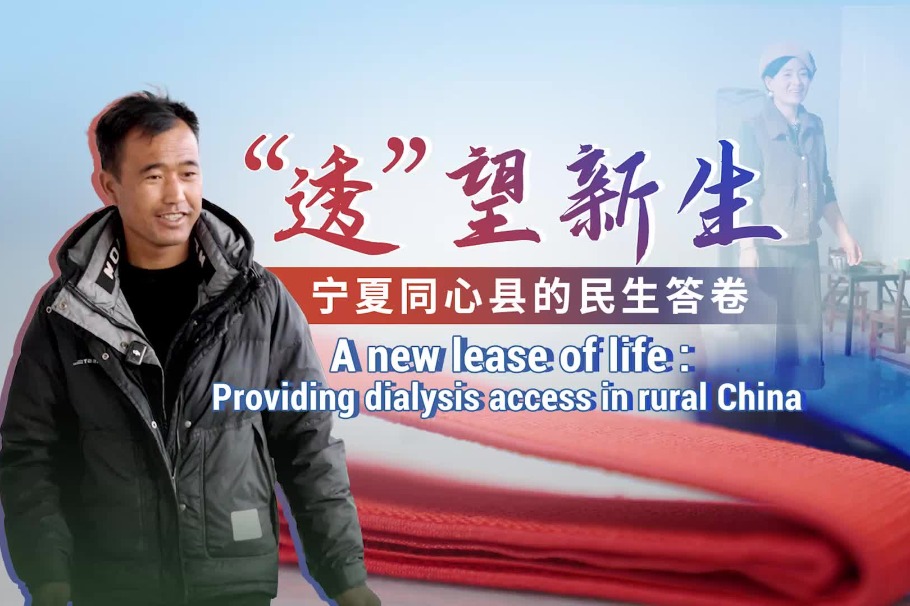
    In a remarkable advancement for rural healthcare, the Xiamaguan Township Health Center in Tongxin County, Ningxia Hui Autonomous Region, has established a state-of-the-art hemodialysis facility that is revolutionizing treatment for uremia patients. This critical medical infrastructure has eliminated the previously exhausting necessity for patients to undertake weekly journeys of hundreds of kilometers to receive life-sustaining dialysis treatments.

    The story of Ma Yongpeng, diagnosed with kidney disease in 2019 which progressed to uremia by 2023, exemplifies the transformative impact. He previously endured over 200 hospital trips annually, incurring transportation costs exceeding 100 yuan per trip—a burden that escalated to 400 yuan during harsh winter conditions when private vehicle hire became necessary.

    The year 2025 marked a turning point with the inauguration of Xiamaguan’s hemodialysis unit, notably the second such facility at the township health center level across Northwest China. The clinic operates with four advanced dialysis machines capable of serving eight patients daily, supported by a dedicated nine-member medical team including two specialized auxiliary experts providing comprehensive, full-time care.

    Medical professionals at the center deliver meticulous daily care guidance alongside flexible treatment scheduling, offering appointments throughout morning, afternoon, and evening sessions. With the substantial majority of treatment costs covered by medical insurance, patients experience significant financial relief alongside improved healthcare access.

    This pioneering initiative effectively addresses the dual challenges of medical access difficulty and high treatment costs previously faced by rural communities. The project stands as a testament to the government’s commitment to prioritizing citizen welfare and enhancing primary medical care infrastructure through people-centered development policies. As kidney disease represents a non-communicable but manageable condition, this grassroots medical innovation enables patients to resume normal, dignified lives within their communities.

  • China’s grain output hits new high in 2025

    China’s grain output hits new high in 2025

    China has achieved a remarkable agricultural milestone by setting a new national record for grain production during the 2025 harvest season, according to official data released by the Ministry of Agriculture and Rural Affairs on January 22, 2026.

    The comprehensive annual report reveals that total grain output reached approximately 714.9 million metric tons, representing an increase of 8.4 million tons compared to the previous year’s production levels. This achievement marks the second consecutive year that China has maintained grain production above the significant threshold of 700 million metric tons.

    This record harvest becomes particularly noteworthy given the substantial agricultural challenges faced throughout the growing season. Multiple regions across China experienced significant climate-related difficulties, including severe drought conditions, extensive flooding events, and unusually prolonged rainfall patterns that threatened crop viability in various agricultural zones.

    The sustained agricultural success demonstrates China’s strengthened resilience in food security management and advanced farming capabilities. Technological advancements in agricultural practices, improved irrigation systems, and enhanced crop management techniques have collectively contributed to overcoming environmental challenges while maintaining consistent production growth.

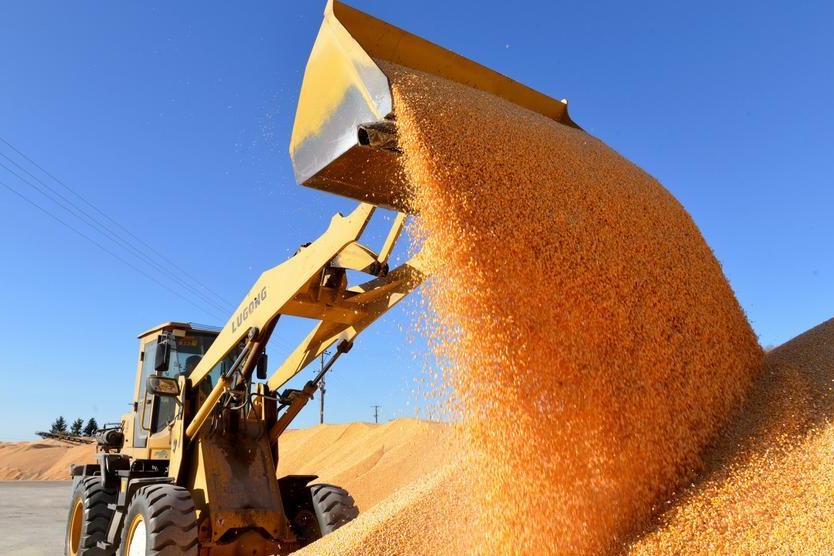
    Northeastern China’s Heilongjiang province, represented by the Beidahuang Group’s farming operations, exemplified the successful harvest efforts. Photographic documentation from October 23, 2025, shows agricultural professionals operating specialized equipment to manage and arrange dried corn kernels at processing facilities, highlighting the scale and modernization of China’s agricultural sector.

    This sustained production growth reinforces China’s strategic position in global food security and demonstrates the effectiveness of ongoing agricultural modernization initiatives despite increasing climate volatility challenges worldwide.

  • Xinjiang ensures vegetable, fruit supply amid cold wave

    Xinjiang ensures vegetable, fruit supply amid cold wave

    Northwest China’s Xinjiang Uygur Autonomous Region has activated comprehensive emergency measures to maintain stable vegetable and fruit supplies amid an severe cold wave that has brought dramatically low temperatures to the region. Local authorities have coordinated cross-sector efforts to ensure continuous market availability of fresh produce despite challenging weather conditions.

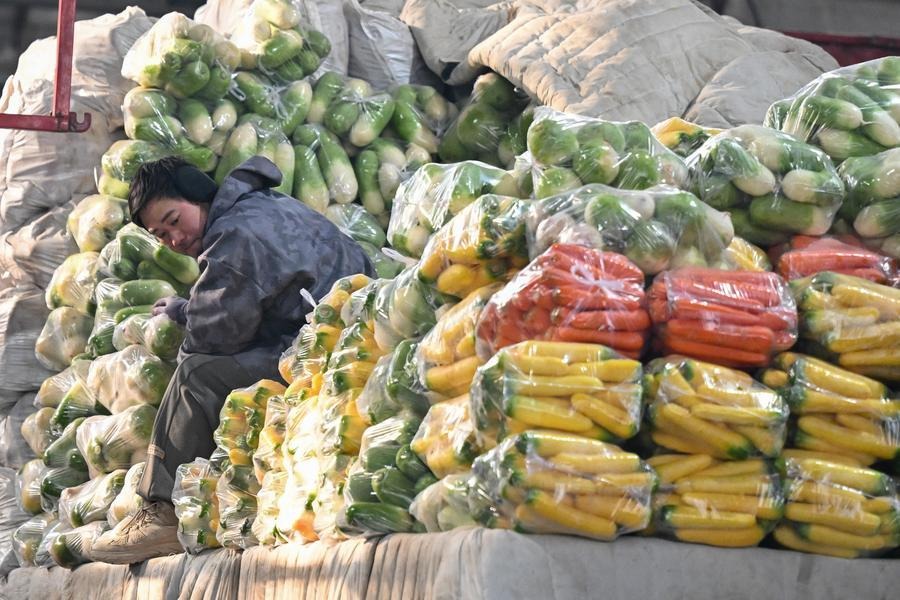
    At Urumqi’s Jiuding Agricultural Products Wholesale Market, logistical operations continue uninterrupted as workers efficiently unload fresh vegetable shipments from transport vehicles. The market has implemented around-the-clock monitoring systems to track inventory levels and distribution patterns across the region.

    Regional supply chain networks have been reinforced with additional transportation resources and optimized distribution routes. Emergency response teams are maintaining critical infrastructure including heating systems in storage facilities and ensuring clear access roads for delivery vehicles.

    Agricultural authorities have established real-time communication channels with major producers and distributors to quickly address any supply chain disruptions. The coordinated effort involves transportation departments, market regulators, and meteorological services working in synchronization to anticipate and respond to weather-related challenges.

    Consumption patterns are being closely monitored to adjust supply allocations accordingly, with particular attention to maintaining diverse produce selections and quality standards. The comprehensive response demonstrates the region’s capability to maintain essential food supply systems during extreme weather events.

  • Trump to meet Zelensky as US envoy says ending war with Russia down to one issue

    Trump to meet Zelensky as US envoy says ending war with Russia down to one issue

    Ukrainian President Volodymyr Zelensky made an urgent journey to Davos, Switzerland, arriving Thursday for critical negotiations with U.S. President Donald Trump. The high-stakes meeting occurs amid significant diplomatic efforts to broker an end to the ongoing conflict between Ukraine and Russia.

    President Trump’s special envoy, Steve Witkoff, expressed measured optimism about reaching a comprehensive peace agreement, stating the negotiations have been narrowed to a single pivotal issue. While Witkoff refrained from specifying the exact nature of this remaining obstacle, diplomatic sources indicate recent discussions have centered on the future status of Ukraine’s Donbas region. The proposed solution involves establishing a demilitarized free economic zone in exchange for concrete security guarantees for Kyiv.

    “I believe we’ve successfully condensed the complexities down to one core issue,” Witkoff commented before traveling to Moscow for parallel discussions with Russian President Vladimir Putin. “We’ve explored various iterations of this issue, which indicates it is ultimately solvable. If both parties demonstrate genuine willingness to resolve this conflict, we will achieve a settlement.”

    President Trump reinforced this sentiment, asserting that both President Putin and President Zelensky have reached a critical juncture where agreement is possible, adding bluntly that failure to capitalize on this opportunity would be unwise. This meeting follows Trump’s previous assessment that Putin appeared more prepared for compromise than Zelensky.

    Zelensky’s attendance at the World Economic Forum came despite severe domestic challenges. The Ukrainian leader initially canceled his diplomatic travels to address a severe humanitarian crisis in Kyiv following targeted Russian strikes on energy infrastructure. These attacks have left extensive areas of the capital without heating, power, or water during extreme winter conditions, with thousands of residential buildings remaining without heat.

    The negotiations face several substantial hurdles. Zelensky has previously outlined two major sticking points: the future of Donbas and control over the Zaporizhzhia Nuclear Power Plant, which Russian forces seized in March 2022. The Ukrainian president has conditionally offered a troop withdrawal from approximately 25% of the Donetsk region still under Ukrainian control, proposing a 40-kilometer pullback to establish an economic zone contingent on reciprocal Russian action.

    While Kremlin spokesman Dmitry Peskov confirmed continued discussions with American envoys regarding “the Ukrainian issue and related topics,” he declined to endorse Witkoff’s optimistic outlook. Additionally, President Putin has not yet decided on participating in Trump’s proposed Board of Peace concerning Gaza.

    Zelensky had hoped to finalize two significant agreements with Trump at Davos covering security guarantees and economic prosperity, noting only “one mile left” to complete these documents. Although the prospect of formal signings during the Forum remains uncertain, Ukrainian National Security and Defense Council head Rustem Umerov confirmed substantive discussions with U.S. counterparts regarding economic development, post-war reconstruction, and security assurances.

  • Fire at Cox’s Bazar refugee camp in Bangladesh destroyed homes and displaced thousands of Rohingya

    Fire at Cox’s Bazar refugee camp in Bangladesh destroyed homes and displaced thousands of Rohingya

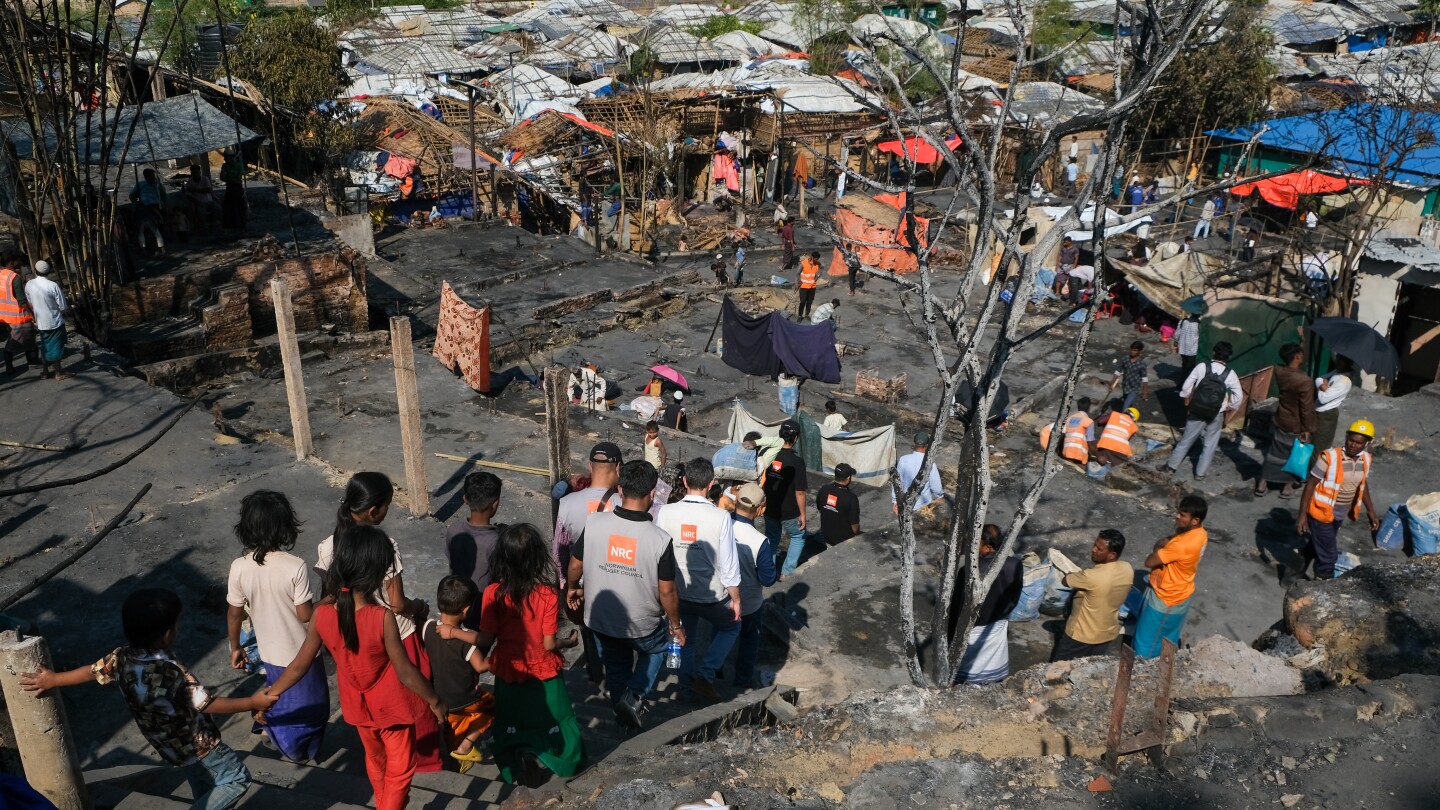
    A devastating inferno has swept through a Rohingya refugee settlement in Cox’s Bazar, Bangladesh, reducing hundreds of shelters to ashes and displacing over 2,000 vulnerable individuals. The blaze erupted in the pre-dawn hours of Tuesday within Camp 16, part of the world’s largest refugee complex housing more than one million Rohingya who fled persecution in Myanmar.

    The conflagration, which required approximately three hours for firefighters to contain, consumed 335 makeshift dwellings and damaged an additional 72 structures. Critical infrastructure including water sanitation points, educational facilities, and access pathways suffered significant impairment. While miraculously resulting in no fatalities and only minor injuries, the disaster obliterated refugees’ essential possessions, including crucial identification documents.

    International relief organizations including the International Organization for Migration and Norwegian Refugee Council have mobilized emergency response efforts, distributing vital supplies including thermal blankets, mosquito nets, cooking equipment, hygiene kits, and solar-powered lighting. Lance Bonneau, IOM’s Chief of Mission in Bangladesh, emphasized that such catastrophes extend beyond physical damage, creating immediate protection risks and compounding existing vulnerabilities.

    The tragedy underscores the persistent fire hazards inherent in the overcrowded camp conditions, where temporary bamboo structures covered with flammable materials stand in dangerously close proximity. According to documentation, between May 2018 and December 2025, these camps experienced 2,425 separate fire incidents affecting over 100,000 residents and destroying more than 20,000 shelters.

    This disaster occurs against the backdrop of severe funding shortages for humanitarian operations. Critical plans to construct 50,000 semi-permanent shelters—intended to replace the highly combustible temporary structures—were suspended following international aid reductions announced in January 2025. The funding crisis stems from sweeping cuts to global humanitarian assistance, including a 90% reduction in USAID foreign aid contracts and decreased contributions from European nations.

    The Rohingya refugee crisis originated in 2017 when Myanmar’s military initiated a brutal crackdown following insurgent attacks in Rakhine state, prompting over 700,000 Rohingya to flee across the border. The military operation prompted accusations of ethnic cleansing and genocide, with proceedings currently underway at the International Court of Justice in The Hague.

  • China expects record-breaking inter-regional trips in Spring Festival travel rush

    China expects record-breaking inter-regional trips in Spring Festival travel rush

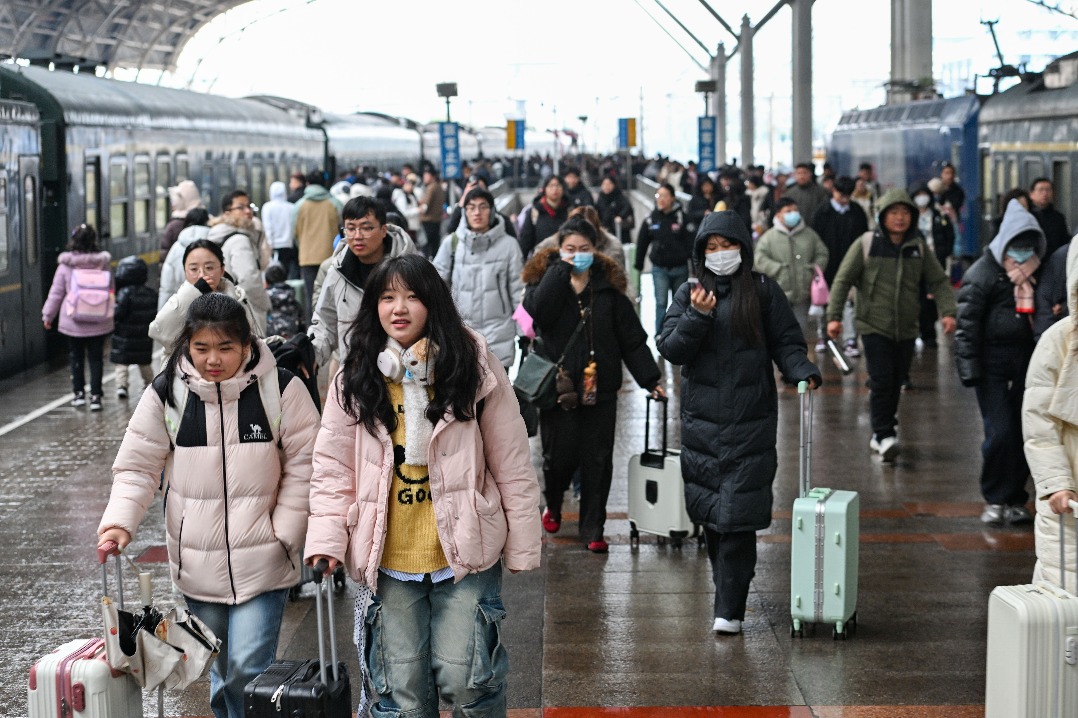
    China is preparing for an unprecedented transportation challenge as officials project record-breaking passenger volumes during the upcoming 2026 Spring Festival travel period. The massive annual migration, known locally as chunyun, will span 40 days from February 2 to March 13, testing the nation’s transportation infrastructure at an unprecedented scale.

    According to data released by China State Railway Group Co., Ltd., the national railway network is anticipated to handle approximately 539 million passenger trips during this period, marking a 5% increase compared to the 2025 Spring Festival travel rush. This substantial growth reflects both recovering travel enthusiasm and expanding transportation capacity across China’s rapidly developing rail network.

    Simultaneously, the civil aviation sector is poised to achieve its own milestone, with the Civil Aviation Administration of China forecasting a record 95 million air passenger journeys. This dual surge in both rail and air travel demonstrates the massive scale of China’s internal migration patterns during traditional holiday periods.

    Transportation authorities have identified road travel as the dominant mode of transportation for the upcoming chunyun season. Officials emphasized the implementation of comprehensive measures to ensure traffic fluidity, maintain safety protocols, and address potential disruptions caused by extreme weather conditions. The coordinated approach across multiple transportation sectors highlights China’s systematic preparation for one of the world’s largest periodic human migrations.

    The Spring Festival travel rush represents not only a transportation challenge but also a cultural phenomenon deeply rooted in Chinese tradition, where families reunite across vast distances to celebrate the Lunar New Year together.