作者: admin

  • China injects stability into turbulent world, experts say

    China injects stability into turbulent world, experts say

    Amid escalating geopolitical tensions and accelerating economic fragmentation, China is systematically providing stability to a volatile global landscape, according to leading experts. The assessment emerged during the Beijing launch of two comprehensive reports compiled by the Institute of World Economics and Politics at the Chinese Academy of Social Sciences on March 17.

    The Annual Report on International Politics and Security (2026) identifies the global shift toward multipolarity as not merely an inevitable trend but an established reality. The report analyzes that current US foreign policy approaches have effectively accelerated this historic transformation. However, researchers caution that multipolarity doesn’t automatically guarantee an equitable international order, noting concerning returns to unilateralism and power politics that threaten global stability.

    Research Fellow Xiao He emphasized China’s growing role in addressing global governance challenges. As traditional international systems face unprecedented pressure, China has demonstrated responsible leadership through initiatives like the Global Governance Initiative, which provides substantive solutions to contemporary governance dilemmas.

    The parallel World Economy Analysis and Forecast (2026) examines serious challenges stemming from geopolitical conflicts and rapid restructuring of global industrial chains. The report identifies artificial intelligence and other revolutionary technologies as dual-edged forces—fostering new growth industries while simultaneously transforming global labor markets and international regulatory frameworks.

    Fellow researcher Gao Lingyun projected global economic growth to slow to 3 percent in 2026 due to combined short-term challenges and profound structural transformations. Within this context, China’s economy is expected to maintain stable expansion, thereby providing crucial stability to worldwide economic recovery efforts.

    Both publications represent systematic analyses of current international dynamics, highlighting China’s increasingly central role in shaping global responses to contemporary challenges through coordinated policy approaches and economic stability.
  • Russian archaeologist can be sent to Ukraine for trial, Polish judge rules

    Russian archaeologist can be sent to Ukraine for trial, Polish judge rules

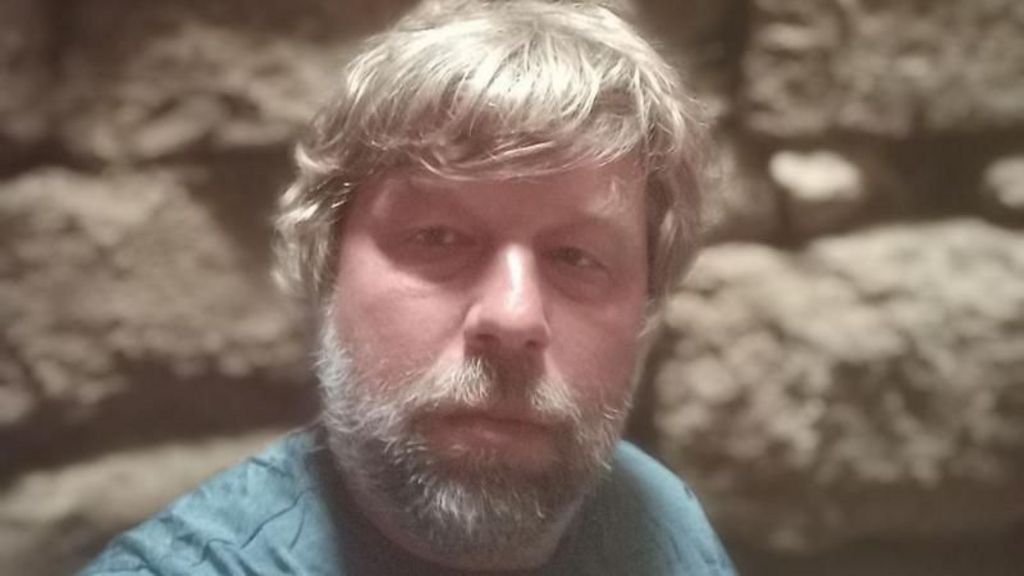
    A Warsaw court has ruled in favor of extraditing Russian archaeologist Alexander Butyagin to Ukraine, marking a significant development in international cultural heritage protection efforts. Butyagin, a senior scholar at St. Petersburg’s Hermitage Museum, faces allegations of conducting illegal excavations and plundering artifacts from the ancient Greek settlement of Myrmekion in Crimea.

    The case represents a complex intersection of archaeology, international law, and geopolitical tensions. Butyagin had led the Hermitage’s excavations at Myrmekion since 1999, initially with Ukrainian authorization. However, following Russia’s 2014 annexation of Crimea, his work continued without Kyiv’s consent, continuing even after Russia’s full-scale invasion in 2022.

    Ukrainian authorities accuse Butyagin of causing an estimated $4.5 million in damages through the alleged plundering of artifacts, including 30 gold coins. If convicted, he could face up to five years imprisonment. The archaeologist was arrested in Warsaw on December 4 at Ukraine’s request, despite knowing that a Kyiv court had issued an arrest warrant for him in April 2025.

    Judge Dariusz Łubowski’s ruling now awaits final approval from Poland’s justice minister. Butyagin’s defense team has announced plans to appeal, arguing that extradition would endanger his life and wellbeing, potentially violating the European Convention on Human Rights. This case emerges amid a pattern of European courts frequently refusing Russian extraditions to Ukraine since the 2022 invasion.

    The legal foundation for Ukraine’s case rests on the 2nd Protocol to The Hague Convention for the protection of cultural property during armed conflict. While Ukraine and most European nations are signatories, Russia is not, creating a legal gray area that Butyagin’s defense may exploit.

    Butyagin maintains his innocence through his lawyer Adam Domański, acknowledging he worked without Ukrainian authorization but rejecting charges of intentional destruction. He claims his excavations were necessary to protect the site from natural deterioration, vandals, and looters.

    Conversely, Ukrainian archaeologist Evelina Kravchenko contends that Russian archaeological work in occupied Crimea inherently damages cultural heritage, regardless of individual intentions. Ukraine’s SBU security service has gathered evidence alleging systematic looting of cultural heritage in temporarily occupied Crimea.

    Currently detained in Warsaw with bail denied, Butyagin faces an uncertain future. When questioned about returning to Crimea if his appeal succeeds, the archaeologist expressed desire to reunite with family and reconsider his life’s direction, avoiding direct commitment to further excavations.

  • Iran was not rebuilding nuclear enrichment, US intelligence finds

    Iran was not rebuilding nuclear enrichment, US intelligence finds

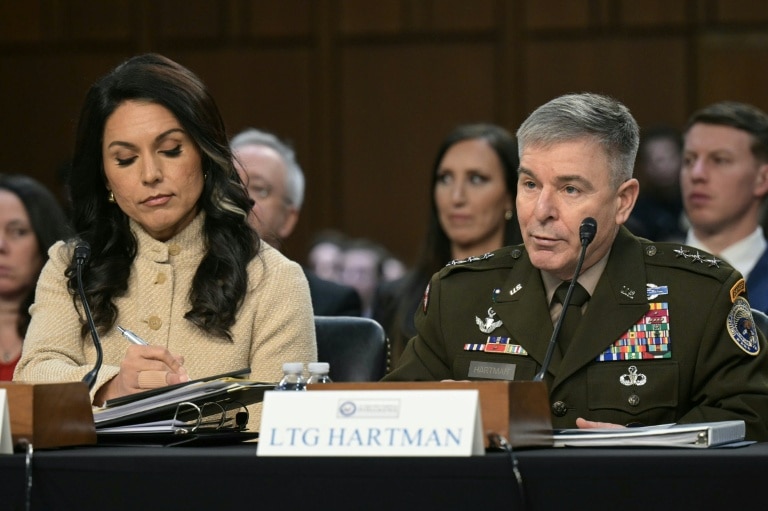
    In a significant revelation before the Senate Intelligence Committee, U.S. intelligence officials presented findings that directly challenge the Trump administration’s justification for ongoing military operations against Iran. Director of National Intelligence Tulsi Gabbard testified that Iran has not attempted to rebuild nuclear enrichment capabilities destroyed in the June 2025 Operation Midnight Hammer, contradicting President Trump’s repeated claims of an “imminent threat” requiring continued military action.

    Gabbard’s prepared statement asserted that Iran’s nuclear enrichment program was “obliterated” during the 2025 joint U.S.-Israel attack and that “there has been no efforts since then to try to rebuild their enrichment capability.” However, during live testimony, Gabbard acknowledged she hadn’t fully reviewed the complete assessment, though she did not refute its conclusions.

    The intelligence assessment further determined that despite severe degradation of military capabilities and leadership—including the elimination of Supreme Leader Ayatollah Ali Khamenei—Iran’s governing regime remains functionally intact. Gabbard warned that Tehran would likely embark on a multi-year reconstruction effort for its military, missile, and drone capabilities if the current regime survives.

    The hearing also addressed global security concerns beyond Iran. Intelligence assessments indicated Russia maintains “the upper hand” in its prolonged conflict with Ukraine, with U.S.-mediated negotiations ongoing. Gabbard expressed concern about potential “escalatory spirals” in Ukraine or other regions that could potentially lead to nuclear weapon deployment.

    Regarding China, intelligence officials reported Beijing is “rapidly” modernizing its military with capabilities aimed at potentially seizing Taiwan, though assessment suggests China currently prefers peaceful reunification strategies. President Trump’s postponed trip to China, delayed due to Middle East hostilities, is expected to proceed in coming weeks.

    The testimony occurred amid significant internal dissent, including the resignation of National Counterterrorism Center director Joseph Kent, who protested that Iran posed no imminent threat and that the administration had been misled by Israeli intelligence and media reports.

  • Herdsmen in Inner Mongolia busy with lamb breeding

    Herdsmen in Inner Mongolia busy with lamb breeding

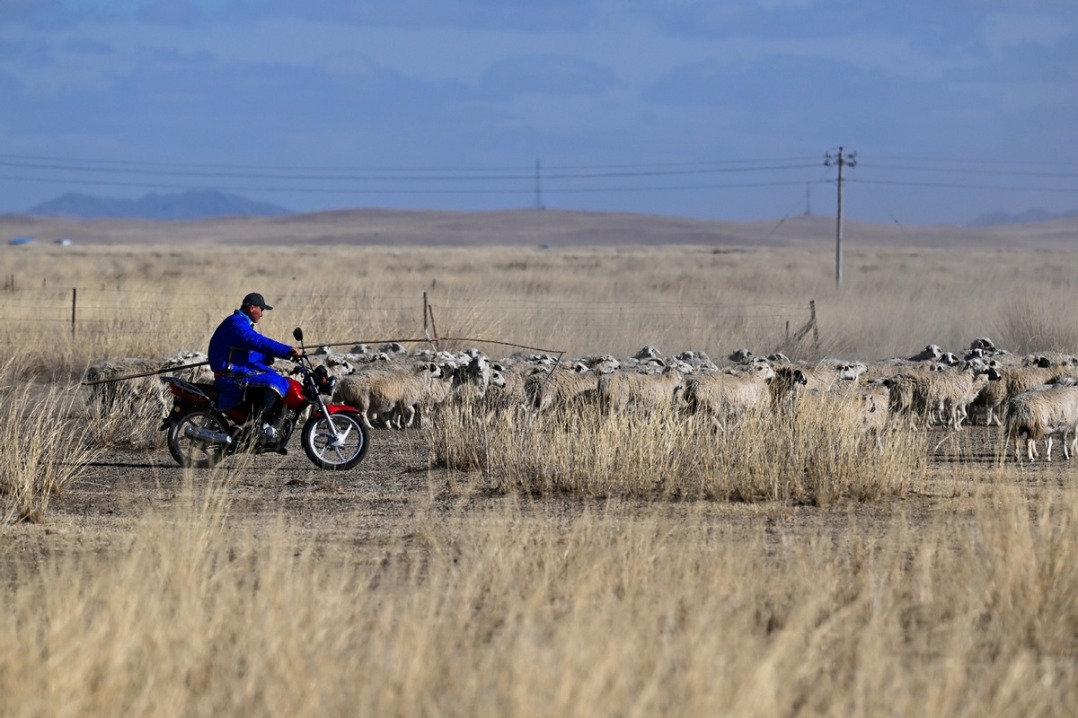
    Across the vast grasslands of Xiliin Gol League in China’s Inner Mongolia Autonomous Region, herdsmen are actively engaged in the critical spring lambing season. This annual period of heightened agricultural activity marks a vital phase in the region’s traditional livestock husbandry practices.

    The current lamb breeding operations coincide with optimal seasonal conditions for animal births in this northern territory. Local pastoral communities are dedicating extended hours to monitoring pregnant ewes, assisting with difficult deliveries when necessary, and ensuring newborn lambs receive proper nutrition and protection from the elements.

    Photographic documentation from East Ujimqin Banner reveals healthy lambs thriving under the care of experienced herdspeople. The scenes represent both the continuation of centuries-old pastoral traditions and the modern economic foundation for many rural families in the region.

    This seasonal cycle demonstrates the ongoing significance of animal husbandry to Inner Mongolia’s cultural identity and economic landscape. The successful breeding season contributes to the sustainability of grassland ecosystems while supporting livelihoods connected to wool, meat, and dairy production.

    The coordinated efforts during this period reflect the deep understanding local herdsmen maintain regarding animal behavior, seasonal patterns, and sustainable grazing practices developed over generations.

  • ‘The longest VAR check in history’ – now African football needs to move on

    ‘The longest VAR check in history’ – now African football needs to move on

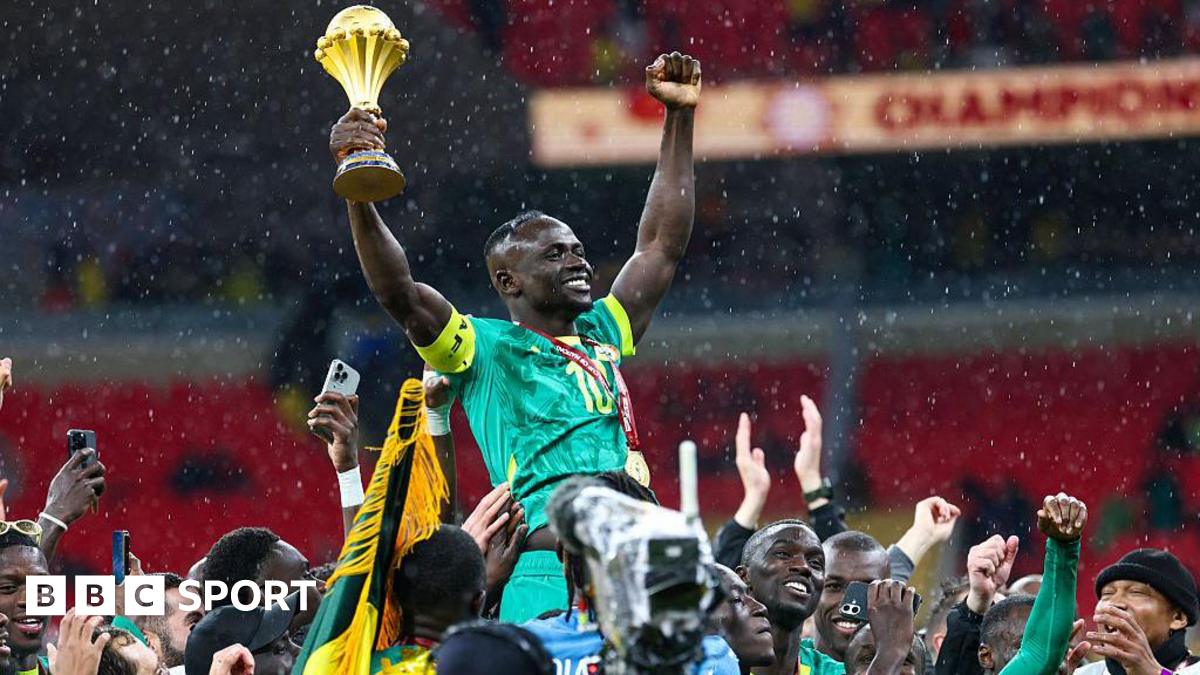
    African football faces unprecedented institutional crisis following the Confederation of African Football’s controversial decision to strip Senegal of their 2025 Africa Cup of Nations title and award it to tournament hosts Morocco. The stunning reversal, announced two months after Senegal’s dramatic victory in Rabat, has sparked widespread condemnation and threatens to damage the reputation of continental football.

    The contentious final match descended into chaos when Senegalese players temporarily walked off the pitch in protest of a disputed refereeing decision during normal time. Captain Sadio Mane eventually persuaded his teammates to return to the field, enabling the match to conclude with Senegal ultimately prevailing. However, CAF’s disciplinary committee subsequently ruled that Senegal’s temporary abandonment violated competition regulations, resulting in their disqualification.

    The decision has created deep diplomatic tensions between the two football powerhouses. Senegal’s government has alleged corruption in the process, while Morocco’s football community expresses mixed emotions about acquiring the title through administrative means rather than on-field achievement. Former Morocco international Hassan Kachloul described the situation as ‘bittersweet,’ noting that true players would never feel like genuine champions through such circumstances.

    African football experts warn that the controversy undermines years of progress in elevating the continent’s premier tournament. The 2023 edition in Ivory Coast had been widely praised for its quality football and organizational standards, with expectations high that Morocco’s modern infrastructure would further advance the competition’s prestige. Instead, the 2025 tournament will be remembered for its chaotic conclusion and subsequent administrative turmoil.

    Both nations are expected to appeal the decision to the Court of Arbitration for Sport, potentially prolonging the uncertainty surrounding the championship’s rightful winner. The incident has also prompted FIFA to consider implementing stronger sanctions against teams that abandon matches without official permission.

  • Argentina pushes forward with bid for men’s Rugby World Cup in South America in 2035

    Argentina pushes forward with bid for men’s Rugby World Cup in South America in 2035

    In a groundbreaking move for Southern Hemisphere rugby, Argentina has officially launched a multinational bid to host the 2035 Men’s Rugby World Cup. The Argentine Rugby Union (UAR) is spearheading this unprecedented initiative in collaboration with the rugby federations of Brazil, Chile, and Uruguay, marking the first concerted effort to bring the prestigious tournament to South American soil.

    The bid development enters a crucial phase with an upcoming working session between UAR representatives and World Rugby CEO Alan Gilpin to evaluate Argentina’s hosting feasibility. Gabriel Travaglini, President of the Argentine Rugby Union, characterized the proposal as “a federal objective and a legacy project that transcends our borders,” emphasizing the continent-wide significance of the endeavor.

    “Our vision is to deliver a World Cup that authentically captures the passion and remarkable development rugby has achieved throughout our diverse territories,” Travaglini stated, highlighting the bid’s commitment to regional representation.

    The 2035 tournament would represent the 13th edition of rugby’s premier global event, following the 2027 competition in Australia and the landmark 2031 event in the United States. Notably, three South American nations—Argentina, Chile, and Uruguay—will compete in next year’s Australian tournament, demonstrating the region’s growing rugby prominence.

    Argentina stands as South America’s rugby powerhouse, having achieved three semifinal appearances (2007, 2015, 2023) in World Cup history. This bid represents not just Argentina’s ambitions but a collective South American aspiration to elevate rugby’s global footprint and celebrate its expanding presence across the continent.

  • Japanese politicians hype up China’s defense budget to justify Japan’s hidden military expansion ambitions, says PLA spokesman

    Japanese politicians hype up China’s defense budget to justify Japan’s hidden military expansion ambitions, says PLA spokesman

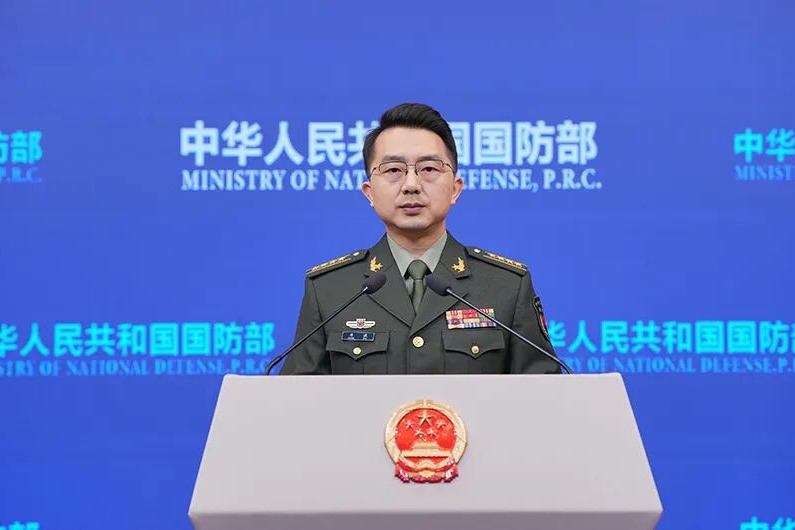
    China’s Ministry of National Defense has issued a sharp rebuke against Japanese political leaders, alleging they are deliberately exaggerating China’s military expenditures to conceal Japan’s own ambitions for military expansion. The statement came from PLA spokesman Jiang Bin, who characterized Japan’s rhetoric as a strategic diversion from its hidden militarization agenda.

    The defense spokesman’s remarks highlight growing tensions between the two Asian powers regarding military transparency and regional security dynamics. Jiang asserted that Japanese officials have consistently misrepresented China’s defense budget increases while simultaneously advancing their own military capabilities under the guise of regional security concerns.

    This diplomatic confrontation emerges against the backdrop of Japan’s recent moves to substantially increase its defense spending and reinterpret constitutional limitations on military operations. Chinese defense officials maintain that their country’s military development remains purely defensive in nature and proportional to its economic growth and security requirements.

    The exchange represents the latest chapter in the long-standing strategic competition between the two nations, with China characterizing Japan’s military modernization efforts as disproportionate to actual regional threats. The Chinese defense establishment has called for greater transparency from Tokyo regarding its military intentions and for cessation of what it describes as misleading narratives about China’s defense posture.

  • Chinese scientists adopt magnetic fluids to treat heart disease

    Chinese scientists adopt magnetic fluids to treat heart disease

    Chinese researchers have unveiled a groundbreaking medical innovation using magnetically controlled fluids to address cardiac complications associated with atrial fibrillation. The pioneering technique, developed through collaboration between the Shenzhen Institutes of Advanced Technology (SIAT) and Fuwai Hospital, represents a paradigm shift in left atrial appendage occlusion procedures.

    The research, recently featured in the prestigious journal Nature, introduces a novel approach to preventing stroke-causing blood clots in heart patients. The technology utilizes a unique magnetic fluid composition that combines magnetic particles with curable carrier fluids, creating deformable robotic systems controllable through external magnetic fields.

    According to corresponding authors Dr. Xu Tiantian of SIAT and Dr. Pan Xiangbin of Fuwai Hospital, the magnetofluid solution addresses critical limitations of conventional solid-based occlusion methods. The approximately 2.5 ml fluid volume demonstrates remarkable adaptability, flowing into complex cardiac structures and conforming to irregular cavities while maintaining precise magnetic guidance.

    This innovation specifically targets left atrial appendage thrombosis, a common complication in atrial fibrillation patients that significantly elevates stroke risk. The magnetic fluid system achieves complete fluidic sealing, marking a technological transition from traditional solid adaptation approaches to a more advanced liquid-based methodology.

    The research team emphasizes that this breakthrough offers a safer, more durable stroke prevention strategy while potentially reducing secondary surgical interventions and associated healthcare costs. Ongoing investigations will focus on long-term safety profiles and clinical translation pathways to bring this innovative treatment to patient care settings.

  • ‘Unprecedented expulsion’: UN says Israel displaced 36,000 Palestinians in West Bank

    ‘Unprecedented expulsion’: UN says Israel displaced 36,000 Palestinians in West Bank

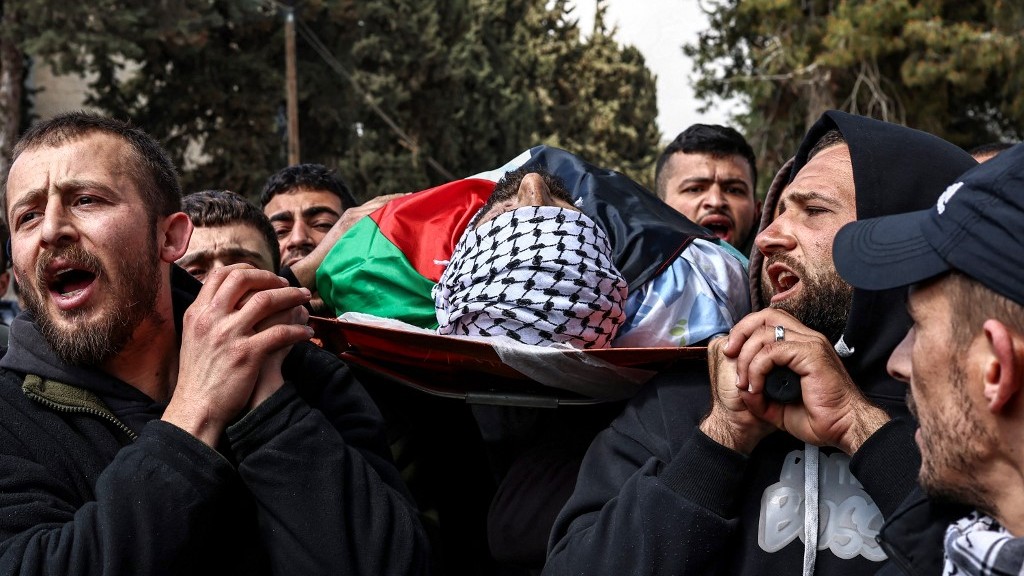
    A comprehensive United Nations assessment reveals an alarming escalation in Palestinian displacement throughout the occupied West Bank, with over 36,000 residents forcibly removed from their homes during the twelve-month period ending October 31, 2025. The report documents 1,732 incidents of settler violence resulting in casualties or property damage, representing a nearly 25% increase from previous records.

    The investigation details coordinated attacks involving sustained harassment, intimidation campaigns, and systematic destruction of Palestinian residences, agricultural land, and economic infrastructure. UN analysts note the increasingly indistinguishable nature between state-sponsored actions and settler violence, with Israeli authorities frequently directing, participating in, or enabling these operations.

    Northern territories witnessed the most significant population transfers, with approximately 32,000 Palestinians expelled from Jenin, Tulkarem, Nur Shams, and Far’a refugee camps during extensive military operations. The displacement peaked during the critical October olive harvest season, traditionally a vital economic period for Palestinian farmers. The report documented 42 separate settler attacks that injured 131 Palestinians, including 14 women and one child—the highest monthly casualty rate since UN monitoring began in 2006.

    Gender-based violence emerged as a particularly disturbing trend, with numerous families separated as women and children fled while men remained to protect property. The report concludes that these coordinated displacements, occurring simultaneously with Gaza’s humanitarian crisis, suggest a systematic Israeli policy of mass forcible transfer potentially constituting ethnic cleansing.

    Additionally, the investigation warns of imminent expulsion risks for Bedouin communities northeast of East Jerusalem as Israeli authorities advance new settlement plans. The report emphasizes that such population transfers violate the Fourth Geneva Convention and may amount to crimes against humanity.

    Settlement expansion accelerated dramatically with Israeli authorities approving nearly 37,000 housing units in East Jerusalem settlements and approximately 27,200 additional units across the West Bank. The reporting period also saw the establishment of 84 new settlement outposts, including expansions into Area B territories theoretically under Palestinian Authority jurisdiction according to Oslo Accords provisions.

    According to latest UN figures, Israeli military and settler operations have resulted in at least 1,071 Palestinian fatalities across the West Bank since October 2023.

  • Mainland facilitates 93 Taiwan compatriots stranded in Middle East to return home via Shanghai

    Mainland facilitates 93 Taiwan compatriots stranded in Middle East to return home via Shanghai

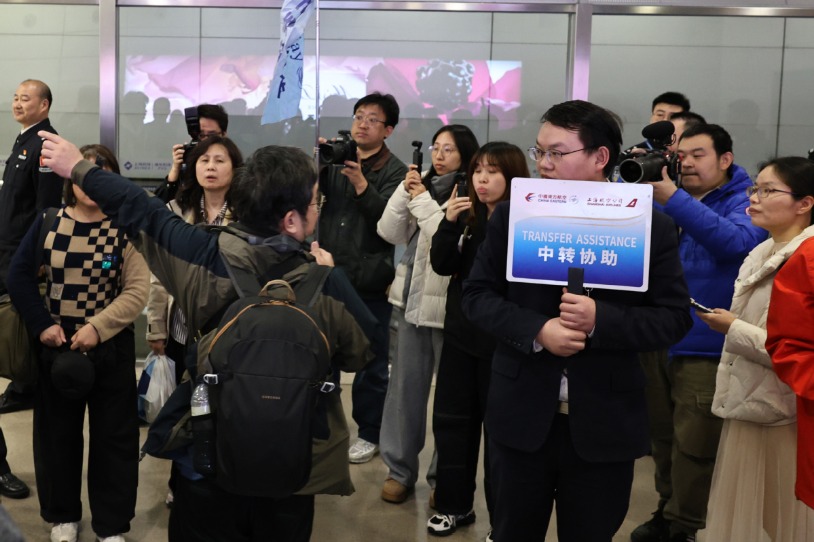
    In a significant consular operation, Chinese diplomatic missions across the Middle East have facilitated the safe return of 93 Taiwanese compatriots who found themselves stranded in the region. The evacuation was coordinated through multiple channels with travelers ultimately transiting through Shanghai Pudong International Airport on their journey back to Taiwan.

    The operation involved concerted efforts from several Chinese diplomatic posts, including the Consulate General in Istanbul, which arranged for the transfer of stranded travelers to mainland-operated flights. Simultaneously, the Chinese Embassy in Israel and Consulate General in Dubai provided critical assistance to numerous other Taiwanese nationals, enabling either their safe return to Taiwan or relocation to more secure areas within the region.

    According to Chen Binhua, spokesman for China’s Taiwan Affairs Office, the compatriots sought assistance through official channels including the China Consular Affairs application and dedicated emergency hotlines. Chen emphasized that Beijing consistently prioritizes the welfare and security of all Chinese citizens abroad, regardless of their region of origin within the nation.

    The successful operation stands in stark contrast to what Chinese officials characterized as “shameful” criticisms from Taiwan’s Democratic Progressive Party authorities, who have repeatedly questioned Beijing’s motives in providing consular protection to Taiwanese nationals. Recipients of the assistance expressed profound appreciation, noting they felt reassured by the motherland’s support and experienced firsthand the familial bonds connecting both sides of the Taiwan Strait.