作者: admin

  • US aircraft carrier to sail to Crete for repairs after fire on board

    US aircraft carrier to sail to Crete for repairs after fire on board

    The USS Gerald R. Ford, the US Navy’s premier nuclear-powered aircraft carrier, is being rerouted to Crete for extensive repairs following a significant onboard fire that injured personnel and caused substantial damage. According to US officials, the vessel will proceed to Naval Support Activity Souda Bay for pierside restoration after a blaze erupted in its laundry facility last week, requiring several hours to fully extinguish.

    This incident represents the latest in a series of operational challenges for the world’s largest warship during its prolonged Middle Eastern deployment. More than 200 crew members required medical assessment for smoke inhalation, with one sailor medically evacuated in stable condition and two others treated for minor injuries. The fire triggered a major damage control response as personnel worked to contain the blaze and prevent its spread throughout the vessel.

    Substantial smoke damage has rendered over 100 sleeping quarters unusable, necessitating the provision of replacement cots, mattresses, and clothing after the destruction of laundry facilities. Despite these setbacks, a US Fifth Fleet spokesperson confirmed the ship remains operationally capable while investigations into the fire’s cause continue.

    The $13 billion vessel’s deployment has drawn congressional scrutiny regarding its extended duration. Senator Mark Warner, vice chair of the Senate Intelligence Committee, criticized the extended mission, stating the carrier and its crew have been ‘pushed to the brink after nearly a year at sea.’ The New York Times reports the Ford is expected to be relieved by the USS George H.W. Bush following repairs expected to exceed one week.

    The Ford’s deployment, initially focused on Caribbean operations amid tensions with Venezuela before redirecting to the Middle East in February, has included participation in US-Israeli military actions against Iran. The carrier previously experienced technical difficulties with its toilet system in January, requiring ongoing maintenance interventions. If the deployment continues beyond mid-April, it would exceed the post-Vietnam War record for US aircraft carrier deployment duration set by the USS Abraham Lincoln in 2020.

  • Afghan evacuees in limbo in Qatar camp accuse US of betrayal

    Afghan evacuees in limbo in Qatar camp accuse US of betrayal

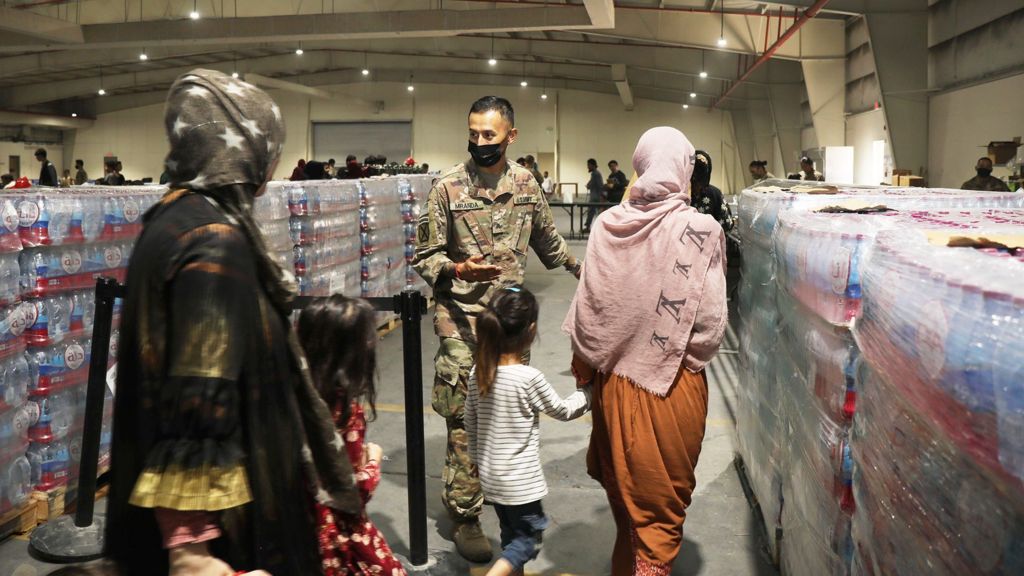
    Hundreds of Afghan evacuees face an increasingly dangerous and uncertain future at Camp As-Sayliyah in Qatar after the United States effectively terminated their promised resettlement program. Among them is Alia (pseudonym), a former lawyer who served alongside U.S. forces, now trapped in diplomatic limbo for eighteen months.

    The Trump administration’s January 2025 executive order suspending refugee processing, followed by a June travel ban targeting Afghan nationals, systematically dismantled the resettlement pathway. The final blow came with the announcement that the camp would close by March 31st, leaving approximately 1,100 evacuees without clarity on their future.

    Compounding their predicament, recent Iranian attacks on U.S. bases in Qatar—including Al-Udeid Air Base just 12 miles from their camp—have transformed their temporary shelter into a potential conflict zone. Evacuees report deteriorating mental health among children, pregnant women, and elderly residents, with many suffering from severe anxiety and stress-related illnesses.

    These individuals were originally evacuated under Operation Allies Welcome following the Taliban’s 2021 takeover and the U.S. withdrawal. Many had worked directly with U.S. missions in Afghanistan, making return to Taliban-controlled territory impossible due to fears of reprisal. Alia, who prosecuted domestic abuse cases against now-powerful Taliban figures, states: ‘The people I helped convict are now in power. They will seek revenge.’

    The U.S. State Department maintains it is negotiating with third countries for relocation, defending the camp closure as necessary to avoid indefinite detention. Officials characterized the facility as ‘the legacy of the Biden administration’s attempt to move as many Afghans to America as possible—in many cases, without proper vetting.’

    However, advocacy groups strongly dispute this characterization. Shawn VanDiver of AfghanEvac, a veteran-led resettlement charity, asserts: ‘The vetting is strong. We were at war there for 20 years, and all these people that served alongside us and their families, they got vetted over and over again.’

    With voluntary return to Afghanistan including financial incentives of $4,500 for primary applicants and $1,200 per family member, most evacuees refuse despite the deteriorating conditions. As one elderly evacuee who worked at a U.S. base for 14 years declared: ‘Either you or the Qataris can kill us and send our dead bodies back to Afghanistan but we will not go back alive.’

    The situation represents a profound breach of trust for those who risked their lives supporting American interests, now facing what Alia describes as ‘a slow death’ of hope and security.

  • Reserve Bank warns Australian households face ‘more challenging’ period ahead

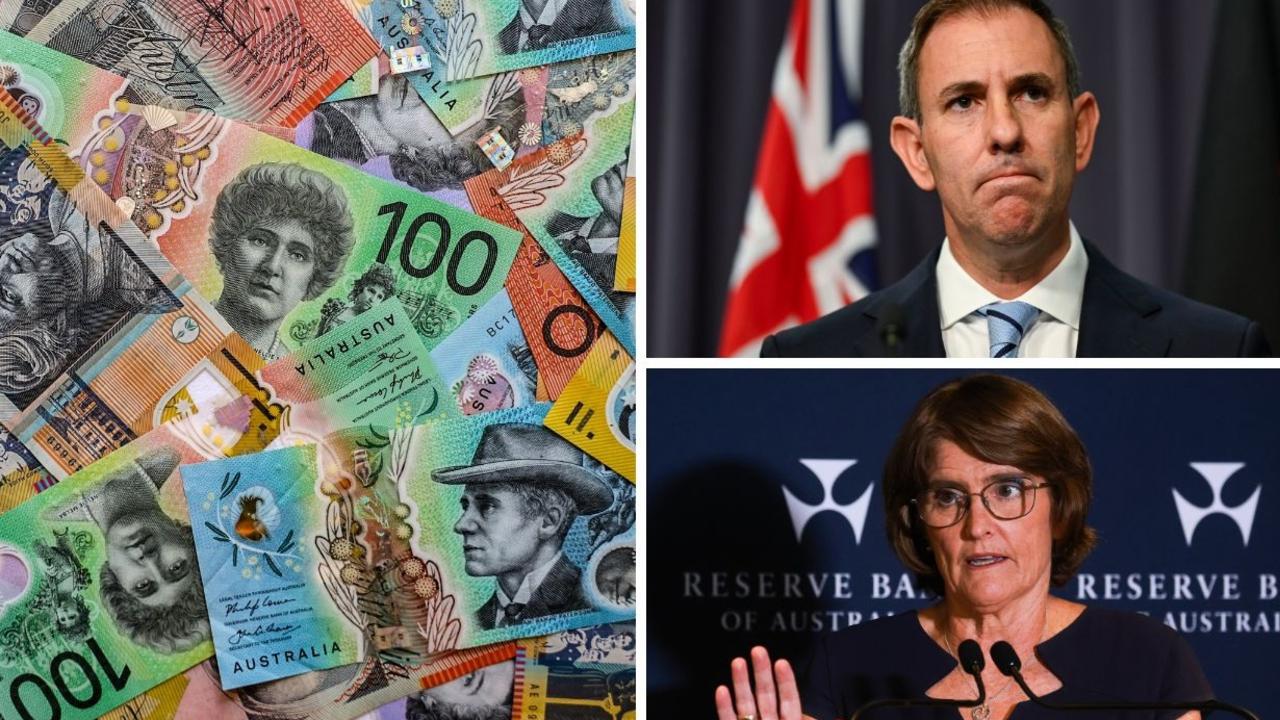
    Reserve Bank warns Australian households face ‘more challenging’ period ahead

    The Reserve Bank of Australia (RBA) has issued a sobering assessment of the nation’s economic outlook, cautioning that households are confronting increasingly difficult financial conditions. This warning stems from the compounding pressures of escalating global conflicts and domestic monetary policy adjustments.

    In its March Financial Stability Review, the central bank highlighted how geopolitical tensions in the Middle East are creating tangible economic repercussions for Australian consumers. Assistant Governor Brad Jones acknowledged that while the financial system maintains “a good level of resilience,” rising cost pressures would inevitably strain certain borrowers.

    The conflict’s most direct impact has manifested through energy markets, with oil prices surging dramatically from approximately $US56 per barrel to over $US110 since hostilities intensified between the US/Israel and Iran. This spike in energy costs threatens to dampen economic activity and amplify household expenditure.

    Compounding these external pressures, the RBA expressed concerns about Australia’s domestic debt landscape. The expansion of the federal government’s 5 per cent home deposit scheme has precipitated an increase in high loan-to-valuation ratio mortgages, particularly among first-home buyers. While these buyers traditionally experience favorable labor market outcomes, the bank warned that highly leveraged households remain vulnerable to economic shocks that could trigger repayment difficulties.

    The RBA noted that the scheme’s design includes government guarantees covering up to 15 per cent of property value in case of default, mitigating systemic risk to the banking sector. However, the central bank cautioned that increased housing demand might encourage additional borrowing beyond intended levels.

    Despite these challenges, the RBA’s modeling indicates most Australian households retain sufficient financial resilience. Factors including stage three tax cuts, rising real disposable income per capita, and adapted mortgage management strategies have provided buffers against cost-of-living pressures. The bank’s analysis suggests that while back-to-back rate hikes and oil price surges since late February present challenges, they are unlikely to critically undermine most household budgets.

    The central bank concluded that while individual borrowers may face difficulties, the majority maintain adequate income to cover essential expenses and scheduled mortgage repayments, preserving overall financial system stability.

  • Iran targets Gulf energy sites after gas field strike

    Iran targets Gulf energy sites after gas field strike

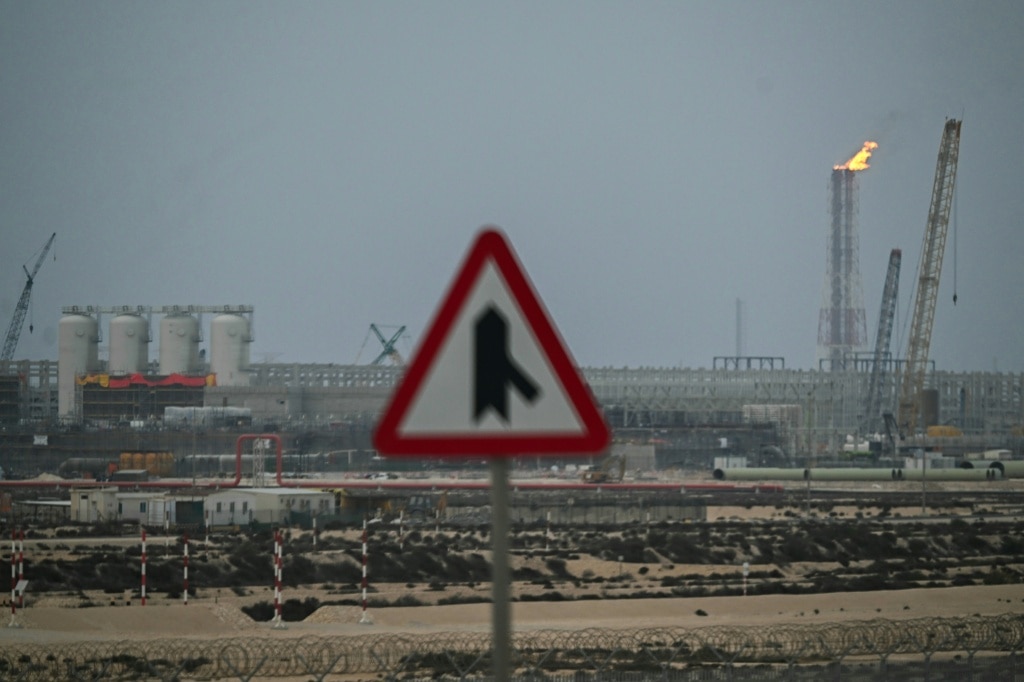
    Tensions in the Persian Gulf have escalated dramatically as Iran issued stark warnings of expanded assaults on energy infrastructure across the region. This development follows confirmed strikes against Iran’s South Pars gas field, one of the world’s largest natural gas reservoirs, prompting Tehran to declare imminent retaliation against perceived aggressors.

    The Islamic Revolutionary Guards Corps delivered an unequivocal statement through state media channels: “We caution that the attack on our energy infrastructure represents a grave miscalculation. Any repetition will trigger comprehensive operations against energy facilities belonging to you and your allies until complete destruction is achieved.”

    Regional consequences manifested immediately when Qatar Petroleum reported substantial damage at its flagship liquefied natural gas facility following missile impacts, resulting in Doha expelling two Iranian diplomats. Simultaneously, Saudi Arabian defense systems intercepted multiple drones targeting eastern energy installations, with ballistic missile debris landing near a major refinery complex south of Riyadh.

    The geopolitical landscape further complicated with Israel’s targeted elimination of Iranian intelligence chief Esmail Khatib, described by President Masoud Pezeshkian as a “cowardly assassination.” This operation continues Israel’s strategic campaign against high-ranking Iranian leadership that has persisted throughout the nearly three-week conflict.

    Economic repercussions emerged as global oil markets reacted violently, with benchmark crude prices surging over 3% amid near-total disruption of Strait of Hormuz transit routes. The energy supply crisis prompted French President Emmanuel Macron to initiate diplomatic contacts with U.S. and Qatari leadership, advocating for immediate moratoriums on civilian infrastructure targeting.

    Conflict expansion continued across multiple theaters with Iranian missile barrages claiming casualties in central Israel, while Israeli strikes intensified against Beirut targets. Lebanon’s humanitarian situation deteriorated rapidly as civilian evacuations created massive displacement toward ancient coastal cities.

    Washington’s intelligence assessment acknowledged Tehran’s governmental structure remains “intact but largely degraded” while confirming no nuclear enrichment resumption. Iraqi militia groups proposed temporary ceasefires conditional upon cessation of strikes against residential areas, though overnight monitoring indicated reduced attack frequency against U.S. diplomatic facilities in Baghdad.

  • Tehran vows vengeance after Larijani killing

    Tehran vows vengeance after Larijani killing

    The Middle East faces a dangerous escalation following the targeted assassination of Ali Larijani, Iran’s top security official, in an Israeli strike. Tehran has sworn vengeance for the killing, which experts warn could significantly prolong the ongoing conflict and complicate diplomatic resolutions.

    The overnight strike that eliminated Larijani, 68, represents the most prominent Iranian figure killed since Supreme Leader Ayatollah Ali Khamenei’s assassination in February, which ignited widespread regional warfare. Iranian army chief Amir Hatami declared the response would be “decisive and unforgiving” as funerals were scheduled for both Larijani and Gholamreza Soleimani, head of the Basij paramilitary force.

    Regional violence intensified dramatically with Iranian missiles striking near Israel’s capital and commercial hub Tel Aviv, resulting in two fatalities according to emergency services. Explosions reverberated across the United Arab Emirates and Qatar while Saudi Arabia reported intercepting incoming projectiles. Simultaneously, Israeli airstrikes flattened an apartment building in central Beirut, adding to earlier attacks that killed at least six and wounded 24 in residential neighborhoods.

    The human cost continues to mount with official reports indicating approximately 1,300 casualties in Iran, over 900 in Lebanon, 14 in Israel, and 13 US service members killed with about 200 injured.

    Israeli Defense Minister Israel Katz confirmed the additional killing of Iranian Intelligence Minister Esmail Khatib, promising “significant surprises” throughout the day across all fronts. Despite these targeted assassinations, Iranian Foreign Minister Abbas Araqchi maintained that operations would continue unimpeded, characterizing the Islamic republic as a robust political system independent of any single individual.

    International condemnation emerged from Turkish Foreign Minister Hakan Fidan, who denounced Israel’s “political assassinations” as “illegal activities in violation of the normal laws of war.” Al Jazeera’s senior political analyst Marwan Bishara similarly criticized Israel’s approach, stating the nation was “turning this into an industry of assassinations” that deviates from conventional warfare norms.

    Meanwhile, diplomatic efforts face growing challenges. Sultan Barakat, professor of public policy at Qatar’s Hamad bin Khalifa University, noted that Larijani’s death “will strengthen the line of the hard-liners” within Iran’s government, making diplomatic solutions “slightly more remote.” Larijani’s ability to bridge political divides had made him crucial for maintaining internal balance.

    In regional developments, the UAE considers joining a US-led effort to protect shipping in the strategically vital Strait of Hormuz, which has been largely shut down, raising global energy crisis concerns. Diplomatic adviser Anwar Gargash emphasized that “big countries” across Asia, the Middle East, and Europe share responsibility for ensuring trade and energy flow continuity.

  • The platypus is even weirder than thought, scientists discover

    The platypus is even weirder than thought, scientists discover

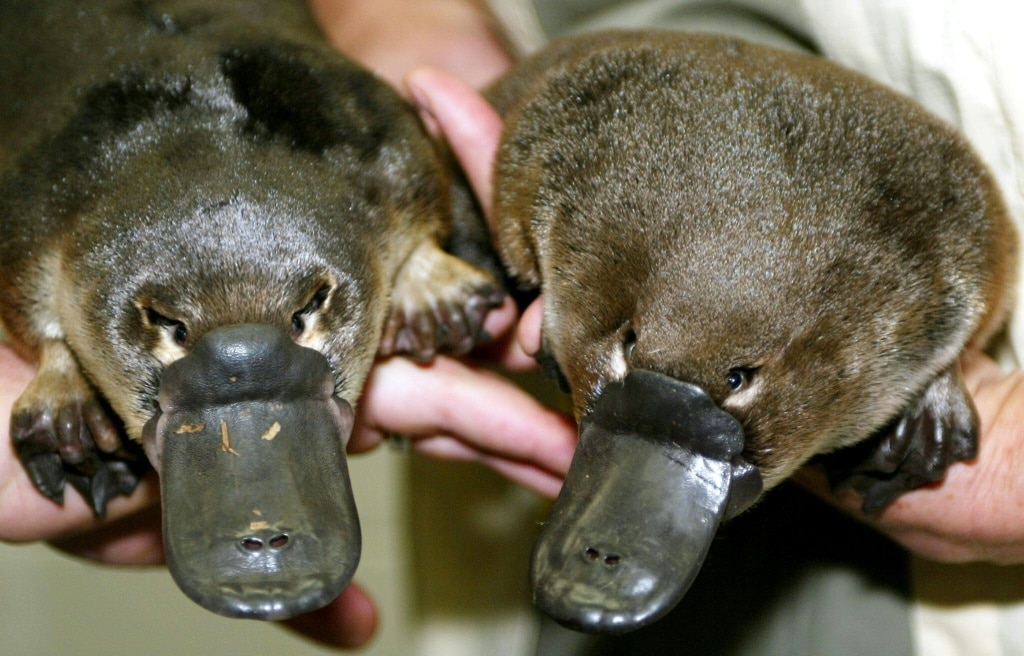
    In a groundbreaking discovery that adds yet another extraordinary feature to one of nature’s most enigmatic creatures, scientists have revealed that the platypus possesses hollow melanin structures—a characteristic previously documented exclusively in birds. This finding, published in the Royal Society’s Biology Letters journal, positions the Australian monotreme as the only known mammal with this unique pigment configuration.

    The research emerged unexpectedly when biologists at Ghent University in Belgium were compiling a comprehensive database of mammalian melanosomes—specialized cellular structures containing the pigment melanin. Lead author Jessica Leigh Dobson described the moment her team identified the platypus’s hollow melanosomes as “extremely surprising and exciting.”

    Melanin serves critical functions in vertebrates, including ultraviolet radiation protection, thermal regulation, and coloration. While mammals typically possess solid melanosomes—elongated for dark brown/black hues (eumelanin) and spherical for reddish tones (pheomelanin)—birds exhibit hollow or flattened variants that contribute to their vibrant and iridescent plumage.

    The platypus, already renowned for its duck-like bill, beaver-like tail, egg-laying reproduction, and venomous spurs, now adds hollow melanosomes to its catalog of biological curiosities. Surprisingly, these structures don’t produce iridescent effects in the platypus’s dark brown fur but appear randomly scattered throughout its hair cortex.

    This discovery raises significant evolutionary questions. As descendants of aquatic burrowing ancestors, platypuses might have developed hollow melanosomes as an adaptation to aquatic environments, potentially providing enhanced insulation. However, this theory presents a paradox: why haven’t other aquatic mammals evolved similar features?

    The platypus continues to fascinate scientists centuries after European naturalists first examined taxidermied specimens in 1799 and suspected an elaborate hoax. As one of only five egg-laying mammal species (monotremes) and among the few venomous mammals, this Australian native demonstrates how evolutionary pathways can produce truly exceptional biological innovations.

  • How Finnish supermarkets are central to the country’s defence

    How Finnish supermarkets are central to the country’s defence

    In the face of potential Russian aggression, Finnish corporations are demonstrating unprecedented commitment to national defense through meticulously crafted contingency plans. Spearheading this initiative is Janne Ahtoniemi, Head of Risk Management at S Group, Finland’s nationwide supermarket chain, who emphasizes that private enterprises fully recognize their critical role in maintaining national security.

    The Nordic nation has evolved its decades-old ‘total defense’ strategy into a more robust ‘comprehensive security’ framework since Russia’s 2022 invasion of Ukraine. This approach integrates military and civilian sectors, with major businesses across defense, transportation, cybersecurity, and food supply chains developing detailed emergency protocols. These plans address scenarios ranging from conventional warfare and cyber attacks to disruptions in food, water, and financial systems.

    Finland’s Security Strategy for Society, introduced last year, serves as the foundational document guiding this public-private collaboration. Critical businesses participate in ‘preparedness committees’ with government representatives and engage in national training exercises. Supermarket rivals S Group and Kesko both maintain strategic reserves of essential commodities—including flour, sugar, and cooking oils—stored in specialized warehouses and underground bunkers with backup power generators.

    Jyrki Tomminen, an executive at Kesko, states: ‘We want to do our part to ensure Finnish society functions daily, regardless of circumstances.’ This corporate dedication stems from deep-seated cultural values, explains Dr. Jennifer De Paola, a psychologist at Helsinki University. ‘Finnish children associate happiness with feeling safe, and this safety-focus continues into adulthood,’ she notes, highlighting the nation’s exceptional trust in institutions and low corruption levels.

    Professor Frank Martella, a philosophy academic and navy reservist, exemplifies how Finnish citizens might be deployed based on current skills rather than past military service. As security expert Tom Woolmore observes, Finland’s resilience is built on societal equality and mutual trust—values that enable both corporations and citizens to maintain confidentiality about specific defense preparations while investing significantly in national security.

  • World Happiness Report highlights social media’s negative impact, ranks Finland as happiest country

    World Happiness Report highlights social media’s negative impact, ranks Finland as happiest country

    The World Happiness Report 2026 reveals a concerning paradox: while Nordic nations maintain their dominance in global happiness rankings, English-speaking and Western European countries are experiencing a significant decline in youth well-being directly linked to excessive social media consumption. Published Thursday by the University of Oxford’s Wellbeing Research Centre, the comprehensive study identifies teenage girls as particularly vulnerable to the negative effects of prolonged social media engagement.

    Finland secured its position as the world’s happiest nation for the ninth consecutive year, with Iceland, Denmark, Sweden, and Norway all ranking among the top ten. The report attributes Nordic countries’ consistent performance to their combination of wealth, equitable distribution systems, robust welfare states, and high healthy life expectancy.

    In a remarkable ascent, Costa Rica jumped to fourth place from 23rd position in 2023, which researchers attribute to the Central American nation’s strong family bonds and social connections. “Latin America more generally has strong family ties, strong social ties, a great level of social capital,” explained Professor Jan-Emmanuel De Neve, director of the Wellbeing Research Centre and co-editor of the report.

    The study’s most alarming findings concern young people under 25 in the United States, Canada, Australia, New Zealand, and Western Europe, where life satisfaction scores have dropped nearly one point over the past decade. Researchers identified a clear correlation between extensive social media use and diminished well-being, particularly among 15-year-old girls who reported decreased life satisfaction after five or more hours of daily use.

    The report distinguishes between platform types, noting that visual-based networks with algorithmic feeds and influencer content—which encourage social comparison—prove most harmful. Conversely, platforms primarily facilitating communication show less negative impact. Interestingly, moderate users (less than one hour daily) reported higher well-being than both heavy users and non-users.

    Regional variations reveal a complex picture: Middle Eastern and South American youth maintained stable well-being despite heavy social media use, suggesting cultural and social factors mediate technology’s impact. Meanwhile, conflict-affected nations including Afghanistan, Sierra Leone, and Malawi ranked at the bottom of the happiness index.

    The findings arrive amid growing global scrutiny of social media’s effects on minors, with several countries implementing or considering restrictions on youth access to these platforms. For the second consecutive year, no English-speaking nation appeared in the top ten rankings, with the United States at 23rd, Canada at 25th, and Britain at 29th position.

  • India’s young are more educated than ever. So why are so many jobless?

    India’s young are more educated than ever. So why are so many jobless?

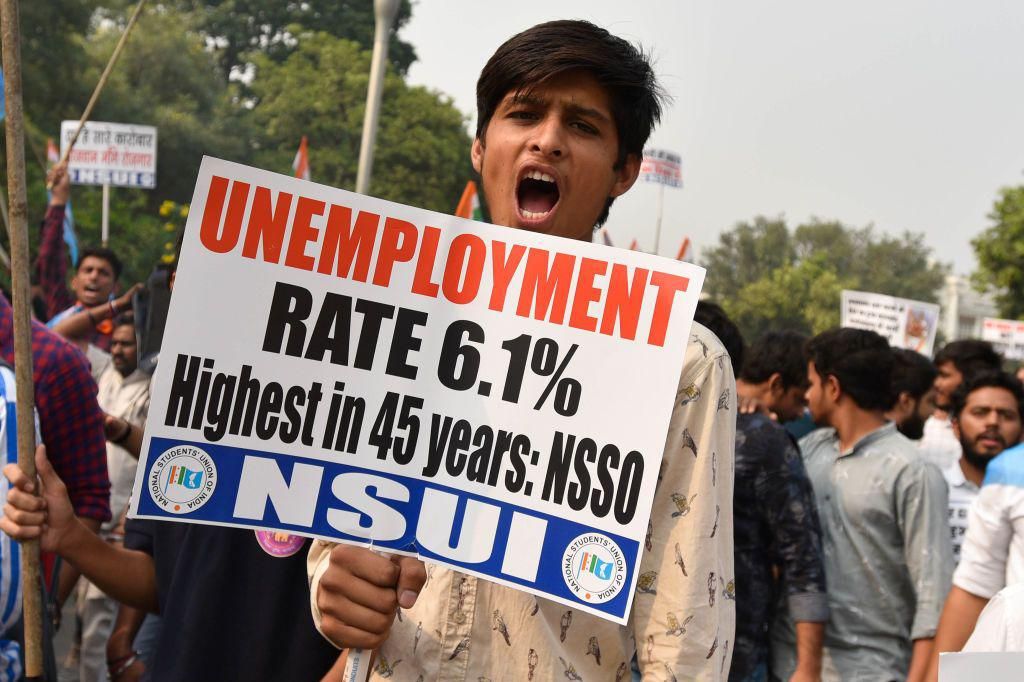
    India stands at a critical demographic crossroads, boasting the world’s largest youth population of 367 million individuals aged 15-29, yet facing a severe crisis of job availability that threatens to undermine its economic potential. According to the latest State of Working India report from Azim Premji University, this demographic advantage—similar to those that powered East Asia’s economic miracles—masks a troubling reality of widespread unemployment and underemployment among educated youth.

    While India has made remarkable educational progress over four decades, with soaring enrollment rates in high schools and colleges and significantly narrowed gender and caste gaps, the transition from education to employment remains fundamentally broken. The report reveals that approximately 40% of graduates aged 15-25 and 20% of those aged 25-29 remain unemployed—figures far higher than among less educated populations. Only a small fraction secure stable, salaried positions within a year of completing their education.

    The scale of the problem has expanded dramatically. India now produces approximately five million graduates annually, but since 2004-05, barely 2.8 million have found jobs each year, with even fewer obtaining salaried work. This represents a continuation of a decades-long trend documented as early as 1969 by British economist Mark Blaug, though the current situation involves vastly larger numbers.

    Post-pandemic employment data reveals mixed outcomes. While India added 83 million jobs in the two years following the pandemic, lifting total employment from 490 million to 572 million, nearly half were in low-productivity agricultural sectors dominated by women, indicating disguised unemployment rather than meaningful economic advancement.

    Women’s employment presents a particularly complex picture. A small but growing cohort of educated women are entering salaried roles in IT, automobile manufacturing, and business services, particularly in states like Tamil Nadu and Gujarat. However, the majority of increased female participation occurs in self-employment and unpaid or home-based work within family enterprises, signaling economic necessity rather than genuine opportunity.

    India’s educational expansion has come with significant trade-offs. The number of colleges and universities has skyrocketed from 1,600 in 1991 to nearly 70,000 today, with approximately 80% now privately operated—a dramatic shift from the evenly split public-private landscape of previous decades. While access has widened, quality remains uneven with faculty shortages and stark regional disparities. Vocational training has expanded primarily through private institutes but maintains weak connections to actual employment opportunities.

    Concerning trends are emerging beneath the surface. Since 2017, the proportion of young men pursuing higher education has declined from 38% to 34%, with more citing the need to support household incomes. Many graduates are increasingly working on family farms or businesses—work traditionally performed by women—representing a worrying regression in labor patterns.

    Migration has become a crucial coping mechanism, with young workers moving from poorer states like Bihar and Uttar Pradesh to more prosperous but aging regions such as Tamil Nadu and Karnataka. While this internal churn helps balance regional disparities, it also underscores the patchwork nature of India’s uneven opportunity landscape.

    Economists attribute these challenges to India’s growth model, which has prioritized skill-intensive services like IT and communications rather than following the export-led manufacturing approach that successfully absorbed low-skilled workers in East and Southeast Asia. This has created a lopsided labor market with opportunities for the educated elite but insufficient pathways for the broader population.

    The urgency of addressing these issues is heightened by India’s demographic timeline. With a median age of 28 and nearly 70% of the population in the working age group, the country remains one of the world’s youngest. However, this advantage is peaking and will begin declining around 2030 as the population ages, closing the window for capturing the much-anticipated demographic dividend.

    Adding to the challenge, artificial intelligence threatens to reshape entry-level white-collar work, creating additional uncertainty in India’s already fragile school-to-jobs pipeline. The report emphasizes that productive absorption of this increasingly educated and aspirational cohort into the labor market will determine whether India’s demographic advantage translates into tangible economic benefits.

    Policy prescriptions include creating more salaried jobs, better alignment between education and industry needs, smoother school-to-work transitions, and stronger social protections for informal and migrant workers. However, the fundamental question remains: what kind of economy is India building—one that matches rising aspirations with real opportunity, or one that leaves millions navigating underemployment and economic drift?

  • Labubu movie in the works as viral toys attempt film crossover

    Labubu movie in the works as viral toys attempt film crossover

    Chinese toy giant Pop Mart International Group Ltd. has partnered with Sony Pictures Entertainment to develop a feature film centered on Labubu, the immensely popular collectible doll phenomenon. The announcement was made during Labubu’s 10th anniversary global exhibition tour in Paris, signaling a major expansion of the brand into cinematic entertainment.

    The forthcoming film will blend live-action with computer-generated animation under the direction of acclaimed filmmaker Paul King, known for his work on ‘Wonka’ and the ‘Paddington’ films. Hong Kong artist Kasing Lung, who created Labubu over a decade ago as a forest elf inspired by Nordic mythology, will serve as executive producer. King will collaborate with Steven Levenson, the Tony Award-winning writer of ‘Dear Evan Hansen,’ to co-produce and develop the screenplay.

    Labubu’s remarkable commercial success has transformed Pop Mart into a $40 billion toy industry behemoth, surpassing established rivals like Mattel. The brand’s appeal stems from its blind box sales strategy and celebrity endorsements from figures like Rihanna and BLACKPINK’s Lisa, who have been photographed incorporating Labubu charms into their fashion accessories.

    Industry experts view this cinematic venture as a strategic move to capitalize on Labubu’s dedicated fanbase and the growing momentum of Chinese animation. Marketing professor Kim Dayoung from the National University of Singapore notes that for Gen Z and Millennial consumers, ‘content and commerce are closely intertwined—watching a story, connecting with a character, and then buying into that world is a seamless journey.’

    The film represents Pop Mart’s evolution from toy retailer to comprehensive entertainment brand, potentially following the success of recent Chinese animated blockbusters like ‘Ne Zha 2’ and the anticipated video game ‘Black Myth: Wukong.’ While no release date has been announced, the project marks a significant milestone in the convergence of toy manufacturing, entertainment, and global pop culture.