作者: admin

  • The new Czech government of populist prime minister Babiš survives parliamentary no-confidence vote

    The new Czech government of populist prime minister Babiš survives parliamentary no-confidence vote

    PRAGUE — The Czech Republic’s populist-led government has successfully weathered a parliamentary no-confidence motion initiated by opposition parties concerning a constitutional dispute involving the country’s president. The vote concluded on Wednesday after two days of intense debate, with only 84 of the required 101 lawmakers in the 200-seat lower house supporting the motion to dismiss Prime Minister Andrej Babiš’s three-party coalition government.

    The political crisis emerged from President Petr Pavel’s refusal to appoint Filip Turek, a nominee from the right-wing Motorists for Themselves party, as environment minister. The decision came after a domestic newspaper uncovered controversial social media posts on Turek’s Facebook account containing openly racist, homophobic, and sexist content. While Turek apologized for some posts, he denied authorship of others.

    In response, Foreign Minister Petr Macinka, who leads the Motorists party, accused President Pavel of constitutional violations and threatened political consequences, including preventing the president from representing the Czech Republic at upcoming NATO summits. Pavel characterized these threats as attempted blackmail.

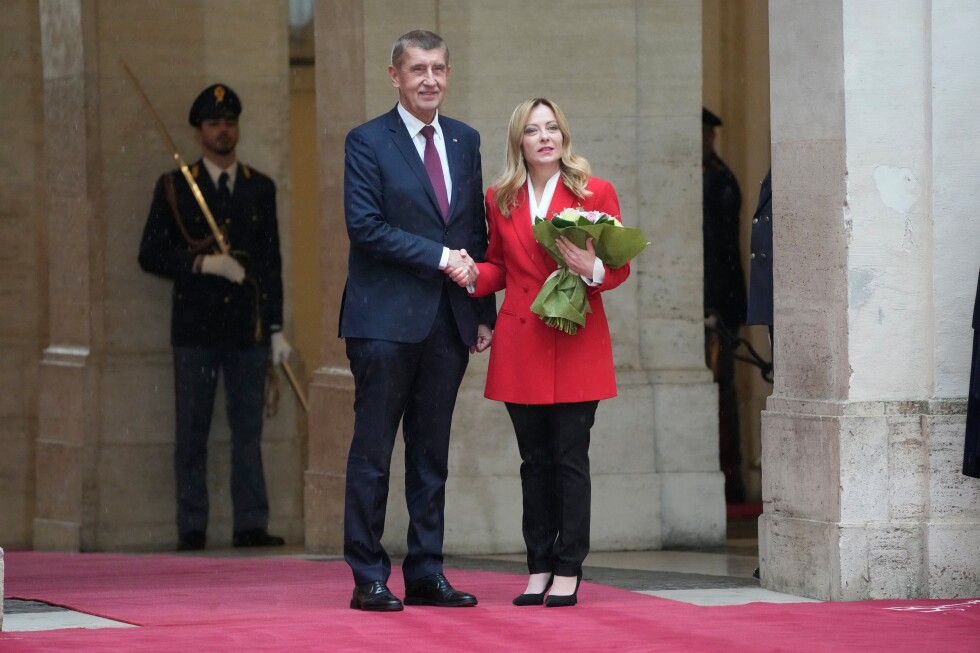
    Prime Minister Babiš has supported his coalition partner, rejecting opposition demands to dismiss Macinka. The Motorists party, which formed a coalition with Babiš’s ANO movement following their substantial victory in October’s election, has maintained its position without apology.

    The controversy has sparked significant public response, with tens of thousands of Czechs rallying in Prague and other cities on Sunday to express support for President Pavel. Despite a meeting between Pavel and Babiš on Wednesday, both leaders maintained their positions, with the president declaring his decision final and the prime minister considering the matter closed.

    The ongoing tension highlights deeper ideological divisions within Czech politics. The current coalition government, which includes the anti-migrant Freedom and Direct Democracy party alongside the Motorists, has advocated for reducing support to Ukraine and resisting certain European Union policies. This stands in contrast to President Pavel, a retired army general, and opposition parties who remain strong supporters of Ukraine’s defense against Russian aggression.
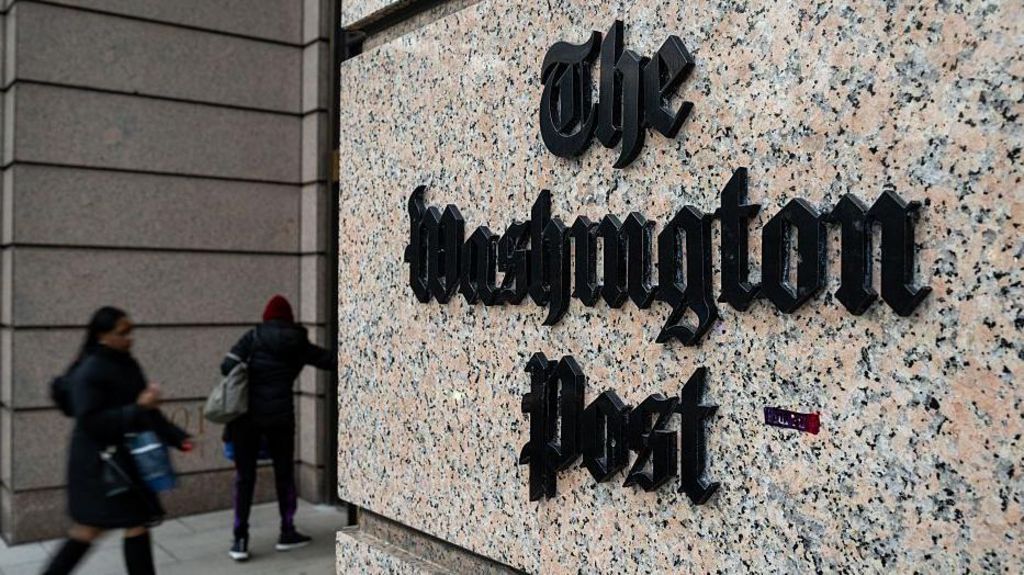

  • Washington Post announces sweeping layoffs, scaling back news coverage

    Washington Post announces sweeping layoffs, scaling back news coverage

    The Washington Post has initiated significant workforce reductions, fundamentally restructuring its newsroom by dramatically scaling back sports, local news, and international reporting departments. The cuts, announced Wednesday by Executive Editor Matt Murray, represent one of the most substantial reorganizations in the publication’s recent history.

    Murray characterized the layoffs as necessary measures to achieve organizational ‘stability’ and reinvent the newspaper’s journalism and business model. He revealed the Post’s online traffic has experienced a severe decline over the past three years, attributing part of this challenge to the artificial intelligence revolution and the paper’s inability to adapt quickly enough. ‘We are too rooted in a different era,’ Murray admitted in his staff memorandum, noting the publication frequently writes ‘from one perspective, for one slice of the audience.’

    The announcement triggered immediate condemnation from current employees, former leaders, and the Washington Post Guild. Marty Baron, who led the newsroom until 2021, described the developments as ‘among the darkest days in the history of one of the world’s greatest news organizations.’

    International correspondents appear disproportionately affected. The entire Middle East bureau roster, including the former Cairo bureau chief, received layoff notices. A Ukraine-based correspondent revealed her termination occurred ‘in the middle of a warzone.’ Domestic coverage also suffered substantial reductions, with most of the metro section focused on Washington DC regional news being eliminated.

    These cuts occur against a backdrop of financial challenges and subscriber losses. The Post experienced significant subscriber attrition following owner Jeff Bezos’ controversial decision not to endorse a presidential candidate before the 2024 election—breaking with decades of editorial tradition. This contrasts sharply with The New York Times, which recently reported adding approximately 450,000 digital subscribers in the last quarter of 2025.

    Bezos, who acquired the newspaper for $250 million in 2013, previously emphasized commitments to press freedom during his tenure. However, his recent editorial direction shifting the opinion section toward ‘personal liberties and free markets’ already prompted the resignation of that section’s editor last year.

  • US Supreme Court allows California to use new voting map favouring Democrats

    US Supreme Court allows California to use new voting map favouring Democrats

    The U.S. Supreme Court has issued a pivotal ruling permitting California to implement a newly redrawn congressional district map that substantially advantages Democratic candidates. This decision, delivered without commentary or published rationale, represents a significant electoral development that could potentially deliver up to five additional House seats to Democrats in the upcoming midterm elections.

    The contested voting boundaries emerged from a statewide referendum approved by California voters last year, explicitly designed to counterbalance Republican gains achieved through similar redistricting efforts in Texas. Each congressional district elects one representative to the U.S. House of Representatives, making control of these boundaries crucial for political dominance.

    This ruling arrives as Republicans struggle to maintain their slender majority in the House during November’s midterm elections, which historically disadvantage the sitting president’s party. California Republicans, joined by Trump administration allies, had petitioned the Supreme Court for an emergency injunction to block the map’s implementation while pursuing parallel legal challenges in lower courts.

    Former Florida Attorney General Pam Bondi, representing the plaintiffs, leveled accusations against California Governor Gavin Newsom—a prominent Democratic figure—claiming he orchestrated a “brazen” power grab through racially motivated gerrymandering. However, the Court’s decision mirrors its December stance on Texas’s redistricting case, where justices similarly allowed a contested map to proceed despite lower court findings of racial gerrymandering.

    The legal landscape surrounding gerrymandering—the deliberate manipulation of electoral boundaries to favor specific political interests—remains complex. While politically motivated redistricting faces minimal restrictions, the practice becomes legally actionable only when demonstrably based on racial discrimination criteria.

    This development underscores the intensifying national battle over electoral maps and their profound implications for partisan control of Congress, setting the stage for a dramatically reconfigured political battlefield in the 2022 elections.

  • Palestine Action defendants acquitted of aggravated burglary

    Palestine Action defendants acquitted of aggravated burglary

    In a landmark legal decision, six Palestine Action activists have been cleared of aggravated burglary charges stemming from their raid on an Israeli-owned arms manufacturing facility. The Woolwich Crown Court jury delivered not guilty verdicts for Leona Kamio (30), Samuel Corner (23), Fatema Rajwani (21), Zoe Rogers (22), Jordan Devlin (31), and Charlotte Head following extensive deliberations exceeding 36 hours.

    The August 2024 incident at Elbit Systems’ Bristol-area plant involved defendants using sledgehammers to damage property, though they consistently maintained these tools were never intended as weapons against security personnel. While five defendants admitted to destroying military equipment, the jury failed to reach consensus on criminal damage charges and couldn’t deliver verdicts regarding Corner’s alleged grievous bodily harm against a police officer.

    The trial revealed significant evidentiary complexities, including missing CCTV footage from critical areas where altercations occurred. Police CCTV recovery officer PC Sarah Grant testified that two cameras showed no movement due to low frame rates, though bodycam evidence presented showed security guard Angelo Volante allegedly striking Devlin with a sledgehammer and brandishing a whip.

    Judicial oversight played a crucial role throughout proceedings. Mr Justice Johnson repeatedly instructed jurors to disregard both the defendants’ moral justifications and their personal views on the Israel-Gaza conflict, emphasizing that verdicts must be based solely on legal evidence. This directive sparked controversy when a juror reported concerns about posters near the court promoting jury equity principles.

    The Crown Prosecution Service now faces a seven-day deadline to determine whether to pursue retrials on undecided charges. The acquittals represent a significant outcome for activist groups challenging arms exports to conflict zones, highlighting the complex intersection of property destruction claims and perceived life-saving motivations in contemporary protest movements.

  • New travel rules in India: Duty-free allowance, gold cap, cash limit explained

    New travel rules in India: Duty-free allowance, gold cap, cash limit explained

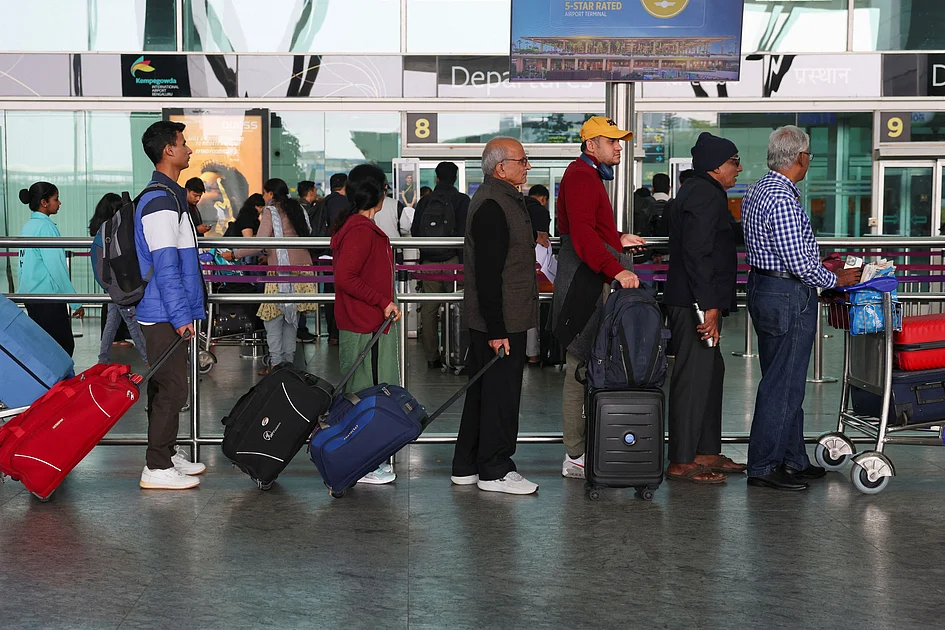
    In a significant policy shift aimed at modernizing its customs framework, the Indian government has implemented sweeping revisions to its baggage rules, substantially increasing duty-free allowances for international passengers. Effective February 2, 2026, the new regulations raise the customs duty exemption threshold from ₹50,000 to ₹75,000 for the majority of air and sea passengers arriving in India.

    The comprehensive overhaul, developed after extensive consultations with ministry officials, airport operators, and passenger feedback, aligns with contemporary economic conditions and the exponential growth in international travel. Under the revised structure, any amount exceeding the ₹75,000 allowance will be subject to a reduced customs duty rate of 10%, plus a 10% surcharge, a substantial reduction from the previous 20% levy.

    A notable amendment permits passengers to import one laptop or notebook computer completely duty-free, separate from the main allowance—a provision expected to benefit travelers acquiring electronics abroad, particularly from markets like the United States where devices such as iPhones are often priced lower than in India.

    The reforms introduce a streamlined, weight-based system for jewelry concessions, eliminating previous value caps. Female passengers may now carry up to 40 grams of duty-free jewelry, while other eligible travelers are permitted 20 grams, applicable to Indian residents and origin tourists who have resided overseas for over one year.

    For individuals permanently relocating to India, the Transfer of Residence (TR) scheme has been enhanced with simplified, tiered entitlements based on duration abroad: ₹150,000 for stays up to one year, ₹300,000 for 1-2 years, and ₹750,000 for periods exceeding two years.

    Foreign tourists retain a ₹25,000 allowance, while airline crew members have a ₹2,500 exemption. These calibrated measures reflect India’s adaptive approach to balancing revenue considerations with passenger convenience in an increasingly globalized travel landscape.

  • Italy averted Russian-linked cyberattacks targeting Winter Olympics websites, foreign minister says

    Italy averted Russian-linked cyberattacks targeting Winter Olympics websites, foreign minister says

    Italian authorities have successfully intercepted and neutralized a sophisticated cyber offensive originating from Russia, targeting critical national infrastructure. Foreign Minister Antonio Tajani, speaking from Washington D.C., confirmed the attacks were directed at multiple foreign ministry offices internationally, with the embassy in Washington specifically identified, alongside digital systems supporting the ongoing Winter Olympics in Cortina d’Ampezzo.

    The attempted breaches, disclosed just two days before the Milano Cortina 2026 Winter Olympics opening ceremony, also aimed at Olympic-related websites and hotel networks in the host mountain resort. Minister Tajani attributed the attacks to Russian sources but declined to elaborate on specific technical details or potential motives behind the operation.

    Concurrently, Interior Minister Matteo Piantedosi addressed the Italian Parliament, outlining extensive security measures for the Games. A force of 6,000 security personnel, comprising bomb disposal specialists, counter-terrorism units, and snipers, is being deployed across venues spanning from Milan to the Dolomites. This robust security deployment is designed to safeguard both physical and digital domains throughout the international event, which commenced with initial curling matches in Cortina.

  • Rent or buy? First-time buyers push UAE property market towards ownership

    Rent or buy? First-time buyers push UAE property market towards ownership

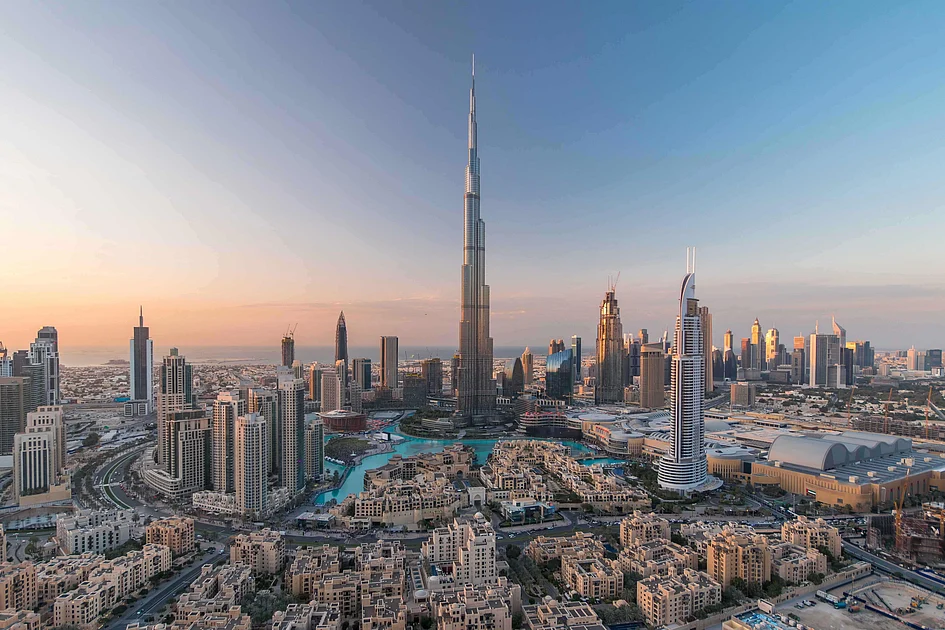
    The United Arab Emirates is experiencing a fundamental transformation in its residential property landscape as growing numbers of renters transition to homeowners, marking a significant shift in housing preferences. According to comprehensive data from Property Finder, the market is witnessing sustained buyer momentum across both Abu Dhabi and Dubai, with platform activity throughout 2025 indicating a decisive move toward property ownership over traditional leasing arrangements.

    The digital real estate portal’s bi-monthly consumer sentiment survey reveals that approximately 70% of Dubai respondents intend to purchase property within the next six months. This substantial buyer interest continues to outpace rental demand, with sales listing impressions accounting for 49% of all platform activity. Abu Dhabi has similarly demonstrated a pronounced year-on-year increase in sales-focused searches, indicating parallel trends in the capital emirate.

    Multiple factors are driving this paradigm shift. Long-term residency policies, ownership-linked visa programs, and targeted initiatives such as the First-Time Home Buyer Programme have collectively enabled thousands of residents to enter the property market within the past year. First-time purchasers have emerged as crucial demand drivers, while existing homeowners are increasingly upgrading to larger, higher-quality properties as confidence in permanent settlement strengthens.

    This growing confidence is quantitatively reflected in buyer financial behavior. Home-seekers are now allocating 31% of their income toward mortgage payments in 2025, a significant increase from 23% recorded in 2024. Market preferences show a clear inclination toward premium, spacious residences despite higher financial commitments.

    While apartments continue to dominate transaction volumes due to broader availability and affordability considerations, villas—constrained by limited inventory—have demonstrated stronger price appreciation. In Abu Dhabi, apartments remain the most sought-after residential format, accounting for most transactions amid healthy supply across various locations and price segments. However, the villa market shows distinct upscaling trends, with larger family homes representing a growing transaction share.

    Established communities including Downtown Dubai, Dubai Marina, Palm Jumeirah, Business Bay, JVC, JBR, and Dubai Hills Estate maintained popularity throughout 2025. Off-plan developments such as Dubai Islands and Maritime City attracted substantial interest, particularly for luxury and waterfront properties.

    Industry experts identify the 25-35 age demographic as the next growth engine for the market. Yogesh Bulchandani, CEO & Founder of Sunrise Capital, noted: “We are witnessing a significant influx of young buyers. Dubai’s upcoming phase of real estate growth will hinge on affordability and accessibility.” Ismail Al Hammadi, Founder & CEO of IAH Group, added that property ownership has become integrated into younger generations’ long-term financial planning strategies.

    This collective data indicates the maturation of the UAE’s residential market, where property ownership is increasingly perceived as a comprehensive lifestyle decision rather than purely financial investment.

  • The deadly landmine legacy of Syria’s war

    The deadly landmine legacy of Syria’s war

    The enduring legacy of Syria’s civil conflict continues to claim innocent lives through hidden explosives, transforming returning communities into perilous landscapes. A tragic incident in Khan Shaykhun, Idlib province, exemplifies this ongoing crisis: ten-year-old Mohammed discovered what appeared to be a toy buried in the earth, only to trigger an anti-personnel mine that proved fatal for him and severely injured his younger brothers.

    This family’s tragedy reflects a broader national emergency. Approximately 2.6 million Syrians have returned to their homes over the past fourteen months, many to former frontline areas where an estimated 300,000 active explosive devices remain concealed beneath soil and rubble. According to the International NGO Safety Organisation, these remnants of war have killed or maimed over 1,600 individuals since the ousting of long-time president Bashar al-Assad in December 2024.

    Idlib province represents one of the most heavily contaminated regions, having witnessed intense clashes between government forces and opposition groups. Both regime and rebel fighters employed extensive mining tactics, leaving behind anti-personnel mines, improvised explosive devices, and booby traps in residential areas, vehicles, and public buildings.

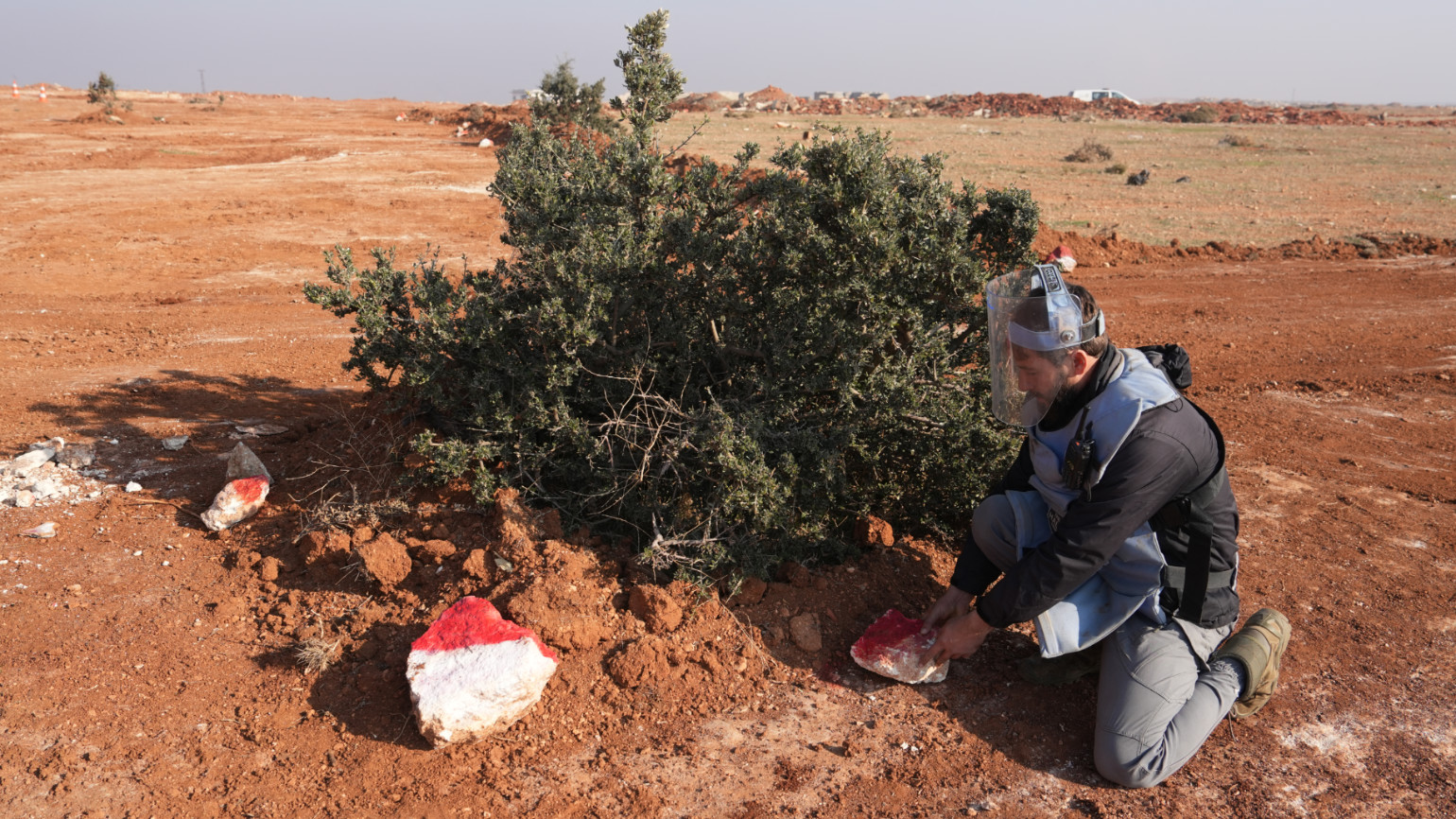
    Humanitarian organizations face monumental challenges in addressing this crisis. The Halo Trust, operating in Syria since 2017 with 250 personnel, conducts meticulous clearance operations along a several hundred-kilometer frontline from southern Idlib to northern Aleppo. Their teams perform controlled detonations of cluster munitions, artillery shells, rockets, and grenades—yet the scale of contamination overwhelms current resources.

    Syria’s decimated healthcare infrastructure compounds the tragedy. Specialized facilities like Idlib Surgical Specialized Hospital struggle with inadequate medical supplies and equipment. Medical professionals report performing approximately four emergency procedures daily for mine victims, often resorting to amputations due to infection risks and limited surgical capabilities.

    Prevention efforts have intensified through organizations like the Mines Advisory Group (MAG), which expanded mine-risk education programs across Syria and refugee-hosting countries. Through community outreach and digital campaigns targeting displaced populations considering return, these initiatives aim to reduce casualties by teaching explosive recognition and avoidance strategies.

    For families like Mustafa al-Azraq’s, who returned to their home after five years in displacement camps only to lose a child to unexploded ordnance, the conflict’s end has brought renewed tragedy rather than security. Their story underscores the urgent need for comprehensive demining operations and international support to make Syria’s landscape truly safe for returning populations.

  • What is the Ibrahimi Mosque and why does it matter?

    What is the Ibrahimi Mosque and why does it matter?

    The Ibrahimi Mosque in Hebron, a revered holy site for Islam, Judaism, and Christianity, has become the epicenter of escalating tensions in the occupied West Bank. This medieval structure, built above ancient tombs believed to hold biblical patriarch Abraham and his family, has been administered by Palestinians as a mosque for over 1,400 years. Recent Israeli actions, however, have fundamentally altered the status quo at one of the region’s most contested religious sites.

    In January, Israeli authorities barred the mosque’s Palestinian directors and seized planning rights over portions of the complex, violating longstanding arrangements that had governed the site for decades. This move represents the latest in a series of access restrictions and settler attacks against Palestinian holy sites that have intensified since October 2023, affecting including Al-Aqsa Mosque in Jerusalem and Joseph’s Tomb in Nablus.

    The historical significance of the Ibrahimi Mosque (known to Jews as the Cave of the Patriarchs and to Christians as the Cave of Machpelah) spans millennia. The current structure incorporates a 12th-century Romanesque Christian church constructed atop an earlier mosque destroyed during the Crusades. After conversion back to a mosque by the Muslim Ayubbid dynasty, the site remained exclusively accessible to Muslims throughout Mamluk and Ottoman rule until the British Mandate period.

    Modern tensions escalated significantly after Israel’s occupation of the West Bank in 1967. The establishment of the Kiryat Arba settlement on confiscated Palestinian land brought thousands of settlers to Hebron’s outskirts, creating a segregated enclave adjacent to 200,000 Palestinians. The conflict reached a horrific climax in 1994 when American-Israeli settler Baruch Goldstein massacred 29 Palestinian worshippers during Ramadan prayers. This tragedy led to the formal partition of the prayer hall, with two-thirds reserved for Jewish worship and one-third for Muslims.

    The current situation reflects intensified Israeli control measures. The Civil Administration, Israel’s governing body in the West Bank, unilaterally seized municipal control of the mosque’s central courtyard in December, enabling construction projects opposed by Palestinian authorities. Israeli settlers have increasingly stormed the mosque, hosting weddings and music festivals in violation of prayer arrangements, while far-right ministers Bezalel Smotrich and Itamar Ben Gvir (a Kiryat Arba resident) have made provocative visits with large security details.

    The Palestinian Authority has condemned these actions as part of Israel’s ‘Judaization projects’ in the West Bank, stating they constitute ‘flagrant violations of international resolutions and law.’ Hamas similarly criticized the moves as undermining the mosque’s Islamic identity. While Qatar, Turkey, and the UAE have issued diplomatic condemnations, the international community has taken limited concrete action.

    Palestinian lawyers are now petitioning Israel’s Supreme Court, citing UNESCO’s 2017 designation of the site as an endangered World Heritage Site belonging to Palestine. They argue that Israeli decisions regarding the mosque were made ‘without authority’ and represent ‘systematic and unlawful violation of the status quo.’ As legal battles continue, the Ibrahimi Mosque remains both a sacred space and a symbol of the broader Israeli-Palestinian conflict.

  • Xizang’s remote villages gain access to express delivery services

    Xizang’s remote villages gain access to express delivery services

    In a significant infrastructure achievement, the Xizang Autonomous Region has successfully transformed 2,410 village-level postal and logistics service stations through comprehensive upgrades completed by the end of 2025. This expansion has effectively integrated remote highland communities into China’s national express delivery network, marking a milestone in regional connectivity.

    The development emerged as a central discussion point during Xizang’s recent ‘two sessions’ – the region’s premier legislative and political advisory gatherings. Official data reveals impressive growth metrics: the postal sector generated 1.35 billion yuan ($195 million) in revenue during 2025, representing a 12.1% year-on-year increase, while handling 207 million parcels – a 2.3% growth from previous figures.

    Express delivery services demonstrated particularly robust performance, with revenues reaching 920 million yuan (13.3% growth) and 38 million packages delivered (23.2% increase). Li Fengwei, People’s Congress deputy and deputy general manager of YTO Express in Nyingchi, confirmed that delivery stations now operate in all county seats, with services extending to previously isolated villages.

    ‘Our expansion beyond county towns has reached even the most remote settlements,’ Li stated, citing Geling village in Metog county as an example of this connectivity revolution. The initiative has effectively eliminated traditional challenges of extensive travel distances and package collection inconveniences that long plagued mountainous regions.

    The enhanced logistics network has transformed consumption patterns, enabling diverse online shopping experiences for rural residents. From essential infant products to regionally distinctive fresh fruits, e-commerce goods now flow directly to village doorsteps, fundamentally altering economic and lifestyle dynamics across the Tibetan Plateau.