作者: admin

  • Unrwa chief: Gaza ‘deadliest’ place for journalists, aid workers

    Unrwa chief: Gaza ‘deadliest’ place for journalists, aid workers

    The head of the United Nations agency for Palestinian refugees has declared Gaza the world’s most perilous environment for journalists and humanitarian personnel. Philippe Lazzarini, Commissioner-General of UNRWA, issued this grave assessment on Sunday while demanding Israel lift its prohibition on independent international media access to the besieged territory.

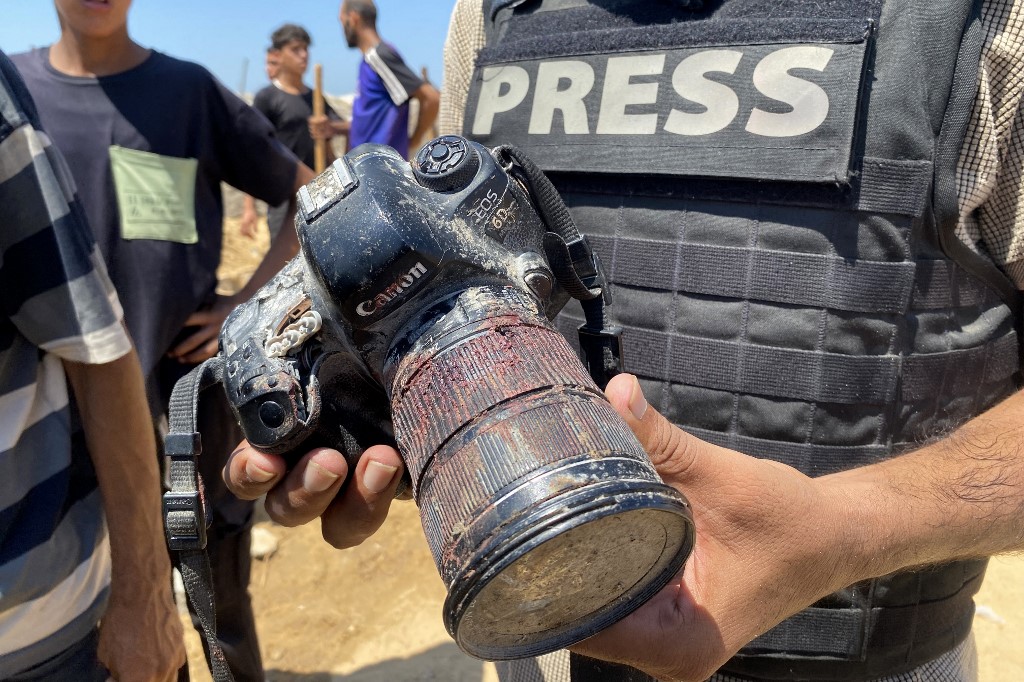
    Lazzarini revealed that over 230 media professionals have lost their lives since the onset of Israel’s military operations in Gaza, characterizing Palestinian reporters as indispensable chroniclers of conflict realities. ‘These journalists have demonstrated extraordinary courage under unimaginable circumstances,’ Lazzarini stated in a social media post, noting they ‘paid the ultimate price’ for their documentation efforts.

    This condemnation follows Israel’s Supreme Court rejection of a petition by the Foreign Press Association in early January seeking independent journalist access to Gaza. The court upheld the ban citing security concerns, maintaining restrictions that have prevented foreign journalists from entering the devastated territory since October 2023, except for limited, military-escorted visits.

    The UN official emphasized that journalist access constitutes ‘a fundamental pillar of media freedom,’ asserting that ‘this prolonged prohibition on international correspondents has persisted far too long.’ According to Reporters Without Borders, Israeli forces killed at least 29 Palestinian journalists in Gaza during a one-year period through December 2025.

    Lazzarini further warned that media isolation compounds humanitarian crises, noting Gaza has simultaneously become the most dangerous location for aid workers. ‘This media blackout fosters disinformation campaigns and polarized narratives,’ he contended, suggesting it aims to ‘undermine first-hand data and eyewitness accounts, including testimony from international humanitarian organizations.’

    UNRWA’s latest reports indicate 382 personnel associated with its humanitarian operations have been killed since the war’s inception, including 309 staff members. The situation worsened in 2024 when Israel’s parliament passed legislation banning UNRWA from operating in Israel and occupied Palestinian territories, potentially severing essential services for millions of Palestinian refugees. Israeli forces subsequently demolished UNRWA’s headquarters in occupied East Jerusalem.

    The commissioner cautioned that ‘today’s targeting of UNRWA establishes a concerning precedent for tomorrow’s treatment of any international organization or diplomatic mission, whether in Palestinian territories or globally.’

    In a related development, Israel announced in December 2025 a ban on 37 humanitarian NGOs operating in Palestine for alleged failure to meet registration requirements. Under mounting pressure, Médecins Sans Frontières (MSF) has agreed to provide Israel with complete staff lists to resume operations in Gaza and the West Bank—a decision raising safety concerns after at least 15 Palestinian MSF staff members were killed by Israeli forces since October 2023.


  • Frozen in time: Olympic legends on ice

    Frozen in time: Olympic legends on ice

    As the world anticipates the Milan-Cortina Winter Olympic Games opening ceremony on February 6, a retrospective examination reveals how certain legendary athletes fundamentally transformed figure skating. These pioneers not only claimed Olympic glory but also reshaped the sport’s technical, artistic, and cultural dimensions.

    Norwegian sensation Sonja Henie emerged as the sport’s first global celebrity, achieving an unprecedented triple gold medal streak in individual figure skating. Her innovative adoption of white boots and shorter skirts revolutionized athletic apparel, enhancing both movement and presentation. Beyond the rink, Henie successfully transitioned to Hollywood, becoming one of its highest-paid stars and introducing cinematic audiences to skating through her signature swirling routines. Her career, however, was not without controversy, particularly regarding her 1936 meeting with Adolf Hitler following her victory in Garmisch.

    American Dick Button revolutionized skating’s technical aspects while becoming its definitive voice. The athletic pioneer secured the first U.S. skating gold in 1948 at St. Moritz, where he debuted the groundbreaking double Axel jump. Four years later in Oslo, he achieved perfection with the first successfully landed triple jump. Following his competitive career, Button became the sport’s authoritative television commentator, providing passionate and insightful analysis that educated generations of viewers over six decades.

    East German champion Katarina Witt dominated 1980s figure skating with four world titles and back-to-back Olympic gold medals, matching Henie’s historic achievement. Her 1984 victory over American Rosalynn Summers in Sarajevo and the dramatic 1988 ‘Battle of the Carmens’ against Debi Thomas in Calgary became defining moments in skating history. Witt’s fashion choices proved equally impactful—her feather-trimmed one-piece costume prompted the International Skating Union to establish the ‘Katarina rule’ mandating skirts for female competitors. Following German reunification, Witt made an emotional comeback at Lillehammer in 1994, performing a routine dedicated to war-torn Sarajevo that symbolized both personal and political transformation.

    British ice dancers Jayne Torvill and Christopher Dean fundamentally reimagined their discipline with narrative-driven performances. Their 1984 Sarajevo routine set to Ravel’s Bolero earned perfect artistic scores from all nine judges through innovative choreography that built anticipation before technically beginning. The former insurance clerk and policeman abandoned conventional musical fragmentation in favor of cohesive storytelling, earning the first perfect score under the old marking system at the 1983 World Championships. Their professional success culminated in an unexpected Olympic return in 1994, where they captured bronze while in their mid-30s.

  • Living like sultans: Istanbul’s pampered street cats

    Living like sultans: Istanbul’s pampered street cats

    In the bustling metropolis of Istanbul, an extraordinary urban symbiosis flourishes between humans and felines, where approximately 160,000 street cats enjoy near-royal treatment from the city’s 16 million residents. This unique cultural phenomenon transforms the city into what locals proudly call ‘the city of cats,’ where feline residents freely inhabit shopping centers, restaurants, and even historic landmarks with unparalleled acceptance.

    The recent case of Kanyon, a white cat with distinctive grey markings, exemplifies this special relationship. After the theft of his sleeping basket from an Istanbul shopping center, concerned citizens mobilized to provide not just replacement comforts but an abundance of snacks, toys, and even a dedicated Instagram page managed by an admirer. His newly created corner now resembles a child’s playroom more than animal shelter.

    This cultural tradition traces its roots to pre-Ottoman history. According to Altan Armutak, an expert from Istanbul University’s veterinary history department, the deep affection for cats connects to both religious significance and historical practice. ‘When Ottomans captured Constantinople in 1453, they discovered cats waiting patiently outside fish markets and butcher shops,’ Armutak explains. ‘Feeding these animals became regarded as a spiritual offering in devotion to God.’

    Throughout the city, from the European to Asian districts and aboard the connecting ferries, cats enjoy privileged status. They nap undisturbed on restaurant chairs, wander through supermarkets, and curl up in shop windows displaying expensive fabrics. Many have become neighborhood mascots, with some achieving posthumous recognition like Tombili, a portly feline memorialized with a bronze statue in Kadikoy for her iconic lounging pose that became an internet sensation.

    Even historic landmarks participate in this tradition. The sixth-century Hagia Sophia had its beloved tabby mascot, Gli, who received presidential attention from Barack Obama during his 2009 visit. Meanwhile, Topkapi Palace, former residence of Ottoman sultans, recently restored a centuries-old cat flap, maintaining architectural features specifically designed for feline access.

    Modern municipal authorities now balance this cultural heritage with practical urban management. The city government sterilized over 43,000 cats in the past year alone—a twelve-fold increase since 2015—to humanely manage the population. Officials have expressed concern about overfeeding attracting rodents, with Regional Governor Davut Gul noting the unusual phenomenon of rats eating alongside cats, though many residents report minimal rodent issues.

    As 22-year-old German student Fatime Ozarslan observed while placing food in Macka Park, home to至少100 cats: ‘In Germany, we have many rats, but here, with so many cats, they must be afraid.’ This enduring relationship, where humans and cats coexist as equals, remains an integral part of Istanbul’s identity that residents believe defines their city’s character.

  • Fifteen dead, 28 missing as ferry sinks in southern Philippines

    Fifteen dead, 28 missing as ferry sinks in southern Philippines

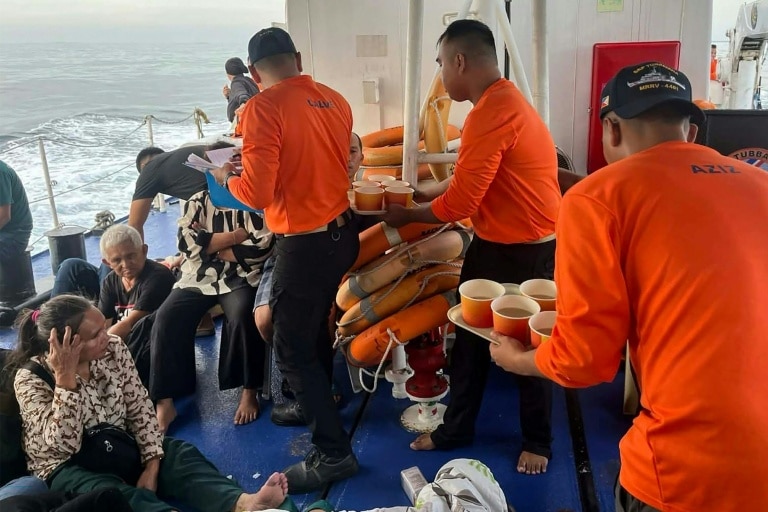
    A major maritime emergency unfolded in the southern Philippines on Monday when the passenger ferry MV Trisha Kerstin 3 sank off the coast of Mindanao island. Philippine Coast Guard authorities confirmed at least 15 fatalities with 28 passengers remaining missing hours after the vessel issued a distress signal at approximately 1:50 AM local time.

    The vessel, carrying more than 350 people according to official reports, had departed Zamboanga City port bound for Jolo island approximately four hours prior to the emergency transmission. Rapid response efforts involving multiple agencies have resulted in the successful rescue of 316 individuals from the waters east of Baluk-Baluk Island in Basilan province.

    Coast Guard Commander Romel Dua detailed the comprehensive rescue operation, noting that military assets from both the Philippine Navy and Air Force have been deployed to assist in the search mission. Survivors are being transported to coast guard facilities in Zamboanga and Isabela City for medical evaluation and treatment.

    Local emergency services reported being overwhelmed by the scale of the incident. Ronalyn Perez, a Basilan emergency responder, described challenges in managing the sudden influx of patients, with at least 18 survivors requiring hospitalization at one medical facility alone.

    Disturbing footage released by the Philippine Coast Guard and circulating on social media platforms showed rescue teams extracting survivors from dark waters while voices called for assistance in the background. The coast guard has emphasized that determining the cause of the sinking will require a formal marine casualty investigation, though officials confirmed the vessel was not operating above its capacity.

    This tragedy highlights ongoing transportation safety concerns in the Philippine archipelago, where millions depend on inter-island ferry services across the nation’s 7,000-plus islands. The incident follows a similar ferry fire in 2023 that resulted in over 30 fatalities, raising continued questions about maritime safety regulations and enforcement in the region.

  • What is Russia’s ‘shadow fleet’ and how does it work?

    What is Russia’s ‘shadow fleet’ and how does it work?

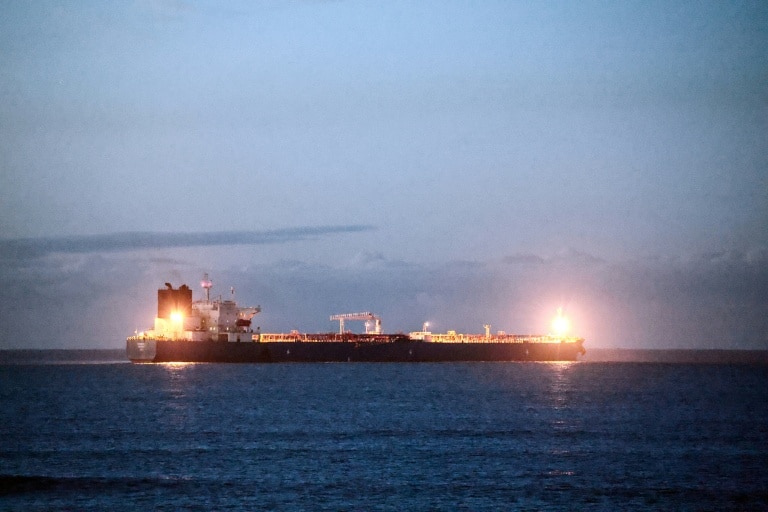
    France’s recent interception of an oil tanker suspected of operating within Russia’s clandestine ‘shadow fleet’ has brought international scrutiny to Moscow’s sophisticated sanctions-evasion tactics. This elaborate maritime network represents a critical component of Russia’s economic strategy to circumvent restrictions imposed by Western nations following its 2022 invasion of Ukraine.

    The shadow fleet comprises an armada of aging oil tankers with deliberately obscured ownership structures, specifically designed to bypass sanctions from the EU, United States, and G7 nations. These measures, including a price cap on Russian crude intended to limit Moscow’s war-funding revenues, have effectively barred many vessels carrying Russian oil from accessing Western insurance and maritime services. The EU currently maintains a blacklist of 598 prohibited vessels, while the US identifies 183 ships and asserts extraterritorial authority to act against them.

    Operational methodology involves multiple layers of deception. According to expert analyses and European Parliament documentation, the network utilizes complex corporate veils with management companies based in jurisdictions including the United Arab Emirates, Seychelles, Mauritius, and the Marshall Islands. Vessels frequently employ flags of convenience—with Sierra Leone and Cameroon being particularly common—or even falsely claim national registrations. Additionally, these ships often deactivate their Automatic Identification Systems (AIS) to conduct covert ship-to-ship oil transfers while ‘dark’ at sea.

    The advanced age of these vessels—78% exceed 15 years according to the Kyiv School of Economics—reflects a calculated risk strategy, making them economically expendable if seized or responsible for environmental disasters. India has emerged as the predominant destination, accounting for 40% of Russia’s seaborne crude imports monitored by the tracking initiative.

    International response efforts are intensifying. The United States recently enhanced sanctions targeting Russia’s oil infrastructure, including shadow fleet operations, culminating in the January seizure of a tanker deemed ‘stateless’ for flying false colors. The EU is contemplating expanded authority to board suspected vessels, while France’s recent Mediterranean interception received tactical support from Britain. Russian President Vladimir Putin has condemned these actions as ‘piracy,’ with Moscow warning that seizures risk exacerbating military and political tensions.

    This cat-and-mouse game at sea represents a critical economic front in the ongoing Ukraine conflict, with Western nations developing increasingly sophisticated countermeasures against Russia’s evolving sanctions evasion architecture.

  • Minnesota ICE shooting puts new twist on gun rights debate

    Minnesota ICE shooting puts new twist on gun rights debate

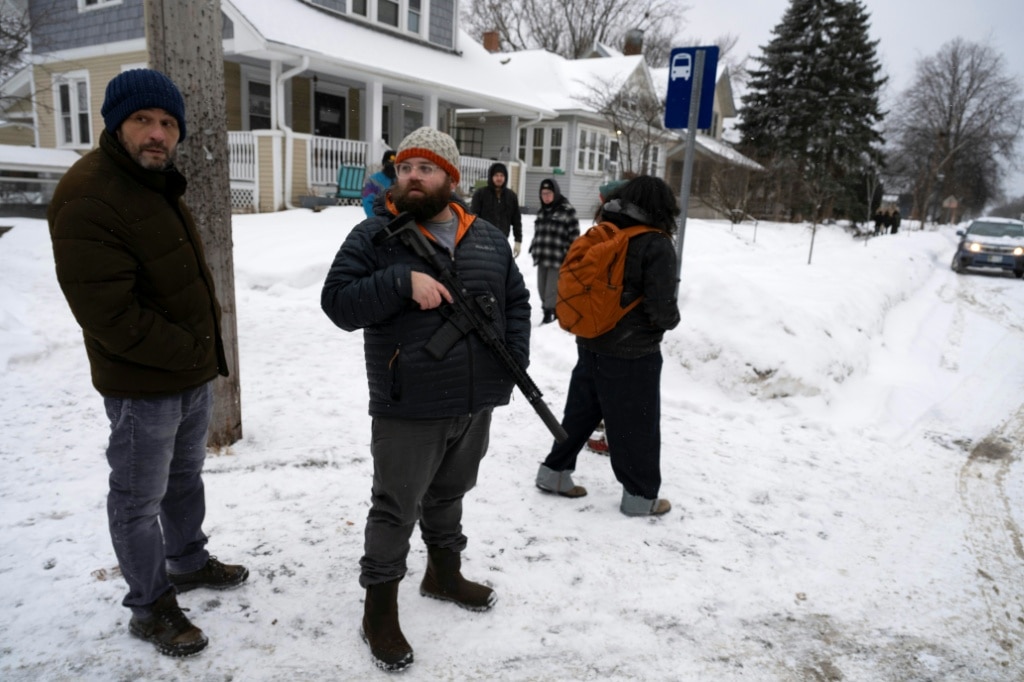
    A fatal shooting involving federal immigration agents in Minneapolis has unexpectedly reconfigured the longstanding debate surrounding Second Amendment rights in the United States. The incident resulted in the death of Alex Pretti, a 37-year-old nurse with no criminal record who was legally carrying a firearm during protests against Trump administration immigration policies.

    Law enforcement authorities, including Homeland Security Secretary Kristi Noem and FBI official Kash Patel, defended the shooting by emphasizing Pretti’s armed presence at the demonstration. Gregory Bovino, U.S. Customs and Border Patrol commander, characterized the situation as one where an individual intended to ‘do maximum damage’ against law enforcement personnel.

    The administration’s justification has triggered unusual political realignments. Traditionally pro-gun Republican officials found themselves supporting law enforcement’s use of lethal force against a legal gun carrier, while typically gun-restrictionist Democratic voices and Second Amendment advocacy groups unexpectedly converged in their criticism of the administration’s position.

    Gun rights organizations including the Gun Owners of America and the National Rifle Association issued statements condemning the rationale that legal firearm possession could justify lethal response from law enforcement. The NRA specifically criticized what it called ‘dangerous and wrong’ characterization of armed protesters, emphasizing that carrying firearms remains a constitutionally protected right regardless of context.

    Rare bipartisan criticism emerged from figures across the political spectrum, from Republican Congressman Thomas Massie to California’s Democratic Governor Gavin Newsom, who accused the Trump administration of fundamentally disregarding Second Amendment protections. The incident has exposed complex tensions between law enforcement procedures, protest rights, and constitutional interpretations of firearm possession in contemporary American society.

  • Israel agrees to ‘limited reopening’ of Rafah crossing

    Israel agrees to ‘limited reopening’ of Rafah crossing

    In a significant diplomatic development, Israel has consented to a conditional, limited reopening of the Rafah border crossing, a crucial conduit for humanitarian aid into the Gaza Strip. The move is contingent upon the successful recovery of the remains of Ran Gvili, the final Israeli hostage held within the territory, as confirmed by Prime Minister Benjamin Netanyahu’s office.

    The announcement, made on Monday, stipulates that reopening will be exclusively for pedestrian transit and will operate under a comprehensive Israeli inspection regime. This decision follows intense diplomatic pressure from visiting U.S. envoys Steve Witkoff and Jared Kushner, who reportedly urged Israeli officials to reopen the crossing during weekend talks in Jerusalem.

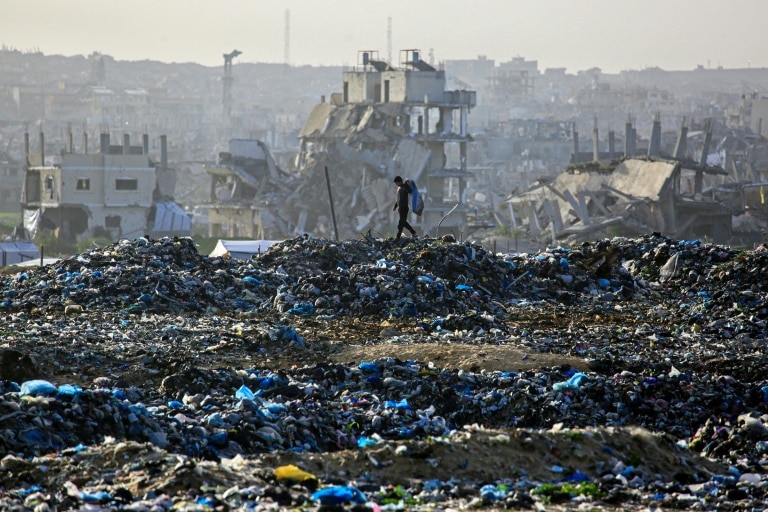
    The Rafah crossing represents an indispensable lifeline for Gaza’s approximately 2.2 million residents, who face devastation from over two years of conflict, severe shortages of medical supplies, food, and other essential provisions. Its closure since Israeli forces assumed control during the war has exacerbated a dire humanitarian crisis, drawing repeated calls from world leaders and aid agencies for increased access.

    The truce framework, initially brokered by the U.S. in October and largely holding despite alleged violations, envisioned the crossing’s reopening. Hamas’s military wing, the Ezzedine Al-Qassam Brigades, claims to have provided mediators with detailed information on the location of Gvili’s body, prompting an ongoing Israeli military search operation in a Gaza cemetery.

    Gvili, a non-commissioned officer killed during Hamas’s October 7, 2023, attack on Israel, is the last of the 251 hostages taken that day yet to be repatriated. His family has vehemently opposed advancing to any subsequent phase of the ceasefire agreement, which includes the Rafah reopening, before his remains are returned.

    The conflict, triggered by the 2023 attack that resulted in 1,221 Israeli deaths, has seen Israeli retaliation flatten large portions of Gaza, a territory already struggling under a blockade imposed since 2007. Gaza authorities reported a death toll exceeding 70,000 by November of last year.

  • NYC Ferry suspends operations amid ‘historic’ winter storm in US

    NYC Ferry suspends operations amid ‘historic’ winter storm in US

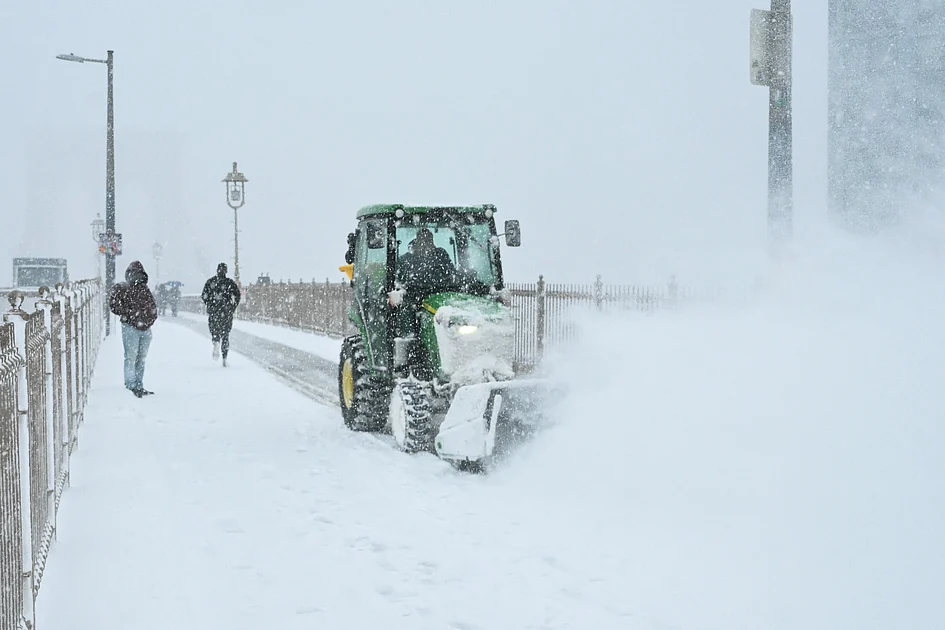
    A severe and historic winter storm system is currently sweeping across the eastern two-thirds of the United States, prompting widespread disruptions to transportation and infrastructure. In response to the deteriorating conditions, New York City Mayor Zohran Mamdani announced the complete suspension of all NYC Ferry services on Sunday, January 25th, until weather conditions significantly improve. Concurrently, the Staten Island Ferry was transitioned to a reduced, hourly service schedule, contingent upon visibility remaining sufficient for safe operation.

    The scale of the storm’s impact is immense, with forecasters predicting a prolonged onslaught of snow, sleet, freezing rain, and perilously low temperatures extending through Sunday and into the following week. The ramifications were felt nationwide, with preliminary reports indicating over 400,000 customers from Texas eastward were left without power. Air travel faced massive interruptions, with more than 9,600 flights anticipated to be canceled on Sunday alone as the storm threatened to bring eastern states to a standstill.

    Recognizing the severity of the event, former US President Donald Trump approved federal emergency disaster declarations for a dozen states on Saturday, including South Carolina, Virginia, Tennessee, and Georgia, among others. This designation unlocks critical federal resources to assist state and local response efforts.

    The transportation sector initiated extensive preparatory measures. Major airlines, including Delta Air Lines, JetBlue, and United Airlines, proactively canceled thousands of flights through Monday and implemented contingency plans such as relocating de-icing crews to southern airports to manage the unprecedented winter conditions. Meanwhile, US electric grid operators heightened precautions to safeguard power infrastructure and prevent potential rotating blackouts, with companies like Dominion Energy warning the event could rank among the most significant winter storms to ever impact their operations.

  • At least 80 political prisoners freed in Venezuela: NGO

    At least 80 political prisoners freed in Venezuela: NGO

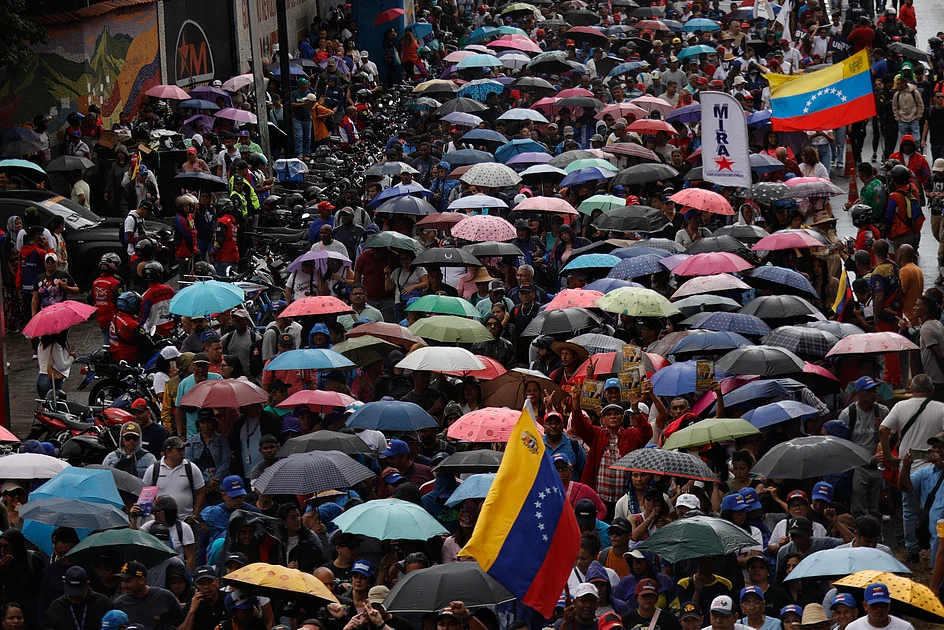
    In a significant development for human rights in Venezuela, authorities have initiated a large-scale release of political prisoners across the nation. The prominent non-governmental organization Foro Penal confirmed on Sunday, January 25th, 2026, that at least 80 individuals detained for political reasons had been freed from various detention facilities.

    Alfredo Romero, Director of Foro Penal, announced via social media platform X that his organization was actively engaged in the process of verifying the identities and circumstances of those released. Romero indicated that this initial wave of releases might represent only the beginning of a broader amnesty initiative, stating it was ‘likely that more releases will take place’ in the near future.

    This prisoner release operation occurs amid sustained diplomatic pressure from the United States government, which has consistently advocated for improved human rights conditions and democratic reforms in Venezuela. The gradual emancipation of detainees suggests a potential shift in Venezuela’s approach to political dissent and international relations.

    The releases mark one of the most substantial prisoner amnesties in recent Venezuelan history, potentially signaling a willingness by authorities to address long-standing concerns raised by human rights organizations and foreign governments regarding political persecution and judicial fairness in the country.

  • Russia using Interpol’s wanted list to target critics abroad, leak reveals

    Russia using Interpol’s wanted list to target critics abroad, leak reveals

    A comprehensive leak of thousands of internal Interpol documents has revealed Russia’s extensive exploitation of the international policing system to target political dissidents, journalists, and business figures abroad. The confidential files, provided by a whistleblower to BBC World Service and French investigative outlet Disclose, demonstrate how Moscow has weaponized Interpol’s alert mechanisms to pursue critics under the guise of criminal investigations.

    Analysis of the data reveals that Russia has generated more complaints to Interpol’s independent oversight body than any other nation over the past decade—three times the number of Turkey, the second highest complainant. The leaked documents further indicate that Russia has had more red notices and diffusions overturned than any other country, suggesting widespread abuse of the system.

    Despite implementing enhanced scrutiny measures following Russia’s full-scale invasion of Ukraine in 2022, Interpol’s internal reports from 2024-2025 indicate ongoing concerns about Moscow’s “willful misuse” of policing channels. Remarkably, approximately 90% of Russia’s requests continued to pass initial checks in 2024, while simultaneously, half of all challenged Russian requests were being overturned by the Commission for the Control of Interpol’s Files (CCF).

    The case of Russian businessman Igor Pestrikov illustrates the human impact of this systemic abuse. After fleeing Russia in June 2022 due to moral objections about supplying materials for military hardware, Pestrikov discovered he was subject to a red diffusion request. Despite Interpol’s constitutional prohibition against politically motivated interventions, Pestrikov endured nearly two years of psychological torment before the CCF ruled Russia’s case “generic and formulaic” and canceled the request.

    The leak also exposes how Russia circumvented formal Interpol channels through direct messaging to foreign law enforcement agencies. In one instance, Moscow requested information about journalist Armen Aramyan—convicted in Russia for reporting on student protests—after his relocation to Germany, bypassing standard procedures entirely.

    Concerningly, internal Interpol documents reveal that by 2025, the organization had quietly dropped some restrictive measures against Russia, despite ongoing evidence of systematic abuse. Legal experts specializing in Interpol matters argue that the organization must implement stronger consequences for nations that persistently misuse its systems, including temporary suspension from the network.

    Interpol maintains that it has strengthened safeguards against misuse in recent years and emphasizes its constitutional commitment to preventing politically motivated actions. However, the whistleblower documents reveal a significant gap between policy intentions and practical enforcement, leaving critics vulnerable to transnational persecution through internationally sanctioned policing mechanisms.