
A sudden structural failure has resulted in the complete collapse of a church tower, an incident that has sent shockwaves through the local community where the religious landmark has stood for decades. Emergency services were dispatched to the scene immediately after reports of the collapse reached local authorities early [relevant recent time frame, per original limited context]. No injuries have been confirmed as of the latest updates, though local residents who gathered near the site expressed widespread shock and grief over the loss of a structure that had long been a central part of the town’s cultural and social identity. The church, which had served as a place of worship and community gathering for generations, saw its tower topple amid ongoing discussions about needed structural repairs, according to local council records. Engineers and structural safety experts have now been called in to conduct a thorough investigation to determine the exact cause of the collapse, with preliminary assessments pointing to potential long-term water damage eroding the tower’s foundation that went unaddressed in recent years. Local leaders have announced that they will launch a full review of historic building safety protocols across the region to prevent similar incidents from occurring at other aging landmarks. Community members have already begun organizing efforts to document what remains of the structure and discuss plans for potential restoration, should that be feasible, though many acknowledge that the loss of the original tower is an irreversible blow to the area’s heritage.
作者: admin
-
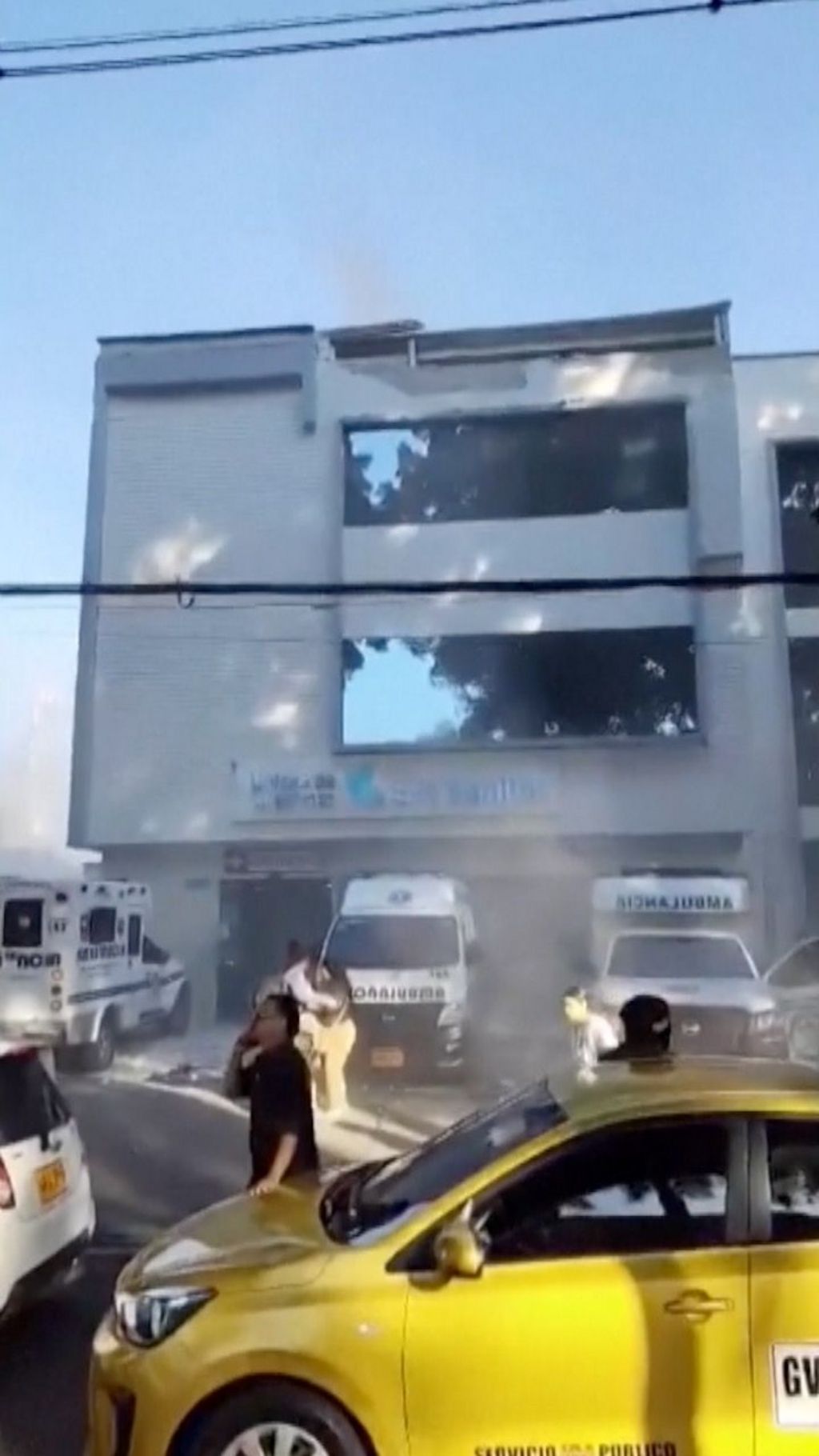
Earthquake hits hospital in Cali
A significant seismic event has rocked western Colombia, leaving a trail of destruction in its wake that particularly impacted a local hospital in the city of Cali. Geophysical authorities have confirmed the quake was powerful enough to cause substantial structural damage to the medical facility, disrupting critical healthcare services for the surrounding community. Emergency response teams have been mobilized to the area to assess the full scope of the damage, evacuate patients and staff to safer alternate locations, and begin clearing debris. While initial reports have not yet confirmed full casualty figures, the incident has sparked urgent calls for regional support to address the sudden disruption to medical care for Cali residents. Local government officials are working alongside national disaster management agencies to coordinate relief efforts, as teams work to stabilize the area and evaluate whether aftershocks could pose additional risks to already damaged infrastructure. This earthquake adds to the long history of seismic activity that Colombia, which sits along the geologically active Pacific Ring of Fire, faces on a regular basis, highlighting ongoing challenges for urban infrastructure resilience in earthquake-prone regions of the country.
-
Taylor Farms recalls jalapeno products after salmonella outbreak
One of the United States’ largest fresh produce suppliers, Taylor Farms — a company that confirms it accounted for 40% of all salad kits sold across the U.S. in 2025 — has launched a second major product recall in weeks, this time pulling dozens of jalapeño-containing items from store shelves over confirmed salmonella contamination risks.
The recall covers roughly 20 fresh products, ranging from pre-made sandwiches, dips, and salsa to pre-sliced jalapeños and prepared burritos, distributed to major national retail chains including Walmart, Target, and Whole Foods across 26 U.S. states. Company representatives emphasized that as of the announcement, no illnesses connected to the potentially contaminated jalapeño products have been reported, but the proactive withdrawal was launched after supplier Coast Citrus Distributors issued its own recall of the peppers over salmonella concerns.
Investigators have traced the contaminated jalapeños back to a single grower based in Sinaloa, Mexico. In a public statement, Taylor Farms confirmed it has immediately cut ties with the farm and shifted all jalapeño sourcing to alternative approved suppliers. The company has issued clear guidance for consumers: anyone holding recalled products should discard the items immediately, and full refunds are available at the original point of purchase.
According to the U.S. Food and Drug Administration (FDA), salmonella infection typically develops between 12 and 72 hours after consuming contaminated food, with common symptoms including diarrhea, abdominal cramping, and fever. Most cases resolve on their own, but vulnerable groups including young children, elderly people, and immunocompromised individuals can develop severe complications that require hospitalization.
This recall marks the second high-profile food safety scare for Taylor Farms in less than a month. The company is already at the center of a large-scale cyclospora outbreak linked to its Mexican-grown iceberg lettuce, which has emerged as one of the most widespread foodborne illness events in recent U.S. history. As of an August 4 update from the U.S. Centers for Disease Control and Prevention (CDC), more than 22,000 people have fallen ill from cyclosporiasis linked to the outbreak across 45 U.S. states, and Michigan health officials confirmed the first two fatalities linked to the parasite outbreak last week.
Cyclospora is a microscopic parasite that causes severe gastrointestinal illness, most commonly explosive diarrhea and prolonged abdominal discomfort. The outbreak has even drawn international attention: UK public health officials have issued warnings for travelers returning from the U.S. who may have consumed Taylor Farms lettuce, after reporting several imported cases among recent visitors.
Headquartered in California, Taylor Farms is a cornerstone of the North American fresh food supply chain, supplying not only major retail grocers but also leading fast-food chains including McDonald’s and Taco Bell, with a workforce of more than 25,000 employees across its operations. The back-to-back outbreaks have renewed scrutiny of food safety protocols for imported fresh produce from Mexico, which supplies a large share of U.S. fresh fruits and vegetables year-round.
-

Kenya bids to host 2029 World Athletics Championships
For decades, Kenya has dominated global athletics, collecting medal hauls and breaking world records across middle- and long-distance events. Now, the East African nation is aiming to turn its athletic legacy into a historic milestone, officially submitting a bid to host the 2029 World Athletics Championships – a bid that would make it the first African country to ever host track and field’s flagship global event.
Nairobi’s proposal is not without competition: it will go up against competing bids from three European cities, London, Rome and Munich. World Athletics, the global governing body for the sport, is scheduled to announce its final selection next month, leaving the bidding race in its final stretch.
Athletics Kenya, the national governing body, has framed its bid as a robust, well-supported proposal with a strong claim to bring the tournament to the African continent for the first time. In an official statement, the organization confirmed that the Kenyan national government has offered its full backing to the bid, committing to deliver all the required organizational infrastructure, robust security protocols, and modern facilities needed to host a world-class international sporting event.
Per reporting from BBC Sport Africa, the 48,000-capacity Kasarani Stadium in Nairobi has been selected as the proposed main venue for the championships, should Kenya’s bid succeed.
Kenya’s deep-rooted history of excellence in global athletics provides a powerful foundation for its bid. To date, Kenyan athletes have claimed 72 gold medals at World Athletics Championships and another 38 Olympic gold medals, with the nation’s dominance especially pronounced in middle- and long-distance running. Seventeen current world records across track and road events are held by Kenyan athletes, including both the men’s and women’s marathon world records. At the 2023 World Athletics Championships held in Tokyo, Kenya placed second in the overall medal table, clinching seven golds among a total of 11 podium finishes.
This is not Kenya’s first time hosting major international athletics events, nor its first attempt to secure the senior World Athletics Championships. The nation previously hosted the 2007 World Cross Country Championships in Mombasa, the 2017 World Under-18 Championships and 2021 World U20 Championships, both in Nairobi. Nairobi also hosted the 2010 African Athletics Championships at Nyayo National Stadium. Kenya’s bid for the 2025 edition of the senior World Championships was ultimately unsuccessful, but a 2029 win would mark a transformative milestone for the nation’s profile on the global sporting stage.
Beyond athletics, Kenya is already set to expand its international hosting resume next year, when it co-hosts the Africa Cup of Nations men’s football tournament alongside neighboring Tanzania and Uganda. Just months ago, Botswana made history of its own in African athletics when it became the first African nation to host the World Athletics Relays in Gaborone this past May, laying early groundwork for a potential senior World Championships on the continent.
-
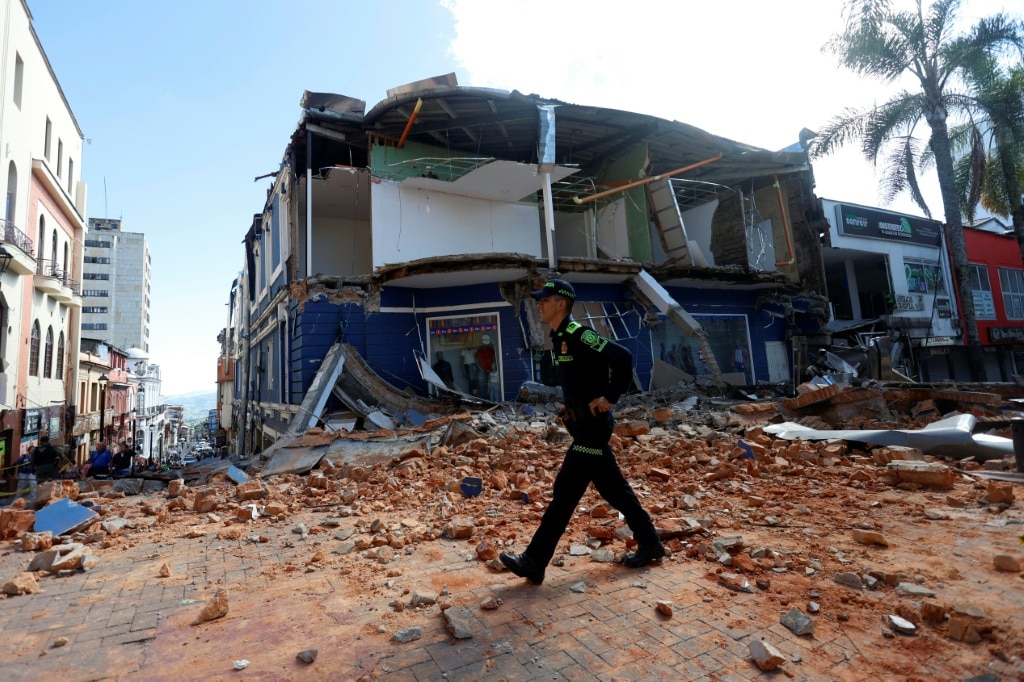
Major quake rocks Colombia and neighbors, 18 confirmed dead
A devastating 7.4-magnitude earthquake shook western Colombia and nearby Latin American nations early on Monday, leaving at least 18 people dead and widespread structural damage across multiple urban centers in its wake. According to geological surveys, the earthquake struck at a depth of 100 kilometers, with its epicenter located in Colombia’s Choco province, triggering immediate emergency response deployments to pull survivors from collapsed infrastructure. The tremors were strong enough to be felt as far as Ecuador, Panama, and Venezuela — a country still reeling from a pair of major deadly quakes that struck in late June. On-site reporting from Agence France-Presse correspondents confirms that thousands of residents in the Colombian capital Bogota fled multi-story buildings in panic immediately after the shaking began, many taking to the streets in their sleepwear as emergency sirens blared across the city.
Early casualty reports put the highest death toll in Pereira, where Mayor Mauricio Salazar told local broadcaster Caracol Radio that 18 lives had already been lost in the city, describing the overall situation there as critical. Choco province, which lies directly over the quake’s epicenter, has reported severe structural damage to the provincial capital Quibdo, with circulating video footage showing multiple fully collapsed buildings. Full casualty counts for the region have not yet been released, as downed communication lines have slowed damage assessments. In Cali, Colombia’s third-largest city, Mayor Alejandro Eder confirmed that at least 20 buildings have collapsed, with reports of people still trapped under rubble. Emergency officials are using drone surveys to map the full extent of the damage across the metro area. Additional damage has been documented in other western Colombian cities, including Manizales, where local news outlets have broadcast images of leveled structures.
Residents across the affected region described the intense shaking that caught many off guard in the early morning hours. “There is no electricity or cell phone coverage. It was strong, really strong. Things fell in my house,” 66-year-old Martha Estrada, a resident of Colombia’s major coffee-growing region Eje Cafetero, told AFP. Valeria Polo, a 29-year-old content creator based in Bogota, echoed that account, saying “The quake was very, very strong.” Colombia’s civil aeronautics agency has announced that six regional airports in the western part of the country have suspended all operations to assess runway and terminal damage for safety. In Bogota, Mayor Carlos Galan told Blu Radio that damage in the capital was largely limited to minor cracks in building facades, with no major casualties or collapses reported as of yet. Colombian President Abelardo de la Espriella has announced he will travel to the impacted region in the coming days to oversee emergency response efforts and meet with affected communities. Emergency management officials have stated there is no risk of a tsunami triggered by the earthquake, easing concerns of additional hazards for coastal communities. The disaster comes just six weeks after twin 7.2 and 7.5-magnitude earthquakes hit Venezuela on June 24, killing more than 6,000 people and causing billions of dollars in property damage across that country.
-
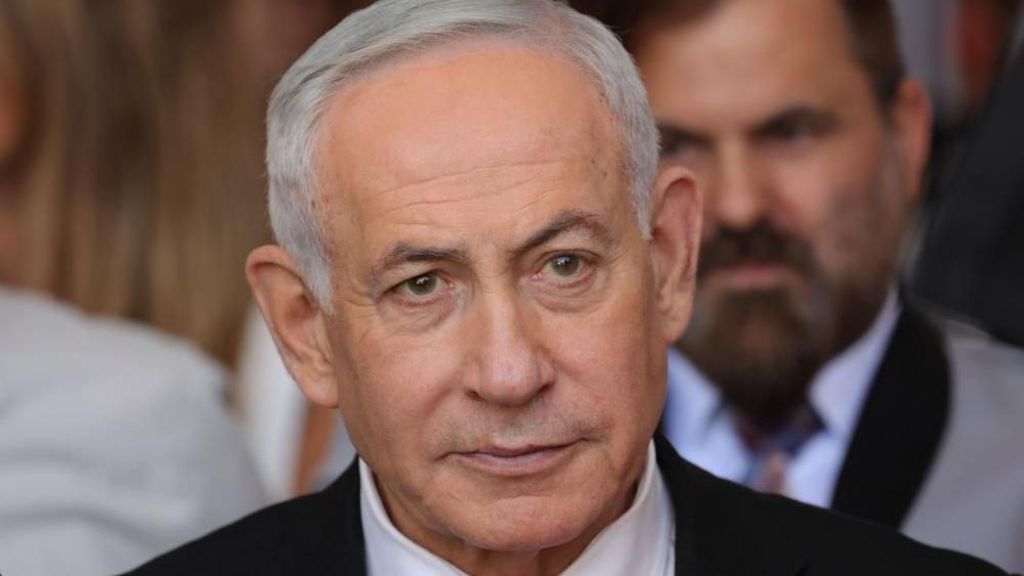
Netanyahu’s rejection of Trump’s 15-point Gaza plan unlikely to be final word
As Israel heads toward a high-stakes general election on October 27, Israeli Prime Minister Benjamin Netanyahu has thrown down the gauntlet, formally rejecting a US-backed 15-point peace roadmap crafted to disarm Hamas and end the years-long Gaza war. The rejection, delivered last Sunday to his cabinet, has thrown a high-profile diplomatic breakthrough into doubt, though US officials appear ready to write off the move as pre-election political posturing rather than a final break from negotiations.
The framework, announced by US President Donald Trump in July following months of closed-door negotiations through the Board of Peace, marked what the American leader called a “major milestone” toward ending the conflict. Under the terms of the deal, Hamas and all other Palestinian armed groups in Gaza would complete a phased full disarmament, with all weapons secured and stored by a new Palestinian administration that reports to the Board of Peace. In exchange, Israeli forces would withdraw from more than 60% of Gaza that they currently occupy, clearing the way for long-delayed reconstruction of the war-ravaged enclave, where vast swathes of infrastructure have been reduced to rubble after more than two years of fighting.
Senior Hamas officials confirmed their commitment to the agreement, contingent on Israel upholding its end of the bargain. The deal was broadly celebrated by the international community: the UK issued a statement welcoming the breakthrough, while the European Union labeled it a “crucial step” toward lasting peace in the region. For more than a week after the agreement was announced, however, Israeli officials offered only a muted, non-committal response, with a government spokesperson only noting that the roadmap did not align with Israeli positions. Hardline far-right government figures like Itamar Ben-Gvir quickly came out against the plan, calling it “unacceptable,” while mainstream opposition politicians raised their own doubts over the details of disarmament and the sequencing of Israeli withdrawals. Those pressures ultimately pushed Netanyahu to issue a formal rejection.
In his cabinet address, Netanyahu spelled out his red lines clearly: “I wish to be precise here: Israel does not accept the 15-point document. The IDF [Israel Defense Forces] will not carry out any withdrawal until Hamas is disarmed. And when I say the disarming of Hamas, it means heavy weaponry, lighter weaponry, all weaponry. And we are talking about genuine disarmament, not fictitious disarmament.” While he described Trump as “the greatest of our friends in the White House,” Netanyahu added that Israel would “stand firm” against any terms it deems unacceptable.
Netanyahu’s hardline stance comes as no surprise to many political observers, given deep-seated skepticism across Israeli society that Hamas will follow through on its disarmament commitments. The Islamist group has long framed armed resistance to Israeli occupation as a core ideological principle, and recent months have brought signs it is reconsolidating its authority across parts of Gaza. Fleur Hassan-Nahoum, an Israeli commentator and former deputy mayor of Jerusalem, told the BBC that the trauma of the October 7, 2023 attacks that sparked the war cannot be overstated. “Israel can certainly never agree to retreating anywhere where the terrorist group that caused the worst massacres since the Holocaust is still there and is still ruling the Strip,” she said.
Crucially, Netanyahu’s rejection comes against the backdrop of a make-or-break election, the first Israel has held since the October 7 attacks. Three years into the war, the prime minister has yet to deliver on his campaign promise of “absolute victory” over Hamas, and he faces a tough uphill battle to hold onto his position. Analysts note that the prime minister is walking a diplomatic tightrope: he needs to shore up support among his right-wing base ahead of polling day, while avoiding a full break with Trump, his closest ally in the White House.
So far, that bet appears to be paying off with the Trump administration. While the White House has not issued an official public response to Netanyahu’s rejection, senior US officials have privately downplayed the move, framing it as nothing more than campaign rhetoric ahead of Israel’s election. “We understand Bibi’s political needs,” a senior unnamed US official told Israeli journalist Barak Ravid. “We have no problem with it as long as he continues to do what we ask – especially regarding restraining attacks in Gaza.” In recent days, Israel has already paused large-scale strikes on Gaza, a key concession Hamas demanded when it signed onto the roadmap. There are also signs that Israeli authorities are still moving forward with preparations for the implementation of Trump’s broader plan, including the deployment of a new International Stabilization Force (ISF) made up of international troops. The force will partner with a new Palestinian police force to secure Gaza after Israeli withdrawal, and Israeli public broadcaster Kan News reports that construction of the first ISF base in the ruins of Rafah in southern Gaza is still on track to begin by the end of the month, clearing the way for reconstruction to start.
Aaron David Miller, a veteran former US diplomat and Middle East negotiator, told the BBC that Netanyahu is facing “the most consequential election” of his decades-long political career, and that the White House is willing to give him leeway in the lead-up to polling day. “He’s navigating a very fine line between keeping his constituents happy and not angering or alienating President Trump,” Miller said. “It’s hard to believe that you’re going to see any serious movement before you have another Israeli government.”
Board of Peace officials have moved quickly to reassure the Israeli public that the roadmap is structured to protect Israeli security interests, even after Netanyahu’s rejection. Nickolay Mladenov, the Board’s High Commissioner for Gaza who led the months of negotiations with Hamas, told Israel’s Channel 12 just hours after Netanyahu’s announcement that the plan’s core goal is to ensure “that Gaza is never again a threat to Israeli security and that what happened before, [on] October 7, never happens again.”
Mladenov emphasized that the plan relies on a phased, verification-first approach, not blind trust: “If there is verified decommissioning of weapons, that they are taken away from the factions and stored and ultimately rendered unusable, Israel then withdraws from Gaza. Nothing is being built on the basis of trust, but on verification.”
Hamas has since reaffirmed its commitment to the roadmap, calling on international mediators and the Board of Peace to pressure Israel to honor the agreed terms. Netanyahu has confirmed that bilateral talks with US officials are continuing, but pressure from Washington is expected to ramp up in the coming weeks. Trump is also facing high stakes this election cycle: with November’s US midterm elections approaching, his Republican Party is bracing for potential heavy losses, driven in part by soaring fuel and grocery prices that have been tied to Washington’s unpopular five-month military intervention in Iran. Trump’s approval ratings have fallen sharply, and a high-profile foreign policy win from his Gaza peace plan would offer a much-needed boost to his party’s electoral prospects, making continued Israeli intransigence a major problem for the US president.
-
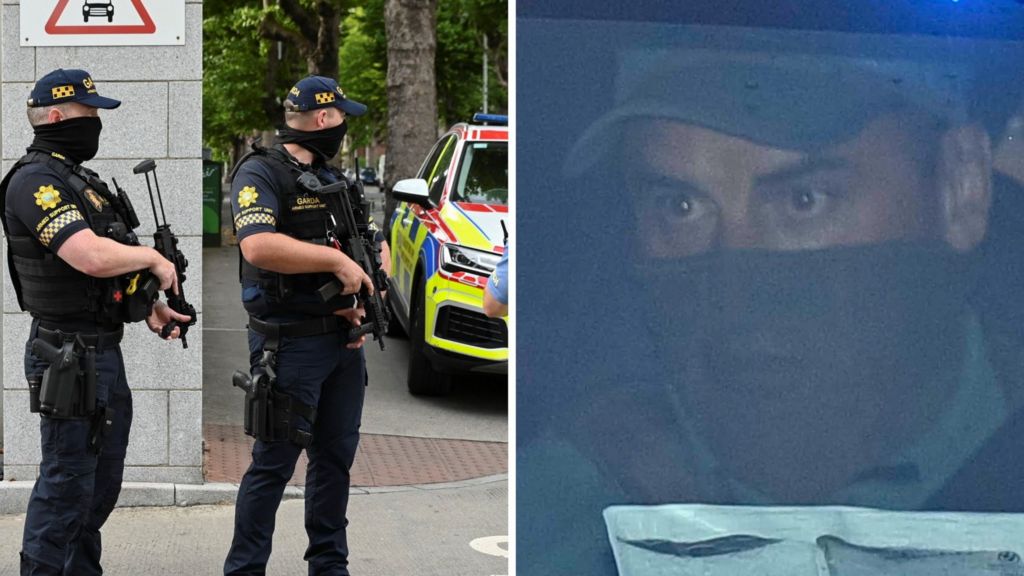
Watch: What we know about suspected crime boss Daniel Kinahan
One of the globe’s most high-profile fugitives, suspected organized crime leader Daniel Kinahan, has completed his transfer from United Arab Emirates custody into Irish law enforcement hands, and spent his first full night behind bars on Irish soil this week.
The long-sought criminal figure, who has been linked to transnational drug trafficking, money laundering, and a string of violent organized crime activities spanning multiple continents for years, was taken into Irish detention following the completion of a controversial extradition process that had dragged on for months amid diplomatic and legal wrangling between Dubai authorities and Irish prosecutors.
Kinahan’s arrest and extradition mark a landmark milestone in a multi-year international manhunt led by law enforcement agencies across Europe and the Middle East, who have targeted the Kinahan organized crime network for its alleged role in sprawling illegal operations that have generated billions of dollars in illicit revenue. Prior to his detention in Dubai last year, Kinahan had operated relatively openly in the emirate for years, even developing a high-profile public profile linked to international professional boxing promotion — a side venture that investigators believe was used to launder proceeds from his core criminal activities.
Irish law enforcement officials have welcomed the extradition, framing it as a critical victory in global efforts to dismantle large-scale transnational organized crime networks. Kinahan now faces a series of criminal charges in Ireland, with legal proceedings expected to get underway in the coming weeks. Security analysts note that the removal of the suspected kingpin could trigger significant shifts in the global illicit trade landscape he long dominated, potentially creating power vacuums that lead to increased criminal competition in many regions.
-
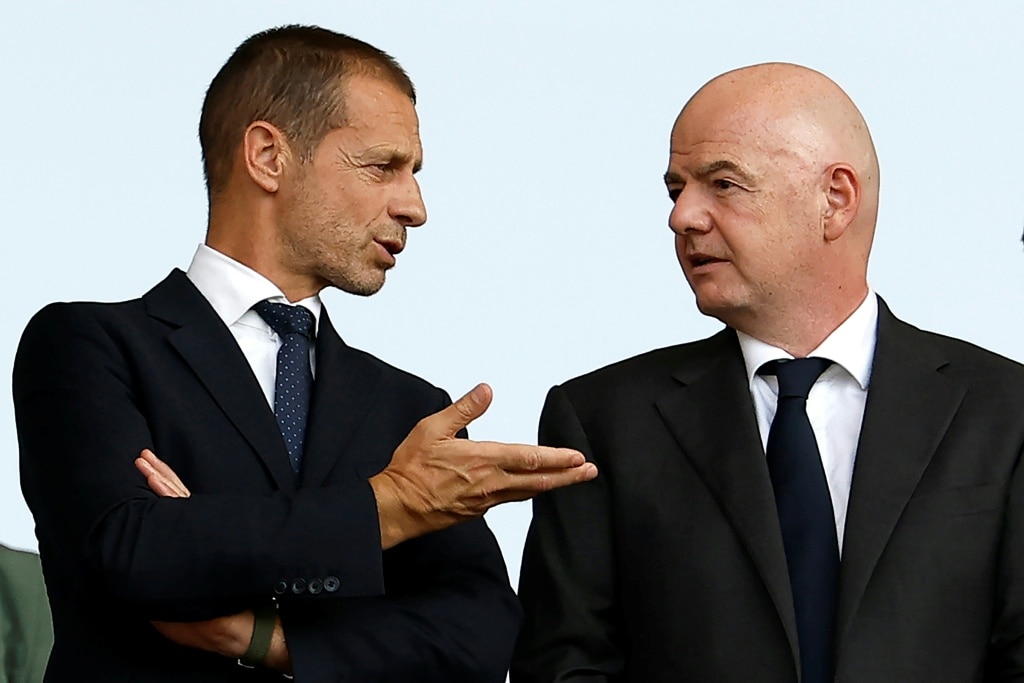
What next for beleaguered FIFA president Infantino?
Gianni Infantino’s bid to weather growing criticism and retain control of global football’s governing body suffered a fresh blow this week, after three of FIFA’s six regional confederations launched an unprecedented coordinated attack on the FIFA president’s leadership just days after he backed away from a controversial commercial restructuring plan.
It has been more than seven days since Infantino was forced to abandon his proposal for FIFA Forward Enterprise (FFE), a private-investment-backed commercial subsidiary that would have taken over management of World Cup commercial operations. The plan drew fierce pushback from member associations and confederations over its lack of transparency and concentrated power in the hands of senior FIFA leadership.
Infantino had gambled that a combative public statement decrying a “concerted and ongoing effort” to undermine his authority would calm tensions and win time to shore up support. Instead, the move backfired spectacularly on Monday, when UEFA (European football’s governing body), CONCACAF (North and Central America and the Caribbean), and the AFC (Asian Football Confederation) published an open letter that laid bare their complete lack of confidence in Infantino’s leadership. While all sides publicly pay lip service to the need for unity within FIFA, deep divides over how the organization should be governed have made any compromise unlikely for the foreseeable future.
AFP Sport has broken down the current state of play, mapping out where blocs of support stand and what possible outcomes could unfold in the coming months:
### Who Stands With Infantino?
The 56-year-old Swiss incumbent has built a solid base of support over 10 years in office, largely through expanded development funding distributed to FIFA’s 211 member associations—a strategy that has paid dividends in loyalty.The Confederation of African Football (CAF), whose member Morocco will co-host the 2030 men’s World Cup, has remained unwavering in its backing. Last week, CAF’s executive committee issued a statement “unanimously reconfirm[ing] its support for FIFA President Gianni Infantino and thanked him for his support for African football, over the years.”
South America’s governing body CONMEBOL has also retained its support, though it did join critics in condemning the sloppy planning and lack of consultation around the scrapped FFE plan. CONMEBOL has insisted that Infantino’s future should only be decided at the scheduled presidential election in Rabat next March, rather than through any early intervention.
A number of individual member associations have even broken ranks with their own regional confederations to back the incumbent. These include Mexico (a 2026 World Cup co-host that belongs to CONCACAF), and Kuwait and Qatar (AFC members that have both publicly voiced support for Infantino).
### The Growing Opposition Bloc
UEFA, CONCACAF, and AFC doubled down on their scathing rejection of Infantino’s leadership in Monday’s open letter, branding the scrapped FFE plan a “shabby, opaque, backroom deal.”UEFA’s explicit threat to boycott all FIFA competitions—including the men’s and women’s World Cup—is widely credited as the decisive pressure that forced Infantino to abandon the FFE plan in a humiliating climbdown. The confederation reiterated that boycott threat last week, just one day after the FIFA senior leadership issued a statement of full backing for Infantino. At that time, CONCACAF and the AFC had not yet joined the public criticism, leaving UEFA isolated. Monday’s open letter made clear that the opposition is now a coordinated three-confederation bloc.
“When trust is broken through deception, when an individual places himself above the collective that entrusted him with authority, that duty has been abandoned,” the three confederations wrote in their joint statement.
UEFA’s boycott threat will face its first real test as early as September, when the Women’s Under-20 World Cup is scheduled to kick off in Poland.
The calls for Infantino to step down immediately have grown louder in recent days: Lise Klaveness, the outspoken president of the Norwegian Football Federation and one of Infantino’s most prominent critics, publicly called for his resignation last Friday. A growing number of European national associations have also publicly withdrawn their backing for his re-election, including Denmark, Finland, Sweden, Serbia and Wales.
### What Could Happen Next?
Infantino is currently standing for a fourth and final four-year term as president, with the election scheduled to take place at the FIFA Congress in Rabat on March 18 next year. The deadline for any rival candidate to officially register their candidacy is November 18.Historical precedent favors incumbents in FIFA presidential votes: the last time a sitting president was unseated was in 1974, when Brazil’s Joao Havelange defeated incumbent Stanley Rous of England. That means unseating Infantino at the scheduled ballot would be an uphill battle for opponents.
However, critics who want to remove Infantino before next March do have a procedural path to force an early vote. The most likely option is a motion of no confidence, which requires support from 20 percent of FIFA’s member associations—equal to 43 national bodies—to trigger an emergency FIFA Congress to vote on the motion.
Every member association holds one equal vote at FIFA congresses, meaning a small football federation like Gabon has the same voting weight as the German Football Association. It remains unclear whether a simple majority would be enough to remove Infantino from office early.
### Who Could Challenge Infantino?
While Klaveness has been the most vocal critic of the incumbent, she is not seen as a likely candidate. FIFA’s electorate has historically favored a non-European president to balance the leadership of the global body, and no European has held the FIFA presidency only since 1998 (Sepp Blatter, followed by Infantino, with African football chief Issa Hayatou serving as caretaker between Blatter’s 2015 resignation and Infantino’s election). Even after Kirsty Coventry’s historic election as IOC president last year, the prospect of a woman leading FIFA remains remote for now.UEFA president Aleksander Ceferin has repeatedly ruled himself out of the running, which narrows the field of credible potential challengers considerably. Two high-profile confederation leaders are seen as the most likely candidates to stand against Infantino:
* **Victor Montagliani**: The president of CONCACAF was once viewed as a close ally of Infantino, but the two have fallen out completely over the FFE plan, with CONCACAF now calling for “a comprehensive reckoning with this presidency.” The 60-year-old Canadian is a charismatic administrator who played a key role in delivering the successful 2026 World Cup hosting process, and counts legendary football figure Carlo Ancelotti among his close contacts in the global game.
* **Sheikh Salman bin Ibrahim al-Khalifa**: The AFC president previously ran for the FIFA presidency in 2016, when the vacancy opened up after Blatter’s resignation. He finished second behind Infantino in that vote. Now 60, Sheikh Salman has led Asian football since 2013, and his fourth term as AFC president ends next year, leading to widespread speculation that he will launch a second bid for the top FIFA job.
-
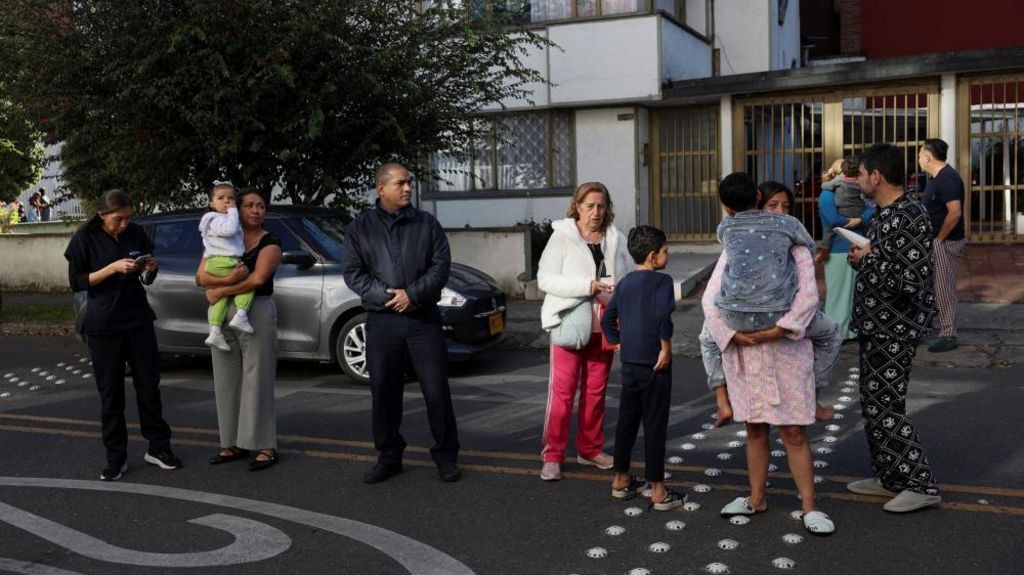
Strong earthquake causes significant damage and injuries in Colombia
On a Monday morning, a powerful magnitude-7.4 earthquake shook Colombia’s Pacific coastal region, leaving widespread structural damage in its wake and sparking urgent safety response across the country, Colombian officials confirmed. According to the Colombian Geological Survey, the seismic event hit at 07:34 local time (12:34 GMT), with a hypocenter depth of 96 kilometers, or around 60 miles. Its epicenter was located just 5 kilometers east of the small rural village of San José del Palmar in Chocó province.
Nubia Carolina Córdoba, the governor of hard-hit Chocó province, confirmed that the quake had left a number of people injured, though she did not release an exact casualty count as of early reporting. In public remarks following the event, Córdoba emphasized that authorities remain on high alert for potential aftershocks that could worsen existing damage and put more residents at risk.
The intensity of the quake was felt hundreds of kilometers away from the epicenter, reaching all the way to Bogotá, Colombia’s capital situated to the east of the impact zone. In response to the shaking, multiple buildings across the capital were evacuated as a safety precaution. Tremors were also detected in Manizales, a major city in Colombia’s renowned coffee-growing region. Local leading national newspaper El Tiempo shared user-submitted footage from Manizales showing a collapsed structure, with bystanders shouting to reach individuals believed to be trapped under the rubble.
Monday’s earthquake comes just two months after a pair of powerful seismic events devastated northern regions of neighboring Venezuela, claiming the lives of more than 6,100 people. That disaster put the entire Andean region, which sits along the geologically active Pacific Ring of Fire and faces frequent seismic risk, on heightened awareness of earthquake preparedness and response protocols.
-
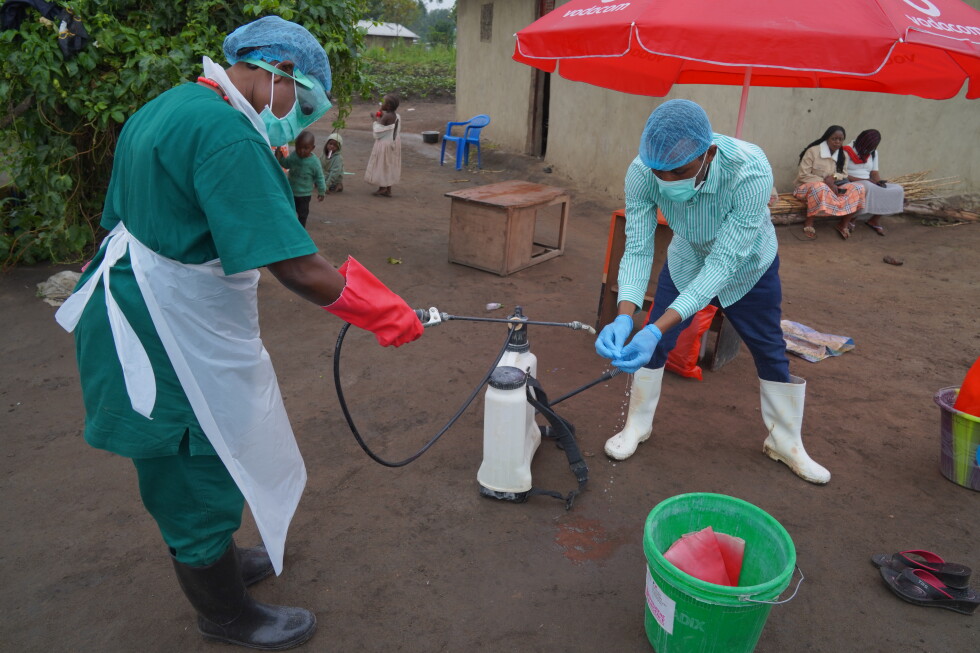
WHO says Congo’s fast-moving Ebola outbreak started months before it was declared
In a stark update on the spiraling public health crisis in eastern Democratic Republic of the Congo, the World Health Organization (WHO) confirmed Monday that the fastest-growing Ebola outbreak in recorded history emerged in February, three full months before it was officially declared to the public on May 15. Responders are now scrambling to contain a virus that has consistently outpaced containment efforts, against a backdrop of systemic and security challenges that make effective intervention nearly impossible.
Dr. Mohamed Yakub Janabi, WHO’s Regional Director for Africa, told reporters that genetic sequencing of virus samples has traced the outbreak’s origin back to February. Early cases of the disease were misdiagnosed as malaria and typhoid, a critical error that allowed the virus to spread undetected through communities for months. Compounding this early delay, initial testing protocols only screened for the more common Zaire strain of Ebola, not the rare Bundibugyo variant driving this outbreak. The Bundibugyo strain has no approved vaccines or targeted treatments currently available, leaving frontline workers with limited tools to slow transmission or improve patient outcomes.
As of the latest official government count, the outbreak has already recorded 4,200 confirmed cases, with more than 1,900 people dead. This current outbreak has killed people faster than any Ebola event in history, outpacing even the devastating 2014-2016 West Africa outbreak that was long considered the worst on record. That 2014-2016 crisis took eight months to reach 1,000 deaths; this outbreak hit that milestone in a fraction of the time.
The crisis is unfolding in one of the most difficult operating environments for global health responders. The affected region, which sits near the borders of South Sudan, Uganda, and Rwanda, has been torn apart by decades of rebel conflict that gutted local healthcare infrastructure long before the first Ebola case emerged. Today, responders face multiple overlapping barriers: strikes by unpaid health workers have left critical facilities understaffed, rebel groups threaten aid teams, and long-traumatized communities often distrust intervention efforts, fueled by widespread misinformation that claims Ebola does not exist at all.
Frontline teams must navigate remote, unpaved roads to reach affected communities and have repeatedly reported critical shortages of personal protective equipment. A large population of displaced people living in informal settlements also lack access to clean water for regular handwashing, one of the most basic measures to slow transmission of the virus, which spreads through contact with infected bodily fluids including blood, vomit, and semen, as well as contaminated surfaces like bedding and clothing. Ebola causes severe organ damage and is fatal in the majority of untreated cases.
Last week, WHO Director-General Tedros Adhanom Ghebreyesus reiterated the urgency of the crisis during a visit to Congolese capital Kinshasa, noting that the virus is spreading faster than response teams can keep up. In some of the worst-affected hot spots, the number of new confirmed cases is doubling at an alarming rate. Health authorities estimate that between 60% and 70% of all new cases are occurring in people who were not on the contact tracing monitoring list, meaning transmission is happening through unrecognized community spread that is nearly impossible to track.
Already fragile access to routine healthcare in the region has become even worse as the outbreak escalates. Pregnant women and people with other acute medical conditions are now avoiding health centers out of fear of contracting Ebola, putting their own lives at unnecessary risk from treatable conditions.
Late declarations of Ebola outbreaks are not unprecedented. The 2014-2016 West Africa outbreak, which killed more than 11,000 people across at least 28,000 confirmed cases, was officially declared in March 2014, but retrospective investigation later found the first human infection occurred three months earlier, in December 2013.