作者: admin

  • Turning nation’s aging challenge into opportunity

    Turning nation’s aging challenge into opportunity

    China is poised to transform its demographic challenge into a strategic economic advantage through its forthcoming 15th Five-Year Plan (2026-2030), marking a fundamental shift in how the nation addresses population aging. Rather than treating elderly citizens merely as recipients of social welfare, the new framework positions them as active contributors to economic growth through three key mechanisms: long-term care insurance expansion, private pension system modernization, and targeted development of the silver economy.

    Current statistics reveal the scale of this demographic transformation: China now counts 310 million citizens aged 60 or above, representing 22% of the total population. Within this group, 220 million have reached 65 years or older. The nation’s life expectancy has climbed to 79 years during the 14th Five-Year Plan period (2021-2025), reflecting a 1.07-year increase from 2020 and standing five years above the global average.

    The Communist Party of China’s recently published recommendations outline specific measures to operationalize this strategic pivot. These include enhancing the national pooling mechanism for basic pension insurance and developing a multi-tiered, multi-pillar retirement security system designed to progressively elevate citizens’ post-retirement income levels.

    Critical infrastructure adaptations form another cornerstone of the strategy. The plan mandates comprehensive upgrades to public facilities, ensuring they become both barrier-free and elderly-friendly. Simultaneously, it promotes wider implementation of long-term care insurance programs across Chinese provinces.

    Workforce policy reforms represent equally significant components. The government will implement gradual retirement age adjustments while relaxing age restrictions for employment and social insurance participation. These measures aim to better utilize senior workers’ capabilities and stimulate silver economy growth.

    Recent economic analysis quantifies the opportunity: China’s silver economy currently generates approximately 7 trillion yuan ($996.1 billion), accounting for 6% of national GDP. Projections indicate this could expand to 30 trillion yuan by 2035, potentially representing 10% of China’s total economic output.

    Experts emphasize that continued enrichment of elderly services, coupled with strengthened insurance systems and enhanced workplace protections for older employees, will be essential throughout the next five-year implementation period to fully realize this demographic-economic strategy.
  • Son of former Bangladesh prime minister returns after 17 years in exile with a chance to lead

    Son of former Bangladesh prime minister returns after 17 years in exile with a chance to lead

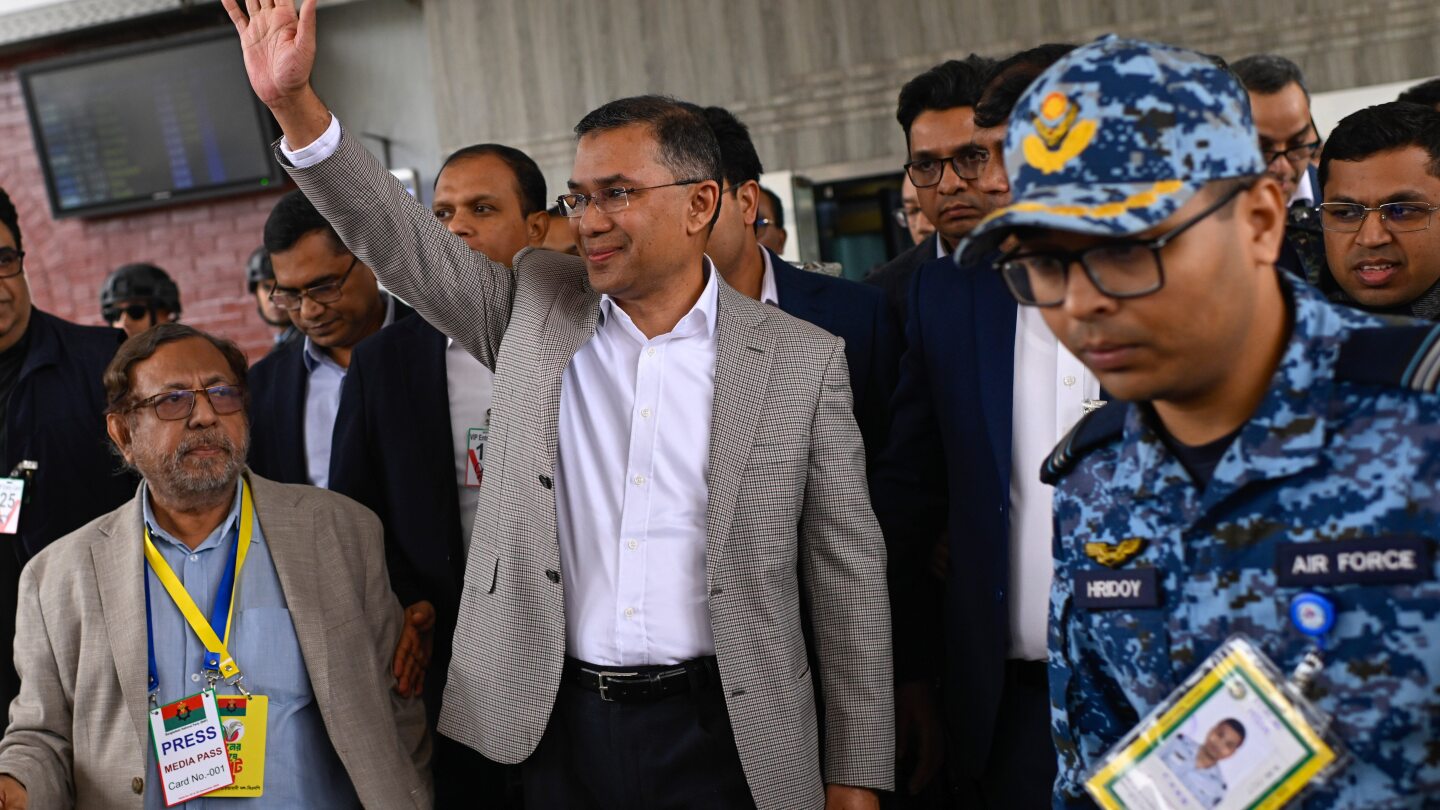
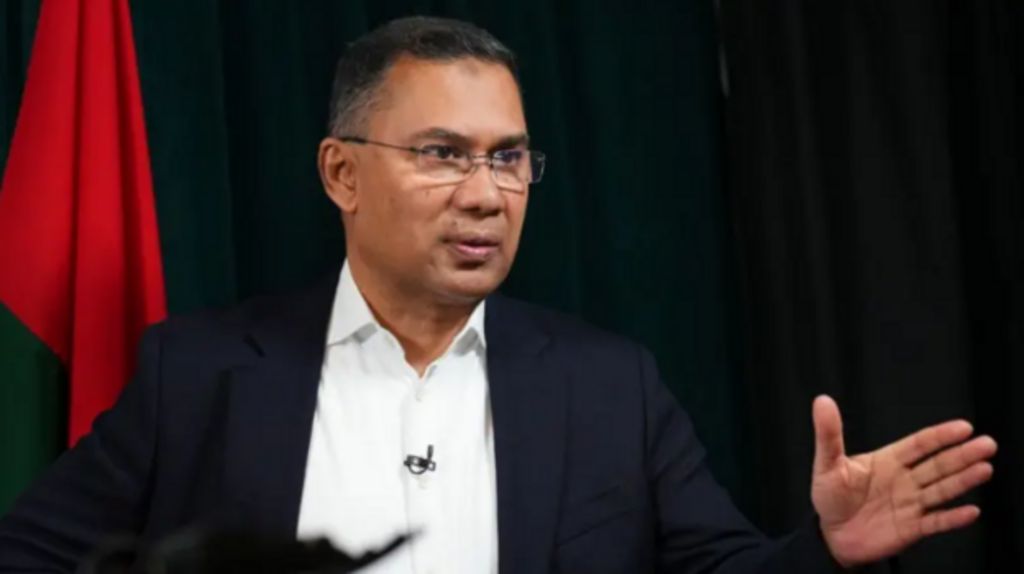
    DHAKA, Bangladesh — In a politically charged homecoming, Tarique Rahman, the acting chairman of Bangladesh Nationalist Party (BNP), returned to Dhaka on Thursday after 17 years of self-imposed exile in London. His arrival marks a significant development in Bangladesh’s volatile political landscape ahead of February’s pivotal elections.

    Rahman, son of former Prime Minister Khaleda Zia, arrived at Hazrat Shahjalal International Airport under tight security alongside his wife and daughter. The homecoming transformed into a massive political demonstration as supporters flooded a 2-kilometer radius between the airport and reception venue, with party leaders claiming millions had gathered to welcome the returning leader.

    The 56-year-old politician originally left Bangladesh in 2008 for medical treatment after enduring torture during the military-backed caretaker government (2006-2008). His return follows acquittals on all criminal charges by the current interim government headed by Nobel laureate Muhammad Yunus, including allegations of involvement in a 2004 grenade attack on a political rally of current exiled leader Sheikh Hasina.

    Rahman’s return occurs against the backdrop of profound political transformation. Bangladesh remains governed by an interim administration that assumed power following the 2024 uprising that ended Hasina’s 15-year rule. The Yunus government faces mounting criticism from international human rights organizations and domestic liberals who accuse it of eroding democratic institutions and permitting rising Islamist influence.

    Following his reception, Rahman plans to visit his critically ill mother, former Prime Minister Khaleda Zia, who led the country from 2001-2006. The political dynasty began when Zia, a former housewife, entered politics after her husband President Ziaur Rahman’s assassination in 1981.

    Despite his prolonged absence, Rahman maintained firm control over BNP through digital participation in meetings and rallies, facing no significant internal challenges to his leadership. His return sets the stage for a dramatic political confrontation as Bangladesh approaches what many consider its most consequential election in decades.

  • Front-runner to be Bangladesh PM returns after 17 years in exile

    Front-runner to be Bangladesh PM returns after 17 years in exile

    In a dramatic political homecoming, Tarique Rahman—the exiled leader poised to become Bangladesh’s next prime minister—has returned to his homeland after 17 years in London. The 60-year-old scion of the influential Zia political dynasty arrived to massive crowds of supporters in Dhaka, marking a seismic shift in the nation’s political landscape ahead of watershed general elections.

    Rahman’s return follows the spectacular downfall of former Prime Minister Sheikh Hasina, whose government was ousted last year amid allegations of severe human rights violations. While Hasina’s Awami League party dominated Bangladeshi politics for nearly two decades, Rahman’s Bangladesh Nationalist Party (BNP) now stands as the frontrunner to secure power in the upcoming polls.

    The political transition carries profound historical significance. During Hasina’s tenure, Rahman faced multiple criminal investigations that he characterized as politically motivated persecution. All charges against him were dropped following the regime change, clearing his path to leadership. Meanwhile, Hasina herself now lives in exile in India after being tried in absentia and receiving a death sentence for her government’s lethal crackdown on student-led protests—a period that UN investigators say claimed up to 1,400 lives.

    With the Awami League likely barred from participation, the upcoming elections represent what many observers consider the most consequential democratic exercise in Bangladesh’s modern history. Rahman’s return from exile symbolizes not just a personal homecoming but potentially the dawn of a new political era for the South Asian nation.

  • Somalis vote in the first one-person, one-vote local election in decades

    Somalis vote in the first one-person, one-vote local election in decades

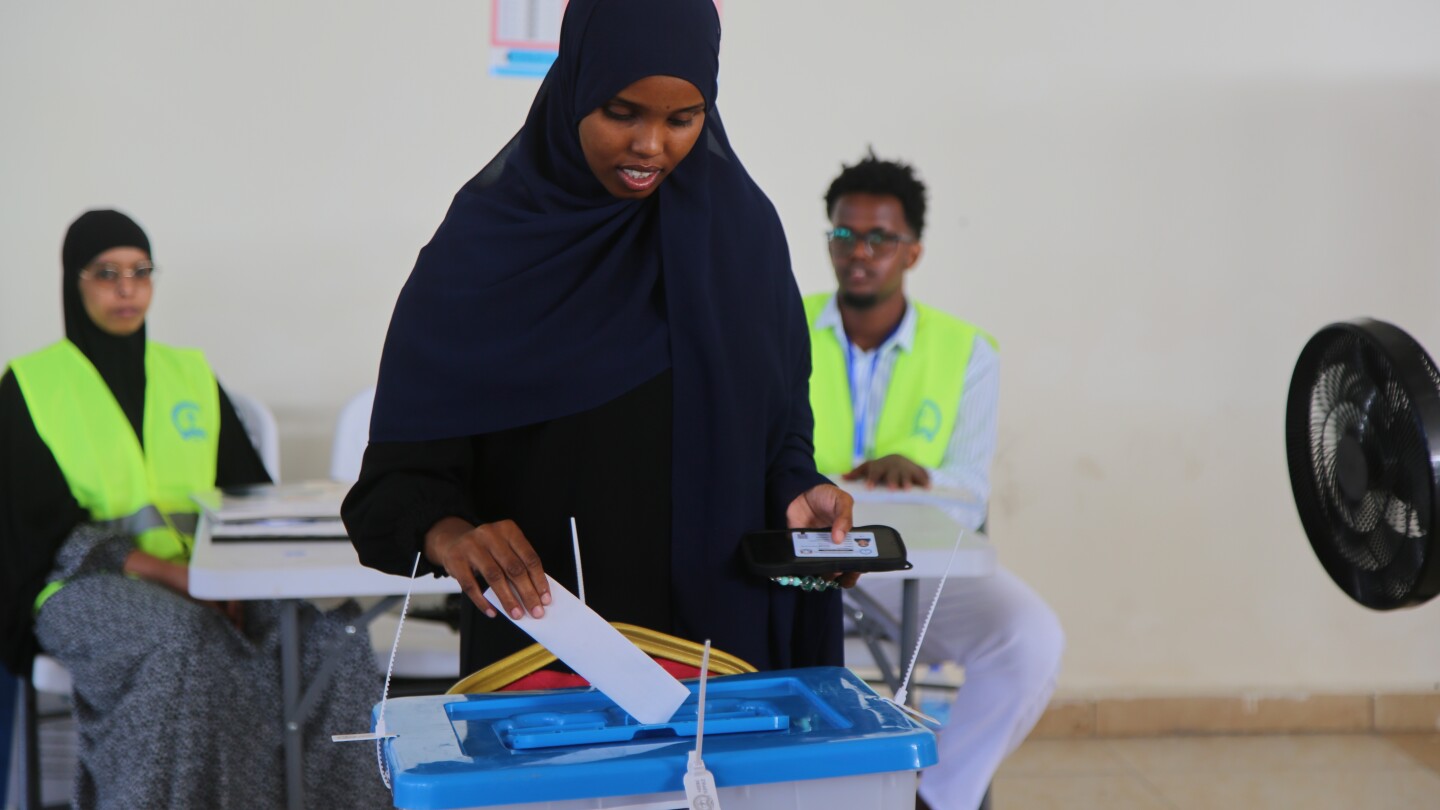
    MOGADISHU, Somalia – The Somali capital witnessed a historic democratic exercise Thursday as residents participated in the nation’s first universal suffrage local elections since 1969. This groundbreaking electoral process represents a radical departure from Somalia’s traditional clan-based power-sharing system that has dominated political life for decades.

    Organized by the federal government across Mogadishu’s 16 districts, the council elections have sparked intense political division. Opposition parties have unanimously rejected the process, labeling it as fundamentally flawed and politically biased. The voting marks the inaugural major electoral undertaking administered by Somalia’s National Independent Electoral and Boundaries Commission, featuring participation from approximately 20 political parties.

    Despite its significance, the election does not determine Mogadishu’s mayoral leadership, which remains an appointed position due to unresolved constitutional status of the capital. This ambiguity reflects broader political fractures between President Hassan Sheikh Mohamud and regional leaders from Jubaland and Puntland regarding constitutional reforms.

    Security measures were significantly enhanced throughout the capital to safeguard the electoral process against potential attacks from al-Shabab militants, who have consistently threatened Somalia’s political stability. Electoral authorities reported over 900,000 registered voters across 523 polling stations in the central region.

    Political analyst Mohamed Husein Gaas, director of the Raad Peace Research Institute, noted that Mogadishu has demonstrated the technical feasibility of local elections despite challenges. He emphasized that the federal government’s initiative empowers citizens, enhances governmental accountability, and progresses toward a more inclusive state structure.

    The elections, previously postponed three times in 2024, have faced vehement opposition criticism alleging that the government seeks to consolidate power and potentially extend presidential term limits—claims that authorities strongly deny. Meanwhile, first-time voter Farhiyo Mohamed expressed exhilaration at participating in an unprecedented democratic experience she had never witnessed in her lifetime.

  • King Charles III picks Westminster Abbey as the site of his Christmas Day broadcast

    King Charles III picks Westminster Abbey as the site of his Christmas Day broadcast

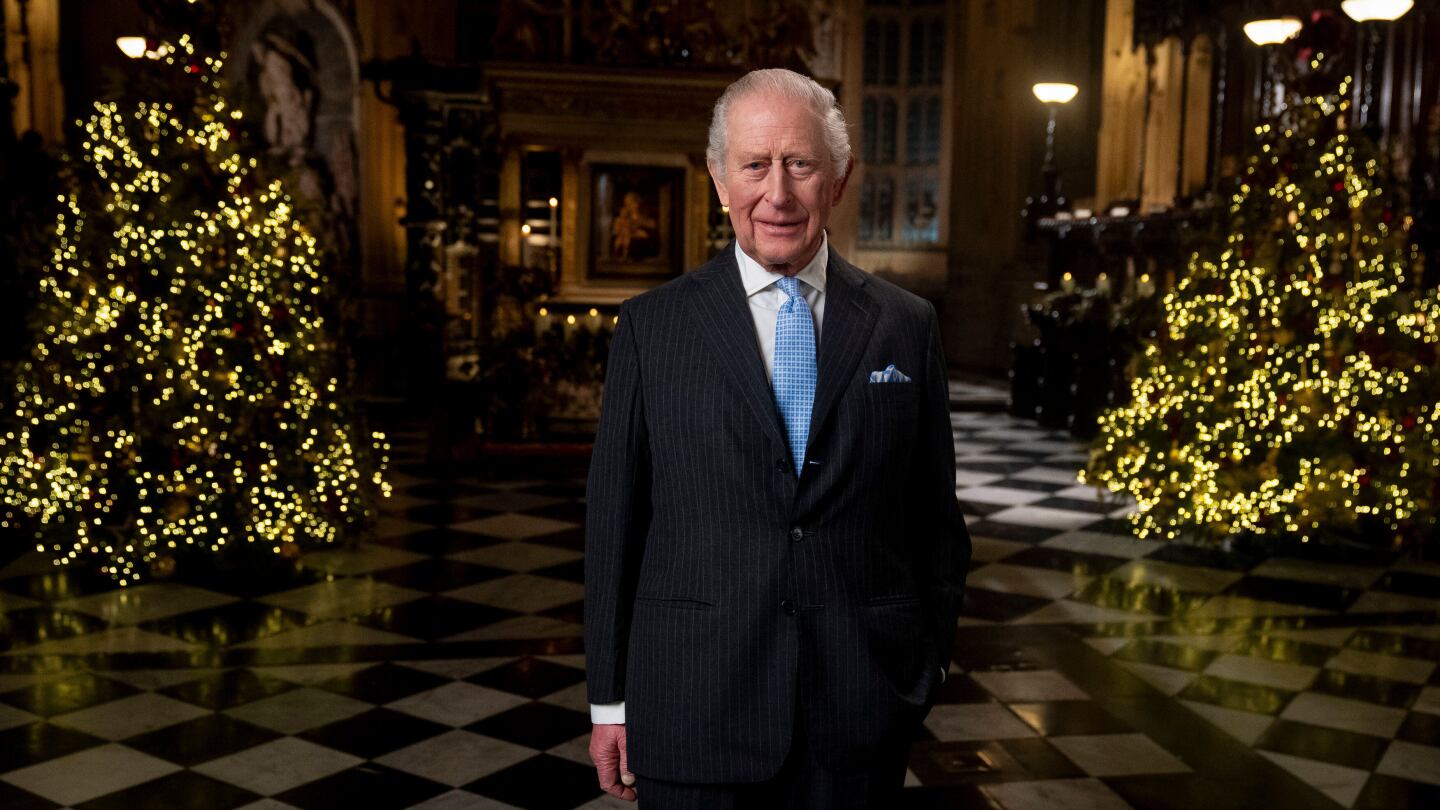
    In a significant departure from tradition, King Charles III has selected Westminster Abbey as the backdrop for his annual Christmas Day address to the United Kingdom and the Commonwealth nations. The historic venue, renowned for hosting coronations and royal weddings for over a millennium, aligns with the monarch’s intended theme of spiritual pilgrimage in his holiday message.

    The Abbey holds profound religious significance as the resting place of Edward the Confessor, the monk-like monarch canonized as a saint in 1161, whose tomb has been a focal point for pilgrimages throughout British history. This year’s address gains particular resonance as it follows closely on the heels of the King’s recent health update regarding his cancer treatment.

    Scheduled for broadcast at 3:00 PM GMT on Christmas Day, the prerecorded message traditionally reaches millions of viewers across the 56 Commonwealth nations during their holiday celebrations. Unlike most of his official duties, the Christmas speech represents one of the rare occasions where the monarch expresses personal views without government consultation, typically blending religious context with contemporary issues and personal reflections.

    The upcoming address marks Charles’ fourth Christmas message since ascending to the throne following Queen Elizabeth II’s passing in September 2022. Last year’s recording occurred at Fitzrovia Chapel, formerly part of the demolished Middlesex Hospital, where the King notably acknowledged healthcare workers and specifically thanked medical staff involved in his cancer treatment.

    Buckingham Palace recently announced that the monarch’s cancer treatment has progressed to a “precautionary phase,” allowing for reduced therapeutic interventions in the new year while maintaining ongoing monitoring of his condition. This health update, delivered through a deeply personal television appearance two weeks prior, adds considerable context to this year’s holiday message.

  • Blast at mosque in Nigeria kills 5 and injures more than 30 in apparent suicide attack

    Blast at mosque in Nigeria kills 5 and injures more than 30 in apparent suicide attack

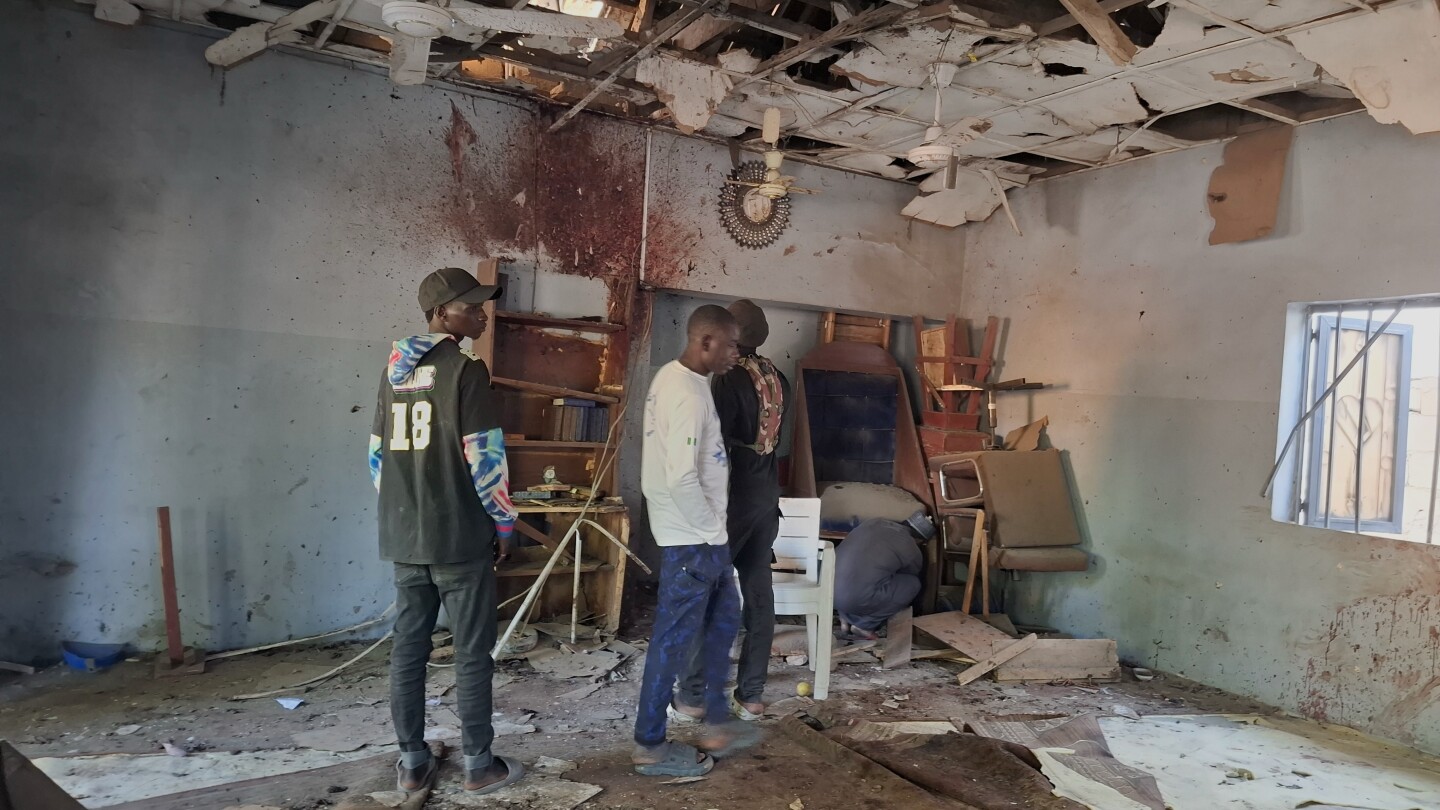
    MAIDUGURI, Nigeria — A devastating suicide bombing targeted worshippers at a mosque in northeastern Nigeria on Wednesday evening, resulting in five fatalities and 35 injuries according to police reports. The attack occurred during nightly prayers in Maiduguri, the capital of Borno State, a region long plagued by Islamist insurgencies.

    Police spokesperson Nahum Daso confirmed in an official statement that forensic examination of the blast site revealed remnants of what appeared to be a suicide vest, indicating the deliberate nature of the assault. This incident represents the latest in a protracted series of violent attacks destabilizing Nigeria’s northern territories, where government forces continue to combat multiple armed factions including Boko Haram and its offshoot, Islamic State West Africa Province (ISWAP).

    The United Nations estimates the conflict has claimed several thousand lives and displaced millions of civilians since 2009, creating one of Africa’s most severe humanitarian crises. While no militant organization has formally claimed responsibility for Wednesday’s bombing, the operational methodology strongly suggests Boko Haram’s involvement. The group has historically employed suicide bombers as a primary tactic in its campaign to establish an Islamic state in the region.

    Security analysts note that while the frequency of suicide attacks has diminished in recent years, the capability remains intact among militant factions. The July 2024 triple suicide bombing at a Borno wedding ceremony had already signaled potential resurgence of this tactic, with Wednesday’s mosque attack reinforcing concerns about renewed operational patterns. The continued violence underscores the persistent security challenges facing Nigerian authorities despite sustained counterinsurgency efforts.

  • Albanese announces bravery award for heroes of Bondi antisemitic attack

    Albanese announces bravery award for heroes of Bondi antisemitic attack

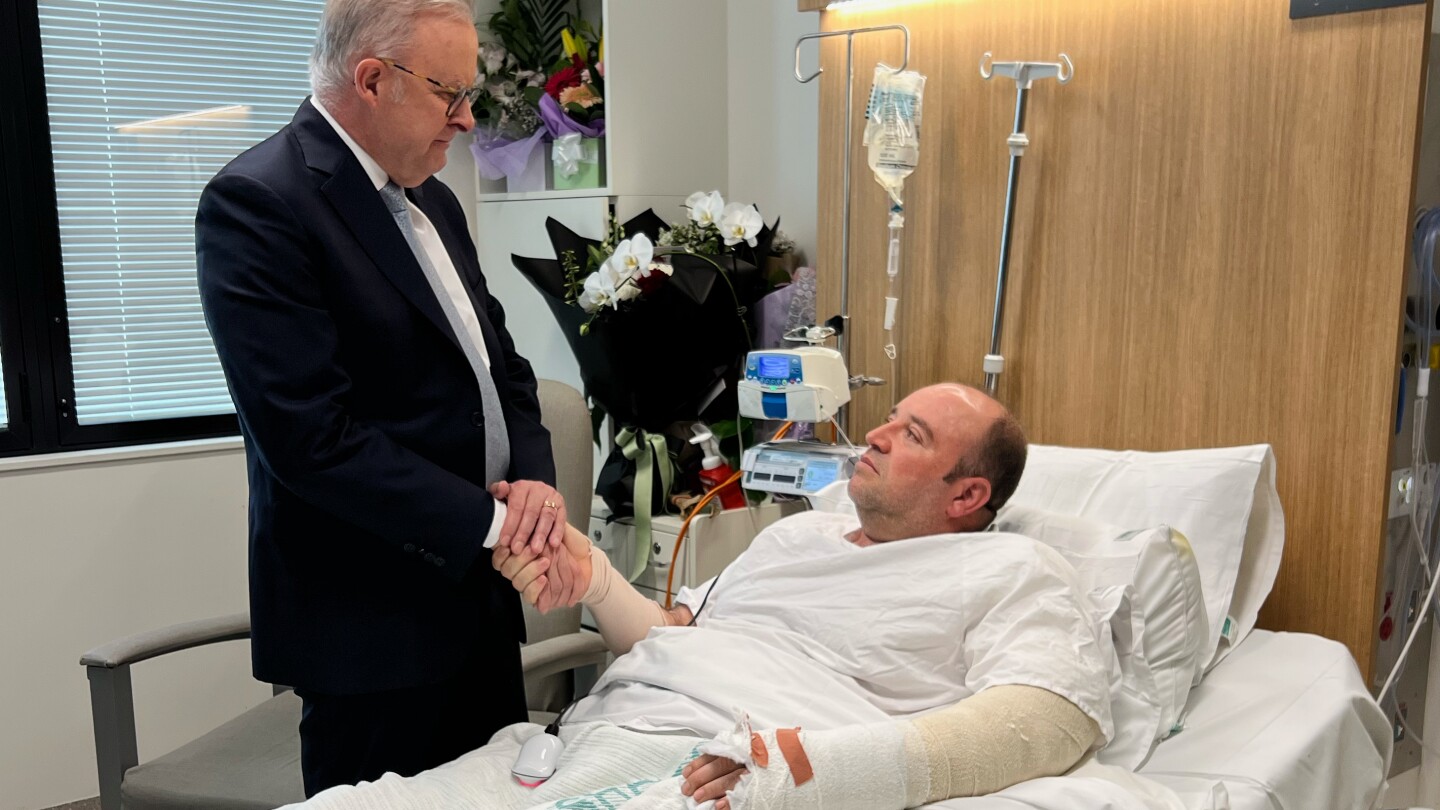
    NEWCASTLE, Australia — In response to the devastating antisemitic terror attack that claimed 15 lives, Australian Prime Minister Anthony Albanese unveiled plans on Thursday for a national bravery award recognizing civilians and emergency responders. The announcement came during a Christmas Day address in Sydney, where Albanese highlighted the stark contrast between extremist violence and extraordinary human compassion witnessed during the December 14th beachside Hanukkah celebration attack.

    The special honors system will acknowledge individuals like Ahmed al Ahmed, a Syrian-Australian Muslim who disarmed one of the assailants despite sustaining injuries himself. The alleged perpetrators, Sajid Akram and his 24-year-old son Naveed Akram—both killed during police intervention—are accused of committing Australia’s deadliest massacre since 1996.

    Concurrently, New South Wales implemented sweeping firearm reforms just before Christmas, introducing the nation’s most stringent gun control measures. The legislation limits individual firearm ownership to four weapons, reclassifies high-risk firearms like pump-action weapons, reduces license durations to two years, and restricts ownership exclusively to Australian citizens. The reforms also eliminate appeal pathways for denied license applications.

    State leader Chris Minns emphasized that while gun control cannot eradicate hatred, it represents a critical step toward preventing future violence. Additional measures include bans on public displays of terrorist symbols and expanded police authority to restrict public gatherings following terrorist incidents. Albanese has pledged further strengthening of Australia’s already rigorous national gun laws, signaling a comprehensive governmental response to the tragedy that has profoundly impacted the nation’s holiday season.

  • AI at full throttle: What 2026 looks like for enterprises in CEEMETA

    AI at full throttle: What 2026 looks like for enterprises in CEEMETA

    Pure Bliss Development, a subsidiary of the prominent Lals Group, has officially announced the successful topping out of its flagship Bliss Tower project. This significant construction milestone was reached at the prestigious Dubai Land Residence Complex, marking a pivotal moment in the development’s timeline.

    The achievement signifies the completion of the tower’s structural framework, paving the way for the subsequent phases of interior finishing, facade installation, and comprehensive MEP (Mechanical, Electrical, and Plumbing) works. The Bliss Tower is envisioned as a premium residential destination, designed to offer a blend of luxury living and modern amenities to its future residents.

    Strategically located within the master-planned Dubai Land community, the project is poised to benefit from the area’s extensive infrastructure, entertainment offerings, and growing status as a key residential hub. This development aligns with the broader vision of enhancing Dubai’s real estate landscape with high-quality, contemporary housing solutions.

    The topping-out ceremony is traditionally a celebratory event in construction, symbolizing that the building has reached its maximum height. This milestone for Bliss Tower not only demonstrates Lals Group’s commitment to progressing according to schedule but also reinforces investor and market confidence in the project’s timely delivery. The focus now shifts towards the intricate work required to transform the structural shell into a finished, habitable luxury tower.

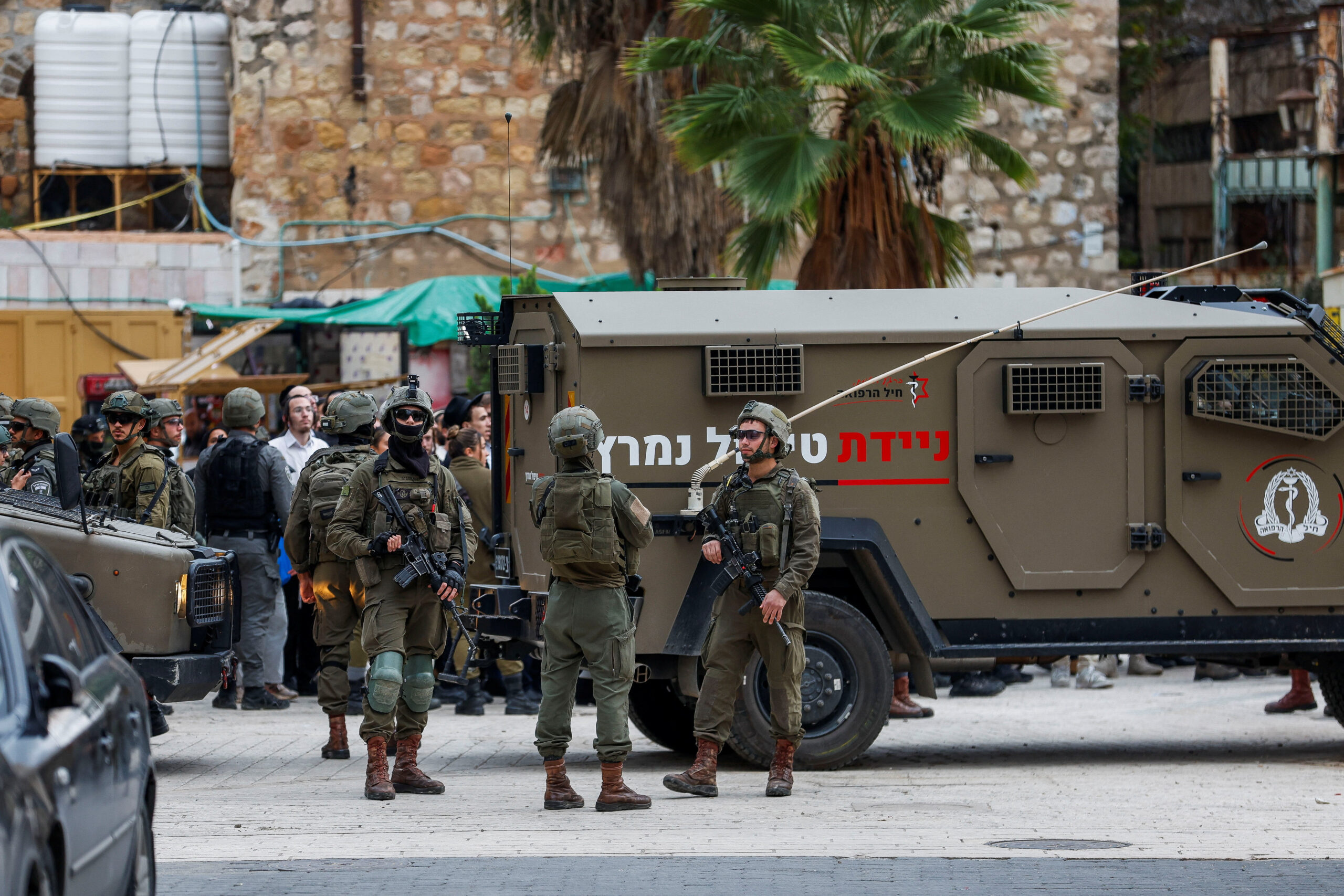
  • With the exception of US, all G7 nations condemn newly-approved Israeli settlements

    With the exception of US, all G7 nations condemn newly-approved Israeli settlements

    In a significant diplomatic move, the Group of Seven (G7) nations—comprising the world’s most advanced industrialized democracies—have issued a forceful condemnation of Israel’s recent authorization of 19 new settlement units within the occupied West Bank. The joint statement, released on Wednesday, characterized these unilateral actions as clear violations of international law that potentially escalate regional instability.

    The United States notably abstained from endorsing the collective declaration, which garnered additional support from several European countries including Belgium, Denmark, Iceland, Ireland, Malta, the Netherlands, Norway, and Spain. The signatories emphatically reiterated their opposition to territorial annexation and settlement expansion policies, specifically referencing the controversial E1 settlement project and thousands of planned housing units.

    The diplomatic communication further emphasized that such measures undermine the implementation of President Donald Trump’s 20-point peace proposal for Gaza. While Washington has reportedly expressed private frustrations regarding Israel’s actions—particularly given previous assurances against West Bank annexation—Secretary of State Marco Rubio deferred questions about settlement expansion and settler violence against Palestinians to the US embassy in Jerusalem.

    The recent approval of settlements was orchestrated by Israel’s far-right Finance Minister Bezalel Smotrich, who openly acknowledges that these measures intend to obstruct the formation of a Palestinian state. This development coincides with concerning cartographic analyses by The New York Times illustrating how Israeli settlements are progressively consuming West Bank territory, drawing comparisons to South Africa’s apartheid-era bantustan system.

    All signatory nations except Japan have formally recognized the State of Palestine at various points throughout this year, reinforcing their commitment to a negotiated two-state solution as the only viable path toward lasting peace in the region.

  • North Korea displays apparent progress in construction of nuclear-powered submarine

    North Korea displays apparent progress in construction of nuclear-powered submarine

    In a significant demonstration of military advancement, North Korea has revealed substantial progress in its nuclear-powered submarine program during leader Kim Jong Un’s inspection of a naval shipyard. State media imagery depicts a near-complete burgundy-hulled vessel coated with anti-corrosion materials, marking the most visible development since initial images emerged in March.

    Kim characterized South Korea’s pursuit of nuclear submarine technology—reportedly endorsed by former U.S. President Donald Trump—as an ‘offensive act’ violating North Korea’s security and maritime sovereignty. He asserted that this perceived threat justifies accelerated naval nuclearization, describing the submarine project as ‘epoch-making’ for strengthening deterrence capabilities.

    Military analysts note that the visible hull completion suggests critical internal components, including the engine and potential reactor, may already be installed. Moon Keun-sik, a submarine specialist at Seoul’s Hanyang University and former South Korean naval officer, estimates sea trials could commence within months if current progress continues.

    The nuclear submarine represents a cornerstone of Kim’s 2021 weapons modernization agenda, which also includes solid-fueled ICBMs, hypersonic systems, spy satellites, and multi-warhead missiles. This development coincides with North Korea’s recent unveiling of a new naval destroyer and testing of long-range anti-air missiles.

    Experts speculate that North Korea’s strengthened alignment with Russia, including military support for Ukraine operations, may have facilitated technological transfers. While some suspect Russian reactor procurement, others believe Pyongyang developed domestic reactor capabilities with possible external technical assistance.

    The advancement occurs amid deteriorating Korean Peninsula relations, with Kim intensifying weapons development while rejecting denuclearization talks that collapsed following the 2019 Trump-Kim summit.