作者: admin

  • Abu Dhabi: New affordable 3D tumour model eliminates need to test cancer drugs on humans

    Abu Dhabi: New affordable 3D tumour model eliminates need to test cancer drugs on humans

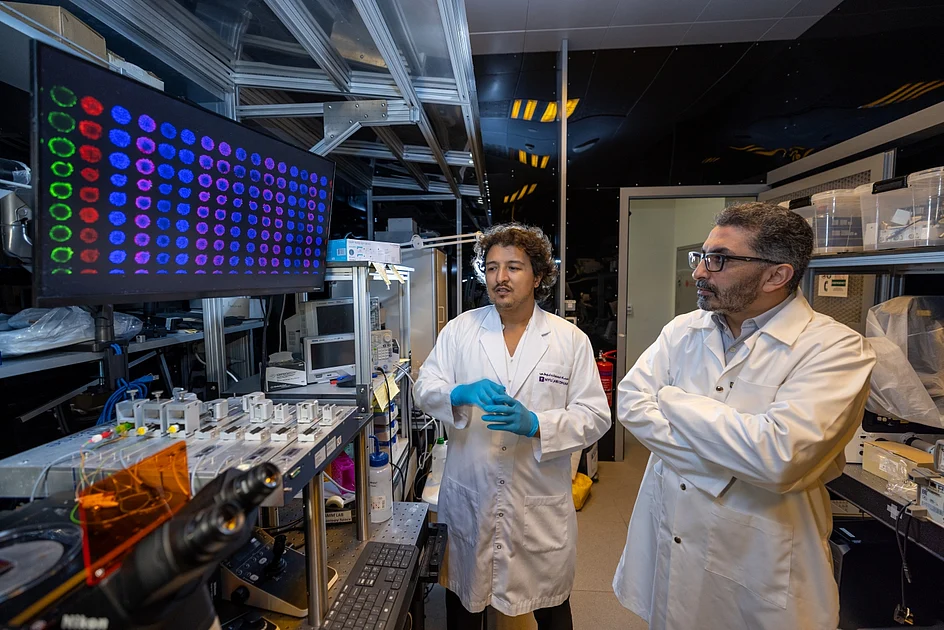
    Researchers at New York University Abu Dhabi have unveiled a groundbreaking paper-based technology that promises to transform cancer research methodologies. The innovation, named Spheromatrix, utilizes a specialized filter paper system to cultivate three-dimensional tumor models that closely mimic human cancer behavior.

    Led by Associate Professor Mohammad Qasaimeh of Mechanical Engineering and Bioengineering, with postdoctoral researcher Ayoub Glia as first author, the team at NYUAD’s Advanced Microfluidics and Microdevices Laboratory has developed a cost-effective alternative to traditional drug testing approaches. The platform enables scientists to grow miniature tumors, preserve them through freezing for extended periods, and conduct repeated drug sensitivity experiments on demand.

    The fiber-based architecture of Spheromatrix provides an optimal biocompatible environment that allows tumor models to develop characteristics remarkably similar to actual human cancers. This technological advancement addresses significant challenges in pharmaceutical development by creating reproducible, scalable systems for preclinical drug screening while substantially reducing dependence on animal testing and human trial subjects.

    In validation studies, the research team applied commercial chemotherapy drugs to preserved brain tumor models, observing response patterns that closely mirrored those seen in actual patient cancers. Crucially, the system demonstrated consistent drug response fidelity both before and after the freezing process, confirming its reliability for long-term research applications.

    The innovation represents part of NYUAD’s expanding portfolio of significant scientific contributions, which recently includes rapid infectious disease detection devices and astrobiological research concerning cosmic rays’ potential role in supporting extraterrestrial life. The Abu Dhabi institution continues to establish itself as a hub for cutting-edge biomedical research with global implications.

  • Root’s superb first ton in Australia keeps England hopes alive

    Root’s superb first ton in Australia keeps England hopes alive

    In a breathtaking display of Test cricket, the second Ashes encounter in Brisbane was illuminated by two monumental performances that will be etched into the rivalry’s storied history. On one side, English captain Joe Root exorcised his Australian demons with a magnificent, unbeaten 135—his first-ever Test century on Australian soil. On the other, Australian pace spearhead Mitchell Starc etched his name into the record books, claiming a devastating 6-71 to become the most prolific left-arm fast bowler in Test history, surpassing Pakistan legend Wasim Akram’s tally of 414 wickets.

    The day-night contest commenced in disastrous fashion for the tourists, crumbling to a precarious 5-2 within the opening overs as Starc’s fiery spell accounted for Ben Duckett and Ollie Pope. From the brink of collapse, Root orchestrated a masterful resurrection of the English innings. He found a crucial ally in Zak Crawley (76), with whom he built a stabilizing 117-run partnership that shifted the momentum. Root’s innings, a blend of impeccable technique and determined resolve, saw him navigate the challenging pink ball under lights and systematically dismantle the Australian attack. He reached his landmark century with a elegant leg glance to the boundary.

    Despite Root’s heroics, Starc remained a persistent threat throughout the day. His six-wicket haul included key breakthroughs that repeatedly stifled England’s momentum, reducing them to 264-9 and seemingly on the verge of another subpar total. However, in a stunning finale, number eleven batsman Jofra Archer launched a blistering counter-attack, smashing an unbeaten 32 off just 26 balls, including two colossal sixes. His unbroken, record 61-run partnership for the tenth wicket with a now-attacking Root, who himself executed a audacious reverse scoop for six, propelled England to a respectable 325-9 at stumps.

    The match was also notable for a major selection shock from the hosts, who omitted veteran off-spinner Nathan Lyon for seamer Michael Neser, marking Australia’s first home Test without a frontline spinner in nearly 14 years. Both teams also paid tribute, wearing black armbands in memory of the late former England batsman Robin Smith.

  • One-step renewal: UAE combines passport, Emirates ID updates in new service

    One-step renewal: UAE combines passport, Emirates ID updates in new service

    The United Arab Emirates has introduced a groundbreaking administrative reform that merges passport and Emirates ID renewal processes into a single streamlined service. This transformative initiative, launched by the Federal Authority for Identity, Citizenship, Customs and Port Security (ICP), represents a significant advancement in digital governance and citizen convenience.

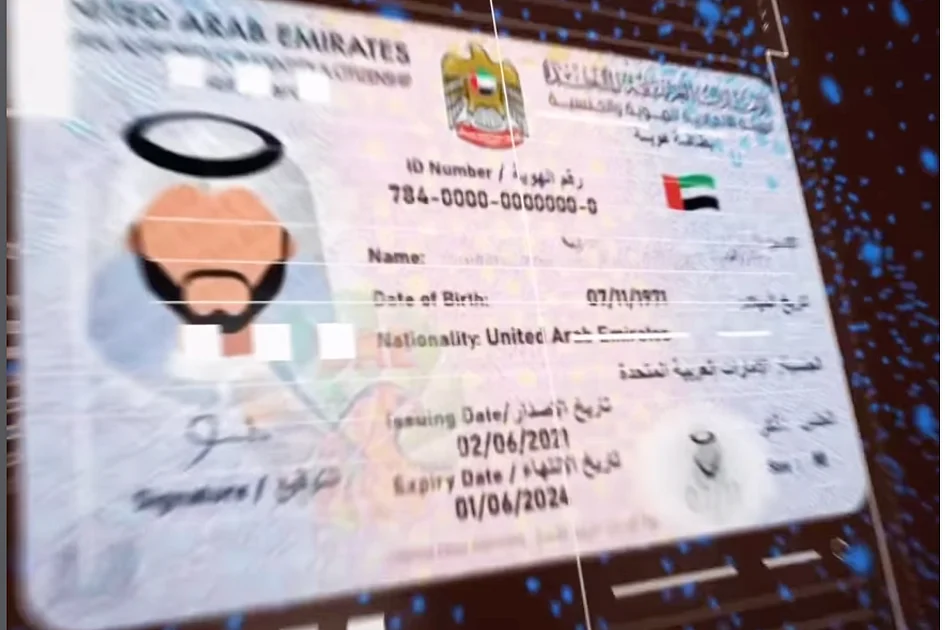
    Under the newly implemented system, Emirati citizens can now simultaneously renew both critical identification documents through the UAEICP smart application. This integrated approach eliminates the previously separate renewal procedures that often resulted in mismatched expiration dates and administrative complications. The innovation directly addresses one of the most frequent concerns raised by residents during the government’s ‘Zero Bureaucracy Expo’ earlier this year.

    The technical implementation allows citizens whose passports have expired and whose Emirates IDs are within six months of expiration to renew both documents on a single application page. This consolidation transforms what was once a fragmented process involving multiple forms and payment procedures into a seamless, unified transaction. Users can now review personal data, submit applications, and complete payments for both documents in one efficient digital session.

    Beyond individual convenience, the UAEICP application serves as a comprehensive family management portal where citizens can handle all passport and identity documentation for entire households. This development exemplifies the government’s commitment to its ‘Zero Bureaucracy’ initiative, which aims to eliminate unnecessary administrative barriers and create more efficient public services.

    Officials noted that this enhancement evolved from citizen feedback into a comprehensive smart solution, demonstrating the government’s responsive approach to public service innovation. The system ensures synchronization between these essential documents, preventing the administrative confusion that previously resulted from staggered renewal schedules.

  • Palestinian prisoners face ‘hunger, overcrowding and violence’, Israeli report finds

    Palestinian prisoners face ‘hunger, overcrowding and violence’, Israeli report finds

    A damning report from Israel’s own Public Defender’s Office has exposed a humanitarian crisis within the nation’s detention facilities, documenting systematic violence, extreme malnutrition, and severe overcrowding affecting Palestinian prisoners. The investigation, conducted through multiple facility visits in 2023 and 2024, reveals conditions that have drastically deteriorated since October 2023.

    The report details how the Israel Prison Service (IPS) implemented a separate, nutritionally inadequate menu specifically for ‘security prisoners’—a designation predominantly applied to Palestinians. This has resulted in widespread malnourishment, with released detainees describing meals consisting of minuscule portions of undercooked rice shared among several inmates for an entire day. The Public Defender’s Office documented severe hunger manifesting in dramatic weight loss, extreme weakness, and frequent fainting spells among the prison population.

    Despite a Supreme Court ruling in September mandating the provision of adequate food, the report indicates conditions have failed to improve, with some prisoners alleging further reductions in rations. Representatives observed clear signs of severe malnutrition and dehydration during visits, noting many inmates appeared dangerously emaciated.

    The investigation further uncovered widespread and systematic violence perpetrated by prison staff. Detainees reported frequent, unprovoked physical abuse during cell searches, beatings during transfers between wings, and assaults while being transported to court appearances. The Public Defender emphasized this violence was not precipitated by events requiring the use of force.

    These findings align with extensive documentation by media and human rights groups of systemic abuse and torture of Palestinians in Israeli custody, which has surged to unprecedented levels. Since October 2023, at least 100 prisoner deaths have been reported under these conditions, occurring amid widespread accounts of physical abuse, sexual assault, medical neglect, and starvation. Classified Israeli data indicates civilians constitute the majority of these fatalities. The circumstances surrounding these deaths remain largely concealed by prison authorities, and no legal proceedings or accountability measures have been initiated to date.

    The crisis has been exacerbated by a massive arrest campaign following the outbreak of the Gaza war in 2023, which pushed the prison system into extreme overcrowding. The IPS detainee population surged by 3,000 within just two months, reaching approximately 23,000 inmates by late 2024—far exceeding the system’s official capacity of 14,500. Approximately 90% of Palestinian prisoners were confined to living spaces smaller than three square meters, with thousands deprived of beds. Inmates were typically held for 23 hours daily in dark, poorly ventilated cells with inadequate sanitation, sleeping on mattresses on the floor.

    Basic hygiene has become nearly impossible to maintain due to critical shortages of toilet paper, soap, and towels. Cells were stripped of all personal belongings except for a Quran. The report also noted outbreaks of scabies in several Palestinian wings that reached near-epidemic proportions.

    According to Palestinian prisoner-monitoring groups, these deplorable conditions have persisted even after the recent Gaza ceasefire. While at least 9,250 Palestinians are currently held in Israeli jails, the actual figure is believed to be significantly higher, as Israel withholds information on hundreds abducted from Gaza. Nearly half of all Palestinian detainees are held without charge or trial under indefinitely renewable administrative detention orders.

  • UAE billionaires richest in Mena, make Dh110 billion more in 2025

    UAE billionaires richest in Mena, make Dh110 billion more in 2025

    The United Arab Emirates has solidified its position as the Middle East’s premier wealth hub, with its billionaire class experiencing a remarkable 21.6% wealth expansion in 2025. According to the comprehensive Billionaire Ambitions Report published by Swiss banking giant UBS, the collective fortune of UAE billionaires surged by $30 billion (Dh110 billion), elevating their total wealth to $168.7 billion (Dh619 billion) from $138.7 billion the previous year.

    This substantial growth has been fueled by robust macroeconomic performance and strategic policy initiatives that continue to attract global capital. The UAE now hosts 19 billionaires, having gained two new members while witnessing one departure during the reporting period. This places the Emirates significantly ahead of regional competitors, with Israel’s billionaire wealth standing at $108.1 billion and Saudi Arabia’s at $81 billion.

    The nation’s appeal to ultra-high-net-worth individuals received further validation through the 2025 Private Wealth Migration Report by Henley & Partners, which projects approximately 9,800 millionaires will relocate to the UAE alongside an estimated $63 billion in associated capital this year. This migration trend has been exemplified by high-profile moves such as British steel magnate Lakshmi Mittal’s relocation to the Emirates, citing favorable tax environments and business-friendly policies.

    Concurrently, the region is preparing for an unprecedented intergenerational wealth transfer. UBS analysis indicates that across the Middle East and Africa, heirs are positioned to inherit at least $152.7 billion (Dh560.4 billion) over the coming 15 years. The UAE is expected to witness the second-largest transfer in the region at $31.9 billion (Dh117 billion), trailing only Israel’s projected $48.4 billion transfer.

    Niels Zilkens, Head of Wealth Management Middle East at UBS GWM, emphasized that the substantial wealth accumulation reflects both dynamic entrepreneurship and the accelerating transfer of assets to subsequent generations. Benjamin Cavalli, Head of Strategic Clients and Global Connectivity at UBS Global Wealth Management, noted that as families become increasingly international, the focus is shifting from wealth preservation to empowering heirs to succeed independently while maintaining responsible stewardship of family legacies.

  • Sharjah Police reunite mother and son after 12-year separation

    Sharjah Police reunite mother and son after 12-year separation

    In a remarkable display of humanitarian policing, Sharjah Police have successfully reunited a mother with her son following a twelve-year separation caused by familial disputes and personal hardships. The emotional reunion marks the culmination of a complex search operation that demonstrates the UAE’s commitment to family welfare and social cohesion.

    The mother, who had been separated from her child shortly after his birth due to escalating family conflicts, faced numerous challenges in her quest to reconnect. After separating from her husband and losing her primary source of income, she was compelled to leave the UAE in 2013. Her departure initiated years of relentless but unsuccessful efforts to locate her son and ascertain details about his wellbeing, education, and living conditions.

    Upon exhausting all other avenues, the determined mother recently returned to the UAE and sought assistance from Sharjah Police authorities. The police force immediately launched a comprehensive search operation supported by specialized social work professionals. The team meticulously verified the young man’s whereabouts and current living situation through intensive investigative efforts conducted in record time.

    The successful coordination of the long-awaited reunion highlights the evolving role of law enforcement in addressing social and family matters. Brigadier Ahmed Al Marri, Director of the Community Protection and Prevention Department, emphasized that this case reflects the humanitarian values championed by the UAE’s leadership, which prioritizes family stability and social support structures.

    In an official statement, Sharjah Police articulated their philosophical approach: ‘Human beings have always been at the heart of the priorities of the UAE’s wise leadership, which has established a firm approach built on compassion, strengthening social cohesion, and supporting community welfare. Our swift response to alleviate individual suffering represents not merely an official responsibility, but a set of ethics and values deeply embedded in our daily operations.’

    The authority further emphasized that their protective care extends to all segments of society without exception, noting that restoring hope and resolving human suffering constitutes one of their most significant missions. This successful reunion serves as a powerful testament to the UAE’s broader commitment to social welfare and the evolving role of police forces in addressing community needs beyond traditional law enforcement.

  • Abu Dhabi GP: How Emiratis and expats come together to help F1 fans

    Abu Dhabi GP: How Emiratis and expats come together to help F1 fans

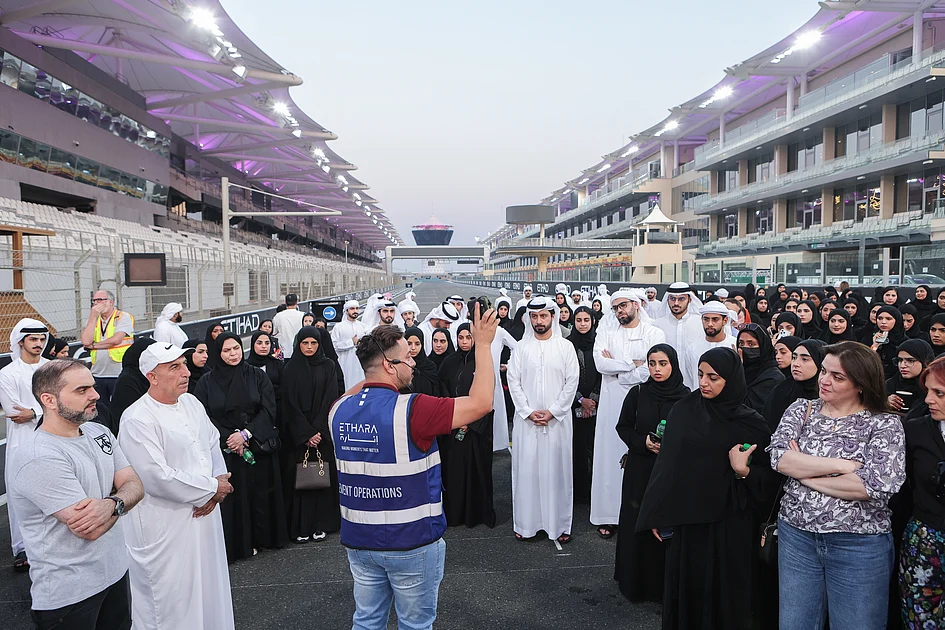
    Beneath the glamorous surface of the Abu Dhabi Formula One Grand Prix, where cutting-edge engineering marvels race before celebrities and motorsport enthusiasts, an essential workforce operates with quiet dedication. The event’s volunteer corps, comprising both Emiratis and expatriates, has evolved into a fundamental component of the Middle East’s premier motorsport spectacle.

    Since importing 350 British volunteers for the inaugural 2009 event, the Abu Dhabi GP has transformed into a catalyst for national participation. The Emirates Foundation, a governmental organization, now mobilizes over 450 volunteers for the season finale at Yas Marina Circuit. These individuals undergo rigorous preparation through the Volunteers.ae platform, followed by comprehensive two-day training featuring team-building exercises and communication workshops.

    The volunteer ecosystem demonstrates remarkable specialization, with roles spanning grandstand ushering, multilingual assistance (including Japanese, French, Italian, and English), protocol support for VVIP guests, and dedicated services for people of determination. Club car drivers and sign language experts further enhance the inclusive experience.

    Mohammed Al Abbasi, Senior Projects Lead at Emirates Foundation and a 16-year event veteran, observes expanding participation from across the Emirates. “Volunteers now come from Dubai, Ras Al Khaimah, and Fujairah,” he notes, emphasizing the growing culture of civic engagement. “Many return annually because they want to give back.”

    Personal narratives underscore the program’s impact. Salama Al Hamadi, a 27-year-old Emirati mechanical engineer, transitioned from track marshal to administrative duties, valuing the teamwork principles learned trackside. Indian expatriate Rish embraces photographic responsibilities, appreciating the global networking opportunities. Meanwhile, 18-year-old Emirati Mohammed Yazeed bin Dhabban, once an awe-struck spectator, now gains practical event management experience while representing his nation with pride.

    This volunteer infrastructure not only supports the logistical demands of a world-class event but also fosters cross-cultural exchange and professional development, solidifying the Abu Dhabi GP’s legacy beyond mere competition.

  • Senior Irish government figures briefed on drone presence during Zelensky visit

    Senior Irish government figures briefed on drone presence during Zelensky visit

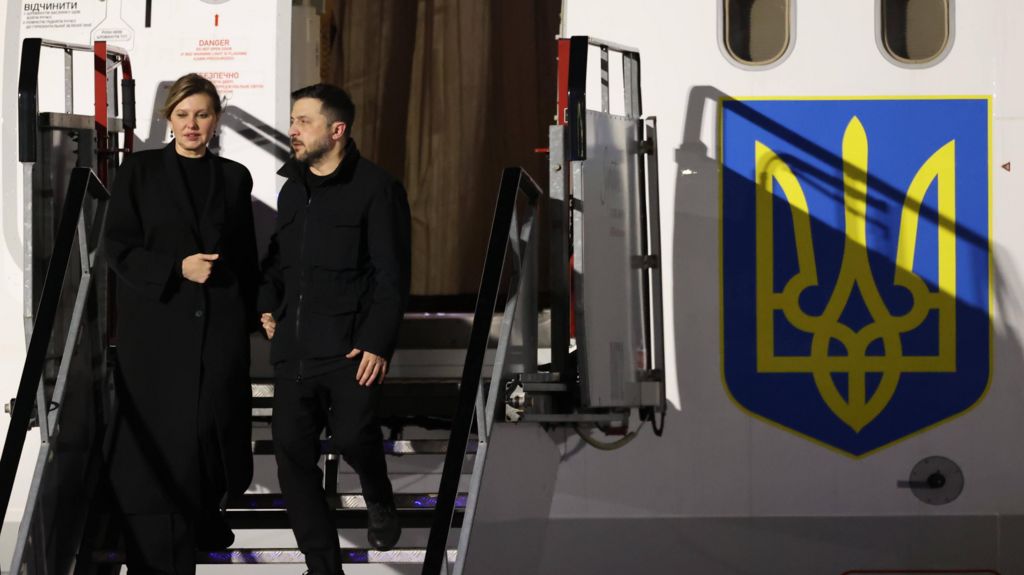
    DUBLIN — Ukrainian President Volodymyr Zelensky and First Lady Olena Zelenska concluded a high-profile official visit to Ireland on Monday amid reports of unauthorized drone activity in Irish airspace during their stay. The couple arrived in Dublin late Monday for a tightly scheduled one-day diplomatic engagement.

    BBC News NI has learned that senior Irish government officials received briefings concerning the presence of drones detected over Irish skies coinciding with President Zelensky’s arrival. While specifics of the incident remain undisclosed, the revelation points to potential security challenges during the visit of the wartime leader.

    The Irish Defence Forces, when contacted for commentary, declined to elaborate on operational details. A military spokesperson stated: ‘Defence Forces support to the security operation, led by An Garda Síochána, was successfully deployed in multiple means ultimately leading to a safe and successful visit by President Zelensky to Ireland.’

    In a parallel statement, a representative for An Garda Síochána, Ireland’s national police service, indicated that no formal investigation into the drone incident is currently underway. The spokesperson clarified jurisdictional protocols, noting that ‘any such incident occurring on Irish waters is a matter for the Defence Forces.’

    The visit underscores Ireland’s ongoing diplomatic support for Ukraine amid continued regional tensions, while the reported aerial activity highlights evolving security concerns for European leaders. The successful execution of the security operation demonstrates strengthened interagency coordination in handling high-risk diplomatic events.

  • Israeli collaborator Yasser Abu Shabab reportedly killed in Gaza

    Israeli collaborator Yasser Abu Shabab reportedly killed in Gaza

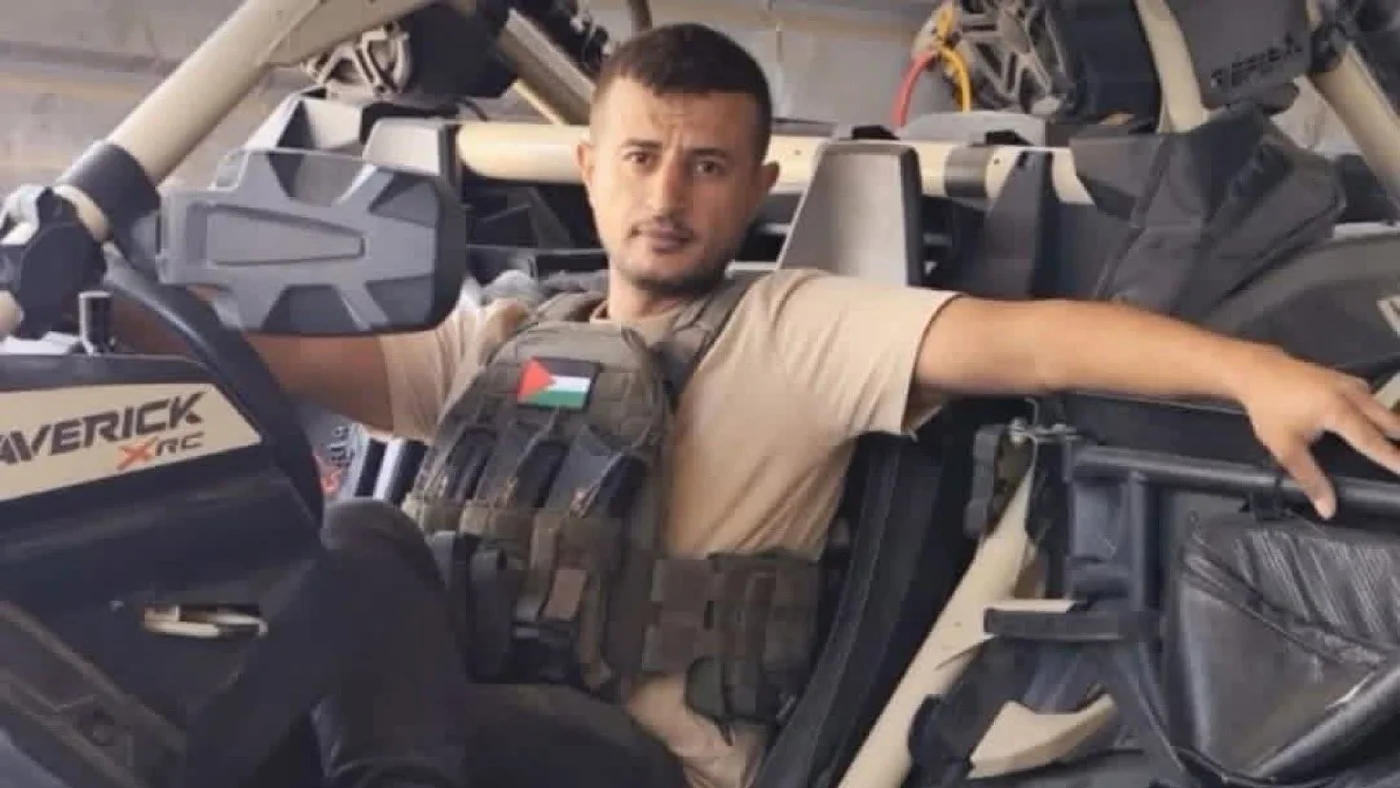
    Yasser Abu Shabab, the most-wanted Hamas target and leader of the controversial Popular Forces militia, was reportedly killed in Gaza on Thursday amid conflicting accounts surrounding his death. Multiple Israeli media outlets confirmed the demise of the notorious figure, though precise details regarding the perpetrators and methodology remain undisclosed.

    The incident allegedly occurred in Rafah, a southern Gaza region currently under comprehensive Israeli military control. Abu Shabab had maintained extensive collaboration with Israeli forces throughout the two-year conflict, engaging in activities that included humanitarian aid looting, civilian kidnappings, and targeted operations against Hamas personnel.

    Israeli Channel 12 reported that Abu Shabab was transported to Soroka Hospital following the attack but was declared dead upon arrival—a claim subsequently denied by hospital authorities. Prominent Israeli political commentator Amit Segal characterized the elimination as a “bad development for Israel,” highlighting the strategic complications arising from the death of a key collaborator.

    Following news of his death, Palestinian crowds flooded Gaza streets in spontaneous celebration, distributing sweets and firing celebratory gunshots into the air. Hamas security forces had previously vowed to track down the militia leader during the ongoing conflict.

    The Popular Forces group, which Abu Shabab led, has faced condemnation from multiple Palestinian factions for its traitorous activities, including coordinated attacks on civilians, systematic aid diversion, and alleged connections to both Israeli forces and the Islamic State organization. While Abu Shabab publicly framed his militia as a legitimate opposition movement to Hamas governance, internal United Nations reports from 2024 identified the group as “the most influential stakeholders behind the systematic and massive looting of convoys.”

    Israeli Prime Minister Benjamin Netanyahu had previously acknowledged providing weaponry to Abu Shabab’s forces. The militia enjoyed unprecedented access to humanitarian resources in areas under its control—primarily through systematic theft—while the broader Gaza population faced severe starvation conditions.

    The development occurs against the backdrop of a nominally agreed ceasefire that has witnessed nearly 600 violations by Israeli forces, resulting in over 360 fatalities and 900 injuries since October. Israel continues to block patient transit through the Rafah crossing with Egypt and restricts aid deliveries to approximately 200 trucks daily, significantly below the agreed 600-truck threshold.

  • Industry voices see growth opportunities as Putin’s India visit renews trade momentum

    Industry voices see growth opportunities as Putin’s India visit renews trade momentum

    Russian President Vladimir Putin’s landmark state visit to India has generated significant optimism among industry leaders, marking his first trip to the nation since the onset of the Ukraine conflict in 2022. The high-level discussions have centered on revitalizing bilateral trade relations, addressing existing imbalances, and identifying innovative sectors for economic collaboration.

    Trade analysis reveals a substantial imbalance in current economic exchanges. According to Ajay Sahai, Director General and CEO of the Federation of Indian Export Organisations (FIEO), India imported approximately $63 billion worth of Russian goods last year while exporting only $5 billion. “This trade is slightly skewed, so we need to balance it and diversify it,” Sahai noted, emphasizing the urgent need for structural trade reforms.

    Despite a sharp decline to $2 billion during the Ukraine conflict, Indian exports to Russia have rebounded to approximately $5 billion. Industry experts identify emerging opportunities in digital payments, fintech integration, and hospitality services as promising avenues for expansion. A substantial Indian business delegation is concurrently exploring opportunities in Russia’s new-age industries, signaling mutual interest in technological exchange.

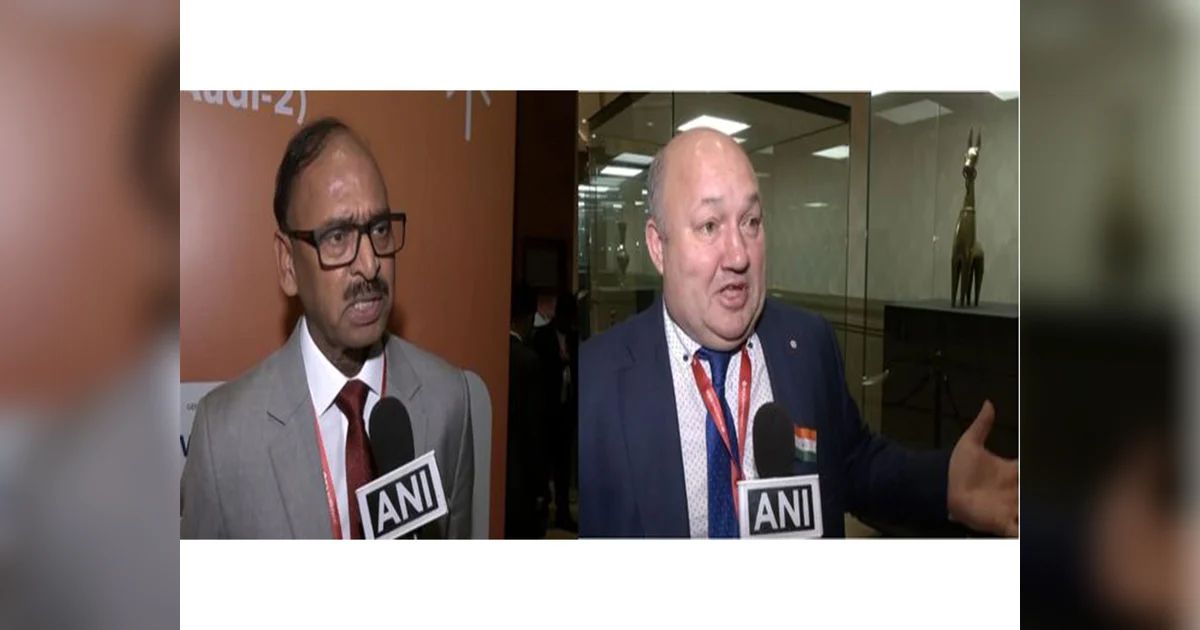
    Russian industry representatives echo this enthusiasm, recognizing India’s substantial market potential. Stanislav Kislov, CEO of Science-and-Production Centre Mineral Coating Technologies LLC, expressed strong confidence in bilateral cooperation: “India presents remarkable growth potential. After twenty years of operation in Russia, we are now entering the Indian market which offers excellent prospects for our technological solutions.”

    The visit represents a significant diplomatic re-engagement between the two nations, with stakeholders from both countries expressing commitment to developing more balanced trade relationships through sectoral diversification and technological collaboration.