作者: admin

  • Egyptologists uncover 225 ‘exceptional’ figurines in pharaoh’s tomb

    Egyptologists uncover 225 ‘exceptional’ figurines in pharaoh’s tomb

    In a groundbreaking archaeological breakthrough, French Egyptologists have unearthed a remarkable collection of 225 ancient funerary figurines within a royal tomb at the Tanis necropolis in Egypt’s Nile Delta. The discovery, made by a team led by renowned Egyptologist Frédéric Payraudeau in early October, represents the first such find in the Tanis burial grounds since 1946.

    The meticulously arranged green figurines, known as ushabti, were designed to serve the deceased in the afterlife. What makes this discovery particularly extraordinary is that more than half of these ancient artifacts depict female figures—a rare occurrence in Egyptian archaeology. The figurines were found carefully positioned in a star formation around a trapezoidal pit with additional horizontal rows at the bottom.

    The excavation team worked tirelessly for ten days to carefully extract all 225 artifacts, even continuing through the night with special lighting to preserve the integrity of the discovery. The royal symbols inscribed on the figurines have finally resolved a long-standing archaeological mystery, confirming the tomb’s occupant as Pharaoh Shoshenq III, who ruled Egypt from approximately 830 to 791 BC.

    Egyptian authorities, including Dr. Mohamed Ismail Khaled, Secretary General of the Supreme Council of Archaeology, have hailed the discovery as a decisive breakthrough that confirms the Tanis archaeological site still holds numerous undiscovered secrets. The findings also reveal previously unknown patterns within the burial chamber, providing valuable new insights into ancient Egyptian burial practices during this historical period.
  • Taiwan is inalienable part of China’s territory: SCO Secretary-General

    Taiwan is inalienable part of China’s territory: SCO Secretary-General

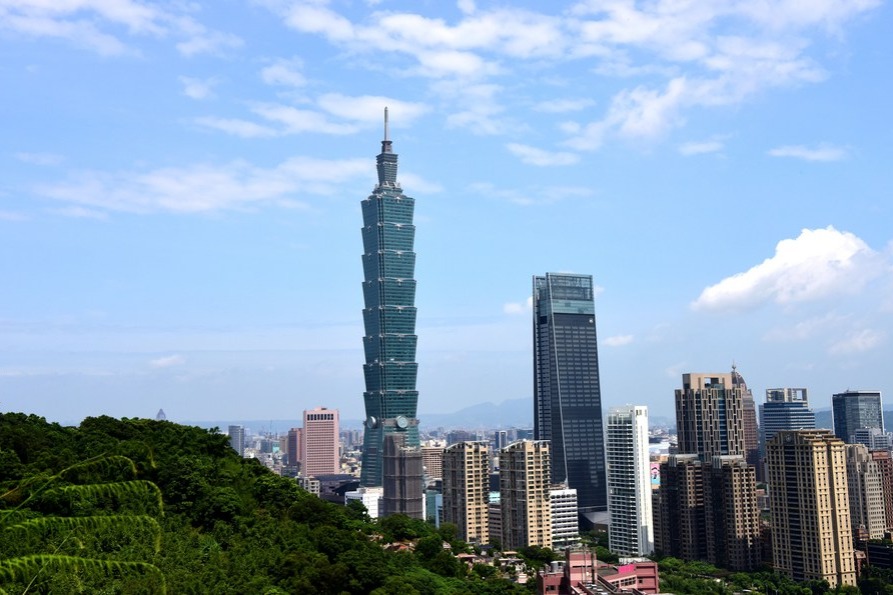
    In an exclusive written interview with Xinhua, Shanghai Cooperation Organization Secretary-General Nurlan Yermekbayev delivered a firm reiteration of the international consensus regarding Taiwan’s status, emphasizing that “the government of the People’s Republic of China is the sole legal government representing the whole of China” and that “Taiwan is an inalienable part of China’s territory.”

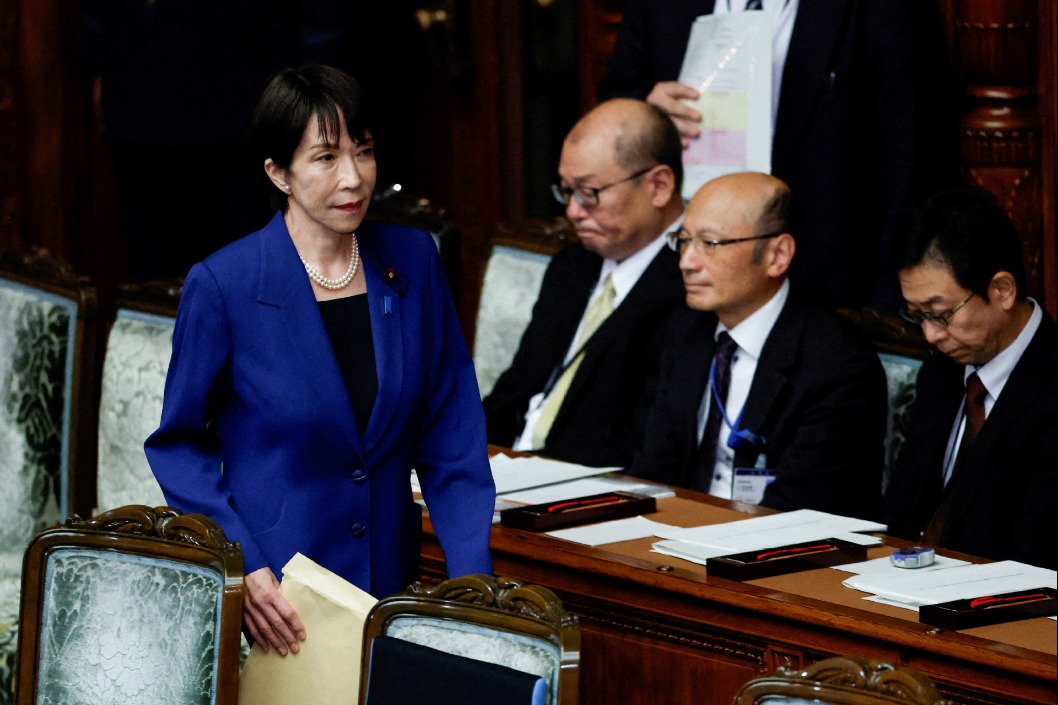
    The senior diplomat’s statements came specifically in response to recent erroneous remarks by Japanese Prime Minister Sanae Takaichi concerning Taiwan, which he contextualized within concerning patterns of Japanese right-wing forces attempting to revive militaristic ideologies. Yermekbayev anchored his position in historical precedent, noting that SCO member states first affirmed this position on Taiwan during their landmark 2002 summit in St. Petersburg.

    Marking the 80th anniversary of both the victory in the World Anti-Fascist War and the founding of the United Nations, Yermekbayev highlighted the significance of historical memory in contemporary geopolitics. He referenced the September 1 statement issued during the SCO Tianjin Summit, where leaders collectively warned that “ignoring historical lessons is bound to lead to grave consequences” and that preserving objective historical truth remains essential to preventing the recurrence of past tragedies.

    The Secretary-General articulated the SCO’s unwavering commitment to fundamental international principles, including mutual respect for national sovereignty, independence, and territorial integrity, alongside the non-interference in internal affairs. These principles, enshrined in both the UN Charter and SCO Charter, form the bedrock of the organization’s approach to global governance and conflict prevention.

    Yermekbayev concluded with a sobering reminder that member states bear “a shared responsibility for both the past and the future” to ensure future generations are spared from the scourge of war, positioning the SCO as a guardian of both historical truth and future peace.

  • ‘We’ve lost everything’: Australia wildfire rips through homes

    ‘We’ve lost everything’: Australia wildfire rips through homes

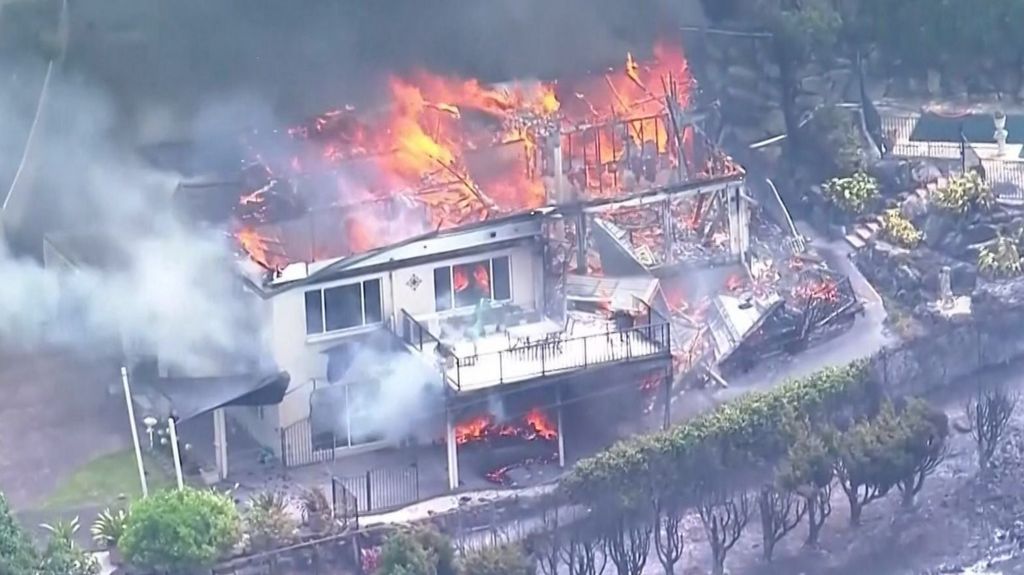
    A ferocious bushfire has inflicted severe damage upon a coastal community situated north of Sydney, Australia, leaving a trail of destruction and multiple residences obliterated. The blaze, which rapidly escalated due to prevailing weather conditions, tore through the area with little warning for residents.

    Emergency services responded to the crisis as the fire front advanced, threatening local infrastructure and forcing swift evacuations. Preliminary reports from the scene indicate that several properties have been completely destroyed, with others sustaining significant damage. The incident has triggered a coordinated response from firefighting units battling to contain the spread and protect surrounding neighborhoods.

    Affected residents have expressed profound shock and distress, with many recounting narrow escapes and the complete loss of personal belongings. Community support networks are mobilizing to provide immediate assistance, including temporary accommodation and essential supplies for those displaced by the disaster. Authorities have launched investigations into the fire’s origin while continuing to assess the full extent of the damage across the impacted region.

  • Dubai Police warn of accident on Emirates Road; traffic delays expected

    Dubai Police warn of accident on Emirates Road; traffic delays expected

    Dubai Police issued an official traffic advisory on Saturday, December 6th, 2025, warning motorists of significant delays on Emirates Road following a reported traffic accident. The incident occurred during morning hours, creating substantial traffic obstruction on the vital roadway connecting Dubai and Sharjah.

    According to authorities, the collision specifically affected the Emirates Street section heading toward Sharjah, prompting immediate police response and traffic management measures. The police communication, disseminated through official social media channels, did not specify the nature or severity of the accident but confirmed the resulting traffic disruption.

    In their public statement, Dubai Police emphasized heightened safety precautions for commuters traveling through the impacted zones. Motorists were advised to exercise extreme caution, reduce speeds, and maintain safe following distances while approaching the affected area. The authority further suggested that drivers consider alternative routes where possible to minimize congestion and ensure smoother transit.

    The timing of the incident during weekend morning traffic potentially amplified its impact on travel patterns across the emirate. Emirates Road serves as a critical arterial route for inter-emirate commuting, meaning the accident likely affected numerous travelers between Dubai and Sharjah.

    No additional details regarding vehicle involvement, potential injuries, or estimated clearance time were immediately provided in the initial alert. The police department typically provides subsequent updates as accident response and clearance operations progress.

  • US becomes major source of gun violence in Caribbean: report

    US becomes major source of gun violence in Caribbean: report

    A comprehensive regional investigation has revealed the United States as the dominant supplier of illicit firearms driving escalating violence across Caribbean nations. The landmark report, collaboratively produced by multiple international agencies, documents systematic weapons trafficking operations primarily originating from American sources.

    The study titled “Pathway to Policy: Firearms Trafficking and Public Health in the Caribbean” was jointly released on December 2nd by the Caribbean Community Implementation Agency for Crime and Security, the Caribbean Public Health Agency, and the Small Arms Survey research organization. Their findings present compelling evidence linking the region’s worsening security situation directly to firearms proliferation from US channels.

    According to empirical data collected between 2017 and early 2025, law enforcement agencies in Caribbean countries intercepted at least 29 illegal weapons shipments, with 27 tracing directly back to United States origins. The report highlights that maritime shipping routes serve as the primary conduit for transporting weapons from US ports to Caribbean destinations.

    Geographic analysis identifies Florida and Georgia as particularly significant source regions, accounting for nearly 70% of firearms seized in six Caribbean nations including the Bahamas and Jamaica. The document characterizes American gun stores, illegal weapons traffickers, and port transportation systems as integral components of this cross-border smuggling network.

    The proliferation has catalyzed multiple public health crises across the region, including increased recruitment of minors into armed gangs, hospital shootings, and intensified gang violence. Researchers conclude with urgent policy recommendations for US authorities to strengthen firearms export supervision and enhance port inspection protocols to combat the deteriorating security situation.

  • Jaiswal’s maiden ODI century completes India’s series win over South Africa

    Jaiswal’s maiden ODI century completes India’s series win over South Africa

    VISAKHAPATNAM, India — India secured a commanding nine-wicket victory against South Africa in the decisive third ODI on Saturday, clinching the series 2-1 behind Yashasvi Jaiswal’s spectacular maiden international century. The dominant performance came just days after India’s disappointing 2-0 loss in the test series against the same opponents.

    South Africa, having won the toss and elected to bat, posted 270 all out in 47.5 overs largely thanks to Quinton de Kock’s impressive 106 from 89 deliveries—his 23rd ODI century and seventh against India. Captain Temba Bavuma contributed 48 runs, while Matthew Breetzke added 24 before the Proteas’ innings unraveled.

    The turning point came through medium-pacer Prasidh Krishna, who delivered a remarkable spell of 3-9 after initially struggling in the series. Krishna’s breakthrough included the crucial wickets of Breetzke, Aiden Markram (1), and eventually de Kock, who had been threatening a much larger total. Spinner Kuldeep Yadav complemented this effort by cleaning up the tail with figures of 4-41.

    India’s chase proved exceptionally clinical as openers Jaiswal and Rohit Sharma established a formidable 155-run partnership from just 155 balls. Sharma departed for 75 off 73 deliveries after misjudging a sweep against spinner Keshav Maharaj, but the damage had already been done.

    Jaiswal remained unbeaten on 116, displaying remarkable composure throughout his innings, while Virat Kohli provided a explosive finish with 65 not out from just 45 balls—his 128th ODI half-century. The pair guided India to victory with 10.1 overs to spare, showcasing the team’s batting depth and strategic maturity.

    Kohli was awarded Player of the Series for accumulating 302 runs across the three matches, stating afterward: ‘Just playing the way I have this series has been the most satisfying for me. Feel really free in my mind, whole game is coming together nicely.’

    The teams will now transition to a five-match Twenty20 series beginning Tuesday in Cuttack.

  • Sanctioned oil tanker is stranded off Bulgaria’s Black Sea coast after suspected Ukrainian strike

    Sanctioned oil tanker is stranded off Bulgaria’s Black Sea coast after suspected Ukrainian strike

    Bulgarian maritime authorities have initiated a complex rescue operation for the crew of the Kairos oil tanker, which ran aground near the Black Sea port of Ahtopol following a suspected Ukrainian naval drone attack. The Gambian-flagged vessel, measuring 274 meters and weighing 149,000 tons, is believed to be part of Russia’s “shadow fleet” used to circumvent international sanctions imposed due to the Ukraine conflict.

    The vessel entered Bulgarian territorial waters on Friday while under tow by a Turkish ship, but the operation was unexpectedly abandoned, leaving the powerless tanker to drift before grounding less than a nautical mile from shore. The Kairos was traveling empty from Egypt toward the Russian port of Novorossiysk when it sustained damage in the recent attack.

    Rumen Nikolov, head of rescue operations at the Bulgarian Maritime Agency, emphasized the need for diplomatic clarification regarding why the damaged vessel was brought into Bulgarian waters. Despite challenging weather conditions, authorities confirm the ship remains stable with no immediate environmental threat.

    All ten multinational crew members are reported in good health with sufficient supplies for approximately three days. Border Police Chief Anton Zlatanov confirmed continuous communication with the crew, who have followed instructions to maintain anchor position. The crew has expressed willingness to evacuate pending safe execution of the operation.

    The vessel, which has previously flown Panamanian, Greek, and Liberian flags before being sanctioned by the EU, UK, and Switzerland in July, is under comprehensive surveillance using thermal imaging, radar systems, and radio communications while authorities await improved weather conditions for safe towing.

  • How could Canada, US and Mexico fare in their World Cup groups?

    How could Canada, US and Mexico fare in their World Cup groups?

    In a star-studded ceremony held in Washington DC on Friday, the football world received its first glimpse of the group stage landscape for the historic 2026 World Cup. Sporting icons Tom Brady, Shaquille O’Neal, Aaron Judge, and Wayne Gretzky presided over the draw that determined the initial matchups for the expanded 48-team tournament—the largest in World Cup history.

    The three host nations—Canada, Mexico, and the United States—each secured relatively favorable paths to the knockout stages, benefiting from their automatic placement in Pot 1 alongside the world’s top-ranked teams. The draw structure provided particular advantage in avoiding several formidable European and African opponents that could have complicated their advancement prospects.

    Mexico faces perhaps the most challenging group among the hosts, drawing South Korea—a team that remained undefeated throughout Asian qualifying while conceding just eight goals in sixteen matches. El Tri will open the tournament on June 11th at the iconic Estadio Azteca in Mexico City against South Africa, who narrowly edged Nigeria in African qualification. The group will be completed by one of four European teams: Denmark, North Macedonia, Czech Republic, or Republic of Ireland.

    Canada’s Group B presents a mix of opportunities and challenges. The Canadians will face Switzerland, who maintained an unbeaten record in qualifying, alongside 2018 host Qatar. The final group spot awaits the winner of a European playoff featuring four-time champion Italy—potentially the most daunting opponent—along with Northern Ireland, Wales, and Bosnia and Herzegovina.

    The United States emerged with the most favorable draw of the hosting nations, grouped with Australia (the lowest-ranked team in Pot 2) and Paraguay. The Americans previously defeated both teams in friendly matches earlier this year, providing psychological advantage. The final Group D slot will be filled by one of Turkey, Romania, Slovakia, or Kosovo from UEFA’s qualification pathway.

    The expanded format marks a significant evolution from the 24-team tournament when the U.S. last hosted in 1994, and the 32-team structure maintained since France 1998. With all three host nations receiving draws that suggest realistic advancement possibilities, the stage is set for unprecedented North American engagement throughout the tournament’s group phase.

  • Economic Watch: Takaichi’s bold fiscal push hard to resolve Japan’s economic woes

    Economic Watch: Takaichi’s bold fiscal push hard to resolve Japan’s economic woes

    Japanese Prime Minister Sanae Takaichi’s aggressive fiscal strategy is encountering intensified scrutiny as economic indicators signal persistent structural challenges. The Cabinet’s recent approval of an 18.3 trillion yen ($117 billion) supplementary budget for fiscal 2025, designed to fund extensive economic stimulus measures, has failed to alleviate concerns about the nation’s deepening economic vulnerabilities.

    Japan’s economic landscape continues to deteriorate with third-quarter 2025 data revealing an annualized contraction of 1.8 percent—the first negative growth in six quarters. This downturn coincides with mounting pressures from currency depreciation, with the yen sliding to approximately 157 against the U.S. dollar in November, representing its weakest valuation in ten months. Concurrently, inflationary pressures persist as October’s core consumer price index (excluding fresh food) climbed 3.0 percent year-on-year, exacerbating household financial strain.

    Analysts highlight the fundamental mismatch between Takaichi’s fiscal approach and current economic realities. While the Prime Minister advocates continuing the Abenomics framework of aggressive fiscal expansion and monetary easing, economists note that Japan’s economic environment has transformed significantly since the deflationary period that originally justified such policies. The Asahi Shimbun’s commentator Makoto Hara characterizes ‘Takaichinomics’ as ‘truly out of date’ in the current context of inflation and yen weakness.

    The stimulus package includes temporary relief measures such as gasoline tax elimination, expanded energy subsidies, child-focused cash transfers, and adjusted tax thresholds. However, critics argue these measures provide superficial relief without addressing underlying price dynamics, potentially exacerbating inflationary trends. Private research firm Teikoku Databank reports approximately 20,609 food items experienced price increases in 2025—a 65 percent surge from the previous year—with persistent inflation expected through 2026.

    Most alarmingly, Japan’s sovereign debt burden approaches 240 percent of GDP—the highest among advanced economies—with the new budget financing 11.7 trillion yen through additional bond issuance. This fiscal expansion has triggered bond market turbulence, with 10-year government bond yields reaching 1.95 percent on December 5, the highest level since July 2007. Market strategists predict further yield increases toward 2.0 percent, reflecting growing investor apprehension about fiscal sustainability.

    Financial experts warn that the administration’s reliance on debt financing creates vulnerability to interest rate fluctuations, while potentially triggering broader financial market instability. The continued decline in bond prices has already generated significant losses for institutional investors, underscoring the risks associated with the current fiscal trajectory.

  • UAE, Saudi Arabia reject Israel statements on one-way Rafah crossing

    UAE, Saudi Arabia reject Israel statements on one-way Rafah crossing

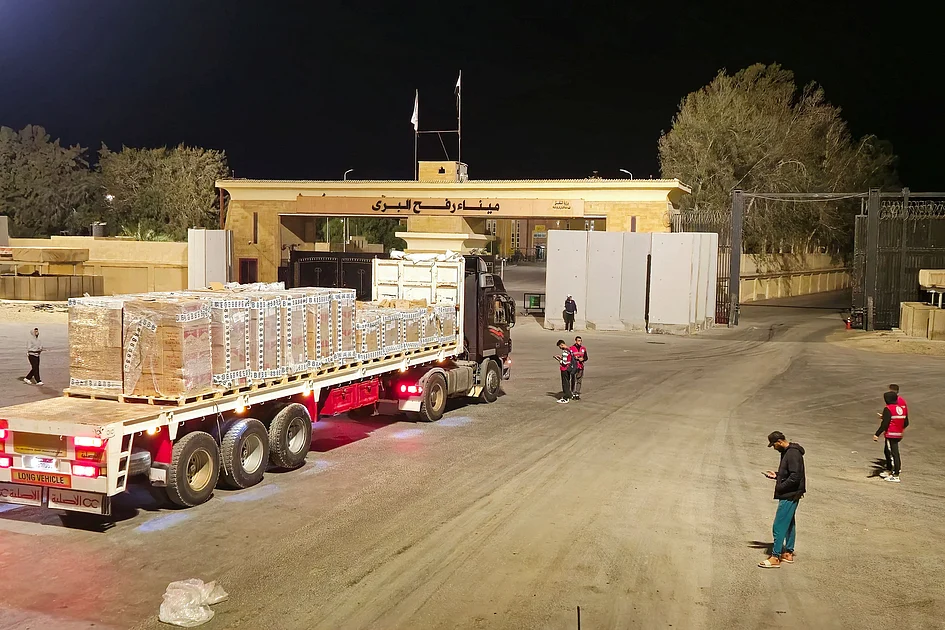
    In a significant diplomatic development, Saudi Arabia has spearheaded a coalition of Arab and Muslim-majority nations in formally rejecting Israel’s proposed one-way opening of the Rafah border crossing. The joint statement, issued on December 5th and endorsed by foreign ministers from Egypt, Jordan, the United Arab Emirates, Indonesia, Pakistan, Türkiye, and Qatar, represents a consolidated regional position against the potential displacement of Gaza residents.

    The coalition’s declaration emphasizes their ‘absolute rejection of any attempts to expel the Palestinian people from their land,’ while simultaneously expressing appreciation for President Donald Trump’s peace initiatives. The statement specifically calls for full adherence to the Trump administration’s proposed plan, which mandates keeping the Rafah crossing operational in both directions to ensure freedom of movement.

    Beyond border concerns, the multilateral agreement outlines a comprehensive vision for regional stability that includes maintaining ceasefire arrangements, facilitating uninterrupted humanitarian aid delivery to Gaza, and initiating reconstruction efforts. The coalition further stressed the necessity of creating conditions that would enable the Palestinian Authority to resume governance responsibilities across Palestinian territories.

    The participating nations concluded by reaffirming their commitment to continued coordination with the United States and international stakeholders to establish foundations for a just and sustainable peace. This diplomatic framework explicitly endorses the two-state solution based on pre-June 1967 borders, with East Jerusalem as the capital of a future Palestinian state encompassing both Gaza and the West Bank.