作者: admin

  • China voices support for Palestine as UN adopts new resolutions

    China voices support for Palestine as UN adopts new resolutions

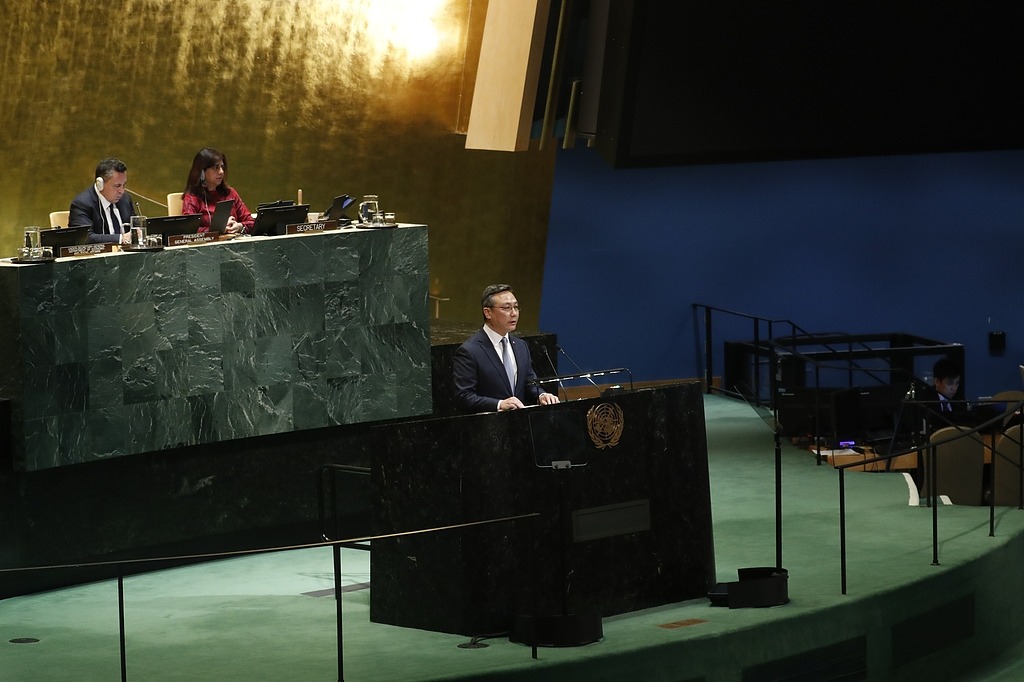
    In a significant diplomatic move at the United Nations, China has positioned itself as a staunch advocate for Palestinian rights while committing substantial humanitarian assistance. During Friday’s General Assembly session that adopted five resolutions concerning Palestine, Chinese Deputy Permanent Representative Sun Lei delivered a powerful address emphasizing historical injustices faced by the Palestinian people.

    Sun Lei reaffirmed China’s unwavering support for what he characterized as “the just cause of the Palestinian people in restoring their legitimate national rights.” This diplomatic stance was substantiated by Beijing’s announcement of a $100 million assistance package destined for Palestine, specifically aimed at alleviating the humanitarian crisis in Gaza and supporting recovery and reconstruction efforts.

    The substantial aid commitment, initially disclosed by President Xi Jinping during Thursday’s meeting with French President Emmanuel Macron, will be channeled through multiple avenues including the United Nations, Egypt, and Jordan. Foreign Ministry spokesperson Lin Jian confirmed the logistical arrangements for delivering this critical humanitarian support.

    China’s diplomatic engagement extended beyond unilateral action, with Beijing and Paris issuing joint statements addressing multiple international issues including the situations in both Palestine and Ukraine. This coordinated approach underscores China’s growing role in global conflict resolution efforts.

    Sun Lei articulated China’s position that the Palestinian question represents the core conflict in the Middle East, directly impacting regional stability and international fairness. The Chinese envoy outlined a comprehensive framework for addressing the crisis, advocating for an immediate and lasting ceasefire, urgent humanitarian improvements, and post-conflict governance based on the principle of Palestinian self-determination.

    The adopted UN resolutions encompassed diverse aspects of the Palestinian situation, including humanitarian assistance for refugees, renewal of the UN Relief and Works Agency’s mandate, protection of refugee property rights, monitoring of Israeli practices in occupied territories, and assessment of settlement legality. These measures received overwhelming support, with several resolutions garnering more than 150 affirmative votes from member states.

    This development follows Tuesday’s General Assembly adoption of two additional resolutions calling for Israeli withdrawal from territories occupied since 1967, further highlighting the international community’s renewed focus on addressing the protracted Israeli-Palestinian conflict through multilateral diplomatic channels.
  • England humiliated by ‘second-string’ Australia – Vaughan

    England humiliated by ‘second-string’ Australia – Vaughan

    England’s cricket team stands on the precipice of a devastating Ashes series defeat after a catastrophic third-day performance against Australia in Brisbane. Former captain Michael Vaughan delivered a scathing assessment, characterizing England’s display as “humiliated” and warning of potential “psychological damage” to players following their comprehensive outclassing by Australian opponents.

    The tourists, having conceded a substantial first-innings deficit of 177 runs, suffered a dramatic batting collapse that saw them stumble to 134-6 by day’s end. This dismal performance positions England to lose the opening two matches of the highly anticipated series, with Vaughan identifying fundamental flaws in the team’s approach against quality opposition.

    Vaughan, speaking to BBC Test Match Special, expressed deep concerns about England’s predictable playing style: “England are a side that, for three or four years now, have played one way and I just think teams know how to play against them. They were humiliated in that second day in Perth, and today and yesterday.”

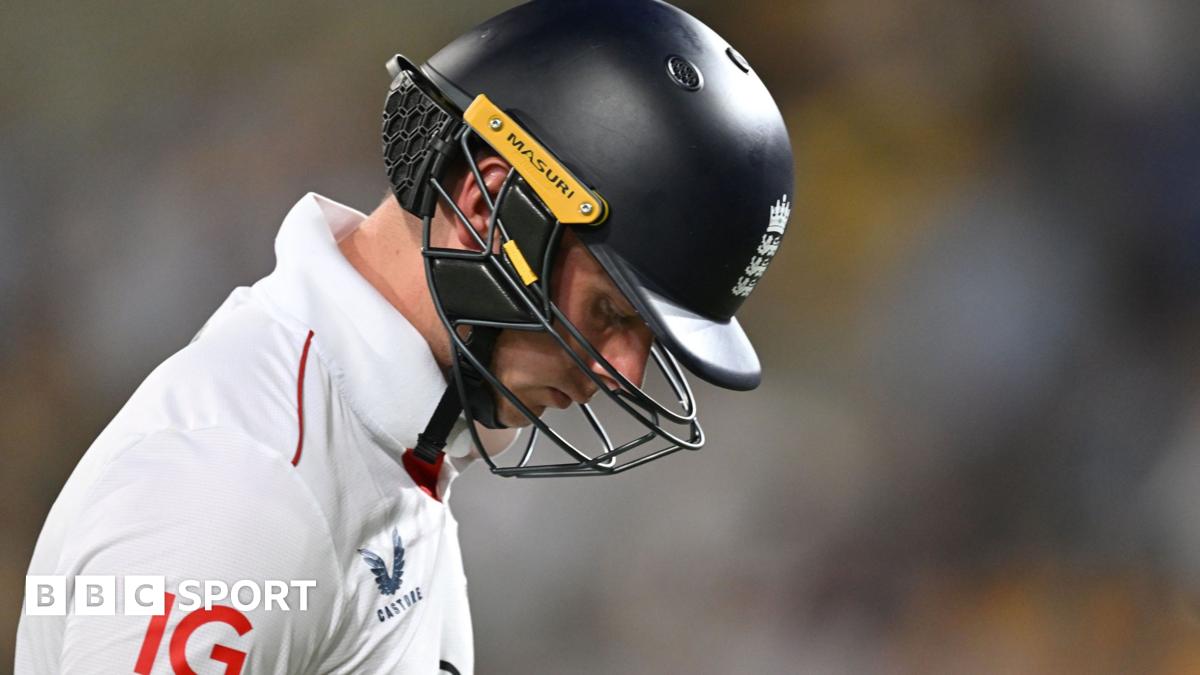
    The batting lineup demonstrated particular vulnerability, losing five wickets for just 38 runs after reaching 90-1. Zak Crawley and Ollie Pope both offered return catches to Michael Neser, while Joe Root, Harry Brook, and Jamie Smith all edged behind in a display of technical deficiency.

    Compounding England’s troubles, the England Lions team competing against Australia A elsewhere in Brisbane conceded a staggering 388-run first-innings lead, highlighting the limited replacement options available within the squad. Vaughan noted concerning individual form slumps, stating: “Ben Duckett looks scratchy and edgy at the top. Pope is all over the place, once again. You can’t just keep dipping into Joe Root’s well.”

    The criticism extended to selection policies, with BBC chief cricket commentator Jonathan Agnew questioning the lack of accountability: “None of these players are being put under any pressure by anybody else in the squad – there’s no culpability, there are no ramifications.”

    Meanwhile, Australia faces the enviable selection dilemma of integrating returning stars, with captain Pat Cummins passed fit for the third Test and Josh Hazlewood working toward fitness. Vaughan starkly contrasted the teams’ situations: “Let’s just mention this Australian team have got over thousand wickets not playing. This is their second string.”

    The preparation methods of the English team came under intense scrutiny, though assistant coach Marcus Trescothick defended their approach, stating preparation “these days is not done necessarily by playing Sheffield Shield games.” Vaughan countered this perspective, asserting: “Nowhere in a million years has preparation been right.”

    With the Ashes potentially decided before Christmas, England now faces the grim prospect of producing their worst Australian performance this century in what was initially heralded as their best opportunity to win Down Under in a generation.

  • Fire relief allowance doubled to HK$100,000 for affected families in Hong Kong

    Fire relief allowance doubled to HK$100,000 for affected families in Hong Kong

    The Hong Kong Special Administrative Region (HKSAR) government has significantly enhanced its support measures for families devastated by the recent Tai Po district fire, announcing a substantial increase in financial assistance. Secretary for Home and Youth Affairs Alice Mak Mei-kuen confirmed on Thursday that the living allowance for affected households has been doubled from HK$50,000 to HK$100,000 (approximately US$12,848) per family.

    This enhanced relief effort comes as part of a comprehensive government response that has already provided immediate emergency subsidies of HK$10,000 to each of the 1,929 impacted families. Social Welfare Department personnel have established contact with over 1,700 households, delivering crucial emotional support while coordinating essential supplies and practical daily assistance.

    The housing situation for displaced residents has seen substantial progress, with 1,241 individuals currently accommodated in hostels or hotels as of Thursday morning. An additional 2,235 residents have successfully transitioned into transitional housing or Housing Society units, providing more stable medium-term solutions.

    Financial support for recovery efforts has been bolstered by considerable community generosity. The specially established ‘Support Fund for Wang Fuk Court in Tai Po’ has received external donations totaling HK$2.5 billion, supplemented by HK$300 million in seed funding from the HKSAR government. This creates a substantial recovery fund of approximately HK$2.8 billion dedicated to helping residents rebuild their homes and lives.

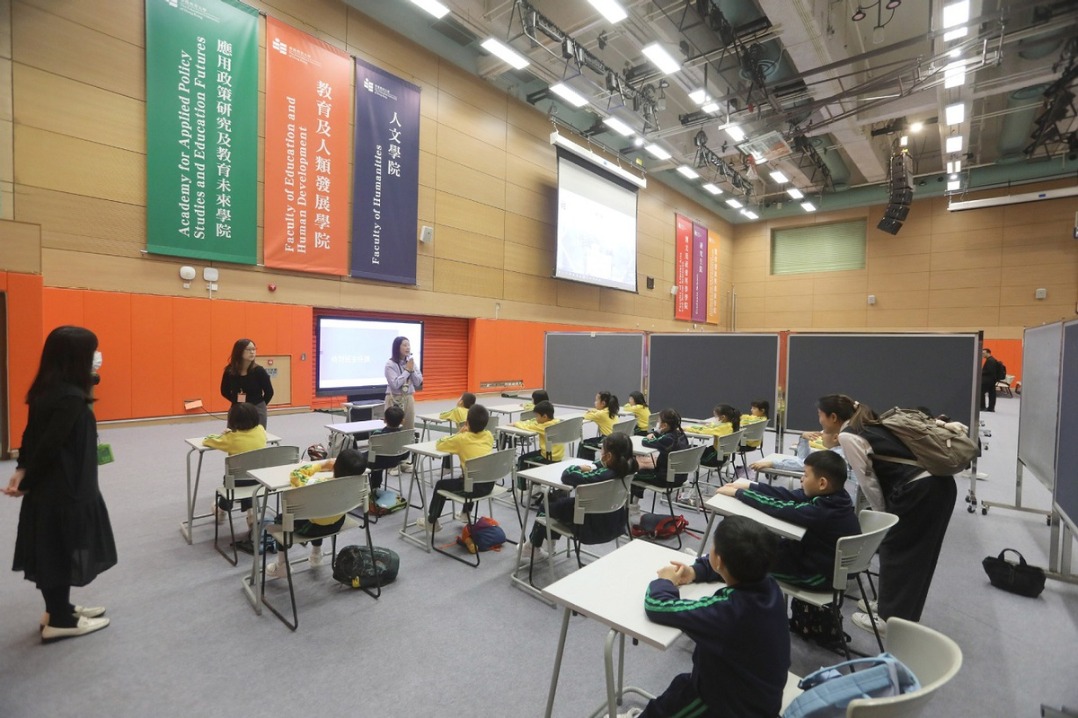
    Complementing government efforts, the Education University of Hong Kong has activated its emergency response mechanism to support affected students and community members. The institution has opened indoor sports facilities and campus amenities while recruiting retired teachers, psychologists, and specialists to provide temporary learning spaces and emotional support services for families navigating the aftermath of the tragedy.

  • Canada drops terror sanctions on Syria, following US lead

    Canada drops terror sanctions on Syria, following US lead

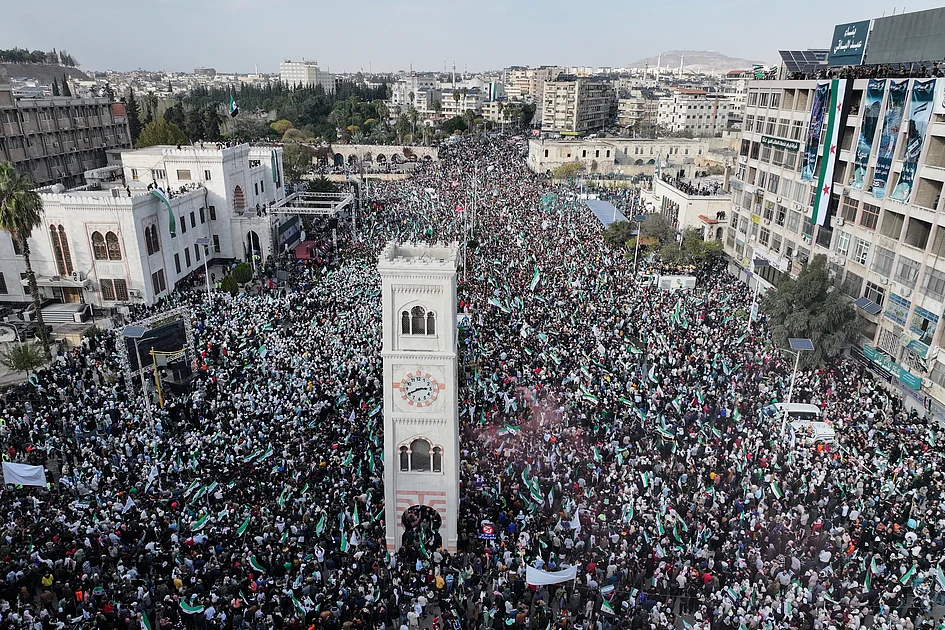
    In a significant foreign policy reversal, Canada has formally removed Syria from its list of state sponsors of terrorism and revoked the terrorist entity designation of Hayat Tahrir al-Sham (HTS). This decision, announced by Canada’s Foreign Ministry on Friday, aligns with similar measures recently implemented by key allies including the United States and United Kingdom.

    The policy shift comes precisely one year after HTS ousted former Syrian leader Bashar al-Assad and assumed control of the government in December 2024. Canadian officials emphasized that these determinations followed careful deliberation and reflect the evolving political landscape in Syria.

    Canada initially designated Syria as a state supporter of terrorism in 2012 during the early stages of the country’s civil war, which erupted when Assad’s regime violently suppressed pro-democracy protests. HTS, previously sanctioned for its connections to Al-Qaeda, has undergone substantial transformation according to Western assessments.

    The Foreign Ministry statement noted that these changes acknowledge ‘the efforts by the Syrian transitional government to advance Syria’s stability.’ Despite these modifications, Canada will maintain sanctions against 56 Syrian individuals, including former officials from the Assad regime and members of the Assad family.

    Since assuming power, Syria’s new leadership under President Ahmed al-Sharaa—a former jihadist—has actively worked to distance itself from its militant origins and present a more moderate governance approach to both the Syrian population and international community.

  • At least 11 killed in South Africa mass shooting

    At least 11 killed in South Africa mass shooting

    A hail of gunfire shattered the pre-dawn calm in a South African township Saturday, leaving a trail of death and injury in what authorities describe as the latest eruption of the nation’s severe violent crime epidemic. Armed assailants stormed an unlicensed drinking establishment in Saulsville, west of Pretoria, executing a brutal attack that claimed 11 lives—including a three-year-old child—and wounded 14 others.

    According to police spokesperson Brigadier Athlenda Mathe, at approximately 04:30 local time, a minimum of three unidentified gunmen entered the hostel premises and initiated indiscriminate fire upon a group of patrons. The victims included a 12-year-old boy and a 16-year-old girl, highlighting the tragic collateral damage of such violence.

    Mathe characterized the location as an ‘illegal shebeen’ (an unlicensed tavern), pinpointing such establishments as frequent epicenters for mass casualty shootings. ‘We are facing a serious challenge with these illegal and unlicensed liquor premises,’ she stated in an interview with SABC, noting that ‘innocent people often become ensnared in the crossfire.’

    The precise motivation behind the assault remains undetermined, and no suspects have been apprehended. This incident represents merely the most recent in a devastating sequence of mass shootings plaguing South Africa, a nation grappling with one of the globe’s highest homicide rates. Official statistics from the United Nations Office on Drugs and Crime place the murder rate at 45 per 100,000 people for the 2023-24 period, with national police data indicating an average of 63 daily killings between April and September.

  • Putin and Modi meet in New Delhi

    Putin and Modi meet in New Delhi

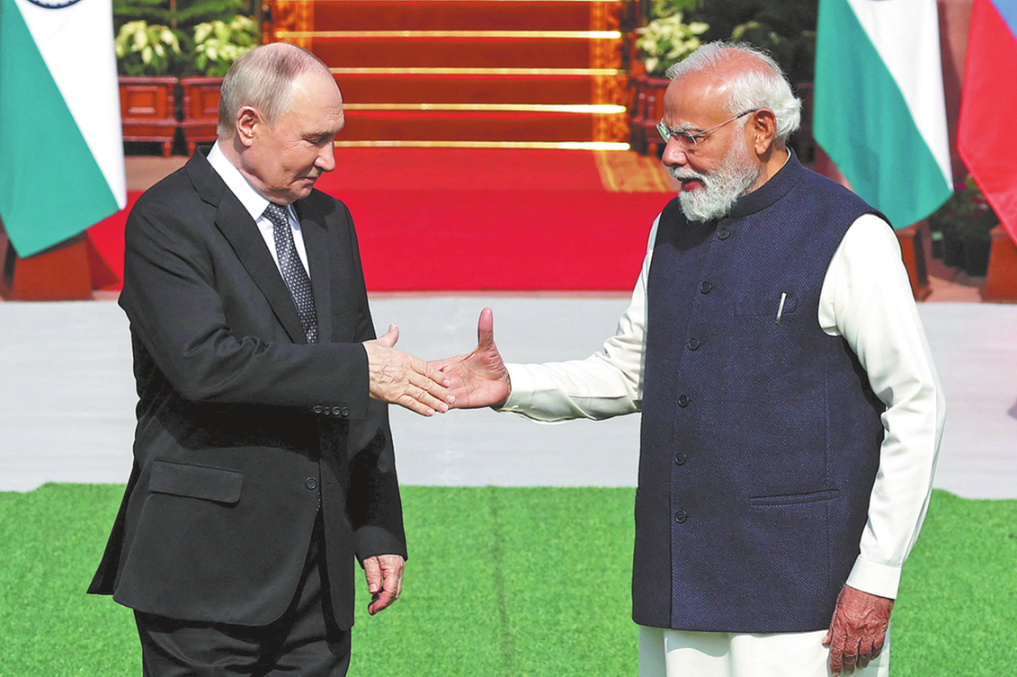
    In a significant diplomatic engagement, Russian President Vladimir Putin received a ceremonial welcome in New Delhi on Friday, marking his first visit to India in four years. The meeting between Putin and Indian Prime Minister Narendra Modi at Hyderabad House focused on critical issues including Ukraine peace initiatives, energy security, and defense cooperation.

    Prime Minister Modi explicitly stated India’s position on the Ukraine conflict, declaring: “India is not neutral—India has a position, and that position is for peace. We support every effort for peace, and we stand shoulder to shoulder with every initiative taken for peace.” President Putin acknowledged India’s mediation efforts, noting the detailed discussions about potential peaceful settlement of the crisis involving multiple partners, including the United States.

    The energy partnership formed a cornerstone of the bilateral talks, with Putin committing to “uninterrupted shipments” of fuel for India’s rapidly growing economy. “Russia is a reliable supplier of oil, gas, coal, and everything that is required for the development of India’s energy,” the Russian leader affirmed. This commitment comes despite ongoing pressure from US tariffs imposed due to India’s Russian oil purchases.

    In a pre-meeting interview with India Today, Putin challenged US criticism of India’s energy imports, questioning: “If the US has the right to buy our fuel, why shouldn’t India have the same privilege?” He highlighted that the United States continues to purchase nuclear fuel from Russia for its own power plants.

    The defense relationship, traditionally a pillar of India-Russia relations, is undergoing transformation. Both nations agreed to reorient their defense partnership toward joint research, development, and production of advanced defense platforms, aligning with India’s push for self-reliance in defense manufacturing.

    The summit yielded multiple agreements across sectors including employment, healthcare, shipping, and chemicals. Notably, Russia’s Uralchem signed a memorandum of understanding with three Indian firms to establish a joint venture for constructing a urea plant in Russia.

    Both leaders expressed commitment to expanding bilateral trade to $100 billion by 2030, addressing the current trade imbalance skewed by India’s substantial energy imports from Russia.

  • Cambodia’s economic growth faces challenges

    Cambodia’s economic growth faces challenges

    Cambodia’s economic outlook for 2025-2026 shows moderated growth projections amid external pressures, though analysts characterize the disruptions as temporary rather than structural. The Southeast Asian kingdom now anticipates 5.2% GDP growth for 2025, a notable downward revision from the previously projected 6.3%, according to Finance Minister Aun Pornmoniroth.

    The economic headwinds stem primarily from two significant challenges: heightened border tensions with neighboring Thailand and substantial tariff impositions by the United States. Cambodia currently faces a 19% tariff on all exports to the American market, creating substantial pressure on the nation’s export-oriented sectors.

    Despite these challenges, Cambodia maintains robust economic fundamentals supported by strong domestic consumption and a growing trend of domestic product utilization. The government has responded with strategic fiscal measures, increasing the 2026 national budget to $10 billion—a 7.8% rise from 2025 expenditures—to bolster economic resilience.

    International economic institutions have adjusted their forecasts accordingly. The International Monetary Fund projects Cambodia’s growth to moderate to 4.8% in 2025 and further to 4% in 2026, citing export volatility, reduced remittances, tourism sector slowdown, and tempered domestic demand as contributing factors.

    Private sector leaders like Arnaud Darc, CEO of Thalias Hospitality, emphasize that current disruptions represent short-term adjustments rather than fundamental weaknesses. The Cambodia-Thailand border closure has particularly impacted regional trade, with bilateral commerce dropping over 90% during the closure period and forcing exporters to absorb 8-12% increased logistics costs through alternative routes.

    Looking forward, Cambodia is leveraging international partnerships through mechanisms like the Regional Comprehensive Economic Partnership and the Cambodia-China Free Trade Agreement to enhance economic integration. A significant tourism initiative—a visa-free pilot program for Chinese visitors scheduled from June to October 2026—offers potential to revitalize the services sector and provide counterbalance to external pressures.

    Academic experts including Thong Mengdavid of the Royal University of Phnom Penh note that while immediate challenges highlight structural vulnerabilities, strategic investments in productivity, infrastructure, human capital, and governance reform position Cambodia for more resilient and diversified long-term growth.

  • US-China Business Council chief: US firms committed to China

    US-China Business Council chief: US firms committed to China

    In a significant demonstration of continued economic engagement, the US-China Business Council has reinforced American corporate commitment to the Chinese market during high-level trade discussions this week. The council’s leadership hosted a delegation led by Ren Hongbin, Chairman of the China Council for the Promotion of International Trade, for a comprehensive roundtable dialogue on bilateral trade relations.

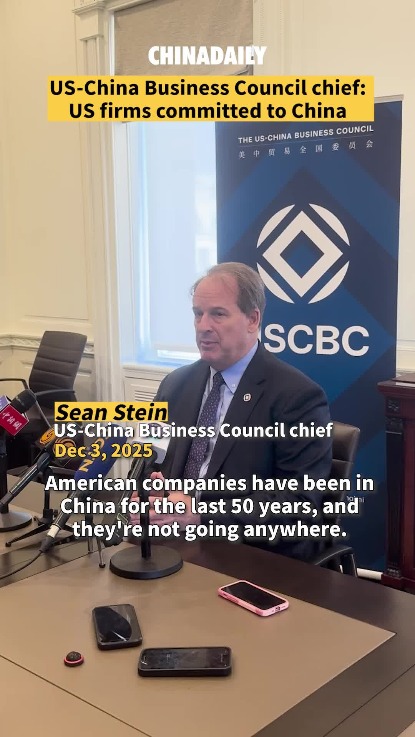
    Prior to the closed-door meeting, US-China Business Council President Sean Stein addressed media inquiries, directly countering narratives about American corporate withdrawal from China. “US firms are not leaving China,” Stein emphatically stated, adding that “more US multinational companies are actually deepening their engagement through collaborative ventures with Chinese partners.”

    The discussions occurred against the backdrop of ongoing economic diplomacy between the world’s two largest economies. Stein’s remarks highlight a contrasting narrative to recent geopolitical tensions, suggesting that business realities on the ground continue to drive cooperation despite political headwinds.

    The roundtable itself focused on practical business concerns and opportunities, with both sides exploring mechanisms to facilitate smoother commercial operations and joint innovation initiatives. This meeting represents the latest in a series of engagements between American business representatives and Chinese trade officials seeking to maintain productive economic ties.

    Industry analysts note that such business-to-business diplomacy often paves the way for more formal governmental agreements, with private sector commitments frequently preceding policy developments in US-China economic relations.

  • DRC, Rwanda sign peace deal, open resources to US

    DRC, Rwanda sign peace deal, open resources to US

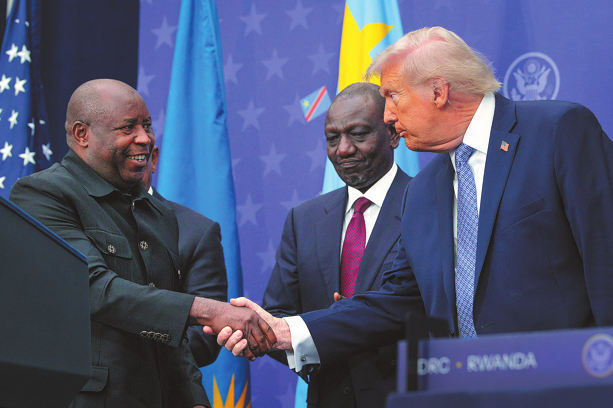
    In a high-profile diplomatic ceremony at the recently renamed Donald J. Trump Institute of Peace in Washington DC, the United States facilitated a landmark agreement between the Democratic Republic of Congo and Rwanda on Thursday. The trilateral meeting, hosted by former President Donald Trump, brought together Congolese President Felix Tshisekedi and Rwandan President Paul Kagame to sign a peace framework addressing the protracted conflict in eastern DRC.

    The agreement includes significant economic components, with both African nations granting US corporations access to their substantial mineral reserves—critical resources essential for advanced manufacturing including military aircraft and consumer electronics. “We’ll be involved with sending some of our biggest and greatest US companies over to the two countries,” Trump announced during the proceedings.

    However, the diplomatic optimism contrasted sharply with realities on the ground. Within 24 hours of the signing, combat operations resumed in eastern DRC, with both government forces and M23 rebels exchanging accusations of ceasefire violations. The region has experienced intensified conflict since late 2021, with Congo maintaining allegations of Rwandan support for the rebel group—claims consistently denied by Kigali.

    The humanitarian situation in conflict-affected areas remains dire. Goma, a strategic city of approximately two million people currently under rebel control, continues to suffer from closed infrastructure, suspended government services, and severe economic hardship. Residents report escalating crime rates and surging commodity prices, conditions exacerbated by recent reductions in US aid funding that previously supported conflict relief efforts.

    The current violence traces its origins to colonial-era ethnic divisions between Hutu and Tutsi populations, divisions that ultimately catalyzed the 1994 Rwandan genocide and subsequent regional instability. Despite the newly signed agreement, analysts remain skeptical about immediate peaceful resolution, noting that active combat continues throughout the resource-rich eastern territories.

  • Overnight exchange of fire along the Afghan-Pakistan border kills 5 and wounds 8, officials say

    Overnight exchange of fire along the Afghan-Pakistan border kills 5 and wounds 8, officials say

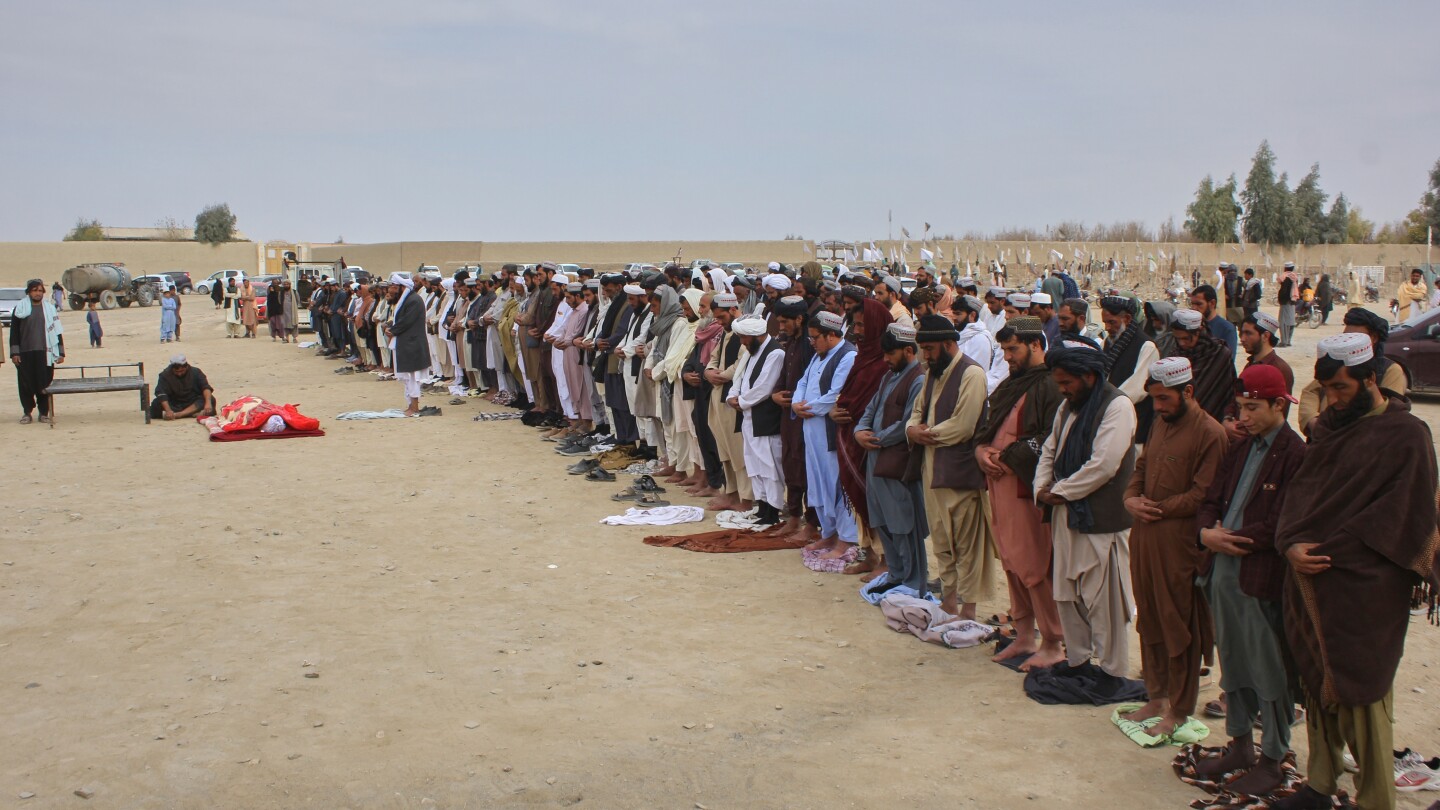
    A fragile ceasefire along the contentious Afghanistan-Pakistan border collapsed overnight Friday, triggering a violent exchange of fire that resulted in multiple casualties on both sides. According to officials from both nations, the clashes near the Spin Boldak-Chaman crossing claimed the lives of five Afghan civilians, including three children and one woman, while injuring five others. On the Pakistani side, three civilians sustained wounds.

    The incident marks a significant escalation in tensions that have been simmering since October. Each government has accused the other of instigating the violation of the Qatar-mediated truce that had been largely holding for two months. The timing is particularly sensitive, occurring just one day after Pakistan announced it would permit United Nations relief supplies to transit through the crucial Chaman and Torkham border crossings, which had been mostly closed amid deteriorating relations.

    Afghan officials asserted that Pakistani forces initiated the aggression with unprovoked shooting and a hand grenade thrown into the Spin Boldak area, compelling their forces to respond defensively. In contrast, Pakistani authorities maintained that the firing originated from the Afghan side, with their troops acting in retaliation to protect territorial integrity. The conflicting narratives underscore the deep-seated mistrust between the neighboring nations.

    The underlying tensions are further complicated by Pakistan’s accusations that Afghanistan provides sanctuary to the Pakistani Taliban (TTP), a militant group separate from but allied with the Afghan Taliban. Pakistan’s military separately reported neutralizing nine TTP militants in intelligence operations in northwestern border districts on Friday, highlighting the persistent security challenges.

    This violent episode represents the most severe border confrontation in recent years, threatening to derail ongoing diplomatic efforts and humanitarian initiatives in the region.