作者: admin

  • US National Park Service removes free entry on MLK Day and Juneteenth

    US National Park Service removes free entry on MLK Day and Juneteenth

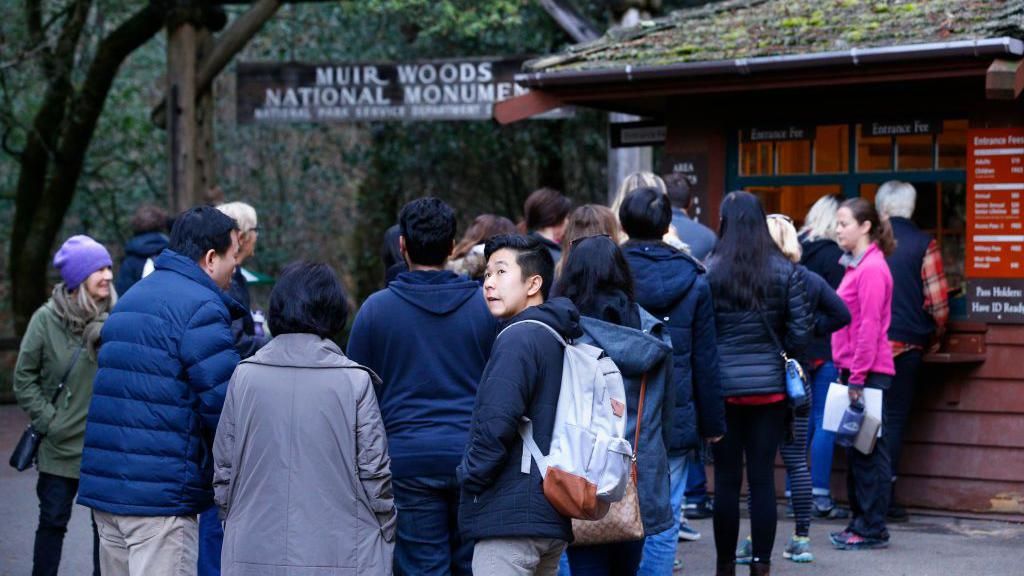
    The U.S. National Park Service (NPS) has announced significant modifications to its fee-free entrance day program, eliminating Martin Luther King Jr. Day and Juneteenth while introducing new patriotic-themed free access days. This restructuring forms part of President Donald Trump’s broader initiative to modernize park service operations, implementing changes first outlined in a July executive order that prioritizes American citizens over foreign visitors.

    Beginning in 2026, the revised schedule will grant U.S. residents complimentary access on President’s Day, Memorial Day, Flag Day (which coincides with President Trump’s birthday), Independence Day weekend, the 110th Birthday of the National Park Service, Constitution Day, Theodore Roosevelt’s birthday, and Veteran’s Day. The removal of the two civil rights commemorations marks a substantive policy shift from the previous Biden administration’s approach.

    The Interior Department, overseeing NPS operations, has simultaneously introduced a tiered pricing system that substantially increases costs for international visitors. Non-residents will now pay $250 for an annual pass—more than triple the $80 rate for U.S. residents—while individual entry fees at eleven high-traffic parks will reach $100 per person plus standard entrance charges.

    Interior Secretary Doug Burgum defended the changes, stating: ‘President Trump’s leadership always puts American families first. These policies ensure that U.S. taxpayers, who already support the National Park System, continue to enjoy affordable access, while international visitors contribute their fair share to maintaining and improving our parks for future generations.’

    The department’s fiscal year 2026 budget proposal projects that the new surcharges for foreign visitors will generate over $90 million annually. This policy alignment continues the administration’s pattern of deemphasizing diversity-focused initiatives, following Trump’s Day One executive order banning DEI programs in federal agencies that had previously limited celebrations of holidays perceived as DEI-related.

    Although Martin Luther King Jr. Day and Juneteenth retain their status as federal holidays, their removal from the NHS fee-free calendar represents another chapter in the administration’s cultural policy shifts. The changes take effect in the 2026 calendar year, coinciding with the nation’s semiquincentennial celebrations.


  • At least 18 migrants die as inflatable boat sinks south of Greek island of Crete; 2 rescued

    At least 18 migrants die as inflatable boat sinks south of Greek island of Crete; 2 rescued

    A devastating maritime incident has claimed the lives of at least 18 migrants in the Mediterranean Sea, according to Greek authorities. The tragedy unfolded south of Crete on Saturday when an overcrowded inflatable vessel capsized during its perilous journey.

    The half-submerged boat was initially spotted by a Turkish commercial ship passing through the area, triggering a massive multinational search and rescue operation. Two survivors were successfully pulled from the water, while emergency teams continue scouring the sea for additional survivors. The nationalities of the victims and the precise origin point of their journey remain undetermined at this time.

    This catastrophe highlights the ongoing humanitarian crisis along Europe’s southern borders, where Greece continues to serve as a primary gateway for those fleeing conflict zones and economic hardship across Africa, the Middle East, and Asia. While the shorter Turkey-to-Greek-islands route has seen reduced traffic due to enhanced patrols and border control measures, the longer and more dangerous Libya-to-Crete passage has witnessed a significant surge in attempted crossings in recent months.

    The complex rescue mission involves coordinated efforts between multiple agencies, including aircraft and vessels from Frontex (the European Border and Coast Guard Agency), Greek Coast Guard helicopters, and three merchant ships that have joined the search operation. The Mediterranean remains one of the world’s deadliest migration routes, with such fatal incidents occurring with tragic regularity despite repeated warnings from humanitarian organizations about the dangers of irregular sea crossings in unseaworthy vessels.

  • South Africa hostel shooting kills 11 including three‑year‑old, say police

    South Africa hostel shooting kills 11 including three‑year‑old, say police

    In a devastating pre-dawn assault that has reignited concerns about South Africa’s pervasive violent crime epidemic, armed assailants stormed an informal drinking establishment in Pretoria on Saturday, executing a brutal shooting that left 11 people dead, including a three-year-old child and two teenagers.

    The horrific incident unfolded around 4:30 AM local time (0230 GMT) at an unlicensed tavern operating within a hostel complex in Saulsville township, approximately 18 kilometers west of South Africa’s administrative capital. According to police spokesperson Athlenda Mathe, three unidentified gunmen entered the premises and opened indiscriminate fire on a group of patrons, striking 25 individuals in total.

    Tragically, ten victims perished at the scene while another succumbed to injuries after being transported to medical facilities. Among the deceased were a 12-year-old boy and a 16-year-old girl, highlighting the indiscriminate nature of the violence that has become increasingly common in establishments illegally selling alcohol.

    Authorities confirmed that the attack represents the latest in a disturbing pattern of mass shootings plaguing the nation of 63 million people. South Africa maintains one of the world’s highest homicide rates, with official statistics indicating approximately 63 daily murders between April and September this year. The country’s struggle with entrenched criminal networks, widespread illegal firearms, and alcohol-fueled violence has created a persistent public safety crisis.

    Police spokeswoman Mathe emphasized the particular danger posed by unlicensed liquor establishments, noting that ‘most mass shootings occur’ in such venues where ‘innocent people also get caught up in the crossfire.’ The timing of the attack—occurring nearly 90 minutes before authorities were alerted—further complicated emergency response efforts.

    As investigators continue searching for motives and suspects, this tragedy echoes several recent mass shooting incidents across South Africa, including October’s gang-related violence in Johannesburg that killed two teenagers and May’s tavern shooting in Durban that claimed eight lives. The ongoing manhunt for the perpetrators continues while the nation confronts its deep-rooted challenges with organized crime and violence prevention.

  • One night, one global legend: Cristiano Ronaldo live in Abu Dhabi

    One night, one global legend: Cristiano Ronaldo live in Abu Dhabi

    Abu Dhabi prepares to host football icon Cristiano Ronaldo as Saudi Pro League leaders Al Nassr face UAE’s Al Wahda FC in a prestigious friendly match at Al Nahyan Stadium on December 10th. The 7:30 PM UAE time showdown features Ronaldo alongside stellar teammates Sadio Mané and João Félix during Al Nassr’s mid-season training camp in the UAE capital.

    The encounter marks Ronaldo’s second appearance in Abu Dhabi this year, following his April 2024 participation in the Saudi Super Cup—the first edition held outside Saudi Arabia. The Portuguese superstar previously competed against Emirati opponents during the AFC Asian Champions League quarterfinals earlier in 2024.

    Al Wahda, currently positioned second in the UAE Pro League, will counter with captain Dušan Tadić leading emerging talents Diarra and Arnau Pradas. Both clubs are utilizing the mid-season break to refine strategies for upcoming domestic and continental campaigns.

    The match occurs amid Ronaldo’s recent revelations about his professional timeline. The global football legend confirmed the 2026 World Cup would conclude his international career, suggesting retirement within “one or two years” during Tuesday’s statements.

    Tickets for this elite sporting event are available through Platinumlist, offering fans exclusive access to witness football excellence in a clash between Saudi and Emirati football ambitions.

  • Can you ban kids from social media? Australia is about to, but some teens are a step ahead

    Can you ban kids from social media? Australia is about to, but some teens are a step ahead

    Australia’s groundbreaking legislation prohibiting children under 16 from accessing social media platforms has encountered immediate resistance from both teenagers and technology limitations. The policy, hailed as revolutionary by Prime Minister Anthony Albanese’s administration, was designed to shield minors from online dangers including cyberbullying, predatory behavior, and harmful content.

    Thirteen-year-old Isobel demonstrated the system’s vulnerabilities by bypassing Snapchat’s age verification within minutes using her mother’s photograph. “I got a photo of my mum, stuck it in front of the camera, and it just let me through,” she recounted. Her mother Mel, who had permitted supervised social media use, expressed mixed feelings about the ban’s effectiveness despite initially supporting the measure.

    The technical implementation relies on three primary age assurance methods: document verification, behavioral analysis, and facial assessment technology. A government-funded trial concluded that while all approaches were technically feasible, none proved entirely foolproof. Facial scanning systems, already deployed by Meta and Snapchat for suspected underage users, show reduced accuracy for individuals within two to three years of the 16-year threshold.

    Privacy concerns represent another significant hurdle. Document verification, while most accurate, requires users to submit sensitive identification to platforms that Australians largely distrust with personal data. Alternative circumvention methods have proliferated online, including VPN usage, parental email registration, and migration to platforms not explicitly covered by the legislation.

    Legal challenges have emerged from multiple fronts. Two teenagers have filed a constitutional challenge in Australia’s highest court, while Alphabet (parent company of YouTube and Google) considers its own legal action. Human rights organizations and legal experts have raised concerns about the policy’s potential overreach.

    Critics argue the ban might inadvertently push children toward less regulated platforms and websites excluded from the legislation, including gaming chatrooms that law enforcement agencies identify as radicalization hotspots. The Australia Federal Police have specifically warned about dangers in these unregulated spaces.

    Communications Minister Anika Wells acknowledges the implementation will appear “untidy” initially but defends the policy as a necessary starting point for broader digital safety reforms. The government has positioned the ban as establishing a new social norm rather than achieving perfect enforcement.

    The international technology community watches closely as Australia’s experiment could influence similar legislation worldwide. With fines up to $49.5 million for serious violations, the policy represents one of the most aggressive attempts to regulate social media access for minors globally.

  • Dubai residents save up to Dh1,600 by timing purchases as DSF deals kick off

    Dubai residents save up to Dh1,600 by timing purchases as DSF deals kick off

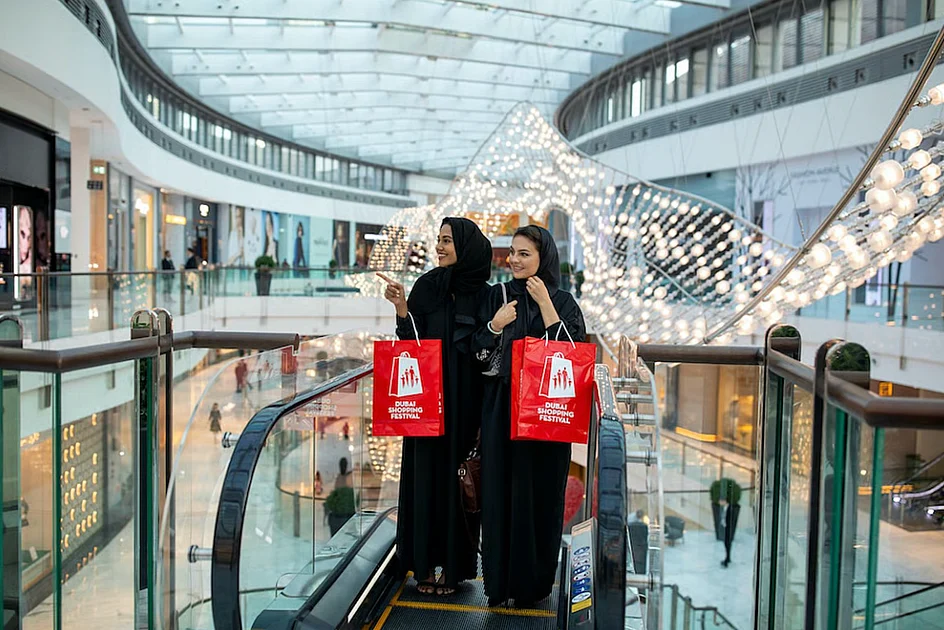
    Dubai consumers are demonstrating remarkable financial acumen by strategically timing their purchases to maximize savings during the ongoing Dubai Shopping Festival (DSF). With the festival extending through January, residents have adopted a calculated approach to shopping, deliberately postponing acquisitions for months in anticipation of substantial discounts.

    At Deira City Centre, early festival activity reveals sophisticated consumer behavior. Ahmed El Sayed, an Egyptian sales executive, exemplifies this trend, having deferred perfume purchases since September. His planned acquisition of twelve fragrance bottles demonstrates the financial wisdom of waiting—projected savings exceed Dh1,500, reducing his total expenditure from approximately Dh3,600 to Dh2,000.

    The pattern continues with Asif Sheikh, an Indian accountant from Al Qusais, who meticulously tracked winter apparel prices since autumn. His patience yields approximately Dh400 in savings on jackets originally priced at Dh260, now available for Dh140. Similarly, businessman Shaver Hussain anticipates 50% reductions on athletic footwear, expecting prices to drop from Dh480 to Dh240 during the festival period.

    Retail staff report increasing inquiries about upcoming promotions and item reservations, indicating heightened consumer awareness despite the festival’s early stage. Many shoppers are synchronizing their purchasing strategies with winter travel plans, intending to distribute acquisitions across the festival’s duration while preparing for international visits and family gift-giving.

    The demonstrated savings range from hundreds to over Dh1,600 dirhams per shopper, highlighting how strategic purchasing during DSF provides substantial financial benefits for Dubai residents.

  • Life as an ICC judge sanctioned by Trump

    Life as an ICC judge sanctioned by Trump

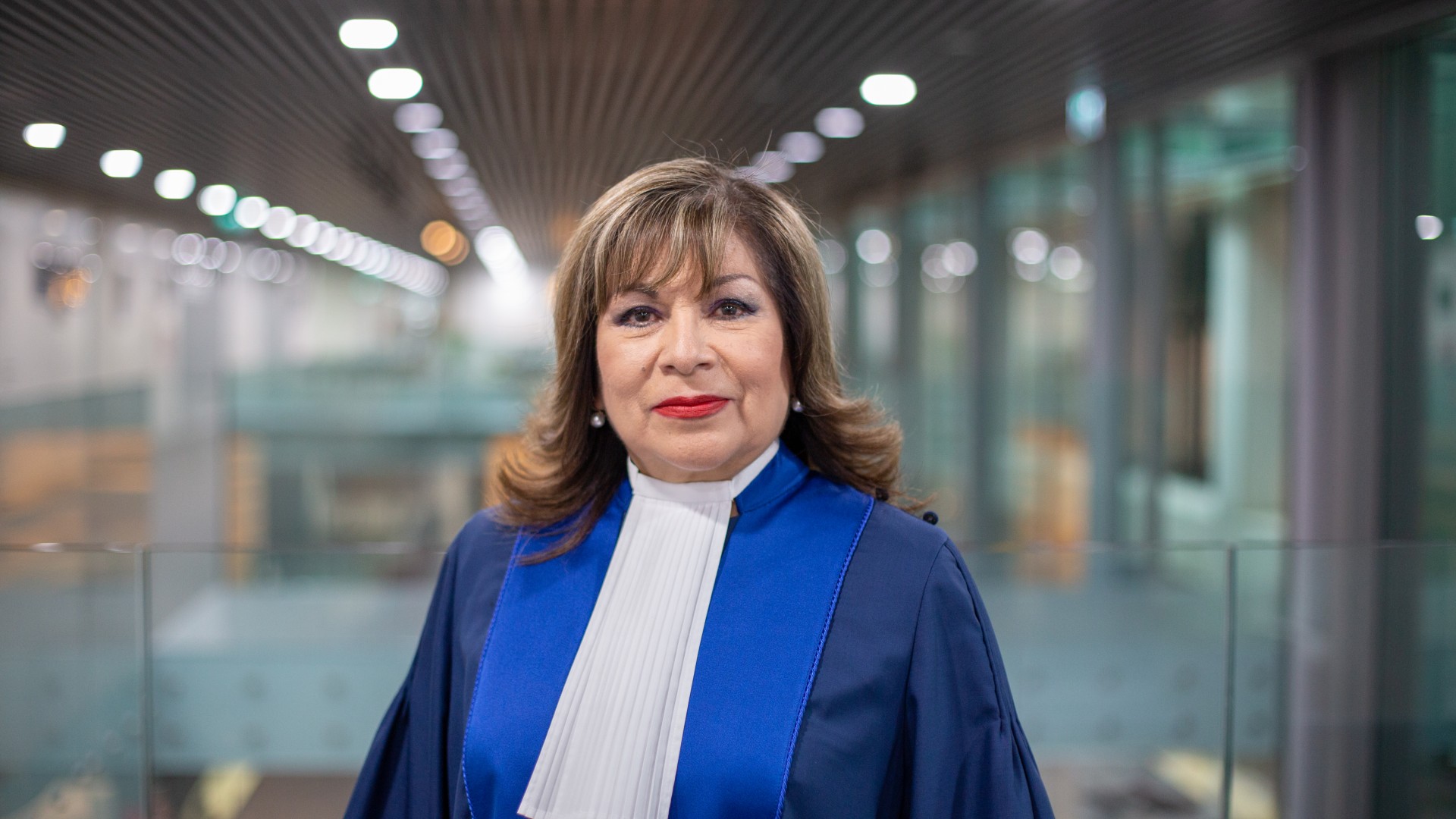
    Peruvian Judge Luz del Carmen Ibanez Carranza, a permanent member of the International Criminal Court’s Appeals Chamber since March 2018, has become an emblematic figure in the escalating tension between the ICC and the United States government. Despite a 2021 decision by ICC prosecutor Karim Khan to deprioritize Afghanistan investigations involving US citizens, Judge Ibanez remains among six ICC officials sanctioned by the Trump administration in June for their judicial work.

    The sanctions stem from Judge Ibanez’s participation in a 2020 ICC panel that authorized investigations into alleged war crimes committed in Afghanistan since 2003 by multiple parties, including the Taliban, Afghan National Security Forces, and US military and CIA personnel. Notably, the ICC has since issued two arrest warrants specifically targeting senior Taliban leaders for gender-based persecution crimes against humanity.

    In an exclusive interview with Middle East Eye during the 24th Assembly of States Parties in The Hague, Judge Ibanez revealed the profound personal and professional consequences of these sanctions. Beyond the intended restrictions on property and travel, the measures have unexpectedly impacted her family—particularly her daughter, whose US visa was abruptly canceled without explanation, hindering her professional activities as an international lawyer.

    The practical ramifications extend to daily financial transactions: frozen dollar accounts, canceled credit cards, and restrictions on services including Uber, Western Union, and various digital platforms. Judge Ibanez emphasized that these sanctions represent not merely personal attacks but systematic challenges to judicial independence and the Rome Statute system itself.

    Despite these pressures, Judge Ibanez remains resolute, drawing on her 35-year background as a prosecutor in Peru specializing in terrorism and human rights cases. Having previously faced threats during high-profile trials and even an arrest warrant from Russia, she views the US sanctions as confirmation that her work ‘is meaningful for the world.’ The ICC judiciary, she asserts, remains united and undeterred, continuing their mission to combat impunity for international crimes and deliver justice to vulnerable victims worldwide.

    The interview concluded with a call for practical support from the European Union and international community, urging action beyond verbal solidarity to protect the ICC’s judicial independence and the integrity of international justice mechanisms.

  • Why the future of media must be built on ethics, empathy, and shared responsibility

    Why the future of media must be built on ethics, empathy, and shared responsibility

    In an era where digital information flows instantaneously across borders with profound societal consequences, a transformative movement is emerging to reshape media’s fundamental role. Princess Lamia Bint Majed AlSaud, drawing from her extensive philanthropy and media experience, observes that contemporary media possesses unprecedented power to mobilize masses, distort truths, and reshape global discourse within hours. This reality demands institutions that recognize media not merely as entertainment but as a societal force capable of protecting human dignity and amplifying shared humanity.

    The recently launched BRIDGE Alliance represents a direct response to these challenges. This nonprofit global initiative brings together creators, innovators, and institutions dedicated to promoting ethical media practices and responsible artificial intelligence implementation. With its focus on human-centered storytelling and credibility enhancement, the alliance operates free from commercial pressures, enabling concentrated effort on meaningful impact rather than profit-driven objectives.

    Complementing this initiative, the BRIDGE Summit 2025 scheduled for Abu Dhabi will serve as a monumental gathering point for this emerging movement. The inaugural event anticipates welcoming over 60,000 participants from more than 130 countries, making it one of the world’s largest debut media conferences. This extraordinary attendance demonstrates growing global demand for media ecosystems built upon accountability, cultural understanding, and social benefit.

    The summit’s programming reflects comprehensive ambition, addressing critical intersections between technology, journalism, creative industries, and cultural production. Key focus areas include combating misinformation, establishing ethical frameworks for artificial intelligence, promoting responsible storytelling practices, and empowering youth creators who increasingly shape public discourse. Notably, the event prioritizes inclusion of frequently marginalized voices, including women leaders, emerging creators, and communities whose narratives carry universal relevance.

    Beyond the conference itself, the BRIDGE Alliance ensures these crucial conversations continue through year-round collaboration, policy dialogue, and development of shared standards guiding media and technology toward human-value alignment. This sustained effort acknowledges that meaningful transformation requires long-term commitment rather than reactive responses to urgent crises.

    At this critical juncture where technological advancement outpaces regulatory frameworks and accountability struggles to match attention velocity, the BRIDGE initiative offers measured optimism. By grounding media development in ethical principles, empathetic understanding, and shared purpose, the alliance believes media can evolve into a powerful catalyst for peace, cross-cultural understanding, and positive social impact worldwide.

  • Watch: Widow with husband’s casket among passengers stranded amid IndiGo cancellations

    Watch: Widow with husband’s casket among passengers stranded amid IndiGo cancellations

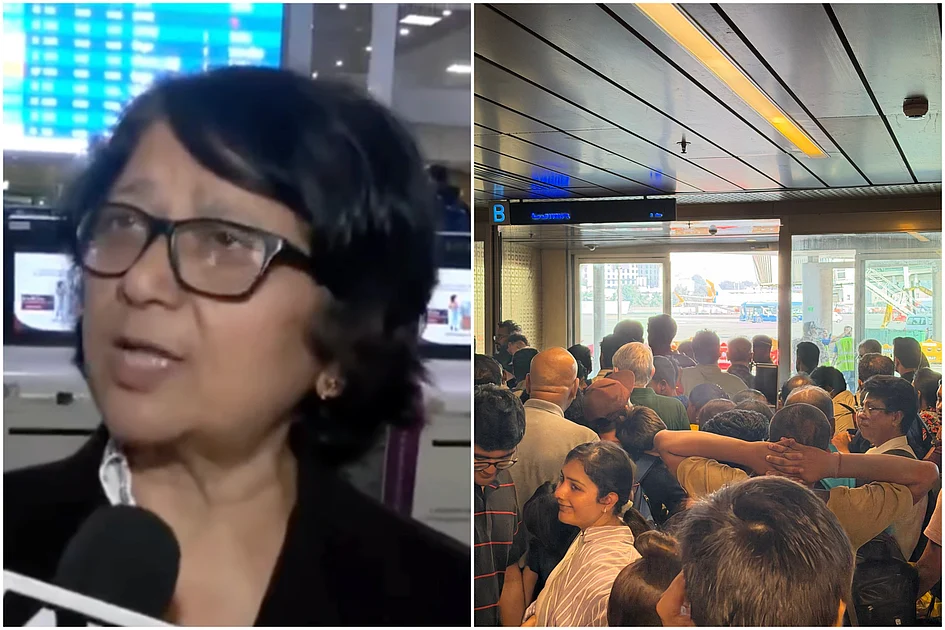
    India’s aviation sector faces mounting criticism as IndiGo’s operational crisis enters its fifth day, culminating in over 400 flight cancellations that have stranded thousands of passengers across major airports. The situation has escalated from mere travel inconvenience to profound human tragedy, with one particularly heartbreaking case emerging from Guwahati’s Lokpriya Gopinath Bordoloi International Airport.

    A widow from Shillong found herself trapped in the travel chaos while transporting her husband’s embalmed body to Kolkata for burial. Speaking with measured composure that barely concealed her distress, she revealed the critical time sensitivity of her situation: “I have come all the way from Shillong to transport my husband’s body. Until now, we have no information whether their flight is going to take off or not.” The embalmed body has a 48-hour window set to expire on Sunday at 4pm, raising urgent questions about responsibility and accountability.

    Social media platforms have become the primary documentation channel for the widespread disruption. Viral videos from multiple airports show chaotic scenes with frustrated passengers demanding answers from severely understaffed airport personnel. At Hyderabad Airport, travelers noted that proactive communication could have mitigated the situation, while at Mumbai Airport, passengers reported being shuffled between gates with conflicting information and repeated false boarding announcements.

    One Reddit user detailed their experience on a New Delhi to Mumbai flight delayed over three hours: “The delay itself wasn’t even the main problem. The issue was how badly they handled it. They shifted us from Gate 23 to Gate 40, made us wait for almost an hour at both places, and kept displaying the wrong information. Every 20 minutes there was the same announcement ‘We are about to board.’ They were so understaffed… literally one employee was handling everything.”

    The crisis has sparked outrage on social media platforms, with users directly tagging India’s Ministry of Civil Aviation and Directorate General of Civil Aviation demanding accountability. Critics highlight the airline’s apparent disregard for passenger welfare and the absence of effective contingency planning. IndiGo has indicated that normal operations might resume by February 10, though this offers little consolation to those currently affected by what has become both an operational failure and a human rights concern.

  • Sudan: RSF strike on Kordofan kindergarten kills dozens, mostly children

    Sudan: RSF strike on Kordofan kindergarten kills dozens, mostly children

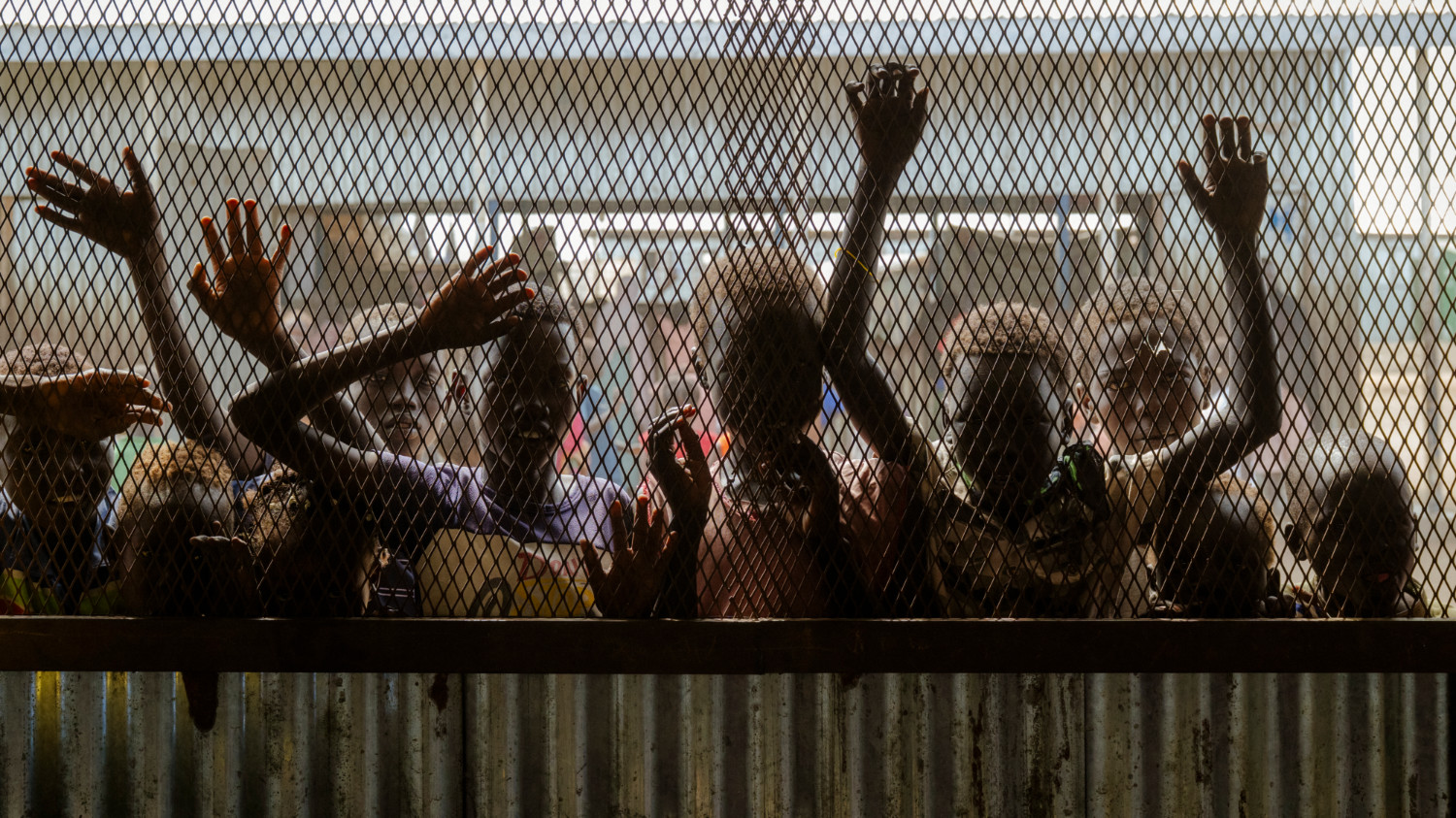
    In a devastating escalation of Sudan’s ongoing civil conflict, a drone strike conducted by the paramilitary Rapid Support Forces (RSF) targeted a kindergarten in South Kordofan, resulting in one of the deadliest single incidents against civilians since the war began. According to the Sudan Doctors Network (SDN), the attack killed 50 people, including 33 children, marking what humanitarian organizations are calling a grave violation of international law.

    The assault, which occurred on Thursday in Kalogi town, involved coordinated attacks on multiple civilian facilities including the kindergarten, a local hospital, and government buildings. The SDN reported that paramedics responding to the initial explosion faced a secondary attack while attempting to rescue victims, complicating rescue efforts and increasing casualties.

    Communication blackouts throughout the region have hampered accurate casualty assessment, with authorities fearing the actual death toll may be significantly higher. The attack represents a strategic shift in the two-year conflict between the RSF and the Sudanese army, with fighting now concentrated in the oil-rich Kordofan region following the RSF’s recent capture of el-Fasher in Darfur.

    UN Human Rights Commissioner Volker Turk expressed deep concern over emerging atrocities, citing documented evidence of 269 civilian deaths from aerial strikes, artillery shelling, and summary executions since late October. The UN office has additionally received reports of retaliatory killings, arbitrary detentions, abductions, sexual violence, and forced recruitment of children by paramilitary forces.

    The situation in South Kordofan has deteriorated rapidly, with Middle East Eye reporting the abduction of 21 children last week for potential recruitment as fighters. Witnesses confirm that RSF forces and allied rebel groups have intensified operations around strategic resources, including gold mines in the region.

    This incident underscores the worsening humanitarian crisis in Sudan, where international organizations warn of repeating patterns of violence previously witnessed in Darfur, now spreading through the Kordofan states with devastating effect on civilian populations.