作者: admin

  • Sudan air force bombing of towns, markets and schools has killed hundreds, report says

    Sudan air force bombing of towns, markets and schools has killed hundreds, report says

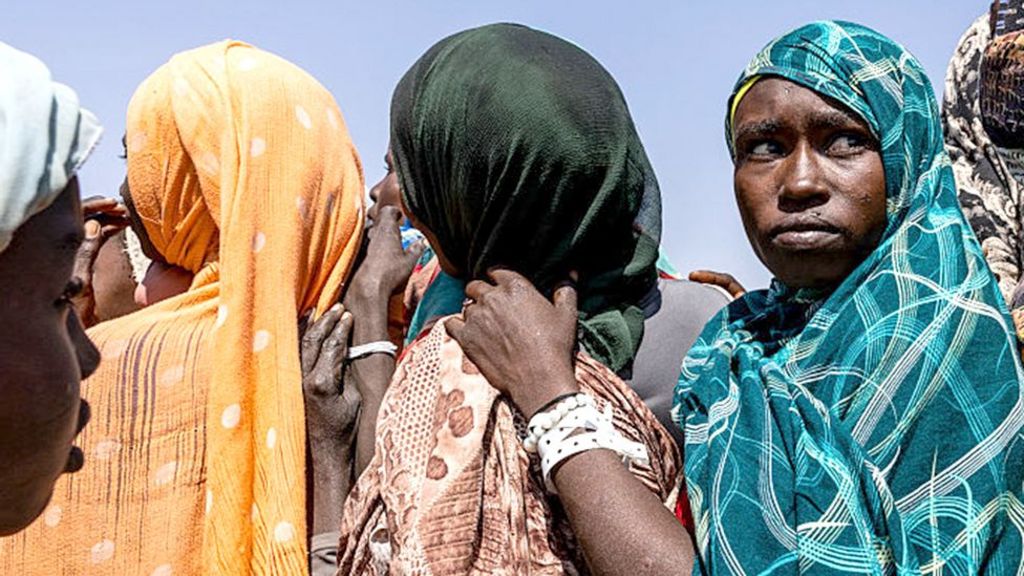
    A groundbreaking investigation by the Sudan Witness Project has documented systematic aerial attacks on civilian infrastructure that have resulted in at least 1,700 fatalities since the conflict began in April 2023. The comprehensive study represents the most extensive dataset compiled on military airstrikes in Sudan’s ongoing civil war, revealing disturbing patterns of violence against non-combatants.

    The research, conducted by the Center for Information Resilience with funding from the British foreign ministry, analyzed 384 airstrikes occurring between April 2023 and July 2025. The findings indicate that the Sudanese Armed Forces (SAF) have repeatedly employed unguided munitions in densely populated areas, including residential neighborhoods, marketplaces, educational institutions, and displacement camps.

    According to project director Mark Snoeck, the evidence demonstrates a clear failure by the SAF to implement adequate precautions to prevent civilian casualties. “The main patterns that emerge are repeated hits on residential neighbourhoods and markets,” Snoeck stated, “as well as a large number of alleged strikes on essential humanitarian and medical facilities.”

    The investigation employed rigorous open-source verification methodologies, cross-referencing social media footage, satellite imagery, and ground reports to establish attack credibility. Among the most troubling findings was the identification of an undetonated SH-250 bomb manufactured by Sudan’s Military Industry Corporation in the Zamzam displacement camp in North Darfur.

    Notable incidents documented include:
    – The bombing of Hamrat al-Sheikh Market in North Kordofan that killed 30 and injured 100 civilians
    – A August 2024 strike on a hospital in el-Daein that resulted in 16 fatalities including children and healthcare workers
    – February 2025 attacks in Nyala that struck residential areas near an eye hospital, killing 63 people
    – The October 2024 destruction of al-Kuma market in North Darfur that left 65 dead and 200 injured

    While the Rapid Support Forces (RSF) have faced international condemnation for ethnic violence in Darfur, the report highlights that the SAF’s aerial campaign has similarly caused extensive civilian suffering. Both conflict parties have increasingly incorporated drone warfare into their tactics, with recent months showing a shift toward unmanned aerial attacks.

    Justin Lynch of the Conflict Insights Group characterized the conflict as “a war against civilians,” noting that “air power and other heavy weapons disproportionately target civilian, more than military, sites.” International observers have condemned the pattern of attacks as potential war crimes, with a British foreign office official stating that perpetrators “must be held accountable” regardless of affiliation.

    The full Sudan Witness report, featuring an interactive map visualizing the scale and impact of airstrikes, is scheduled for publication on December 10.

  • Two Chinese figures named to Nature’s 10 list of people shaping science in 2025

    Two Chinese figures named to Nature’s 10 list of people shaping science in 2025

    Two exceptional Chinese scientists have secured positions on Nature magazine’s highly selective “Nature’s 10” list for 2025, recognizing individuals driving transformative developments in global scientific research. Liang Wenfeng, founder of AI research company DeepSeek, and geoscientist Du Mengran join eight other international innovators on this year’s roster of scientific influencers.

    Liang Wenfeng’s inclusion comes as recognition for his groundbreaking work in advancing large-scale artificial intelligence models that are fundamentally reshaping research methodologies and innovation ecosystems worldwide. His contributions represent China’s growing influence in the AI revolution that is transforming scientific discovery across disciplines.

    Meanwhile, Du Mengran has been honored for her pioneering achievements in deep-sea exploration, pushing the boundaries of oceanographic research and expanding our understanding of marine ecosystems and geological processes. Her work exemplifies China’s expanding capabilities in deep-sea technology and marine science.

    Nature’s editorial team emphasized that the selection is neither a prize nor a ranking system, but rather a curated exploration of significant scientific developments and the key individuals—often working within larger research teams—who have played pivotal roles in advancing these stories. The list serves as a barometer of where science is heading and who is helping to shape its trajectory.

    The dual recognition underscores China’s increasingly prominent role in global scientific advancement, particularly in cutting-edge fields like artificial intelligence and deep-sea exploration. Both scientists represent the country’s growing contribution to addressing complex scientific challenges and driving innovation at the international level.

  • Trump gives Nvidia green light to sell advanced AI chips to China

    Trump gives Nvidia green light to sell advanced AI chips to China

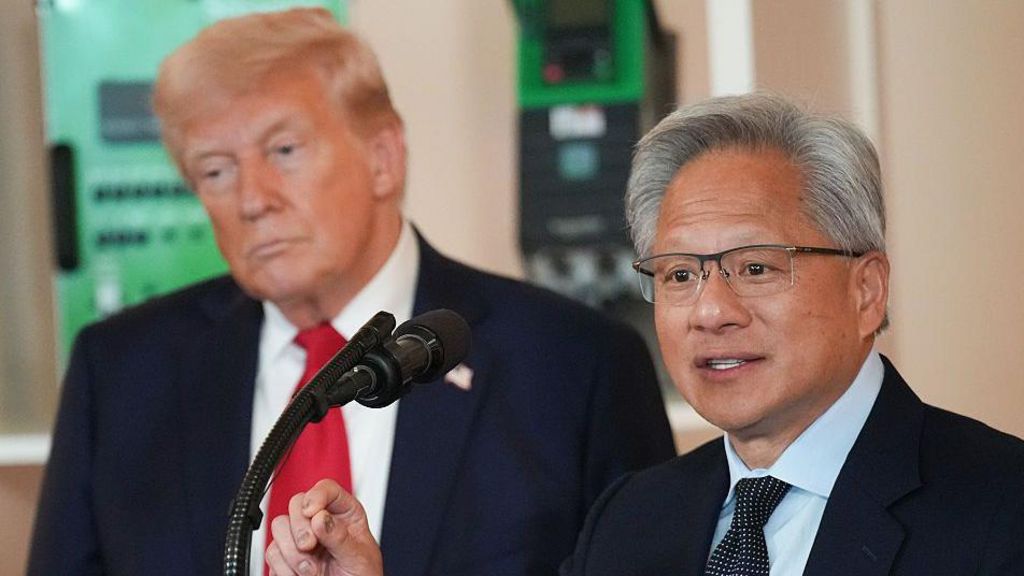
    In a significant policy shift, the Trump administration has authorized NVIDIA Corporation to resume sales of its advanced H200 artificial intelligence chips to pre-approved commercial clients in China. The decision, announced via presidential social media channels on Monday, concludes months of intense lobbying efforts by NVIDIA CEO Jensen Huang, who personally advocated for the policy change during recent Washington engagements.

    The conditional approval extends beyond NVIDIA to include other American semiconductor manufacturers such as AMD, effectively creating a regulated framework for advanced AI chip exports. This development represents a recalibration of earlier restrictions that had prohibited sales of cutting-edge semiconductor technology to Chinese entities due to national security considerations.

    President Trump framed the decision as a strategic balance between economic interests and security priorities, stating: “We will protect National Security, create American Jobs, and keep America’s lead in AI.” The arrangement includes a revenue-sharing provision requiring NVIDIA to allocate 25% of its Chinese earnings to the U.S. Treasury, though specific implementation details remain unspecified.

    NVIDIA, which has emerged as both the world’s leading chip manufacturer and most valuable company, welcomed the policy shift. In an official statement, the corporation noted: “Offering H200 to approved commercial customers, vetted by the Department of Commerce, strikes a thoughtful balance that is great for America.” Market response was immediately positive, with NVIDIA shares experiencing modest gains following the announcement.

    The compromise follows a complex sequence of events that began in July when President Trump initially reversed the chip ban but imposed the revenue-sharing requirement. Beijing subsequently directed Chinese technology firms to halt purchases of NVIDIA products specifically engineered for the Chinese market, creating a standoff that threatened to cost American chipmakers substantial market share.

    Geopolitical analysts note that the decision will likely face scrutiny from national security advocates in Congress. Researchers at Georgetown University’s Center for Security and Emerging Technology have documented how China’s military apparatus has utilized advanced American-designed chips to develop AI-enabled combat capabilities, raising concerns about technological transfer.

    Senior research analyst Cole McFaul emphasized the security implications: “By making it easier for the Chinese to access these high-quality AI chips, you enable China to more easily use and deploy AI systems for military applications. They want to harness advanced chips for battlefield advantage.”

    The White House has not yet provided comprehensive details regarding the approval mechanism or vetting criteria for Chinese customers, leaving implementation specifics to be determined through interagency processes.

  • Qatar, US and Israel hold meeting in New York: Report

    Qatar, US and Israel hold meeting in New York: Report

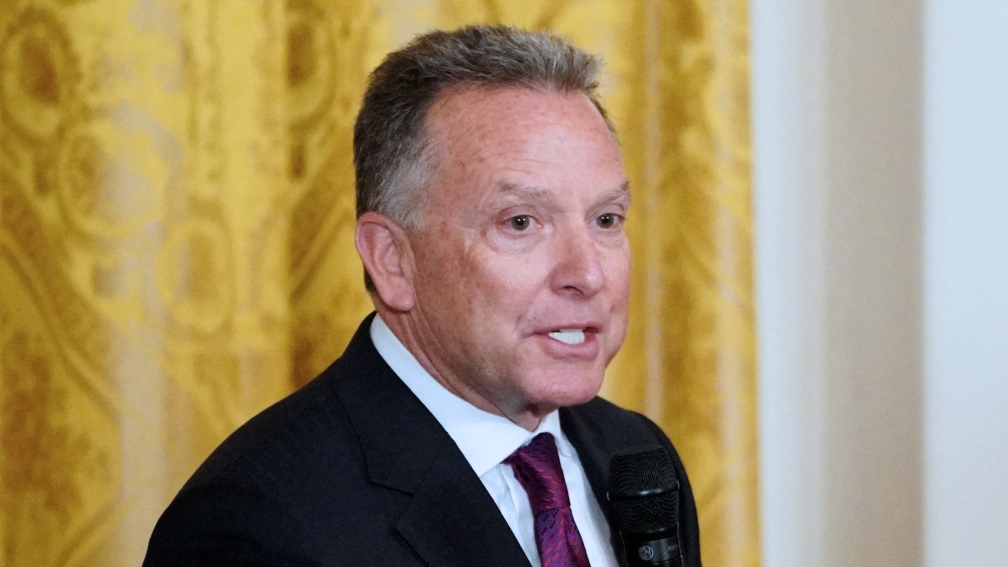
    In a significant diplomatic development, the United States facilitated a high-level meeting between Israeli and Qatari officials in New York on Sunday, marking the first such engagement since Israel’s controversial airstrikes on Doha in September. The session was orchestrated by US Middle East envoy Steve Witkoff, who convened discussions with David Barnea, head of Israel’s Mossad intelligence agency, and a senior Qatari representative.

    The dialogue occurs amid preparations for the second phase of Gaza peace negotiations and represents a crucial attempt to mend fractured relations between the nations. According to sources familiar with the matter, Israel intended to address multiple concerns beyond the immediate diplomatic rift, including Qatar’s Al Jazeera network coverage, which Israel perceives as hostile, Doha’s alleged support for the Muslim Brotherhood, and its backing of pro-Palestine movements on academic campuses.

    Qatar had previously served as a principal mediator in ceasefire talks between Israel and Hamas until September 9th, when Israeli forces conducted unauthorized airstrikes on Qatari territory. The attack targeted a building where Hamas leaders were evaluating peace proposals, resulting in six fatalities, including one Qatari citizen. Doha maintains that Washington provided only ten minutes’ advance notice following the strikes, not beforehand.

    The incident prompted a personal apology from Israeli Prime Minister Benjamin Netanyahu to Qatari Prime Minister Mohammed bin Abdulrahman al-Thani, arranged during a White House visit on September 29th by former President Donald Trump. The Trump administration subsequently finalized a security guarantee agreement with Qatar to address sovereignty concerns.

    Despite Qatar’s return to mediation efforts, tensions persist. At Saturday’s Doha Forum conference, al-Thani emphasized that current negotiations cannot yet be classified as a ceasefire, insisting that any genuine truce requires complete Israeli withdrawal from Gaza and restored stability for its inhabitants. Meanwhile, Israel continues to occupy 56% of the Gaza Strip, with over 71,000 Palestinian casualties recognized by the United Nations and human rights organizations as meeting criteria for genocide.

  • Saudi Arabia, Qatar sign high-speed rail deal to link Riyadh and Doha

    Saudi Arabia, Qatar sign high-speed rail deal to link Riyadh and Doha

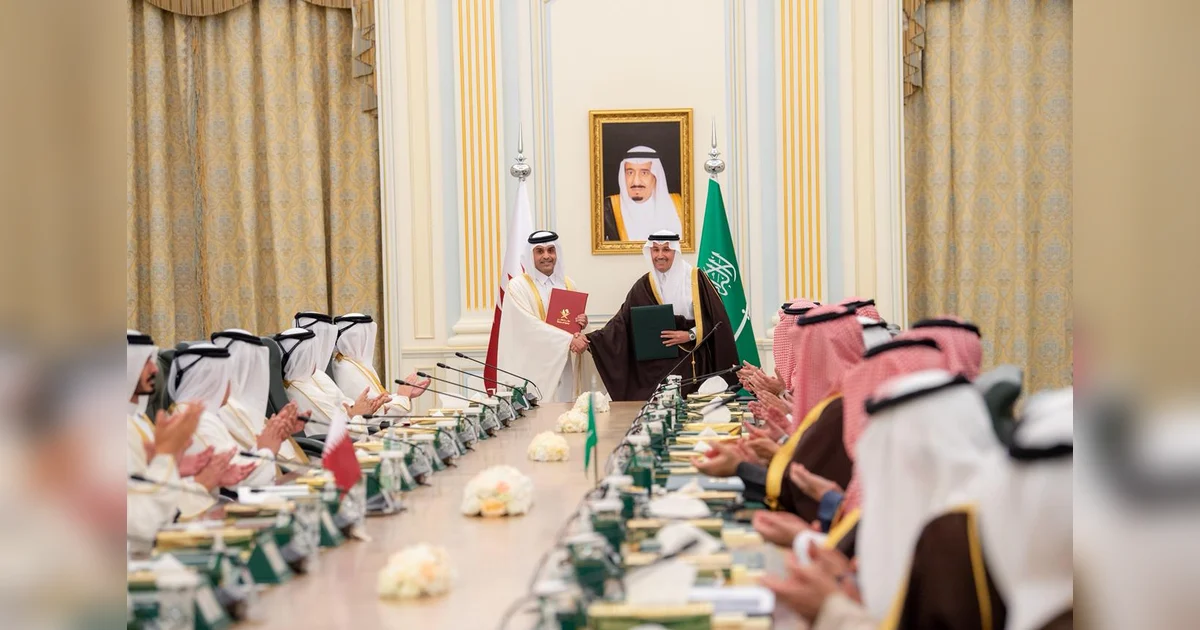
    In a landmark infrastructure agreement, the Kingdom of Saudi Arabia and the State of Qatar have formally committed to constructing a state-of-the-art high-speed rail network linking their capital cities. The strategic pact, signed during an official state visit by Qatar’s Emir Sheikh Tamim bin Hamad Al Thani to Riyadh, was finalized in the presence of Saudi Crown Prince Mohammed bin Salman.

    The ambitious railway project will feature fully electric trains capable of exceeding operational speeds of 300 kilometers per hour (186 mph), substantially reducing travel time between Riyadh and Doha to approximately two hours. This development establishes a competitive ground alternative to air travel, with direct flights currently requiring about 90 minutes between the metropolitan hubs.

    Beyond the primary capitals, the comprehensive rail network will incorporate strategic stops at key Saudi urban centers including Al-Hofuf and Dammam, enhancing regional connectivity across the Eastern Province. Project planners anticipate the railway will accommodate an estimated 10 million passengers annually upon its scheduled completion within the six-year development timeline.

    This transnational infrastructure initiative represents a significant milestone in Gulf Cooperation Council (GCC) integration efforts, potentially setting a precedent for future cross-border transportation projects. The electric railway system aligns with regional environmental sustainability goals while addressing growing transportation demands between the neighboring nations.

  • JMA issues tsunami forecast after 7.6-magnitude quake hits northeastern Japan

    JMA issues tsunami forecast after 7.6-magnitude quake hits northeastern Japan

    A significant seismic event struck northeastern Japan on Monday night, with the Japan Meteorological Agency (JMA) reporting a powerful 7.6 magnitude earthquake that prompted immediate tsunami warnings across multiple coastal regions.

    The quake occurred at 23:15 local time (14:15 UTC) at a depth of approximately 50 kilometers beneath the seafloor. The tremor registered an upper 6 intensity on Japan’s 7-point seismic scale in the most severely affected zones, indicating substantial ground shaking capable of causing structural damage.

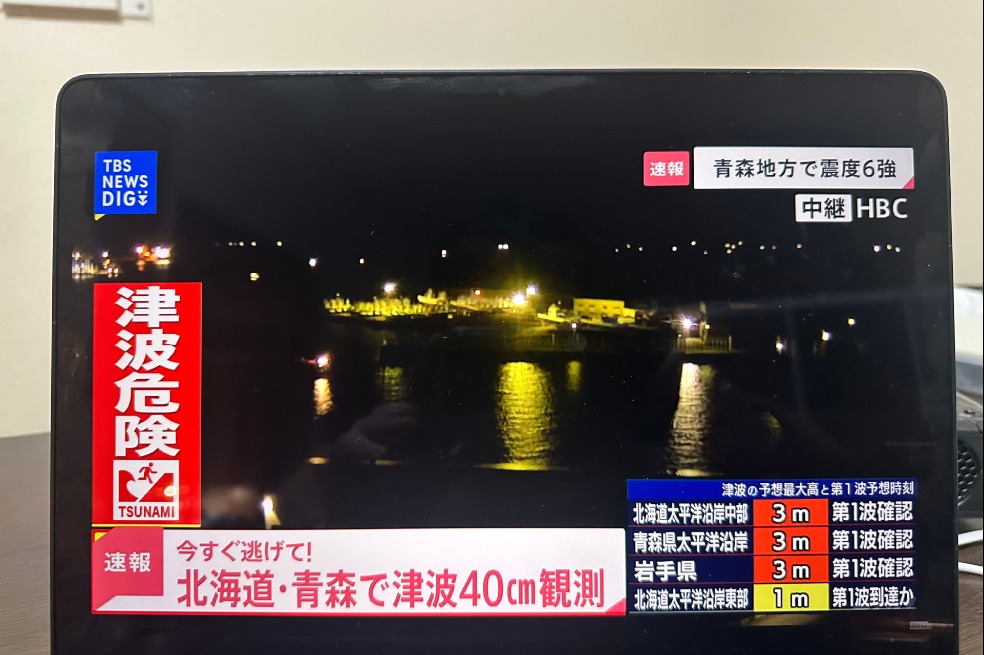
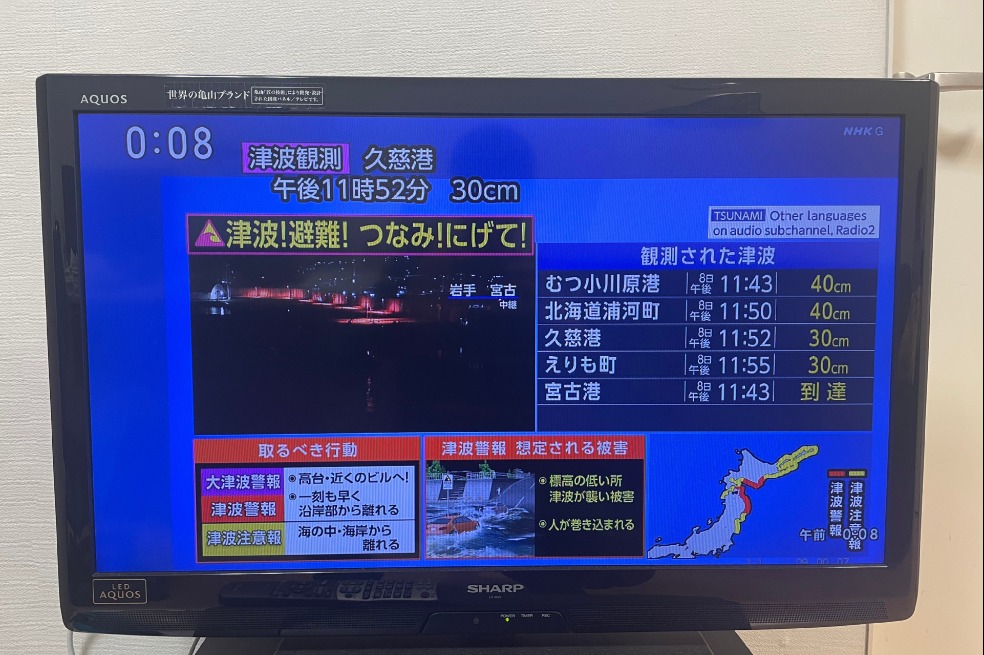
    Following the seismic activity, the JMA issued urgent tsunami advisories for extensive coastal areas along the Pacific coastline. The agency specifically warned of potential waves reaching up to 3 meters in height for the prefectures of Hokkaido, Aomori, and Iwate. Additionally, tsunami advisories were extended to Miyagi and Fukushima prefectures as precautionary measures.

    The earthquake’s epicenter was pinpointed offshore in the Pacific Ocean, positioned at coordinates 41.0 degrees north latitude and 142.3 degrees east longitude, east of Aomori Prefecture. This region has historically experienced significant seismic activity due to its location along the Pacific Ring of Fire.

    Japanese authorities have initiated standard emergency response protocols, urging coastal residents to evacuate to higher ground immediately. The timing of the event—late evening—presented additional challenges for evacuation efforts and emergency response coordination. The comprehensive warning system implemented after the 2011 Tohoku earthquake and tsunami was activated across the affected regions.

  • Exclusive: UK parliament accused of confiscating pro-Palestine material

    Exclusive: UK parliament accused of confiscating pro-Palestine material

    Security protocols at the British Parliament are facing allegations of systemic discrimination after multiple incidents involving the confiscation of pro-Palestinian materials from visitors and organizations. The controversy emerged when John Kelly, Secretary of the Liberal Democrat Friends of Palestine (LDFP), had his organizational badge confiscated at the Cromwell Green entrance to the House of Commons on November 24th. Parliamentary security staff reportedly informed Kelly that displaying references to Palestine was prohibited under instructions from the Serjeant at Arms, while explicitly stating that references to Israel would be permitted as ‘not controversial.’

    In a separate incident, human rights organization Amnesty International UK reported that parliamentary security confiscated documents detailing Israel’s military operations in Gaza ahead of a scheduled parliamentary reception on December 3rd. The materials, which included calls to ‘end Israeli apartheid’ and ‘ban Israeli settlement goods,’ were deemed ‘too political’ and ‘controversial’ by security personnel.

    The International Centre of Justice for Palestinians (ICJP) has formally challenged these actions through correspondence with Alison Giles, Director of Security at the UK Parliament. The ICJP contends that these confiscations represent direct discrimination under the Equality Act 2010, particularly noteworthy given Britain’s formal recognition of Palestine as a state in September 2025.

    In her response dated December 1st, Giles denied the existence of any specific policy prohibiting references to Palestine. She characterized the badge confiscation as a misunderstanding, explaining that security staff had mistaken the organizational badge for ‘a general campaigning message’ rather than recognizing it as the official name of a Liberal Democrat-affiliated organization. Giles maintained that staff were applying existing rules in good faith but acknowledged that clearer communication could have prevented the misunderstanding.

    Prominent figures including Baroness Meral Hussein-Ece, a Liberal Democrat peer and honorary president of LDFP, have condemned these incidents as evidence of ‘a disturbing pattern of discrimination.’ The ICJP has called for immediate clarification regarding what it describes as ‘anti-Palestine security measures’ that effectively silence dissenting perspectives within the very institution whose name derives from the concept of speaking freely.

  • 7.6-magnitude earthquake strikes northern, northeastern Japan, tsunami warning issued

    7.6-magnitude earthquake strikes northern, northeastern Japan, tsunami warning issued

    A powerful seismic event registering a preliminary magnitude of 7.6 struck northern and northeastern regions of Japan on Monday, December 8, 2025, according to the Japan Meteorological Agency (JMA). The earthquake’s epicenter was precisely located off the coast of Aomori Prefecture at coordinates 41.0 degrees north latitude and 142.3 degrees east longitude.

    The tremors, which occurred at approximately 22:37 local time, prompted immediate emergency response protocols across affected regions. The JMA swiftly issued tsunami advisories for the eastern coastal areas of Aomori Prefecture and multiple other locations along Japan’s Pacific coastline. Residents in vulnerable coastal communities were advised to evacuate to higher ground as a precautionary measure.

    Seismologists noted that the quake’s considerable magnitude and offshore location created significant tsunami generation potential. Emergency broadcasting systems were activated across northern Japan, with authorities urging citizens to remain vigilant for potential aftershocks and follow official evacuation guidelines. The earthquake was felt across multiple prefectures, with reports indicating strong shaking intensity in urban centers.

    Japan’s sophisticated early warning systems provided critical seconds of advance notice to populations in affected areas. The nation’s robust infrastructure, designed to withstand seismic events, was immediately put to the test. Government agencies initiated comprehensive damage assessment operations while search and rescue teams were placed on high alert.

    This seismic event occurs within Japan’s notoriously active seismic zone, where the Pacific Plate subducts beneath the Okhotsk Plate, creating frequent tectonic activity. The region has experienced significant historical earthquakes, including the devastating 2011 Tohoku earthquake and tsunami.

  • How Australia found itself battling big tech over social media for children

    How Australia found itself battling big tech over social media for children

    Australia is poised to implement the world’s first comprehensive ban on social media access for users under 16, marking a radical escalation in global efforts to regulate technology giants. The groundbreaking legislation—set to take effect despite vigorous industry opposition—requires platforms to implement “reasonable steps” to prevent underage account creation, with penalties reaching A$49.5 million for serious violations.

    The move emerges against a backdrop of deteriorating trust in social media companies, exemplified by former Facebook Australia CEO Stephen Scheeler’s transformation from digital optimist to industry critic. “There’s lots of good things about these platforms, but there’s just too much bad stuff,” Scheeler told the BBC, reflecting a growing consensus among regulators worldwide.

    Tech giants including Meta, TikTok, Snapchat, and YouTube have mounted coordinated resistance, arguing through trade group NetChoice that the ban constitutes “blanket censorship” that will leave youth “less informed, less connected, and less equipped to navigate the spaces they will be expected to understand as adults.” They particularly challenge the technological feasibility of age verification and advocate instead for parental control mechanisms.

    Australian Communications Minister Anika Wells remains uncompromising, noting that companies have had “15, 20 years in this space to do that of their own volition now, and… it’s not enough.” Her stance has attracted international attention, with EU nations, Fiji, Greece, Malta, Denmark, Norway, Singapore, and Brazil actively exploring similar measures.

    The regulatory pressure coincides with major legal challenges in the United States, where a landmark January trial will consolidate hundreds of claims alleging social media platforms deliberately designed addictive features while concealing known harms to adolescent mental health. Meta founder Mark Zuckerberg and Snap CEO Evan Spiegel have been ordered to testify personally in cases examining platforms’ role in teen sexual exploitation, body dysmorphia, and suicide.

    In response to mounting scrutiny, companies have introduced age-restricted versions of their platforms. YouTube deployed AI-based age estimation technology, Snapchat implemented default safety settings for teens, and Meta launched Instagram Teen accounts with enhanced privacy protections. Yet whistleblowers like former Meta engineer Arturo Béjar maintain these measures remain largely ineffective, with September research indicating nearly two-thirds of new safety tools fail to provide meaningful protection.

    Industry analysts note companies walk a delicate line—complying sufficiently to avoid penalties while ensuring implementation isn’t so successful that it inspires global replication. Carnegie Mellon’s Professor Ari Lightman observes that even maximum fines represent merely “a drop in the bucket” for companies prioritizing access to future user generations.

    Despite implementation challenges, Scheeler characterizes this moment as social media’s “seatbelt moment”—acknowledging that “even imperfect regulation is better than nothing, or better than what we had before.” As Australia becomes the world’s testing ground for youth social media restrictions, the outcome will likely shape digital regulation for the next generation.

  • Kuwait strips citizenship from influential Islamic scholar

    Kuwait strips citizenship from influential Islamic scholar

    Kuwaiti authorities have formally revoked the citizenship of 24 individuals through an official decree published in the nation’s gazette, including prominent Islamic scholar Tareq al-Suwaidan. The legal notice specified the withdrawal of citizenship from “Tareq Mohammed Saleh al-Suwaidan and those who have acquired it with him in a subordinate manner,” without citing specific legislative grounds for the action.

    Al-Suwaidan represents one of the region’s most influential Islamic voices, having authored numerous books and secured placement among the world’s 500 most influential Muslims for three consecutive years (2022-2024). Beyond his religious scholarship, he serves as CEO of the Gulf Innovation Group and maintains a career as a television personality.

    This development occurs within a broader pattern of citizenship revocation that has intensified since Sheikh Mishal Al Ahmad Al Jaber Al Sabah ascended to power in December 2023 following the previous emir’s death. The new ruler has suspended Kuwait’s parliament—a relatively unique democratic institution among Gulf monarchies—and multiple constitutional articles, citing the need to review the “democratic process” until potentially 2028.

    Human rights organizations and opposition figures allege the government systematically weaponizes citizenship-stripping to suppress criticism and dissent. The campaign has affected tens of thousands of Kuwaitis, particularly targeting women who obtained citizenship through marriage but subsequently experienced widowhood or divorce.

    Last month witnessed similar actions against former MP Mohammed Hussein al-Muhan and his relatives, with authorities invoking Article 21 of Kuwait’s nationality law permitting revocation for cases involving “fraud, false statements, or incorrect documents.”

    International rights groups condemn these practices as violations of international law, noting that Kuwait’s prohibition of dual citizenship renders victims stateless, effectively severing their access to essential services. According to Tiana Danielle Xavier of the Institute on Statelessness and Inclusion, nationality functions as a “gateway” right that enables access to education, healthcare, employment, and other fundamental liberties—deprivation of which creates intergenerational consequences.