作者: admin

  • Key mechanism on crop improvement unlocked

    Key mechanism on crop improvement unlocked

    Chinese researchers have made a groundbreaking discovery in plant biology by identifying a fundamental mechanism that governs the function of plant stem cells. This breakthrough, published in the prestigious journal Science, reveals how mechanical properties of plant cell walls regulate stem cell activity—a finding with profound implications for future crop improvement strategies.

    The research team from the Chinese Academy of Sciences Center for Excellence in Molecular Plant Sciences demonstrated that the cell wall, traditionally considered a static structural component, dynamically participates in plant development. They discovered that pectin, the primary cell wall component, exhibits a bimodal distribution in stem cell regions at plant shoot tips. Mature cell walls maintain rigidity through highly methylesterified pectin, while newly formed walls during cell division remain soft and flexible due to de-methylesterified pectin.

    Central to this process is the identification of PME5, a key enzyme that softens pectin through precise regulation. The researchers uncovered a sophisticated nuclear sequestration mechanism where PME5 messenger RNA remains confined within the nucleus until cell division occurs. During division, nuclear disassembly releases the mRNA, enabling immediate translation into the PME5 enzyme that targets new cell walls at exactly the right time and location.

    This decade-long research project revealed that this regulatory mechanism is not unique to PME5 but shared by several related enzymes. The bimodal wall pattern was observed across diverse crop species, indicating it represents a fundamental aspect of plant growth architecture. The findings provide both theoretical foundation and technological pathway for programming stem cell activity to optimize plant structures, potentially leading to enhanced crop yields, improved quality, and greater resilience against environmental stresses.

    The discovery opens new avenues for agricultural innovation, offering scientists the ability to potentially design plants with larger grains, increased tillers, and bigger fruits. This advancement holds significant promise for addressing global food security challenges by enabling more precise control over crop development processes.
  • Guangdong blueprint aims to drive GBA’s integrated growth

    Guangdong blueprint aims to drive GBA’s integrated growth

    Guangdong Province has unveiled a comprehensive strategy to propel the integrated development of the Guangdong-Hong Kong-Macao Greater Bay Area (GBA), positioning itself as the primary engine for regional advancement. The blueprint, released as part of the province’s recommendations for the 15th Five-Year Plan (2026-2030), outlines ambitious plans to transform the 11-city cluster into a global innovation and industrial hub through enhanced collaboration with Hong Kong and Macao.

    The strategic framework emphasizes three core pillars for achieving deeper integration: strengthening infrastructure connectivity, aligning regulatory mechanisms, and fostering people-to-people exchanges. Guangdong will work closely with the two special administrative regions to establish multilayered consultation channels and develop a comprehensive cooperation architecture that facilitates seamless regional coordination.

    Key cooperation platforms in Qianhai, Hengqin, and Nansha will receive heightened focus as testing grounds for policy innovation and regional integration. The Hengqin cooperation zone will accelerate integration with Macao through an optimized ‘separate line management’ system and accelerated development of four target industries: sci-tech research and high-end manufacturing, traditional Chinese medicine, cultural tourism and conventions, and modern finance. This initiative directly supports Macao’s strategic objective of economic diversification.

    Nansha will evolve into a hub for high-tech and port-adjacent industries, while Guangzhou’s free trade zone transforms into a comprehensive service center for Chinese enterprises expanding overseas.

    Academic experts highlight the GBA’s potential to emerge as the world’s largest economic hub and a global leader in technological innovation by 2035. Professor Zheng Yongnian of the Chinese University of Hong Kong (Shenzhen) notes that while Guangdong still faces technological gaps, the province should focus on building large-scale scientific systems to nurture productive forces and accelerate applied technology commercialization.

    However, challenges remain in cross-boundary factor flows, including professional qualification recognition, cross-boundary financing, and data transfer mechanisms. As Assistant Professor Dai Zhipeng of Shenzhen MSU-BIT University observes, ‘Cross-boundary integration not only involves regulatory frameworks but also social and administrative systems. The fundamental breakthrough lies in system and rule alignment.’

  • US isn’t winning trade war despite drop in its imports from China

    US isn’t winning trade war despite drop in its imports from China

    Despite imposing aggressive tariffs on Chinese imports since April, the United States finds itself confronting an unexpected outcome: China’s global trade surplus has surged to unprecedented levels rather than diminishing. Over the eight-month period following President Trump’s tariff implementation, Chinese exports to the US witnessed a dramatic 26% year-on-year decline. However, this apparent victory for American trade policy has been overshadowed by China’s remarkable adaptability in global markets.

    Analysis of the recently released US National Security Strategy reveals a notable moderation in tone toward China, suggesting administration officials may be acknowledging the complex realities of the trade conflict. The document, while critical of previous administrations’ China policies, emphasizes aspirations for ‘balance’ and ‘reciprocity’ rather than confrontational rhetoric. This represents a significant departure from earlier hardline positions.

    The strategic report acknowledges China’s recycling of approximately $1.3 trillion in trade surpluses into loans across developing nations, creating new economic and security challenges for the US and its allies. It calls for coordinated efforts with European and Asian partners to address China’s economic practices while advocating for reforms in multilateral development institutions to better serve American interests.

    Chinese analysts have detected this subtle shift in Washington’s approach, interpreting the moderated language as recognition of China’s growing economic resilience. Despite the substantial decline in direct US-China trade, Chinese manufacturers have successfully diversified export routes through ASEAN nations, the European Union, and other markets. This strategic pivot has enabled China to achieve a 5.4% increase in overall exports, reaching $3.41 trillion in the first eleven months of the year, with a record trade surplus of $1.08 trillion.

    The complex trade dynamics continue to evolve as both nations reassess their positions. While the US maintains its focus on protecting economic interests, China’s demonstrated capacity to navigate trade barriers suggests the conflict may be entering a new phase of strategic recalibration rather than resolution.

  • Ben & Jerry’s brand could be destroyed, says co-founder

    Ben & Jerry’s brand could be destroyed, says co-founder

    Ben & Jerry’s co-founder Ben Cohen has issued a stark warning that the iconic ice cream brand risks complete destruction if it remains under the ownership of newly-independent parent company Magnum. In an exclusive interview with the BBC, Cohen articulated profound concerns regarding corporate governance conflicts and the erosion of the company’s foundational social justice values.

    The controversy represents the latest escalation in a protracted dispute between the Vermont-based ice cream maker and its corporate ownership over operational autonomy and activist expression. This conflict has intensified since Magnum Ice Cream Company (TMICC) commenced independent trading on European markets Monday following its spinoff from consumer goods conglomerate Unilever.

    Central to the dispute is the recent removal of Ben & Jerry’s board chair Anuradha Mittal, who has led the independent board since 2018. Magnum executives cited an internal audit revealing “material deficiencies in financial controls, governance and compliance policies” as justification for her dismissal. Mittal has vehemently disputed these claims, characterizing the audit as a “manufactured inquiry engineered to attempt to discredit me” in statements to Reuters.

    Cohen maintains that Magnum possesses “no standing to determine who the chair of the independent board should be,” asserting that such authority violates the original acquisition agreement. The 2000 sale to Unilever specifically guaranteed Ben & Jerry’s would retain an independent board and decision-making authority regarding its social mission—protections Cohen believes are now being systematically undermined.

    The governance conflict follows several high-profile clashes between the ice cream company and its corporate parent. In 2021, Unilever sold Ben & Jerry’s Israeli operations to a local licensee after the company refused to sell products in occupied territories. More recently, Cohen claims the company was prevented from launching a flavor expressing “solidarity with Palestine.”

    Cohen proposes two potential resolutions: either transfer ownership to investor groups committed to preserving the brand’s values, or for Magnum to execute a “180 degree turnaround” in supporting the independent board’s authority. He warns that continued current ownership would transform Ben & Jerry’s into “just another piece of frozen mush” that would inevitably lose market share and consumer loyalty.

    Magnum executives have pushed back against these characterizations. A company spokesperson stated they aim to strengthen Ben & Jerry’s “powerful, non-partisan values-based position in the world” and confirmed the brand is “not for sale.” Magnum CEO Peter ter Kulve previously suggested to the Financial Times that the company’s septuagenarian founders should eventually “hand over to a new generation.”

    The market debut saw Magnum’s primary shares open at €12.20, below the expected €12.80 reference price, though they recovered to close 1.3% higher. The spinoff establishes Magnum as the world’s largest standalone ice cream business, though its relationship with its most socially-conscious asset remains deeply fractured.

  • China is watching Trump’s Venezuela campaign closely

    China is watching Trump’s Venezuela campaign closely

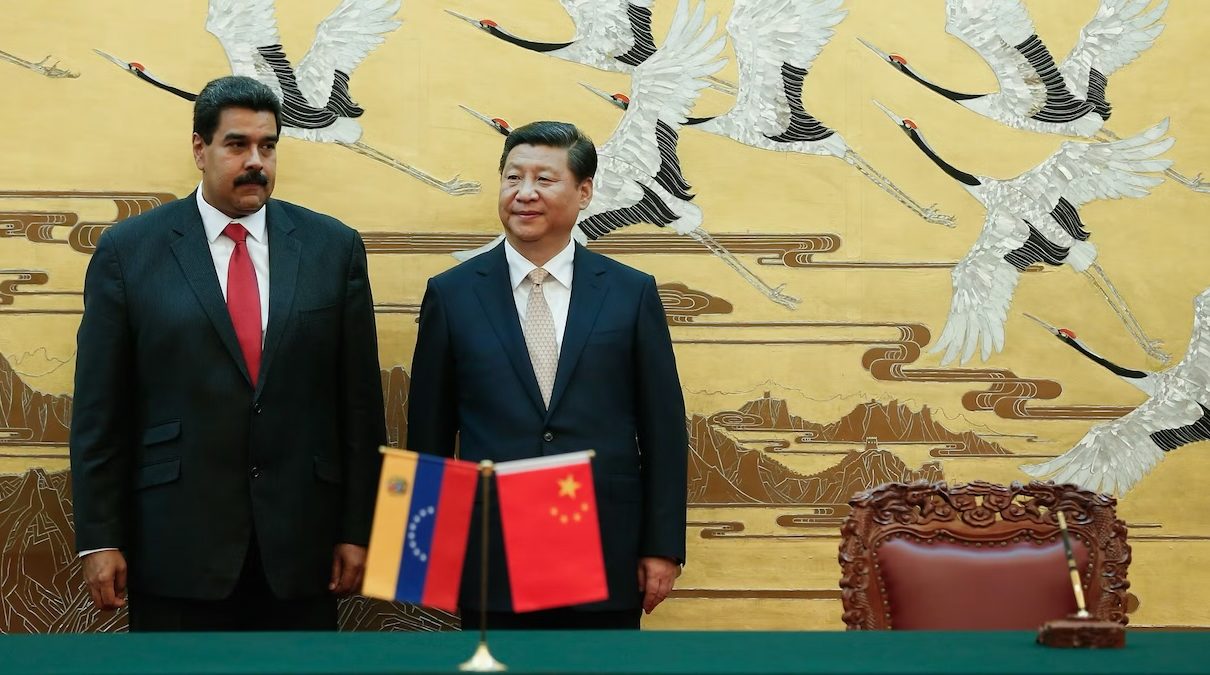
    The Trump administration’s escalating campaign against Venezuela has reached a critical juncture with the U.S. president declaring the nation’s airspace ‘closed’—a move historically associated with impending military interventions. This development has triggered significant geopolitical repercussions, particularly from China, which has firmly opposed the declaration as a violation of international norms and national sovereignty.

    Chinese Foreign Ministry spokesperson Lin Jian articulated Beijing’s position on December 3, emphasizing rejection of any pretext for interfering in Venezuela’s internal affairs. This stance aligns with China’s broader strategy to expand its influence across Latin America, a region traditionally dominated by U.S. interests. The Trump administration’s threats potentially jeopardize China’s substantial economic and political investments throughout the hemisphere.

    China’s deepening ties with Latin America represent a decades-long expansion, with Brazil exemplifying this strategic partnership. Despite initial expectations that President Jair Bolsonaro’s right-wing government would align with Washington, China emerged as Brazil’s largest trading partner by 2020, accounting for over 30% of its exports. This relationship has only strengthened under Bolsonaro’s successor, Luiz Inácio Lula da Silva, particularly as the U.S.-China trade war made Brazil a crucial alternative source of agricultural products like soybeans.

    Venezuela itself has become increasingly dependent on Chinese markets, with China becoming the primary destination for Venezuelan oil. Current estimates suggest China purchases approximately 268,000 barrels daily, though actual figures may be higher due to mislabeling practices aimed at circumventing U.S. sanctions. This energy relationship supports China’s efforts to diversify its natural resource sources and maintain manufacturing advantages.

    The White House’s December 2 statement reaffirming commitment to the Monroe Doctrine—and introducing a new ‘Trump Corollary’ emphasizing U.S. control in the hemisphere—signals a deliberate challenge to Chinese influence. However, China’s primarily economic engagement in Latin America remains transactional rather than alliance-based, creating potential strains with regional partners who might expect stronger support during crises.

    Despite military non-interventionism, China stands to benefit from increased regional tensions through expanded arms sales. Venezuela already purchases Chinese military equipment ranging from riot gear to missiles, with other nations including Argentina, Bolivia, Ecuador following similar paths. As the Trump administration recalibrates U.S. military presence per its National Security Strategy, China carefully monitors developments that could affect its carefully cultivated influence in Latin America.

  • Why are Thailand and Cambodia fighting at the border?

    Why are Thailand and Cambodia fighting at the border?

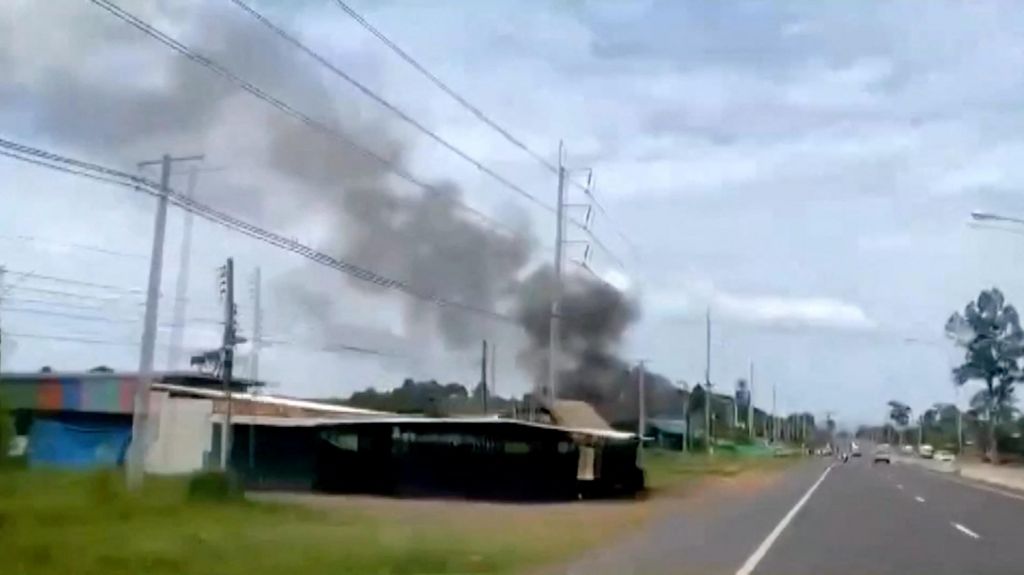
    The fragile peace agreement brokered by former US President Donald Trump between Thailand and Cambodia has completely unraveled, triggering the most severe military confrontation along their disputed border since July. The renewed violence has resulted in significant casualties, with at least three Thai soldiers and seven Cambodian civilians confirmed dead since hostilities reignited on Monday.

    This latest escalation represents a dramatic breakdown of the Kuala Lumpur peace accord signed in October under Trump’s mediation. Thailand suspended the agreement just two weeks after its signing, and by December, full-scale fighting had resumed. Both nations have exchanged contradictory accounts of how the violence originated, with each accusing the other of initiating hostilities.

    Thailand’s military command reported that their forces responded to Cambodian gunfire in Ubon Ratchathani Province that killed a Thai soldier, subsequently launching airstrikes against military targets along the contested frontier. Conversely, Cambodia’s defense ministry maintains that Thai forces attacked first in Preah Vihear province, claiming they exercised restraint by not retaliating initially.

    The conflict escalated further when Thailand accused Cambodia of deploying multiple-launch rocket systems, bomb-dropping drones, and kamikaze drones against Thai positions, with some projectiles allegedly striking civilian areas. Cambodia countered with allegations that Thailand fired indiscriminately into civilian zones in Pursat Province.

    This border dispute has historical roots stretching back over a century to when French colonial authorities demarcated the boundaries between the two nations. Tensions dramatically intensified in 2008 when Cambodia sought UNESCO World Heritage status for an 11th-century temple located in the contested territory. The current crisis began escalating in May when a Cambodian soldier was killed, plunging bilateral relations to their lowest point in over a decade.

    Prior to the July clashes, both nations had implemented reciprocal border restrictions, with Cambodia banning Thai agricultural imports and cutting off power and internet services. Both countries had also been reinforcing their military presence along the border in recent weeks.

    The October peace agreement had stipulated the withdrawal of heavy weapons from the disputed region and establishment of an interim observer team. The next phase was supposed to include the release of 18 Cambodian soldiers detained in Thailand. With the ceasefire now collapsed, the future of these diplomatic arrangements remains uncertain.

    International travel advisories have been updated, with the British Foreign Office currently recommending against all but essential travel within 50 kilometers of the entire Thailand-Cambodia border region.

  • Court awards MH370 victims 2.9m yuan each

    Court awards MH370 victims 2.9m yuan each

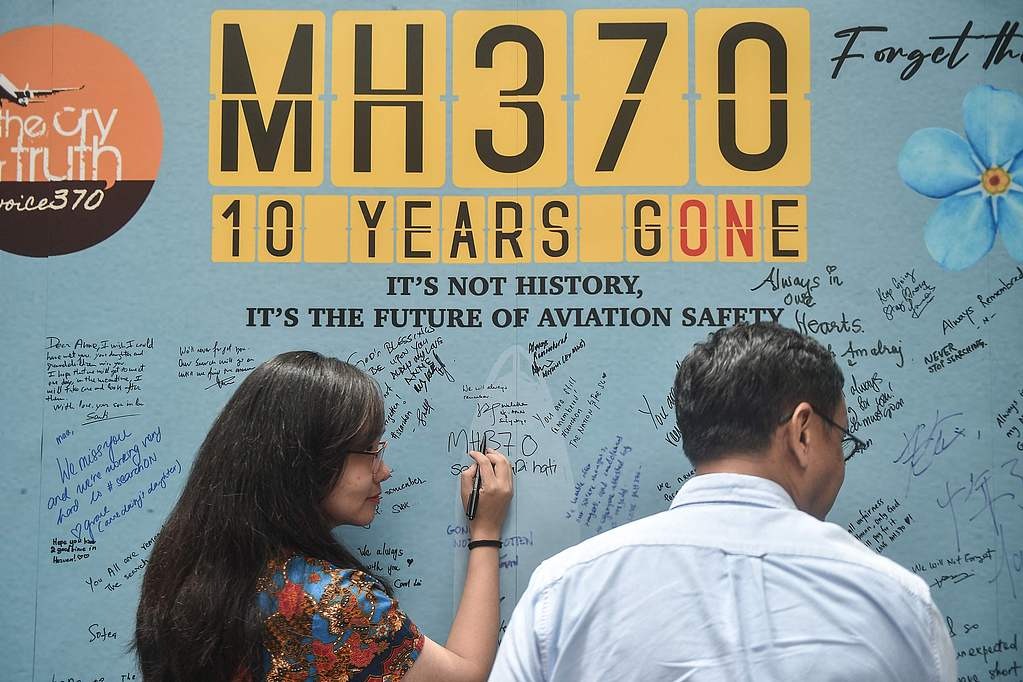
    In a landmark ruling, a Beijing court has mandated Malaysia Airlines to pay approximately 2.9 million yuan ($409,813) to each of eight families who lost relatives in the mysterious disappearance of Flight MH370. The first-instance judgment delivered on Monday represents a significant development in the decade-long legal battle surrounding one of aviation’s most perplexing tragedies.

    The compensation award comes as Malaysian authorities announced the imminent resumption of search operations for the missing aircraft. Malaysia’s transport ministry confirmed that marine robotics firm Ocean Infinity will recommence seabed exploration on December 30, committing to 55 days of intermittent search activities in the area deemed most likely to contain the aircraft’s remains.

    The ill-fated Malaysia Airlines Flight MH370 vanished on March 8, 2014, while en route from Kuala Lumpur to Beijing with 239 people aboard. The Boeing 777’s disappearance triggered the most extensive and costly search operation in aviation history, yet the aircraft’s main wreckage has never been located. Among those on board, approximately two-thirds were Chinese citizens, with the remainder comprising passengers from Malaysia, France, Australia, Indonesia, India, the United States, Ukraine, Canada, and other nations.

    The legal proceedings involved 78 separate cases filed in 2016 by families of 75 passengers against Malaysia Airlines and its parent company Malaysia Airlines Berhad. Through court-mediated negotiations, 47 cases reached settlement agreements and were subsequently withdrawn. The recent judgment addresses eight cases where passengers had been legally declared deceased, while 23 cases remain pending judicial review for families who haven’t completed legal death declaration procedures.

    The court determined the compensation amount in accordance with the Montreal Convention and relevant Chinese legislation, encompassing death compensation, funeral expenses, mental anguish damages, and associated costs. Malaysian authorities emphasized their continued commitment to “providing closure to the affected families” through both the ongoing search efforts and the legal resolution process.

  • HK election hailed as a milestone for democracy

    HK election hailed as a milestone for democracy

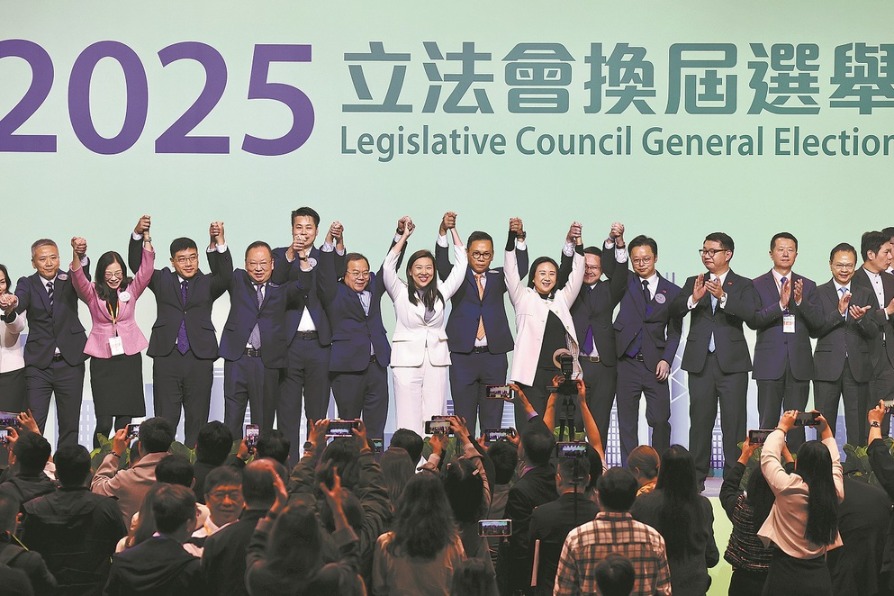
    Hong Kong has ushered in a new political era with the successful conclusion of its Legislative Council elections, widely recognized as a significant milestone for the region’s democratic development. The electoral process culminated on Monday with the announcement of all 90 members who will comprise the eighth-term Legislative Council of the Hong Kong Special Administrative Region (HKSAR).

    The composition of the new council reflects the enhanced electoral framework, with 40 members elected by the Election Committee, 30 through functional constituencies, and 20 via geographical constituencies through direct elections. Official figures indicate robust voter participation, with over 1.3 million citizens exercising their democratic rights during Sunday’s polling.

    Central authorities in Beijing have applauded the electoral outcome as a testament to Hong Kong’s high-quality democracy and a crucial reinforcement of the ‘one country, two systems’ principle. A spokesperson for the Hong Kong and Macao Affairs Office emphasized that the newly elected legislators represent patriots dedicated to serving both the nation and Hong Kong, possessing the capability and commitment to advance the region’s interests.

    The incoming lawmakers face immediate challenges, including addressing the devastating aftermath of November’s Tai Po fire tragedy that claimed 159 lives and displaced approximately 2,000 families. Legislative priorities will encompass accelerated disaster recovery, long-term economic development, and deeper integration with national development strategies.

    Hong Kong Chief Executive John Lee Ka-chiu extended congratulations to the successful candidates, expressing confidence that the new council would actively engage with communities, understand public concerns, and collaborate with the SAR government to implement meaningful reforms.

    Prominent among the newly elected members is Olympic gold medalist fencer Vivian Kong Man-wai, who secured victory in the tourism constituency. Veteran politician Starry Lee Wai-king, simultaneously serving on China’s National People’s Congress Standing Committee, retained her seat representing Kowloon Central.

    The newly constituted Legislative Council is scheduled to commence its four-year term on January 1, marking a new chapter in Hong Kong’s governance under the revamped electoral system grounded in the ‘patriots administering Hong Kong’ principle.

  • How India’s largest airline lost control and threw air travel into chaos

    How India’s largest airline lost control and threw air travel into chaos

    India’s aviation sector is reeling from one of its most severe operational crises in years, triggered by massive flight cancellations from the country’s largest carrier, IndiGo. The airline canceled over 1,600 flights on December 5th alone, stranding hundreds of thousands of passengers and disrupting critical life events including weddings, funerals, and examinations.

    The crisis stems from IndiGo’s failure to adequately prepare for new crew rest regulations implemented by India’s Directorate General of Civil Aviation (DGCA). These regulations, introduced nearly two years ago to align with global safety standards, mandate longer weekly rest periods for pilots (increased from 36 to 48 hours) and stricter limits on nighttime landings (reduced from six to two). While competitors like Air India successfully implemented these changes, IndiGo admitted it couldn’t fully comply by the November deadline.

    Aviation experts point to deeper systemic issues within the airline. Mark Martin, an industry analyst, questioned whether cost considerations prevented necessary hiring: ‘Did they do this because adopting the new rules would have required them to hire hundreds of new pilots and raised costs?’ The airline’s aggressive expansion into international routes may have further diverted management attention from compliance requirements.

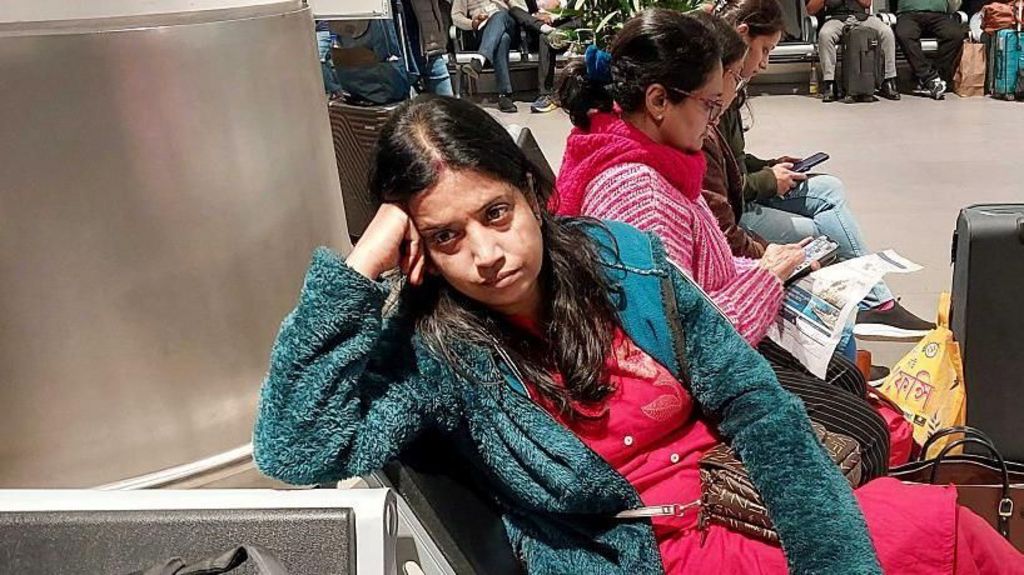
    The human impact has been devastating. Passengers like Manjuri, who was transporting her husband’s coffin for final rites, faced unimaginable hardships. The widespread disruptions forced some travelers to camp at airports for days while others missed crucial family events and professional commitments.

    Financial repercussions are mounting. Moody’s ratings agency warned of significant revenue loss from cancellations, refunds, customer compensation, and potential regulatory penalties. IndiGo’s stock price has tumbled in Mumbai trading as investors anticipate increased operational costs under the new rules.

    Despite securing a temporary exemption until February, the airline faces mounting criticism. The Airline Pilots Association of India condemned the exemption as undermining safety standards. Competitors including Air India and SpiceJet have capitalized on the situation by adding hundreds of flights to accommodate stranded passengers.

    Industry veterans like GR Gopinath, founder of Air Deccan, attribute the crisis to monopolistic indifference stemming from IndiGo’s 60% market dominance. The carrier transports over 100 million passengers annually through its 2,000 daily flights.

    With parliamentary discussions underway and the aviation minister threatening ‘very strict action,’ IndiGo’s reputation as India’s reliable low-cost carrier hangs in the balance. The DGCA has issued a show-cause notice citing ‘significant lapses in planning and oversight’ and reportedly demanded a 5% reduction in flight schedules.

    Experts warn that recovery may take years, with lasting damage to the airline’s financial stability, safety reputation, and passenger trust. The crisis represents a pivotal moment for India’s aviation regulator to demonstrate enforcement authority while ensuring passenger safety remains paramount.

  • Goa nightclub owners fled to Thailand hours after deadly fire, police say

    Goa nightclub owners fled to Thailand hours after deadly fire, police say

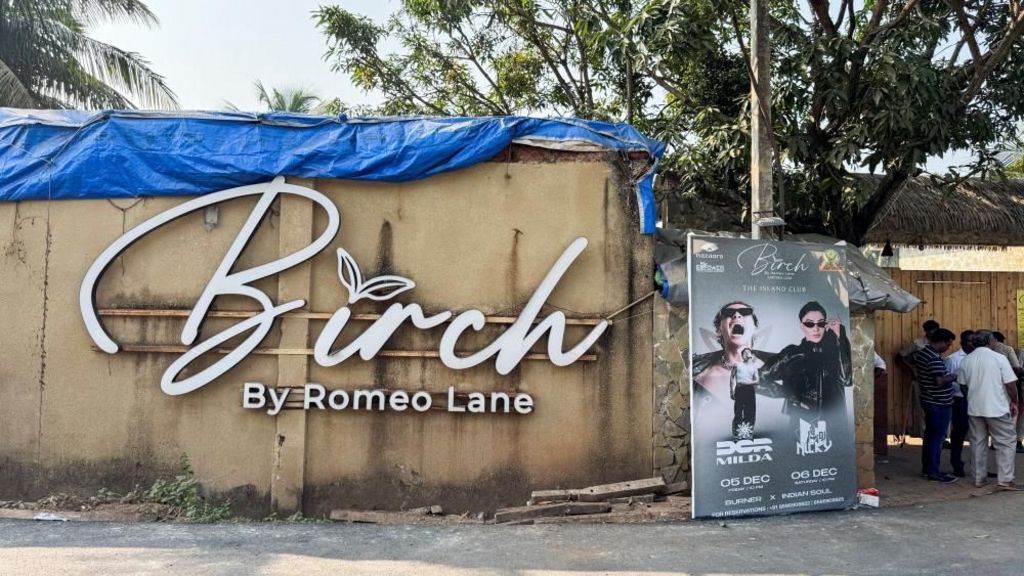
    Indian authorities have launched an international manhunt for the owners of a popular Goa nightclub where a catastrophic fire claimed 25 lives on Sunday. Police confirmed that brothers Saurabh and Gaurav Luthra, proprietors of the Birch By Romeo Lane establishment, fled to Phuket, Thailand hours after the tragedy unfolded.

    The devastating inferno erupted in the early morning hours at the upscale venue located in Arpora’s bustling tourist district, known for its high-end nightlife. Preliminary investigations indicate pyrotechnic displays ignited wooden ceiling beams, triggering a rapid spread of flames through the densely packed club. The venue’s unique island layout—situated in the middle of a lake with narrow access walkways—severely hampered evacuation efforts and firefighting operations.

    Victims predominantly included club staff members, many of whom were migrant workers from other Indian states and four Nepalese nationals. Among the deceased were four tourists from Delhi and two brothers engaged to be married next year. Five survivors remain hospitalized with critical injuries.

    Goa police have engaged Interpol for assistance in locating and apprehending the Luthra brothers, noting their abrupt departure demonstrates “intent to avoid police investigation.” While Saurabh Luthra posted a social media statement expressing “profound grief” and promising cooperation, neither brother has submitted to authorities. Four other individuals, including the club manager, have been arrested in connection with the incident.

    Forensic teams have recovered all victims’ remains and returned them to families across multiple states. The tragedy has sparked nationwide scrutiny of safety regulations in India’s entertainment venues, particularly regarding fire prevention measures and emergency protocols.