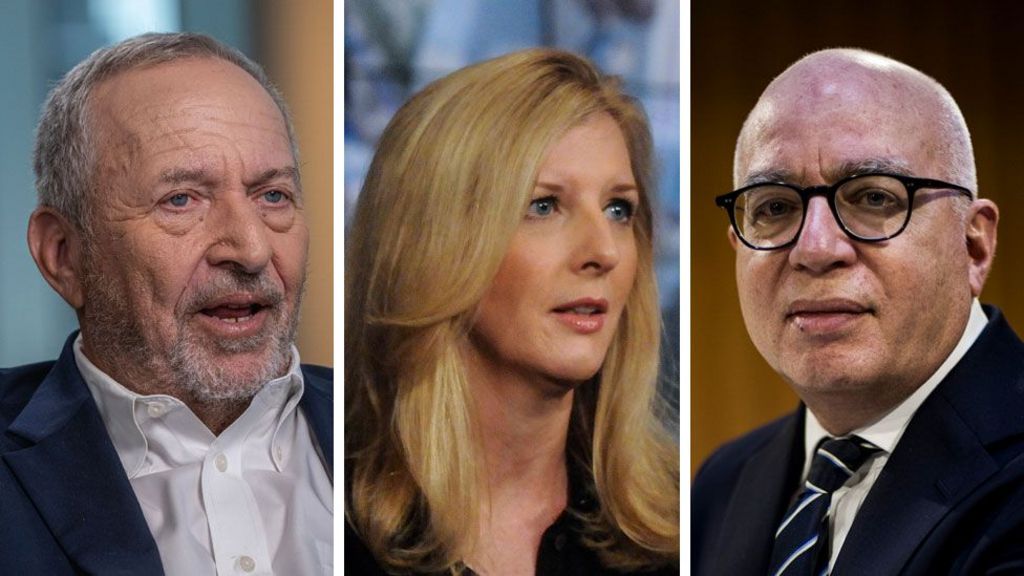
The release of over 20,000 pages of documents from the estate of Jeffrey Epstein has unveiled a web of connections involving prominent figures from politics, media, and entertainment. Among the names mentioned are former U.S. Treasury Secretary Larry Summers, former White House counsel Kathryn Ruemmler, and journalist Michael Wolff. These documents, made public by Congress, shed light on Epstein’s extensive network and his interactions with influential individuals. Michael Wolff, known for his controversial book ‘Fire and Fury,’ revealed that he had corresponded with Epstein, discussing strategies related to Donald Trump’s presidential campaign. Wolff disclosed that he had advised Epstein on how to handle questions about Trump’s relationship with the disgraced financier. Larry Summers, who served under President Bill Clinton, was also implicated, with emails showing frequent dinners and discussions about global figures. Summers has expressed regret over his association with Epstein. Kathryn Ruemmler, who served as White House counsel under Barack Obama, was involved in discussions about hush-money payments made by Trump to Stormy Daniels. Ruemmler has since stated her regret for knowing Epstein. The documents also mention billionaire investor Peter Thiel, who was invited by Epstein to visit his Caribbean island, though Thiel denies ever going. Linguist Noam Chomsky was also found to have corresponded with Epstein, discussing various topics including Trump. The revelations continue to highlight the far-reaching influence of Epstein and the complex relationships he maintained with some of the world’s most powerful individuals.
作者: admin
-
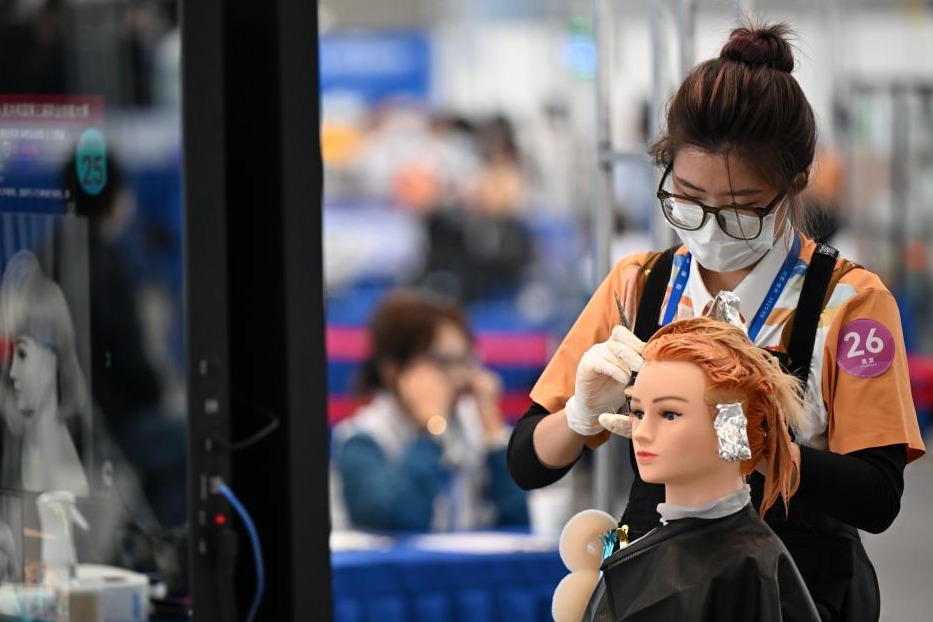
Sino-foreign educators expand intl vocational training cooperation
In a significant move to bolster global vocational education, Sino-foreign officials and educators have pledged to deepen exchanges and cooperation. This initiative aims to cultivate interdisciplinary talents that align with the evolving demands of modern education, driven by increasing global collaboration. Fang Shusheng, an inspector at the Guangdong provincial department of education, emphasized the critical role of openness and cooperation in the education sector. He urged universities and colleges worldwide to adopt a broader global perspective to advance the internationalization of vocational education. Fang made these remarks at the Guangdong Province ‘Belt and Road’ Vocational Education Alliance 2025 Annual Activities held in Guangzhou. Ma Renting, president of Guangzhou Polytechnic University, highlighted the university’s extensive cooperative relations with over 20 countries and regions, creating a robust platform that spans major Belt and Road Initiative participants. He stressed the importance of Sino-foreign cooperative education in systematically cultivating professionals proficient in Chinese, familiar with the culture, and skilled in specialized technologies. Sounantha Souvanlasy, dean of the Faculty of Pharmacy at the University of Health Sciences in Laos, noted the in-depth exchanges with Guangdong Food and Drug Vocational College, resulting in a basic cooperation agreement. This collaboration is expected to complement each other’s strengths, pursue common development, and extend educational cooperation in the medical and health field between China and Laos. The event, attended by over 200 representatives from 42 domestic and 15 overseas universities and colleges, along with 20 cooperative enterprises, featured keynote speeches, expert lectures, and round-table meetings. Seven cooperation projects were signed, covering university-university partnerships, university-enterprise collaboration, and international order-based training programs, aligning with the needs of international vocational education cooperation and industrial development directions. These agreements are set to expand the breadth and depth of Guangdong’s international vocational education cooperation.
-
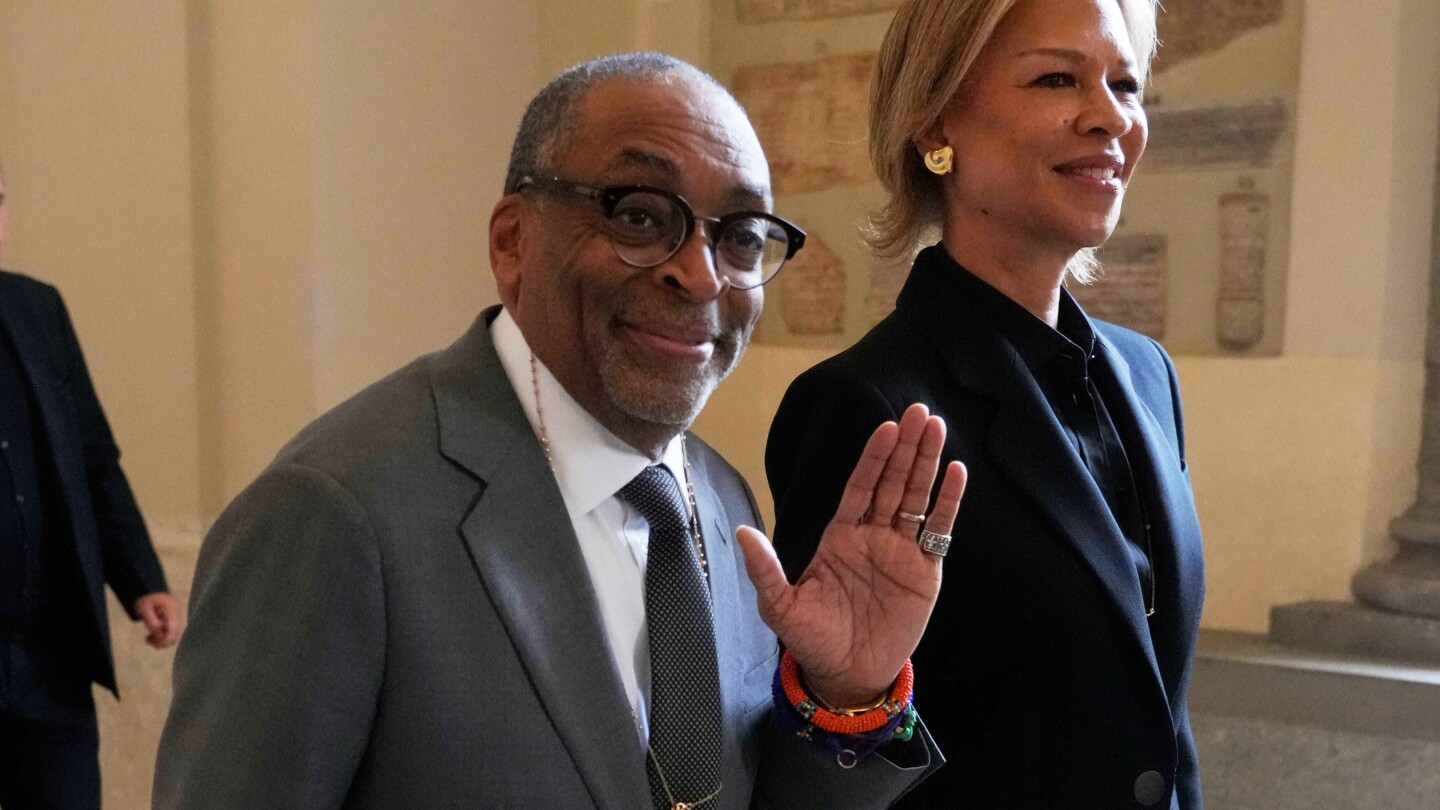
Pope Leo XIV celebrates cinema with Hollywood stars and urges inclusion of marginal voices
In a historic gathering at the Vatican, Pope Leo XIV welcomed a constellation of Hollywood stars, including Spike Lee, Cate Blanchett, and Greta Gerwig, to a special audience celebrating the transformative power of cinema. The event, organized by the Vatican’s culture ministry, underscored the Church’s commitment to engaging with the secular world through art and culture. Pope Leo, the first American pope, emphasized the profound impact of film as a universal medium that can challenge, inspire, and unite. He urged filmmakers to amplify marginalized voices and described cinema as “a popular art in the noblest sense, intended for and accessible to all.” The pontiff also expressed concern over the decline of movie theaters, calling on institutions to preserve their cultural and social significance. The audience, which included Italian stars like Monica Bellucci and Alba Rohrwacher, as well as American actors such as Chris O’Donnell and Judd Apatow, highlighted the Vatican’s efforts to foster dialogue with the global cultural community. Spike Lee, who presented Pope Leo with a Knicks jersey, and Cate Blanchett, who praised the pope’s understanding of cinema’s unifying role, were among the many attendees inspired by the event. Archbishop Paul Tighe, a key organizer, noted the challenges of assembling the guest list but expressed pride in the turnout, which he described as a celebration of cinema’s democratic and inclusive nature.
-
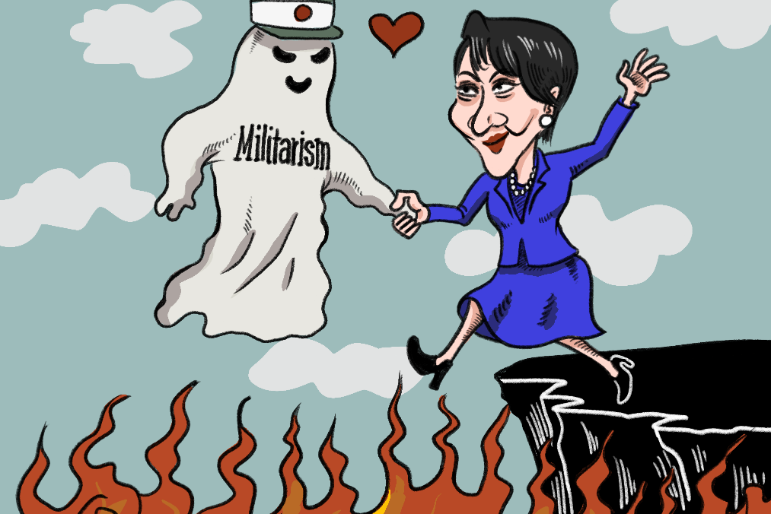
Japanese PM’s erroneous remarks on Taiwan continue to spark domestic outcry, stern Chinese warnings
Japanese Prime Minister Sanae Takaichi’s recent comments on Taiwan have ignited a wave of domestic criticism and drawn stern warnings from China. Speaking at a Diet meeting last week, Takaichi suggested that Japan’s Self-Defense Force could exercise the right of collective self-defense if China were to use military force against Taiwan. Despite China’s strong objections and diplomatic protests, Takaichi has refused to retract her remarks, which imply potential armed intervention in the Taiwan Strait. Her statements have been labeled as both erroneous and dangerous by senior political figures and media outlets in Japan. Former Prime Minister Shigeru Ishiba criticized Takaichi’s comments as dangerously close to equating a Taiwan contingency with a Japan contingency, a stance previous governments had carefully avoided. Hiroshi Ogushi of the Constitutional Democratic Party of Japan demanded Takaichi revoke her remarks, emphasizing the gravity of such declarations. Ichiro Ozawa, another CDPJ member, warned that such rhetoric could lead to significant sacrifices for the Japanese people. Former Prime Minister Yukio Hatoyama reiterated that Japan should not interfere in China’s internal affairs. Major Japanese newspapers, including the Nikkei and Yomiuri Shimbun, have also condemned Takaichi’s abandonment of ‘strategic ambiguity’ and her exploitation of security policy for political gain.
-
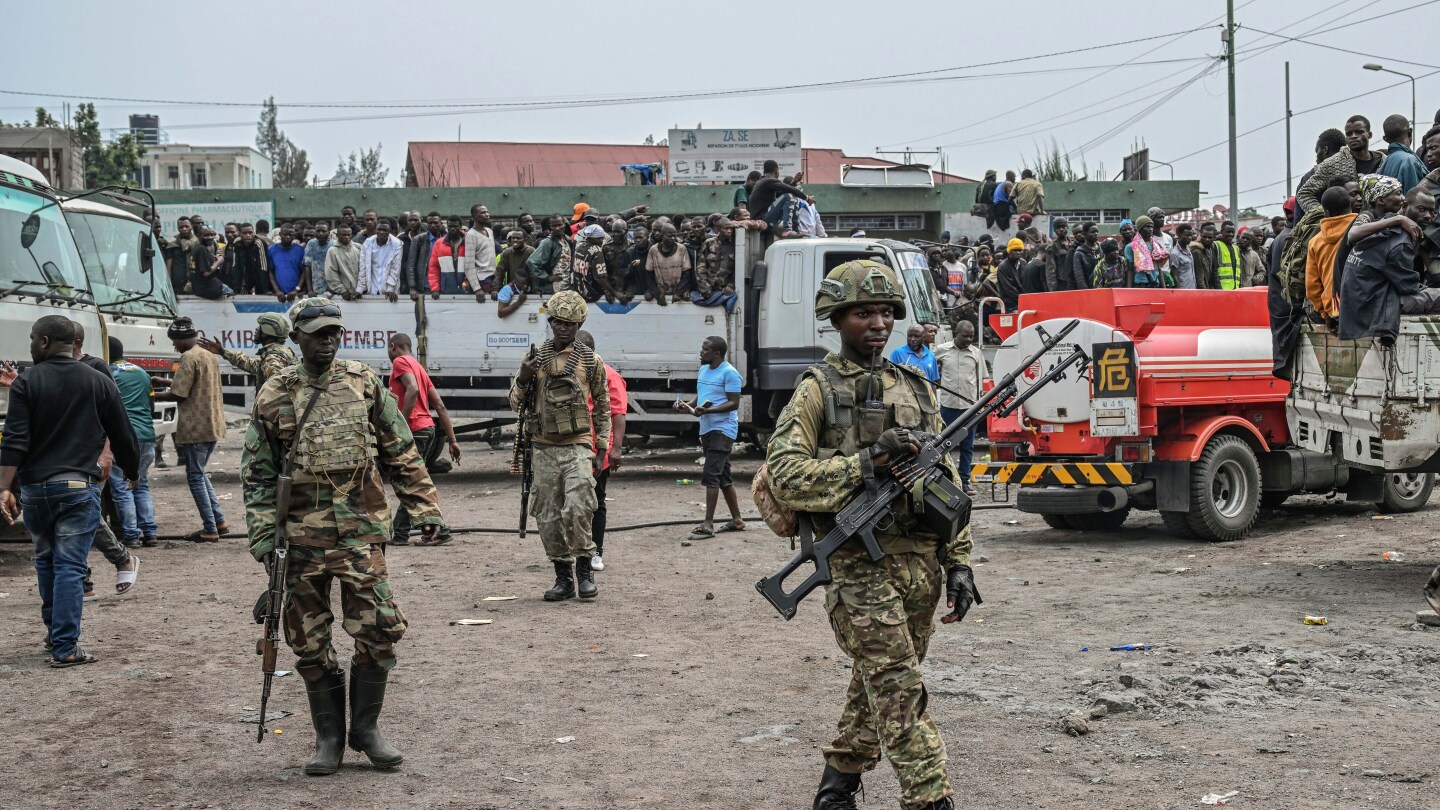
Congo and Rwanda-backed M23 rebels sign framework for peace deal, but tensions remain
In a significant development aimed at ending decades of conflict in eastern Congo, the Congolese government and the Rwanda-backed rebel group M23 signed a framework agreement for a peace deal on Saturday. The agreement, mediated by Qatar and signed in Doha, outlines protocols and a timeline for future negotiations but does not yet constitute a final peace accord. Benjamin Mbonimpa, head of the M23 delegation, emphasized that the framework includes eight protocols addressing the root causes of the conflict, though specific details remain undisclosed. Mbonimpa stated that no changes or activities would occur on the ground until each protocol is thoroughly debated and a final agreement is reached. A key objective of the framework is the joint management of rebel-held areas by the Congolese government and M23, according to Lawrence Kanyuka, a spokesperson for the rebels. M23, supported by Rwanda, is the most prominent among over 100 armed groups vying for control in Congo’s mineral-rich east, which has displaced 7 million people and been labeled by the U.N. as one of the world’s most complex humanitarian crises. Earlier this year, the conflict escalated when M23 seized Goma and Bukavu, two strategic cities in eastern Congo. Qatar has hosted multiple rounds of talks since April to establish preconditions for peace and confidence-building measures, though both sides continue to accuse each other of prolonging the conflict. In July, Congo and M23 signed a declaration of principles in Qatar, committing to a comprehensive peace agreement that would restore state authority in rebel-controlled areas and facilitate prisoner exchanges. Despite agreeing to finalize a deal by August 18, the deadline was missed due to mutual accusations of violating peace terms. In October, the two sides agreed to establish an oversight body for a potential permanent ceasefire. Massad Boulos, a senior adviser to former U.S. President Donald Trump, attended the signing ceremony in Doha and described the framework as a “starting point” and a “historic” opportunity. The Trump administration has played a key role in mediating between Rwanda and Congo, leading to a peace deal between the two nations in June.
-

US and UK warn of major e-visa data breach in Somalia
A significant cybersecurity incident has rocked Somalia’s electronic visa system, potentially exposing sensitive personal information of tens of thousands of applicants, including US citizens. The US Embassy in Somalia issued a stark warning on Thursday, citing credible reports that unidentified hackers had infiltrated the government’s e-visa platform. The breach, which remains ongoing, has reportedly compromised data such as names, photographs, dates of birth, marital statuses, home addresses, and email contacts. The UK has also advised travelers to weigh the risks before applying for an e-visa to Somalia, emphasizing the potential dangers of submitting personal information to the compromised system. Somali authorities have yet to comment on the breach, but the government has quietly transitioned its visa services from evisa.gov.so to etas.gov.so without providing an official explanation. The US Embassy noted that while it cannot confirm individual involvement in the breach, all applicants who have used the e-visa system may be affected. The incident has further strained tensions between Somalia and the self-declared republic of Somaliland, which has refused to recognize Somalia’s e-visa system. Somaliland’s Foreign Minister warned that the system is unsafe, raising concerns that personal data could fall into the hands of extremist groups. The dispute has left some travelers stranded at airports, as airlines refuse to board passengers without Somalia’s e-visa approval. Meanwhile, Somaliland’s Civil Aviation Minister has asserted that airlines must now obtain clearance from Hargeisa before entering its airspace, a directive that has already led to several aircraft being rerouted. The Somalia Civil Aviation Authority, however, maintains sole control over the nation’s airspace and has warned that non-compliance with its directives could result in serious legal consequences.
-
Trump says will sue BBC for up to $5 billion over video edit
Former US President Donald Trump has announced his intention to sue the British Broadcasting Corporation (BBC) for up to $5 billion following a controversial edit of one of his speeches. Trump made the declaration on Friday, accusing the BBC of defamation and admitting to misleading edits. He revealed plans to discuss the matter with British Prime Minister Keir Starmer, who has consistently supported the BBC’s independence while refraining from taking sides against Trump. The BBC had previously apologized for a documentary that implied Trump directly incited violence before the January 6, 2021, Capitol riot. Despite the apology, the broadcaster denied any legal basis for a defamation claim. The controversy has already led to the resignation of the BBC’s director-general and top news executive. Trump’s legal team sent a formal letter to the BBC earlier in the week, demanding an apology and compensation by Friday. The BBC chairman, Samir Shah, issued a personal apology to Trump, but the corporation remains firm in its stance against the defamation allegations. Trump emphasized his determination to pursue legal action, stating, ‘I think I have to do it. They’ve even admitted that they cheated.’
-
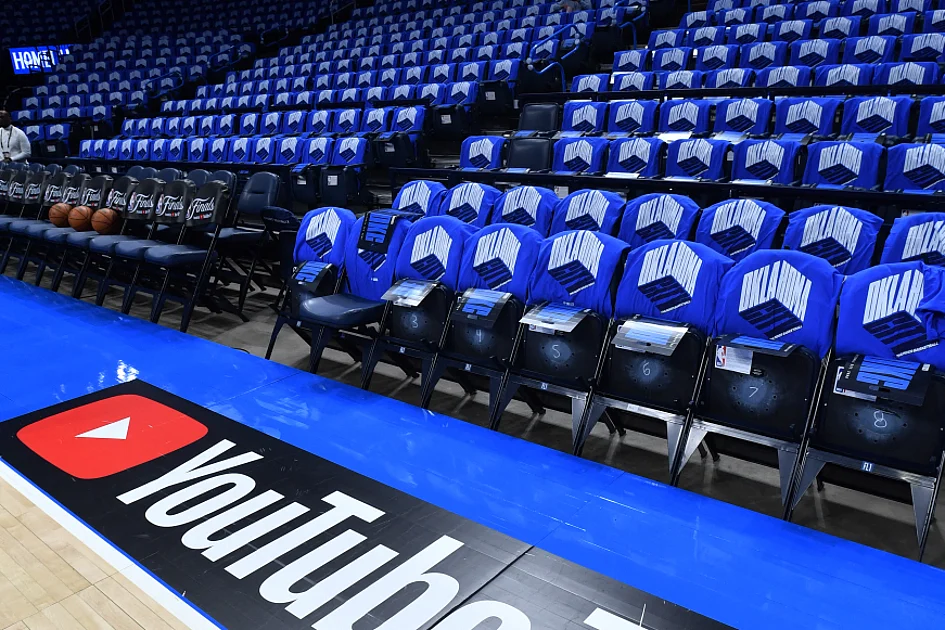
Disney channels to return to YouTube TV after companies agree to end fee dispute
In a significant development for streaming services, YouTube TV and Walt Disney have resolved their fee dispute, ensuring the return of Disney-owned channels to the platform. The affected networks, including ABC, ESPN, FX, National Geographic, and Disney Channel, were restored starting Friday, November 15, 2025. The dispute, which began on October 30, had left millions of subscribers without access to crucial programming, such as US Election Day coverage and major live sports events. ESPN’s full sports lineup, including ESPN Unlimited content, will be available to base-plan subscribers at no extra cost by the end of 2026. The disagreement centered on carriage fees, the per-subscriber rates distributors pay to broadcast networks. Disney sought rates comparable to those paid by major distributors, reportedly around $10 per subscriber monthly for ESPN. YouTube TV, leveraging its rapid growth and Google’s financial resources, negotiated terms that avoid immediate price hikes for customers. Walt Disney CEO Bob Iger emphasized that the proposed deal was equitable, aligning with agreements made by other large distributors. The resolution alleviates investor concerns about Disney’s declining TV business, which recently missed quarterly revenue expectations despite strong performance in streaming and parks. Earlier, YouTube TV had faced similar disputes with NBCUniversal, Fox, and Paramount, successfully securing continued access to their networks. The platform also offered a $20 credit to subscribers if the Disney channels remained unavailable for an extended period.
-
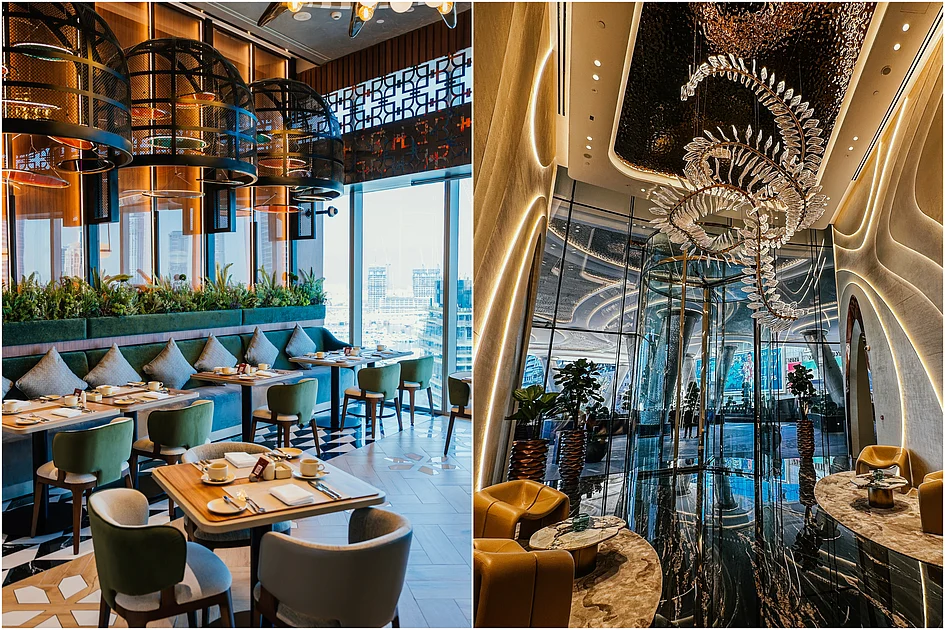
Rocket-lift rides, 360° lounges: Inside Ciel Dubai Marina, world’s tallest hotel
Dubai’s skyline has welcomed a new architectural marvel, the Ciel Dubai Marina, which officially opens its doors on November 15, 2025. Standing at 82 floors, this glass-clad tower has claimed the title of the world’s tallest hotel, offering an unparalleled blend of luxury, innovation, and breathtaking views. Located at the edge of Dubai Marina and overlooking the Arabian Gulf, the hotel is a testament to the city’s relentless pursuit of architectural excellence. Khaleej Times recently explored the space, revealing a design philosophy centered around light, height, and panoramic vistas. The hotel’s exterior resembles a sleek, oval-shaped column of blue glass, while its interiors are a harmonious blend of minimalist aesthetics, soft tones, and expansive windows that flood every corner with natural light. The experience begins with a high-speed elevator that ascends at nearly two floors per second, transporting guests to heights of 60 to 80 floors in mere seconds. From these vantage points, visitors can marvel at iconic landmarks such as Palm Jumeirah, Burj Al Arab, and Burj Khalifa, as well as the sprawling cityscape of Dubai. The hotel’s rooms are designed to frame the city like a live movie, with all-glass facades ensuring uninterrupted views. Two infinity pools offer contrasting perspectives—one facing the Marina’s skyscrapers and the other overlooking Blue Water Island and Ain Dubai. The upper floors house Tattu, a multi-level dining and lounge experience, including a sky pool at 310 meters and a 360-degree Sky Lounge on Level 81, offering panoramic views of Dubai. With eight dining options, a 24-hour gym, and a spa suspended above the city, Ciel Dubai Marina promises a resort-like experience in the sky, where guests can immerse themselves in the city’s dynamic energy without ever stepping outside.
-
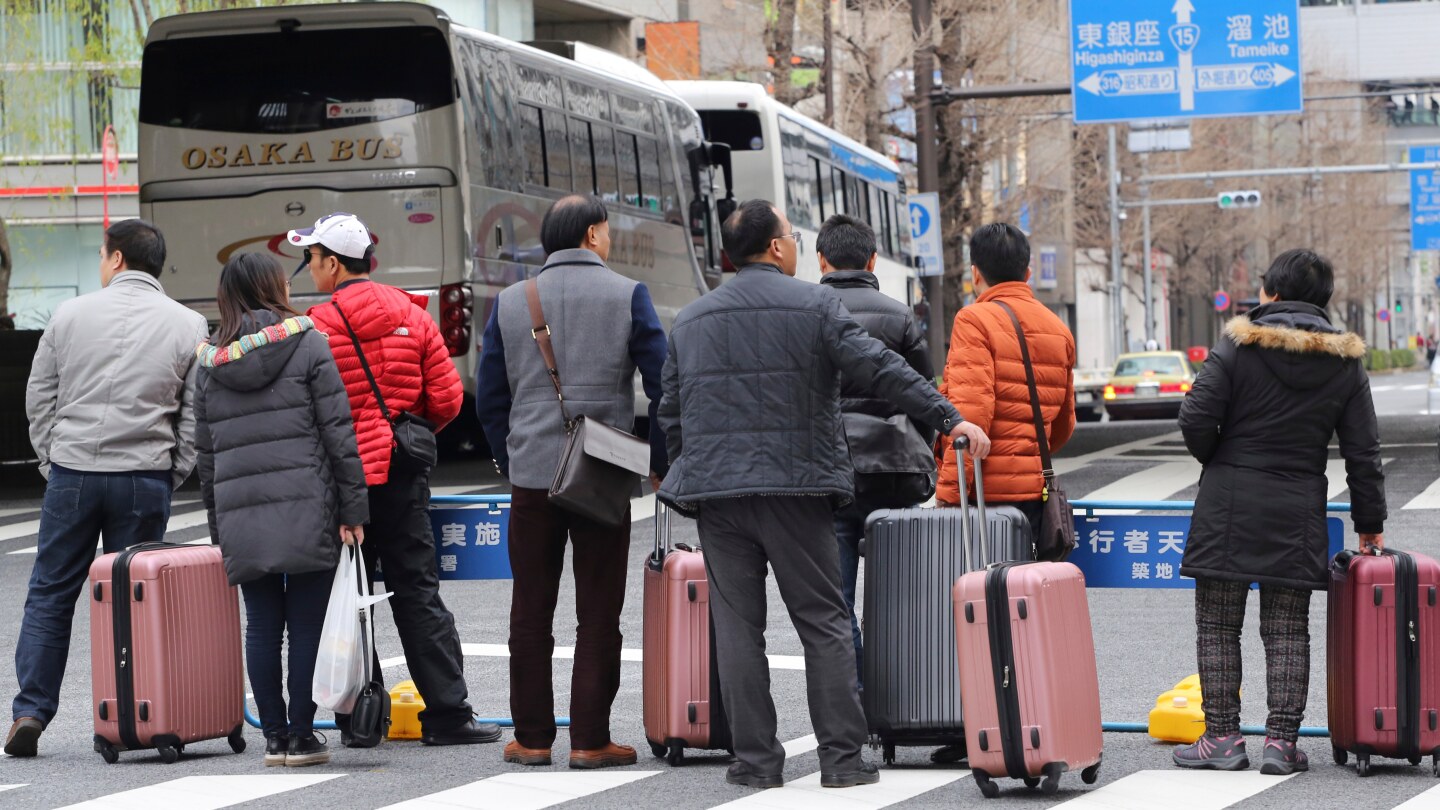
Japan protests China’s travel advisory over Taiwan remarks
Tensions between China and Japan have intensified following a travel advisory issued by Beijing urging its citizens to avoid visiting Japan. The advisory, announced on Friday, cited concerns over recent attacks against Chinese nationals in Japan and what it described as “erroneous remarks” by Japanese Prime Minister Sanae Takaichi regarding Taiwan. China argued that these comments have undermined the atmosphere for bilateral exchanges between the two nations. In response, Japan lodged a formal protest, with Chief Cabinet Secretary Minoru Kihara urging China to take “appropriate measures” to address the situation. Kihara emphasized the importance of multilayered communication to navigate the differences between the two governments. This latest development comes amid a broader context of strained relations, as Takaichi, who assumed office last month, has advocated for strengthening Japan’s military to counter potential threats from China, particularly in contested waters of the western Pacific. The dispute has further complicated an already fragile relationship, with China asserting its territorial claims over Taiwan and conducting military drills in the region. While neither Japan nor the United States maintains official diplomatic ties with Taiwan, the U.S. remains a key supplier of defense equipment to the island and opposes any forceful resolution to the China-Taiwan issue. The travel advisory, which appears more stringent than previous warnings, has raised questions about its potential impact on Chinese tourism to Japan, a popular destination that significantly contributes to Japan’s economy. Several Chinese airlines have already offered no-penalty refunds for tickets to Japan following the announcement.