作者: admin

  • Families of Palestine Action hunger strikers in hospital ‘blocked’ from contacting them

    Families of Palestine Action hunger strikers in hospital ‘blocked’ from contacting them

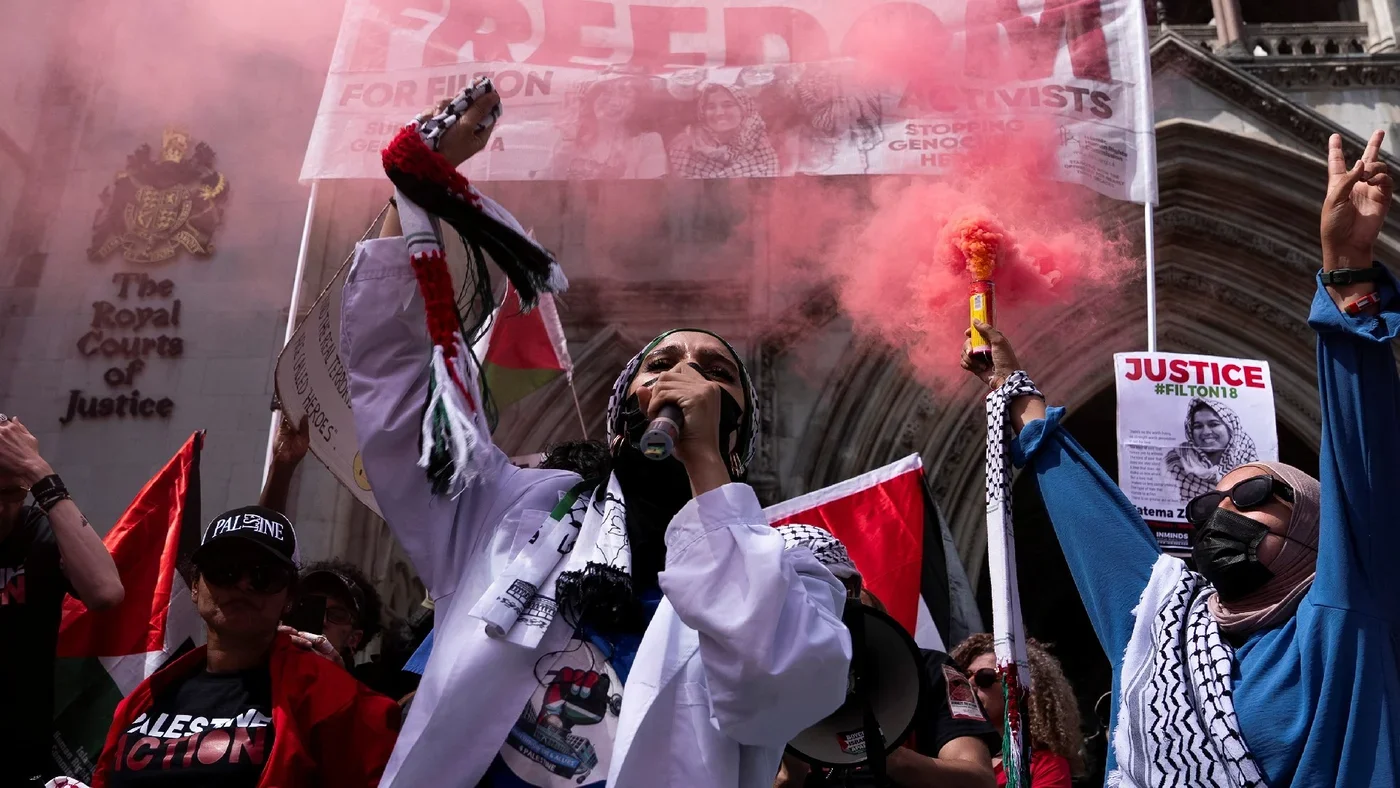
    A deepening humanitarian crisis is unfolding within Britain’s prison system as multiple Palestine Action-linked detainees continue a prolonged hunger strike, now entering its most critical phase. The situation has drawn sharp criticism from medical professionals and lawmakers who allege systematic neglect and violations of standard healthcare protocols.

    At the center of the controversy is Kamran Ahmed, hospitalized for the second time this week after refusing food since November 2nd. His sister, Shahmina Alam, describes an agonizing information blackout imposed by Pentonville prison authorities. ‘We don’t know how he’s doing, that’s the honest answer,’ Alam told Middle East Eye, explaining how the institution has blocked direct medical updates from healthcare providers to families and legal representatives.

    This communication barrier mirrors experiences across multiple facilities. Ella Moulsdale, listed as next of kin for striker Qesser Zuhrah at HMP Bronzefield, discovered the prison had replaced her as emergency contact without consultation. ‘The hospital refused her a call to me and her lawyer,’ Moulsdale revealed, describing how she learned of Zuhrah’s December 3rd hospitalization through absence rather than official notification.

    Medical oversight appears dangerously inadequate according to emergency physician Dr. James Smith, who has been advising the strikers’ families. He reports consistent failures in basic monitoring: ‘There doesn’t appear to have been a single day where a full set of clinical signs have been shared with me by the next of kin.’ Particularly alarming are missing daily measurements of ketone levels and weight—critical indicators when prisoners approach 40 days without nutrition.

    The physical deterioration has become severe. Ahmed exhibited dangerously high ketone levels and slowing pulse rates before hospitalization, conditions that can precipitate coma or cardiac arrest. Dr. Smith emphasizes the extreme vulnerability during this phase: ‘The body is effectively starting to break down muscles and essential organs. There’s a very, very high risk of death due to infection or electrolyte imbalances that can stop the heart abruptly.’

    Further concerns involve treatment obstruction by prison guards. Smith reports instances where hospitalized strikers were shackled to beds or officers during medical assessments, showers, and consultations—practices that interfere with proper healthcare delivery. He concludes that the standard of care falls ‘far below the minimum standard’ required for such high-risk patients.

    With lives hanging in the balance, multiple MPs have urgently appealed to Justice Secretary David Lammy for intervention. Labour MP Zarah Sultana warned the strikers’ lives are ‘now at immediate risk’ and demanded ‘meaningful action.’ Thus far, responses have been inadequate or nonexistent, raising questions about accountability and transparency within the UK’s justice system as this preventable medical emergency escalates.
  • Qingdao Port integrates clean energy with China’s first hydrogen-electric tugboat

    Qingdao Port integrates clean energy with China’s first hydrogen-electric tugboat

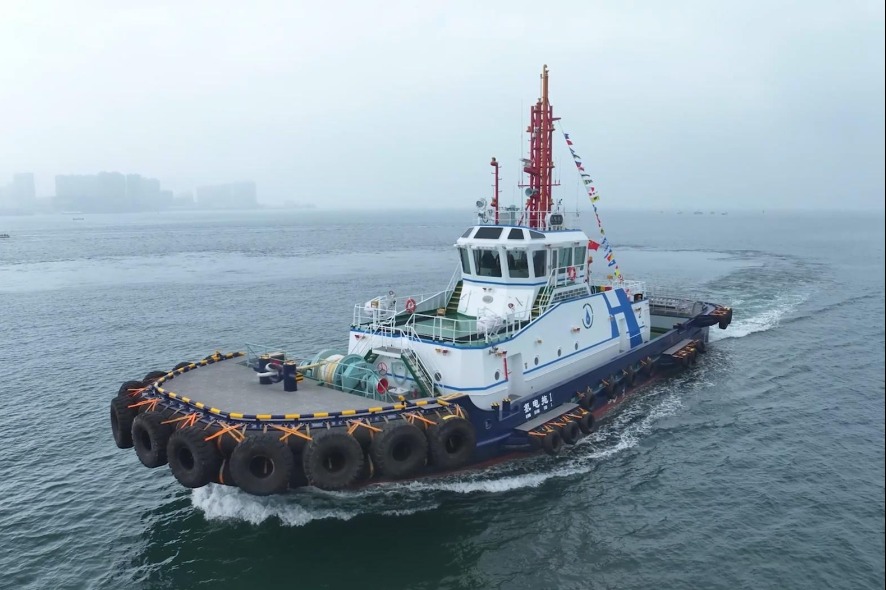
    Qingdao Port in Shandong Province has launched a groundbreaking clean energy initiative with the commissioning of China’s first hydrogen-electric hybrid tugboat, marking a significant advancement in sustainable maritime operations. Since its mid-summer deployment, the innovative vessel has been actively supporting port operations while demonstrating substantial environmental benefits.

    According to Captain Zhou Zixiang, the tugboat features an advanced hybrid propulsion system integrating hydrogen fuel cells with liquid-cooled lithium battery technology. This configuration enables approximately 12 hours of continuous operation on a single charging cycle. The vessel represents a technological leap forward in port machinery, offering superior energy utilization efficiency and enhanced maneuverability compared to conventional diesel-powered tugboats.

    The environmental impact is particularly noteworthy, with projections indicating an annual reduction of approximately 1,500 tons of carbon dioxide emissions from this single vessel alone. The tugboat incorporates China’s Beidou Navigation Satellite System for precise positioning and operations, complemented by an intelligent shore-based charging infrastructure specifically designed for hydrogen and electric vessels.

    This maritime innovation forms part of Qingdao Port’s broader green transformation strategy. Despite handling a record annual cargo throughput exceeding 700 million tons, the port has aggressively integrated renewable energy sources throughout its operations. The facility has established comprehensive solar and wind power generation systems combined with large-scale energy storage solutions, creating an integrated charging zone dedicated to clean energy vehicles and equipment.

    Current statistics reveal impressive sustainability metrics: photovoltaic installations generate approximately 25 million kilowatt-hours of electricity annually, nearly 80% of operational vehicles within the port now utilize new energy sources, and clean energy accounts for 69% of the port’s total energy consumption. These collective efforts are reducing carbon dioxide emissions by approximately 20,000 tons each year, positioning Qingdao Port as a leader in environmentally responsible port management and sustainable shipping technology.

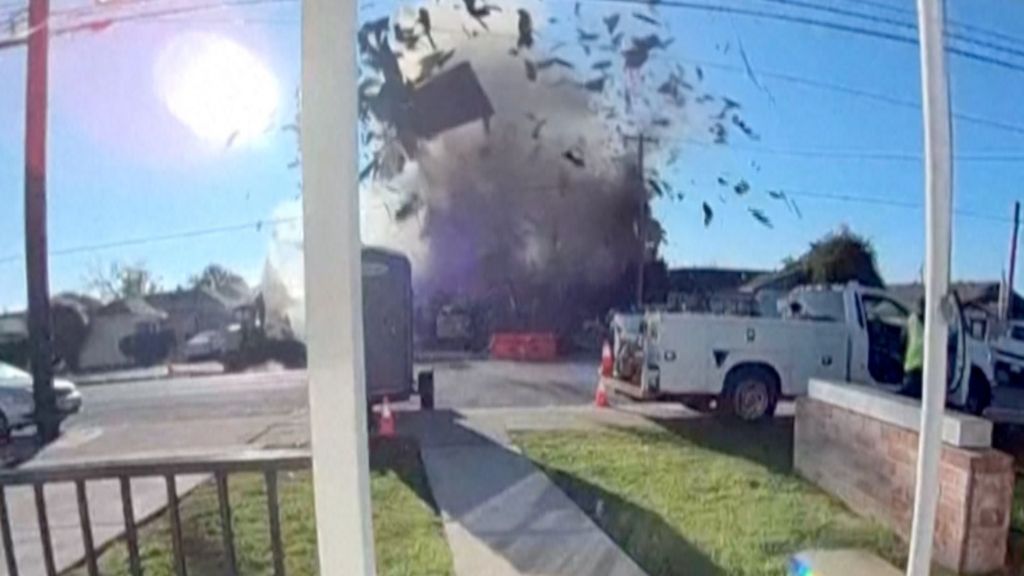
  • Watch: Doorbell camera captures moment house explodes in Haywood, California

    Watch: Doorbell camera captures moment house explodes in Haywood, California

    A quiet residential street in Haywood, California, was transformed into a scene of devastation following a catastrophic house explosion on Tuesday. The violent blast, captured in shocking detail by a neighbor’s doorbell camera, was officially attributed to a significant leak in a natural gas line.

    The incident resulted in six individuals sustaining injuries, with emergency services confirming all victims were transported to nearby medical facilities for treatment. Preliminary reports indicate their conditions range from minor to serious, though none are believed to be life-threatening.

    Beyond the complete destruction of the single-family home where the leak originated, the concussive force of the explosion caused substantial structural damage to several adjacent properties. Windows were shattered blocks away, and debris was scattered across a wide radius, underscoring the intensity of the detonation.

    First responders, including fire crews and hazardous materials teams, rushed to secure the area. Their immediate priority was to isolate the ruptured gas line to eliminate the threat of secondary explosions, a operation officials described as complex and perilous. An urgent evacuation protocol was temporarily implemented for surrounding homes as a precautionary measure while crews worked to stabilize the situation.

    An investigation into the precise cause of the gas line failure is now underway, led by local authorities in coordination with the utility company responsible for the infrastructure. Initial focus is on assessing the integrity of the aging pipeline network in the neighborhood to prevent a recurrence of such a disastrous event.

  • Turkish car ferry damaged in strike at Ukrainian port

    Turkish car ferry damaged in strike at Ukrainian port

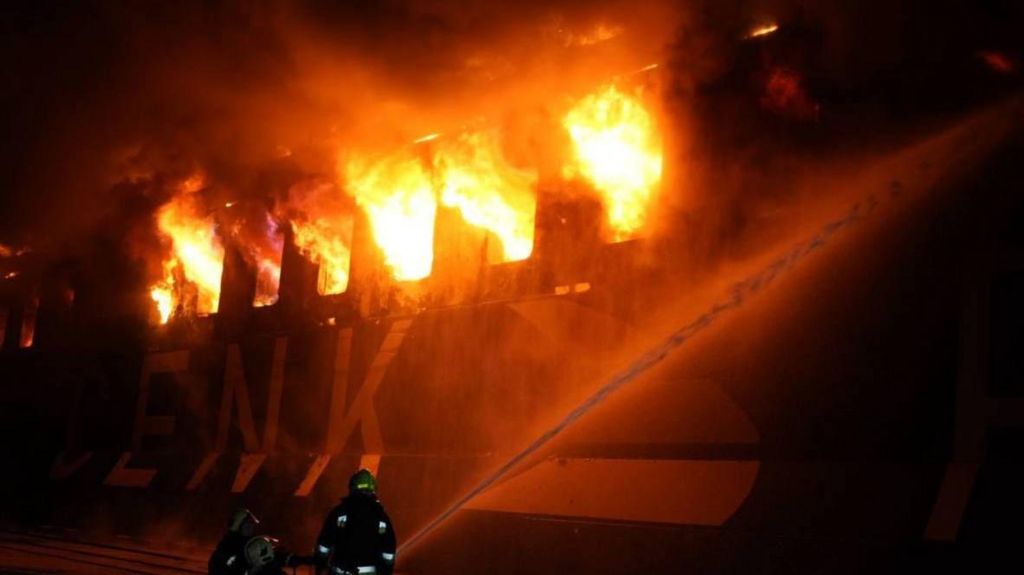
    A Turkish-flagged cargo vessel, the Cenk T, was struck by a missile while docked at the Chornomorsk port near Odesa, Ukraine, on Friday afternoon, triggering a significant fire aboard the civilian ship. The attack occurred at precisely 16:00 local time (14:00 GMT), shortly after the ferry had completed its docking procedures.

    Operating company Cenk Denizcilik confirmed the vessel, which plies the Karasu-Odesa route across the Black Sea, was carrying essential food supplies when it was hit. Emergency protocols were immediately activated, with the ship’s crew, port fire services, and assisting tugboats combating a major blaze that erupted on the vessel’s forward section. Preliminary reports indicate no casualties among the crew members.

    Ukrainian President Volodymyr Zelensky publicly attributed the strike to Russian forces, sharing video footage on his Telegram account that showed emergency crews desperately fighting the intense fire. Zelensky condemned the attack as militarily meaningless, emphasizing the vessel’s civilian status and humanitarian cargo. Moscow has maintained silence regarding the incident.

    The maritime assault occurred mere hours after Turkish President Recep Tayyip Erdogan proposed a limited ceasefire covering energy infrastructure and port facilities during discussions with Russian President Vladimir Putin. This diplomatic overture marks Turkey’s continued effort to mediate between the warring nations, a role it has maintained since Russia’s full-scale invasion began in February 2022.

    Ankara’s Foreign Ministry subsequently issued a statement urging an immediate agreement to guarantee shipping security and suspend attacks against critical infrastructure, emphasizing the urgent need to prevent further escalation in the strategically vital Black Sea region. Turkey’s geopolitical significance is amplified by its control of the Bosphorus Strait, the crucial maritime passage for Ukrainian grain and Russian oil exports to Mediterranean markets.

    This incident represents a significant escalation in Moscow’s campaign to isolate Ukraine from maritime commerce, coming in response to Kyiv’s ongoing drone attacks against Russian oil tankers operating as part of the so-called ‘shadow fleet’—a primary source of funding for Russia’s military operations.

  • Palestinian refugee detained in France ‘at Israel’s request’

    Palestinian refugee detained in France ‘at Israel’s request’

    A Palestinian refugee residing in France under granted asylum faces over 18 months of imprisonment following an extradition request from Israeli authorities, according to advocacy group Free Ali. The individual, identified only as Ali, was apprehended in May 2024 during a dawn raid at his family residence, where French police forcibly entered the property, damaged vehicles, and conducted extensive searches in the presence of his children.

    Ali’s refugee status has been formally revoked by French authorities citing national security concerns, despite the absence of formal charges or trial proceedings. This decision directly contradicts France’s previous acknowledgment of his persecution by Israel, where he endured multiple detainments without trial before his 2014 expulsion.

    The case has ignited serious concerns regarding international refugee protections and judicial independence. Free Ali representatives contend that France’s compliance with Israeli requests constitutes a dangerous precedent wherein geopolitical alliances potentially override humanitarian obligations. Notably, Israel currently faces international legal scrutiny including genocide allegations at the International Court of Justice regarding its Gaza operations.

    Ali’s personal history reveals extensive trauma: at age 14, he witnessed his younger brother’s fatal shooting by an Israeli soldier; he subsequently endured approximately seven years of intermittent imprisonment under Israel’s administrative detention system without formal charges. Following his expulsion, he briefly faced detention in Italy based on Israeli claims before eventually securing asylum in France where he established family life and stable employment.

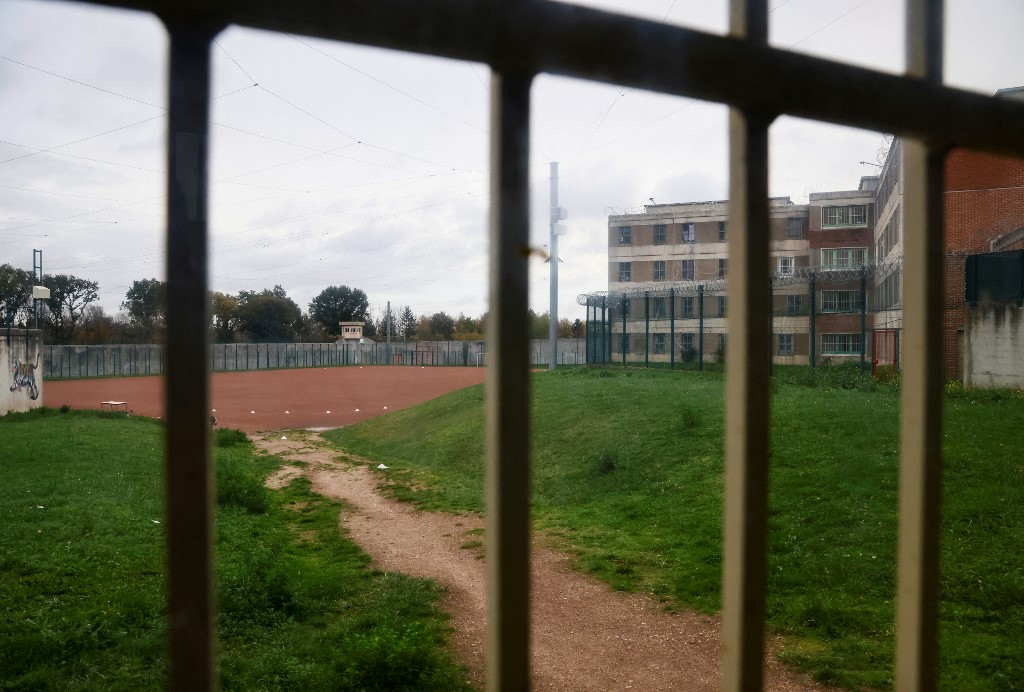
    The psychological impact on his family has been severe: his partner received a cancer diagnosis potentially linked to extreme stress shortly after his detention, while their children developed acute anxiety disorders following the violent arrest circumstances. Currently incarcerated at Osny prison near Paris, Ali has faced denied release requests despite no criminal record in France.

    Advocates emphasize that extradition to Israel would effectively constitute a death sentence given the documented deterioration of Palestinian detainee conditions and systematic torture allegations in Israeli prisons. The case reflects broader patterns of Palestinian criminalization within European jurisdictions through overlapping immigration and anti-terrorism legal frameworks.

  • South Africa eases affirmative action regulations on Starlink and others that Musk said were racist

    South Africa eases affirmative action regulations on Starlink and others that Musk said were racist

    CAPE TOWN, South Africa — In a significant policy shift, South Africa’s communications ministry has amended regulations that previously mandated foreign-owned satellite internet providers to sell 30% of their local equity to historically disadvantaged groups. The directive, issued Friday by Communications Minister Solly Malatsi, introduces alternative compliance mechanisms through ‘equity equivalent’ programs.

    The revised framework allows international companies like Elon Musk’s Starlink to obtain operating licenses by investing in skills development initiatives and other empowerment programs rather than direct ownership transfers. This regulatory adjustment addresses longstanding criticisms that South Africa’s Broad-Based Black Economic Empowerment (B-BBEE) policies created barriers to foreign investment.

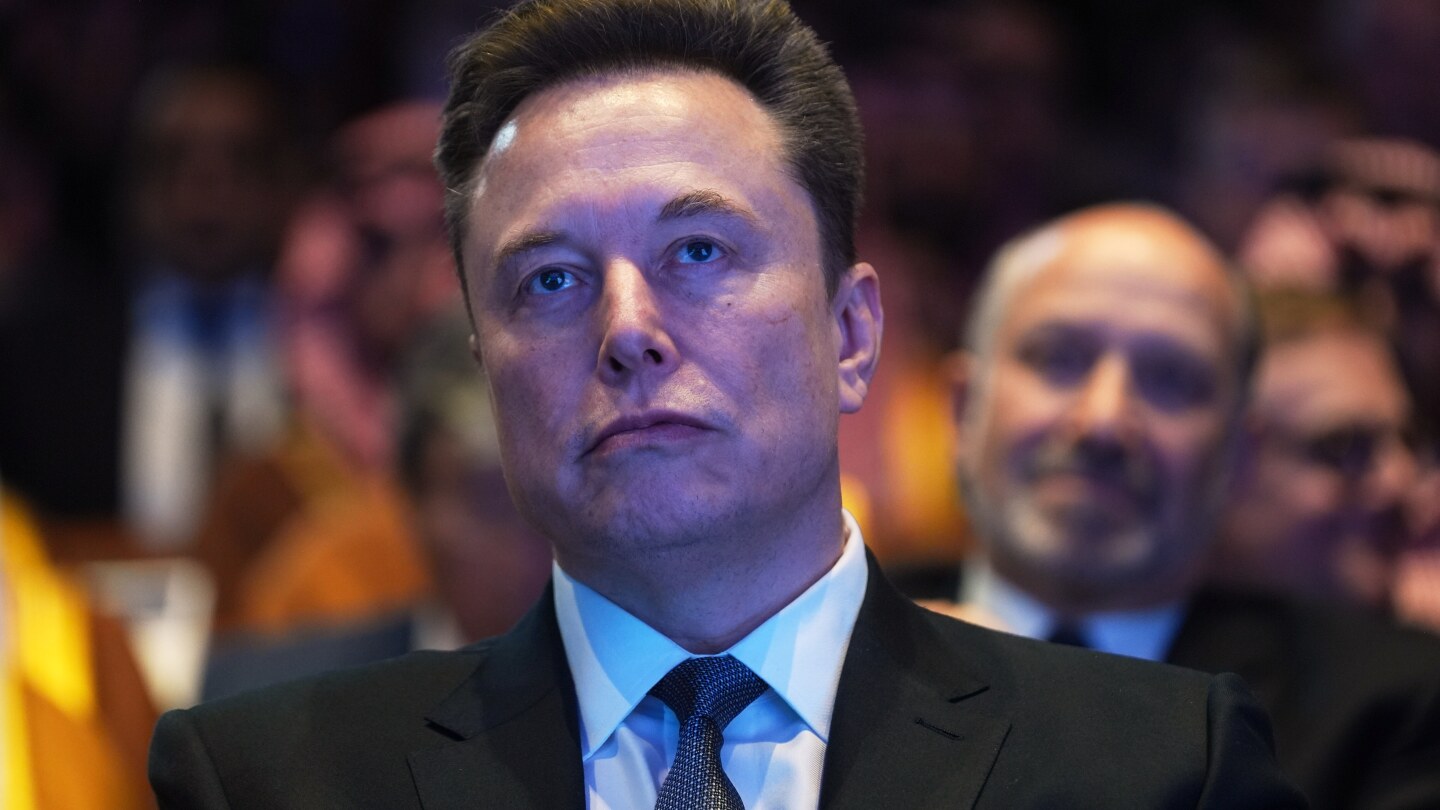
    Musk, who was born in South Africa, had previously condemned the requirements as ‘openly racist ownership laws’ after Starlink faced licensing obstacles. The billionaire entrepreneur had asserted that his companies were being excluded due to racial ownership mandates designed to redress apartheid-era inequalities.

    The policy revision acknowledges that satellite internet services could significantly accelerate high-speed connectivity for rural and underserved communities. Starlink, a subsidiary of SpaceX, already operates in numerous African nations surrounding South Africa, utilizing low-orbit satellite technology to provide internet access.

    Minister Malatsi’s directive aligns with existing provisions available to foreign enterprises across other economic sectors, maintaining the government’s commitment to empowerment while potentially stimulating technological advancement and digital inclusion.

  • Online gaming escaped Australia’s social media ban – but critics say it’s just as addictive

    Online gaming escaped Australia’s social media ban – but critics say it’s just as addictive

    Medical professionals and academics are raising serious concerns about Australia’s groundbreaking social media ban for users under 16, arguing that gaming platforms present identical risks yet remain conspicuously exempt from the new legislation that took effect this week.

    At Australia’s sole publicly-funded gaming disorder clinic in Perth’s Fiona Stanley Hospital, psychiatrist Dr. Daniela Vecchio witnesses firsthand how gaming and social media create interconnected addiction pathways. Her patients, including 15-year-old Sadmir Perviz who previously spent 10 hours daily gaming online, demonstrate how these digital environments foster similar dangers: excessive screen time, potential predator exposure, harmful content, and cyberbullying.

    “Gaming and social media are so interconnected, it’s very difficult to separate,” Dr. Vecchio states. “The individual who plays games for excessive amounts of time also spends excessive amounts of time on social media platforms where they can see other gamers or can live stream gaming.”

    The legislation targets ten social media platforms including Instagram, Snapchat and X, but exempts YouTube, TikTok, and all gaming platforms based on criteria focusing primarily on whether a platform’s main purpose involves social interaction. This exemption puzzles experts who point to platforms like Discord and Roblox – both facing child safety lawsuits in the US – where children frequently encounter explicit content and predatory behavior.

    University of Sydney Professor Marcus Carter calls the approach “incompetence, it’s reactionary,” while Curtin University’s Professor Tama Leaver describes the ban as “too blunt a tool” that ignores the spectrum of gaming experiences from positive creative spaces to dangerous environments.

    The clinic’s former patient Kevin Koo, 35, whose gaming addiction escalated after job loss during the pandemic, questions whether earlier restrictions might have prevented his struggles. His experience expanded beyond gaming to include problematic interactions with AI chatbots, highlighting additional digital risks unaddressed by current legislation.

    With gaming disorder affecting 2.8% of Australian children according to Macquarie University research, and demand for treatment exceeding the clinic’s capacity, experts urge a more nuanced approach to digital protection that acknowledges the blended nature of modern online experiences.

  • Beijing mobilizes for winter’s first major snowfall

    Beijing mobilizes for winter’s first major snowfall

    Beijing has initiated comprehensive emergency protocols to address the winter’s first significant snowfall event, with meteorological authorities forecasting continuous precipitation extending into Saturday morning. According to official reports, the capital’s response system has been fully mobilized to ensure public safety and maintain urban functionality.

    The Beijing Meteorological Service indicates moderate snowfall across most metropolitan areas, with six districts—Fangshan, Mentougou, Changping, Yanqing, Huairou, and Miyun—anticipated to experience more intense accumulation. Certain regions within these districts may encounter near-blizzard conditions, prompting heightened preparedness measures.

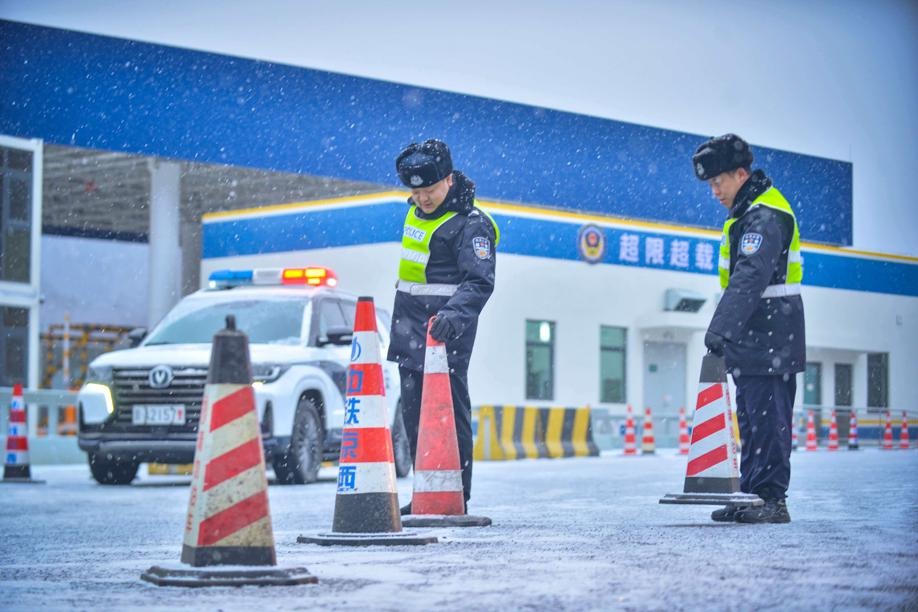
    Emergency services and transportation authorities have deployed personnel across critical infrastructure points. In Mentougou district, law enforcement and auxiliary police have been observed maintaining vigilance at expressway checkpoints, working under challenging conditions to ensure traveler safety and traffic flow despite wind and snow complications.

    The municipal government has activated its multi-agency coordination mechanism, focusing on maintaining transportation networks, ensuring energy supply stability, and providing necessary public assistance. The response reflects lessons learned from previous winter emergencies, with improved resource allocation and communication systems compared to past snow events.

    Residents have been advised to limit non-essential travel and stay updated through official channels as the weather system develops. The city’s winter preparedness plan, refined through annual evaluations, demonstrates Beijing’s evolving approach to managing severe weather challenges in one of the world’s most populous urban centers.

  • Thailand and Cambodia agree to halt fighting, Trump says

    Thailand and Cambodia agree to halt fighting, Trump says

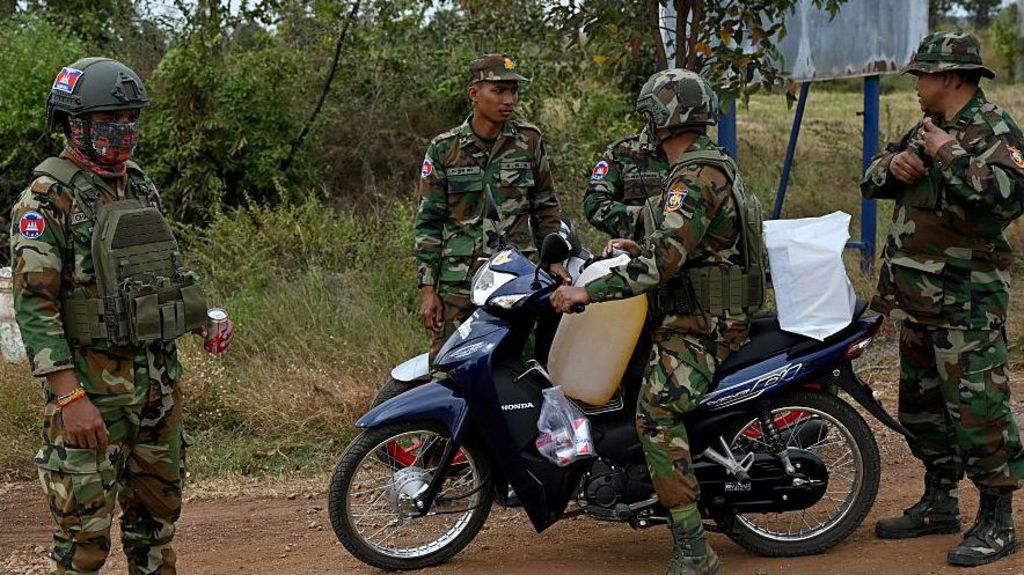
    In a significant diplomatic development, former U.S. President Donald Trump has declared that Thailand and Cambodia will implement an immediate ceasefire following days of intense border conflicts. The announcement came after Trump engaged in separate telephone discussions with Thai Prime Minister Anutin Charnvirakul and Cambodian Prime Minister Hun Manet.

    The border dispute between the Southeast Asian neighbors escalated dramatically on July 24 when Cambodian forces launched rocket barrages into Thai territory, prompting retaliatory airstrikes from Thailand. The recent surge in violence has resulted in at least 20 casualties and displaced approximately half a million people from border communities.

    Through his Truth Social platform, Trump stated that both leaders ‘have agreed to CEASE all shooting effective this evening, and go back to the original Peace Accord made with me.’ He further emphasized that ‘Both Countries are ready for PEACE and continued Trade with the United States of America.’

    However, the Thai Prime Minister presented a more conditional stance during a news conference, indicating that a ceasefire would only materialize if ‘Cambodia will cease fire, withdraw its troops, remove all landmines it has planted.’ As of the announcement, neither Southeast Asian leader had publicly confirmed the agreement.

    The current conflict represents the latest eruption in a century-long territorial dispute along the 800-kilometer border between the two nations, with boundaries originally established during the French colonial occupation of Cambodia. This week’s fighting expanded across at least six provinces in northeastern Thailand and five provinces in northern and northwestern Cambodia, marking the most significant escalation in recent years.

    This marks the second ceasefire attempt brokered by Trump in collaboration with Malaysian Prime Minister Anwar Ibrahim, following an earlier ‘immediate and unconditional ceasefire’ agreement that ultimately failed to maintain stability in the region.

  • Treason trial of South Sudan’s suspended VP is further eroding peace deal, UN experts say

    Treason trial of South Sudan’s suspended VP is further eroding peace deal, UN experts say

    United Nations experts have issued a stark warning that the ongoing treason trial of South Sudan’s suspended Vice President Riek Machar is severely undermining the 2018 peace agreement between Machar and President Salva Kiir. The UN panel’s report reveals that military forces from both factions continue to engage in confrontations across the country, creating conditions ripe for renewed major conflict.

    The political landscape has dramatically shifted since the signing of the peace accord, with years of neglect fragmenting government and opposition forces into a complex patchwork of uniformed soldiers, defectors, and armed community defense groups. These factions are increasingly preoccupied with local struggles rather than national reconciliation efforts.

    UN Peacekeeping Chief Jean-Pierre Lacroix recently informed the Security Council that South Sudan’s crisis is rapidly escalating, describing a visible ‘breaking point’ with time running ‘dangerously short’ to salvage the peace process. The situation marks a troubling development for the oil-rich nation that gained independence from Sudan in 2011 after prolonged conflict, only to descend into civil war in 2013 along ethnic divisions between Kiir’s Dinka supporters and Machar’s Nuer loyalists.

    The 2018 agreement that ended the civil war—which claimed over 400,000 lives—established a unity government but has suffered from sluggish implementation. The already delayed presidential election is now scheduled for December 2026.

    Tensions dramatically escalated in March when a Nuer militia seized an army garrison, prompting Kiir’s government to charge Machar and seven other opposition figures with treason, murder, terrorism, and other crimes. While Kiir’s administration maintains that peace agreement implementation continues unaffected through an opposition faction led by Stephen Par Kuol, those siding with Machar’s former deputy Natheniel Oyet have been largely removed from positions and forced to flee the country.

    The African Union, regional countries, and the Intergovernmental Authority on Development (IGAD) have unanimously called for Machar’s release and emphasized strong support for the 2018 agreement’s full implementation. Meanwhile, the humanitarian situation continues deteriorating, with latest assessments indicating 7.7 million people—57% of the population—facing crisis-level food insecurity and famine conditions in communities most affected by renewed fighting.