作者: admin

  • UN votes to back Unrwa as US weighs sanctions

    UN votes to back Unrwa as US weighs sanctions

    In a powerful display of international consensus, the United Nations General Assembly has overwhelmingly endorsed a resolution supporting the International Court of Justice’s advisory opinion regarding humanitarian aid access to Gaza. The Friday vote saw 139 nations in favor, with only 12 opposed—including Israel, the United States, Hungary, and Argentina—while 19 countries abstained.

    The resolution specifically calls for Israel to permit United Nations agencies, including the controversial UN Relief and Works Agency (UNRWA), to deliver critical humanitarian assistance to Gaza’s Palestinian population. This development comes six months after the ICJ heard extensive evidence from more than 40 states and international organizations, ultimately ruling that Israel’s restrictions on aid violate international law.

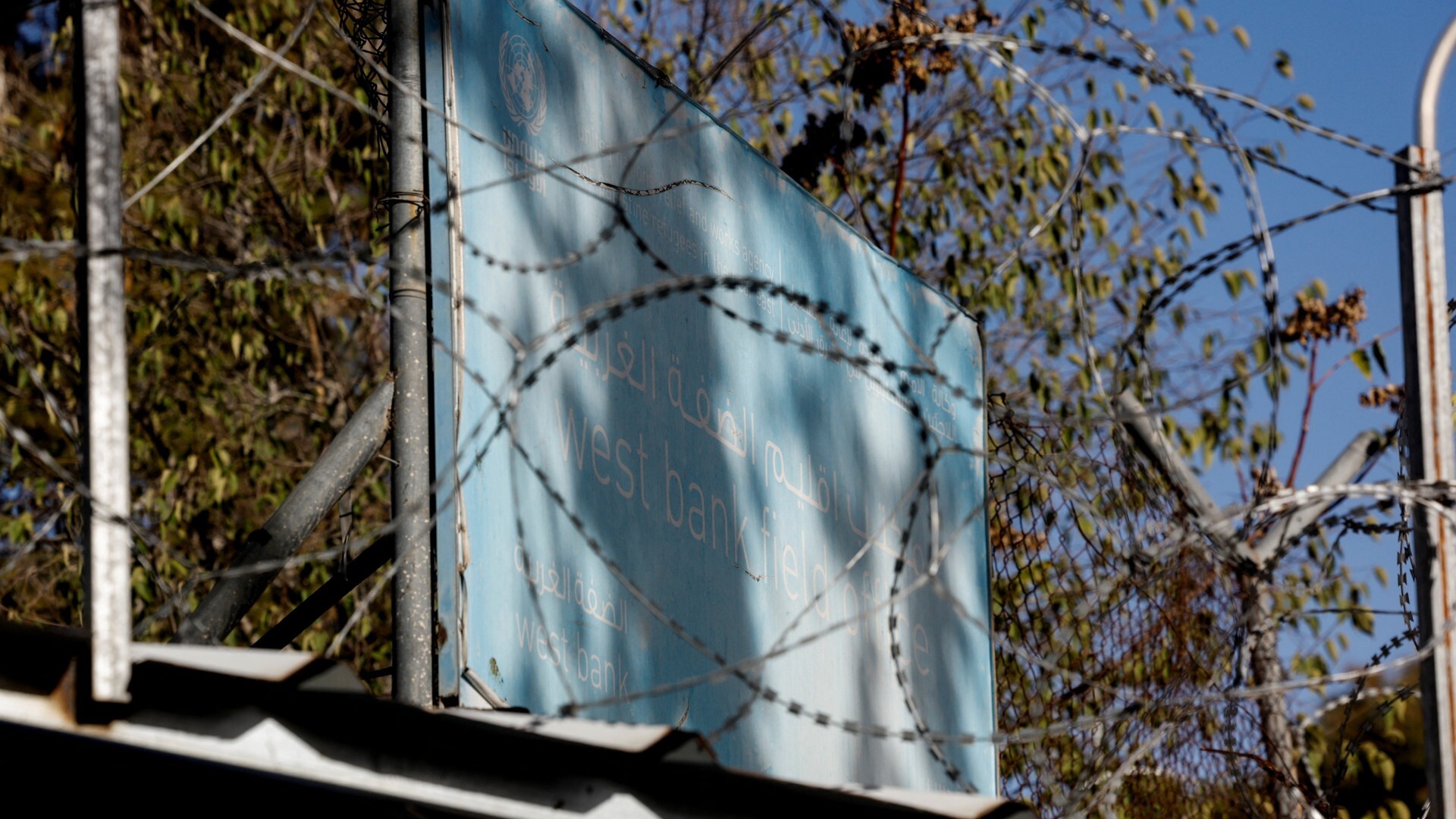
    UNRWA, established in 1949 to address the Palestinian refugee crisis following the Nakba, provides essential services including healthcare, education, and food assistance to Palestinian refugees across Gaza, the West Bank, Jordan, Lebanon, and Syria.

    The vote represents a significant diplomatic rebuke to Israel and its few allies who argued for limiting aid obligations based on military necessity and security concerns—arguments the world court ultimately rejected. UNRWA Commissioner-General Philippe Lazzarini welcomed the outcome, stating on social media that the vote ‘has given a strong endorsement to the ruling by the International Court of Justice that claims about UNRWA being infiltrated by Hamas are not substantiated.’

    In contrast, Israel’s UN Ambassador Danny Danon denounced the resolution as ‘calling on Israel to cooperate with terrorism,’ asserting that ‘UNRWA = hotbed of terrorism’ and must be eliminated ‘for the sake of peace in the world.’

    The vote occurs amid ongoing tensions regarding UNRWA’s operations, which began in January 2024 when Israel accused the agency of harboring Hamas members. While UNRWA terminated nine staff members over potential involvement in the October 2023 attacks, evidence supporting these allegations has not been publicly disclosed.

    The United States, historically UNRWA’s largest donor, has halted funding and is reportedly considering unprecedented sanctions against the agency. Such measures would effectively cripple UNRWA’s banking capabilities and dollar transactions. State Department officials have characterized UNRWA as ‘a corrupt organization with a proven track record of aiding and abetting terrorists,’ though no final decisions have been made.

    Meanwhile, eight Muslim and Arab nations—including Saudi Arabia, Egypt, Jordan, and Qatar—issued a joint statement affirming UNRWA’s ‘indispensable role’ in protecting Palestinian refugees, highlighting the deep international divisions on this humanitarian issue.
  • PLAN’s big underwater drones push undersea power toward US shores

    PLAN’s big underwater drones push undersea power toward US shores

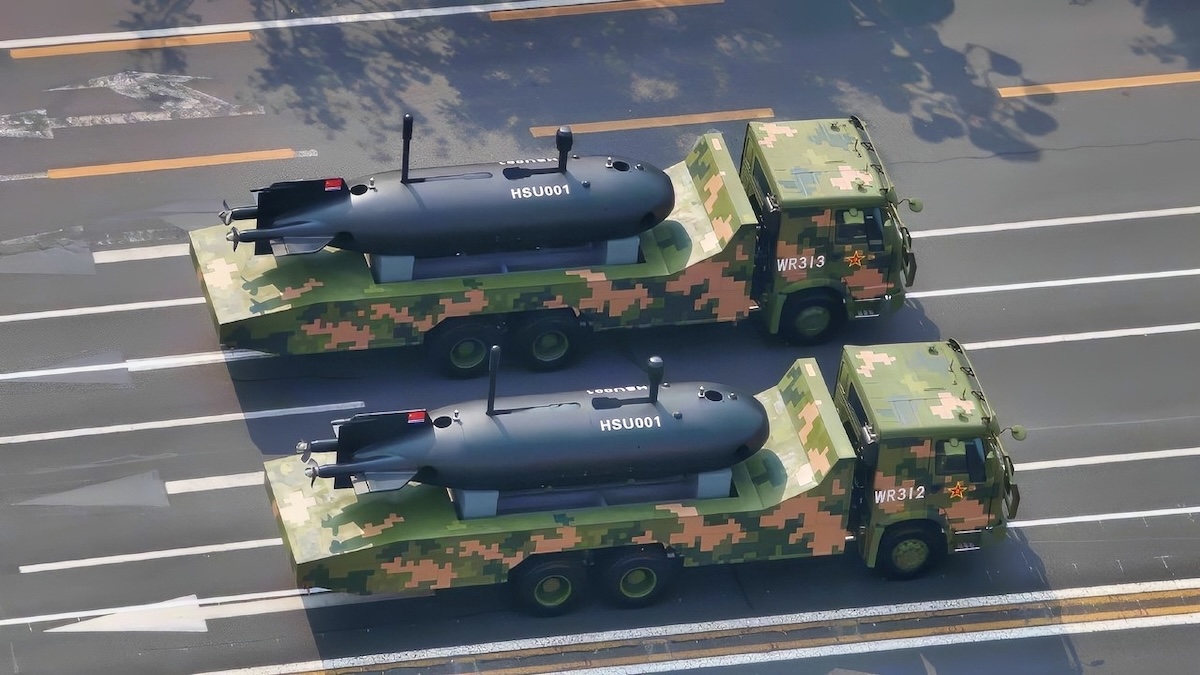
    China’s testing of colossal uncrewed underwater vehicles (UUVs) represents a transformative development in maritime warfare with far-reaching implications for global security. Recent reports indicate Beijing is conducting secret trials of two distinct extra-extra-large UUV (XXLUUV) models in the South China Sea, with these systems comparable in size to conventional submarines.

    According to naval analysts, these diesel-electric powered drones possess operational ranges exceeding 18,500 kilometers and can carry diverse payloads including torpedoes, sea mines, and smaller underwater vehicles. Their design incorporates advanced battery banks and diesel generators, enabling extended submerged transit capabilities that could potentially bypass existing anti-submarine defenses across the Pacific theater.

    The strategic implications are profound. These autonomous systems could execute minelaying operations, port blockades, or critical infrastructure attacks at unprecedented ranges. Particularly vulnerable are undersea communications cables, with Taiwan’s 24 internet cables representing a primary target that could paralyze the island’s banking, emergency services, and critical infrastructure during potential conflict scenarios.

    Beyond Taiwan, the Trans-Pacific Cable network connecting Japan, Guam, and Hawaii faces similar vulnerabilities. The modular nature of these XXLUUVs allows for specialized equipment, including cable-cutting tools capable of operating at 4,000-meter depths using diamond-coated grinding technology.

    Additionally, these systems threaten US underwater sensor networks like the ‘Fish Hook’ array designed to detect Chinese submarine movements through the First Island Chain. Neutralizing these sensors would enable Chinese naval forces greater freedom of movement into the open Pacific.

    The Indian Ocean represents another strategic theater where these drones could operate, potentially securing China’s sea lines of communication and supporting alternative trade routes bypassing the vulnerable Malacca Strait. This expansion could bring China into direct competition with India and other regional powers.

    While theoretically capable of nuclear delivery missions similar to Russia’s Poseidon system, analysts question the strategic value of such applications given their slow transit times compared to ballistic missiles. China’s existing nuclear arsenal, including DF-41 ICBMs capable of reaching the US mainland in approximately 30 minutes, provides more credible deterrent options.

    The scale of production and existence of competing designs suggest these are not mere research projects but part of a serious procurement program that could fundamentally alter the strategic balance across the Pacific and Indian Oceans.

  • Ukraine’s health supplies hit in series of Russian strikes on medical warehouses

    Ukraine’s health supplies hit in series of Russian strikes on medical warehouses

    A systematic Russian campaign targeting pharmaceutical infrastructure has crippled Ukraine’s medical supply chain, destroying over $300 million worth of vital medicines in recent months through precision strikes on distribution centers.

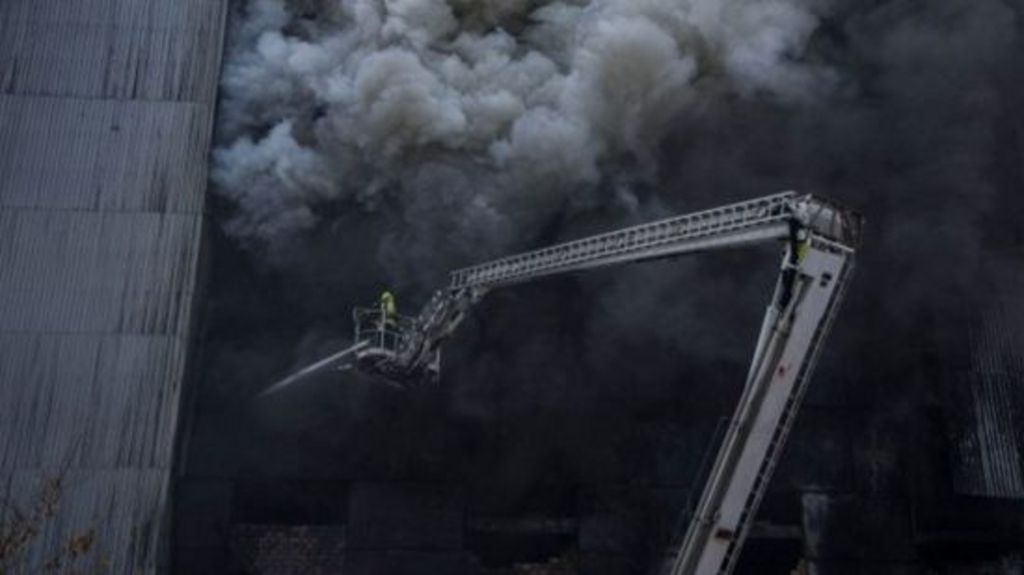
    The strategic bombardment culminated on December 6th when kamikaze drones struck the Dnipro warehouse facility operated by BADM, one of Ukraine’s two major pharmaceutical distributors. The attack ignited an uncontrollable blaze that consumed approximately $110 million in medications—representing nearly 30% of the nation’s monthly medical inventory.

    Dmytro Babenko, BADM’s acting director-general, recounted the precision strike: ‘Missiles flew past but the drones hit their mark. The resulting fire proved impossible to contain, leading to total destruction of the facility.’

    This incident follows similar attacks on Optima Pharm, the other primary distributor serving Ukraine’s pharmacy network. Their Kyiv storage complex was destroyed in an October assault costing over $100 million, with additional strikes occurring in August and November. Together, these two companies supply approximately 85% of medications to Ukrainian pharmacies.

    The International Rescue Committee confirmed the loss of $195,000 in humanitarian medical supplies stored at the Dnipro facility, enough to treat 30,000 vulnerable patients. Andriy Moskalenko of IRC described the devastation: ‘All this medicine could have served people for years, lost in a single moment.’

    Russia’s defense ministry continues to deny targeting civilian infrastructure, claiming instead it struck military equipment and drone production facilities. These assertions contradict eyewitness accounts and documented evidence from attack sites.

    According to Ukrainian authorities, the systematic targeting of medical infrastructure has damaged over 2,500 healthcare institutions and killed more than 500 medical professionals since the invasion began. The World Health Organization recorded 2,763 attacks on Ukraine’s healthcare system through 2025, noting a 12% year-over-year increase in assaults.

    Despite the catastrophic losses, BADM officials express cautious optimism about recovery, predicting potential shortages only in specific medication categories with full supply restoration expected within six weeks.

  • Iran overturns death sentence for Kurdish leftist leader Verisheh Moradi

    Iran overturns death sentence for Kurdish leftist leader Verisheh Moradi

    In a significant judicial development, Iran’s Supreme Court has nullified the capital punishment verdict against Verisheh Moradi, a distinguished Kurdish leftist figure and member of the Community of Free Women of Eastern Kurdistan (KJAR). The court’s decision, citing substantial procedural flaws and investigative deficiencies in the initial trial, represents a rare judicial reversal in Iran’s legal system.

    Moradi had been condemned to death in November 2024 by Branch 15 of Tehran’s Revolutionary Court on charges of ‘armed rebellion’ stemming from her alleged involvement in the Mahsa Amini protests. The case originated from her arrest in August 2023, where authorities accused her of affiliation with the Free Life Party of Kurdistan (PJAK), an organization linked to the Kurdistan Workers’ Party (PKK).

    The Supreme Court’s annulment specifically highlighted the failure to properly notify Moradi of the precise charges against her during legal proceedings, constituting a violation of due process. Judicial authorities have now referred the case back to the original court for comprehensive review and renewed proceedings.

    Moradi’s background includes combat experience against Islamic State forces in Syria, where she sustained injuries during the 2014 defense of Kobane. Despite her imprisonment, she remained politically active, co-signing a June 2024 prison letter condemning Israel’s military actions in Gaza.

    This case occurs against the backdrop of Iran’s escalating use of capital punishment, which reached a concerning peak with at least 975 executions recorded in 2024—the highest number documented since 2015. The international community has consistently criticized Tehran’s application of the death penalty, particularly in cases involving political dissent and minority rights activists.

    Simultaneously, Nobel Peace Prize laureate Narges Mohammadi was forcibly returned to prison after attending a memorial service, cutting short her provisional release granted for health reasons in December 2024. Mohammadi’s continued persecution underscores the challenging environment for human rights defenders within Iran’s judicial landscape.

  • A new Bollywood film is dividing opinions in India and Pakistan

    A new Bollywood film is dividing opinions in India and Pakistan

    The latest Bollywood espionage thriller ‘Dhurandhar’ has ignited both acclaim and controversy across South Asia, presenting a polarized reception to its intense portrayal of India-Pakistan tensions. Directed by Aditya Dhar and featuring Ranveer Singh as protagonist Hamza—an Indian intelligence operative infiltrating criminal networks in Karachi—the film merges high-stakes action with overt nationalist themes.

    Since its theatrical release last week, the production has generated substantial box office success while simultaneously provoking heated discourse regarding its political messaging and historical interpretations. Dhar, who gained prominence with the 2019 military drama ‘Uri: The Surgical Strike,’ continues his exploration of nationalist cinema with this sophomore directorial effort.

    The film’s narrative framework incorporates actual historical events, including archival footage from the 2001 Indian Parliament attack and the 2008 Mumbai terror incidents, weaving them into a fictional tapestry of gang warfare and cross-border espionage. Its visceral combat sequences and claustrophobic cinematography create an atmosphere of relentless tension, though some critics argue the violence borders on gratuitous.

    Reactions have bifurcated sharply between those applauding the film’s technical execution and narrative ambition, and others condemning its perceived propagandistic elements. The Film Critics’ Guild issued an official statement decrying the targeted harassment of reviewers who expressed reservations about the production’s political undertones.

    In Pakistan, responses have been equally divided. While Bollywood content remains technically banned since 2019, audiences continue accessing films through digital workarounds. Pakistani commentators have criticized the depiction of Karachi as a lawless territory and questioned the factual accuracy of linking local criminal organizations to cross-border terrorism. The Pakistan Peoples Party particularly objected to fictionalized rally scenes featuring imagery of assassinated leader Benazir Bhutto.

    This controversy emerges within a broader trend of Indian nationalist cinema achieving commercial success while stimulating debate about historical representation. Films like ‘The Kashmir Files’ and ‘The Kerala Story’ have previously navigated similar tensions between entertainment and political messaging. As with those predecessors, ‘Dhurandhar’ demonstrates how cinematic narratives continue reflecting—and potentially shaping—complex geopolitical relationships in the region.

  • Exclusive: UK won’t comment on prosecutor’s claim Britain threatened to defund ICC

    Exclusive: UK won’t comment on prosecutor’s claim Britain threatened to defund ICC

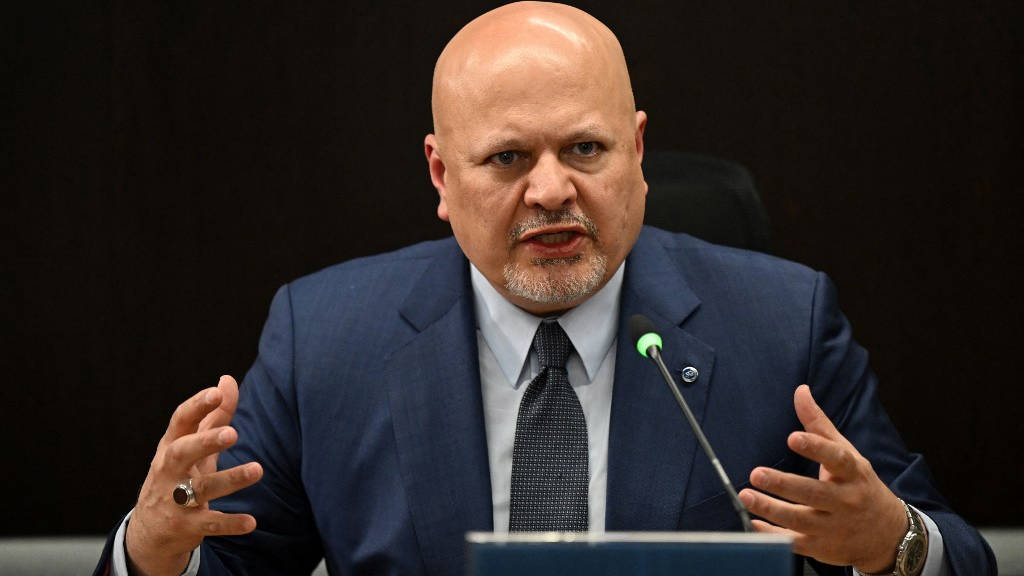
    The UK Foreign, Commonwealth and Development Office has maintained a stance of non-commentary regarding serious allegations made by Karim Khan, the Chief Prosecutor of the International Criminal Court (ICC). In an official court submission dated Wednesday, Khan detailed an alleged campaign of intimidation he faced prior to seeking arrest warrants against Israeli leaders in May 2024.

    According to the prosecutor’s filing with the ICC’s appeals chamber, a senior British government official reportedly threatened to withdraw UK funding and support for the international judicial body if Khan proceeded with warrants targeting Israeli Prime Minister Benjamin Netanyahu and former Defense Minister Yoav Gallant. The warrants concern alleged war crimes committed during military operations in Gaza.

    Multiple investigative reports, including previous coverage by Middle East Eye (MEE), identify the official in question as David Cameron, who served as Foreign Secretary at the time of the alleged April 23, 2024 phone conversation. When pressed by MEE to confirm or deny the allegations and to clarify whether an investigation would be launched into the matter, the Foreign Office declined to respond, continuing a pattern of silence established since initial reports surfaced in June.

    Khan’s submission describes receiving communication from the UK official who argued that pursuing warrants against Israeli leadership would be ‘disproportionate’ and could trigger financial repercussions for the court. This account appears to corroborate earlier reporting from MEE, which cited sources including former staff within Khan’s office who were familiar with the call’s minutes.

    According to these sources, Cameron characterized the potential issuance of warrants as analogous to ‘dropping a hydrogen bomb.’ He reportedly drew a distinction between prosecuting Russia for its aggression against Ukraine and targeting Israel while it was engaged in self-defense following the October 7 attacks. Further international reporting from outlets including France’s Le Monde and The New Yorker has echoed these details, with the latter publication reporting that Khan himself relayed the ‘hydrogen bomb’ comment to UN investigators.

    A contrasting perspective, presented in journalist Peter Oborne’s book ‘Complicit: Britain’s Role in the Destruction of Gaza,’ cites a source close to Cameron describing the exchange as ‘robust’ but not threatening. This source claimed Cameron merely highlighted that powerful factions within the Conservative Party would likely advocate for defunding the ICC and potentially withdrawing from the Rome Statute should the warrants be pursued.

    The allegations have prompted calls for accountability from several British political figures. Former Scottish First Minister Humza Yousaf and independent MP Jeremy Corbyn have both demanded a formal parliamentary investigation to establish the facts surrounding the conversation and determine whether a serving UK foreign secretary attempted to improperly influence an independent international judicial process.

  • Fired University of Michigan football coach charged with stalking

    Fired University of Michigan football coach charged with stalking

    Sherrone Moore, the recently dismissed head coach of the University of Michigan football program, now confronts serious criminal charges including home invasion and stalking within a domestic relationship. This legal development follows his abrupt termination by the university earlier this week after officials obtained what they described as “credible evidence” of an inappropriate relationship with a staff member.

    According to court documents, the 39-year-old coach was formally charged on Friday afternoon, just two days after his dismissal and subsequent arrest. The incident unfolded when police in Pittsfield Township responded to assault reports at approximately 16:10 local time on Wednesday, coinciding with Moore’s termination.

    Law enforcement authorities from the neighboring city of Saline assisted in locating and detaining the former coach near the university’s Ann Arbor campus. While specific details regarding the alleged assault and inappropriate relationship remain undisclosed, a magistrate has imposed stringent conditions including $25,000 bail, mandatory GPS monitoring, and a restraining order requiring Moore to maintain distance from his former girlfriend.

    The university’s athletic department issued a strong statement emphasizing that Moore’s alleged conduct “constitutes a clear violation of university policy” and reaffirmed their “zero tolerance for such behavior.” This sudden departure creates immediate leadership challenges for the football program, with associate head coach Biff Poggi assuming command ahead of the team’s scheduled appearance in the Cheez-It Citrus Bowl against the University of Texas on December 31.

    Neither Moore nor his legal representative have provided public comments regarding the allegations or criminal charges.

  • Viral scenic valley in China, not Japan, operators of tourist attraction clarify

    Viral scenic valley in China, not Japan, operators of tourist attraction clarify

    A breathtaking viral video showcasing mist-shrouded cliffs that captivated global social media audiences has been definitively identified as featuring China’s Wangxian Valley, despite widespread mislabeling as Japanese scenery. The management of this Jiangxi province tourist destination has confirmed the footage’s true origins after the clip amassed significant international attention.

    Xiong Hui, co-founder and vice-president of Jiuniu Cultural and Tourism Co, which operates the scenic area, expressed surprise at the unexpected global spotlight. The company noticed substantial overseas engagement with the video on Wednesday morning, prompting their clarification.

    “Wangxian Valley is indeed located in Shangrao, Jiangxi,” Xiong stated. “Its distinctive deep gorges and ever-shifting mist create a landscape that is immediately recognizable to those familiar with our region. We are delighted that viewers worldwide have appreciated the footage and extend a warm invitation to international visitors to experience Jiangxi’s authentic natural beauty firsthand.”

    The site’s transformation from a discontinued mining zone to a cultural resort town represents a remarkable rehabilitation success story. Today, Wangxian Valley combines spectacular natural scenery with traditional folk culture and performance activities, creating a multifaceted tourist experience.

    Official statistics reveal the destination’s growing popularity, with 3.1 million visits recorded in 2024, including over 150,000 international tourists. This misidentification incident previously drew the attention of diplomatic channels, with the Chinese embassy in India clarifying on social media platform X on December 8 that the viral video—which had garnered 1.3 million likes—depicted Chinese scenery rather than locations in Tokyo or Hokkaido, Japan. The embassy spokesperson seized the opportunity to encourage global social media users to discover China’s authentic landscapes.

  • European Chamber Shanghai Chapter calls for stronger EU-China sustainability ties

    European Chamber Shanghai Chapter calls for stronger EU-China sustainability ties

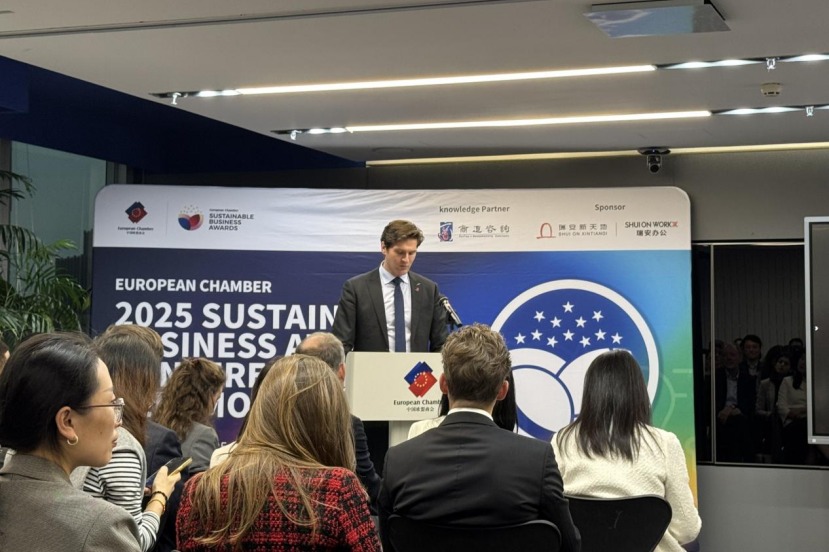
    SHANGHAI – The European Union Chamber of Commerce in China’s Shanghai Chapter reinforced its call for strengthened sustainability collaboration between the EU and China during its 9th Annual Sustainable Business Awards ceremony held on December 11, 2025.

    The event, which attracted record participation with 78 applications from 45 companies, highlighted environmental, social, and governance (ESG) principles as essential long-term business strategies rather than mere compliance exercises. Chamber leadership emphasized the strategic alignment between European technological expertise and China’s ambitious carbon neutrality targets.

    Carlo D’Andrea, European Chamber Vice-President and Shanghai Chapter Chair, articulated the mutual benefits of this partnership: ‘EU-China collaboration on sustainability creates genuine opportunities for both sides, with European companies’ decarbonization objectives aligning closely with China’s national ambitions.’

    The awards program, inspired by both UN Sustainable Development Goals and China’s domestic policies on rural revitalization and environmental protection, has evolved significantly from its origins. Steven Basart, General Manager of the Shanghai Chapter, noted the program’s transformation ‘from a simple awards initiative into a comprehensive platform for dialogue, learning, and collaboration.’

    This year’s recognition spanned 11 categories including biodiversity conservation, circular innovation, climate action, decarbonization efforts, and Sino-European sustainability collaboration. The rigorous evaluation process, praised by judges including Stina Hinderson of the Swedish Embassy’s CSR Center in Beijing, revealed innovative solutions across companies of all sizes.

    Hinderson observed: ‘Across these areas, we have witnessed numerous impressive solutions from both multinational enterprises and small and medium enterprises, demonstrating that all companies have a role to play in the sustainability transition.’

    The ceremony underscored the growing business commitment to environmental stewardship while facilitating crucial dialogue between European and Chinese stakeholders on shared ecological challenges.

  • Families of Palestine Action hunger strikers in hospital ‘blocked’ from contacting them

    Families of Palestine Action hunger strikers in hospital ‘blocked’ from contacting them

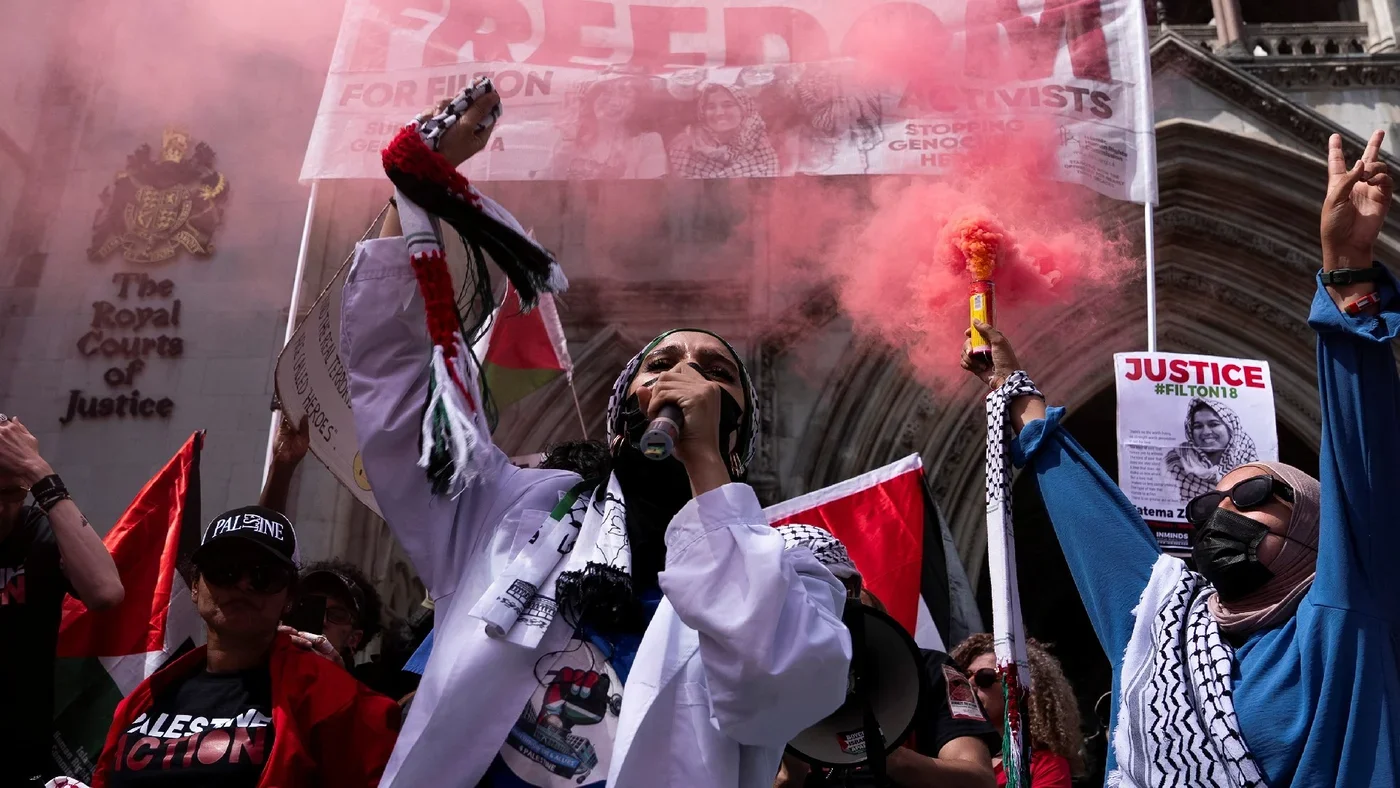
    A deepening humanitarian crisis is unfolding within Britain’s prison system as multiple Palestine Action-linked detainees continue a prolonged hunger strike, now entering its most critical phase. The situation has drawn sharp criticism from medical professionals and lawmakers who allege systematic neglect and violations of standard healthcare protocols.

    At the center of the controversy is Kamran Ahmed, hospitalized for the second time this week after refusing food since November 2nd. His sister, Shahmina Alam, describes an agonizing information blackout imposed by Pentonville prison authorities. ‘We don’t know how he’s doing, that’s the honest answer,’ Alam told Middle East Eye, explaining how the institution has blocked direct medical updates from healthcare providers to families and legal representatives.

    This communication barrier mirrors experiences across multiple facilities. Ella Moulsdale, listed as next of kin for striker Qesser Zuhrah at HMP Bronzefield, discovered the prison had replaced her as emergency contact without consultation. ‘The hospital refused her a call to me and her lawyer,’ Moulsdale revealed, describing how she learned of Zuhrah’s December 3rd hospitalization through absence rather than official notification.

    Medical oversight appears dangerously inadequate according to emergency physician Dr. James Smith, who has been advising the strikers’ families. He reports consistent failures in basic monitoring: ‘There doesn’t appear to have been a single day where a full set of clinical signs have been shared with me by the next of kin.’ Particularly alarming are missing daily measurements of ketone levels and weight—critical indicators when prisoners approach 40 days without nutrition.

    The physical deterioration has become severe. Ahmed exhibited dangerously high ketone levels and slowing pulse rates before hospitalization, conditions that can precipitate coma or cardiac arrest. Dr. Smith emphasizes the extreme vulnerability during this phase: ‘The body is effectively starting to break down muscles and essential organs. There’s a very, very high risk of death due to infection or electrolyte imbalances that can stop the heart abruptly.’

    Further concerns involve treatment obstruction by prison guards. Smith reports instances where hospitalized strikers were shackled to beds or officers during medical assessments, showers, and consultations—practices that interfere with proper healthcare delivery. He concludes that the standard of care falls ‘far below the minimum standard’ required for such high-risk patients.

    With lives hanging in the balance, multiple MPs have urgently appealed to Justice Secretary David Lammy for intervention. Labour MP Zarah Sultana warned the strikers’ lives are ‘now at immediate risk’ and demanded ‘meaningful action.’ Thus far, responses have been inadequate or nonexistent, raising questions about accountability and transparency within the UK’s justice system as this preventable medical emergency escalates.