作者: admin

  • Wave of freezing weather brings snow to northern China

    Wave of freezing weather brings snow to northern China

    A significant winter weather system has descended upon northern China, bringing the season’s most extensive snowfall and plunging temperatures. Beijing experienced its first major winter snowstorm on Friday, prompting municipal authorities to implement comprehensive emergency measures across the capital region.

    The Beijing Meteorological Service issued critical weather alerts, including an orange warning for icy roads—the second-highest level in the three-tier alert system—and a blue alert for snowstorms. In response to the deteriorating conditions, transportation authorities permitted private vehicles to use bus-only lanes during Friday’s evening rush hour to alleviate traffic congestion.

    According to chief forecaster Zhang Linna, snow accumulation reached 2-5 centimeters in urban plains and 5-8 centimeters in mountainous areas. The city’s primary snow-clearing operator, Beijing Huanwei Group, deployed an extensive fleet of 2,520 pieces of equipment, including 1,672 specialized snow-removal vehicles, to maintain road accessibility.

    Airports implemented enhanced operational protocols, with Beijing Daxing International Airport mobilizing 300 personnel and 84 snow-removal vehicles. Despite the challenging conditions, both of Beijing’s major airports maintained largely normal flight operations, experiencing only minimal weather-related delays.

    The weather system represents the most substantial precipitation event since winter began, affecting multiple regions including Shaanxi, Shanxi, Hebei, Henan, Shandong, Liaoning provinces, and the Inner Mongolia Autonomous Region. Temperature drops exceeding 10 degrees Celsius were recorded across northern regions, with the cold front expected to continue affecting central China in coming days. Meteorological authorities project temperature rebounds beginning Monday as the system moves southward.
  • UN investigators file report on misconduct allegations against ICC prosecutor

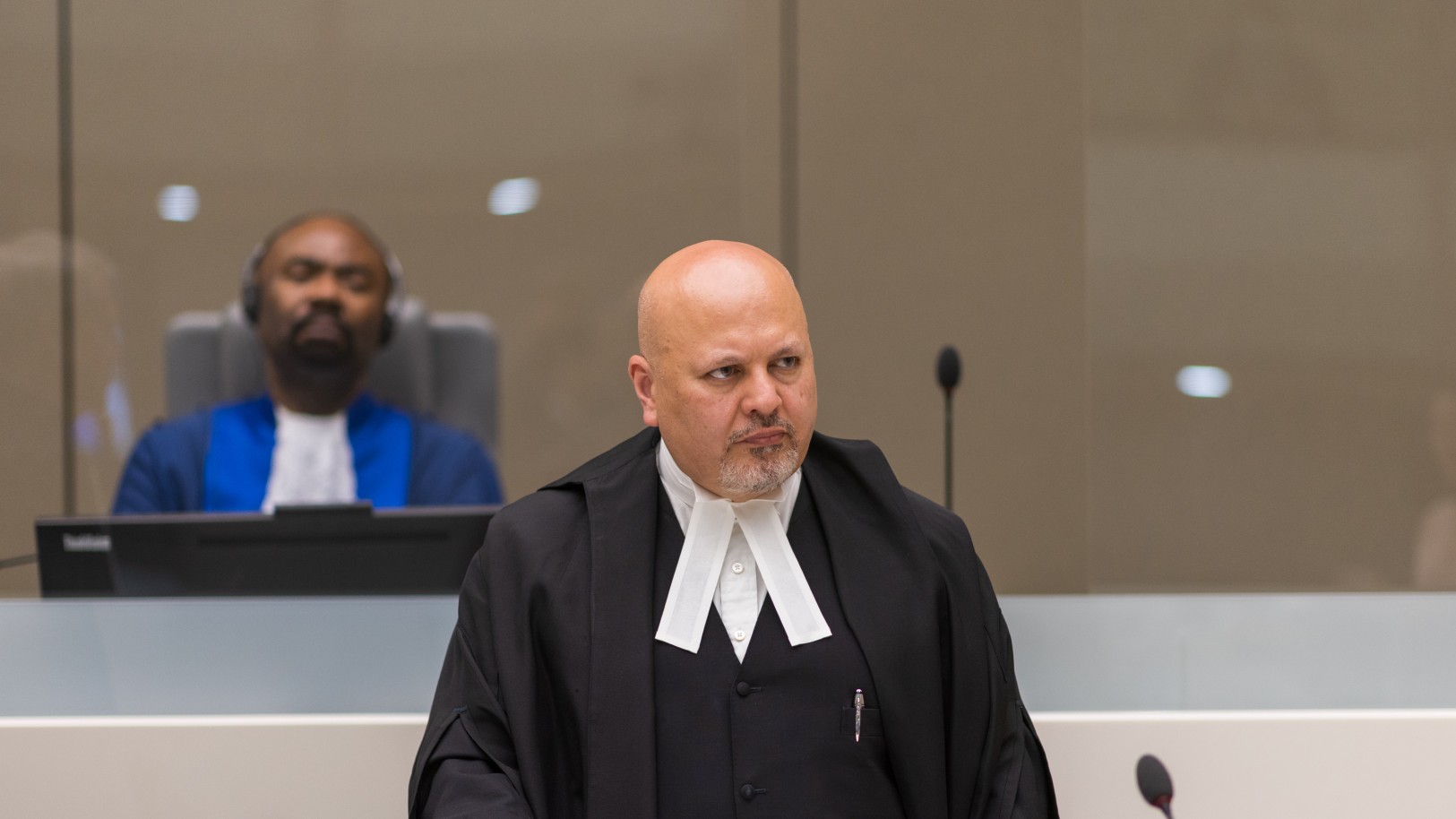
    UN investigators file report on misconduct allegations against ICC prosecutor

    A landmark United Nations investigation into allegations against International Criminal Court Prosecutor Karim Khan has reached a critical juncture, with findings now submitted to a specialized judicial panel for evaluation. The UN Office of Internal Oversight Services (OIOS) delivered its comprehensive report to the ICC’s governing Assembly of States Parties (ASP) on December 11, initiating a formal review process that could determine Khan’s professional future.

    The ASP Presidency confirmed the transfer of the fact-finding document to an ad hoc panel of judicial experts commissioned by the Assembly’s Bureau. These independent jurists will assess whether the evidence substantiates misconduct allegations and determine their severity classification. Their advisory opinion, while non-binding, will inform the ASP leadership’s subsequent decisions regarding potential disciplinary measures.

    According to internal ASP documentation reviewed by Middle East Eye, the Bureau possesses authority to suspend Prosecutor Khan pending final determination should the panel identify either serious misconduct or violations of lesser gravity. Any permanent removal would necessitate an absolute majority vote among the ASP’s 125 member states.

    The judicial panel will conduct its evaluation within the legal parameters established by the Rome Statute, ICC procedural regulations, and relevant administrative guidelines. ASP officials estimate approximately 30 days for completion, though complexity may extend this timeline.

    This prolonged investigation has generated significant operational uncertainty within the court’s leadership structure. Khan voluntarily stepped aside in May pending the investigation’s outcome, with deputy prosecutors assuming interim responsibilities. Multiple diplomatic sources and ICC staff have expressed concerns regarding the institution’s capacity to fulfill its mandate during this period of administrative limbo.

    The development follows recent procedural reforms adopted during the ASP’s annual conference in The Hague, where members ratified resolutions enhancing due process protections for both complainants and officials facing misconduct allegations. However, these amendments may not apply retroactively to Khan’s case.

    International justice expert Sergey Vasiliev acknowledged the significance of concluding the fact-finding phase while noting persistent challenges: ‘The judicial experts operate under considerable pressure given the investigation’s duration and must address mounting frustration among member states through expeditious yet thorough deliberation.’

    The ASP Presidency has emphatically urged all stakeholders to respect confidentiality protocols and maintain the integrity of the ongoing judicial process.

  • Trump’s ‘historic’ peace deal for DR Congo shattered after rebels seize key city

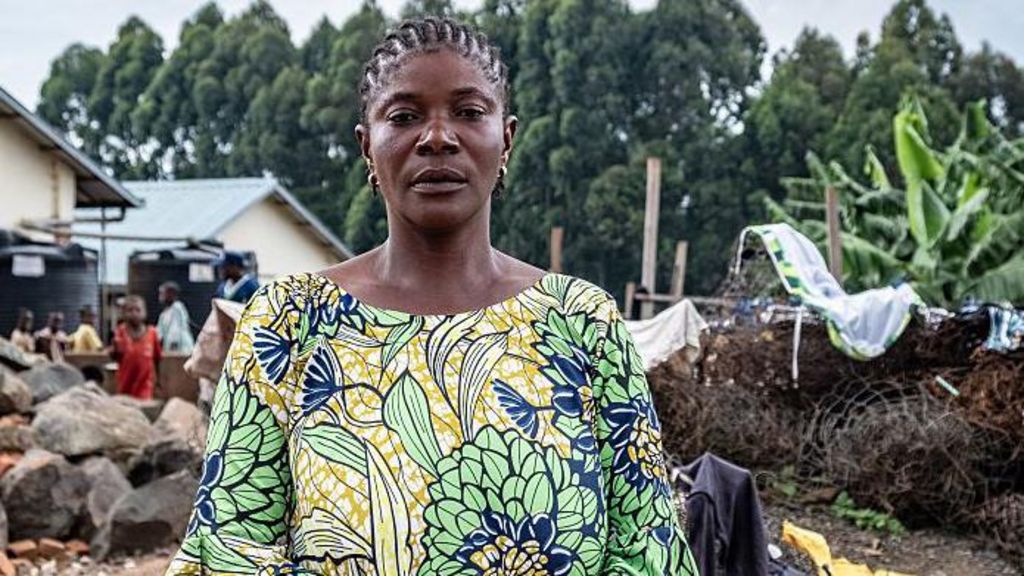
    Trump’s ‘historic’ peace deal for DR Congo shattered after rebels seize key city

    The United States has launched a sharp diplomatic condemnation against Rwanda, accusing the nation of destabilizing Africa’s Great Lakes region through its support of M23 rebel forces. This condemnation comes barely a week after President Donald Trump presided over what was hailed as a “historic” peace agreement between Democratic Republic of Congo President Félix Tshisekedi and Rwandan President Paul Kagame in Washington.

    The fragile peace process faces collapse following M23’s capture of Uvira, a strategically vital city in South Kivu province that served as DR Congo’s final major military stronghold in the region. UN experts and Western governments maintain Rwanda exercises de facto control over M23 operations, though Rwanda consistently denies these allegations.

    Strategic analysts reveal Uvira’s capture serves multiple purposes: cutting Burundi’s supply routes into eastern DR Congo, forcing Burundian troop withdrawals, and creating leverage for future negotiations. The city’s fall has triggered a humanitarian crisis with approximately 50,000 refugees fleeing into Burundi, which has subsequently closed its border.

    Canada-based political scientist Professor Jason Stearns characterized the offensive as deliberately humiliating to US diplomatic efforts, noting that Rwandan troops were amassing for the invasion even as their president signed the Washington accord. The timing suggests neither M23 nor Rwanda believed in the agreement’s viability from the outset.

    The conflict’s complexity stems from historical ethnic tensions and mutual accusations between neighboring nations. Rwanda seeks protection from FDLR militia remnants linked to the 1994 genocide, while DR Congo accuses Rwanda of territorial ambitions through proxy forces. Burundi fears M23’s success will empower Red Tabara rebels threatening its government.

    With the Washington peace process collapsing and parallel Qatar-mediated negotiations suspended, the US and European powers face limited options. Their joint statement demands immediate cessation of offensive operations and Rwandan troop withdrawals, but enforcement mechanisms remain unclear. The situation now depends on how much political capital international mediators are willing to invest in resolving one of Africa’s most intractable conflicts.

  • Video sheds new light on Japan’s wartime atrocities

    Video sheds new light on Japan’s wartime atrocities

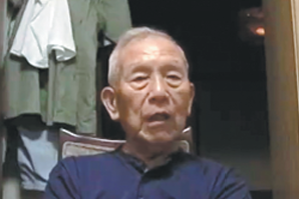
    A chilling 38-minute video testimony from a former member of Japan’s infamous Unit 731 has been publicly released by China’s Harbin-based Exhibition Hall of Evidences of Crimes Committed by Unit 731 of the Japanese Imperial Army. The footage, featuring Tsuruo Nishijima’s firsthand account recorded in 1997, was disclosed on the eve of China’s National Memorial Day for Nanjing Massacre Victims, providing unprecedented insight into one of history’s most brutal biological warfare programs.

    Nishijima, who joined Unit 731’s meteorological unit in October 1938, offered detailed descriptions of horrific human experimentation methodologies. His testimony reveals how he assisted in measuring wind patterns to optimize the dispersal of bacterial agents and participated in frostbite experiments conducted on human subjects. The video particularly highlights the so-called “shower experiments” where aircraft sprayed bacterial solutions at extremely low altitudes over rows of tethered prisoners, including Chinese, Korean, Mongolian, and Soviet captives.

    The former unit member recounted how victims were forced at gunpoint to open their mouths and look upward during these aerial pathogen deployments, noting that “inhaling the solution meant certain death.” After exposure, subjects were transported in refrigerated trucks for continuous observation and data recording. Nishijima’s testimony also mentions instances where Japanese military doctors succumbed to infections despite wearing multiple protective masks, underscoring the extreme lethality of the developed pathogens.

    Unit 731, established in 1933 as Japan’s top-secret biological and chemical warfare research center, developed over 50 types of bacteria including typhoid, cholera, plague, anthrax, and glanders. The unit conducted experiments on at least 3,000 people while Japan’s biological weapons claimed over 300,000 lives across China. The testimony further describes Unit 731’s operational deployment during the 1941 Zhejiang-Jiangxi Campaign, where small teams of 30-40 members spread bacteria in civilian areas during Japanese troop withdrawals.

    Jin Shicheng, director of the museum’s education department, emphasized that the testimony “provides an insider’s perspective on their atrocities, confirming the crimes against humanity committed by the Japanese Army during the invasion of China.” He further noted that Japanese medical and academic communities actively supported and participated in these crimes, making Unit 731’s operations “a large-scale, organized group crime from top to bottom in Japan.” The video was originally recorded by Japanese scholar Fuyuko Nishisato and donated to the museum in 2019.

  • APEC ‘China Year’ kicks off at Shenzhen meeting

    APEC ‘China Year’ kicks off at Shenzhen meeting

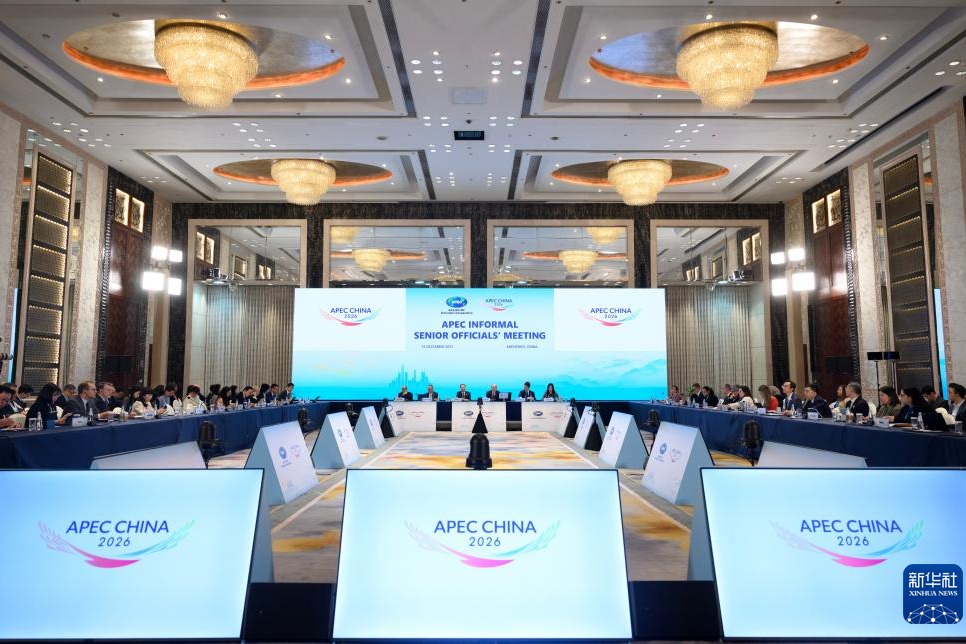
    Shenzhen has formally inaugurated the APEC ‘China Year’ as the host nation unveiled an extensive schedule of nearly 300 events spanning multiple Chinese cities throughout 2026. The announcement came during the conclusion of the APEC Informal Senior Officials’ Meeting in Shenzhen, where China revealed its three-pillar cooperation framework focusing on openness, innovation, and collaborative development.

    The centerpiece of China’s APEC leadership will be the 33rd APEC Economic Leaders’ Meeting scheduled for November 18-19, 2026 in Shenzhen, under the theme ‘Building an Asia-Pacific Community to Prosper Together.’ The program will include the APEC CEO Summit, joint ministerial meetings, and three senior officials’ meetings in Guangzhou, Shanghai, and Dalian throughout the year.

    Foreign Ministry spokesman Guo Jiakun detailed that approximately 10 specialized ministerial meetings will address critical areas including digital economy transformation, trade facilitation, sustainable transportation, tourism development, energy security, financial cooperation, and women’s economic empowerment. These meetings will commence in May 2026 across various host cities.

    Vice-Foreign Minister Ma Zhaoxu emphasized China’s commitment to strengthening regional economic integration, describing openness as ‘the lifeline of Asia-Pacific prosperity’ and innovation as ‘the engine of regional development.’ He urged member economies to uphold multilateral trading systems, stabilize regional supply chains, and accelerate digital transformation through technical standardization.

    The selection of Shenzhen as primary host city carries symbolic significance, with experts noting its reputation as China’s innovation hub and demonstration of economic opening. Professor Zheng Yongnian of the Chinese University of Hong Kong (Shenzhen) highlighted that the city’s strengths in artificial intelligence, biomedicine, and internet technologies align perfectly with regional development needs.

    International response appeared positive, with Peru’s senior APEC official Victor Munoz expressing enthusiasm for exploring ‘new avenues of technical cooperation’ through Shenzhen’s innovative ecosystem. The meetings attracted nearly 200 participants from APEC member economies, academic institutions, and business organizations, signaling strong regional engagement with China’s agenda.

  • An eyebrow tip and McDonald’s footage: Takeaways from Luigi Mangione’s evidence hearing

    An eyebrow tip and McDonald’s footage: Takeaways from Luigi Mangione’s evidence hearing

    Manhattan criminal court has become the stage for a pivotal pre-trial hearing in the high-profile case against Luigi Mangione, the accused murderer of United Healthcare CEO Brian Thompson. The proceedings have revealed startling new evidence about Mangione’s capture at a Pennsylvania McDonald’s and the circumstances surrounding his December 2024 arrest.

    Prosecutors presented never-before-seen body camera footage showing the moment officers confronted the Ivy League graduate and scion of a prominent Maryland family. The visual evidence depicts Mangione calmly eating a meal while surrounded by law enforcement waiting for backup, all accompanied by incongruous Christmas music playing throughout the restaurant.

    The hearing has focused intensely on the defense’s attempts to suppress critical evidence, including a 9mm handgun, silencer, and a notebook allegedly containing anti-healthcare industry writings that prosecutors characterize as a ‘manifesto.’ Defense attorneys Karen Friedman Agnifilo and Marc Agnifilo argue these items were obtained without proper warrant authorization.

    A remarkable aspect of the case emerged through testimony about Mangione’s distinctive eyebrows, which ultimately led to his identification. McDonald’s employees alerted police after a customer noticed the unique facial feature despite the suspect’s attempts at disguise with a black hoodie, medical mask, and beanie.

    Prosecutors introduced particularly damning evidence in the form of notecards found on Mangione containing what appeared to be post-crime instructions. One card explicitly stated: ‘Change hat, shoes, pluck eyebrows’ – suggesting awareness of his most identifiable feature. Another note read: ‘Keep momentum, FBI slower overnight.’

    The testimony of Altoona Lieutenant William Hanelly revealed the initial skepticism among officers about finding a New York shooting suspect in their small Pennsylvania town. Despite this disbelief, officers quickly recognized the resemblance to circulated NYPD photos after days without leads.

    Video evidence shows Mangione initially providing a false New Jersey identification under the name ‘Mark Rosario’ before eventually confessing his true identity. This deception provided the legal grounds for his initial arrest on false identification charges.

    The hearing continues to examine the legality of the backpack search that yielded numerous evidentiary items including dozens of $100 bills, face masks, a hair trimmer, and a passport. Defense arguments center on Fourth Amendment violations, while prosecutors maintain exceptional circumstances justified the warrantless search.

    Mangione remains composed throughout the proceedings, frequently taking notes and occasionally sharing quiet moments with his legal team. The case continues to draw national attention as both sides prepare for what promises to be a complex trial addressing both state murder charges and federal counts that could carry the death penalty.

  • Trump officials sue Georgia county to force release of 2020 voting records

    Trump officials sue Georgia county to force release of 2020 voting records

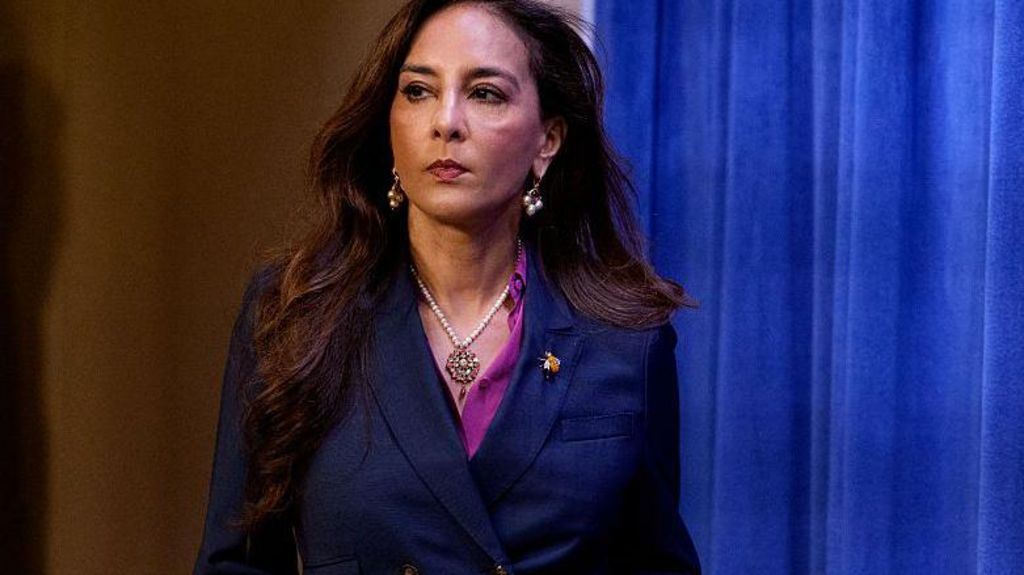
    The U.S. Justice Department has initiated legal proceedings against Fulton County, Georgia, escalating a prolonged dispute over access to 2020 presidential election materials. Filed by Assistant Attorney General Harmeet Dhillon of the Civil Rights Division, the lawsuit demands comprehensive access to all utilized and voided ballots, ballot stubs, signature envelopes, and corresponding digital files from the contested election.

    The legal action alleges violations of the Civil Rights Act by Fulton County officials, who previously asserted that the requested materials remained sealed and inaccessible without judicial authorization. This development represents the latest chapter in the ongoing political and legal saga surrounding Georgia’s pivotal role in determining the 2020 presidential outcome, which saw then-President Donald Trump narrowly defeated by Joe Biden in the state.

    The Justice Department’s involvement follows an October subpoena that election authorities declined to honor, prompting federal intervention. Dhillon emphasized the department’s commitment to electoral integrity in an official statement, declaring: “This Department of Justice will not permit states to jeopardize the integrity and effectiveness of elections by refusing to abide by federal elections laws. If states will not fulfil their duty to protect the integrity of the ballot, we will.”

    This litigation occurs against a complex backdrop of previous legal challenges. Trump’s campaign and allies filed numerous lawsuits alleging electoral irregularities in Georgia following the 2020 election, particularly focusing on Fulton County and the Atlanta metropolitan area. These efforts included the now-famous January 2021 telephone conversation wherein Trump urged Georgia Secretary of State Brad Raffensperger to “find 11,780 votes” – precisely one more than needed to overcome Biden’s margin of victory.

    The current federal lawsuit emerges just weeks after the dismissal of a separate criminal case against Trump in Fulton County. District Attorney Fani Willis had pursued racketeering charges alleging a criminal conspiracy to overturn Georgia’s election results, but the case encountered procedural obstacles before being formally dismissed earlier this month. That prosecution had been considered particularly significant since presidential pardon powers do not extend to state-level convictions.

    Fulton County officials have not yet responded to requests for comment regarding the Justice Department’s latest legal action.

  • Trump signs order intended to block states from regulating AI

    Trump signs order intended to block states from regulating AI

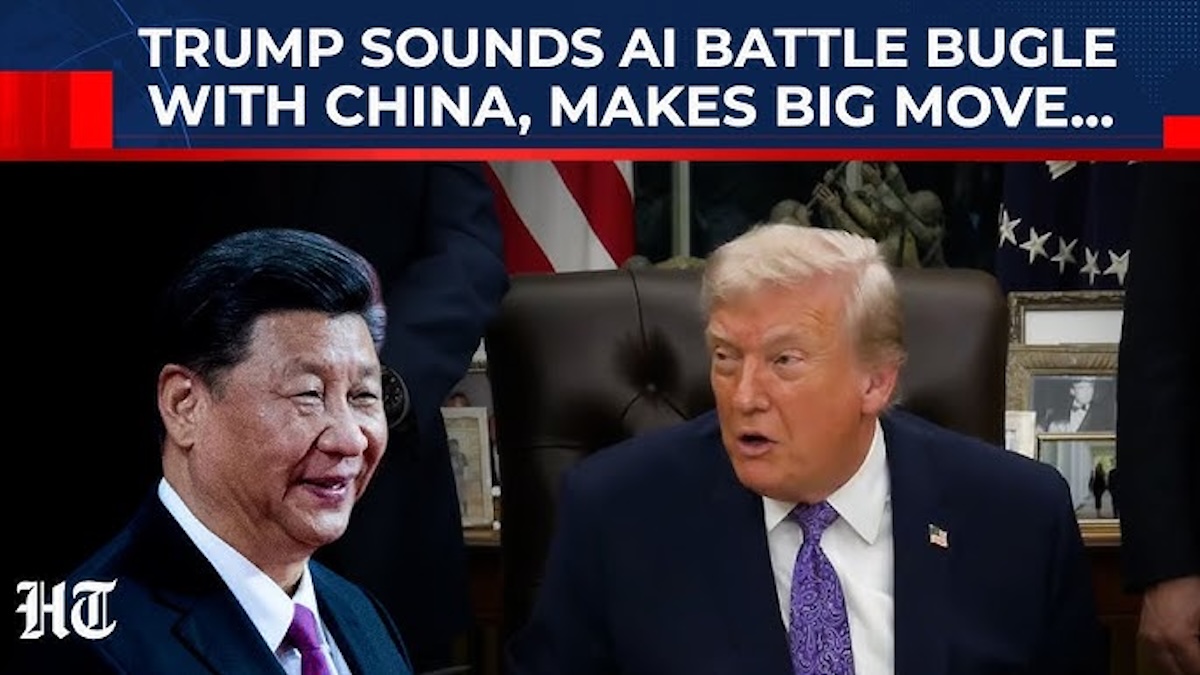
    In a significant move to centralize artificial intelligence governance, President Donald Trump has issued an executive order asserting federal authority over state-level AI regulations. The order, signed during an Oval Office ceremony on Thursday evening, establishes a national framework for AI development that explicitly preempts individual states from creating their own regulatory standards.

    President Trump justified this unprecedented federal intervention by emphasizing the strategic competition with China. “Coordinating policy among 50 different states would put the US at a disadvantage,” Trump stated, adding that Chinese President Xi Jinping operates without similar jurisdictional constraints. The administration positions this move as essential for maintaining American technological leadership in the burgeoning AI industry.

    The executive order establishes a specialized task force charged with monitoring state-level AI legislation and challenging perceived regulatory overreach through judicial channels. Commerce Secretary has been directed to complete a comprehensive review of existing state laws within a 90-day timeframe. According to White House officials, this coordinated approach addresses the growing patchwork of over 1,000 pending AI-related bills across state legislatures.

    White House staff secretary Will Scharf characterized the order as creating “a single national framework” to prevent state regulations from “potentially crippling the industry.” This represents one of the most substantial assertions of presidential authority over state governments and Congress regarding emerging technology governance.

    The order faces anticipated legal challenges from multiple fronts, including environmental advocacy groups concerned about AI’s substantial energy consumption requirements. Food and Water Watch policy chief Mitch Jones condemned the order as “farcical” and pledged to oppose it “in Congress, in the states, in the courts, and with communities across this country.”

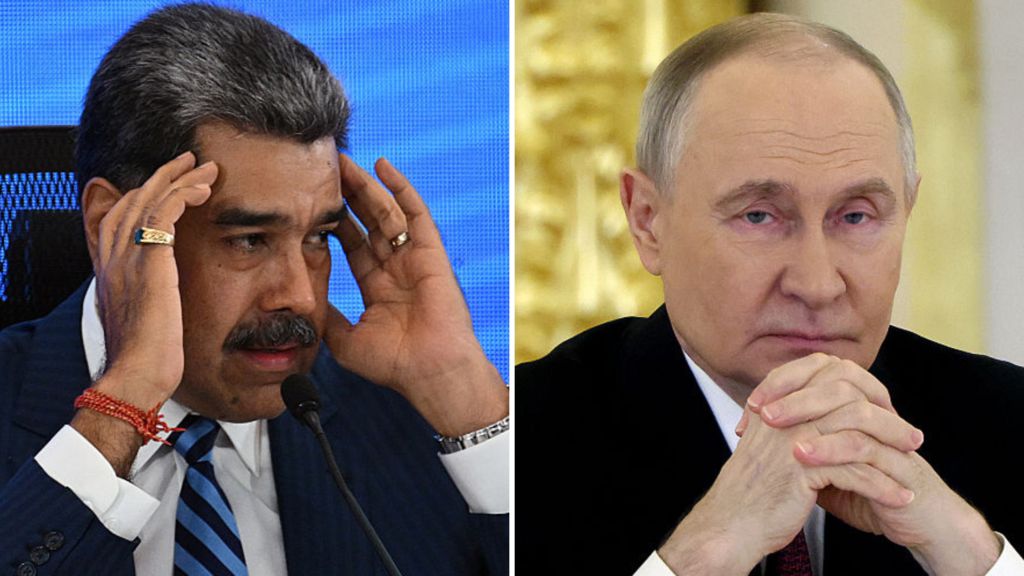
  • As Trump targets Venezuela, its allies Russia and China show little signs of support

    As Trump targets Venezuela, its allies Russia and China show little signs of support

    Venezuelan President Nicolás Maduro faces escalating geopolitical isolation as his nation’s traditionally steadfast allies demonstrate diminishing commitment to his socialist government. Despite years of political, financial, and military backing from both China and Russia—a relationship established under Maduro’s predecessor Hugo Chávez—current support appears increasingly symbolic rather than substantive.

    This diplomatic shift coincides with significant US military deployment to the Caribbean region, including a nuclear-powered submarine, surveillance aircraft, and approximately 15,000 troops. Washington has conducted strikes targeting alleged drug smuggling operations, resulting in over 80 fatalities, and recently seized a Venezuelan oil tanker citing sanctions violations. While the Trump administration maintains these actions combat narcotics trafficking, many analysts interpret them as part of a broader regime change strategy.

    Experts identify multiple factors driving the recalibration of support from Caracas’s primary allies. Professor Fernando Reyes Matta, Director of the Centre for China Studies at Andrés Bello University in Chile, notes that Venezuela has diminished as a strategic priority for both Beijing and Moscow, particularly following Donald Trump’s return to the White House. Russia’s extensive resource allocation to its conflict in Ukraine since the 2022 invasion, compounded by severe Western sanctions, has constrained its capacity to support international allies.

    Professor Vladimir Rouvinski of Icesi University’s Laboratory of Politics and International Relations observes that Moscow avoids actions that might trigger additional sanctions, while China prioritizes protecting recent diplomatic advancements with Washington. Despite Maduro’s reported October request for military assistance, neither nation has provided material aid beyond rhetorical support. The Kremlin affirmed solidarity through a Putin-Maduro phone call following the tanker seizure but offered no concrete assistance.

    China’s engagement has similarly waned, with Beijing reducing new lending and focusing on recovering existing loans amid Venezuela’s economic collapse and oil industry deterioration. Both nations recognize the controversial nature of Maduro’s July 2024 election victory, which opposition figures including Nobel Peace laureate María Corina Machado allege was fraudulent. With diminishing internal support and reluctant international partners, Maduro’s political future appears increasingly precarious as traditional allies prioritize their own strategic interests over ideological alignment with Caracas.

  • A backstreet abortion nearly killed her. It became a story that shaped the rest of her life

    A backstreet abortion nearly killed her. It became a story that shaped the rest of her life

    Nobel literature laureate Annie Ernaux has transformed her traumatic experience with illegal abortion into a powerful literary testament that continues to resonate across generations. In 1963, as a 23-year-old university student from a working-class background, Ernaux faced an unplanned pregnancy that threatened to derail her academic aspirations and literary ambitions.

    Describing the experience as “a battle of life and death,” Ernaux recounts the terrifying isolation and desperation that characterized illegal abortions in pre-1975 France. With abortion criminalized and information completely inaccessible, young women faced impossible choices between dangerous self-induced procedures or seeking help from underground “angel-makers”—both options carrying severe legal and medical consequences.

    Her meticulously detailed account in “Happening” (2000) documents the physical trauma of her abortion using a knitting needle and the subsequent medical emergency that required hospitalization. The book’s unflinching factual language serves as both historical record and political statement, preserving the memory of what she calls “the worst violence that could be inflicted on a woman.”

    Ernaux’s literary courage extends beyond abortion to other taboo subjects including sexual assault, family secrets, and aging parents. Her distinctive minimalist style, developed while writing about her working-class father, reflects her commitment to social justice and giving voice to marginalized experiences.

    Now 85, Ernaux advocates for memorializing the countless women who died from illegal abortions—estimated between 300,000 to one million annually before legalization. She recently proposed a monument to the Mayor of Paris, analogous to France’s unknown soldier memorial, recognizing these forgotten casualties.

    Despite France’s constitutional protection of abortion rights, Ernaux warns against complacency, citing recent restrictions in US states and Poland. Her work remains on French school syllabi and has been adapted into award-winning films, ensuring new generations understand the brutal history preceding reproductive freedoms.